
Reviewed · TSUKIJI MARKET TOURS
Tsukiji Fish Market: Street Food & Culture Walking Tour
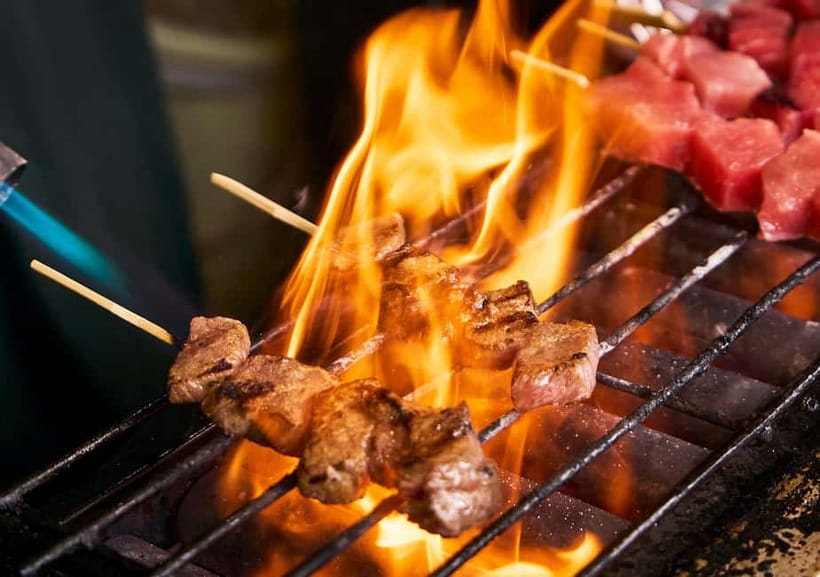
Tsukiji is best understood with your appetite switched on. This two-hour walk takes you through the outer market’s food stalls, a traditional fish-cutting demonstration, a seafood bowl stop, and Tsukiji Hongwanji Temple. The food is the main event, but the market’s working side gives the tour more substance than a simple snack crawl.
I like the small-group format, which gives guides such as George and Tomo room to explain Japanese ingredients and customs. I also like the mix of eating and watching skilled fish preparation, a useful way to see how food reaches the table. The main concern is crowd control: busy periods can mean waiting, missed stalls, or a guide who is hard to hear.
In This Review
- Key points at a glance
- What this Tsukiji tour actually offers
- Starting at Tsukiji Hongwanji Temple
- Walking through Tsukiji Jogai Market
- The fish-cutting show and seafood bowl
- Seeing the market’s working side
- What the two-hour pace feels like
- Accessibility, group size, and comfort
- Is the $33.16 price fair?
- Who will enjoy this experience most?
- Booking, weather, and cancellation
- Should you book the Tsukiji walking tour?
- FAQ
- Where does the Tsukiji walking tour start?
- Where does the tour end?
- How long does the experience last?
- Is the tour wheelchair and stroller accessible?
- Are meals included in the tour price?
- What is the cancellation policy?
Key points at a glance
- A food-first walk through Tsukiji Jogai Market: Sample the market atmosphere while your guide explains Japanese ingredients and cooking.
- Traditional fish-cutting demonstration: Watch a chef fillet a whole fish and explain techniques passed down through Japanese food culture.
- Seafood bowl after the demonstration: The meal creates a natural pause after the show, but food costs are listed separately from the tour price.
- A short visit to Tsukiji Hongwanji Temple: Learn about Buddhism and the building’s cultural role before or during the market visit.
- Small-group attention, with a maximum of 30 people: The format can feel personal, though 30 is still a fairly large group in narrow market lanes.
- Wheelchair and stroller accessible: This makes the walk practical for many visitors, but crowds and stopping points may still affect how easy it feels.
What this Tsukiji tour actually offers
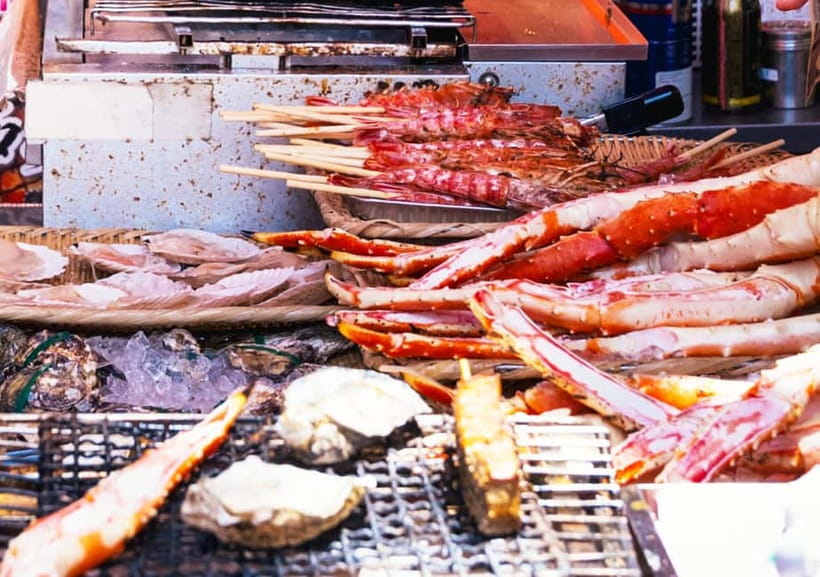
Tsukiji Fish Market is no longer Tokyo’s main wholesale market. The large inner market moved to Toyosu, while Tsukiji Jogai Market continued as a food district with shops, stalls, restaurants, and professional seafood activity. This tour focuses on the outer market and its food culture.
That distinction matters. You are not signing up for a silent early-morning auction viewing. You are signing up to walk, taste, watch a chef work, and learn how Japanese food connects to daily life.
The experience lasts about two hours and begins at Tsukiji Hongwanji Temple. It ends at the same meeting point, which keeps the logistics simple. The price is listed at $33.16 per person, an attractive rate for a guide-led introduction, but you should budget extra for anything you eat because meals are not included.
A few more Tokyo tours and experiences worth a look


Starting at Tsukiji Hongwanji Temple
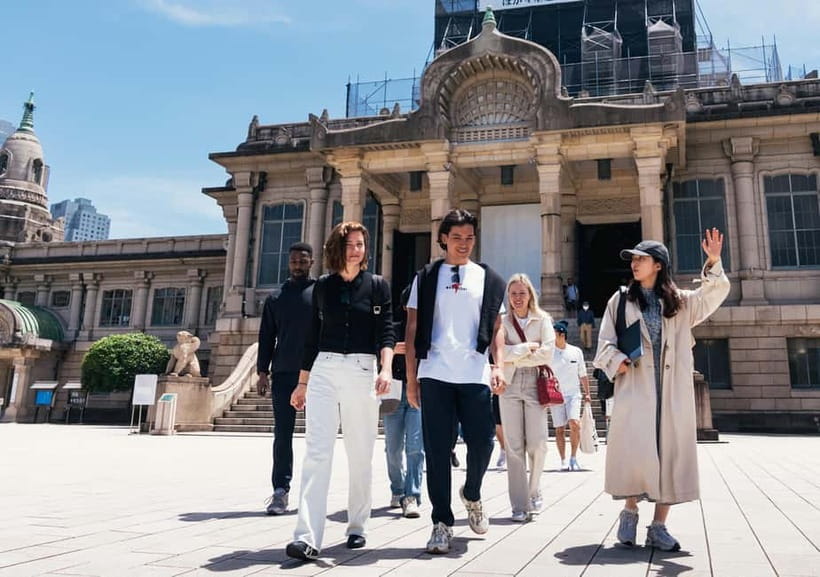
The meeting point is the main hall of Tsukiji Hongwanji Temple at 3-chome-15-1 Tsukiji. The temple visit takes about 15 minutes, so do not expect a long religious tour. Instead, think of it as a short cultural introduction before the food stops begin.
A local guide explains the temple’s appeal and gives context about Buddhism in Japan. That helps you read the market with a little more understanding. Japanese food is not separate from religion, season, craft, or ceremony, and this opening stop sets that idea in place.
The temple portion is also the most divisive part of the tour. If you mainly want to eat and shop, 15 minutes here may feel like time taken away from the stalls. If you appreciate a little culture with your food, it gives the morning a better shape.
The meeting point is near public transportation, and the tour returns there at the end. Confirmation arrives when you book, so you have the essential details before setting out.
Walking through Tsukiji Jogai Market
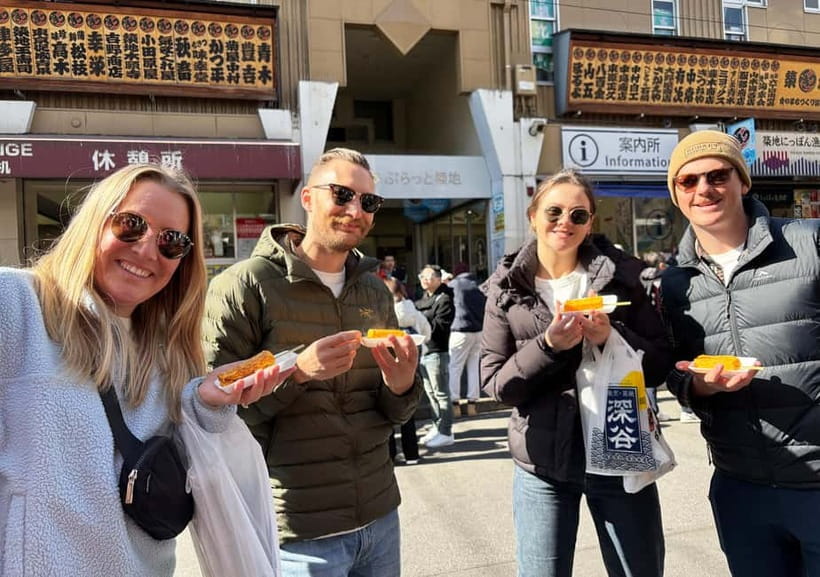
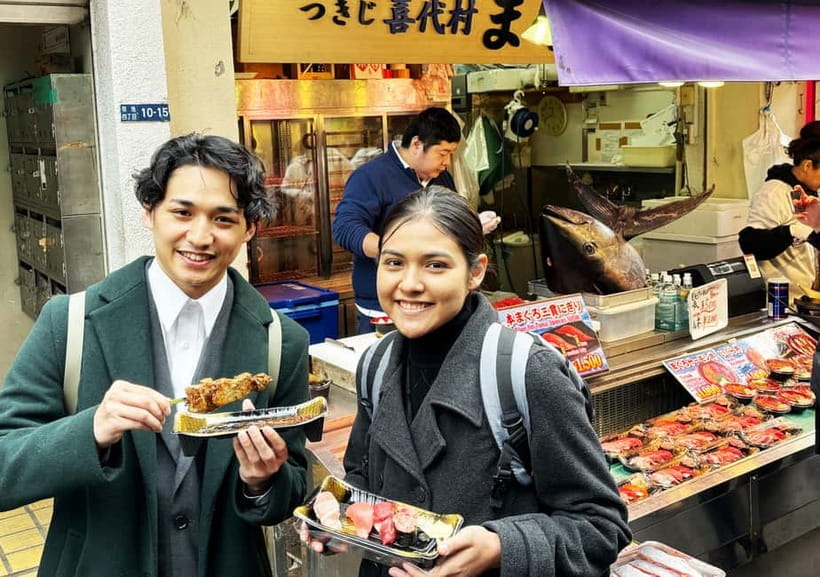
The first market segment lasts about 45 minutes. Your guide leads you through Tsukiji Jogai Market and points out foods, ingredients, and places to eat. This is where the experience depends most on the guide’s ability to manage a group and choose good stopping points.
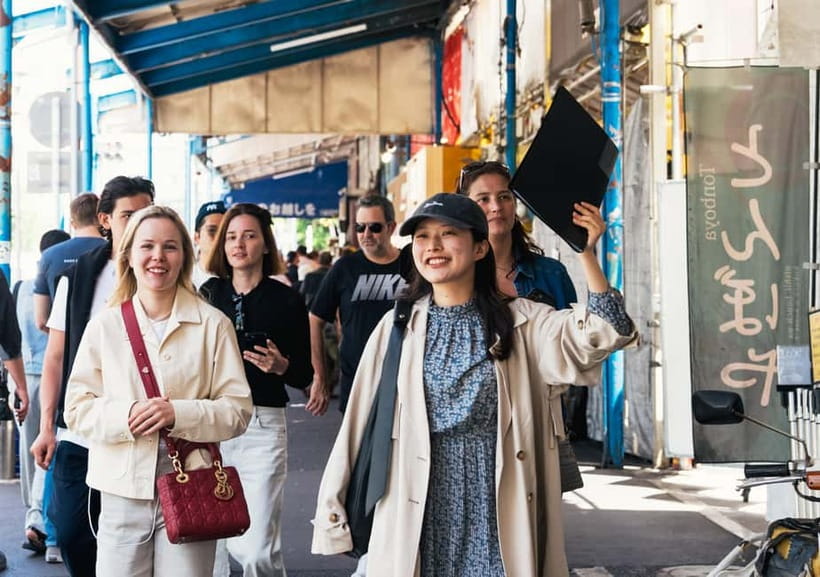
Guides such as George have been praised for steering people toward worthwhile foods, while Tomo has been noted for explaining local customs and market background clearly. Guide assignments can change, so treat those names as examples rather than a promise. The important point is that the quality of your morning depends heavily on clear explanations and good pacing.
You can expect a social food walk rather than a formal cooking class. The guide helps you understand what you are seeing and encourages you to try market food, but the tour does not list a set meal or a fixed tasting menu. That gives you some freedom, though it also means the final cost depends on what you choose to buy.
The market can be crowded, especially close to New Year. Narrow lanes, queues, and people stopping at stalls make it easy for a group to stretch out. Stay close to the guide and keep an eye on the meeting point. Some participants have found the stops too slow, while others felt the guide moved ahead too quickly. That tension is common on a food walk in a packed market.
The fish-cutting show and seafood bowl
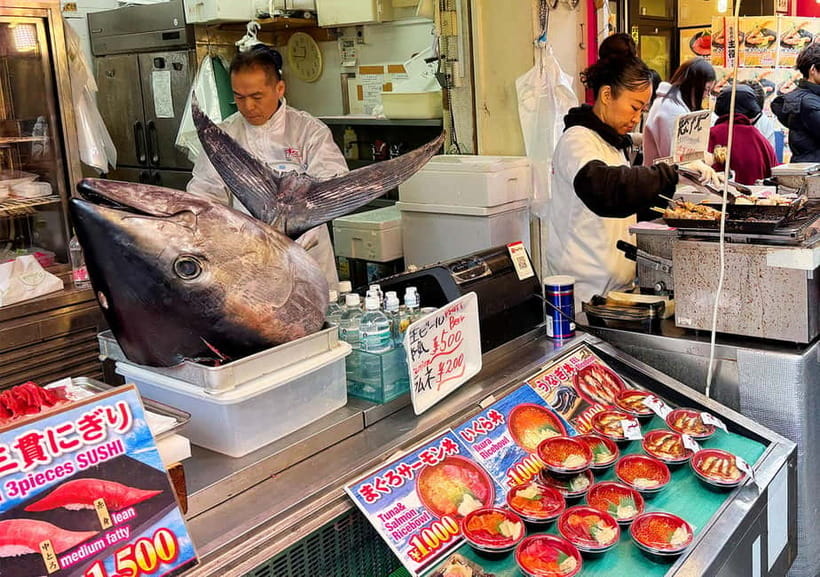
The most distinctive part of the experience is the fish-cutting demonstration. A skilled chef fillets a whole fish using traditional techniques, giving you a close look at the precision behind Japanese seafood preparation.
This is more useful than simply being told that Japanese cuisine values fresh ingredients. You see the knife work, the order of the cuts, and the care taken with the fish. The demonstration turns an everyday meal into a piece of skilled craft.
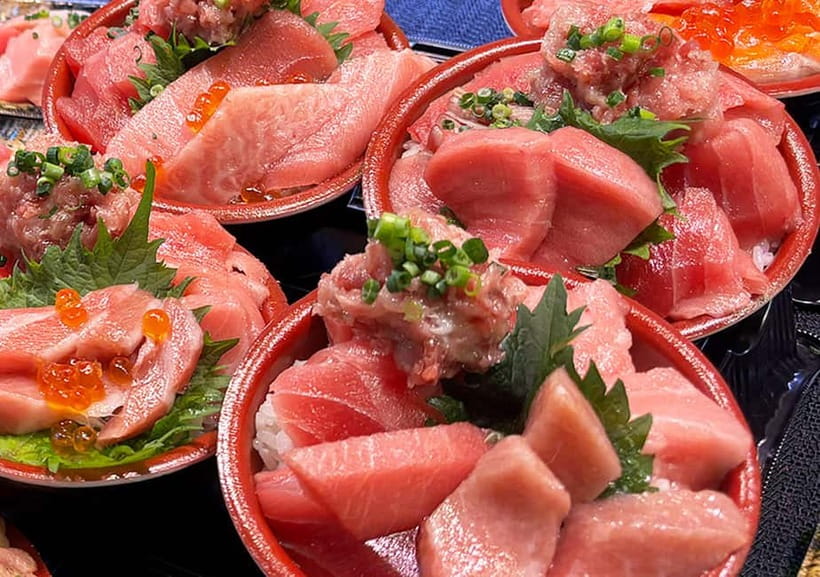
Afterward, you discover a fresh seafood bowl and learn more about Japanese food culture. The schedule gives this stop about 30 minutes. The bowl is described as part of the visit, but the tour information also says meals are not included. I would plan on paying separately for food unless your booking instructions clearly state otherwise.
That detail is important when comparing prices. At $33.16, the tour can be good value for the guide, interpretation, and fish-cutting show. It is not a cheap all-you-can-eat food package. Add money for the seafood bowl and any other items you want to try.
The demonstration may also be the best choice for anyone who is less interested in sampling several foods. You still receive a clear cultural experience even if you keep your eating modest. On the other hand, if you want a long, leisurely meal, 30 minutes is fairly short.
Seeing the market’s working side
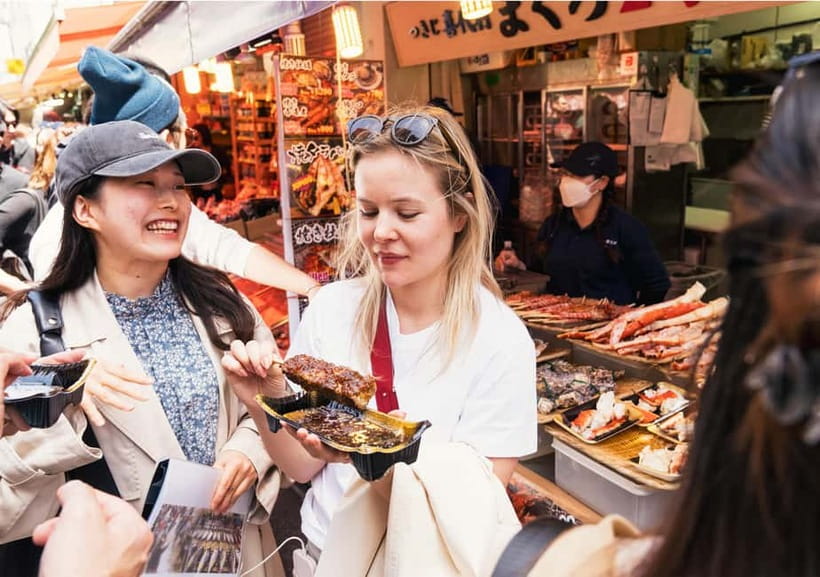
The next 30-minute stop takes you into the atmosphere of a fish market where professional traders operate. This adds an important layer to the tour. Tsukiji is not only a place for visitors to browse snacks. It is also a place connected to commercial seafood work.
The wording here is worth noting: you experience the atmosphere of a market used by professionals. The tour does not promise access to every working area, private meetings with traders, or a wholesale auction. Keep your expectations focused on observation and explanation.
This section may be more interesting for you if you want to understand how Tsukiji functions beyond its famous food stalls. It may feel less exciting if you came only for quick tastings and photographs. The guide’s commentary is especially valuable here because the market can look like a maze of shops without context.
Crowds are the practical issue. One participant found the tour hectic and skipped stalls because the area was too busy. Another found the guide did not always wait for the group. I would avoid wandering off for a better photo or a tempting snack until the guide has finished explaining the stop.
Other walking tours we've reviewed in Tokyo
What the two-hour pace feels like
The schedule divides the experience into four parts:
- About 45 minutes exploring the outer market and food stalls
- About 30 minutes for the fish-cutting show and seafood bowl
- About 30 minutes observing the professional market atmosphere
- About 15 minutes at Tsukiji Hongwanji Temple
That is a full program for two hours. You will move between stops, listen to explanations, and make decisions about food. It is not designed for sitting down at every stall or browsing every shop at your own speed.
I like this compact structure for a first morning in Tsukiji. You get an introduction without giving up half a day. It also gives you enough orientation to return later on your own if you find a stall you want to explore more slowly.
The drawback is that the schedule leaves little room for delays. A crowded lane, a late group member, or a busy food counter can create waiting. Some people have found too much stopping and not enough historical explanation, while others felt the guide gave excellent background. The difference may come down to guide style and the group’s pace on the day.
Accessibility, group size, and comfort
The tour is wheelchair and stroller accessible, and most people can participate. It begins and ends at the temple, near public transportation, which helps simplify the day for anyone managing mobility needs or a tired family group.
Accessible does not mean effortless. Market crowds, uneven movement through busy lanes, and standing around at food stalls can still affect comfort. One participant specifically needed protection from the sun and felt the arrangements did not address that concern well. If sun exposure is a problem for you, raise it with the guide at the start and bring whatever protection you need.
The maximum group size is 30 people. That is called a small-group tour in the description, but 30 is closer to a medium-sized walking group in a tight market. A smaller actual group should allow more questions and make it easier to stay together. If all 30 places are filled, do not expect the intimacy of a private guide.
Clear speech matters here. Market noise can swallow a quiet voice, and one participant found it difficult to hear the guide. Stand near the front, ask the guide to repeat important points, and avoid drifting to the rear when the group starts moving.
Is the $33.16 price fair?
For $33.16, you are paying for a local guide, a planned route, food and ingredient explanations, the fish-cutting presentation, and a short temple visit. You are not paying for a full meal, private access, or an all-day tour.
I think the price is fair if you value context and direction. Tsukiji has plenty of food, but a first visit can become a blur of signs, queues, and unfamiliar ingredients. A guide can help you choose where to pause and explain why the food matters.
The value is weaker if you are comfortable exploring on your own. The market is accessible without a tour, and some people have felt the stops did not justify the fee. You may prefer to spend the $33.16 on food and walk independently, especially if you want complete control over your timing.
The fish-cutting show is the feature that makes the guided price easier to defend. It gives you something structured that you may not get from simply wandering between stalls. The temple adds cultural balance, though it will not satisfy anyone seeking a long Buddhism lesson.
Who will enjoy this experience most?
I would recommend this tour to first-time Tokyo visitors who want an easy introduction to Tsukiji without having to plan every stop. It suits people who enjoy tasting local foods, asking questions, and learning basic cultural context as they walk.
It is also a good fit for families using a stroller, provided everyone is ready for crowds and short periods of standing. The wheelchair and stroller access is a real advantage, even though busy lanes can still require patience.
Food-focused visitors will likely get the most from it, especially those curious about seafood preparation. The fish-cutting show gives the experience a clear centerpiece instead of making it only a series of snack stops.
I would be more cautious if you dislike group tours, need a quiet pace, or want a detailed history lecture. The tour includes history and Buddhism, but its main focus is food. It also may not suit anyone who wants to avoid extra food expenses, since meals are not included.
Booking, weather, and cancellation
The experience requires good weather. If poor weather causes cancellation, you are offered another date or a full refund.
You can cancel for a full refund up to 24 hours before the start time. Changes or cancellations made less than 24 hours before the start time are not accepted for a refund, and the cut-off uses Tokyo local time. That policy makes it wise to check the forecast before the final cancellation window closes.
Should you book the Tsukiji walking tour?
Book it if you want a short, guided introduction to Japanese food culture with a fish-cutting show and a bit of Buddhist culture. The price is reasonable when you count the route planning and interpretation, and guides such as George and Tomo have shown how much a strong guide can add.
Skip it if you would rather wander freely, eat at your own pace, or spend your money directly on food. The tour can feel crowded and hectic, and the 30-person maximum is not always as intimate as the small-group label suggests.
My practical call: book for structure, skip for independence. Arrive ready to stay close to the guide, budget extra for food, and treat the temple as a brief cultural stop rather than the main attraction. That approach gives you the best chance of enjoying what this Tsukiji experience does well.
FAQ
Where does the Tsukiji walking tour start?
It starts at the main hall of Tsukiji Hongwanji Temple, located at 3-chome-15-1 Tsukiji, Chuo City, Tokyo 104-0045, Japan.
Where does the tour end?
The activity ends back at the meeting point at Tsukiji Hongwanji Temple.
How long does the experience last?
The tour lasts approximately two hours.
Is the tour wheelchair and stroller accessible?
Yes. The experience is described as wheelchair and stroller accessible, and most people can participate.
Are meals included in the tour price?
Meals are listed as not included. The itinerary includes a fish-cutting demonstration and a seafood bowl stop, so confirm the payment details and plan extra money for food.
What is the cancellation policy?
You can cancel up to 24 hours before the start time for a full refund. Cancellations or changes made less than 24 hours before the start time are not accepted for a refund. If poor weather cancels the experience, you are offered another date or a full refund.
More Food Experiences in Tokyo
More Walking Tours in Tokyo
More Tsukiji Market Tours in Tokyo
More tours in Tokyo we've reviewed


Tsukiji Market Tours, compared.
 ★ 5.0Tokyo Tsukiji Fish Market Food and Culture Walking TourFrom $99
 ★ 5.0Tokyo: Tsukiji Fish Market Food and Walking tourFrom $30
 ★ 4.9Tokyo: Tsukiji Fish Market Guided Walking TourFrom $222 hours
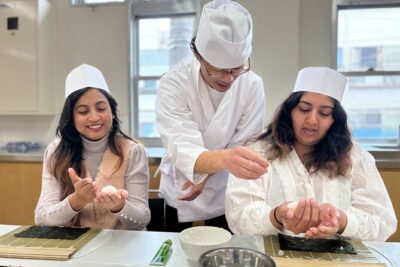 ★ 5.0Tokyo Sushi Making Class in Tsukiji with Professional ChefFrom $49
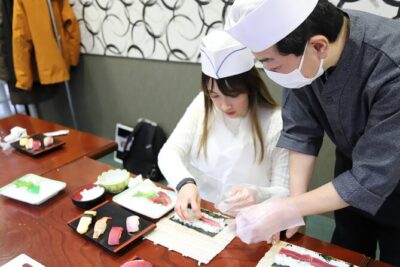 ★ 5.0Tsukiji Fish Market Guided Tour and Sushi Making with Pro ChefFrom $104
★ 4.7Tokyo: Tsukiji Fish Market Food and Culture Walking TourFrom $963 hours
★ 5.0Tsukiji Fish Market Guided Tour and Sushi Making with Pro ChefFrom $104
★ 4.7Tokyo: Tsukiji Fish Market Food and Culture Walking TourFrom $963 hours