
Reviewed · HALF-DAY
Tokyo: Private Half-Day Highlights Tour by Car with Guide
Tokyo can feel like several cities stitched together, and this private car tour solves the hardest part: getting between far-flung sights without wrestling with train maps. In 270 minutes, you can visit Meiji Shrine, Senso-ji, Shibuya Crossing, and the Imperial Palace area while your guide handles the roads and explains what you are seeing.
I like the hotel or cruise-terminal pickup, especially for a first morning in Japan or a short port visit. I also like the private format, which lets your guide adjust the pace for your interests or mobility. James, one of the named guides, is praised for clear English, safe driving, and careful planning.
The catch is traffic. Tokyo roads can be slow, and a half-day cannot give every stop equal time. The vehicle is not suitable for wheelchair users, and you should still bring comfortable shoes for the short walks around the temples and shrines.
In This Review
- Key points to know before booking
- Why a private car helps in Tokyo
- Meiji Shrine begins the cultural side of Tokyo
- Shibuya Crossing and Hachiko bring you into modern Tokyo
- The Imperial Palace area offers space and ceremony
- Senso-ji and Nakamise show old Asakusa
- Tokyo Tower and Tsukiji are driving views, not visits
- What the guide adds beyond transportation
- Four and a half hours is useful, but not unlimited
- The $385 price makes sense for the right group
- Who should book this Tokyo tour
- FAQ
- How long does the private Tokyo tour last?
- How many people can join the private group?
- What sights are included?
- Is hotel pickup included?
- Is lunch included?
- Is the tour wheelchair accessible?
- Can the itinerary change during the tour?
- Should you book it?
Key points to know before booking
- Four major Tokyo areas in one outing: Meiji Shrine, Shibuya, the Imperial Palace area, and Asakusa are spread across the city, so private transport saves real time.
- A guide who can adapt the plan: James has adjusted the route for an 80-year-old visitor with mobility limits, subject to what the vehicle and stops allow.
- Short walks, not a no-walking tour: You will get out at shrines, temples, and public squares, but the pace is designed to stay comfortable.
- A useful choice for cruise passengers: Pickup and drop-off in central Tokyo or at a cruise terminal make a tight schedule easier to manage.
- Price works best for a small group: At $385 for up to four people, the per-person cost improves sharply when the vehicle is full.
- Traffic may change the order: Your guide can alter the route, but no private car can make Tokyo rush hour disappear.
Why a private car helps in Tokyo
Tokyo’s sights are not gathered around one old town center. Meiji Shrine is near Harajuku, Shibuya Crossing is a short drive away, the Imperial Palace is farther east, and Senso-ji sits in Asakusa. Public transport connects all of them, but each transfer costs time and often involves station corridors, stairs, crowds, and finding the correct exit.
I find the car most useful for families, older people, cruise passengers, and anyone making a first pass through Tokyo. You get picked up at a central hotel or cruise terminal, ride directly between districts, and avoid spending half the morning learning the railway system.
This is not a chauffeur service where you remain in the vehicle and point at buildings through the glass. The appeal is the combination of driving and guided stops. You step out for the main sights, walk a manageable distance, and return to a comfortable vehicle between neighborhoods.
The group is private, with a maximum of four people at the listed price. That makes it easier to ask questions, adjust the pace, or spend a little longer at one place. A large group would need to agree on every stop, but here the guide can respond to your interests.
Other guided tours in Tokyo

Meiji Shrine begins the cultural side of Tokyo
Meiji Shrine is usually a strong first stop because it gives you a calmer introduction to Tokyo than the neon streets do. The shrine is dedicated to Emperor Meiji and Empress Shoken, and the wooded approach creates a clear change from the city around it.
You can expect about 45 minutes with a guided visit. That is enough time to walk through the grounds, see the traditional shrine setting, and receive basic context on Shinto customs. Your guide can help explain how to behave at the entrance, the offering area, and the shrine itself.
The walk is generally easy in spirit, but it is still a walk over outdoor paths. Comfortable shoes matter. If you have limited mobility, tell the guide in advance and be clear about what distance and surface you can manage.
The stop works best when you treat it as a place of quiet observation, not a checklist item. Notice the contrast between the broad city roads outside and the shaded shrine grounds inside. You may also see visitors following simple shrine rituals, which gives the stop a more authentic feel than a quick photo from the car.
Shibuya Crossing and Hachiko bring you into modern Tokyo
The tour then shifts from sacred woodland to Tokyo’s most famous urban intersection. Shibuya Crossing is allotted about 10 minutes, enough to see the crossing in action, take photographs, and get a feel for the scale of the district.
Ten minutes is brief, so you should not expect a long exploration of Shibuya. The value here is efficiency. You can experience the famous crossing without spending time working out where to stand or how to connect to the next sight by train.
The nearby Hachiko Statue gets another 10-minute visit. The statue honors Hachiko, the loyal dog associated with Shibuya, and has become one of Tokyo’s best-known meeting points. It is a small stop, but it adds a human story to what could otherwise be just a busy intersection.
I would not choose this tour solely for Shibuya. The crossing and statue are quick photo stops, not full neighborhood visits. They work well as part of a larger route, giving you a snapshot of Tokyo’s modern side before the tour moves toward the Imperial Palace.
The Imperial Palace area offers space and ceremony
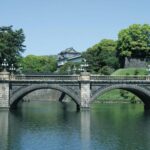
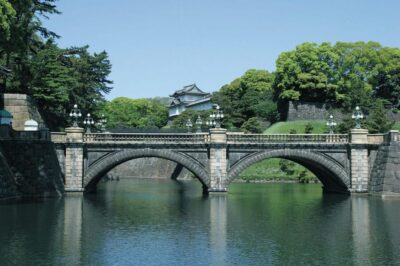
The Imperial Palace stop lasts about 45 minutes and includes a guided visit to the palace area. The focus is the exterior setting and Nijubashi Bridge, one of the most recognizable views connected with the palace grounds.
This is a good place to slow down for a moment. The open space, formal stonework, and carefully maintained grounds contrast with the tight streets and tall buildings elsewhere in central Tokyo. Your guide can explain the role of the Imperial Palace and the meaning of the main sights without requiring you to build the context from a guidebook.
Do keep your expectations precise. A visit to the palace area is not the same as touring every interior building. The listed experience centers on the exterior area and bridge, and access can be affected by daily conditions.
The 45-minute allocation is sensible for a first look. You can take photographs, hear the background, and continue before the stop becomes repetitive. If the palace is your main reason for booking, tell your guide early so the timing and route can give it proper attention.
Senso-ji and Nakamise show old Asakusa
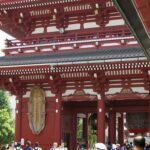
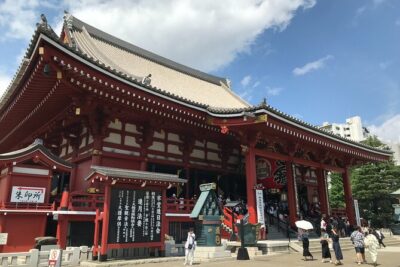
Senso-ji in Asakusa is the tour’s most traditional-feeling stop. The temple is reached through the Kaminarimon gate and Nakamise Shopping Street, a pedestrian approach lined with small shops and food stands. The main temple area gives you a chance to see one of Tokyo’s best-known Buddhist sites.
The guided visit lasts about 45 minutes. That gives you time to take in the gate, the shopping street, the temple buildings, and the atmosphere around the worship areas. You can ask about Buddhist customs, local traditions, and the meaning of the structures rather than simply collecting another photograph.
Nakamise Shopping Street receives about 15 minutes. That is enough for a quick look at souvenirs and traditional snacks, but not enough for a serious shopping session. If you want gifts, decide in advance what interests you, because the route has more sights still to cover.
Senso-ji also requires more walking than the short Shibuya stops. The route is not designed for wheelchair users, and the tour is not advertised as wheelchair accessible. Someone who walks slowly may still benefit from the private format, but you should discuss mobility needs before booking.
Other private tours in Tokyo


Tokyo Tower and Tsukiji are driving views, not visits
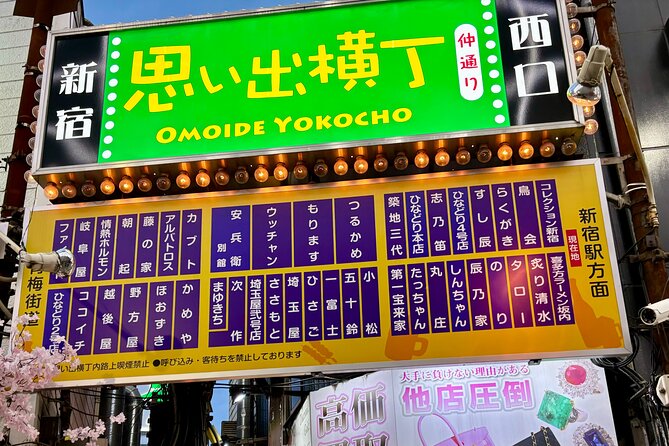
Tokyo Tower and Tsukiji Outer Market are included as pass-by sights. This is useful if you want to orient yourself to more of the city, but you should not book the tour expecting time inside either place.
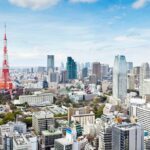
Tokyo Tower is a recognizable landmark that gives the drive a quick visual reference point. Tsukiji Outer Market is another well-known food district, but passing by does not allow you to browse stalls, eat, or explore the lanes on foot.
This is one place where a private itinerary helps, but only up to a point. You can ask to prioritize a stop that matters most to you, yet adding a full market visit would take time from Meiji Shrine, Senso-ji, or the palace area. The guide can adjust the order based on traffic and your preferences, but the tour still has a fixed half-day shape.
What the guide adds beyond transportation

The best reason to choose this experience over hiring a car alone is the guide. You are not just being delivered to famous addresses. The English-speaking Japanese guide provides context about the shrines, temple, palace area, and city districts.
James is specifically praised for friendly service, clear English, safe driving, and practical planning. One family traveling with an 80-year-old father found that he could adjust the route to fit mobility needs. That does not make the tour wheelchair accessible, but it does show why a private guide can be useful when your group needs a gentler pace.
Another visitor valued the efficient route and explanations about the history of the landmarks. That combination matters in Tokyo, where a landmark can be impressive but hard to understand without some background.
The guide speaks English and Japanese. Since the experience is private, you can ask direct questions and request more detail on subjects that interest you. Before pickup, share your priorities clearly. You might care most about temples, photography, Japanese history, food districts, or avoiding long walks. The more specific you are, the easier it is for the guide to shape the morning.
Four and a half hours is useful, but not unlimited
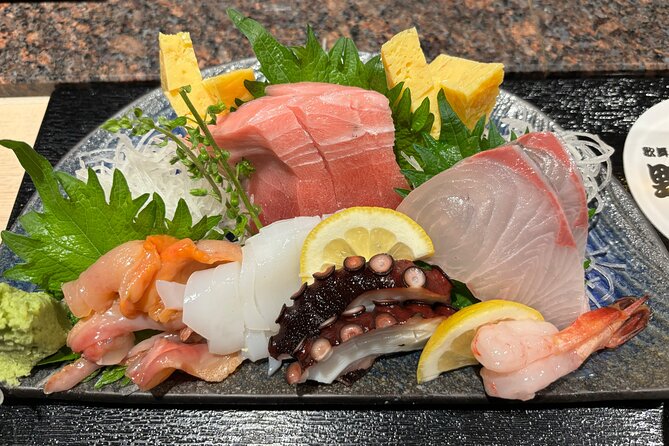
The tour lasts 270 minutes, or four and a half hours. That sounds generous until you account for pickup, driving, traffic, parking, and several stops. Tokyo is large, and roads may slow the route enough to change the order or shorten a visit.
Think of this as a highlights tour, not a complete Tokyo day. You will see several important places and get a useful first orientation. You will not have time for long museum visits, extended shopping, a full meal, or leisurely exploration of every neighborhood.
The route includes six possible central Tokyo pickup areas: Shinjuku, Minato, Shibuya, Chuo, Chiyoda, and Bunkyo. Drop-off is available in the same broad set of central districts. Pickup at a cruise terminal is also described as available, which makes the tour practical for a short stop in port.
Be in the lobby 15 minutes before the scheduled pickup. That small detail matters because a late start cuts directly into sightseeing time. Lunch is not included, and the vehicle does not allow food, so plan your meal before or after the tour.
A same-day extension may be available for ¥10,000 per additional hour, roughly $65, but it depends on availability. I would treat that as a backup, not part of your core plan. Traffic or the guide’s next commitment may make an extension impossible.
The $385 price makes sense for the right group
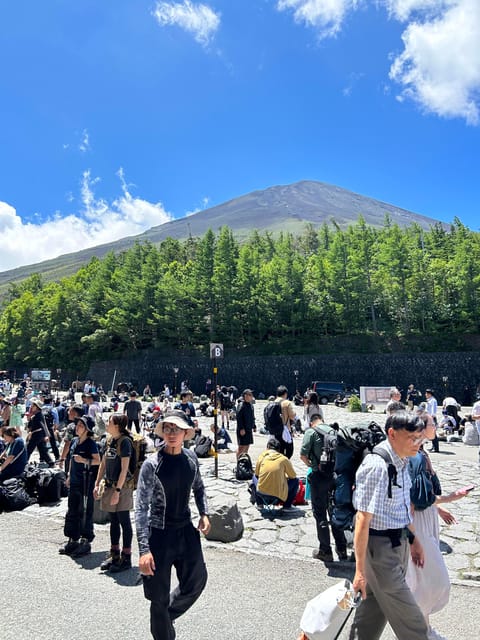
The price is $385 per private group of up to four people. For four people, that works out to $96.25 each before any separate personal spending. For one or two people, the per-person cost is much higher than joining a shared sightseeing bus or using trains.
Still, the comparison is not only about the fare. The price includes a private luxury vehicle, fuel, tolls, parking, an English-speaking licensed guide, and hotel pickup and drop-off in central Tokyo. You are paying for time saved, direct transport, and control over the pace.
I see the strongest value for a family of four, two couples, a small group with older relatives, or cruise passengers who need a reliable half-day plan. The value is weaker if you enjoy public transport, want a slow neighborhood walk, or are mainly interested in one district that you could reach easily by train.
The private setup also reduces the risk of wasting time on a stop that does not suit your group. You can ask for adjustments, though traffic and the listed highlights limit how much the route can change.
Who should book this Tokyo tour
I would choose this tour if you are visiting Tokyo for the first time and want a clear introduction without managing trains. It is also a strong option for a cruise stop, a family group, or anyone who wants short walks between major sights.
It suits older visitors who can walk but prefer not to spend the day standing on platforms and changing trains. The experience can be paced more gently, but it is not suitable for wheelchair users, and you should explain any mobility limits before the day begins.
I would skip it if you want a deep visit to Senso-ji, a long meal at Tsukiji, serious shopping in Asakusa, or time inside museums and palace buildings. Those interests call for a slower, more focused day.
Book at least 24 hours ahead if you want the cancellation protection, and remember that the tour allows free cancellation up to that point. The reserve-now, pay-later option also helps if your Tokyo schedule is still shifting.
FAQ
How long does the private Tokyo tour last?
The tour lasts 270 minutes, or four and a half hours.
How many people can join the private group?
The price covers a private group of up to four people.
What sights are included?
The route includes Meiji Shrine, Shibuya Crossing, the Hachiko Statue, the Imperial Palace area, Senso-ji Temple, and Nakamise Shopping Street. Tokyo Tower and Tsukiji Outer Market are passed by rather than visited.
Is hotel pickup included?
Yes. Hotel pickup and drop-off are included for central Tokyo locations, including Shinjuku, Minato, Shibuya, Chuo, Chiyoda, and Bunkyo. Cruise-terminal pickup is also available.
Is lunch included?
No. Lunch is not included, and food is not allowed in the vehicle.
Is the tour wheelchair accessible?
No. The experience is not suitable for wheelchair users. Visitors with other mobility concerns should discuss their needs before booking, since the route can be adjusted when possible.
Can the itinerary change during the tour?
Yes. The order and length of stops may change because of traffic, weather, or your preferences. A same-day extension may be available for ¥10,000 per hour, subject to availability.
Should you book it?
Book this tour if your priority is seeing Tokyo’s biggest sights with minimal transport stress. The combination of a private car, central pickup, an English-speaking guide, and a flexible pace is especially useful for four-person groups, cruise passengers, families, and older visitors.
You should choose a different plan if you want long meals, extensive shopping, wheelchair access, or a slow study of one neighborhood. For everyone else, this is a practical first look at Tokyo, with enough temple, shrine, palace, and city energy to help you decide what deserves a longer visit later.
More Half-Day in Tokyo

More Private Tours in Tokyo
More Guided Tours in Tokyo

More tours in Tokyo we've reviewed










Half-Day, compared.
 ★ 4.0Half-day Tokyo Afternoon Tour by Hato BusFrom $41
 ★ 4.6Tokyo: A Half-Day Trip Bus Tour in the MorningFrom $404 hours - 270 minutes
 ★ 4.0Half-day Tokyo Morning Tour by Hato BusFrom $41
 ★ 5.0Tokyo Private Half-Day Tour with a Local – Secrets & HighlightsFrom $143
 ★ 5.0Private Hakone Half-day Car Tour with Hotel Pickup – Local GuideFrom $277
 ★ 4.9Old and Nostalgic Tokyo: Half-Day Yanaka Walking TourFrom $833h 30m