
Reviewed · UENO & YANAKA WALKS
Old and Nostalgic Tokyo: Half-Day Yanaka Walking Tour
Yanaka gives you something modern Tokyo cannot: quiet lanes, small houses, temples, and old shopping streets within the city. This 3.5-hour walk moves through Yanaka, Nezu, and Sendagi, the historic Yanesen district, with stops at a 7,000-tombstone cemetery, Tennōji Temple, Nezu Shrine, and Yanaka-Ginza.
I like the small group, limited to eight people, and I like the chance to sample local foods and sweets while walking through places you might miss on your own. The main consideration is the walking: this is a moderate route with slopes, cemetery paths, and city sidewalks, so comfortable shoes are essential.
In This Review
- Key points to know before booking
- Why Yanaka feels like a different Tokyo
- Starting at JR Nippori Station
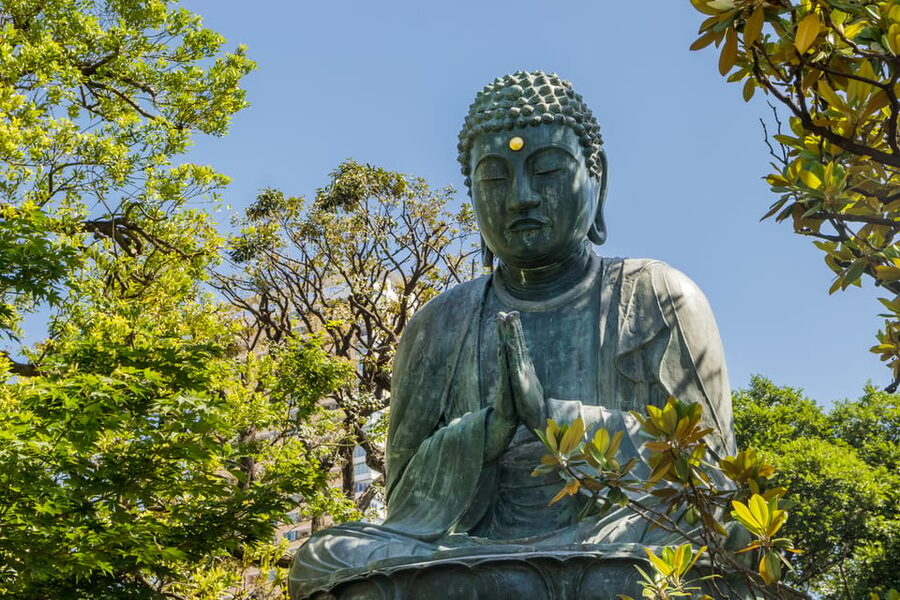
- Tennōji Temple and the first quiet streets
- Yanaka Cemetery: quiet paths and 7,000 tombstones
- Nezu Shrine and its 1706 origins
- Yanaka-Ginza and old-style shopping
- Why the small group matters
- The walking effort and who should skip it
- Is $83 a fair price?
- What makes this tour different from central Tokyo
- Best for first-time visitors, culture fans, and food samplers
- Should you book the Yanaka walk?
- FAQ
- Where does the Yanaka walking tour begin?
- Where does the tour finish?
- How long does the tour last?
- What language is the tour conducted in?
- How many people can join the group?
- Is food included in the tour price?
- Does the tour include hotel pickup and drop-off?
- Is the walk suitable for wheelchair users?
Key points to know before booking
- Yanaka Cemetery has about 7,000 tombstones, along with quiet paths and a spring cherry blossom setting.
- Nezu Shrine dates to 1706, when it was built by the fifth Tokugawa shogun.
- Tennōji Temple receives a 20-minute visit during the walk from and back to Nippori Station.
- Yanaka-Ginza offers old-fashioned shopping and local snacks, but food and drinks cost extra.
- Small groups of two to eight people make it easier to ask questions and keep a steady pace.
- The tour is led in English, with guides such as Michiko, Kaori, Rie, Sumiko, and Yoshimi praised for warmth and clear explanations.
Why Yanaka feels like a different Tokyo
Tokyo is often presented through neon signs, packed crossings, high-rise towers, and fast trains. Yanaka offers another picture. The district is known for traditional streets dating from the Edo period, and parts of it escaped the destruction that changed much of the city.
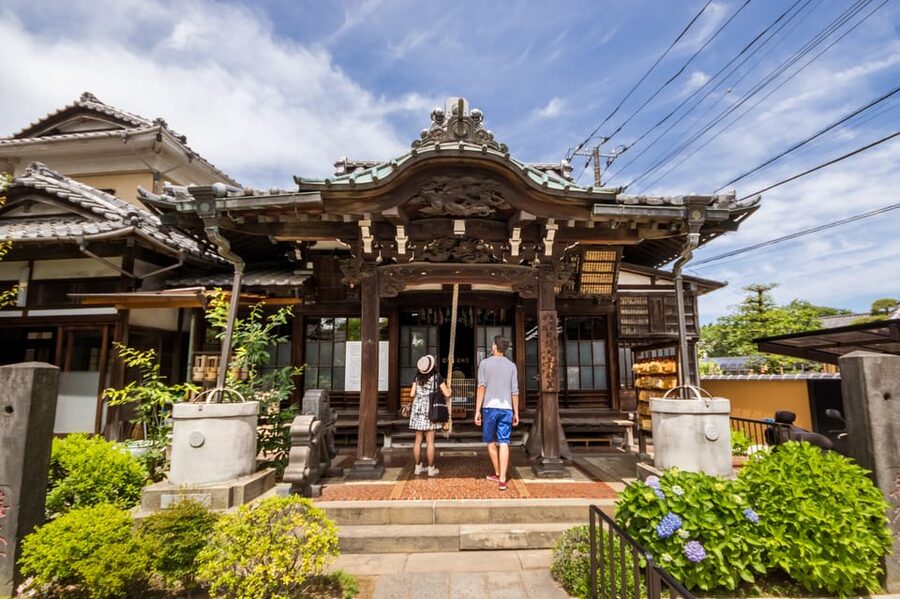
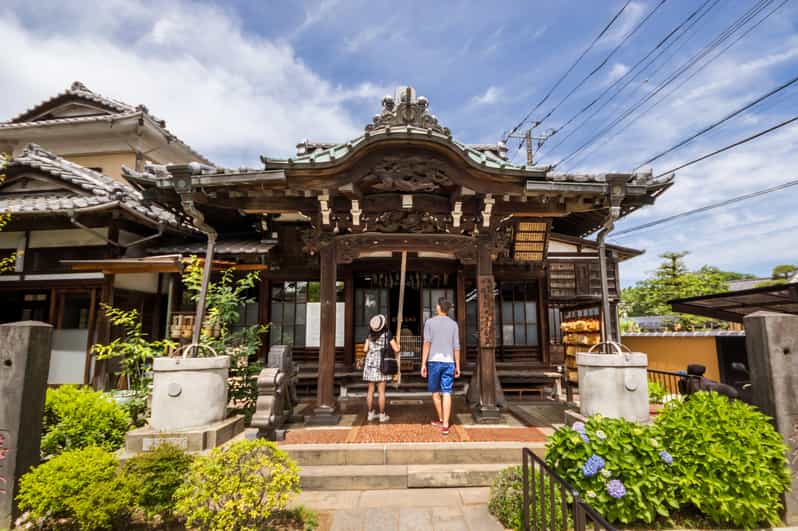
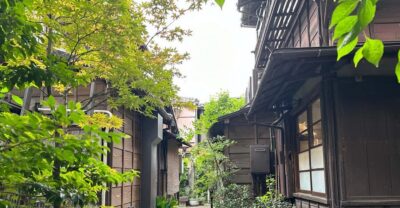
That does not mean Yanaka is a preserved stage set. People still live here. Small homes, temples, workshops, bakeries, gardens, and neighborhood stores share the same narrow streets. You get a sense of everyday Tokyo rather than a lineup of famous photo stops.
The area is also known as Yanesen, a name formed from Yanaka, Nezu, and Sendagi. A guide helps connect these neighborhoods, explaining why the streets look different from central Tokyo and pointing out details that can be easy to miss when you walk alone.
Several past guides have been praised for making the area personal. Michiko, who has also led families with children, is described as energetic and gentle. Rie has been noted for clear English and an interest in answering questions. Sumiko, Yoshimi, Kaori, Arika, and Mikko have also led tours described as friendly and informative.
You should not expect a lecture delivered at a fixed pace. The small group allows room for questions about Japanese culture, local life, temples, and the sights along the way.
A few more Tokyo tours and experiences worth a look

Starting at JR Nippori Station
The meeting point is the north gate of JR Nippori Station, written as 北改札. This detail matters. Nippori has several exits and station areas, so check that you are heading to the north gate rather than simply arriving at Nippori and waiting outside.
The route begins and ends at Nippori Station. That makes the tour simple to fit into a Tokyo day, especially if you want to continue sightseeing afterward. You do not need to arrange hotel transportation, since pickup and drop-off are not included.
The total duration is 210 minutes, or three and a half hours. That gives the guide enough time to explain the area without turning the walk into a quick checklist. It also means you should protect the full half-day rather than planning a tightly timed attraction immediately afterward.
Tennōji Temple and the first quiet streets
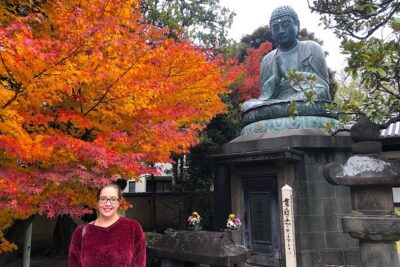
The listed temple visit is Tennōji, with about 20 minutes set aside there. It provides an early look at the religious sites woven into Yanaka’s residential streets.
The stop is not presented as a long temple tour or a major museum visit. Instead, it works as part of a wider walk, giving you a place to pause and ask about Japanese religious customs, local history, and the role temples play in the neighborhood.
From there, the route continues through streets where the pleasure comes from small changes in scenery. A slope may open a view across a maze of lanes. A temple wall may appear beside a modest house. The effect is less about one spectacular monument and more about how the pieces fit together.
Several guides have also pointed out spots that independent walkers could easily miss. That is one of the strongest reasons to book a guide here. Yanaka is easy to reach, but its appeal is spread over many streets rather than concentrated at one entrance.
Yanaka Cemetery: quiet paths and 7,000 tombstones
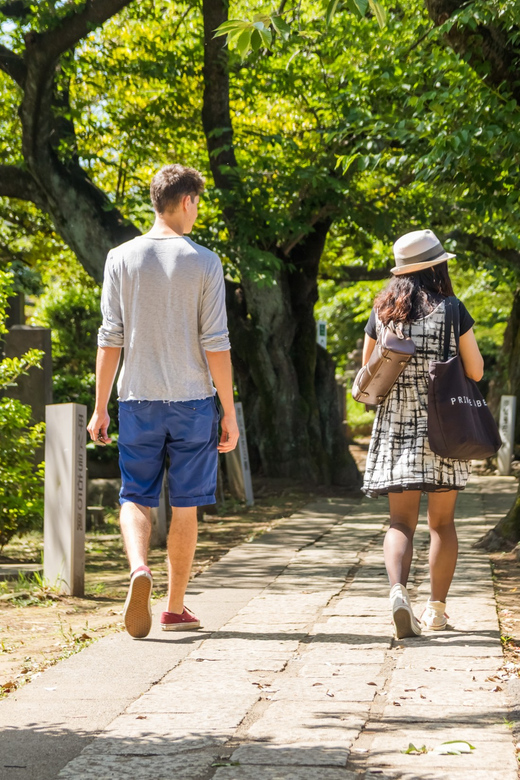
Yanaka Reien, or Yanaka Cemetery, is one of the central stops. With about 7,000 tombstones, it is a large and atmospheric part of the district. It is also famous for cherry blossoms in spring.
A cemetery visit may not suit every sightseeing style, but here it helps explain Yanaka’s calm character. Paths run through a broad area, and the cemetery is part of the neighborhood rather than an isolated attraction outside the city.
You should approach the visit respectfully. This is an active sacred place, not simply a park or photo backdrop. Keep your voice low, follow the guide’s instructions, and avoid treating graves as decorative objects.
The cemetery also connects Yanaka to Japan’s literary past. Great Japanese writers came to the district for inspiration, and the quiet lanes and changing views help explain why the area appealed to them.
One particularly interesting feature is the view from a slope. From higher ground, you can look across a web of pathways and older buildings. It is the sort of scene that gives you a feeling of old Tokyo without requiring a reconstructed village or a formal historical exhibit.
Nezu Shrine and its 1706 origins
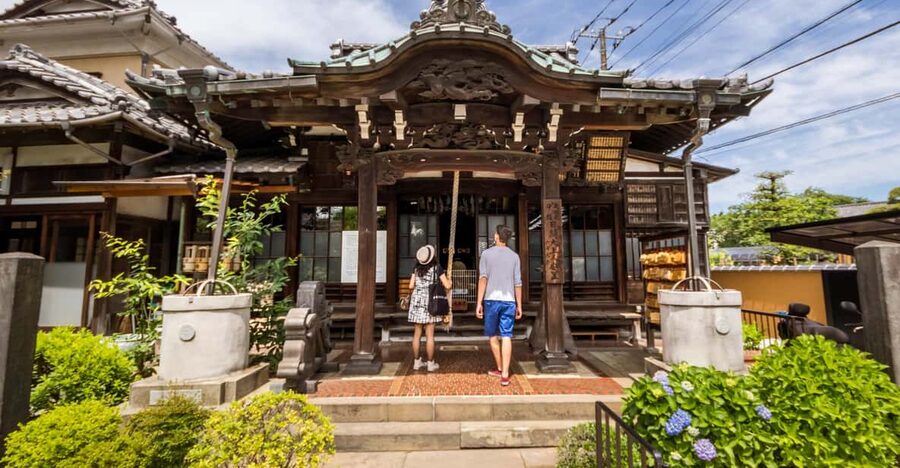
Nezu Shrine adds a more formal landmark to the route. It was built in 1706 by the fifth Tokugawa shogun, placing it firmly in the Edo-period story of Tokyo.
The shrine is valuable not only for its age but also for the way it fits into the walk. After the cemetery and residential lanes, you see another side of the area: a major religious site with a long connection to the city.
The timing of your visit can change the mood. One past spring visit coincided with azaleas in full bloom, which made the shrine especially memorable. That does not mean flowers will be at their best on every departure, but spring can add a seasonal bonus.
Your guide can help you understand what you are looking at instead of leaving you to guess the difference between a shrine and a temple. That context is useful if this is your first visit to Japan or if you want more than a quick photograph.
Other walking tours we've reviewed in Tokyo



Yanaka-Ginza and old-style shopping
Yanaka-Ginza is the shopping-street portion of the walk. It gives you a more active local setting after the quiet cemetery and temple stops.
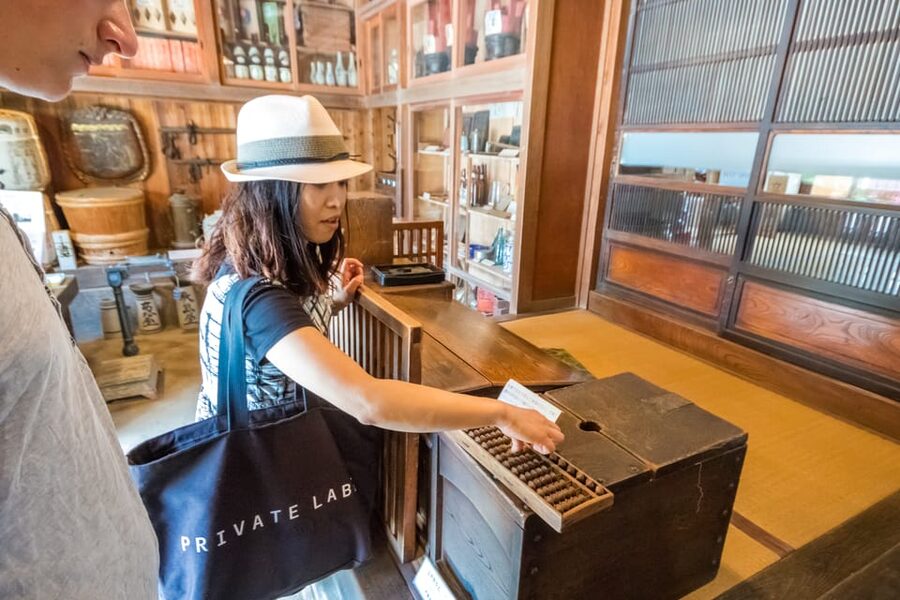
The street is known for its old-fashioned feel, and this is where the food side of the tour becomes most useful. You can sample different local foods, buy sweets, and stop at shops selling items such as bread, pastries, and pottery.
Food and drinks are not included in the $83 price, so plan to pay for anything you choose to eat or buy. That is not a flaw, since it lets you decide how much to spend, but it is worth budgeting for a few small purchases if sampling is one of your main reasons for booking.
The food stops are also a practical way to understand the neighborhood. A snack bought from a local shop tells you more about daily life than another distant viewpoint. If you have dietary restrictions, ask the guide before purchasing, since no specific food information is provided.
Why the small group matters
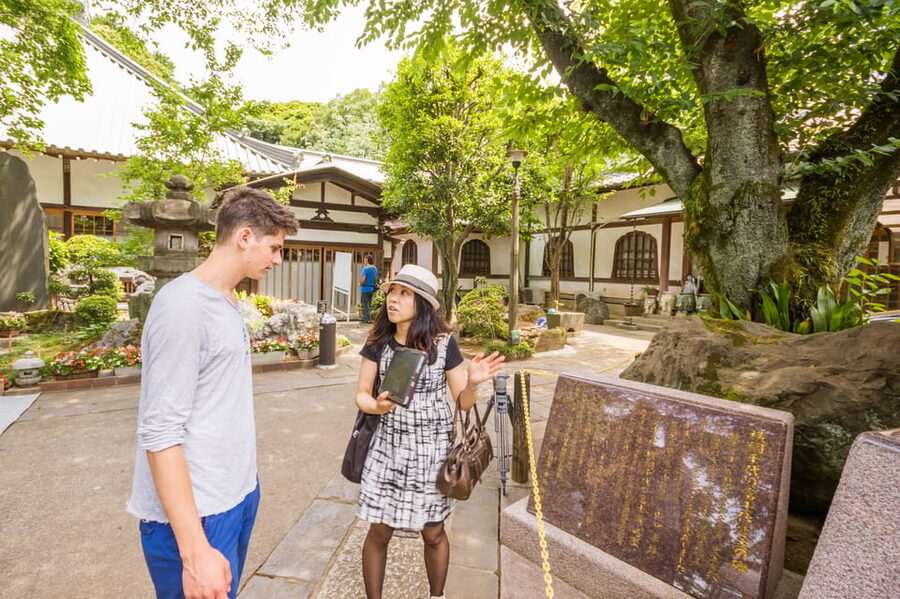
The group is limited to eight people, with at least two people required per booking. This is a useful size for Yanaka, where narrow streets and small shops can make a large group awkward.
A small group also gives you more chances to ask questions. Past guides have been praised for answering questions about the places along the route and about life in Japan more broadly.
Families can find this format appealing. Michiko has been described as especially kind and engaging with children, and the food stops add variety to a three-and-a-half-hour walk. Still, the route is not designed as a special children’s program, so parents should judge how comfortably their children manage moderate walking.
The guide language is English. The quality of a walking tour depends heavily on the person leading it, and the named guides associated with earlier departures include Michiko, Kaori, Rie, Sumiko, Yoshimi, Arika, and Mikko. You cannot assume which guide you will receive, but the range of strong guide comments is a good sign.
The walking effort and who should skip it
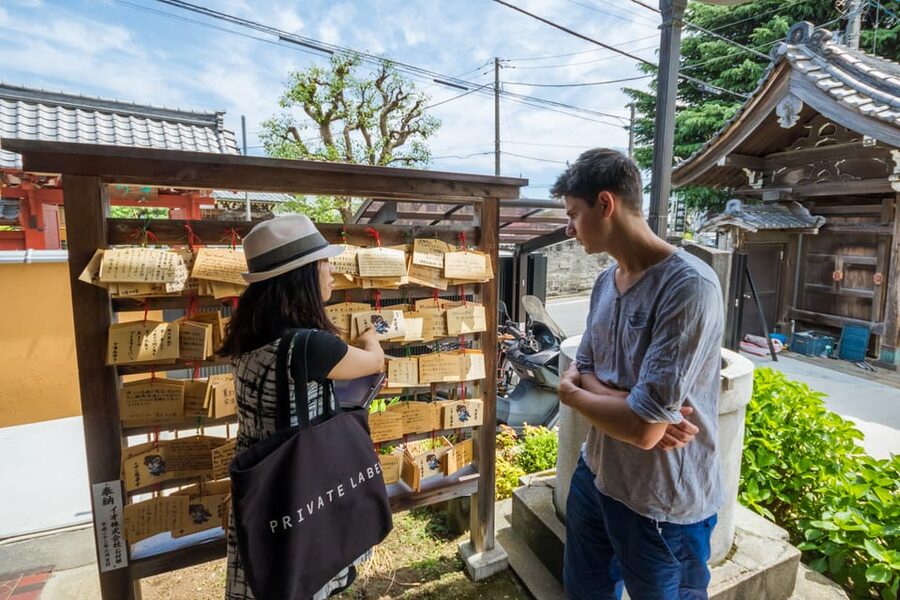
This is a moderate walking tour. You will move through cemetery paths, city streets, shopping areas, and slopes over 210 minutes. Wear comfortable shoes, and avoid bringing luggage that will slow you down.
The activity is not recommended for people with heart complaints or other serious medical conditions. It is also not suitable for wheelchair users, and non-folding and electric wheelchairs are specifically excluded.
The booking information lists several weight restrictions ranging from 110 kilograms to 159 kilograms. Because the figures are not presented consistently, anyone near those limits should confirm the applicable rule before booking.
Pets, bicycles, drones, oversize luggage, alcohol, drugs, fireworks, and noisy behavior are not allowed. Shoes must be removed indoors where required, and the activity does not permit nudity.
Babies under one year old and people over 95 are listed as unsuitable. These rules may feel strict for an urban walking tour, but the route’s slopes, steps, and varied surfaces make physical comfort important.
Is $83 a fair price?
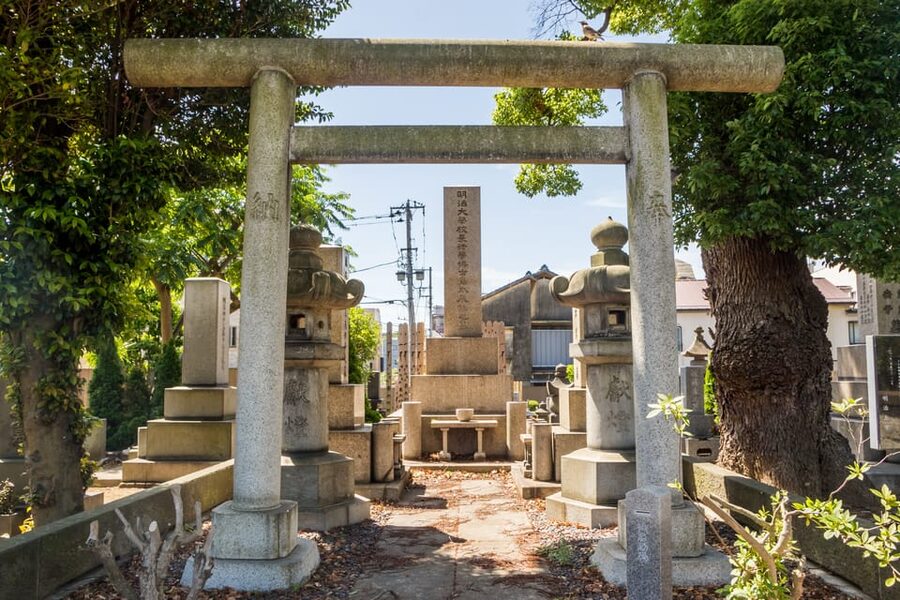
At $83 per person, this is not the cheapest way to walk Yanaka. You can enter the neighborhood independently at no guiding cost, and you can decide for yourself when to stop at a shop or shrine.
The value comes from interpretation and structure. You are paying for an English-speaking professional guide, a planned route through several connected districts, and a small group capped at eight. For a first Tokyo visit, that can save you from spending half a day wandering without understanding what you are seeing.
The price looks stronger if you care about cultural context. The cemetery, Tennōji Temple, Nezu Shrine, and Yanaka-Ginza are not four unrelated stops. Together they show how religious sites, residential streets, food shops, and local traditions share one part of Tokyo.
It is less compelling if you only want a quick introduction or dislike guided walks. Food and drinks cost extra, and there is no hotel pickup. You should also allow for the physical effort, since the experience is not a drive-by tour.
The free cancellation period of 24 hours and the reserve-now, pay-later option reduce some booking risk. Check the available starting times before committing, since departure times vary.
What makes this tour different from central Tokyo
The strongest feature is contrast. Yanaka lets you leave the city’s most famous modern districts without leaving Tokyo itself.
You will not find the same concentration of high-rise buildings and major tourist sights here. Instead, the route focuses on small details: a view down a slope, a cemetery path, an old neighborhood store, a temple, a shrine, and a sweet bought along the way.
That slower pace can improve your understanding of Japan. You see that Tokyo is not only a giant commercial center. It is also a collection of local districts, each with its own rhythm and appearance.
The tour also gives you a useful first look at places that reward a second visit. If you enjoy Yanaka-Ginza or want more time at Nezu Shrine, you can return later because the tour begins and ends at a convenient railway station.
Best for first-time visitors, culture fans, and food samplers
I would recommend this walk to a first-time Tokyo visitor who wants a break from the city’s most crowded sights. It is also a good fit if you enjoy temples, cemeteries, local neighborhoods, Japanese history, and small food purchases.
It suits you particularly well if you prefer explanation over speed. The tour is built around seeing how the district works, not racing from one famous landmark to another.
Families may appreciate the personal format, especially if the assigned guide is good with children. Food stops can help keep a long walk interesting, though parents should still prepare children for cemetery and temple visits.
I would hesitate to recommend it to anyone with limited mobility, serious medical concerns, or a strong dislike of walking. It is also not the right choice if your priority is included meals, hotel transportation, or a major museum interior.
Should you book the Yanaka walk?
Book it if you want old Tokyo rather than only famous Tokyo. The combination of Yanaka Cemetery, Nezu Shrine, Tennōji Temple, Yanaka-Ginza, local sweets, and a small English-speaking group gives you a thoughtful half-day in a part of the city that feels far removed from its busiest streets.
Skip it if the $83 price feels high for a walking tour, if you want every food stop included, or if moderate walking is difficult. For most visitors who value local atmosphere and clear cultural context, the tour offers a strong use of half a day, especially early in a Tokyo stay.
FAQ
Where does the Yanaka walking tour begin?
The meeting point is the north gate of JR Nippori Station, marked 北改札.
Where does the tour finish?
The walk returns to JR Nippori Station.
How long does the tour last?
The tour lasts 210 minutes, or three and a half hours.
What language is the tour conducted in?
The live guide conducts the tour in English.
How many people can join the group?
A minimum of two people per booking is required, and the maximum group size is eight people.
Is food included in the tour price?
No. Food and drinks are not included, so you pay separately for local foods, sweets, or other purchases.
Does the tour include hotel pickup and drop-off?
No. Hotel pickup and drop-off are not included.
Is the walk suitable for wheelchair users?
No. The activity is not suitable for wheelchair users, and non-folding and electric wheelchairs are not allowed.
More Half-Day in Tokyo


More Walking Tours in Tokyo
More Ueno & Yanaka Walks in Tokyo

More tours in Tokyo we've reviewed








Ueno & Yanaka Walks, compared.
 ★ 5.0Eat and Drink Like a Local: Tokyo Ueno Food Tour-Taverns&RamenFrom $95
 ★ 4.5The Old Quarter of Tokyo – Yanaka Walking TourFrom $40
 ★ 5.0Yanaka Walking Tour: Historic and Traditional District of TokyoFrom $72
 ★ 4.8Tokyo: Old Quarter Yanaka Walking TourFrom $323 hours
 ★ 5.0Tokyo: Food Tour in Ueno with 10+ Tastings of Japanese ClassicsFrom $142
 ★ 4.9Tokyo:Stroll in Old traditional culture towns~Yanaka & NezuFrom $293h 30m