
Reviewed · HALF-DAY
Half-day Tokyo Afternoon Tour by Hato Bus
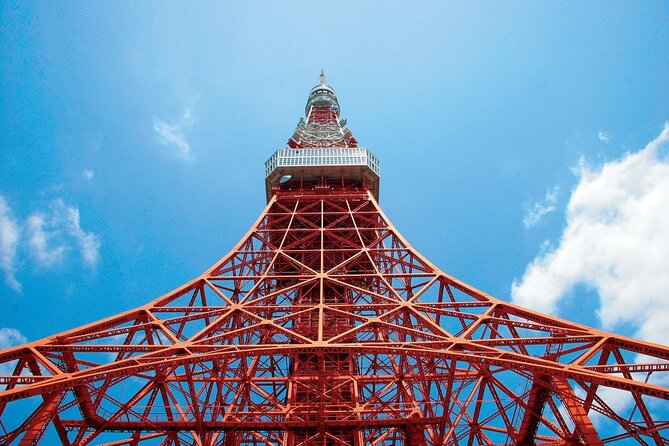
Tokyo Tower is the star of this afternoon outing. From its 150-meter observatory, you get a broad look across Tokyo, with Tokyo Skytree visible and Mount Fuji possible on a clear day. I like the easy bus transport and the way the tour combines a royal landmark with one of the city’s oldest temples.
I also like the helpful English-speaking guides, including guides praised by name such as Masako, Makoto, Kiki, Ayaka, and Tomoko. The main catch is time: four hours can feel tight, especially when traffic slows the bus or you want more than a quick look at each place.
In This Review
- Key points at a glance
- Why this half-day tour works for first-time Tokyo visitors
- The Imperial Palace stop and the view from Nijubashi
- Senso-ji, Kaminarimon Gate, and Nakamise Street
- Tokyo Tower and the 150-meter observation deck
- What the bus adds, and where it can slow you down
- The guides make the difference
- Price, timing, and practical value at $41.61
- Who should book this afternoon route
- Should you book the Hato Bus Tokyo afternoon tour?
- FAQ
- How long is the Hato Bus Tokyo afternoon tour?
- Where does the tour begin?
- Where does the tour end?
- Is Tokyo Tower admission included?
- Does the tour include food or drinks?
- How many people can join the tour?
- Can I cancel for a full refund?
Key points at a glance
- Tokyo Tower at 150 meters: Enjoy the included Main Observatory, while the higher 250-meter Special Observatory costs extra.
- Senso-ji and Nakamise Street: See Kaminarimon Gate, the pagoda, temple grounds, traditional snacks, and souvenir stalls.
- Imperial Palace views: Spend about 40 minutes near Nijubashi Bridge and the palace grounds, with no admission charge.
- A guide-led introduction: English commentary helps explain Japanese customs, temple details, and Tokyo’s past.
- Afternoon timing: Meet at the Hato Bus Tokyo office at 1:50 pm and finish near Tokyo Station around 6:00 pm.
- Good first-day value: The tour suits you best if you want an organized orientation before exploring Tokyo on your own.
Why this half-day tour works for first-time Tokyo visitors
Tokyo can feel like several cities stitched together. Imperial grounds, Buddhist temples, shopping lanes, tall observation towers, and huge train stations all compete for your attention. This Hato Bus outing gives you a simple route through three very different parts of the city without asking you to decode the rail system on your first afternoon.
I like that the tour does not focus only on modern Tokyo. Tokyo Tower gives you the big-city view, Senso-ji gives you a working religious site and traditional shopping street, and the Imperial Palace stop provides a look at the city’s royal center. You get a useful first impression rather than spending four hours in one neighborhood.
The tour also takes pressure off your day. Your bus, driver, guide, and Tokyo Tower admission are arranged. That matters if you are tired from a long flight, unsure about Tokyo’s train lines, or traveling with someone who prefers a fixed schedule.
The tradeoff is freedom. You will not set the pace, linger at a temple gate, or decide to skip a stop because the weather has turned. If you already know Tokyo well, you may find the route too basic. If you have only one free afternoon, though, the structure is useful.
A few more Tokyo tours and experiences worth a look
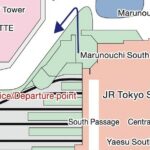

The Imperial Palace stop and the view from Nijubashi
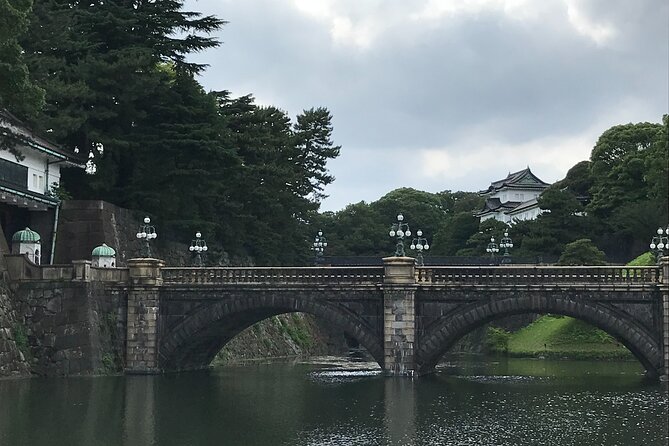
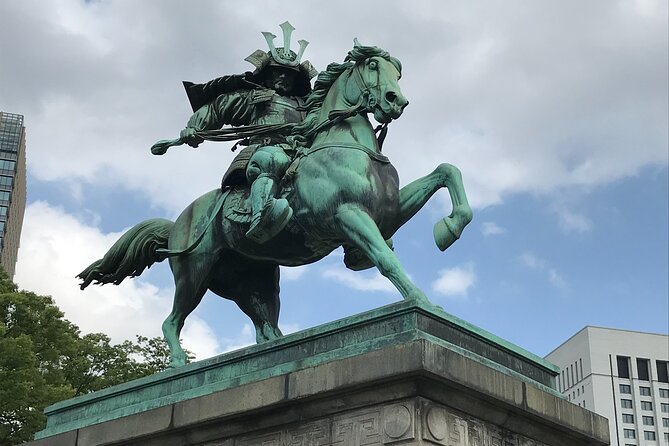
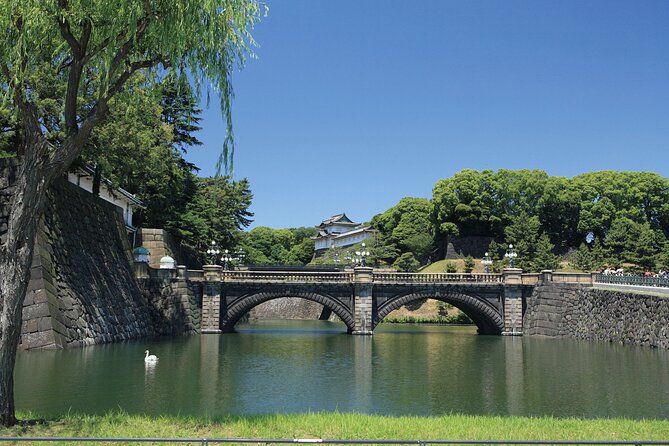
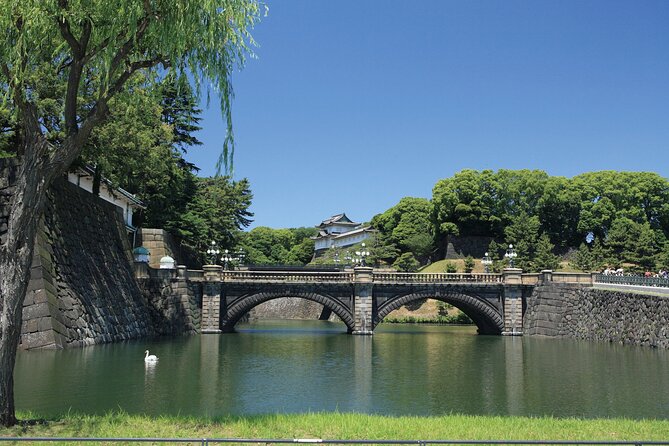
The first stop lasts about 40 minutes and is free of charge. You visit a National Garden that was formerly a private garden of the Imperial Family and see Nijubashi Bridge, often treated as the public face of the Imperial Palace.
This is a photo and orientation stop more than a palace visit. You should not expect to tour royal rooms or enter every part of the palace grounds. The appeal is the setting, the bridge, and the chance to place Japan’s modern capital around its imperial center.
That distinction matters. One of the weaker points of the experience is that the palace can feel like an outside view rather than a full attraction. If you want gardens, architecture, or detailed palace access, you may need a separate visit.
The stop can also be affected by traffic restrictions or entry limits near the palace. The operator notes that this portion may be suspended, or that departure from the planned meeting point may not be possible, in unusual circumstances. The order of stops can also change because of traffic.
I would treat the Imperial Palace portion as a brief city landmark, not the main reason to book. Tokyo Tower and Senso-ji provide more to see in a short period.
Senso-ji, Kaminarimon Gate, and Nakamise Street
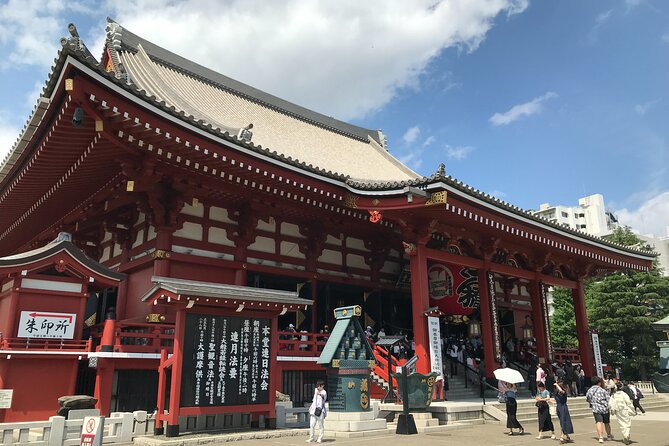
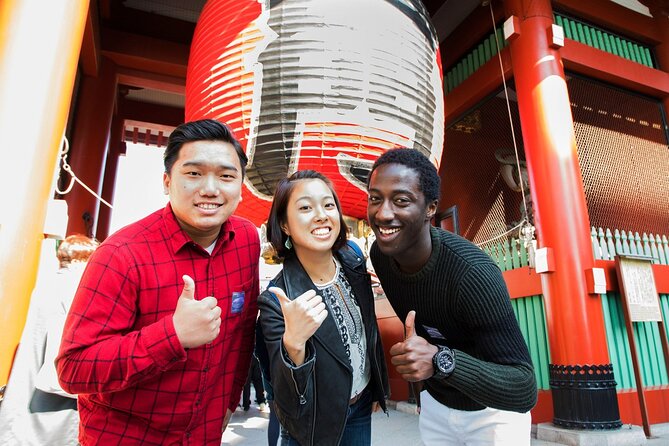
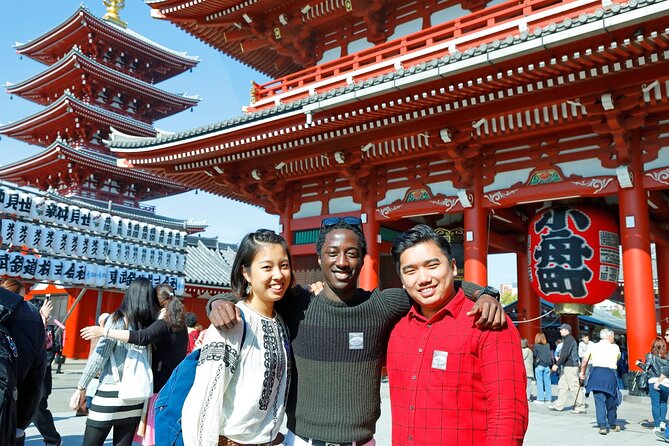
Senso-ji is Tokyo’s oldest temple, dating to AD 645, and it is the cultural heart of this tour. The approach begins at the bright red Kaminarimon Gate, associated with the god of thunder. Look for the large lantern and the figures guarding the entrance before continuing toward the temple.
The tour allows about one hour here. That gives you time to take in the gates, temple buildings, gardens, and five-story pagoda, then continue through Nakamise shopping street. Your guide can explain the temple’s background and the meaning behind what you are seeing, which is especially useful if Buddhist architecture is new to you.
You leave the temple area through Hozomon Gate and reach Nakamise, a long commercial lane filled with traditional souvenirs, small gifts, and Japanese snacks. This is one of the most practical parts of the outing because you can combine sightseeing with a quick look at familiar food and craft items.
I would keep your shopping expectations realistic. One hour passes quickly, and Senso-ji is a major Tokyo attraction. The approach can be crowded, and the street is aimed at sightseers, not quiet local browsing. Still, the setting is memorable, and the mix of worship, architecture, food, and shopping gives you more variety than a simple temple photo stop.
The guide can also add context you might miss alone. A good guide will point out the temple gates, religious symbols, and layout while helping you keep track of the group. Several guides praised by name, including Makoto, Ayaka, and Kiki, were noted for clear explanations and for answering questions beyond the basic schedule.
Tokyo Tower and the 150-meter observation deck
Tokyo Tower is the final major stop and receives about 45 minutes. Admission to the Main Observatory at 150 meters is included in the tour price.
The tower remains one of Tokyo’s most recognizable symbols. From the observation platform, you can look across the city in every direction. Tokyo Skytree should be visible in suitable conditions, and Mount Fuji may appear on a clear day, though weather and haze control what you see.
The 150-meter deck is high enough to give you a real sense of Tokyo’s scale. Roads, buildings, parks, and distant towers spread out below you. This is also where the tour’s schedule can work in your favor: you get the view without having to research ticket choices or wait through the full process on your own.
The Special Observatory at 250 meters is not included. You pay an additional fee yourself if you want to go higher. I would not treat this as a hidden charge, since the included ticket clearly covers only the Main Observatory. The 150-meter level is the standard stop and should satisfy most people on a short city tour.
Weather is the biggest variable. A rainy or hazy afternoon can reduce the payoff, and a cloudy day may hide Mount Fuji. The tower is still worth seeing as a landmark, but you should not book this outing solely for a guaranteed Fuji view.
What the bus adds, and where it can slow you down
The air-conditioned and heated bus is the practical backbone of the tour. Tokyo’s rail system is excellent, but the first attempt can be confusing when you are matching station exits, platforms, transfer lines, and large crowds. The bus lets you sit between sights while the guide explains what comes next.
An environmentally friendly hybrid bus is planned for the tour, although the vehicle can change because of maintenance or other unavoidable reasons. The engine and heating or cooling may be turned off while the bus waits, part of the operator’s effort to reduce emissions. You should keep your seatbelt fastened while riding.
The group can reach a maximum of 40 people. That is not a private tour, and the experience depends partly on staying with the group. Groups with an odd number of people generally share seats with other customers, so solo visitors and odd-numbered parties should be ready for that arrangement.
Traffic is the main risk. Tokyo roads can move slowly, especially later in the afternoon. The advertised four hours is approximate, and the finish near Tokyo Station around 6:00 pm may be delayed. If you have a dinner reservation, train connection, or evening show, leave a generous cushion.
This is also why the tour can feel rushed. You are not spending a full morning at the palace, an entire afternoon in Asakusa, or a leisurely hour at Tokyo Tower. You are collecting highlights and moving on.


The guides make the difference
The strongest part of this experience is often the person holding the microphone. An English-speaking guide can turn a quick stop into a useful lesson, especially when explaining temple customs, Japanese culture, or the story behind Tokyo’s major sites.
Guides named in feedback include Masako, Makoto, Kiki, Ayaka, Tomoko, and Rio. Their styles may differ, but the best examples share a few useful habits: clear English, good time control, answers to unexpected questions, and practical help when the tour ends.
That last point matters. One guide, Tomoko, was praised for helping with the return to a hotel, while other guides were noted for food suggestions and language tips outside the formal tour. You should not expect a private concierge service, but a warm, engaged guide can make the bus ride feel like part of the experience rather than dead time.
Guide quality can vary, and English accents or speaking speed may not suit everyone. If you have trouble hearing, sit where you can see the guide clearly and pay attention to meeting instructions. The group needs to stay on schedule, so ask important questions during the bus rides or at the start of each stop.
Price, timing, and practical value at $41.61
At $41.61 per person, this is a reasonably priced introduction to central Tokyo. Your fare includes the bus, professional guide, and Tokyo Tower Main Observatory admission. Food, drinks, and the optional 250-meter observatory are extra.
You can probably visit these areas independently for less in direct transport costs, especially if you already understand Tokyo’s train system. The tour’s value comes from saving time, avoiding route planning, and receiving explanations while moving between sights.
For a first afternoon, I think the price makes sense. You can sit back, see major landmarks, and use the tour to decide which places deserve a longer return visit. For an experienced Tokyo visitor who prefers slow exploration, the price is harder to justify because the schedule limits your time at each stop.
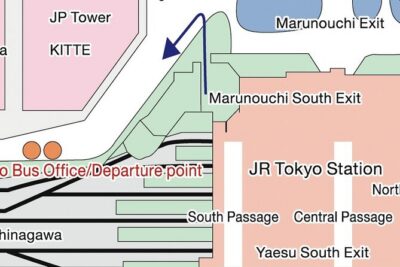
The 1:50 pm meeting time is useful if you arrive in Tokyo late in the day or want a quiet morning first. Meet at the Hato Bus Tokyo office at 1-chome-10-15 Marunouchi. The tour finishes near Tokyo Station’s Marunouchi South Exit at about 6:00 pm, subject to road conditions.
Tokyo Station is a practical ending point. You can continue to dinner, catch a train, or use the station as a central reference point. Just make sure you arrive at the correct office, since Tokyo Station and the surrounding Marunouchi district cover a large area.
Who should book this afternoon route
I would recommend it for first-time visitors, short-stay visitors, and anyone who wants a guided overview before exploring independently. It is also a sensible choice if you are uneasy about Tokyo’s transport system or want a bus-based afternoon after a long journey.
It suits you particularly well if you value:
- A fixed route with transport included
- English explanations at major sites
- A quick mix of modern and traditional Tokyo
- A 150-meter city view without arranging tower tickets
- A finish near Tokyo Station
I would hesitate if you dislike group schedules, want quiet temple time, or plan to photograph every detail. You may also prefer to go independently if you have several days in Tokyo and are comfortable using trains.
The tour requires moderate physical fitness. You will need to get on and off the bus, walk around temple grounds and shopping areas, and remain with the group during timed stops. Children up to five may join free without a bus seat. If you need a seat for the child, book the child rate.
Participants under 18 need written parental permission. Anyone under 15, or not yet enrolled in middle school, must be accompanied by a parent or guardian.
Should you book the Hato Bus Tokyo afternoon tour?
Book it if you want a well-organized first look at Tokyo and value a guide more than complete freedom. Senso-ji and Tokyo Tower are the strongest stops, while the Imperial Palace is a shorter exterior view. The bus, included tower ticket, and English commentary make the $41.61 fare fair for a first afternoon.
Skip it if you already know the city, want to move at your own pace, or need a guaranteed finish time. Traffic can stretch the schedule, and four hours gives you highlights rather than a full visit.
For a first day, I would choose this tour over trying to fit the same route together while jet-lagged. Use it as an orientation, note the places you want to revisit, and then return to Asakusa or the palace area on your own time.
FAQ
How long is the Hato Bus Tokyo afternoon tour?
The tour lasts approximately four hours. It begins at 1:50 pm and is expected to finish near Tokyo Station’s Marunouchi South Exit around 6:00 pm, although traffic can cause delays.
Where does the tour begin?
The meeting point is the Hato Bus Tokyo office at 1-chome-10-15 Marunouchi, Chiyoda City, Tokyo 100-0005, Japan.
Where does the tour end?
The tour ends near Tokyo Station at the Marunouchi South Exit.
Is Tokyo Tower admission included?
Yes. Admission to the Tokyo Tower Main Observatory at 150 meters is included. Access to the Special Observatory at 250 meters requires an additional fee paid by you.
Does the tour include food or drinks?
No. Food and drinks are not included in the tour price.
How many people can join the tour?
The tour can have a maximum of 40 participants. Groups with an odd number of members generally share seats with other customers.
Can I cancel for a full refund?
Yes, if you cancel at least 24 hours before the experience start time. Cancellations or changes made less than 24 hours in advance are not accepted for a refund.
More Half-Day in Tokyo

More tours in Tokyo we've reviewed






Half-Day, compared.
 ★ 4.6Tokyo: A Half-Day Trip Bus Tour in the MorningFrom $404 hours - 270 minutes
 ★ 4.0Half-day Tokyo Morning Tour by Hato BusFrom $41
 ★ 5.0Tokyo Private Half-Day Tour with a Local – Secrets & HighlightsFrom $143
 ★ 5.0Private Hakone Half-day Car Tour with Hotel Pickup – Local GuideFrom $277
 ★ 4.9Old and Nostalgic Tokyo: Half-Day Yanaka Walking TourFrom $833h 30m
 ★ 5.0Half-Day Local Tokyo Tour in Adachi Market and ShibamataFrom $91