
Reviewed · HALF-DAY
Tokyo Private Half-Day Tour with a Local – Secrets & Highlights
Tokyo is easiest to enjoy when someone helps you read the city. This private half-day tour starts in Asakusa and can take you from Senso-ji Temple and Nakamise shopping street to quiet lanes, riverside views, or the old-meets-new district of Kagurazaka. Your host adjusts the route to your interests instead of marching every group through the same checklist.
I like the one-to-one attention and the chance to ask practical questions as you go. I also like the pre-tour questionnaire and direct contact with your host, which can turn four hours into a useful first look at Tokyo rather than a generic sightseeing walk. Guides such as Kay, Hiroko, Maruf, Chiara, and Patrick have been praised for flexibility, local stories, and thoughtful route planning.
The catch is that this is not a private vehicle tour. Four hours passes quickly, and moving between distant districts can eat into your walking time. Public transport or taxis may be used, but those costs are extra, and food, attraction tickets, and gratuities are not included.
In This Review
- Key points at a glance
- Why a private half-day can work so well in Tokyo
- Starting at Asakusa Culture Tourist Information Center
- Senso-ji and the meaning behind Asakusa
- Nakamise, Tokyo’s oldest shopping street
- A riverside pause near old Tokyo
- Showa-era character in narrow historic lanes
- Kagurazaka, where old and new meet
- What the best guide support looks like
- Walking, trains, and the real cost
- Who will get the most from this tour
- Flexible booking and cancellation details
- Should you book this Tokyo tour?
- FAQ
- How long is the Tokyo private tour?
- Where does the tour start and finish?
- Is the tour private?
- Can I choose the start time?
- Can the itinerary match my interests?
- Is transportation included?
- What is included in the price?
- Can I cancel for a full refund?
Key points at a glance
- Asakusa gives you a strong first look at old Tokyo: Visit Senso-ji, browse Nakamise, and walk near the Sumida River.
- Your route is shaped around you: Focus on temples, food, shopping, history, photography, or quieter streets.
- The tour is private: Only your party joins, so you can ask questions, pause, or change the pace.
- Kagurazaka adds a different side of Tokyo: Explore narrow lanes, small shrines, cafés, and a blend of older and newer city life.
- The guide can help with Tokyo’s practical challenges: Past guide support has included hotel meetings, flexible start times, train navigation, and finding less obvious viewpoints.
- Budget extra for transport and purchases: The $143.14 price covers the private walking experience, but not food, drinks, admission, or transfers.
Why a private half-day can work so well in Tokyo
Tokyo is huge, crowded, and easy to misread during a short visit. A private guide helps you make choices quickly. Instead of spending half the morning figuring out which train exit leads to the right neighborhood, you can focus on what you came to see.
The format is especially useful on your first day. You can ask about train etiquette, crowded stations, local food, shopping areas, or the best way to organize the rest of your stay. One guide, Taishiro, was specifically praised for helping with crowds, packed trains, Japanese signage, and technology shops. Those are the small matters that can make Tokyo feel either exciting or exhausting.
You do not get a fixed promise of every major district. That is both the strength and the limit. The host may build a route around your interests, but four hours is not enough for Asakusa, Shibuya, Ginza, Akihabara, and Kagurazaka all in one sensible walk.
The best approach is to name two or three priorities before you arrive. If you want temples and traditional streets, say so. If you care more about food, design, shopping, or photography, put that in the questionnaire and discuss it with your host.
Other private tours in Tokyo


Starting at Asakusa Culture Tourist Information Center
The listed meeting point is the Asakusa Culture Tourist Information Center at 2-chōme-18-9 Kaminarimon. This places you beside one of Tokyo’s most useful starting areas for a first visit.
Asakusa is a smart choice because several experiences sit close together. You can see one of Tokyo’s best-known temples, browse an old shopping street, and reach the river without spending the whole tour underground on a train.
Pickup is offered, and some people have arranged to meet their guide at a hotel. Still, the stated starting and ending point is the tourist information center, so confirm the meeting plan with your host after booking. Direct communication is part of the service, and guides have shown flexibility with meeting places and delayed arrivals.
The tour ends back at the meeting point. That makes planning easier if you have luggage, a dinner reservation, or another activity afterward. Allow a little breathing room around the four-hour schedule, since walking pace and transport choices can affect the finish.
Senso-ji and the meaning behind Asakusa
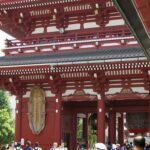
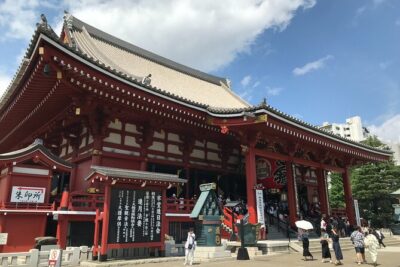
The temple portion takes you to Senso-ji, Tokyo’s oldest and most famous temple. You can expect broad grounds, major gates, religious details, and a steady flow of people moving through one of the city’s best-known cultural sites.
A guide adds value here by explaining what you are seeing and how the temple fits into Asakusa. Without help, it is easy to take a few photos, follow the crowd, and miss the customs or details around you. Your host can also answer questions in the moment, which is more useful than trying to decode everything later.
Senso-ji is not a quiet stop. Crowds are part of the experience, especially around the main approach. If you want a calm temple visit, tell your host early so the route can include less crowded corners or a quieter stop elsewhere.
This part suits first-time visitors who want cultural context without committing to a full-day temple tour. It also works well for families because the setting gives you plenty to see while the guide keeps the historical explanation moving.
Nakamise, Tokyo’s oldest shopping street
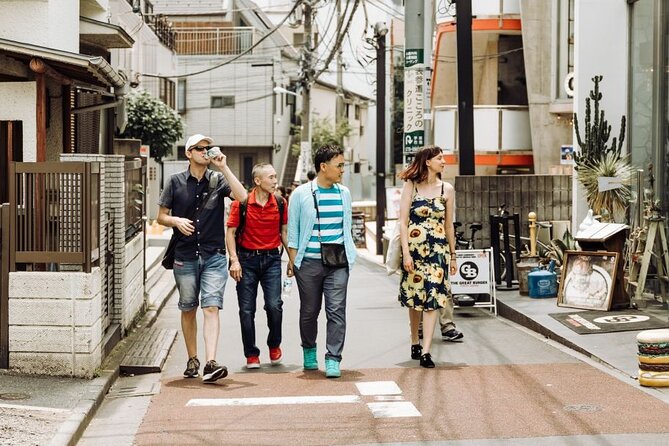
From the temple, the route continues along Nakamise, described as Japan’s oldest shopping street. This is where the tour shifts from formal culture to everyday browsing.
You can look for traditional souvenirs, snacks, crafts, and small gifts. The street is useful for understanding how tourism and local tradition meet in Asakusa, but it is also busy and commercial. Do not expect every shop to feel local or quiet.
Your host can help you sort through the choices and explain what may be worth buying. This is a good place to ask about Japanese sweets, useful gifts, or the difference between a keepsake and something you will carry home without using.
The practical drawback is time. Shopping can easily consume the whole half-day. If you want to browse seriously, tell your host. If you would rather see more neighborhoods, keep Nakamise to a short walk and save purchases for later.
A riverside pause near old Tokyo
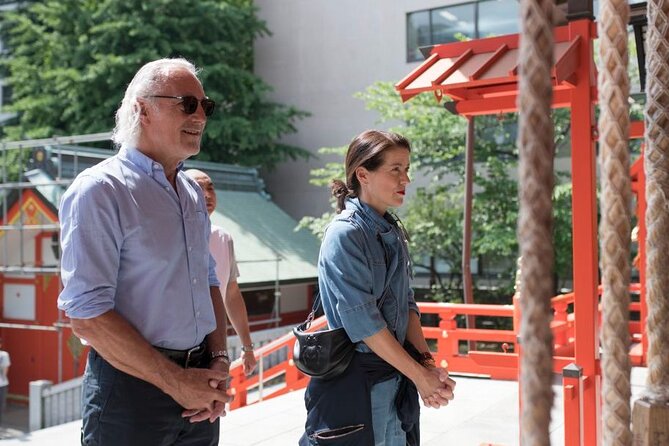
The itinerary includes a riverside stroll with views toward Tokyo’s older downtown. This offers a useful change of pace after the temple and shopping street.
The river can feel more open and restful than the tight streets of Asakusa. It is also a good place for photographs, especially during cherry blossom season, when the views become particularly attractive.
This stop is not about checking off a major attraction. It gives you room to notice the city’s scale and to ask your guide how Asakusa connects with the rest of Tokyo. If you are tired of crowds, the riverside walk can be a welcome pause.
Weather matters here. Rain, heat, or strong sun may make an outdoor stroll less pleasant. Since the route is private, you can discuss changing the balance between outdoor walking and neighborhood exploration.
A few more Tokyo tours and experiences worth a look
Showa-era character in narrow historic lanes
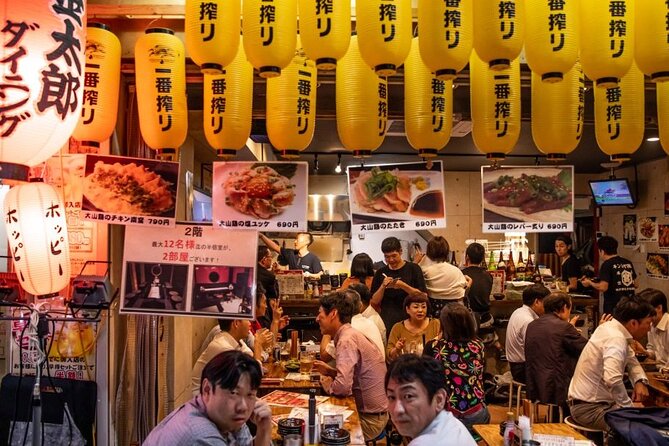
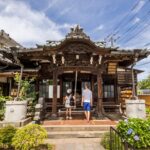
Another possible section takes you through the narrow alleys of a historic district with Showa-era character. Showa refers to the period from 1926 to 1989, so this part of the walk can show a Tokyo shaped by several generations rather than only the polished modern capital.
The appeal is in the small details: tight lanes, older buildings, tucked-away corners, and stories about how the area changed over time. This is the sort of place where a local perspective matters. A guide can point out what you might otherwise pass without noticing.
Do not expect a grand monument at every turn. The pleasure comes from atmosphere and observation. If you prefer famous landmarks only, this part may feel less urgent. If you enjoy street life and older neighborhoods, it can be one of the tour’s most rewarding sections.
Kagurazaka, where old and new meet
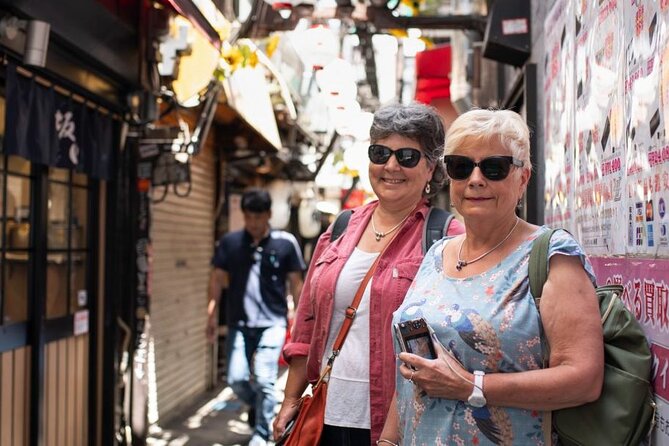
Kagurazaka gives the tour a different flavor. Its winding lanes combine an older Tokyo feel with modern boutiques, cafés, and quiet shrines.
This is a strong choice for anyone who wants more than the standard temple-and-shopping route. The streets invite a slower walk, and the contrast between traditional details and newer businesses gives you a clearer sense of Tokyo as a city that keeps changing without erasing everything that came before.
Again, the guide’s role is important. A map can show you Kagurazaka, but it cannot easily explain which lane is worth following or why the district feels different from Asakusa. Your host can adjust the pace and suggest places that fit your interests.
The tradeoff is distance. Kagurazaka is not next door to Asakusa, so reaching it may require public transport or a taxi. The tour is primarily on foot, and transport costs are additional. If Kagurazaka matters to you, make it a clear priority before the day begins.
What the best guide support looks like
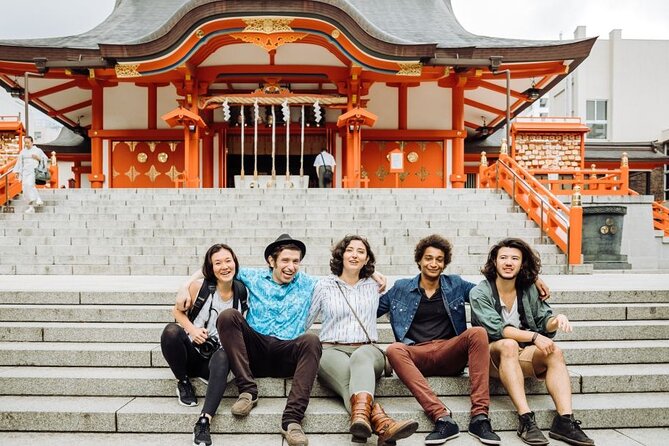
The strongest part of this experience is not a particular landmark. It is the host’s ability to adapt.
Chiara has been praised for meeting at a hotel and taking the route toward specific interests. Hiroko made contact before the tour, helped arrange a meeting place, and handled a delayed start without pressure. Kay has been praised for adjusting both the route and start time so the group could cover as much as possible in a short visit.
Other guide experiences point to different strengths. Maruf combined major sights with less obvious stops and explained the background at each place. Patrick added alternate viewpoints near Shibuya Crossing, an artistic bookstore, and a garden at Ginza Six. Alberto was also appreciated for friendly explanations and photography help.
These examples do not guarantee a particular guide or route. They do show what you should ask for. Be specific. Say if you want photo stops, local history, food advice, shopping help, family-friendly pacing, or places away from the standard route.
The private setup also helps if your group has mixed interests. One person can ask about temples, another about cafés, and another about shopping. Your host can make practical compromises that a large group tour cannot.
Walking, trains, and the real cost
The listed price is $143.14 per person. For a solo visitor or a small group, that is a serious spend for four hours, but private guiding changes the value calculation. You are paying for personal planning, flexible pacing, direct communication, and a route shaped around your priorities.
The value is strongest when you use the guide for more than sightseeing. Ask for help understanding Tokyo’s transport system, choosing neighborhoods for later, finding local food areas, or avoiding wasted time. A private guide can make the rest of your trip run better.
The value is weaker if you want a cheap way to see a long list of landmarks. A four-hour private walk cannot cover all of Tokyo, and transport between far-apart areas can reduce time on foot.
Transportation is not included. Public transport or local taxis may be used, with the exact cost discussed after booking. Food, drinks, attraction tickets, and gratuities are also extra. Bring comfortable shoes, and budget for any snacks or shopping you plan to enjoy along the way.
The tour is booked, on average, about 63 days ahead. That suggests you should reserve early if your Tokyo dates are fixed, especially if you want a preferred start time or hope to communicate with your host well before arrival.
Who will get the most from this tour
I would recommend this experience most strongly to:
- First-time visitors who want help getting oriented
- Couples or families who prefer a private pace
- Solo visitors who want company and local advice
- People with a clear interest in food, history, shopping, photography, or quieter streets
- Visitors with limited time who want to avoid planning every detail themselves
- Anyone nervous about crowded stations and Japanese-only signage
It may not suit you if you want a luxury vehicle, a fixed sightseeing list, included meals, or entrance tickets bundled into the price. It is also less appealing if you would rather explore entirely on your own and do not need help with planning.
The tour is suitable for most people, and service animals are allowed. Since it is mainly a walking experience, you should be comfortable spending much of the four hours on foot. If mobility or rest breaks matter, discuss that with your host before the tour.
Flexible booking and cancellation details
The start time is flexible, and you receive a short questionnaire after booking. Use it well. The more clearly you explain your interests, the more useful the route can be.
Free cancellation is available up to 24 hours before the start time for a full refund. Changes or cancellations inside that 24-hour window are not accepted or refunded.
The experience is operated by City Unscripted. It is a private activity, so only your own party participates.
Should you book this Tokyo tour?
Book it if you want a personal introduction to Tokyo, especially at the start of a longer Japan trip. The best use of the four hours is not racing through every famous sight. It is learning how the city fits together, seeing Asakusa with context, and asking a local host to shape the day around what you actually care about.
I would book early, name your top priorities, and ask about the meeting point and transport plan before the day. If your interests include Kagurazaka, Shibuya, Ginza, or technology shops, mention them clearly because the listed route cannot cover every district in one walk.
For a private tour at $143.14 per person, the decision comes down to guidance versus independence. If you value time, local explanations, and a flexible route, this is a strong choice. If you want maximum sightseeing for minimum cost, use Tokyo’s excellent public transport and explore at your own pace instead.
FAQ
How long is the Tokyo private tour?
The experience lasts approximately four hours.
Where does the tour start and finish?
The listed meeting point is the Asakusa Culture Tourist Information Center at 2-chōme-18-9 Kaminarimon, Taito City, Tokyo. The activity ends back at the meeting point.
Is the tour private?
Yes. Only your own party participates.
Can I choose the start time?
Yes. Flexible start times are available when booking.
Can the itinerary match my interests?
Yes. After booking, you receive a questionnaire about your interests, preferences, and must-see places. You can also communicate directly with your host about planning and local advice.
Is transportation included?
No. The tour is mainly a walking experience. Public transport or local taxis may be used between sites, but those costs are extra.
What is included in the price?
The price includes a private, personalized walking experience with a local host, insider tips, flexible planning, and direct communication before the tour. Food, drinks, attraction tickets, transport, and gratuities are not included.
Can I cancel for a full refund?
Yes, if you cancel at least 24 hours before the experience starts. Cancellations or changes made less than 24 hours before the start time are not refunded or accepted.
More Half-Day in Tokyo
More Private Tours in Tokyo

More tours in Tokyo we've reviewed







Half-Day, compared.
 ★ 4.0Half-day Tokyo Afternoon Tour by Hato BusFrom $41
 ★ 4.6Tokyo: A Half-Day Trip Bus Tour in the MorningFrom $404 hours - 270 minutes
 ★ 4.0Half-day Tokyo Morning Tour by Hato BusFrom $41
 ★ 5.0Private Hakone Half-day Car Tour with Hotel Pickup – Local GuideFrom $277
 ★ 4.9Old and Nostalgic Tokyo: Half-Day Yanaka Walking TourFrom $833h 30m
 ★ 5.0Half-Day Local Tokyo Tour in Adachi Market and ShibamataFrom $91