
Reviewed · HAKONE DAY TRIPS
Hakone : Private Tour with Government-Licensed Guide
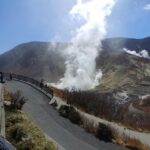
Owakudani is the star of this Hakone day. At this active volcanic valley, sulfurous gas rises from the ground, the air carries a sharp mineral smell, and local eggs turn black as they cook in the hot spring water. You then ride the ropeway toward Lake Ashinoko, with a chance of seeing Mount Fuji when the weather cooperates.
I like the private, custom plan and the fact that your guide can help you make sense of Hakone’s spread-out sights. I also like the local help with public transportation, since bus delays and mountain routes can make this area harder to manage on your own.
The main catch is cost. At $171 per person, you still pay for transportation, admission tickets, lunch, and personal expenses. This is best for a small group that values a guide and flexibility, not for someone looking for the cheapest way around Hakone.
In This Review
- Key points to know before booking
- Why Owakudani makes this Hakone tour memorable
- Riding the ropeway toward Lake Ashinoko
- Choosing your four Hakone stops
- What a private guide adds to the day
- Hakone’s culture, shrines, and mountain setting
- Art museums for a different Hakone day
- Timing, transport, and the physical effort
- Is $171 per person a fair price?
- Who should book this Hakone experience?
- Should you book it?
- FAQ
- How long does the Hakone private tour last?
- How many sights can I visit?
- Is a private vehicle included?
- Where does pick-up take place?
- Are transportation costs included?
- Are entrance fees included?
- Is lunch included?
- Can I see Mount Fuji?
- Is the tour suitable for wheelchair users?
- What should I bring?
Key points to know before booking
- Owakudani’s volcanic activity: See sulfurous gases rising from the mountain and try the famous black boiled eggs.
- Three or four chosen sights: Build your day from options including Lake Ashi, Hakone Shrine, museums, gardens, temples, and the ropeway.
- A private guide for up to seven people: You get direct help rather than joining a larger group.
- Public transportation is part of the adventure: Expect trains, buses, ropeways, boats, or local taxis, with fares paid separately.
- Pick-up near Hakone-Yumoto: Hotel and station pick-up is available within a 10-kilometer radius of Hakone-Yumoto Station.
- Mountain walking required: Comfortable shoes and weather-ready clothing matter, and the tour is not suited to people with mobility impairments.
Why Owakudani makes this Hakone tour memorable
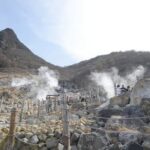
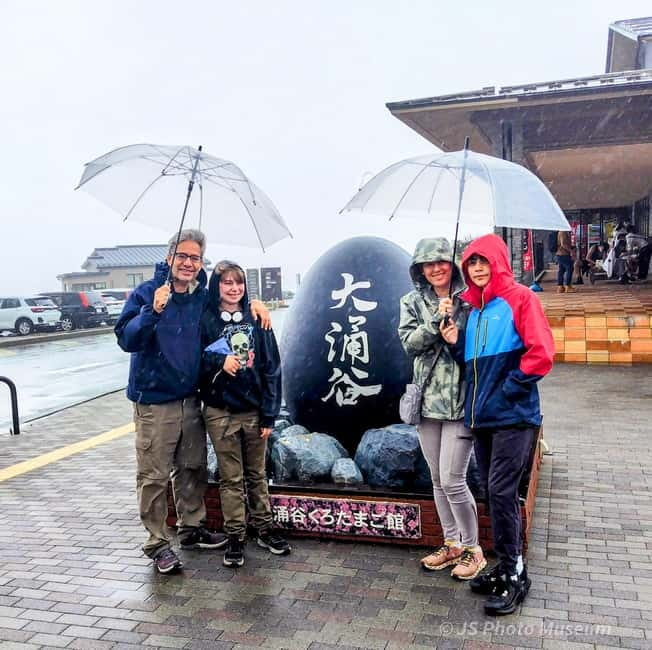
Hakone is often presented as a scenic resort town, but Owakudani gives you something more dramatic than gardens and lake views. This volcanic valley was formed by an eruption, and heat still escapes through vents in the ground. Sulfurous gases rise around the walkways, giving the place a raw, active feel.
The famous black eggs are a small but enjoyable part of the stop. They are boiled in mineral-rich spring water, which darkens the shells. You can try them as a local specialty while your guide explains the connection between Hakone’s volcano, hot springs, and resort culture.
I would put Owakudani near the top of your list if you want Hakone to feel like more than a pretty mountain escape. The drawback is that conditions can change. Volcanic gas levels, weather, or transport conditions may affect access, and the smell can be strong. The tour data does not promise a clear view of Mount Fuji, so treat that as a bonus rather than the main reason to book.
A few more Hakone tours and experiences worth a look
Riding the ropeway toward Lake Ashinoko
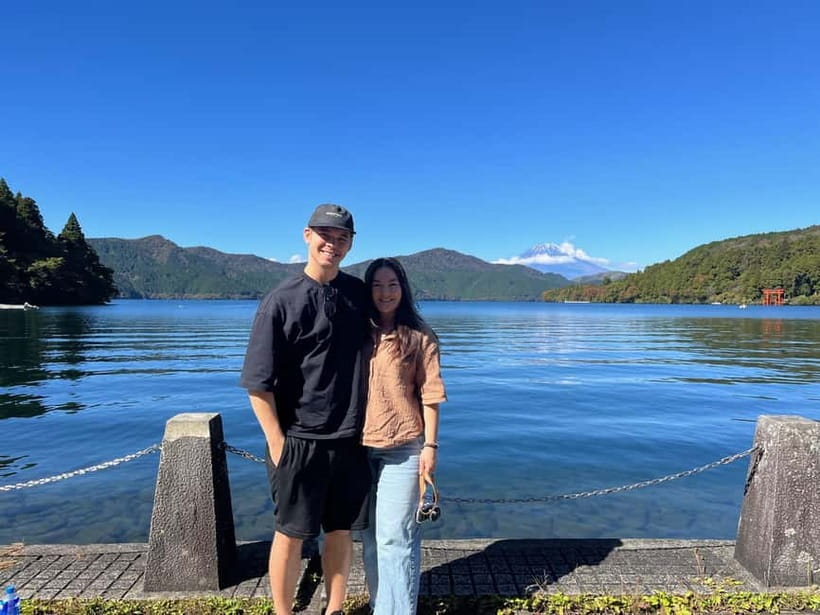
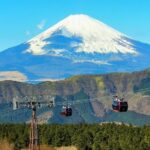
The Hakone Ropeway links the volcanic mountain area with the Lake Ashi region. The ride gives you a different view of Hakone from the roads below, and the movement between sites becomes part of the day rather than a dull transfer.
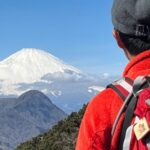
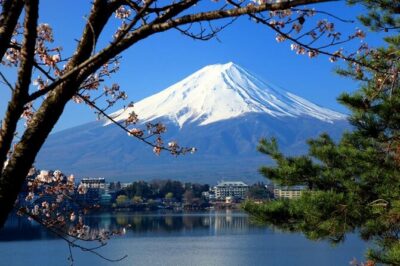
The route described for this experience takes you down toward Lake Ashinoko. On a clear day, you may see Mount Fuji from the ropeway or the lake area. Clouds often control the show, so keep your expectations sensible. Even without Fuji, the volcanic valley and mountain setting make the ride worthwhile.
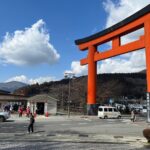
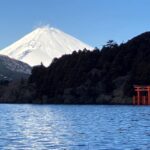
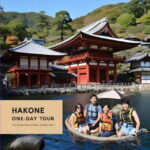
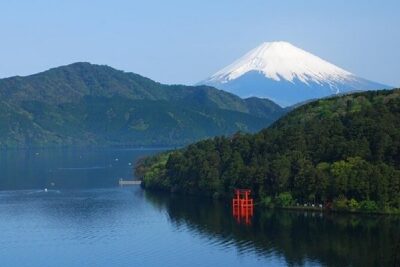
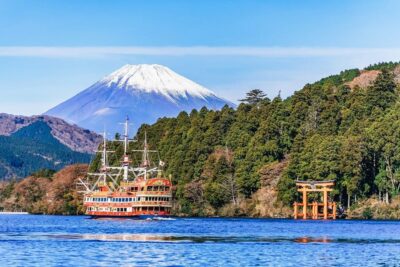
At Lake Ashinoko, you can choose a lake crossing to see the torii gate connected with Kuzuryu Shrine and its nine-headed dragon deity. This adds a spiritual side to the day after the earthy heat and sulfur of Owakudani.
Transportation costs are not included. Your guide can use public transportation or local taxis, and exact costs can be discussed after booking. Bring Japanese yen, since you will need to pay these fares yourself. If you have a tight budget, ask about the likely transport cost before the day begins.
Choosing your four Hakone stops
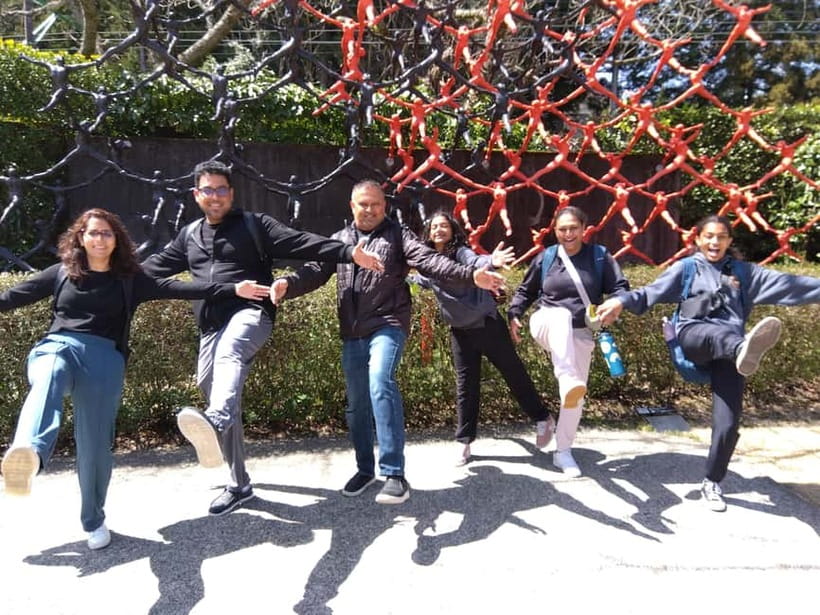
The strongest feature here is choice. You can select three or four places from the supplied list, then ask your guide to arrange the day around your interests. That is far more useful than trying to squeeze every Hakone attraction into one rushed circuit.
Your options include:
- Lake Ashinoko
- Hakone Shrine
- Hakone Ropeway
- Owakudani Valley
- The Hakone Open-Air Museum
- Pola Museum of Art
- Okada Museum of Art
- Sengokuhara
- Hakone Venetian Glass Museum
- Hakone Museum of Art
- Choanji Temple
- Hakone Shisseikaen
- Gora Park
- Dollhouse Museum Hakone
- Narukawa Art Museum
You should name your preferred sights after booking. A clear wish list helps the guide shape a realistic route. The guide can also explain what fits together geographically and what may require extra transport time.
If you want the classic Hakone day, choose Owakudani, the ropeway, Lake Ashi, and Hakone Shrine. That combination gives you volcano, mountain views, water, and religion. It also involves several transfers, so ask how much time will remain for each stop.
For an art-focused day, you might choose the Hakone Open-Air Museum, Pola Museum of Art, Okada Museum of Art, Hakone Venetian Glass Museum, Hakone Museum of Art, and Narukawa Art Museum. You can only see three or four sites, so select based on your interests rather than trying to collect museum names.
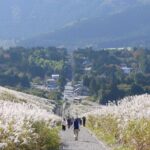
Gora Park offers a garden setting, while Choanji Temple and Hakone Shrine provide a more traditional side of the region. Sengokuhara and Hakone Shisseikaen can suit you if you want quieter scenery. The list is broad enough to support several different versions of Hakone.
What a private guide adds to the day
A licensed English-speaking guide gives this experience its value. Hakone’s sights are spread across a mountainous area, and the route may involve several types of transport. You are not simply paying for a person to point at attractions. You are paying for help with choices, timing, directions, and cultural context.
The supplied guide languages are English and Japanese. Two guide names connected with this experience are Kate and Yumi. Kate kept in touch before the tour and built a plan around the group’s wishes. Yumi also prepared a route based on the visitor’s chosen themes, suggested a lunch stop, and adjusted the return route when a bus delay caused trouble.
Those details matter. A private tour is most useful when something changes. A delayed bus, a closed route, poor weather, or a group member tiring out can make a self-guided Hakone day frustrating. A guide who can find another route may save you time and worry.
You should still communicate clearly. Send your preferred sites and interests after booking, and tell the guide if you care most about art, temples, scenery, food, or local culture. The more specific you are, the more useful the custom format becomes.
Hakone’s culture, shrines, and mountain setting
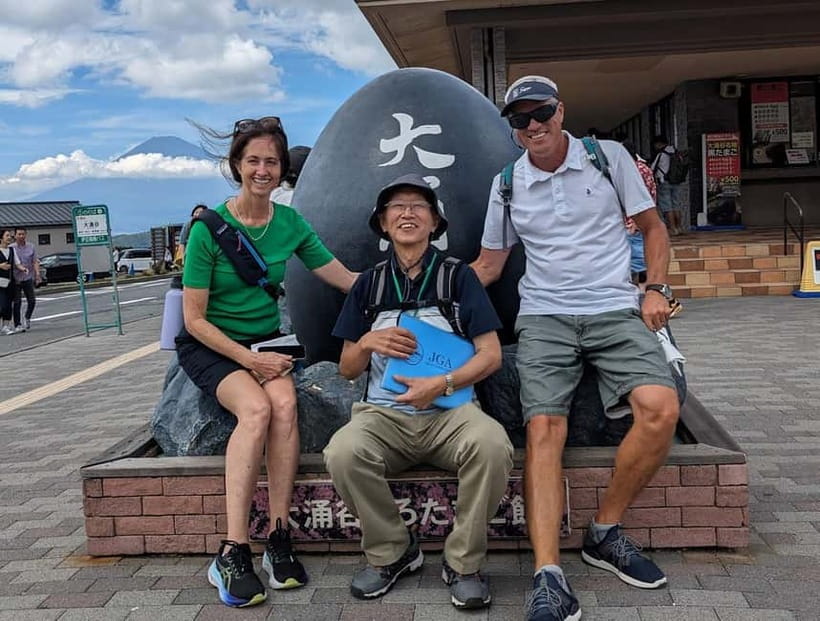
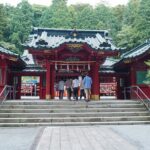
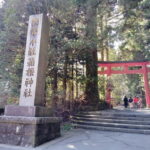
Hakone Shrine is one of the main choices for a classic cultural stop. The experience can include the shrine itself and the famous torii gate area by Lake Ashi, depending on the plan you arrange with your guide.
The lake crossing toward the Kuzuryu Shrine torii connects the natural setting with local religious tradition. Your guide can explain the area’s beliefs, customs, and links to the nine-headed dragon deity. This is the kind of context that can turn a quick photo stop into something you understand.
Choanji Temple offers another religious setting, while the several museums provide different ways to approach Japanese art and design. I would not select every cultural stop in one day. Three or four carefully chosen places will give you more time to look, ask questions, and enjoy the setting.
The guide also helps with the practical side of Japanese etiquette. The supplied information specifically highlights learning about Japanese culture and traditions, and Yumi’s tour included explanations of history, culture, and customs. That kind of background is especially useful at shrines and temples, where a few simple details can help you behave respectfully.
Other guided tours in Hakone
Art museums for a different Hakone day
Hakone has enough museums to make an art-centered itinerary a serious option. The Hakone Open-Air Museum is an obvious choice if you want art in a mountain setting. The Pola Museum of Art and Okada Museum of Art offer indoor alternatives, while the Hakone Venetian Glass Museum gives you a more focused subject.
The Hakone Museum of Art, Narukawa Art Museum, and Dollhouse Museum Hakone add still more choices. Since admission fees are not included, check the cost of each museum before confirming your plan. Your guide’s entry fee is covered only for sights listed under the tour details, and your own admission charges remain a separate expense.
I like this flexibility for repeat visitors or anyone who has already seen Hakone’s main outdoor sights. It also makes sense on a wet day, although the tour’s exact choices and route should be discussed with your guide. You are not locked into the volcano and lake circuit if art is what you really want.
Timing, transport, and the physical effort
The tour lasts six to eight hours, so it is a full day. Your guide meets you on foot in the designated Hakone area, with pick-up available at a requested hotel or train station within 10 kilometers of Hakone-Yumoto Station. The guide waits in the lobby or station 10 minutes before the scheduled time.
There is no private vehicle included. You may walk between nearby points, then use public transportation or a local taxi for longer transfers. That keeps the tour more flexible than a fixed bus route, but it also means you should expect some waiting, boarding, and route changes.
Hakone is mountainous. Wear comfortable shoes, bring cash, and dress for the weather. The day may include slopes, station platforms, uneven ground, and walking between transport connections. The activity is marked wheelchair accessible, but it is also described as not suitable for people with mobility impairments. If you have any mobility concern, ask the provider exactly which route and stops can work for you before booking.
Groups are private, with a maximum of seven passengers. That is a good size for a family or a small group of friends. You cannot combine multiple tour groups, so you keep the privacy and direct attention that justify the price.
Is $171 per person a fair price?
The $171 price covers a six-to-eight-hour private tour with a licensed local English-speaking guide and a custom choice of three or four sights. It does not cover transport, entrance fees, lunch, or other personal spending.
I see the value most clearly when you are sharing the guide fee among several people. A group of up to seven can receive a private route and direct help for the day, while a solo visitor will feel the price more sharply. The tour also makes more sense if you are short on time or uneasy about handling Hakone’s mountain transport alone.
You should budget beyond the advertised price. Add train, bus, ropeway, boat, or taxi fares, plus admission charges and lunch. Ask about expected transport costs after your reservation is finalized, and carry Japanese yen.
The price is less attractive if you already know Hakone well, speak Japanese comfortably, or only want one easy attraction. In that case, a self-guided visit may cost less. The strongest reason to pay here is not a long list of included extras. It is the personalized route and the guide’s ability to explain the area and solve problems.
Who should book this Hakone experience?
I would recommend it to first-time visitors who want a clear plan without joining a large group. It also suits families and small groups with different interests, since one person can favor volcanoes and lakes while another prefers museums or temples.
This is a good pick if you want cultural explanations in English, need help with Japanese transport, or would rather spend one day seeing selected highlights than planning every connection yourself. The examples involving Kate and Yumi show why guide quality matters: pre-tour contact, a tailored route, lunch advice, and a backup plan during a bus delay can all improve the day.
I would hesitate if you dislike walking, need a fully private car, or want every expense included in one price. A private vehicle can be arranged, but it must be booked at least five days ahead and is not part of the standard tour. Also remember that a clear Fuji view is never promised by the information provided.
Cancellation is flexible up to 24 hours before the start for a full refund, and you can reserve now and pay later. That helps if your Japan plans are still shifting, though you should still check availability for your preferred starting time.
Should you book it?
Book this Hakone private tour if you want Owakudani, Lake Ashi, and cultural sights arranged around your own interests, with a guide who can explain Japan and handle route changes. Kate and Yumi are examples of the personal attention you can expect from the guide service.
Skip it if your priority is the lowest possible cost or a chauffeur-driven day. For the right small group, the $171 fee buys something useful: a human plan for a complicated mountain region, not just a list of stops.
FAQ
How long does the Hakone private tour last?
The tour lasts between six and eight hours. Available starting times depend on the date you choose.
How many sights can I visit?
You can choose three or four sites from the available list. You should tell your guide which places you want to see after booking.
Is a private vehicle included?
No. The standard tour is a walking day tour, with public transportation or local taxis used between sites. A private vehicle can be arranged separately and must be booked five days in advance.
Where does pick-up take place?
Pick-up is available at a hotel or train station within a 10-kilometer radius of Hakone-Yumoto Station. Your guide waits 10 minutes before the scheduled pick-up time.
Are transportation costs included?
No. Transportation fares are separate. You should discuss expected costs with the guide after booking and carry Japanese yen.
Are entrance fees included?
Entrance fees are not included. Guide entry fees are covered only for sights listed in the tour details.
Is lunch included?
No. Lunch and other personal expenses are separate. Your guide may suggest a restaurant, as Yumi did during one customized route.
Can I see Mount Fuji?
You may see Mount Fuji from the ropeway or Lake Ashinoko, but visibility depends on conditions. A clear view is not guaranteed.
Is the tour suitable for wheelchair users?
The activity information marks it as wheelchair accessible, but it also says it is not suitable for people with mobility impairments. Contact the provider before booking to confirm whether your chosen stops and route will work for you.
What should I bring?
Bring comfortable shoes, cash, Japanese yen for transportation, and clothing suited to the weather. Hakone is mountainous, so expect walking.
More Private Tours in Hakone

More Guided Tours in Hakone
More Hakone Day Trips in Hakone
More tours in Hakone we've reviewed
Hakone Day Trips, compared.
 ★ 5.0Mt Fuji and Hakone 1-Day Bus Tour Return by Bullet TrainFrom $163
 ★ 4.0Mt Fuji & Hakone Cruise, Drum Show Bullet Train 1 Day from TokyoFrom $149
 ★ 4.4Tokyo Mt Fuji 5th St & Hakone Cruise Bus Tour w/Bullet TrainFrom $15410 hours
 ★ 4.7Tokyo: Mt. Fuji Tour, Hakone Ropeway, Owakudani, Lake AshiFrom $5410 hours
 ★ 4.2Tokyo: Mt. Fuji 5th Station & Hakone Cruise 1-Day Bus TourFrom $12911 hours
 ★ 5.0Private Tour to Mt. Fuji and Hakone (Fully Licenced Operator)From $497