
Reviewed · ASAKUSA TOURS
Asakusa: Kitchen knife store visits after history tour
Asakusa’s temples and shopping streets make a fine pairing with Japan’s famous kitchen knives. This 210-minute tour first explains the area around Sensō-ji, Tokyo’s oldest temple, then takes you to Kappabashi Street, where specialist shops carry knives for home cooks and restaurant professionals. I like that you go straight to the right stores instead of spending your afternoon guessing which shop deserves your time.
I also like the small-group format, limited to eight people, and the guide’s role during the buying process. Machiko, one guide named in the tour feedback, helped with translation and purchases and even stayed beyond the scheduled time for one group. The main drawback is focus: if you want a long, unhurried temple visit or broad Tokyo shopping time, the one-hour Kappabashi stop may feel short.
In This Review
- Key points at a glance
- Why this Asakusa combination works
- Starting beside Asakusa Station
- The Tokyo Cruise Asakusa Pier and the river setting
- The Culture Tourist Information Center and Kaminarimon
- Nakamise Shopping Street, with time to look around
- Hōzōmon Gate and Sensō-ji Temple
- Moving from temple history to Kappabashi Street
- Choosing a Japanese kitchen knife without guesswork
- What the group size and timing mean
- The guide’s role is the main added value
- Who should book this experience
- Booking details that affect the decision
- Should you book the Asakusa knife tour?
- FAQ
- How much does the Asakusa kitchen knife tour cost?
- How long does the tour last?
- Where does the tour meet?
- Where does the tour finish?
- Is hotel pickup or drop-off included?
- What language is the tour conducted in?
- How many people can join the group?
- Are headsets provided?
- Are Japanese sweet snacks included?
- What happens if it rains?
Key points at a glance
- A history walk comes first: See the Tokyo Cruise Asakusa Pier, Kaminarimon, Nakamise Shopping Street, Hōzōmon Gate, and Sensō-ji before shopping.
- Kappabashi is the practical payoff: Visit a street lined with shops selling restaurant supplies, including a strong range of Japanese kitchen knives.
- An English-speaking certified guide helps you buy: You can ask for candid advice while store clerks explain their products.
- Small groups keep the outing personal: The group is limited to eight, with headsets used when three or more people join.
- Japanese sweet snacks are included: They add a pleasant local touch during the walking portion.
- The $77 price covers guidance, not hotel transfers: The value is strongest if you expect to buy a knife and want help choosing the right shop and style.
Why this Asakusa combination works
Many visitors split Asakusa sightseeing and shopping into separate plans. This tour links them in a useful order. You first learn what makes the district important, then walk into nearby Kappabashi with a better sense of place.
That order matters. Kappabashi Street is not simply a row of souvenir shops. It serves restaurant operators, so the shopping can feel practical and specialized. You might see stores focused on knives and other cooking tools, with enough choice to make an unplanned visit confusing. A guide gives you a starting point and helps you avoid wandering from shop to shop.
I like the balance between culture and a possible purchase. Sensō-ji gives you the setting, gates, streets, and religious landmarks. Kappabashi gives you something concrete to take home. If Japanese cooking interests you, the knife stop is more than a shopping break. It is a chance to compare craftsmanship, shapes, and intended uses with help close at hand.
The experience costs $77 per person. That is not the cheapest way to walk around Asakusa, especially if you only want to see the temple. The price makes better sense if you value an English-speaking guide, want an organized history walk, and may buy a kitchen knife. A good knife can cost far more than the tour, so advice before spending matters.
A few more Tokyo tours and experiences worth a look
Starting beside Asakusa Station
The meeting point is in front of the Burger King next to Exit 4 of Asakusa Station on the Ginza line, station code G19. You need to step outside at Exit 4, rather than wait inside the station.
This is a simple meeting point, but allow enough time to find the correct exit. Asakusa has several rail lines and station areas, and the name Asakusa covers more than one transport network. The tour does not include hotel pickup or drop-off, so you must make your own way to the restaurant.
The tour ends back at the same Burger King meeting point. That makes the outing easy to fit before dinner or another Asakusa plan. It also means you do not need to arrange a separate return transfer after the shopping stop.
The Tokyo Cruise Asakusa Pier and the river setting
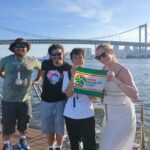
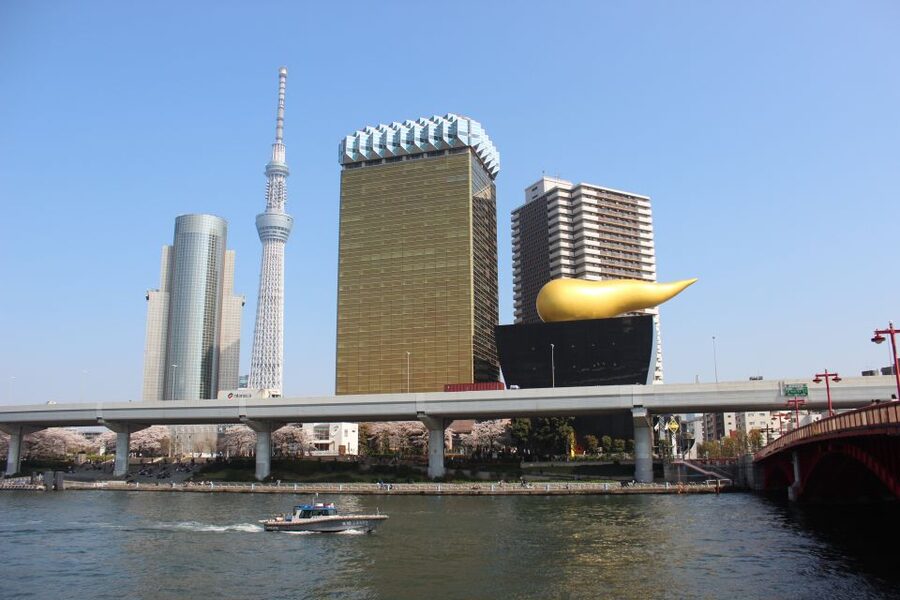
The first guided stop is the Tokyo Cruise Asakusa Pier, with about 15 minutes for sightseeing and walking. The pier helps place Asakusa beside the Sumida River and gives the tour a clear starting point beyond the station streets.
You should expect this to be an orientation stop rather than a boat ride. The experience includes a guided visit, but no Tokyo Cruise ticket or cruise activity is listed. The value here is context: your guide begins explaining the district before taking you toward its best-known temple sights.
For me, this early pause is useful because it breaks up the walk. You are not rushed straight from the station into a long explanation. Instead, the route builds from the river area toward the temple gates and shopping street.
The Culture Tourist Information Center and Kaminarimon
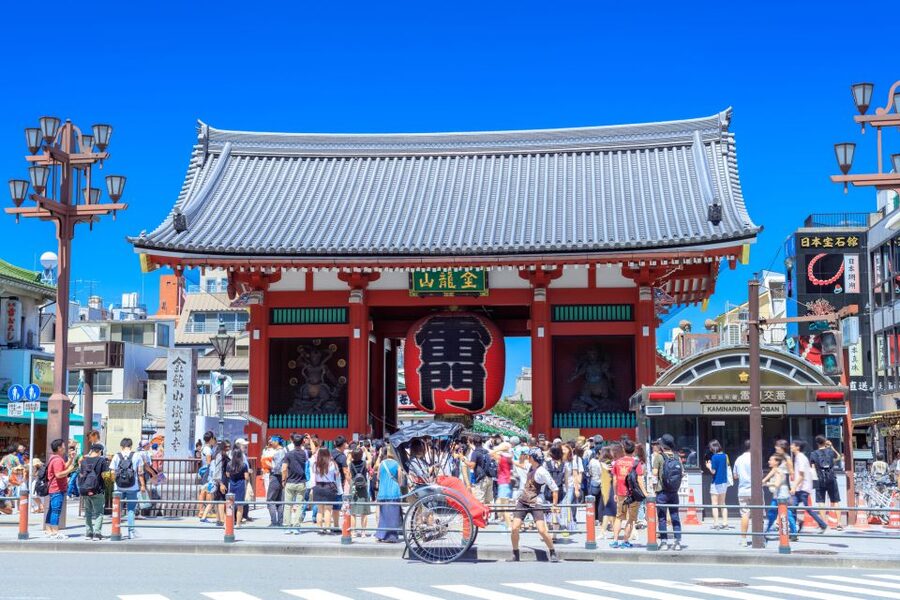
Next comes the Asakusa Culture Tourist Information Center, followed by Kaminarimon, each with about 15 minutes of guided sightseeing and walking. These stops introduce both the modern visitor side of Asakusa and its traditional gateway.
Kaminarimon means Thunder Gate, and it is one of the most recognizable entrances to the Sensō-ji area. The gate gives you a strong visual beginning to the temple approach. Your guide can explain what you are seeing and how the gate fits into the larger temple complex.
The information center stop may feel less dramatic than Kaminarimon, but it helps you get your bearings. I would pay attention here if this is your first visit to Asakusa. The tour is not only about taking photographs. It gives you a route through the district so the later stops feel connected.
The walking pace should suit people who want explanation along the way, but it is still a walking tour. Wear shoes you can use comfortably for several hours. The tour runs rain or shine, so bring suitable clothing rather than treating the weather as a reason to expect a change of plan.
Nakamise Shopping Street, with time to look around
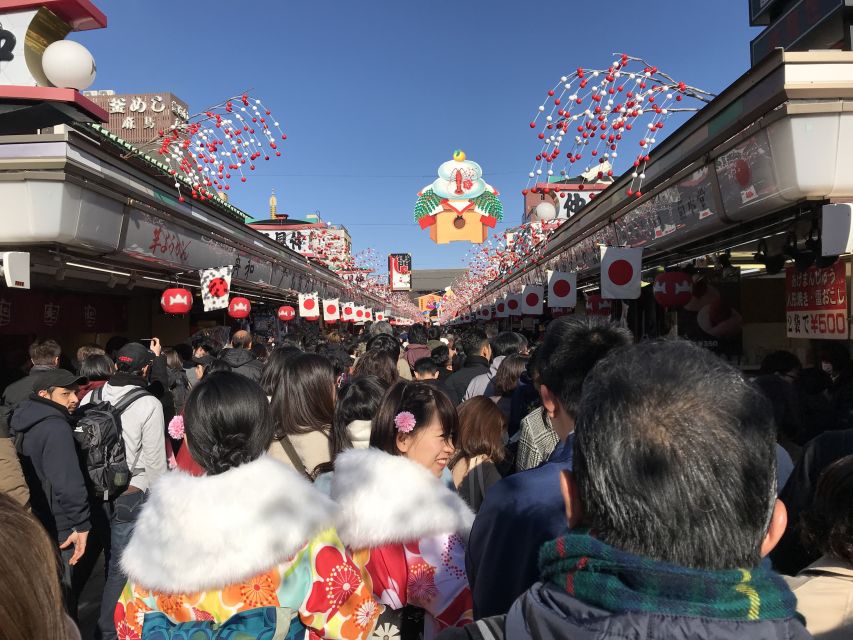
The route then spends about 30 minutes on Nakamise Shopping Street. This is the longest stop in the temple approach and a useful bridge between Kaminarimon and Sensō-ji.
Nakamise is known for its line of shops leading toward the temple. You can expect traditional souvenirs, snacks, and small goods, though this tour is not designed as a dedicated shopping crawl here. Thirty minutes gives you time to look at the street, listen to the guide, and notice how commerce has grown around the temple approach.
The included Japanese sweet snacks fit naturally into this part of the outing. They give you a taste of the local shopping atmosphere without turning the tour into a food tour. Do not expect a full meal. The snacks are a small included extra, so plan lunch or dinner separately.
This section may be the hardest part for anyone who wants to browse every shop. The schedule has a clear purpose, and Kappabashi comes later. If you spot something you want to buy on Nakamise, ask the guide about timing before wandering off.
Other historical tours in Tokyo
Hōzōmon Gate and Sensō-ji Temple
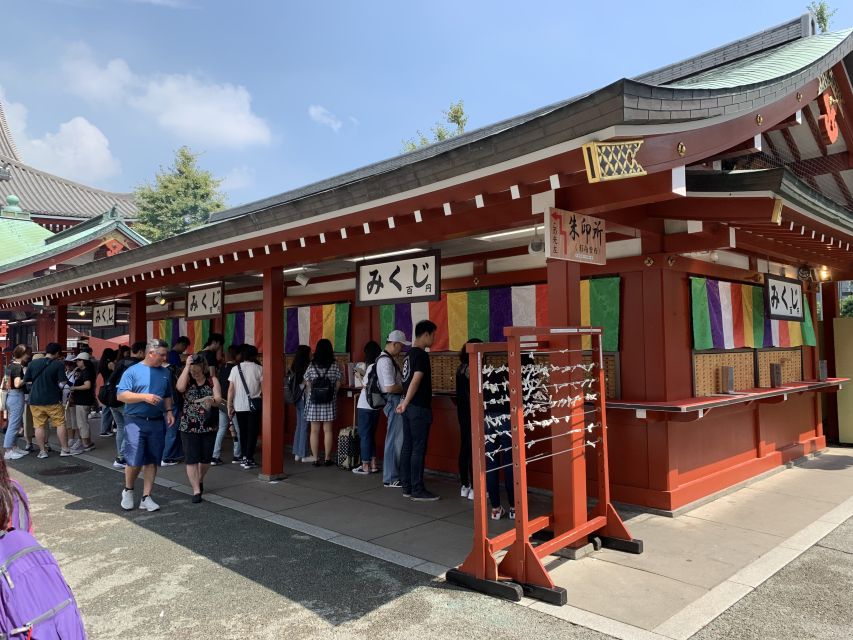
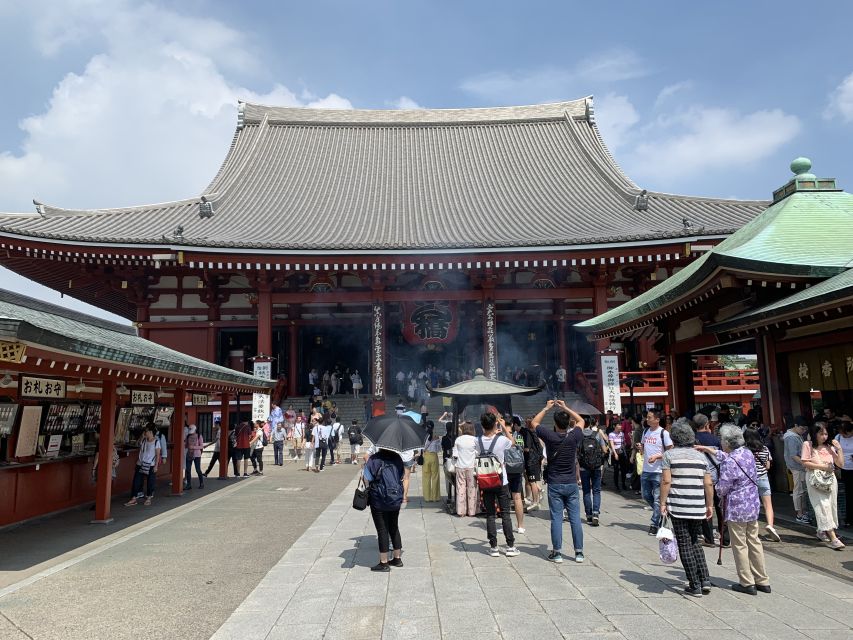
After Nakamise, the group reaches Hōzōmon Gate, with about 15 minutes for guided sightseeing, then Sensō-ji, also with about 15 minutes. Hōzōmon is the inner gate on the approach to the temple and helps show the scale of the complex.
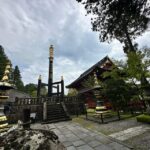
Sensō-ji is the oldest temple in Tokyo, and it is the historic centerpiece of the first half of the tour. You will have a guide to explain the site and the surrounding Asakusa area rather than simply arrive, take a picture, and leave.
The schedule gives you a focused introduction, not several hours for quiet temple exploration. That is an important distinction. I would choose this tour if you want a useful first look at Sensō-ji before shopping. If the temple itself is your main reason for coming to Asakusa, you may want to return later on your own for more time.
The history portion is one of the strongest reasons to book. The tour description promises an in-depth Asakusa history walk, and the stops follow a logical path through the district. Feedback about the guide’s English and explanations was especially strong, with Machiko singled out for making the area’s past interesting and for helping people understand what they were seeing.
Moving from temple history to Kappabashi Street
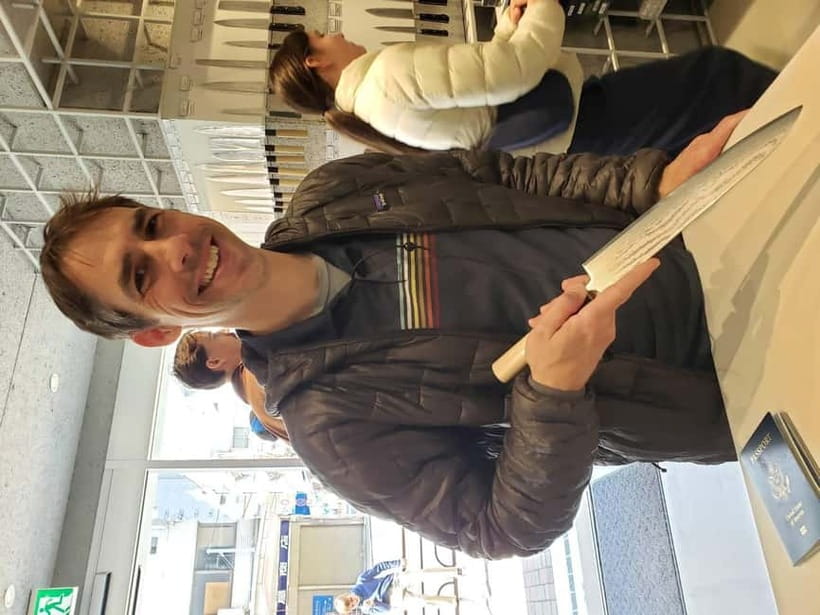
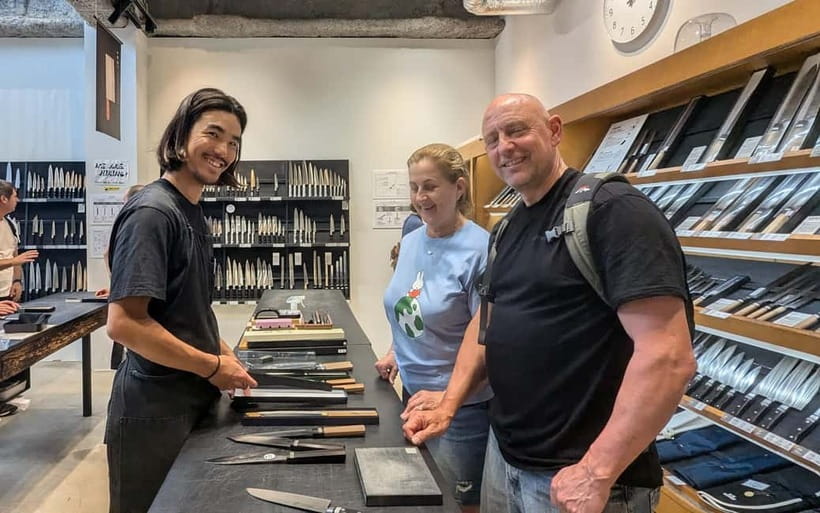
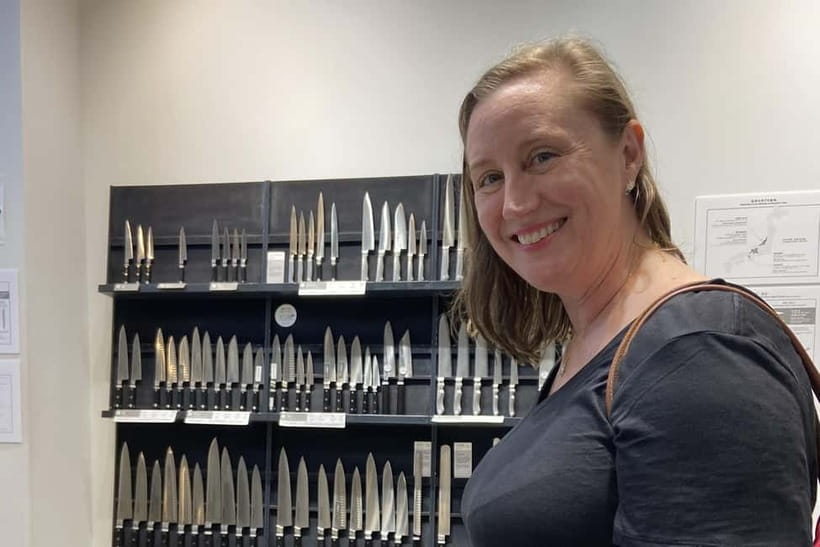
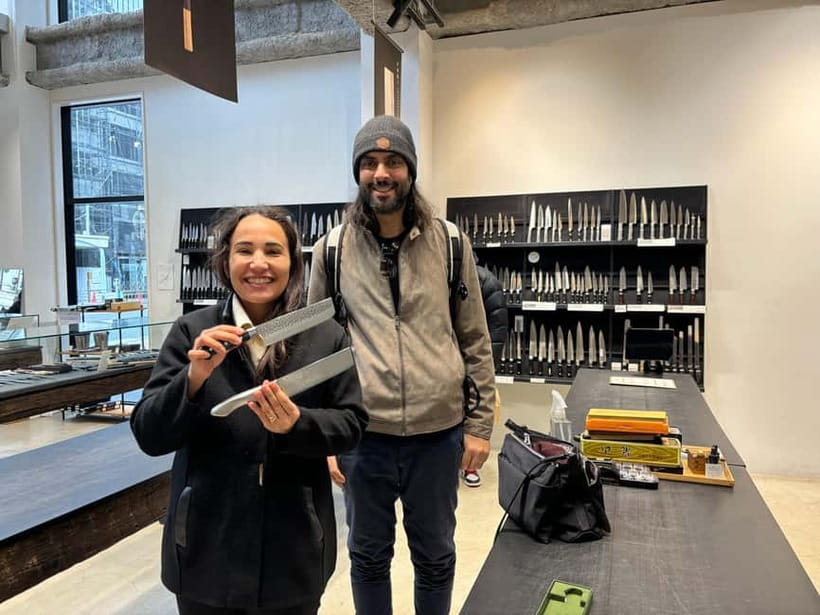
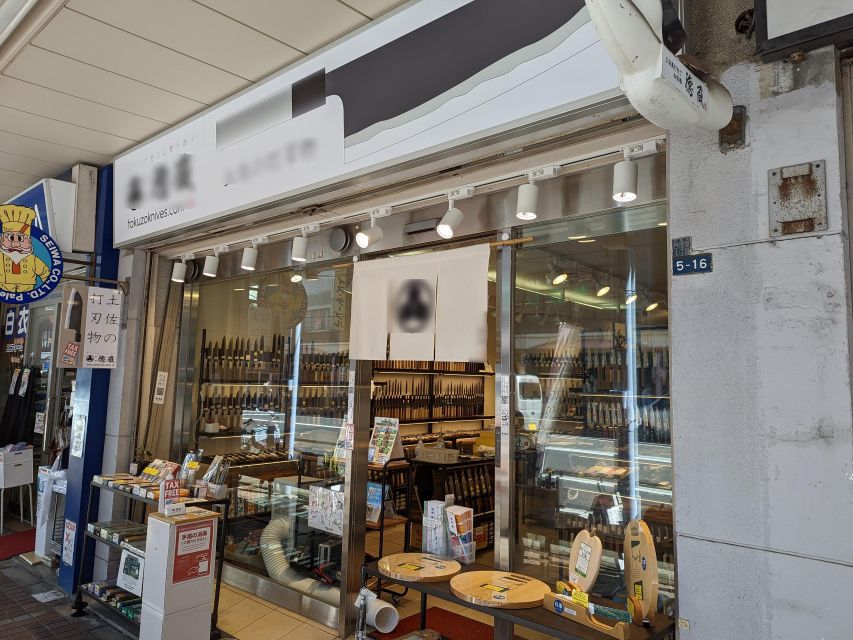
Kappabashi Street sits next to Asakusa and is the practical heart of the second half. The route gives about one hour to this shopping area, which is lined with stores selling supplies used by restaurant operators.
You will not be left to search the street without direction. The guide takes you to suitable stores and helps you listen to the sales pitch with a neutral second opinion. That is valuable in Japan, where product explanations may be clear to a local clerk but difficult to follow in English.
The guide can also help with translation and purchases. One account of the experience describes Machiko assisting with anything the group wanted to buy and continuing past the scheduled end to help. That kind of support can make the difference between admiring a knife and confidently choosing one.
Still, keep your expectations sensible. The tour does not promise a particular knife brand, a set discount, sharpening service, luggage delivery, or help with customs. It promises access to specialist stores and shopping assistance. Ask the guide and store staff about any purchase details before paying.
Choosing a Japanese kitchen knife without guesswork
Japanese kitchen knives come in many forms, and the right choice depends on what you cook and how you plan to use it. The useful part of this tour is not simply seeing expensive blades. It is having someone help you sort through the options.
Before you go, think about the kind of knife you want. You may be looking for one general kitchen knife, a slicing knife, a vegetable knife, or a gift. If you have a preferred blade length or budget, tell the guide early. Clear limits make the store visit more efficient.
You should also be ready to hear different opinions from store clerks. Their advice may be detailed and persuasive. Having an English-speaking guide beside you lets you ask what the claims mean and compare choices without relying on the first recommendation.
I would not book this solely for the thrill of buying the most expensive blade available. The better reason is to find a knife that suits your kitchen and to understand what you are paying for. The full range in specialist shops gives you more choice than a general department store, but more choice can also slow you down.
For groups of three or more, the guide uses an earphone system. This lets you hear clearly while walking or standing at some distance from the guide. It is a practical feature, especially when a store is busy or when the group is spread along a narrow shopping area.
What the group size and timing mean
The group is limited to eight participants. That is small enough for questions and individual shopping help, though it does not guarantee private guiding. If several people want knives, the one-hour Kappabashi visit may pass quickly.
The stated duration is 210 minutes, or three and a half hours. The listed sightseeing and walking segments add up to shorter blocks than the full duration, leaving time for movement, explanations, snack sampling, and the store visits. You should treat this as a half-day activity rather than a quick temple stop.
The route involves walking between several Asakusa sights and then through Kappabashi Street. There is no hotel pickup or drop-off, and no separate transport is listed during the tour. Plan to arrive at the meeting point ready to walk.
The experience operates rain or shine. A wet day will not cancel the tour simply because the route is outdoors. Carry weather protection and wear shoes that remain comfortable on city streets.
The guide’s role is the main added value
The guide is an English-speaking certified guide, and English is the tour language. The guide’s work matters most in two places: explaining Asakusa’s past and helping you buy a knife.
Machiko received especially strong praise for clear English, translation help, and taking extra care with purchases. She is not necessarily the guide for every departure, so I would not book expecting a guaranteed guide by name unless the operator confirms it. Still, the example shows the level of help the tour aims to provide.
A guide can also prevent a common problem: spending too much time in the wrong store. Kappabashi has many shops, and a first-time visitor may not know which ones carry the kind of knife they want. The tour’s promise to take you directly to appropriate stores is a real time-saver.
The guide does not replace your own judgment. Check the knife carefully, ask about care, and make sure the purchase suits your needs. The best use of the guide is as a translator and sounding board, not as someone who decides for you.
Who should book this experience
I would recommend this tour to you if Japanese kitchen knives are high on your Tokyo wish list and you also want a guided introduction to Asakusa. It is especially useful if you do not speak Japanese and would feel uneasy handling a detailed purchase alone.
It also suits first-time visitors who want a structured route through Kaminarimon, Nakamise, Hōzōmon, and Sensō-ji. The history walk gives the district more meaning than a quick photo stop, while the Kappabashi visit adds a clear purpose to the afternoon.
Families and mixed-interest groups may find the combination useful because one person can enjoy temple history while another looks forward to kitchen shopping. The small group and included snack help keep the outing varied.
I would hesitate if you already know exactly which Kappabashi store and knife you want. In that case, you may prefer to go directly there and spend your own time. I would also hesitate if you want a slow, reflective temple visit, since the history portion follows a set route and the knife shopping takes priority after Sensō-ji.
Booking details that affect the decision
The price is $77 per person. It includes the English-speaking certified guide, headset use for groups of three or more, the guided Asakusa walk, the Kappabashi visits, and Japanese sweet snacks.
Hotel pickup and drop-off are not included. You meet outside Exit 4 beside the Burger King at Asakusa Station and return there at the end.
You can cancel up to 24 hours before the activity for a full refund, and the reservation option allows you to book now and pay later. These terms are useful if your Tokyo schedule is still changing. The tour runs in all weather, so check the forecast before deciding what to wear, but do not count on rain cancellation.
Should you book the Asakusa knife tour?
Book it if you want expert help buying a Japanese kitchen knife and prefer to pair that purchase with a guided visit to Asakusa’s major sights. The strongest value comes from the guide’s translation, store selection, and candid advice, not from transportation or a long temple stay.
Skip it if your priority is spending all day at Sensō-ji, browsing independently, or visiting one specific knife shop at your own pace. For everyone else, the $77 price is fair for a small-group, English-language half-day that turns a potentially confusing purchase into a more informed one.
FAQ
How much does the Asakusa kitchen knife tour cost?
The tour costs $77 per person.
How long does the tour last?
The advertised duration is 210 minutes, or three and a half hours.
Where does the tour meet?
The meeting point is in front of the Burger King next to Exit 4 of Asakusa subway station on the Ginza line, station code G19.
Where does the tour finish?
The tour returns to the same Burger King meeting point beside Asakusa Station.
Is hotel pickup or drop-off included?
No. Hotel pickup and drop-off are not included.
What language is the tour conducted in?
The tour is conducted in English by an English-speaking certified guide.
How many people can join the group?
The group is limited to eight participants.
Are headsets provided?
Yes. An earphone guide system is used when the group has three or more participants, helping you hear the guide from a distance.
Are Japanese sweet snacks included?
Yes. A selection of Japanese sweet snacks is included.
What happens if it rains?
The tour takes place rain or shine. You can cancel up to 24 hours in advance for a full refund, according to the stated cancellation terms.
More Shopping Tours in Tokyo


More Historical Tours in Tokyo
More Asakusa Tours in Tokyo
More tours in Tokyo we've reviewed


Asakusa Tours, compared.
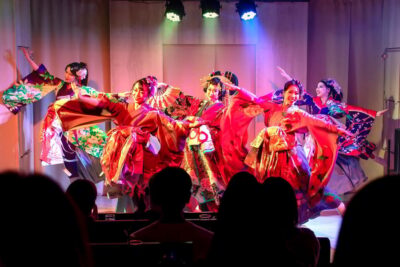 ★ 4.8Tokyo: Japanese Dance Cabaret Theater Asakusa-Kaguwa TicketFrom $492 hours
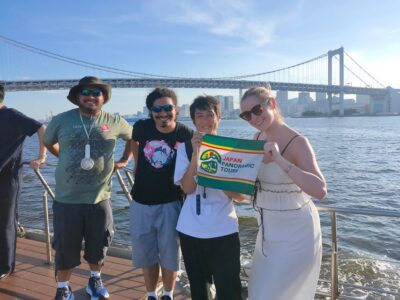 ★ 4.7Tokyo: Meiji Shrine, Asakusa, Skytree Bus Tour and CruiseFrom $12210 hours
 ★ 4.9Tokyo: Roll and Authentic Sushi Making Class in AsakusaFrom $581h 40m
 ★ 4.8Tokyo: Asakusa Walking Tour with Sensoji Temple VisitFrom $222 hours
 ★ 5.0Tokyo Asakusa Rickshaw TourFrom $42
 ★ 4.5Tokyo Panoramic 1 Day: Meiji Shrine, Asakusa, Odaiba and SKYTREE®From $85