
Reviewed · HALF-DAY
Half-day Tokyo Morning Tour by Hato Bus
Tokyo rewards slow wandering, but sometimes you need a fast orientation. This four-hour Hato Bus tour links Tokyo Tower, the Imperial Palace, and Senso-ji Temple without making you wrestle with several train lines before breakfast. You get a useful first look at modern Tokyo, imperial Tokyo, and old Tokyo in one morning.
I like the Tokyo Tower admission and the smart route. I also like the finish near Tokyo Station, which leaves your afternoon open for museums, shopping, or an airport connection. The trade-off is clear: this is a brisk overview, not a leisurely exploration. The Imperial Palace stop is mainly for an outside view, and traffic can shrink your time at each stop.
In This Review
- Key points at a glance
- A quick Tokyo orientation from Tokyo Station
- Tokyo Tower: the morning’s best city view
- The Imperial Palace exterior and Nijubashi Bridge
- Senso-ji Temple and Nakamise Street
- What the bus adds to the experience
- Who gets the best value for $41.61?
- Guide quality and hearing the commentary
- Timing, physical effort, and the finish
- Small details that can improve your morning
- Should you book the Hato Bus morning tour?
- FAQ
- How long does the Tokyo morning tour last?
- Where does the tour start and end?
- Is Tokyo Tower admission included?
- Can I visit the Tokyo Tower Special Observatory?
- Does the tour enter the Imperial Palace?
- Is food included?
- Can young children join the tour?
Key points at a glance
- Tokyo Tower Main Deck: Ride up to the 150-meter observatory for wide city views. The higher Special Observatory costs extra.
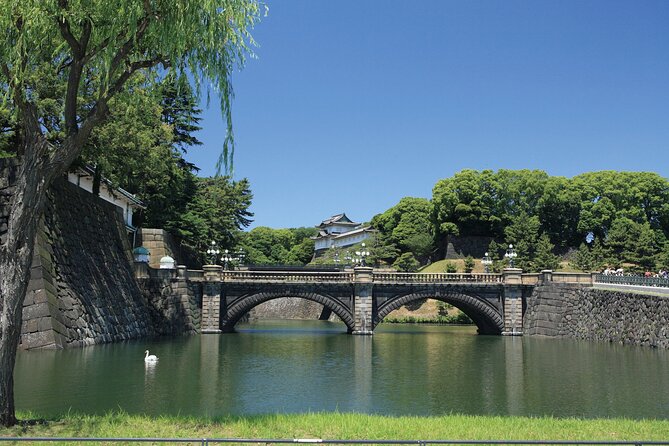
- Imperial Palace photo stop: Spend about 40 minutes around the National Garden and Nijubashi Bridge, without entering the palace grounds.
- Senso-ji and Nakamise Street: Allow about an hour for Tokyo’s oldest Buddhist temple, its gates, pagoda, shopping street, snacks, and souvenirs.
- Hybrid bus sightseeing: Avoid changing trains while seeing districts between the main stops from your window.
- Morning schedule: The tour finishes near Tokyo Station around 1 PM, making it useful before an afternoon plan or flight.
- English-speaking guides: Guides including Junko and Mina have been praised for clear explanations, friendly direction, and good timing.
A quick Tokyo orientation from Tokyo Station
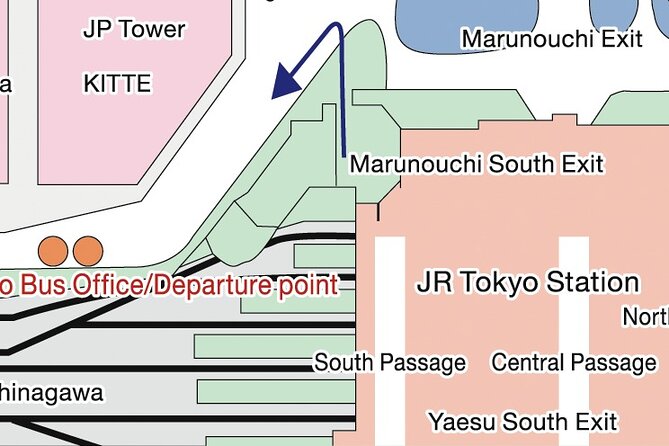
The tour starts at Tokyo Station, at 1 Chome-9 Marunouchi, Chiyoda City. The meeting point is central, but give yourself extra time to find it. Tokyo Station is huge, and the directions have caused problems for some people who arrived late or missed the bus.
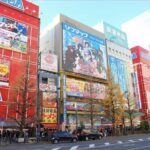
Once aboard, you can let someone else handle the route. That matters in Tokyo, where the trains are excellent but the stations can feel like underground cities. The bus also gives you a moving view of neighborhoods between stops, including central districts and, depending on the route, areas around Ueno and Akihabara.
The group can reach 40 people, so this is not a personal tour. Odd-numbered groups may share seats with other customers. The hybrid bus is an environmentally friendlier choice, though the engine and heating or cooling may be turned off while the vehicle waits.
Guides speak English and provide cultural and historical context as you move through the city. The best guides make the tight schedule work by giving clear instructions for meeting times and places. Junko and Mina received especially warm praise for their communication and friendly manner, but guide quality can vary from one departure to another.
A few more Tokyo tours and experiences worth a look


Tokyo Tower: the morning’s best city view
Tokyo Tower is the tour’s only major paid attraction, and admission to the Main Deck at 150 meters is included. You ride up for a 360-degree view over Tokyo and its surrounding districts.
The tower remains one of the city’s most recognizable landmarks. Its bright orange-and-white frame is easy to spot from many parts of Tokyo, and from above you get a helpful sense of the city’s immense size. On a clear day, Mount Fuji may appear in the distance. Do not count on it, but keep your eyes open.
The planned stop lasts about 40 minutes. That is enough to reach the observatory, take photographs, look across the city, and return to the bus. It is not enough for a relaxed visit with time to linger over every display.
Your ticket covers the 150-meter Main Deck only. The Special Observatory at 250 meters requires an additional fee of 250 yen, paid at the tower. If the higher platform is important to you, allow for the extra charge and possible time pressure.
I consider the included Main Deck a meaningful part of the tour’s value. You are not simply being driven past Tokyo Tower, you are given access to the view. Still, anyone who prefers to set their own pace could visit the tower independently and stay longer.
The Imperial Palace exterior and Nijubashi Bridge
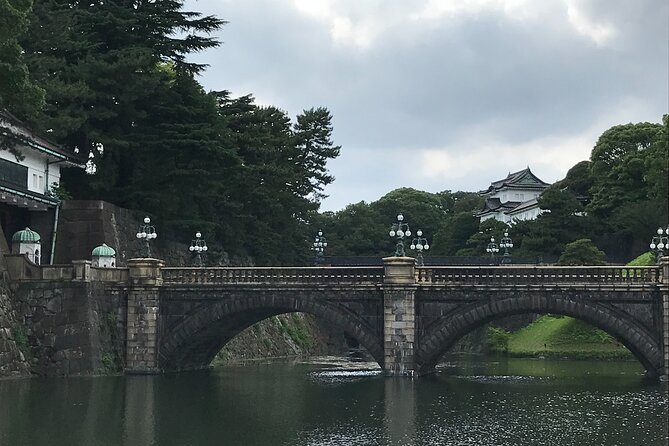
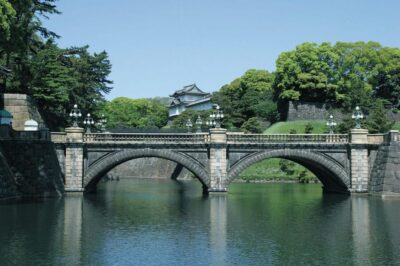
The Imperial Palace stop offers a different kind of Tokyo. After the vertical rush of Tokyo Tower, you get open grounds, garden views, and a look toward Nijubashi Bridge, often called the face of the Imperial Palace.
Plan on roughly 40 minutes here. This is an exterior visit, not a tour inside the palace. You will have time for photographs and a walk around the National Garden area, but you should not expect access to private palace buildings or a detailed palace tour.
That limitation is important. If you want an in-depth look at imperial residences, palace architecture, or interior rooms, this excursion will disappoint. The stop works better as a short pause and a chance to see one of Tokyo’s most important official areas.
The tour also passes or points out other notable city landmarks. The supplied schedule mentions the Japanese government center and a classic Kabuki theater, though these are sightseeing references rather than full stops. Treat them as extra orientation from the bus, not included visits.
Senso-ji Temple and Nakamise Street
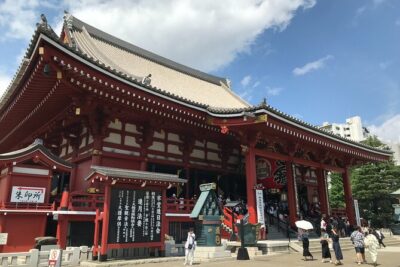
Senso-ji in Asakusa is the tour’s longest stop, with about one hour to explore. It is Tokyo’s oldest Buddhist sanctuary and one of the city’s most recognizable religious sites.
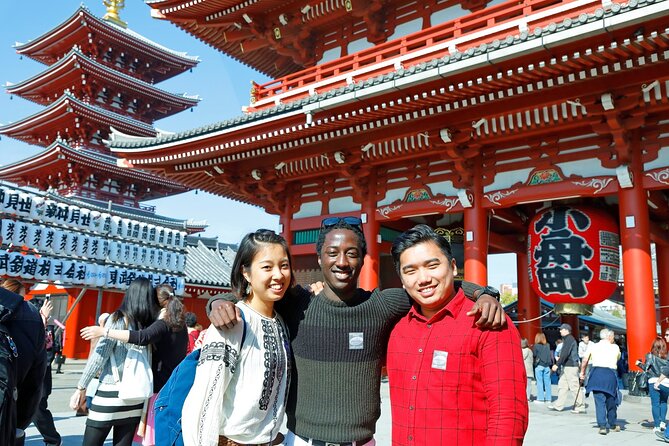
You approach through the red Kaminarimon Gate, associated with the god of thunder. Inside the temple area, you can see the five-story pagoda, temple buildings, incense, and a steady flow of worshippers and sightseers. The setting feels very different from the business districts around Tokyo Station and the broad views from Tokyo Tower.
Nakamise Street leads toward the temple and is lined with stalls selling traditional souvenirs, sweets, snacks, and small gifts. This is a good place to browse for a first taste of Japanese shopping culture, though one hour disappears quickly.
You need to watch the clock here. Asakusa is tempting because it rewards side trips down smaller streets, and it is easy to wander farther than planned. One person nearly missed the bus after exploring away from the main route. Stay aware of the meeting time.
Senso-ji may be crowded, especially around the shopping street. If you want quiet photographs or a slow look at the temple grounds, visit again on your own at another time. On this tour, the value comes from seeing the temple as part of a larger Tokyo introduction, not from having the place to yourself.
What the bus adds to the experience
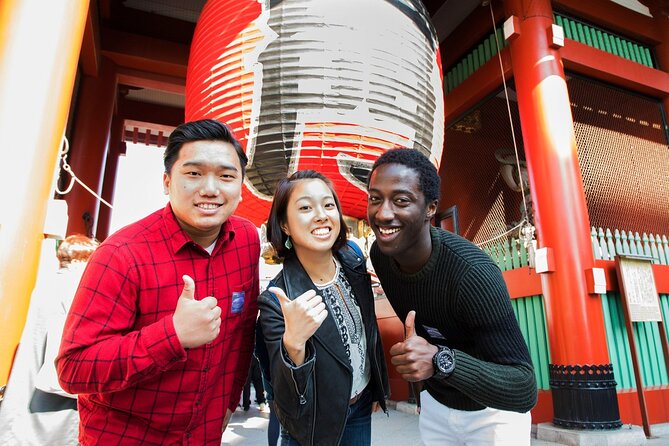
The bus is more than a ride between three attractions. It lets you see how Tokyo changes from district to district without the effort of navigating transfers. You may pass broad avenues, government buildings, shopping areas, and dense commercial streets while your guide explains what you are seeing.
That overview is useful on a first visit. You begin to understand the relationship between central Tokyo, the palace area, Tokyo Tower, and Asakusa. One past participant used the bus ride to notice Ueno Station, Akihabara, and other neighborhoods for later visits.
The downside is time. A portion of the morning is spent seated in traffic, and Tokyo roads can be slow. The operator warns that traffic, road restrictions, and seasonal conditions may change the order of stops or delay arrival. On a good day, the schedule works neatly. On a difficult day, your walking time may be shorter than expected.
This is why I would not book the tour for a tight, non-negotiable afternoon appointment unless you leave a generous buffer. The planned finish is around 1 PM, but traffic can affect the actual arrival.
A few more Tokyo tours and experiences worth a look
Who gets the best value for $41.61?
At $41.61 per person, the price is reasonable if you value convenience, a guide, and the included Tokyo Tower ticket. You are paying for transportation, route planning, English commentary, and access to three major areas. The bus also saves you the mental work of building a route through a sprawling city.
The value is strongest for:
- First-time visitors who want a broad introduction
- People with only one morning in Tokyo
- Cruise passengers or stopover visitors with limited time
- Anyone uncomfortable with Tokyo’s large rail stations
- Families and older visitors who prefer seated transport between sights
- People planning another activity in the afternoon
The value is weaker if you already know Tokyo’s transit system and want long visits at each site. You could spend more time at Tokyo Tower, the palace area, or Senso-ji by going independently. A private guide would also offer more personal attention, though at a higher cost.
The tour has earned an overall rating of 4 out of 5 from 220 ratings, which fits its purpose. Most of the praise centers on the number of sights covered, the guides’ explanations, clean and roomy buses, and the reliable morning finish. The complaints tend to involve rushed pacing, confusing meeting directions, uneven guide delivery, and the limited palace visit.
Guide quality and hearing the commentary
A strong guide makes a major difference on a short city tour. The best guides keep the group moving, explain customs without overloading you with facts, and repeat meeting instructions before each stop.
Mina has been praised for being kind, thorough, and well-informed. Junko was noted for clear, conversational English, useful social information, and excellent timing. Other guides have been described as pleasant and well prepared, though some commentary has been harder to hear outside the bus.
That last point matters. Tokyo’s streets can be noisy, and a guide without a microphone may be difficult to follow when the group gathers outdoors. Stay near the guide when instructions begin, and ask for repetition if you miss a meeting time or location.
The strongest experience will come from a guide who treats the bus as a classroom and the stops as a chance to connect places with Japanese culture. The weaker experience may feel like a checklist if the commentary is too personal or the delivery lacks confidence.
Timing, physical effort, and the finish
The tour lasts about four hours and generally ends near Tokyo Station’s Marunouchi South Exit around 1 PM. Some departures may allow you to leave in Asakusa and continue exploring independently, but confirm the day’s arrangement with your guide before separating from the group.
The walking is moderate rather than strenuous, but you should be comfortable walking around temple grounds, streets, gardens, and the tower. Tokyo Tower includes standing and moving through observatory areas. Senso-ji and Nakamise can involve slow movement through crowds.
The finish is one of the tour’s practical strengths. You can connect with trains from Tokyo Station, continue around Marunouchi, or use the remaining afternoon for another activity. Several people used the morning schedule before an evening plan or an afternoon flight. For airport travel, do not treat the advertised finish as a guarantee of an exact arrival time. Road delays are possible.
Children five and under may join free, but they do not receive a bus seat unless you book the child rate. Anyone under 18 needs written parental permission, and participants under 15 or not yet in middle school must travel with a parent or guardian.
Small details that can improve your morning
Arrive early at Tokyo Station. The address is simple on paper, but the station itself is not. Finding the correct area can take longer than expected, particularly if you are carrying luggage or arriving by a different train line.
Wear shoes suited to steady city walking. You will move between bus, tower, palace grounds, temple approaches, and shopping streets. Bring water and plan to buy food separately, since meals and drinks are not included.
Take photographs at Tokyo Tower quickly, then look beyond the camera. The view gives you a useful map of the city. At the palace, focus on Nijubashi Bridge and the surrounding open space rather than expecting an indoor royal visit.
At Senso-ji, set a personal turnaround time before you begin shopping. Nakamise Street is the place most likely to pull you off schedule. If you want to explore Asakusa properly, use the tour as an introduction and return later with several hours free.
Free cancellation is available when you cancel at least 24 hours before the start time. Changes or cancellations inside that window are not accepted for a refund.
Should you book the Hato Bus morning tour?
Book it if you want a practical first look at Tokyo and prefer to trade depth for coverage. You will see three major sights, ride to them by bus, receive English commentary, and still have much of the day ahead.
I would especially choose it for a first morning in the city, a short stopover, or a departure day when you need a structured plan that ends near Tokyo Station. The included Tokyo Tower ticket adds real value.
Skip it if your priority is a slow temple visit, a palace interior, or a flexible photographic walk. Tokyo Tower, the Imperial Palace area, and Senso-ji are all easy to revisit independently when you have more time.
For most first-time visitors with limited hours, this is a sensible orientation tour. Just arrive early, expect traffic, keep the pace, and remember that the Imperial Palace is an outside stop.
FAQ
How long does the Tokyo morning tour last?
The tour lasts about four hours and is scheduled to finish near Tokyo Station around 1 PM.
Where does the tour start and end?
It starts at Tokyo Station, at 1 Chome-9 Marunouchi, Chiyoda City. The planned ending is near the Marunouchi South Exit at Tokyo Station.
Is Tokyo Tower admission included?
Yes. Admission to Tokyo Tower’s Main Observatory at 150 meters is included.
Can I visit the Tokyo Tower Special Observatory?
Yes, but the 250-meter Special Observatory is not included. You must pay the additional 250-yen admission fee at the location.
Does the tour enter the Imperial Palace?
No. The Imperial Palace portion is an outside visit with views of the National Garden area and Nijubashi Bridge. Palace interiors and private grounds are not part of the tour.
Is food included?
No. Food and drinks are not included, so plan to purchase snacks or drinks during the morning or at Nakamise Street.
Can young children join the tour?
Children up to five years old may join free, but they do not receive a bus seat. Book the child rate if you need a seat for the child. Participants under 18 also need written parental permission, and children under 15 or not yet enrolled in middle school must be accompanied by a parent or guardian.
More Half-Day in Tokyo
More Morning in Tokyo

More tours in Tokyo we've reviewed





Half-Day, compared.
 ★ 4.0Half-day Tokyo Afternoon Tour by Hato BusFrom $41
 ★ 4.6Tokyo: A Half-Day Trip Bus Tour in the MorningFrom $404 hours - 270 minutes
 ★ 5.0Tokyo Private Half-Day Tour with a Local – Secrets & HighlightsFrom $143
 ★ 5.0Private Hakone Half-day Car Tour with Hotel Pickup – Local GuideFrom $277
 ★ 4.9Old and Nostalgic Tokyo: Half-Day Yanaka Walking TourFrom $833h 30m
 ★ 5.0Half-Day Local Tokyo Tour in Adachi Market and ShibamataFrom $91