
Reviewed · HALF-DAY
Tokyo: Personalized Half-day Tour
Tokyo rewards a flexible plan, and this private four-hour tour puts your interests ahead of a fixed checklist. Guide Ian James Kerr can shape the route around food, history, shopping, neighborhoods, or modern city life, with possible stops ranging from Asakusa to Shibuya Crossing and Meiji Shrine.
I like the personal attention and Ian’s reported humor, courtesy, and strong grasp of Tokyo’s story. I also like that you can use a short morning or afternoon to see places you might not find on your own. The main caution is distance: these sights are spread across Tokyo, so a route can involve plenty of subway time, taxis, and walking. If mobility is an issue, discuss transport and vehicle arrangements before booking.
In This Review
- Key points at a glance
- Why a private Tokyo tour can work so well
- Starting with Ian James Kerr
- Asakusa and Senso-ji for Tokyo’s older side
- Meiji Shrine and a quieter turn
- Shibuya Crossing and modern Tokyo
- Markets, themed cafés, and personal choices
- The real issue: distance, walking, and transport
- What $129 buys you
- Who will get the most from these four hours
- Should you book Ian’s personalized Tokyo tour?
- FAQ
- How long is the Tokyo personalized tour?
- Who is the guide?
- Is the tour private?
- Can I choose what to visit?
- Is transportation included?
- What is the cancellation policy?
Key points at a glance
- Ian James Kerr leads the private experience: You have an English or Japanese speaking guide rather than a large group following a set script.
- Your interests shape the route: Choose from traditional areas, food stops, markets, themed cafes, modern Tokyo, or a blend of several themes.
- Asakusa brings old Tokyo into focus: Senso-ji Temple and the surrounding shopping streets offer a clear introduction to the city’s historic side.
- Shibuya Crossing shows present-day Tokyo: This is the high-energy counterpoint to temple grounds and older streets.
- Meiji Shrine offers a quieter pause: Its setting gives you a break from Tokyo’s traffic and crowds.
- Four hours requires smart choices: You can see more with a focused plan, but far-apart districts may mean less time on foot.
Why a private Tokyo tour can work so well

Tokyo is not one compact sightseeing center. It is a huge collection of districts, each with its own mood and purpose. In four hours, a standard route can leave you racing between famous stops without understanding how they fit together.
A private guide changes that balance. You can tell Ian what interests you before the tour, then spend more time on the parts that matter to you. If you care about temples, the route can lean toward old neighborhoods. If you want modern city life, Shibuya and other urban areas can take priority. Food-focused visitors can ask about markets and local eating spots, while café fans can request themed cafés.
I especially value this format for a first visit. You do not need to know Tokyo’s districts well enough to build an efficient route yourself. Ian can help connect your interests to places across the city and explain the local meaning behind what you see.
There is also a useful benefit for repeat visitors. You can skip the sights you already know and ask for a different side of Tokyo. One strong experience involved Ian taking a returning visitor to places they had not seen before, along with history lessons that added context to the city.
The tradeoff is that personalization does not remove Tokyo’s geography. You still need to get from one district to another. A private tour gives you control, but it cannot make a distant temple and a faraway shopping district sit next door.
A few more Tokyo tours and experiences worth a look
Starting with Ian James Kerr
Ian James Kerr is the named guide for this experience, and his approach appears to be its central feature. You are not simply purchasing admission to a sightseeing route. You are paying for his time, planning, local perspective, and ability to adjust the day around you.
His strengths come through in several ways: visitors describe him as helpful, polite, funny, flexible, and well informed. Those qualities matter in a short tour. A guide who can explain Tokyo clearly, keep the mood light, and adjust the plan can make four hours feel useful rather than rushed.
Ian speaks English and Japanese. That makes the tour practical for English-speaking visitors who want explanations in English, as well as for people who prefer a Japanese-speaking guide.
Before the day, I would send a short list of priorities rather than a vague request to see Tokyo. Tell Ian if you care most about temples, food, shopping, architecture, anime-related places, cafés, photography, or everyday neighborhoods. Also explain your walking pace and comfort with trains, subways, and taxis.
The more specific you are, the more useful the private format becomes. A request such as I want old Tokyo, one good food stop, and as little shopping as possible gives the guide something workable. A broad request to see everything does not.
Asakusa and Senso-ji for Tokyo’s older side
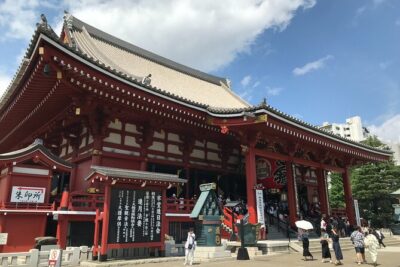
Asakusa is one of the clearest choices for a first look at traditional Tokyo. The district is associated with Senso-ji Temple, whose famous approach and temple grounds give you an immediate sense of the city’s older religious and commercial life.
You can expect a busy setting around the temple, with souvenir shops and stalls lining the approach. That makes Asakusa easy to understand and lively to visit, but it can also make the area feel more tourist-oriented than local. If your goal is quiet streets and daily neighborhood life, tell Ian that before the tour begins.
I like Asakusa because it gives a short tour a strong anchor. You can see a major temple, walk through an established district, and hear how older Tokyo connects with the city today. The area works especially well for first-time visitors who want a recognizable introduction without spending the whole afternoon inside museums.
The shopping streets are part of the experience, but you do not have to spend your time buying souvenirs. Ask Ian to explain which parts are most useful for atmosphere and which are mainly commercial. That small distinction can save valuable time during a four-hour tour.
Meiji Shrine and a quieter turn
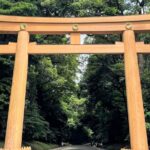
Meiji Shrine offers a sharp change from Asakusa and Shibuya. Instead of shop-lined streets and traffic, you get a more peaceful setting in the middle of Tokyo. The contrast is one of the best reasons to include it in a short itinerary.
The shrine gives you room to slow down and notice the formal side of Japanese religious spaces. Its wooded setting also helps break up a route that might otherwise feel like a series of crowded urban stops.
I would pair Meiji Shrine with one or two more energetic districts rather than build the entire tour around it. On its own, the visit may not provide enough variety for someone hoping to see a wide slice of Tokyo. As part of a balanced route, though, it works well: Asakusa shows older streets, Meiji Shrine provides calm, and Shibuya brings you back into the modern city.
As with any shrine visit, your experience depends partly on the route and timing chosen for the day. The supplied information does not promise a particular ceremony, event, or special access, so treat Meiji Shrine as a place for atmosphere, setting, and cultural explanation.
Shibuya Crossing and modern Tokyo
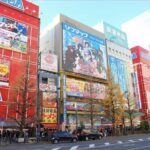
Shibuya Crossing supplies the tour’s most recognizable burst of contemporary Tokyo. When the signals change, people move across the intersection from several directions, surrounded by tall buildings, signs, shops, and screens.
It is an easy place to understand Tokyo’s modern image in a few minutes. You can watch the flow of the city, take photographs, and compare the dense urban setting with the temple districts.
I like Shibuya as a counterpoint to Asakusa, but it is not a complete picture of Tokyo. The crossing is famous, and the surrounding area is busy with shopping and entertainment. If you want the city’s less polished or less photographed side, ask Ian to spend more time beyond the headline view.
Shibuya can also eat into your four hours if you linger. That is not necessarily a problem, but you should decide what matters most. If your priority is people-watching and modern city energy, stay longer. If you want several different districts, keep this stop focused.

Markets, themed cafés, and personal choices
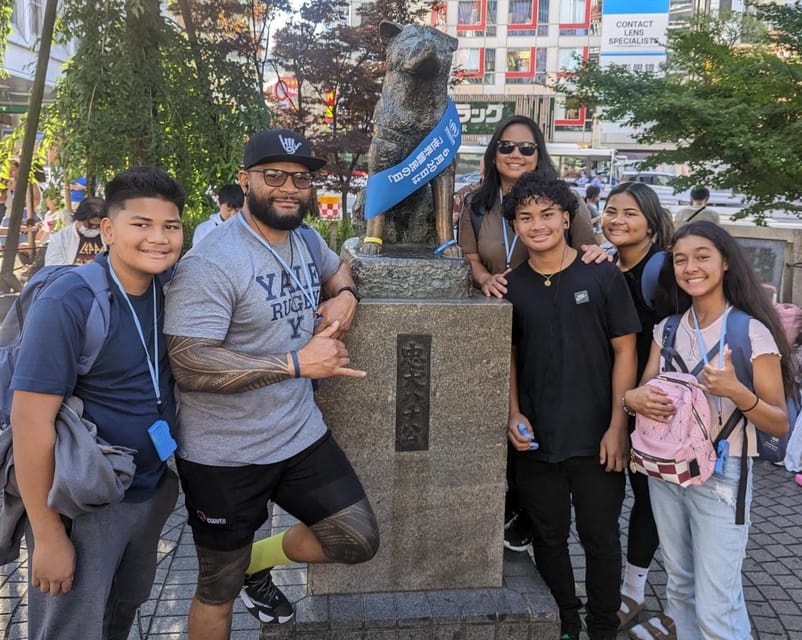
The tour can move beyond the three headline areas. Traditional markets and themed cafés are among the options you can request, which is where this experience may become more personal than a standard sightseeing circuit.
A market can suit you if food and daily life interest you more than monuments. You might find a stronger sense of what people eat, buy, and prepare in Tokyo. The available information does not name a specific market, so your destination should be agreed on with Ian rather than assumed.
Themed cafés may appeal if you want something playful or tied to a particular interest. Again, the exact café is not fixed. Mention the theme you want, and confirm whether you are looking for a quick look, a drink, or a longer stop.
These choices matter because four hours disappears quickly. A café visit, market browsing, and three major districts could produce a rushed day. I would select one main theme, one supporting interest, and perhaps one famous Tokyo stop.
For example:
- Temple history, Asakusa, and a traditional market
- Modern city life, Shibuya, and a themed café
- A balanced first visit with Asakusa, Meiji Shrine, and Shibuya
- Food and neighborhood culture, with the route chosen around a market
That kind of focus gives Ian room to explain places rather than simply point them out.
The real issue: distance, walking, and transport

The most important practical point is Tokyo’s size. Asakusa, Shibuya, and Meiji Shrine are not close together. Moving between them can require the subway or a taxi, and the underground journey may take a meaningful share of the four-hour tour.
If you walk comfortably, the transfers may feel like part of the city experience. You can see how Tokyo’s rail system works and move between very different districts. Still, do not assume that a private tour means door-to-door transport.
Mobility needs require extra care. One booking involved a visitor who walks with a cane and expected a guide with a vehicle. A rental car cost 110,000 yen, creating a serious dispute about the arrangement. The supplied details do not say that a private vehicle is included in the $129 price, so you should settle this point before paying.
Ask clearly:
- Is a vehicle included or not?
- If a car is needed, what is the estimated extra cost?
- How much walking and stair use will the route involve?
- Can the itinerary stay within one district to reduce transfers?
- Can taxis replace subway rides where needed?
The answer may change your choice of route. A one-district Asakusa tour could be much easier than combining Asakusa, Shibuya, and Meiji Shrine. The private format gives you a chance to request that adjustment, but you need to raise it early.
What $129 buys you
The listed price is $129 per person for four hours. The main purchase is the guide’s time and personalized service, not a package of admissions, meals, or private transport.
I see reasonable value here for one or two people who want help making sense of Tokyo quickly. A private guide can save planning time, explain local context, and adjust the pace. That is especially useful during a short stay, when a poorly planned afternoon can disappear in transfers and wrong turns.
The value becomes less clear for a larger group or for someone who already knows Tokyo’s transport system and has a firm itinerary. In that case, you may prefer to visit the major districts independently and spend your money on food or admission fees.
You should also budget for possible extras. The activity information says additional elements can be arranged to suit your preferences, but it does not state that transport, meals, café purchases, or other add-ons are included. Confirm every extra before the tour.
The payment terms are useful for uncertain plans. You can reserve now and pay later, and cancellation is free up to 24 hours before the start for a full refund. Starting times depend on availability, so check the date and time that work for you.
Who will get the most from these four hours
I would recommend this tour most strongly to first-time visitors who want a quick orientation with a human guide. Ian’s humor, explanations, and ability to adjust the plan can help you get your bearings fast.
It also suits repeat visitors who want fresh ideas. Tell Ian what you have already seen, and use the four hours for a different district, market, café, or history theme.
Food lovers, culture-focused visitors, and people who dislike fixed group schedules are natural fits. The private group format means you do not have to wait for strangers or follow interests that do not matter to you.
I would be more cautious if you want a low-cost, fully independent outing, a guaranteed private car, or an itinerary packed with distant sights. The price pays for personal guidance, and the route still has Tokyo’s normal transport limits.
The overall rating is 3.5 out of 5 from seven ratings, which fits the mixed picture. The strongest praise centers on Ian’s flexibility, humor, courtesy, city knowledge, and ability to show less familiar places. The main concerns involve tourist-heavy areas, underground travel, long distances, and unclear vehicle expectations.
Should you book Ian’s personalized Tokyo tour?
Book it if you want a private guide who can shape a short Tokyo visit around your interests, especially on a first trip. I would send Ian a precise wish list and ask for a district plan before the day begins.
Choose a focused route rather than trying to cover the whole city. Asakusa, Meiji Shrine, and Shibuya make a sensible introduction, but they may also create too much transport time. If walking is difficult, request a compact neighborhood itinerary and confirm every vehicle cost in writing.
Skip it if your main goal is the cheapest possible sightseeing or if you want a guaranteed car included in the price. For everyone else, this is a potentially useful four-hour introduction, provided you treat the route as a conversation and planning exercise rather than a fixed sightseeing package.
FAQ
How long is the Tokyo personalized tour?
The tour lasts four hours. Starting times depend on availability, so you need to check the available options for your chosen date.
Who is the guide?
The experience is provided by Ian James Kerr. The tour offers live guiding in English or Japanese.
Is the tour private?
Yes. It is arranged for a private group rather than a shared group with other bookings.
Can I choose what to visit?
Yes. The itinerary is designed around your interests. Possible choices include Asakusa, Senso-ji Temple, Shibuya Crossing, Meiji Shrine, traditional markets, and themed cafés.
Is transportation included?
The provided details do not confirm that a private vehicle is included. Because the main sights are far apart, ask about subway, taxi, rental car, and any extra vehicle costs before booking.
What is the cancellation policy?
You can cancel up to 24 hours in advance for a full refund. You can also reserve now and pay later, so no payment is required today when using that option.
More Half-Day in Tokyo

More tours in Tokyo we've reviewed






Half-Day, compared.
 ★ 4.0Half-day Tokyo Afternoon Tour by Hato BusFrom $41
 ★ 4.6Tokyo: A Half-Day Trip Bus Tour in the MorningFrom $404 hours - 270 minutes
 ★ 4.0Half-day Tokyo Morning Tour by Hato BusFrom $41
 ★ 5.0Tokyo Private Half-Day Tour with a Local – Secrets & HighlightsFrom $143
 ★ 5.0Private Hakone Half-day Car Tour with Hotel Pickup – Local GuideFrom $277
 ★ 4.9Old and Nostalgic Tokyo: Half-Day Yanaka Walking TourFrom $833h 30m