
Reviewed · TOKYO FOOD TOURS
Tokyo: Food Tour in Ueno with 10+ Tastings of Japanese Classics
Ueno is one of Tokyo’s best places to connect food with everyday city life. On this three-and-a-half-hour walking tour, you move from market stalls and train tracks to shrines and temple grounds, stopping for 10 or more Japanese classics along the way. The food is the star, but the setting gives the meal its meaning.
I like the way the tour takes you beyond a standard restaurant meal, with sushi, gyoza, yakitori, croquettes, fruit, tea, and matcha ice cream in the mix. I also like the help with menus and customs, especially if you are new to Japan or do not read Japanese. The main drawback is the $142 price, which is a lot in a city where you can eat well for much less.
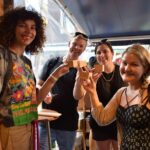
- Seven food-focused stops may include sushi, gyoza, yakitori, croquettes, sukiyaki, fruit, and matcha ice cream.
- Ueno’s Ameyoko market and train-track food area provide a local setting rather than a polished tourist dining room.
- Guides such as Yumi, Natsumi, Harumi, and Mari are praised for food tips, neighborhood context, and friendly help.
- One draft beer, two types of tea, water, and a secret dish are included, with the menu changing by availability and season.
- The walking route includes Ueno Park, Ueno Toshogu Shrine, and a Buddhist temple, so this is part food tour and part neighborhood introduction.
- A maximum of 15 people and a fair amount of walking make comfortable shoes and an early notice about dietary needs important.
In This Review
- Why Ueno Works So Well for a Food Walk
- Ameyoko Market: A Fast Start Among Shops and Stalls
- Under the Train Tracks: Casual Food and Tokyo’s Working Side
- Seven or More Tastings, With Enough Variety for a Full Meal
- Ueno Park: A Breather Between Bites
- Ueno Toshogu Shrine: A Short Look at Shinto Tradition
- A Buddhist Temple Setting for Quiet Reflection
- Guides Who Add the Most Value
- Is $142 a Fair Price in Tokyo?
- Timing, Walking, and What to Wear
- Who Should Book This Ueno Food Tour?
- Should You Book It?
- FAQ
- How long does the Ueno food tour last?
- Where does the tour begin and end?
- What food and drinks are included?
- How many people can join the tour?
- Is hotel pickup included?
- Can I cancel for a full refund?
Why Ueno Works So Well for a Food Walk
Ueno gives you several sides of Tokyo in a compact area. It has a popular indoor-outdoor market, casual food under the elevated train tracks, broad public parkland, a Shinto shrine, and a Buddhist place of worship. That mix lets you see how eating, shopping, transport, religion, and recreation sit side by side in the city.
The tour begins at Ueno Station, at 7 Chome-1 Ueno. From there, your English-speaking local guide leads the group through the neighborhood and handles the small practical problems that can slow you down in Japan: where to enter, what to order, how much to eat, and how each dish fits into local food culture.
The route is described as a private food tour, while the operating details allow up to 15 people and offer group discounts. If having a fully private booking matters to you, confirm the arrangement before paying. The small-group format is useful for conversation, but a group of 15 will feel different from a one-guide experience with only your own family.
Ameyoko Market: A Fast Start Among Shops and Stalls
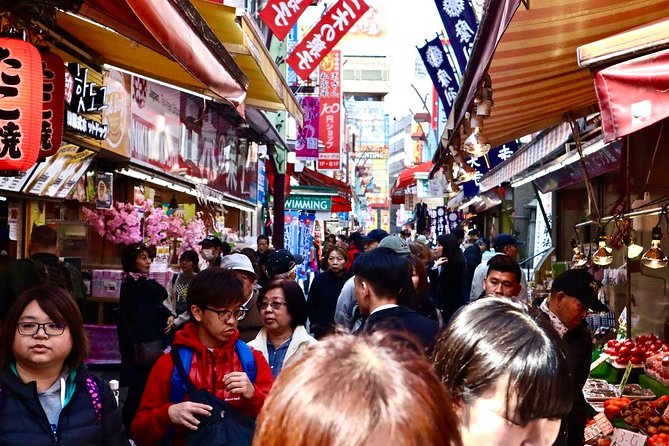
One early stop is Ameyoko, the well-known market area near Ueno Station. It is an indoor-outdoor shopping district with shops selling food, gifts, clothing, and other goods. You get a quick sense of Ueno here: practical, busy, varied, and built around daily shopping rather than formal sightseeing.
This is a strong place to begin because the market gives the guide plenty to explain. You may learn how to approach unfamiliar foods, how the area developed around commerce, and why this type of street shopping matters in Tokyo. The market also helps you see that Japanese food culture is not limited to elegant sushi counters or carefully arranged kaiseki meals.
The trade-off is that markets can be crowded and noisy. You will be walking, standing, and moving between stops, not sitting down for a long meal. Keep your bag secure and avoid arriving overly full. Several people who enjoyed this experience specifically advised skipping breakfast because the portions and number of tastings add up quickly.
A few more Tokyo tours and experiences worth a look
Under the Train Tracks: Casual Food and Tokyo’s Working Side
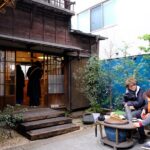
The route also visits an area beneath the elevated train tracks. The Japanese term for this kind of place refers to being under the girders. It is a fitting Tokyo setting: trains pass overhead while small food businesses and casual dining spots operate below.
This stop is valuable because it shows a less polished side of the city. You are not simply being taken from one famous restaurant to another. You are seeing how useful spaces around rail infrastructure become part of neighborhood life. Your guide can also help you navigate restaurants and food counters where language may otherwise make ordering awkward.
The exact food here can change. The menu depends on restaurant availability, weather, and other conditions, so do not book expecting one fixed plate at one fixed address. That flexibility is part of the appeal, but it also means you should think of the promised range of tastings as a guide rather than a rigid checklist.
Seven or More Tastings, With Enough Variety for a Full Meal
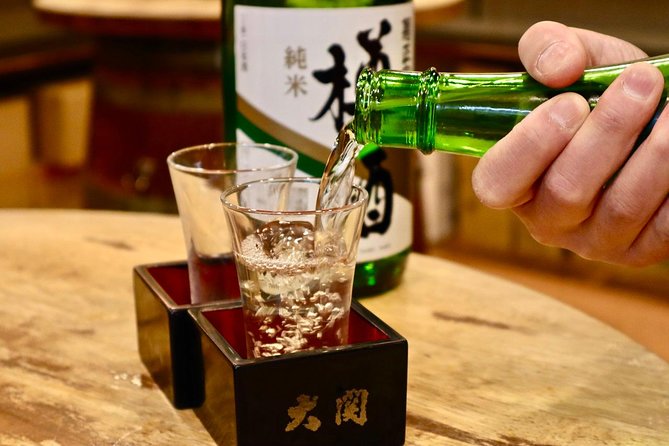
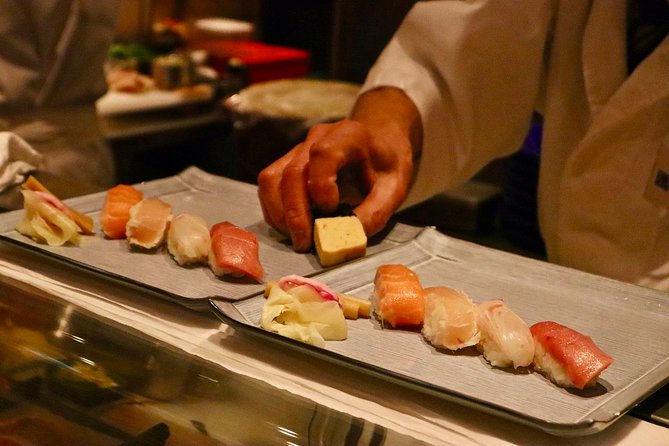
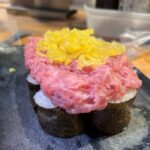
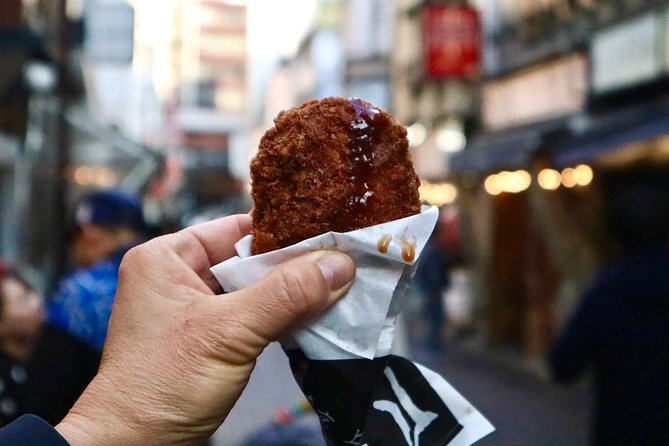
The food is designed to cover a broad sample of Japanese favorites. Included tastings feature fresh sushi, crispy gyoza, grilled yakitori, seasonal fruit, traditional matcha ice cream, two types of tea, water, one draft beer, and a secret dish. Additional foods described through the tour experience include croquettes and sukiyaki.
You might start with one or two lighter bites and then find the meal becoming substantial by the middle. Sushi offers a familiar entry point, while gyoza brings a crisp, savory contrast. Yakitori adds smoky grilled chicken, and a croquette gives you another texture and style of casual Japanese food. A surprise dish such as sukiyaki can make the menu feel more like a full introduction than a series of snacks.
The dessert portion matters, too. Matcha ice cream was a clear favorite for some people, and it gives the tour a sweet finish after the savory food. Seasonal fruit keeps the menu from being all fried or grilled items.
I would treat the secret dish as a pleasant extra rather than a reason to book. The tour does not specify what it will be, and the menu may change. That uncertainty is good for repeat visitors who want to be surprised, but less useful if you need to plan around a strict diet or a short list of preferred foods.
Ueno Park: A Breather Between Bites
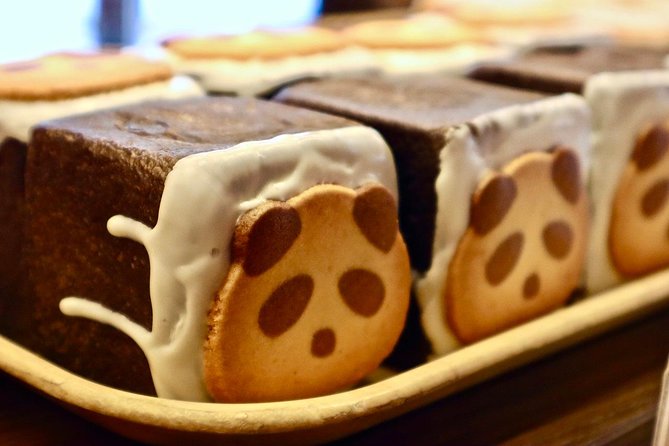
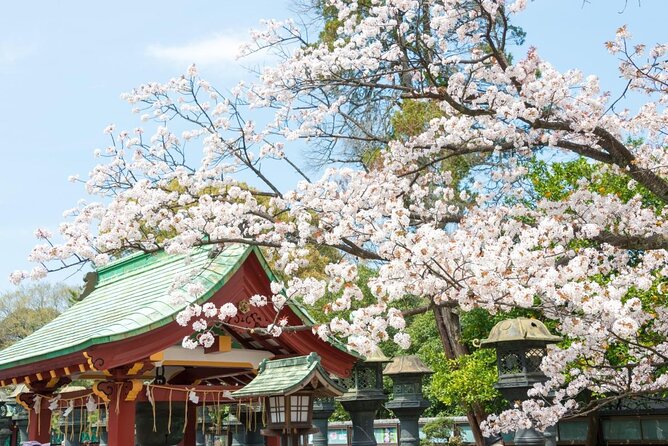
Ueno Park is a spacious public park in Taito City and one of the district’s best-known open areas. The park is especially celebrated during cherry-blossom season, when hanami brings people outside to sit beneath the trees and share food.
On a food tour, the park provides a welcome change of pace. After several tastings and plenty of street movement, you get room to walk and listen. The guide can place Ueno’s food scene within the wider story of Tokyo, rather than treating each dish as an isolated sample.
The park is not a food stop in the same way as the market or train tracks. It is part of the cultural balance of the route. If you want a tour made only of restaurant visits, this may feel like a detour. If you like pairing food with neighborhood context, it strengthens the experience.
Ueno Toshogu Shrine: A Short Look at Shinto Tradition
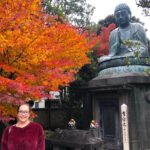
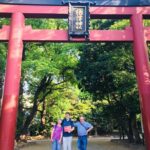
The route includes Ueno Toshogu Shrine, a Shinto shrine built and dedicated in 1627 in memory of Tokugawa Ieyasu, founder of the Tokugawa Shogunate. This gives the walk a clear historical point and introduces one of Japan’s main religious traditions.
A guide is particularly useful here because a shrine visit can feel puzzling if you do not know the basic customs. You may receive help understanding the setting and the difference between a Shinto shrine and a Buddhist temple later in the route. The tour is not presented as a specialist religious lecture, so expect a concise introduction rather than an in-depth architectural study.
The shrine also shows why Ueno is more than a convenient food district. Market streets, parks, railways, and old religious sites share the same neighborhood. That close contrast is one of the route’s best features.
A few more Tokyo tours and experiences worth a look


A Buddhist Temple Setting for Quiet Reflection
Another stop is a storied Buddhist center for worship and prayer, set among tranquil grounds. The information provided does not name the temple, so you should not expect a detailed site-specific plan before the walk. What is clear is that the stop adds a second religious tradition to the route.
This change in mood can be welcome after the noise of the market and the constant food sampling. You can pause, observe the surroundings, and ask your guide about customs or local practices. The visit also prevents the tour from becoming a simple eating contest.
Keep in mind that religious sites are active places of worship. Follow your guide’s instructions and treat the grounds with respect. The tour is built around food, but these stops ask you to slow down and notice the neighborhood beyond its restaurants.
Guides Who Add the Most Value
The guide is the difference between paying for a meal and paying for a food tour. Names associated with this experience include Harumi, Natsumi, Yumi, and Mari. The strongest guide feedback centers on clear explanations, upbeat personalities, patience, and useful suggestions for other places to visit and eat.
Yumi, in particular, is described as combining food information with background on Ueno and Tokyo. Natsumi is noted for sharing recommendations, while Mari is praised for explaining both the food and the area’s past. Harumi is described as fun and informative. These details matter because the menu alone does not justify the full price.
The experience is also suited to families. One account describes children aged 8, 9, and 10 enjoying the tour, with the simple structure and frequent food stops keeping them interested. Still, the walking and the quantity of food may be tiring for very young children or anyone who needs frequent seated breaks.
English is the stated tour language. A guide can reduce the language barrier, but no food tour can remove every communication issue. The food may also be prepared at locations where menus and ingredients change, so contact the provider in advance about dietary requirements. Do not wait until the meeting point.
Is $142 a Fair Price in Tokyo?
At $142 per person, this is a premium food experience. You can certainly eat Japanese classics independently for less money, especially if you are comfortable ordering on your own and researching Ueno in advance.
The price buys more than the food. You are paying for a guide, a planned route, translation help, neighborhood background, several tastings, drinks, and the convenience of moving between places without having to choose each stop yourself. For a first day in Tokyo, that structure can save time and give you a useful starting point for later meals.
The value is strongest if you want to try many dishes in a short visit. It is also stronger if you feel unsure about Japanese menus, customs, or small local restaurants. If your main goal is the lowest possible food cost, the tour will not be a good match.
The current figures are strong, with a 4.9 rating from 303 reviews and 99 percent recommendation. Those numbers support the idea that the tour usually delivers a pleasant experience, but they do not erase the price concern or guarantee that every guide, stop, and dish will suit you.
Timing, Walking, and What to Wear
The tour lasts about 3 hours and 30 minutes and includes a fair amount of walking. Wear comfortable shoes and arrive ready to spend much of the time on foot. The route begins and ends at Ueno Station, with no hotel pickup or drop-off.
Plan your day around the food. A heavy breakfast is a poor idea, since the tastings can become a full meal. You may also want to avoid scheduling another major meal immediately afterward.
The itinerary and menu can change because of location availability, weather, and other circumstances. Confirmation is sent within 48 hours of booking, subject to availability. The activity requires good weather and a minimum number of people. If bad weather or insufficient numbers cancel the tour, you are offered another date or experience, or a full refund.
Free cancellation is available until 24 hours before the start time. Inside that window, you receive no refund and changes are not accepted. The cutoff uses Tokyo local time, so check carefully if you are booking from another time zone.
Who Should Book This Ueno Food Tour?
I would recommend it to first-time visitors who want a guided introduction to Japanese food without spending days researching restaurants. It also suits people who like variety, families with school-age children, and anyone who wants cultural stops mixed into a meal.
You will get the most from it if you arrive hungry, stay curious, and accept that the route may change. The tour is not designed for someone seeking a single high-end sushi meal, a fixed tasting menu, or a detailed specialist course on Japanese cuisine.
I would hesitate if $142 feels hard to justify, if you have serious dietary restrictions that were not discussed in advance, or if extended walking is difficult. The provider specifically asks you to share dietary requirements ahead of time, and that request should be taken seriously.
Should You Book It?
Book this tour if you want a guided, food-heavy introduction to Ueno and prefer to let someone else handle the choices, language questions, and route. The mix of market food, train-track dining, sushi, gyoza, yakitori, tea, beer, matcha ice cream, shrines, and park walking gives you a broad first look at Tokyo.
Skip it if your priority is saving money or choosing every meal yourself. At $142, the tour earns its value through access, guidance, and convenience rather than bargain pricing. For a first or short visit, that trade can be worthwhile, especially with a guide such as Yumi, Natsumi, Harumi, or Mari leading the way.
FAQ
How long does the Ueno food tour last?
The tour lasts approximately 3 hours and 30 minutes.
Where does the tour begin and end?
It begins at Ueno Station, at 7 Chome-1 Ueno, Taito City, Tokyo 110-0005, Japan. The activity ends back at the meeting point.
What food and drinks are included?
Included items feature sushi, gyoza, yakitori, seasonal fresh fruit, matcha ice cream, one draft beer, two different types of tea, water, and a secret dish. The menu can change based on availability, weather, and other conditions.
How many people can join the tour?
The activity has a maximum of 15 participants. Group discounts are available.
Is hotel pickup included?
No. Hotel pickup and drop-off are not included.
Can I cancel for a full refund?
Yes. You can cancel at least 24 hours before the experience start time for a full refund. Cancellations or changes made less than 24 hours before the start time are not refunded or accepted.
More Food Experiences in Tokyo

More Tokyo Food Tours in Tokyo
More Ueno & Yanaka Walks in Tokyo
More tours in Tokyo we've reviewed










Tokyo Food Tours, compared.
 ★ 5.0Tokyo: Shinjuku Food Tour (13 Dishes at 4 Local Eateries)From $86
 ★ 4.9Tokyo: Shinjuku Food Tour (15 Dishes and 4 Eateries)From $853 hours
 ★ 5.0Best of Shinjuku: Izakaya Food Tour (4 Stops, 14+ Tastings)From $92
 ★ 5.0Tokyo Night Foodie Tour in Shinjuku – Seasonal Sushi, Wagyu BeefFrom $111
 ★ 5.0Eat and Drink Like a Local: Tokyo Ueno Food Tour-Taverns&RamenFrom $95
 ★ 5.0Tokyo: Shibuya Food Tour (13 dishes and 4 Eateries)From $77