
Reviewed · GUIDED
Tokyo: Private Customized Hidden Gems Tour with Local Guide
Tokyo is too large for one standard sightseeing route, and that is exactly why this private walk works well. You can spend your time among old neighborhood streets, small shops, and local culture instead of ticking off only the major sights. The guide shapes the outing around your interests, and the plan can change as you go.
I like the personal format, especially for a first morning in Tokyo when you need help making sense of the city. I also like the chance to pair famous places with less-visited corners, and guides such as Sho and Yusuke add a friendly, easygoing presence. The main drawback is that the $77 price does not cover your transportation, food, entrance tickets, or the guide’s necessary expenses, so your final cost can rise.
In This Review
- Key points at a glance
- Why a private Tokyo walk can be worth it
- Kichijoji, Nakano, Shimokitazawa, and Gotokuji
- Kagurazaka, Jinbocho, Yanaka, Nezu, and Sendagi
- Shibuya and Asakusa with a local twist
- What the guides add to the day
- Timing, walking, and transport
- Who should book this experience
- Should you book the $77 private walk?
- FAQ
- How long does the Tokyo private tour last?
- How much does the tour cost?
- Is this a private tour?
- Is the guide English-speaking?
- Can I customize the itinerary?
- Which neighborhoods can I visit?
- Are transportation and entrance fees included?
- Is hotel pickup included?
- How does the guide contact me before the tour?
Key points at a glance
- Choose your own Tokyo: Build the walk around anime, vintage clothing, gardens, shrines, old neighborhoods, books, food, architecture, or major sights.
- Private from start to finish: You are not sharing the guide with a large group, so the pace and route can suit your party.
- Two strong neighborhood routes: Kichijoji, Nakano, Shimokitazawa, and Gotokuji offer a modern local mix, while Kagurazaka, Jinbocho, Yanaka, Nezu, and Sendagi show older Tokyo.
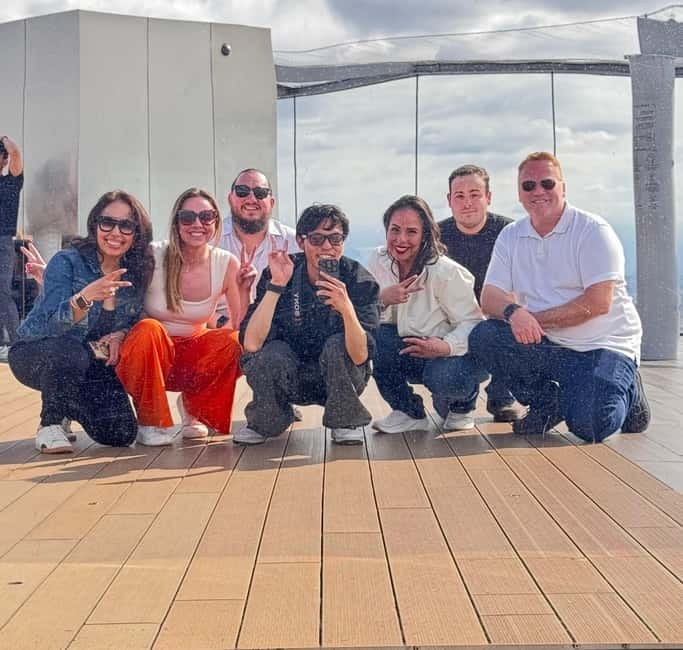
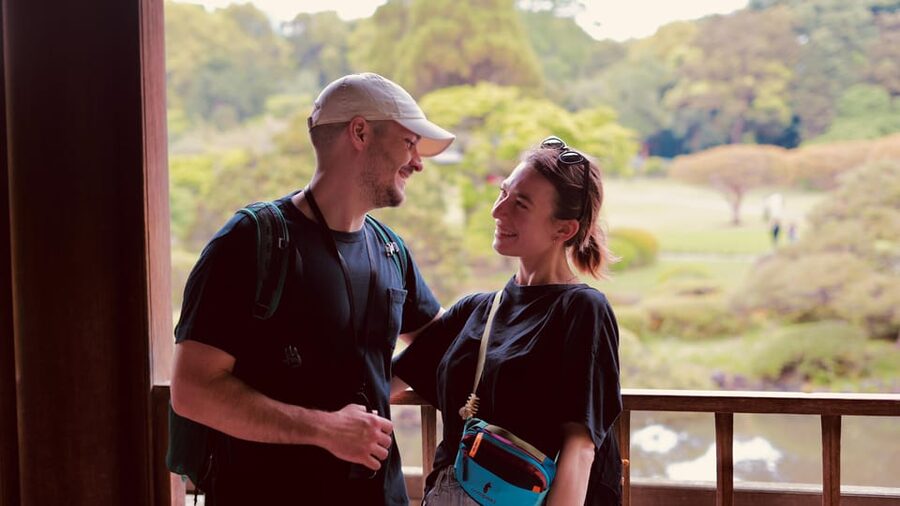
- A guide who can take photos: Sho is repeatedly praised for thoughtful, well-composed family and couple photos.
- Flexible length: The walk lasts from two to six hours, which lets you fit it around a larger Tokyo itinerary.
- Plan for extra costs: Transport, meals, admission fees, and personal spending are separate from the booking price.
Why a private Tokyo walk can be worth it
The best reason to book this experience is not simply that you get a guide. It is that you get a conversation before the walk and a route shaped around what you actually care about.
Tell the guide you want anime shops and casual neighborhoods, and the day can lean toward Nakano and Shimokitazawa. Prefer older streets, books, shrines, and traditional atmosphere? Kagurazaka, Jinbocho, Yanaka, Nezu, and Sendagi make more sense. You can also choose a familiar district such as Shibuya or Asakusa, then ask to see the quieter side rather than only the famous crossing or temple approach.
That flexibility matters in Tokyo. The city is made of many separate districts, each with its own mood. A private guide can help you spend two hours in one area instead of wasting time crossing town to collect a long list of disconnected sights.
The advertised price is $77 per person. For a private English-language walk lasting up to six hours, that can be fair value, particularly if you are traveling with family or friends and want personal attention. Still, think of it as the guide fee, not the complete cost of the day. You pay your own train or taxi fares, meals, admission tickets, and personal purchases. The guide’s necessary expenses during the tour are also excluded.
Other guided tours in Tokyo

Kichijoji, Nakano, Shimokitazawa, and Gotokuji
This route gives you a good look at Tokyo away from the usual central-city checklist. It begins in Kichijoji, where Inokashira Park offers a welcome change from concrete streets and tall buildings.
The park is a pleasant place to walk and talk. It gives your guide room to explain how Tokyo residents use their neighborhood parks, and it is a calmer start than plunging straight into a major station district. The exact route and time here depend on the length of your booking, so do not expect to cover every stop in equal detail during a short tour.
Nakano brings a different flavor. It is known for anime culture and offers an alternative to Akihabara. If you enjoy Japanese pop culture, this is a useful choice because you can see a district with a strong enthusiast scene without simply repeating the most familiar tourist route.
You might also prefer Nakano if you want your guide to explain the culture around the shops rather than rush in, take a few photos, and leave. Ask in advance how much time you want for browsing. Shops and personal purchases are your responsibility, and the tour price does not include them.
Shimokitazawa is the stop for vintage fashion and a younger, creative feel. It is a good match for anyone who likes secondhand clothing, independent retail, and wandering without a strict monument-to-monument plan. The appeal is in the small-scale streets and shops, not in one major ticketed attraction.
Gotokuji adds a memorable cultural detail. It is associated with the origin of the maneki-neko, the familiar beckoning cat figure seen throughout Japan. That makes it more than a quick photo stop: it gives your guide a story to connect with an object you will see again and again during your trip.
One caution: this four-area route covers a lot of ground. With only two hours, it would be better to focus on one or two neighborhoods. A longer booking gives the route room to breathe, but you still need to account for transport between districts.
Kagurazaka, Jinbocho, Yanaka, Nezu, and Sendagi
The second suggested route is a better fit if you want older Tokyo, traditional streets, books, and a slower pace. It begins in Kagurazaka, near Shinjuku, an area once associated with geisha houses.
Kagurazaka has a distinctive atmosphere because modern Tokyo and traces of its older entertainment quarter meet on the same streets. Your guide can help you notice details you could easily walk past alone, including the shape of side lanes and the way newer businesses occupy an older neighborhood pattern.
Jinbocho is Tokyo’s Book Town. Its appeal is strongest if you enjoy browsing, printed material, or the simple pleasure of exploring a district with a clear local identity. You may not find every book in English, but the area still offers a look at a side of Tokyo that most first-time sightseeing plans skip.
Yanaka, Nezu, and Sendagi are among the few parts of the city where old Tokyo character remains visible. Expect a more relaxed walk through traditional-looking streets, small businesses, and neighborhood spaces rather than grand attractions. This section is especially appealing if you want atmosphere and local stories.
The trade-off is that these districts are less useful for a first-time visitor who wants Tokyo’s biggest headline sights. You will not be collecting a long list of major landmarks here. Instead, you will get a better sense of how ordinary neighborhoods feel and how the city’s past still appears in its street plan.
Because the route includes five areas, ask the guide to set priorities. On a short booking, choose Kagurazaka and Jinbocho or concentrate on Yanaka, Nezu, and Sendagi. On a longer day, the full sequence becomes more realistic, but transportation costs and walking time still matter.
Shibuya and Asakusa with a local twist
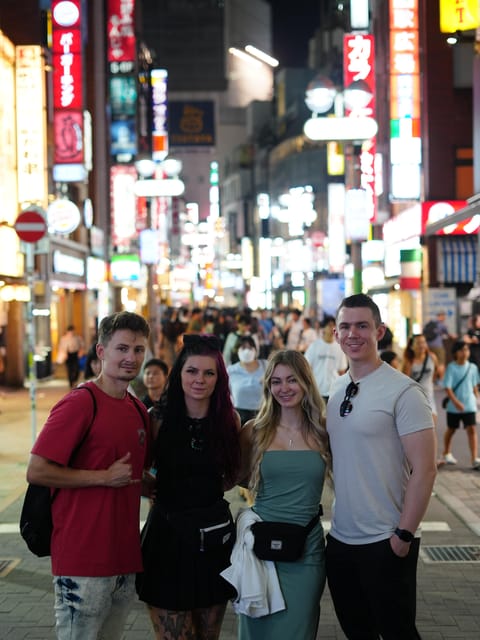
You do not have to choose a little-known district. The guides also work in Shibuya and Asakusa, but the point is to see more than the standard landmarks.
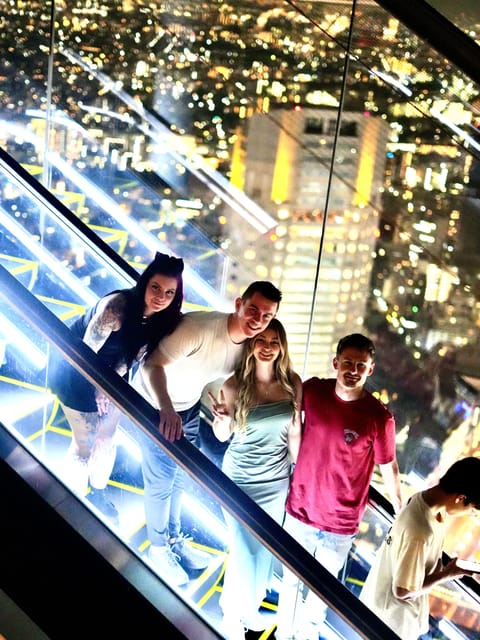
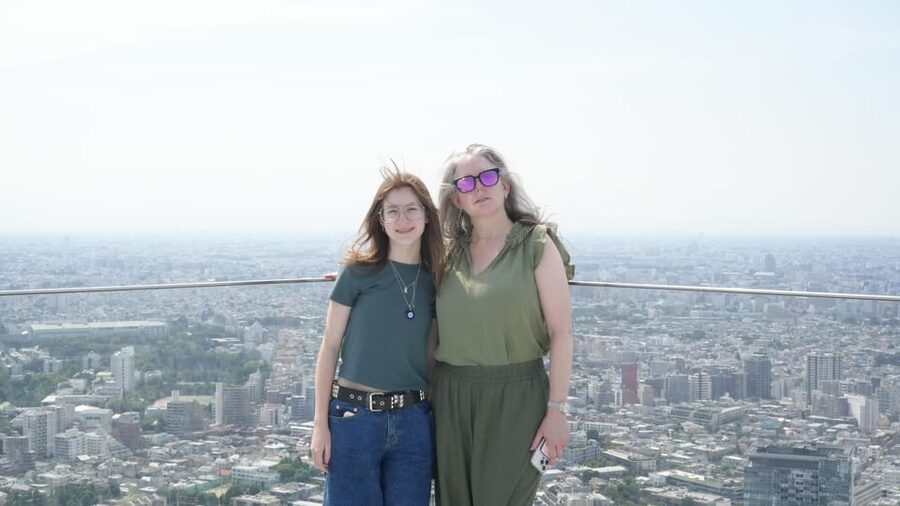
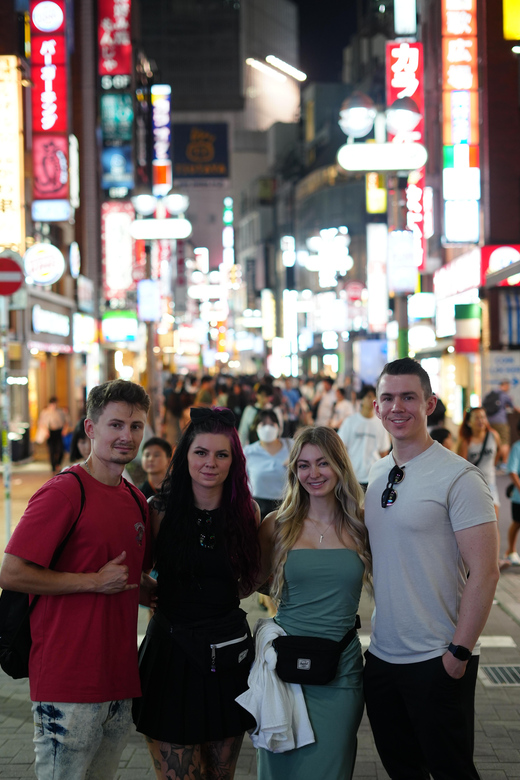
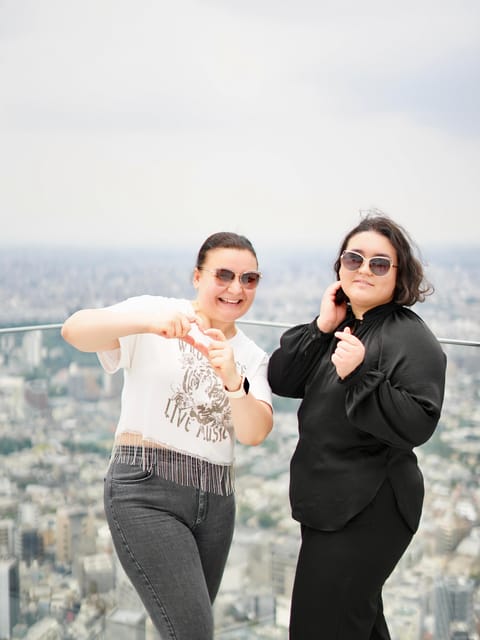
In Shibuya, that could mean combining the famous city views with a quieter street, a local shop, or a better photo location. Several outings included Shibuya, and Sho was praised for finding good places for photographs and helping guests make the most of the area. One booking included Shibuya Sky, though admission was treated as a separate cost in the tour information. Check exactly what is included before you plan your budget.
Asakusa is a natural choice if you want traditional Tokyo, but a private walk lets you ask for context rather than simply follow the main flow toward Senso-ji. Your guide can adjust the balance between well-known sights and side streets according to your interests and energy.
The value here is interpretation. You can visit Shibuya or Asakusa alone, but a local guide may help you connect the visible attractions with everyday life, older customs, neighborhood changes, and practical details. You also avoid spending your limited time guessing where to go next.
What the guides add to the day
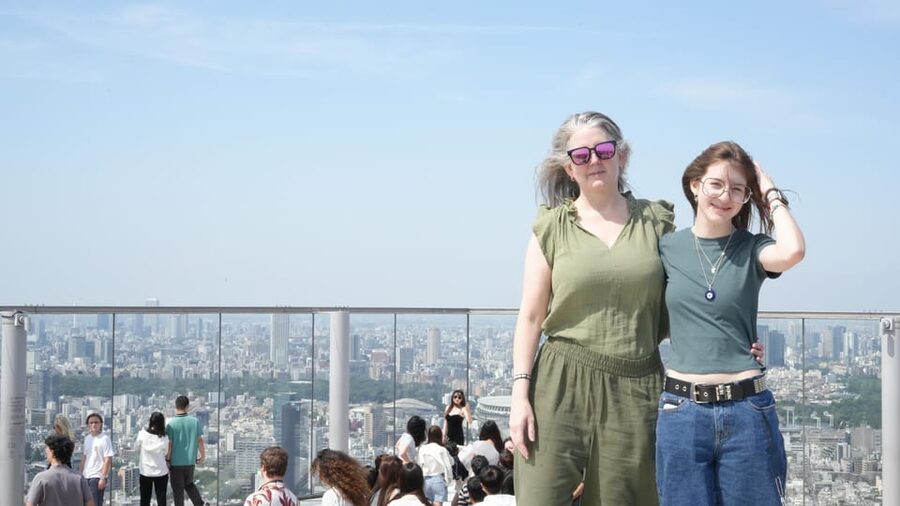
The strongest pattern in the feedback is the human side of the experience. Sho is singled out often for being friendly, patient, and easy to spend time with. He has also taken family photos, couple portraits, and casual travel pictures during the walk.
That may sound like a small extra, but it can matter. Tokyo is full of good photo settings, yet one person in a group is often left out of every picture. A guide who knows how to frame a shot and is willing to wait can solve that problem. Sho also helped with translation when guests were interacting with local people, which makes small exchanges less awkward.
One family described Sho as especially good with their seven-year-old daughter. That suggests this format can work for families, provided everyone is comfortable with a walking tour. Another booking included a rainy-day change of plan around Shibuya Sky. When the outdoor deck closed, Sho explained the limits of the indoor view, helped manage expectations, and arranged an alternative. That kind of practical judgment is useful in Tokyo, where weather can affect outdoor plans.
Yusuke also received praise for his relaxed manner and for allowing the route to change even after the tour had started. That is important: customization is not always locked in before the meeting. You can sometimes refine the plan once you realize what your group enjoys.
The guide’s experience level may vary because this is a team of young Tokyo locals in their 20s. That can be a plus if you want current neighborhood life, fashion, anime, and casual conversation. If you want a formal lecture from a specialist in Japanese art or archaeology, this is probably not the right type of tour.
Other private tours in Tokyo


Timing, walking, and transport
The booking lasts between two and six hours. That broad range makes the experience easy to fit into a trip, but it also means you should be clear about your goals.
A two-hour booking is best for one focused area, such as Shibuya, Asakusa, Kichijoji, or Yanaka. It can also work as a gentle introduction at the start of your stay. A longer booking gives you time to connect several neighborhoods, stop for photos, browse shops, and pause for food.
This is a walking tour, not a private-vehicle tour. Hotel pickup and drop-off are not included, and private transportation is not provided. You are responsible for your own transport fees, so a route that crosses several districts will cost more and use some of your available time.
Wear comfortable shoes and tell the guide if your group wants frequent breaks. The experience is not suitable for people with mobility impairments, and the combination of walking, stations, side streets, and changing neighborhoods may be demanding.
The tour can include lunch as part of the day’s plan, but lunch is not included in the price. Personal expenses and entrance fees are also separate. This gives you freedom to choose what you want, but it means you should not compare the $77 fee with an all-inclusive excursion.
Who should book this experience
I would choose this walk if you have already seen the main sights or if you prefer neighborhoods to a packed landmark schedule. It is also a smart first activity for someone who wants local orientation, practical Tokyo advice, and help choosing where to return later.
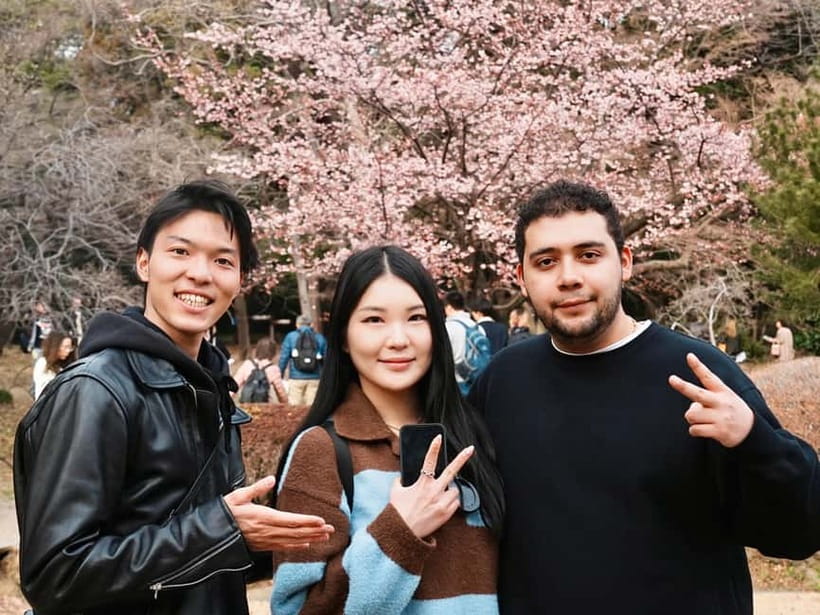
Families may appreciate the private setting and the guide’s help with photos and translation. Couples and solo visitors can also benefit, especially if they want better pictures without relying on strangers. Anime fans, vintage shoppers, book lovers, garden fans, and people interested in old Tokyo all have clear route options.
This is less suitable if you want a fixed, highly scripted itinerary with every entrance ticket arranged in advance. It is also a weaker fit if you dislike walking or want private transport between every stop.
Before the tour, send your interests in clear terms. Say if you want food, shopping, architecture, photography, anime, shrines, gardens, or history. Also tell the guide your preferred pace and the one place you most want to see. You will get more from the time if the guide knows what matters to you.
The team contacts you through WhatsApp, so download it before the tour and watch for the meeting details. Cancellation is free up to 24 hours ahead, and you can reserve now and pay later, which is useful while your Tokyo schedule is still taking shape.
Should you book the $77 private walk?

Book it if you value flexibility, personal attention, and the chance to see Tokyo through neighborhoods rather than a fixed checklist. The private format, local English-speaking guide, photo help, and ability to change direction give this experience more personal value than a standard group walk.
I would book six hours only if you truly want a full day of walking and several districts. For many people, two to four hours is the better balance, leaving time for independent exploring and keeping transport and food costs under control.
The clearest choice is to match the route to your interests. Choose Kichijoji, Nakano, Shimokitazawa, and Gotokuji for parks, anime, vintage clothing, and the beckoning-cat story. Choose Kagurazaka, Jinbocho, Yanaka, Nezu, and Sendagi for older streets and books. Choose Shibuya or Asakusa if you want major sights with a more personal angle.
FAQ
How long does the Tokyo private tour last?
The tour lasts from 2 to 6 hours. Starting times depend on availability.
How much does the tour cost?
The listed price is $77 per person.
Is this a private tour?
Yes. The experience is for a private group rather than a shared group tour.
Is the guide English-speaking?
Yes. A live English-speaking local guide leads the walking tour.
Can I customize the itinerary?
Yes. The tour is customized around your interests, preferred pace, and general style. You can request particular neighborhoods or themes.
Which neighborhoods can I visit?
Suggested routes include Kichijoji, Nakano, Shimokitazawa, Gotokuji, Kagurazaka, Jinbocho, Yanaka, Nezu, and Sendagi. Tours can also cover Shibuya and Asakusa with a less familiar route.
Are transportation and entrance fees included?
No. Your transportation fees, private transportation, entrance fees, lunch, personal expenses, and the guide’s necessary expenses are not included.
Is hotel pickup included?
No. Hotel pickup and drop-off are not included.
How does the guide contact me before the tour?
The guide contacts you through WhatsApp. Download WhatsApp before the tour so you can arrange the meeting smoothly.
More Private Tours in Tokyo
More Guided Tours in Tokyo

More tours in Tokyo we've reviewed







Guided, compared.
 ★ 5.0Tokyo 6hr Private Tour with Government-Licensed GuideFrom $155
 ★ 4.9Tokyo: Shinjuku Local Bar and Izakaya Guided Walking TourFrom $343 hours
 ★ 4.8Tokyo: Private City Highlights Tour with Local GuideFrom $1064 - 8 hours
 ★ 4.9Tokyo: Tsukiji Fish Market Guided Walking TourFrom $222 hours
 ★ 5.0Tokyo 4hr Private Tour with Government-Licensed GuideFrom $109
 ★ 5.0Tokyo Guided Small-Group Biking TourFrom $106