
Reviewed · UENO & YANAKA WALKS
Tokyo: Old Quarter Yanaka Walking Tour
Tokyo’s Yanaka district feels like a quiet side street from another era. This three-hour walk leads you past wooden houses, temples, artisan shops, a cemetery shaded by enormous trees, and small food stops that are easy to miss on your own. Yanaka offers a slower, more local side of Tokyo, far from the neon and crowds of Shibuya or Shinjuku.
I like the small-group format, limited to 10 people, and the way the route mixes major sights with ordinary neighborhood life. I also like that the tour ends at Yanaka Ginza, a useful place to continue shopping and snacking. The main consideration is weather: you’ll spend most of three hours outside, and summer heat or heavy rain can make the walk tiring.
In This Review
- Key points
- Why Yanaka makes a better walking tour than a rushed sightseeing stop
- Meeting at Nippori Station and setting off through old Tokyo
- Tennoji Temple and the bronze Buddha
- Yanaka Cemetery beneath the enormous trees
- Yoshidaya Liquor Shop and the pleasure of small stops
- A 30-minute pause at Yanaka Beer Hall
- The Yanaka Himalayan Cedar Tree
- Nezu Shrine brings the route to a strong finish
- Finishing at Yanaka Ginza with food and shopping nearby
- What $32 buys you, and where the value lies
- Which guide style suits this experience
- Who should book this Yanaka walk
- My verdict: a strong choice for a quieter Tokyo afternoon
- FAQ
- Where does the Yanaka walking tour meet?
- How long does the tour last?
- What language is the tour conducted in?
- How large is the group?
- What sights are included on the walking route?
- Is food or beer included in the price?
Key points
- Tennoji Temple: See Yanaka’s large bronze Buddha and its peaceful gardens during a 20-minute guided visit.
- Yanaka Cemetery: Walk beneath huge trees while learning about the area and notable people connected with it.
- Local Yanaka stops: Visit Yoshidaya Liquor Shop, small shops, galleries, and the Yanaka Beer Hall area.
- Nezu Shrine: Finish the sightseeing portion with one of Tokyo’s most appealing shrine settings.
- Small English-speaking group: Groups are capped at 10, with guides including Aya, Junko, Rei, Yoshie, and Polina.
- Good value for a neighborhood walk: At $32, the tour gives you three hours of local context, route-finding, and cultural explanation.
Why Yanaka makes a better walking tour than a rushed sightseeing stop
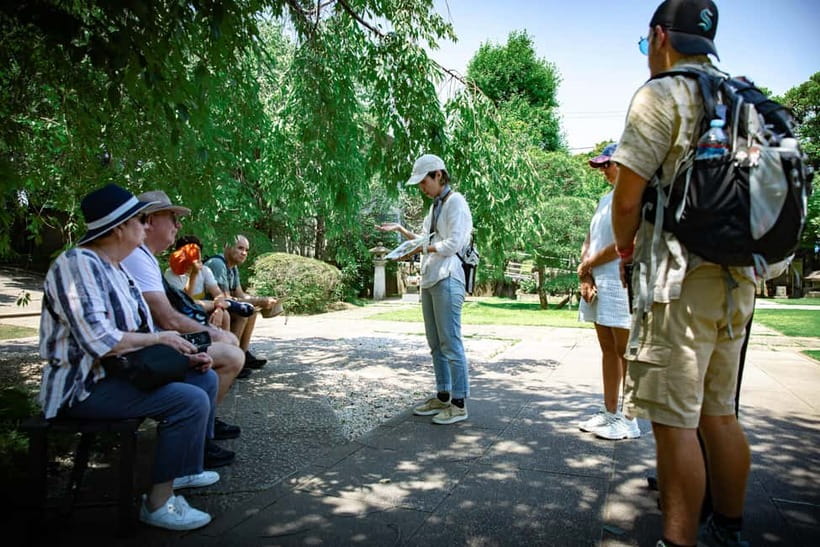
Many Tokyo itineraries focus on speed: train to shrine, train to market, train to department store. Yanaka rewards the opposite approach. Its narrow lanes, temples, wooden homes, little galleries, and traditional sweets are best understood on foot, at an easy pace.
I like this tour because it shows you a part of Tokyo that does not need a grand attraction at every turn. The pleasure comes from small details: a shopfront, a temple garden, a neighborhood shrine, or a quiet lane that you might pass without noticing.
The route also gives useful cultural background. Guides explain Japanese religion, local customs, old Tokyo traditions, and everyday life in Yanaka. Several guides, including Aya, Junko, Rei, and Yoshie, are praised for answering questions and offering ideas for the rest of a Tokyo visit.
You should not expect a major museum, a formal food tasting, or a long temple ceremony. This is a walking tour built around atmosphere and interpretation. You are paying for a well-planned route and a person who can explain what you are seeing.
A few more Tokyo tours and experiences worth a look

Meeting at Nippori Station and setting off through old Tokyo
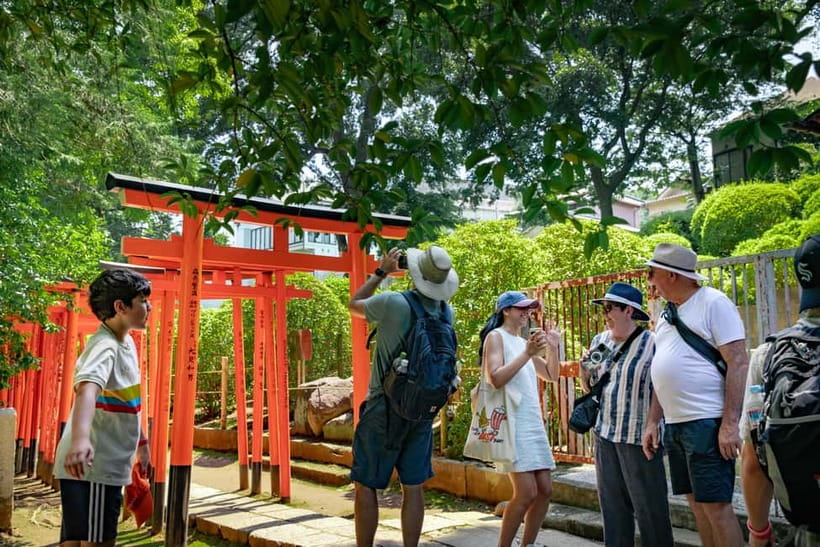
The meeting point is outside JR Nippori Station’s North Ticket Gate, next to the NewDays convenience store. Take a moment to confirm that you are at the North Ticket Gate and outside the ticketed area. Nippori is a busy station, so arriving with a little extra time is sensible.
From there, the walk moves into Yanaka. The change is quick. Station traffic gives way to quieter lanes, low buildings, temples, and small businesses. The guide provides the thread that ties the neighborhood together, explaining why Yanaka has retained more of its older character than many other parts of central Tokyo.
The group size matters here. With no more than 10 participants, you can hear explanations in narrow streets and ask questions without holding up a large crowd. A few people have ended up with a private or near-private experience when the group was especially small, though that should not be expected when booking.
The pace is generally relaxed, but this is still a three-hour walk. Wear comfortable shoes, carry water, and plan for sun or rain. Summer accounts describe very hot conditions, while another walk continued through a thunderstorm and heavy rain. Guides have helped by seeking shade and making stops, but weather remains a real factor.
Tennoji Temple and the bronze Buddha
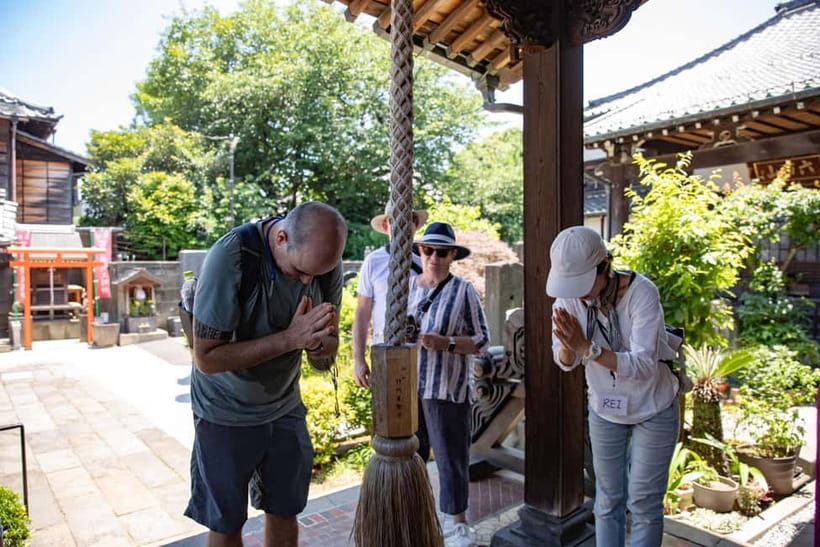
The first listed stop is Tennoji Temple, with about 20 minutes for a guided visit. The temple is known for its large bronze Buddha, identified here as one of the Seven Gods of Fortune and the only one located in Yanaka.
This is a good opening stop because it introduces the religious side of the neighborhood without taking over the whole tour. You have time to look at the historic architecture and gardens, while the guide explains the setting and the role of Buddhist and Shinto traditions in Japanese life.
I would not treat the 20 minutes as enough for a slow, independent temple visit. The value is in getting an introduction, seeing the Buddha, and learning how to read the place. If you want extended quiet time for photographs or personal reflection, you may need to return later on your own.
The gardens add a welcome pause before the longer cemetery walk. Yanaka can feel almost rural in spots, and Tennoji sets up that contrast with Tokyo’s dense modern core.
Yanaka Cemetery beneath the enormous trees
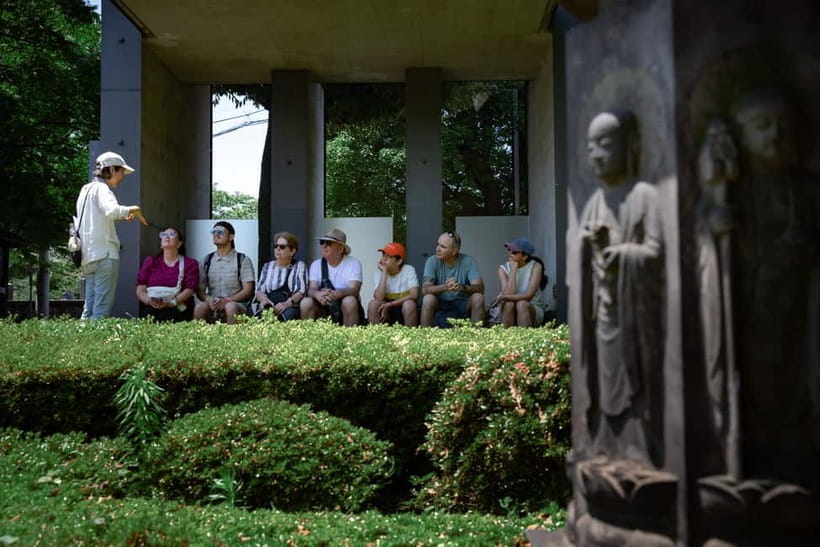
The 30-minute visit to Yanaka Cemetery is one of the strongest parts of the route. The cemetery is historic and serene, with broad trees creating shade and a sense of separation from the city around it.
This is not simply a shortcut between temples. The guide shares stories connected with people buried there and explains why the cemetery matters to Yanaka. Those stories give the lanes more meaning than a casual stroll would provide.
The setting changes with the season. Spring flowers and autumn color can add to the walk, while summer shade is especially welcome. One April walk included azaleas in bloom, showing how the experience can shift through the year.
You should approach the cemetery respectfully. It is a functioning sacred place, not just a photo stop. Keep your voice low, follow your guide’s lead, and be thoughtful about taking pictures.
The cemetery also shows why a local guide is useful. A map may point you to Yanaka, but it will not tell you which paths matter, how the area connects with the temples, or which stories help explain its character.
Yoshidaya Liquor Shop and the pleasure of small stops
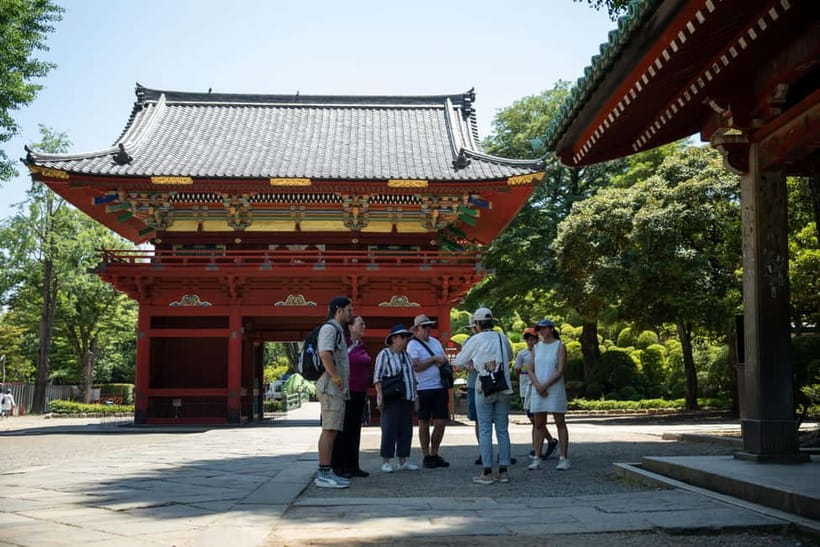
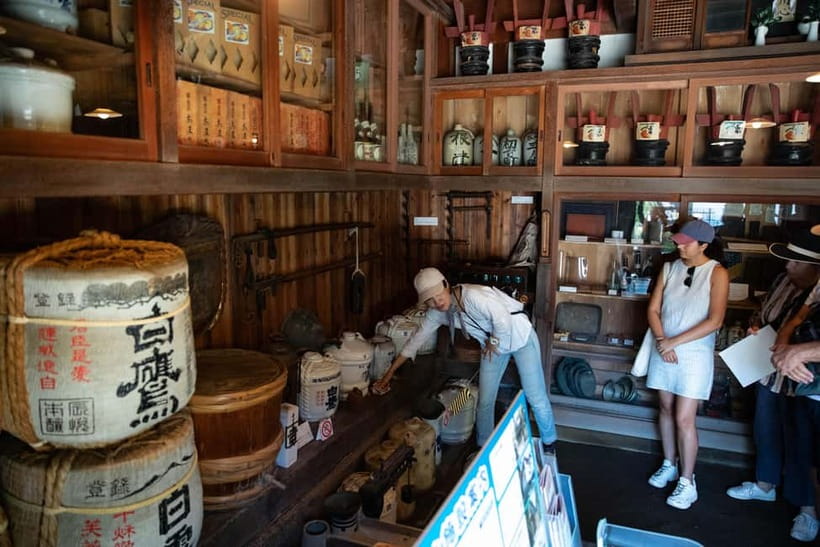
The itinerary next allows about 10 minutes at Yoshidaya Liquor Shop. On paper, this may seem like a minor stop. In practice, it fits the tour’s central idea: Yanaka is interesting because of its small, local places.
You may hear about the shop, its role in the neighborhood, and the way ordinary businesses help preserve Yanaka’s older feel. The guide may also point out nearby artisans, sweet shops, galleries, or other places worth marking for a later return.
This is not a full shopping session, so do not count on time to browse every shelf or make several purchases. Still, short stops like this help prevent the tour from becoming a parade of famous temples. You get a look at how the district works as a living neighborhood.
The route’s strongest guides make these moments feel personal. Mercedes described learning more about a beautiful neighborhood from a guide who lived nearby. That local connection is important here because Yanaka’s appeal is tied to daily life, not just monuments.
Other walking tours we've reviewed in Tokyo



A 30-minute pause at Yanaka Beer Hall
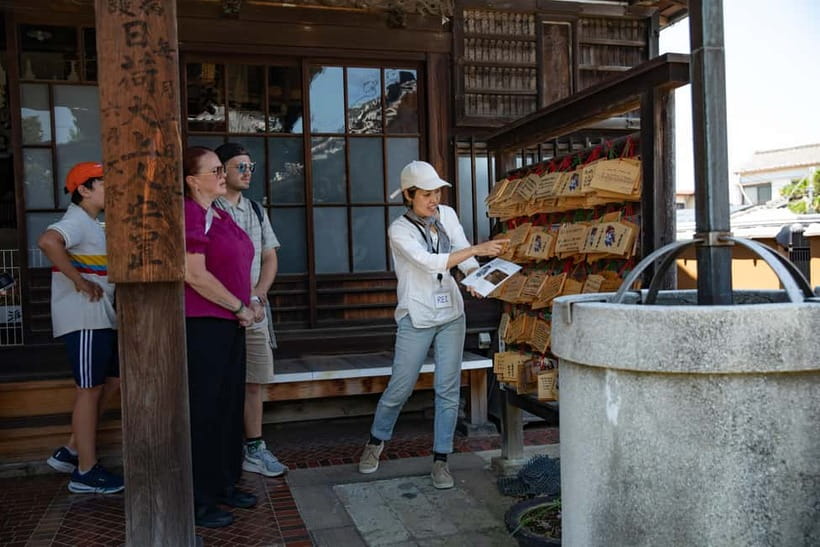
The planned break at Yanaka Beer Hall lasts around 30 minutes. It provides time for beer, a snack, conversation, and a rest from walking. Some descriptions also mention a bakery and treats along the route, though food and drink purchases are not listed as included.
This pause is useful in practical terms. Three hours on foot can feel long, especially in Tokyo’s summer humidity, and a seated break gives you time to cool down. It also leaves room for the social side of a small-group tour.
There is one point to keep in mind. One participant found that the group was not served beer because not everyone wanted a drink. So treat this as a scheduled break and possible tasting opportunity, not a guaranteed beer serving for every person.
The stop works best if you are comfortable with a flexible group rhythm. You can use the time to rest, ask the guide about Tokyo, or note places to revisit. If you want a formal brewery tour or a meal included in the price, this is not that kind of stop.
The Yanaka Himalayan Cedar Tree
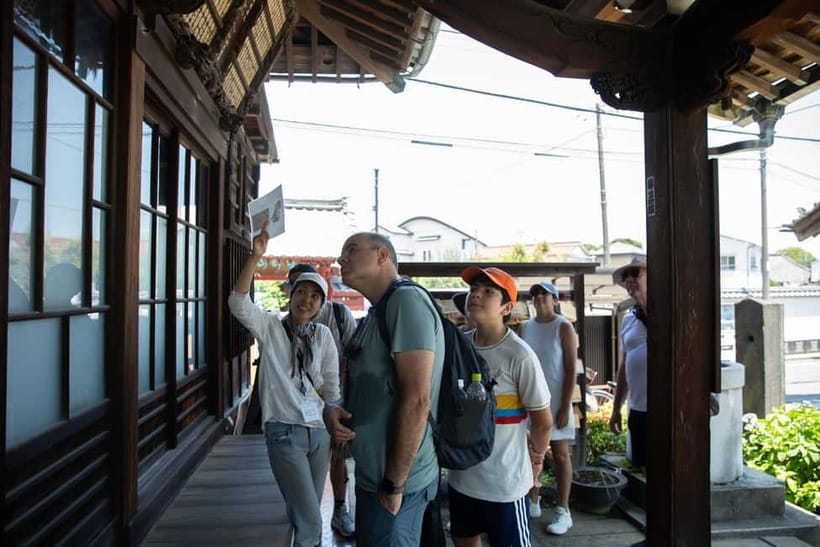
The 10-minute stop at the Yanaka Himalayan Cedar Tree is brief, but it gives the walk another memorable marker. The tree is a local landmark and a reminder that Yanaka’s appeal often lies in unexpected details rather than famous sights.
A short visit is enough to see the tree and hear its connection to the neighborhood. It also breaks up the sequence of temples and lanes. The route does not ask you to spend long periods at every point, which helps the tour cover a good range of Yanaka without becoming exhausting.
This is the sort of stop you might skip if exploring alone with limited time. With a guide, it becomes part of a larger picture of the district and its older streets.
Nezu Shrine brings the route to a strong finish
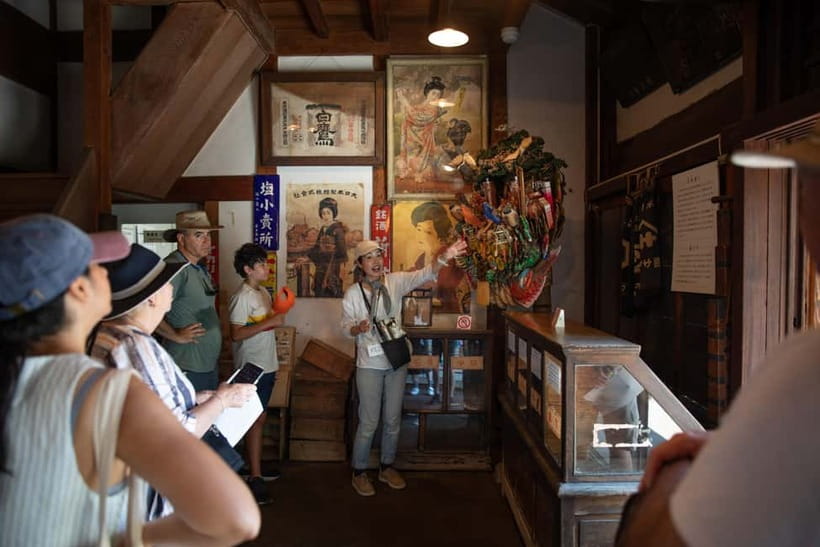
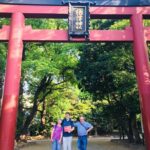
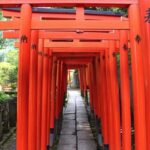
The final major sightseeing stop is Nezu Shrine, with about 20 minutes of guided time. It adds a Shinto perspective after the Buddhist setting of Tennoji Temple and the cemetery.
The shrine is one of the route’s most appealing stops because it combines religious history, architecture, and a pleasant setting. Guides explain Japanese beliefs and customs in a way that connects the shrine with the earlier temple visit.
Several tours have also benefited from seasonal events. One group happened to encounter a festival and had time to watch it. That kind of chance encounter cannot be promised, but it shows the value of leaving room for local life rather than racing from one fixed attraction to the next.
Twenty minutes gives you a clear introduction, not an exhaustive visit. You can see the main setting, listen to the explanation, and decide if you want to return later. If Nezu Shrine is a priority for you, ask the guide about the best way to revisit after the tour.
Finishing at Yanaka Ginza with food and shopping nearby
The walk ends at Yanaka Ginza, a shopping street with food and small stores. This is a smart finishing point because you are not dropped at an anonymous station or sent straight back into the city’s biggest crowds.
You can continue browsing, look for snacks, or use the area as a launch point for more independent exploring. The tour does not list food as included, so budget separately for anything you buy.
The ending also makes the walk easy to fit into a day. You can schedule it before dinner, continue shopping after the guide leaves, or return to a temple or shop you noticed earlier.
I like tours that finish in a useful neighborhood rather than simply ending once the last explanation is done. Yanaka Ginza gives you options and helps turn the guided walk into a starting point for your own exploration.
What $32 buys you, and where the value lies
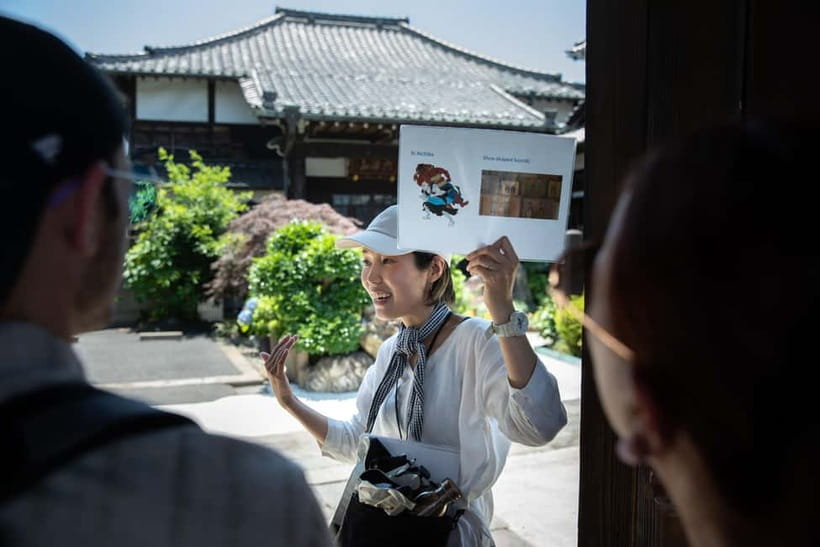
The price is $32 per person for three hours, with an English-speaking guide included. Food, beer, and shopping purchases are not listed as included, so think of this as a cultural walking tour rather than a food tour.
For me, the price is fair if you want context and a tested route. You could walk through Yanaka without paying, but you would need to research the temples, find the cemetery’s meaningful areas, identify the local shops, and connect the Buddhist and Shinto sites yourself.
The value is strongest for first-time visitors, people who enjoy neighborhood walks, and anyone who wants help spotting details. It is less compelling if you already know Yanaka well or prefer to wander without a schedule.
The small group improves the value. A cap of 10 people allows a more personal exchange than a large coach-style outing, and the guides often answer questions about other parts of Japan, food, religion, and local customs.
Flexible booking also helps. You can reserve now and pay later, and cancellation is available up to 24 hours in advance for a full refund. Check the available start times before booking, since the tour lasts three hours and requires outdoor walking.
Which guide style suits this experience
Guide assignments vary, so you cannot book a specific person based on the general tour details. The guides named in the feedback include Aya, Junko, Rei, Yoshie, Polina, Mei, Kiyo, Mai, Aki, Kaori, and others.
The strongest common feature is personal explanation. Aya is praised for keeping people comfortable in the heat and giving practical advice for the rest of a trip. Junko is noted for a calm manner, cultural detail, and useful restaurant suggestions. Rei and Polina are repeatedly associated with clear explanations of Yanaka and Japanese customs.
That variation is worth understanding. A walking tour depends heavily on the person leading it, and each guide may tell the story in a slightly different way. The consistent benefit is an English-speaking local who can answer questions and adjust the pace within the limits of the route.
One participant was frustrated by having a guide in training, while the trainer provided the stronger explanations. That appears to be an occasional issue rather than the normal setup, but it is a fair reminder that guide quality can vary.
Who should book this Yanaka walk
I would choose this tour if you want:
- A quieter alternative to Tokyo’s major shopping and entertainment districts
- A three-hour introduction to temples, shrines, local streets, and neighborhood shops
- Cultural explanations in English
- A small group rather than a large organized tour
- A relaxed route with time for snacks, drinks, and questions
- A useful introduction before returning to Yanaka on your own
I would think twice if you dislike walking, need guaranteed indoor activities, or want every food and drink included. The route is outdoors, and rain or summer heat can affect your comfort.
Families, couples, solo visitors, and first-time Tokyo visitors can all fit this format. It also suits people who have already seen the headline sights and want a slower look at the city’s older neighborhoods.
My verdict: a strong choice for a quieter Tokyo afternoon
I would book the Yanaka Old Quarter Walking Tour if I had three hours to spare and wanted to understand Tokyo beyond its modern center. The combination of Tennoji Temple, Yanaka Cemetery, Nezu Shrine, local shops, the cedar tree, and Yanaka Ginza gives you a well-rounded look at the district.
At $32, the tour earns its price through route planning and explanation, not expensive inclusions. Bring water, wear good shoes, and keep your schedule flexible around the beer-hall stop.
Book it especially if you enjoy side streets, temples, local stories, and small businesses. Skip it only if you prefer major attractions, indoor museums, or completely unstructured wandering.
FAQ
Where does the Yanaka walking tour meet?
Meet outside JR Nippori Station’s North Ticket Gate, next to the NewDays convenience store.
How long does the tour last?
The tour lasts three hours.
What language is the tour conducted in?
The live tour guide speaks English.
How large is the group?
The tour is limited to 10 participants.
What sights are included on the walking route?
The route includes Tennoji Temple, Yanaka Cemetery, Yoshidaya Liquor Shop, Yanaka Beer Hall, the Yanaka Himalayan Cedar Tree, Nezu Shrine, and a finish at Yanaka Ginza.
Is food or beer included in the price?
Food and beer are not listed as included. The itinerary includes a 30-minute break at Yanaka Beer Hall, where you have time for beer, snacks, or free time, but purchases are separate.
More Walking Tours in Tokyo
More Ueno & Yanaka Walks in Tokyo

More tours in Tokyo we've reviewed







Ueno & Yanaka Walks, compared.
 ★ 5.0Eat and Drink Like a Local: Tokyo Ueno Food Tour-Taverns&RamenFrom $95
 ★ 4.5The Old Quarter of Tokyo – Yanaka Walking TourFrom $40
 ★ 5.0Yanaka Walking Tour: Historic and Traditional District of TokyoFrom $72
 ★ 5.0Tokyo: Food Tour in Ueno with 10+ Tastings of Japanese ClassicsFrom $142
 ★ 4.9Tokyo:Stroll in Old traditional culture towns~Yanaka & NezuFrom $293h 30m
 ★ 5.0Yanaka Historical Walking Tour in Tokyo’s Old TownFrom $81