
Reviewed · TEA CEREMONY & MATCHA
Matcha Making Class in Tokyo with Authentic Japanese Sweets Set
In a cozy upstairs space in Asakusa, you’ll learn to prepare matcha the traditional way, then drink the tea you made with Japanese sweets. Hosts such as Rino, Shuri, Hiya, and Nama guide the class in English, using pictures and hands-on instruction rather than a stiff, formal ceremony.
I like the small-class feel and the practical lessons on spotting good matcha and making it at home. I also like the gentle pace: you learn about the tea, whisk your own bowl, taste seasonal sweets, and have time for photos in about an hour.
The main consideration is that this is a short introductory class, not a full-length tea ceremony. Groups can reach 30 people, so the intimacy may depend on the size of your particular session, though individual guidance is part of the experience.
In This Review
- Key Points at a Glance
- Learning Matcha in the Heart of Asakusa
- A One-Hour Matcha Lesson, Step by Step
- Drinking the Matcha You Made
- A Friendly Alternative to a Formal Tea Ceremony
- What Makes the Cultural Lesson Worthwhile
- Group Size, Atmosphere, and Family Suitability
- Fitting the Class Into an Asakusa Day
- Is $21.89 a Good Price?
- Practical Details Before You Book
- Who Should Book This Matcha Class?
- Should You Book It?
- FAQ
- How long does the matcha-making class last?
- Where does the class meet?
- Is the class taught in English?
- Do I need previous tea ceremony experience?
- Are matcha and Japanese sweets included?
- What is the cancellation policy?
Key Points at a Glance
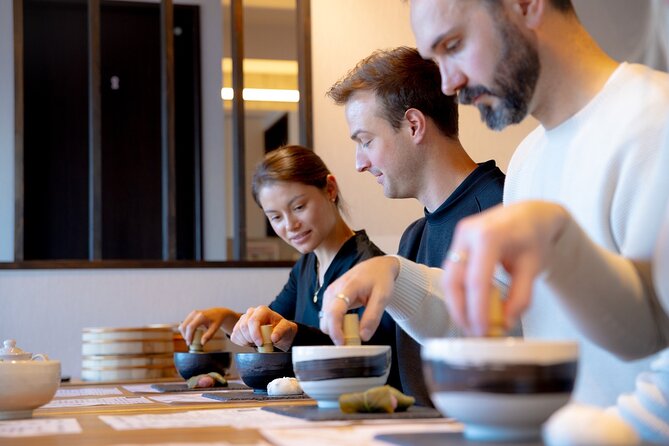
- Whisk your own matcha: Learn the basic movements with a bamboo whisk and traditional tea tools.
- English-speaking instruction: Hosts explain matcha’s background, preparation, and cultural role in clear, friendly English.
- Seasonal Japanese sweets included: Taste sweets chosen to balance matcha’s earthy flavor.
- A relaxed alternative to a formal ceremony: The class is interactive and beginner-friendly, with no prior tea experience needed.
- Convenient Asakusa location: Meet at 2-chōme-17-9 Kaminarimon, close to public transportation and the sights of one of Tokyo’s oldest neighborhoods.
- Good value for a one-hour activity: At $21.89 per person, you get instruction, matcha, sweets, and a hands-on cultural lesson.
Learning Matcha in the Heart of Asakusa
Asakusa is one of Tokyo’s best areas for traditional culture. The neighborhood is home to famous temples, old-style shopping streets, and a steady stream of visitors, but this class gives you a quieter way to connect with Japan’s tea culture.
The meeting point is Matcha Making Tokyo, at 2-chōme-17-9 Kaminarimon in Taito City. The activity begins and ends there, so you do not need to arrange a complicated transfer or worry about finding a second location halfway through the lesson.
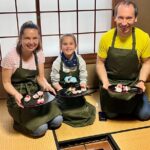
The setting appears to be part café, part cooking classroom. One particularly appealing detail is the upstairs nook, where you may sit on the floor in a traditional style. That small change in posture helps the class feel different from a standard food demonstration, while still keeping the mood comfortable for first-time visitors.
You might also have time to wait in the café if you arrive early. This is useful in Asakusa, where train connections, crowded streets, and temple visits can make your timing less exact than planned. Still, arrive on time. The stated cancellation terms are strict within 24 hours, and a late arrival can reduce the time available for your lesson.
A few more Tokyo tours and experiences worth a look

A One-Hour Matcha Lesson, Step by Step
The experience is built around doing, not simply watching. Your English-speaking host first introduces matcha and explains how it differs from ordinary green tea. You learn where matcha fits into Japanese food culture and why the powder is prepared differently from tea made with leaves.
The class may use an iPad and photographs to show how matcha is grown and processed. That visual aid helps make the explanation clear, especially if this is your first exposure to Japanese tea. You also learn how to recognize higher-quality powder, a useful bit of information if you plan to buy matcha in Japan or prepare it at home.
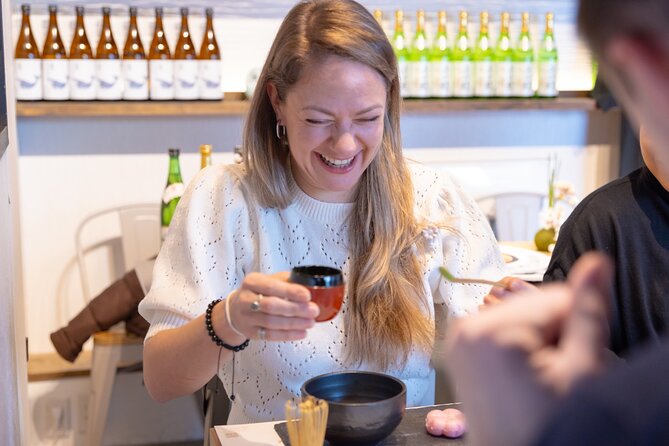
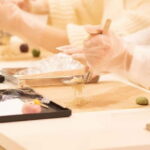
Next comes the equipment. You work with the traditional tools used to prepare matcha, including the bamboo whisk. The host demonstrates the method, then gives you the chance to copy it. This is where the class earns its price: you are not just handed a bowl of tea and told how it was made. You take part in the process.
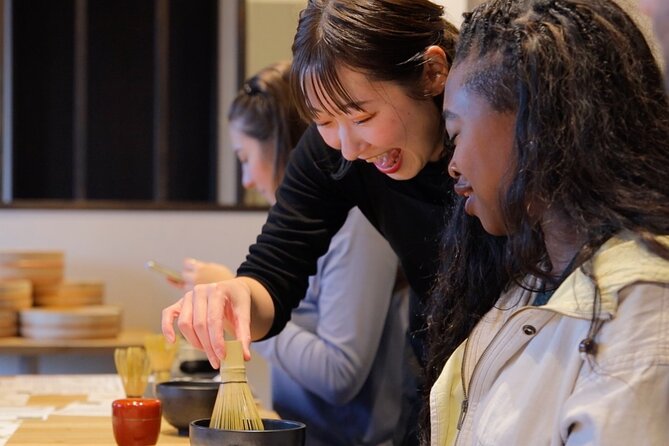
Whisking takes a little practice. The aim is to create a smooth, lightly foamy drink without treating the whisk like a kitchen beater. Your instructor can correct your hand position and movement, then help you adjust the technique. That one-to-one attention is especially useful because a short written recipe cannot show the feel of the whisk moving through the water and powder.
The class is designed for beginners, so you do not need to know tea etiquette or have prior experience. Children can take part too. The activity has worked well for families with children aged six and nine, since the whisking gives younger participants a clear task and keeps the lesson active.
Drinking the Matcha You Made
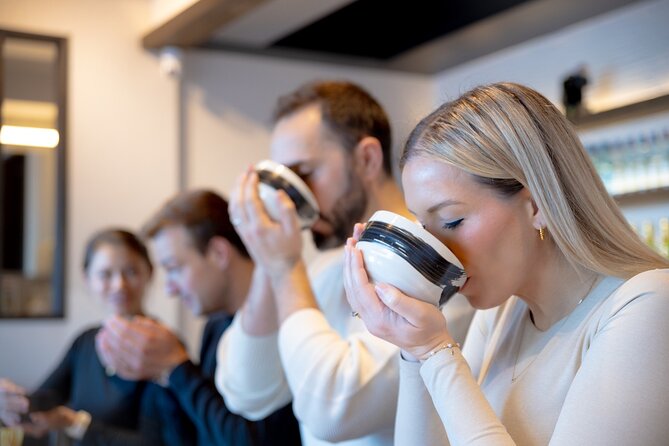
After preparation, you drink your own matcha. This simple moment is the payoff. You have seen the powder, handled the tools, followed the method, and now taste the result.
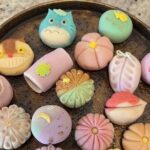
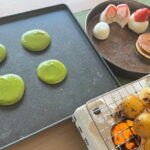
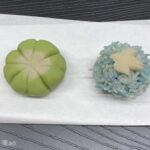
The tea is served with a set of traditional Japanese sweets. Their sweetness works against matcha’s grassy, earthy character, making the drink easier to appreciate if you usually find green tea bitter. The sweets also turn the lesson into a proper tasting rather than a technical workshop.
Several useful points come through during the tasting. Matcha should not automatically taste harsh, and preparation matters. Water, quantity, whisking, and the quality of the powder all affect the final bowl. The class gives you a chance to notice those differences instead of treating matcha as a fashionable café drink with one fixed flavor.
The sweets are included in the $21.89 price, along with the matcha and English-speaking instructor. You do not need to budget separately for the main tasting. Hotel transportation is not included, but that is not a major issue for an activity in central Asakusa with nearby public transportation.
A Friendly Alternative to a Formal Tea Ceremony
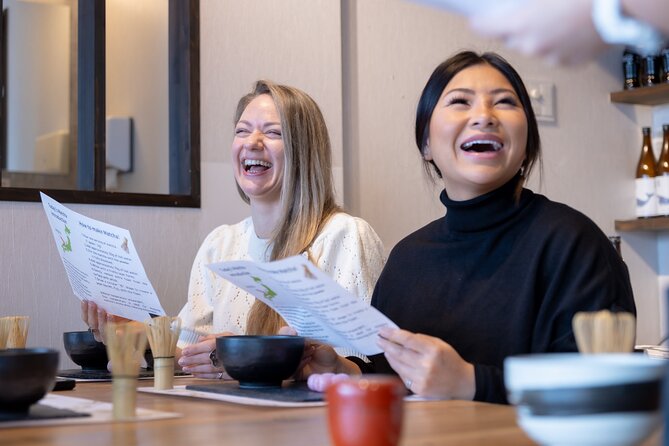
Tokyo offers formal tea ceremonies, but this class follows a different path. You learn the basic traditions without needing to sit silently through a carefully staged performance.
That makes the activity a good fit if you want cultural context and hands-on participation. The hosts explain the origins of matcha, the way tea ceremonies work, and the difference between matcha and regular green tea. They also create room for questions and conversation.
The teaching style varies slightly by host, but the named instructors associated with the experience include Rino, Shuri, Hiya, and Nama. Shuri is described as patient, warm, and passionate about the subject, while Rino is known for keeping the session interactive. Hiya has explained how to identify good matcha and helped with family photos, and Nama has been praised for making the lesson engaging and educational.
You should not expect a silent, highly ceremonial atmosphere from start to finish. The appeal is the relaxed approach. You learn enough about tea culture to understand what you are doing, then enjoy the social side of making and drinking matcha together.
What Makes the Cultural Lesson Worthwhile
Matcha is more than powdered green tea. The way it is prepared reflects Japanese ideas about attention, simplicity, and hospitality. Even in a one-hour class, you get a glimpse of those values.
The lesson also gives you useful cultural footing for the rest of your Japan trip. Once you understand how matcha is made and served, tea shops, sweets counters, and formal ceremonies become easier to appreciate. You can recognize that a bowl of matcha is not simply green-colored coffee with a different name.
I especially like the way the activity connects technique with conversation. You may learn about cultivation and tea history, then immediately apply that information with the whisk in your hand. The format keeps the subject from becoming a lecture.
There is also a personal side. Hosts have shared broader insights about Japanese culture and their own experiences, creating opportunities for conversation beyond the mechanics of tea. That will appeal to you if you prefer a small cultural exchange to a quick photo stop.
A few more Tokyo tours and experiences worth a look
Group Size, Atmosphere, and Family Suitability
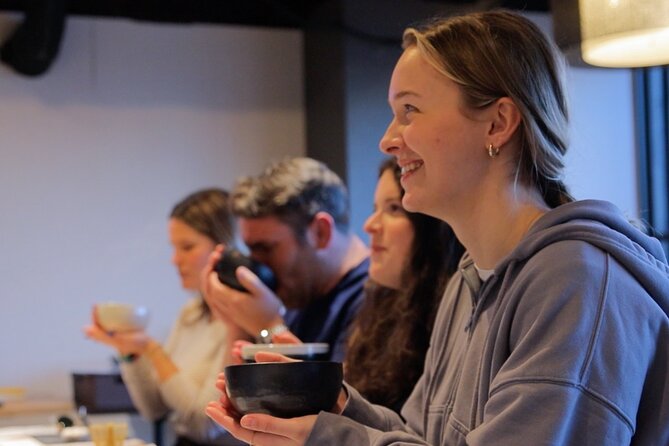
The maximum group size is 30 people. That is not always a small group, so you should keep your expectations sensible. A session with only a few participants may feel particularly personal, while a full class can have more of a workshop atmosphere.
The instruction includes hands-on guidance, and the class is set up for beginners. Still, the amount of individual attention can naturally vary with attendance. If personal interaction is your main reason for booking, choose a time that suits your schedule and arrive promptly so you receive the full lesson.
Families are a strong match for this activity. Children can whisk the tea, learn a few basic facts, and enjoy the sweets without needing a long attention span. The one-hour length is also easier to fit between Asakusa’s temples, shopping streets, and other activities.
Couples, solo visitors, and older children should also find the format comfortable. It offers more participation than a demonstration but requires less time and formality than a full tea ceremony.
Fitting the Class Into an Asakusa Day
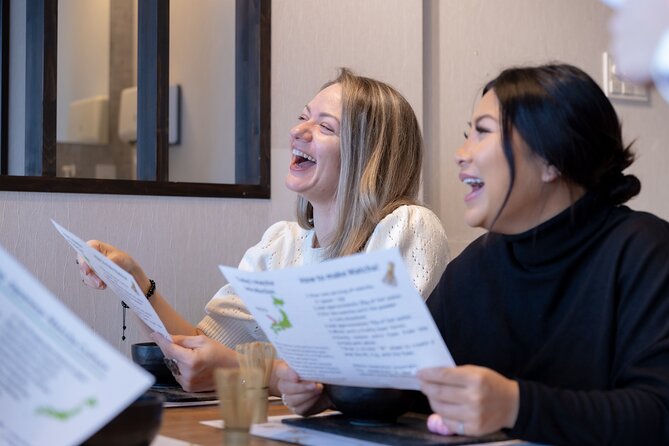
Because the activity lasts about one hour and returns to its meeting point, it fits neatly into a half-day in Asakusa. You can plan it before or after visiting nearby attractions, but leave enough time to locate the address at 2-chōme-17-9 Kaminarimon.
The location is close to public transportation, which helps if you are coming from another part of Tokyo. You receive a mobile ticket, so there is no need to print a voucher. Confirmation is provided at booking.
The class also works well early in a Tokyo itinerary. It gives you a calm, structured introduction to Japanese customs before you tackle busier sights. If you are already spending the day in Asakusa, it breaks up temple visits and shopping with something seated and hands-on.
A pleasant detail is the possibility of a view along the river from the location. The exact view will depend on your position and conditions, so I would treat it as a bonus rather than the main reason to book.
Is $21.89 a Good Price?
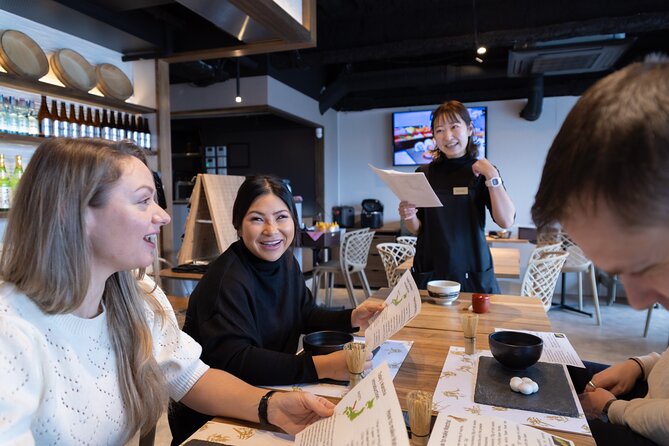
At $21.89 per person, this is a modestly priced cultural activity for Tokyo. The cost covers the English-speaking teacher, matcha, Japanese sweets, equipment, and roughly an hour of instruction.
The value is strongest if you want to learn a skill rather than simply sample a drink. You leave with practical advice about whisking and choosing matcha, which can help you make better purchases and prepare the tea at home.
It is less compelling if you are only looking for a full meal or an elaborate ceremony. The sweets are a tasting set, not a large dessert course, and the lesson is short. You are paying for access to instruction and participation, not for a long theatrical presentation.
For families, the price can be easier to justify because everyone has a role. For solo visitors, it offers a straightforward way to meet other people through a shared activity without committing to a long group tour.
Practical Details Before You Book
The experience is confirmed at the time of booking, and service animals are allowed. It is located near public transportation, but hotel pickup and drop-off are not included, so you make your own way to Asakusa.
Free cancellation is available if you cancel at least 24 hours before the start time. Changes or cancellations made inside that window are not accepted and are not refunded. Use the local Tokyo time when calculating the deadline.
Wear something comfortable enough for sitting and whisking. If your class uses the traditional floor-seating area, you may appreciate clothing that allows easy movement. The exact seating arrangement can vary, so do not assume the whole activity will be formal floor seating.
You can take photos to remember the experience. Hosts may also help with a group or family photo, which is a useful touch when everyone wants to be in the picture.
Who Should Book This Matcha Class?
Book this class if you want a short, hands-on cultural activity with clear English instruction. It is particularly well suited to first-time matcha drinkers, families, couples, and anyone who wants something more active than sitting in a tea shop.
It is also a good choice if you are curious about the difference between ceremonial matcha and ordinary green tea, or if you want to learn a method you can repeat at home. The instruction is practical, and the sweet pairing makes the tasting approachable.
You may want a different experience if your main goal is a highly formal tea ceremony with extended etiquette, historic surroundings, or a long period of quiet observation. This class gives you an informal introduction with real participation. That is its strength, but it also defines its limits.
Should You Book It?
I would book this matcha class if you have an hour in Asakusa and want a cultural memory that costs little, teaches you something useful, and does not demand a full afternoon. The combination of traditional tools, seasonal sweets, English instruction, and friendly hosts gives the activity more substance than a quick green tea tasting.
The best reason to choose it is the chance to make your own bowl and understand what you are doing. Just keep the group-size limit and short duration in mind. If you want a relaxed, family-friendly introduction to matcha rather than a formal ceremony, this is a sensible Tokyo add-on.
FAQ
How long does the matcha-making class last?
The experience lasts approximately one hour.
Where does the class meet?
You meet at Matcha Making Tokyo, 2-chōme-17-9 Kaminarimon, Taito City, Tokyo 111-0034, Japan. The activity ends at the same location.
Is the class taught in English?
Yes. An English-speaking instructor is included.
Do I need previous tea ceremony experience?
No. The class is designed for beginners, and no prior tea ceremony experience is required.
Are matcha and Japanese sweets included?
Yes. Matcha and a set of Japanese sweets are included in the experience.
What is the cancellation policy?
You can cancel for a full refund if you do so at least 24 hours before the experience start time. Cancellations or changes made less than 24 hours in advance are not accepted and are not refunded.
More Workshops & Classes in Tokyo


More Dessert Tours in Tokyo
More Tea Ceremony & Matcha in Tokyo
More tours in Tokyo we've reviewed




Tea Ceremony & Matcha, compared.
 ★ 5.0Tokyo: Traditional Tea Ceremony with a Tea MasterFrom $381 hour
 ★ 4.5Dynamic Tokyo: Tokyo Tower, Tea Experience, Bay Cruise Day TourFrom $99
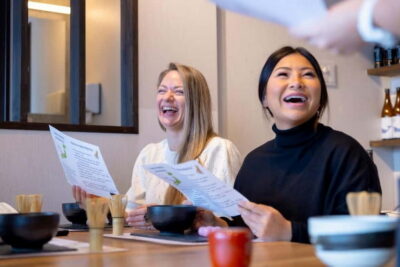 ★ 4.9Tokyo: Matcha Making Experience with Mochi Sweets in AsakusaFrom $221 hour
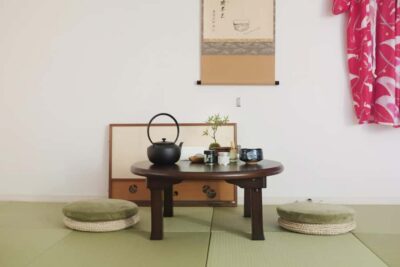 ★ 4.7Tokyo: Matcha and Kimono ExperienceFrom $57
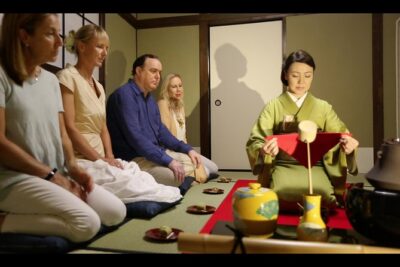 ★ 5.0Tea Ceremony Workshop in Tokyo by the Experienced InstrucorFrom $38
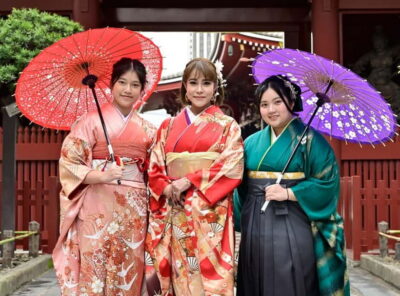 ★ 4.9Tokyo: Asakusa Kimono Dressing and Matcha ExperienceFrom $562 hours