
Reviewed · TEA CEREMONY & MATCHA
Tokyo: Traditional Tea Ceremony with a Tea Master
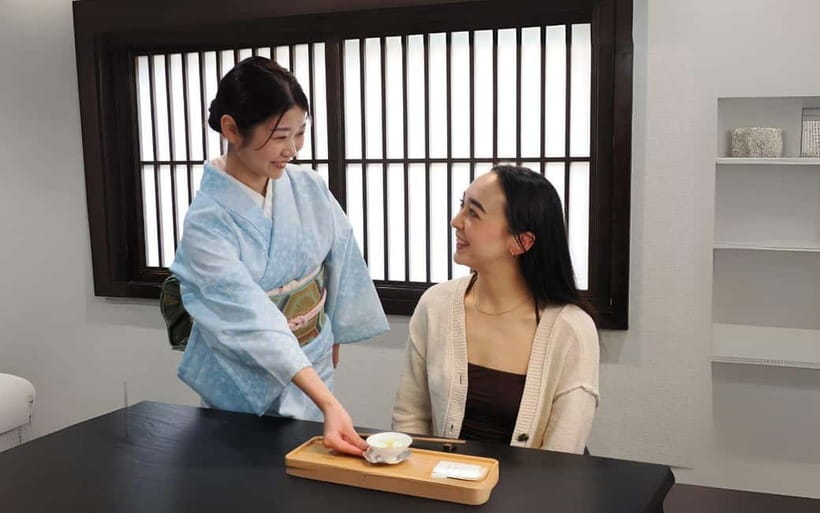
The best part of this Tokyo tea ceremony is that you do more than watch. At Ocharu, you taste several very different teas, learn why water temperature matters, and whisk your own matcha with a tea master guiding each move. It is a friendly lesson in Japanese tea culture rather than a stiff performance.
I like the four-tea tasting, especially the rare wakocha and high-grade Gyokuro sencha. I also like the hands-on matcha session, since you leave with a better sense of the work behind that smooth green bowl. The seasonal wagashi from Ougiya adds a fine touch.
The main consideration is the short one-hour format. You get a useful introduction, but not a full, formal tea-school ceremony. The room is not suitable for wheelchair users, and finding the entrance may take a little care because the green OCHARU sign sits high on the building.
In This Review
- Key points at a glance
- What this Tokyo tea ceremony really offers
- Finding Ocharu opposite Tokyo University
- The welcome: wakocha and a small tea cake
- Gyokuro sencha, tea leaves, and Ougiya wagashi
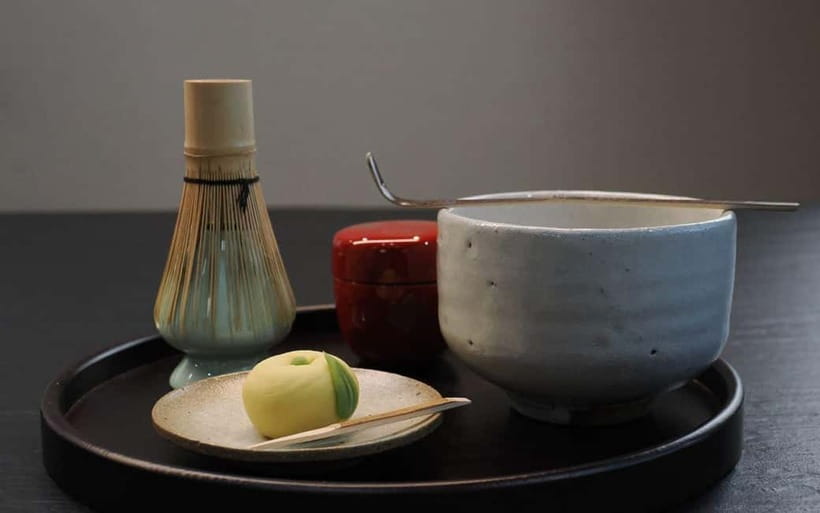
- Making matcha with traditional tools
- Genmaicha gives the hour a gentle finish
- A relaxed ceremony, not a formal silent ritual
- How the value compares at $38
- Who should book this experience
- Practical tips for a smoother visit
- Should you book the Ocharu tea ceremony?
- FAQ
- How long does the Tokyo tea ceremony last?
- How much does the experience cost?
- Where is the tea ceremony held?
- How do I find the meeting point?
- How early should I arrive?
- Which teas are included?
- Do I get to make my own matcha?
- Are sweets included?
- Is the activity taught in English?
- Is the activity suitable for wheelchair users?
- Can I cancel my booking?
- Do I have to pay when I reserve?
Key points at a glance
- Taste four distinct Japanese teas: Try wakocha, Gyokuro sencha, matcha, and Genmaicha, each served in a different way.
- Make your own matcha: Learn to use the bamboo whisk and other traditional utensils under direct guidance.
- Learn tea etiquette without the stiffness: The English-speaking hosts explain manners, temperature, origins, and customs in a relaxed way.
- Sample seasonal wagashi from Ougiya: Beautiful Japanese sweets balance the stronger flavors of green tea.
- Finish with useful keepsakes: Take home a completion certificate, group photo, and, according to the experience details, your chopsticks.
- Easy to pair with nearby sights: Ocharu is across from Tokyo University and close to the University campus and Tokyo Zoo.
What this Tokyo tea ceremony really offers
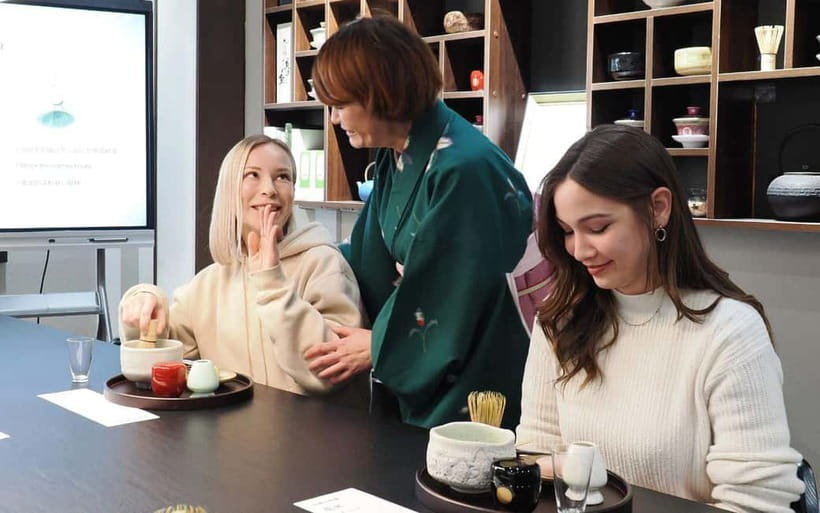
Tokyo has plenty of cultural activities that ask you to sit quietly and watch. This one gives you a job to do. You handle the tools, taste the leaves, and make matcha yourself, so the customs become easier to understand.
The setting is Ocharu Tea Ceremony Room, directly across from Tokyo University. That location gives the experience a useful place in your day. You can visit the university area or the nearby zoo before or after, instead of crossing the city for a one-hour appointment.
The session is taught in English. Hosts such as Shinichi-san and Ekiko have been praised for explaining the subject clearly, answering questions, and keeping the tone comfortable. Names and instructors can vary, but the format is consistent: a calm guide, a small tea room, several tastings, and a hands-on matcha lesson.
At $38 per person, I consider this a fair price for a one-hour cultural activity in central Tokyo. You are not paying only for a cup of matcha. The fee covers several teas, sweets, instruction, room access, the practical tea-making lesson, and a certificate. It is especially good value if you want something educational but do not want to commit half a day to a formal ceremony.
A few more Tokyo tours and experiences worth a look

Finding Ocharu opposite Tokyo University
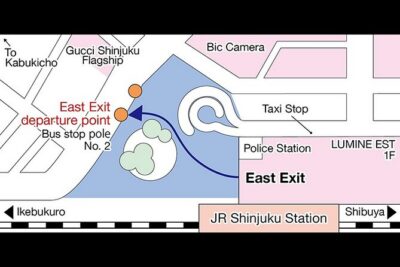
Plan to arrive five minutes early. The building has a green OCHARU logo, but one useful warning is that the sign is high up. It can be easy to walk past the entrance while looking at street level.
If you are unsure, stop at the tea shop in the building and ask. One visitor walked past several times before realizing the activity was inside the tea shop. That is the sort of small Tokyo navigation problem that is easy to avoid if you allow a few extra minutes.
The exact route depends on where you start. One reported metro approach uses Nezu Station Exit 14, followed by roughly a 15-minute walk. Check the route on the day, since Tokyo transfers and walking directions can be confusing, particularly if you are coming from Shibuya or another distant district.
The location is a practical plus. Tokyo University is across the street, and the zoo is nearby. The tea shop downstairs also sells tea and matcha products, so you can browse after the session. Buying tea is not part of the activity, but it gives you a chance to take home something connected to what you just learned.
The welcome: wakocha and a small tea cake
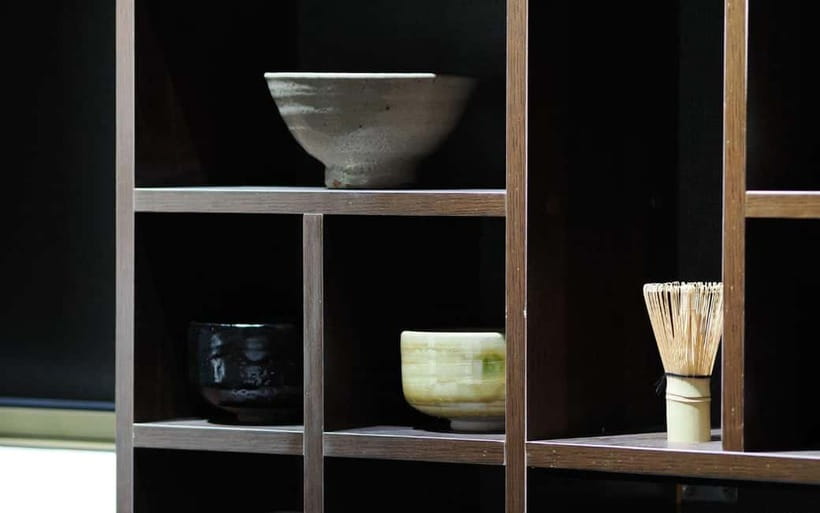
The session begins with wakocha, Japanese black tea from Shizuoka. Japan is best known abroad for green tea, so this first cup is a smart introduction. Wakocha has a softer, more fruity and floral character than many people expect from black tea.
You receive a traditional tea cake with it. The pairing gives you a simple lesson in balance: the snack works with the tea, rather than overwhelming it. Your host explains where the tea comes from and how it fits into Japanese tea culture.
This opening is relaxed. You do not need prior knowledge of tea ceremony rules, and you are not expected to arrive already knowing how to hold every utensil. The guide sets the pace and explains the customs as you go.
For someone who normally drinks tea with milk or sugar, wakocha can be a useful starting point. It is familiar enough to understand, but different enough to show that Japanese tea culture includes more than matcha and sencha.
Gyokuro sencha, tea leaves, and Ougiya wagashi
Next comes Gyokuro sencha, one of the highest grades of Japanese green tea. The tea master brews it for you, giving you a chance to focus on the color, aroma, texture, and aftertaste before you try making anything yourself.
Gyokuro is not simply another cup of everyday green tea. Its preparation and flavor are treated with care, and the guide explains the role of temperature and brewing method. This is one of the strongest educational parts of the session because you can taste the result immediately.
You also get seasonal wagashi from Ougiya, a confectioner with generations of experience making Japanese sweets. Wagashi are often prized for shape and seasonal design as well as flavor. Here, the sweet provides a gentle counterpoint to the concentrated green tea.
One particularly interesting touch is the chance to taste the tea leaves. That may sound unusual, but it helps you see the leaf as a food ingredient rather than something that exists only to flavor hot water. The activity information describes the leaves as edible, and this small detail adds a memorable note to the tasting.
Pay attention to the serving order. The ceremony moves from black tea to a prized green tea, then to matcha and Genmaicha. You are not just drinking four unrelated beverages. You are comparing different styles, flavors, temperatures, and preparation methods.
Making matcha with traditional tools
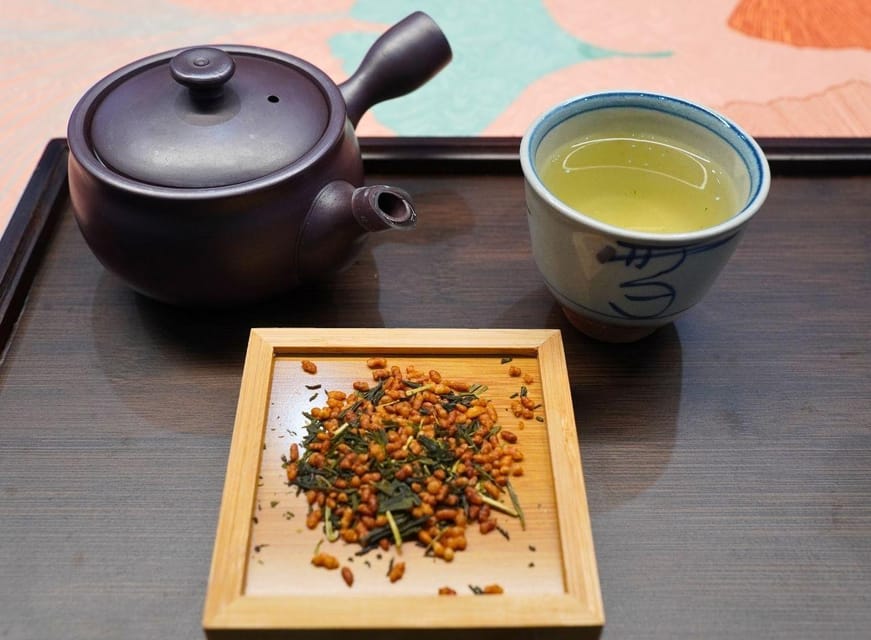
The hands-on matcha session is the heart of the experience. Your tea master demonstrates how to prepare matcha with traditional tools and utensils, then gives you a turn.
You whisk the powdered tea yourself. The guide shows you how to handle the equipment and explains the manners connected with drinking matcha. The process is simple enough for a first attempt, but it requires attention. You quickly learn that matcha is not just a powder stirred into water.
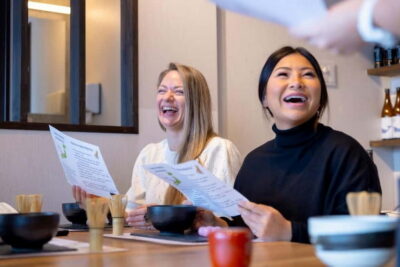
This is also where the relaxed teaching style helps. Several hosts have been described as patient, funny, and willing to answer questions. A good instructor can correct your movements without making you feel as if you are taking a test, and that appears to be the tone here.
Do not expect to become a tea master in one hour. You will learn the basic sequence and get a feel for the whisk, but proper tea practice takes much longer. The value is in gaining respect for the method and understanding why the finished drink tastes and feels the way it does.
The presentation of the matcha is a highlight. One participant particularly appreciated seeing the careful preparation and keeping the chopsticks afterward. The supplied information does not promise that every small item will be retained by every participant, so treat the certificate and group photo as the reliable keepsakes.


Genmaicha gives the hour a gentle finish

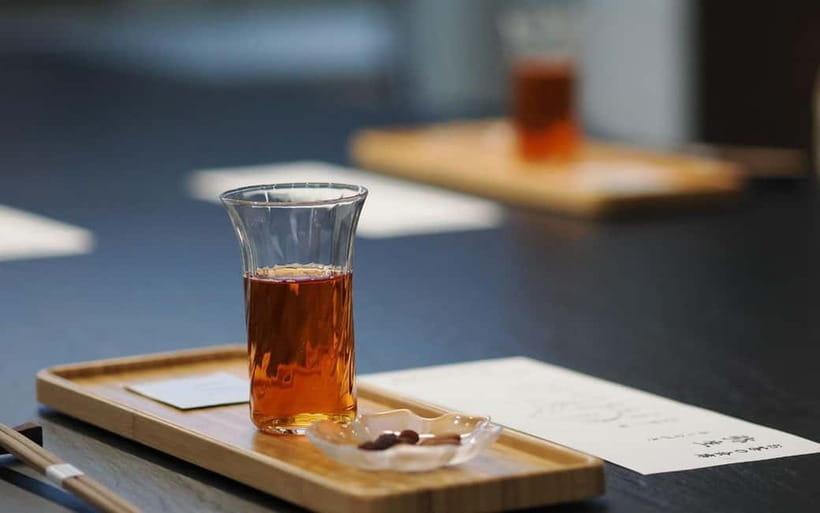
The final tea is Genmaicha, a blend of sencha and roasted rice from Niigata Prefecture. Its toasted rice flavor makes it gentler and more comforting than the sharper, more concentrated teas earlier in the session.
Ending with Genmaicha is a good choice. After tasting wakocha, Gyokuro, and matcha, your palate gets a softer final cup. It also shows another side of Japanese tea drinking, one that feels easy to enjoy at home.
The full tasting may include four or five teas, depending on how the session is presented. The core experience specifies wakocha, Gyokuro sencha, matcha, and Genmaicha. Some participants describe tasting cold and hot green tea in addition to the main servings, but you should regard the four named teas as the dependable outline.
Because the activity lasts only an hour, the tea master has to keep things moving. You receive explanations, but you will not get an extended lecture on every producing region in Japan. If you ask questions, use the time well. The hosts are clearly expected to discuss tea origins, culture, language, and preparation.
A relaxed ceremony, not a formal silent ritual
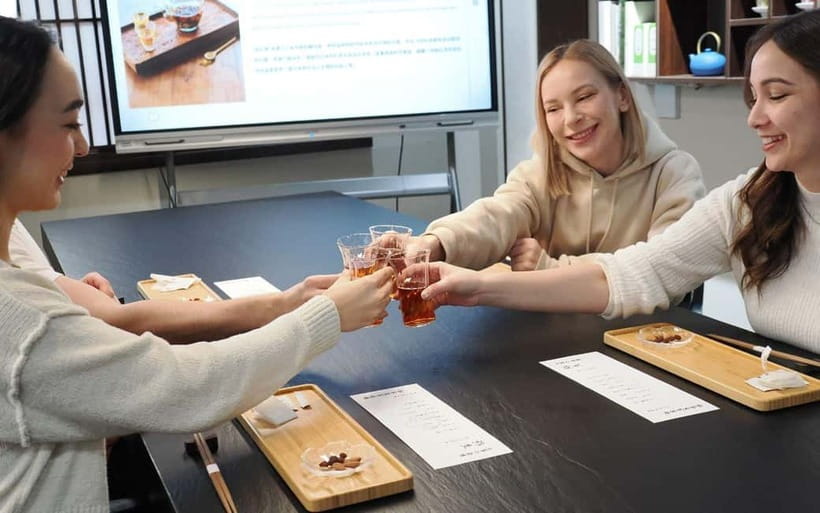
The word tea ceremony can suggest a very formal event, with strict movements and long stretches of silence. Ocharu offers something more accessible. The host teaches the etiquette and ritual, but the atmosphere is casual and conversational.
That approach suits first-time visitors. You can ask why a tea is brewed at a particular temperature, where it comes from, or how to drink it properly. The session can also work for people who already drink tea regularly, since the comparison between wakocha, Gyokuro, matcha, and Genmaicha adds useful detail.
English is the stated language. Most of the teaching is designed for English speakers, and the hosts are described as clear and easy to understand. One participant found an accent somewhat challenging, so if you miss a point, ask the guide to repeat it. The session is interactive, not a one-way speech.
Families can fit in too. A ten-year-old was included in the lesson with special attention from the host. Still, the activity is built around tasting and careful handling of tea tools, so very young children may find the pace less rewarding.
The certificate at the end is a lighthearted touch. It does not mean you have completed professional tea training, but it makes a nice souvenir and gives the hour a clear finish. A group photo adds another simple memory of the visit.
How the value compares at $38
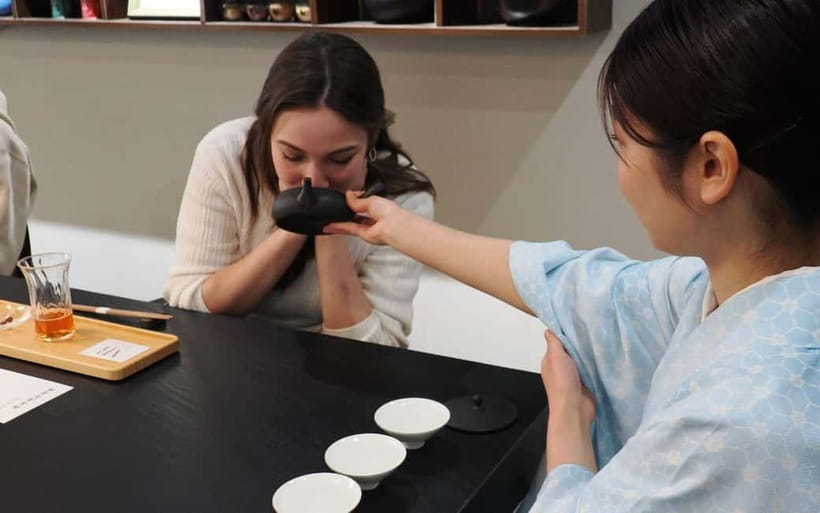
At $38, the experience sits in a useful middle ground. You receive more than a café tasting, but you do not pay for an elaborate, multi-hour cultural program.
The price makes sense for you if you value explanation and participation. You taste premium Gyokuro, sample seasonal wagashi, learn the basic matcha process, and receive an English-language lesson. Buying the same range of tea and sweets separately might not teach you why they differ or how to prepare them.
It is less compelling if you only want to drink matcha. A tea shop or café can serve you a cup for less money, and you can leave whenever you like. This activity earns its price through the instruction and the chance to make the tea yourself.
The one-hour length is both a strength and a limit. It fits neatly between sightseeing plans, and the location near Tokyo University makes scheduling easy. On the other hand, the experience cannot cover every school of tea, regional style, or historical period in Japan.
The free cancellation option, available up to 24 hours before the start time, reduces the risk of booking ahead. You can also reserve and pay later, which helps if your Tokyo schedule is still changing.
Who should book this experience
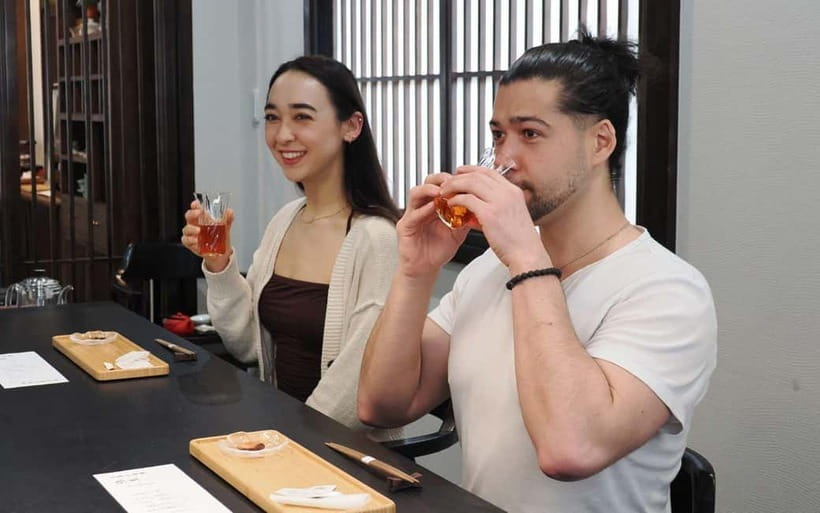
I would suggest this tea ceremony to:
- First-time visitors who want a clear introduction to Japanese tea customs
- Tea drinkers curious about the difference between matcha, sencha, wakocha, and Genmaicha
- Couples seeking a calm activity between busy Tokyo sights
- Families with older children who can sit, listen, taste, and handle simple utensils
- Visitors staying near the university, zoo, or northeastern central Tokyo
- Anyone who wants a cultural activity that takes only one hour
It is also suitable for people who are not committed tea fans. One participant said a spouse who does not usually like tea still enjoyed the experience. The guide, sweets, and practical steps give the activity more range than simply serving a bitter green drink.
You should think twice if you use a wheelchair, since the experience is specifically marked as unsuitable for wheelchair users. You may also want a longer ceremony if your main goal is to study formal tea-room movements in depth.
Practical tips for a smoother visit
Arrive five minutes early and look above street level for the green OCHARU sign. If you miss it, check with the tea shop in the building rather than wandering the block.
Wear something comfortable enough for sitting and handling tea tools. The supplied details do not specify a required dress code, so there is no stated need for formal clothing.
Keep your schedule flexible after the session if you want to shop. The downstairs café sells matcha and tea to take home, and the location makes it easy to add Tokyo University or the zoo to your day.
Ask questions. The hosts have been praised for discussing tea origins, Japanese customs, language, local variations, and even broader topics such as visitors’ home cities and favorite films. A question about brewing temperature can turn a pleasant tasting into a far more useful lesson.
Do not judge Japanese tea only by the first sip. Gyokuro, matcha, and Genmaicha have different strengths and textures. The point is to compare them, not to pick one winner.
Should you book the Ocharu tea ceremony?
Book it if you want hands-on culture in a compact format. For $38, you taste four named teas, sample a seasonal Japanese sweet, prepare matcha, learn basic etiquette, and leave with a certificate and group photo.
I would not book it as a substitute for a full formal tea ceremony. The relaxed, conversational style is its appeal, but it also means the session is an introduction rather than an advanced study.
For most first-time visitors, the balance is right. The tea master guides you without making the hour intimidating, the tasting gives you real flavor comparisons, and the location works well with Tokyo University and the zoo. Just allow extra time to find the high green sign, and remember the wheelchair restriction.
FAQ
How long does the Tokyo tea ceremony last?
The activity is scheduled for one hour, though the exact session may finish slightly earlier depending on the pace.
How much does the experience cost?
The listed price is $38 per person.
Where is the tea ceremony held?
It takes place at the Ocharu Tea Ceremony Room, in a building opposite Tokyo University in Tokyo.
How do I find the meeting point?
Look for the green OCHARU logo on the wall. The sign is high up, so look above street level. If you are unsure, check with the tea shop in the building.
How early should I arrive?
You should arrive five minutes before the start time for check-in.
Which teas are included?
The experience includes wakocha, Gyokuro sencha, matcha, and Genmaicha. Some sessions may include additional hot or cold green tea tastings.
Do I get to make my own matcha?
Yes. You prepare matcha yourself with traditional tools and guidance from the tea master.
Are sweets included?
Yes. You receive a welcome tea cake and seasonal wagashi from Ougiya with the tea tasting.
Is the activity taught in English?
Yes. English is the stated language for the instructor and activity.
Is the activity suitable for wheelchair users?
No. The activity is listed as unsuitable for wheelchair users.
Can I cancel my booking?
You can cancel up to 24 hours in advance for a full refund.
Do I have to pay when I reserve?
No. The reserve-now, pay-later option lets you book without paying immediately.
More Tea Ceremony & Matcha in Tokyo
More tours in Tokyo we've reviewed






Tea Ceremony & Matcha, compared.
 ★ 5.0Matcha Making Class in Tokyo with Authentic Japanese Sweets SetFrom $21
 ★ 4.5Dynamic Tokyo: Tokyo Tower, Tea Experience, Bay Cruise Day TourFrom $99
 ★ 4.9Tokyo: Matcha Making Experience with Mochi Sweets in AsakusaFrom $221 hour
 ★ 4.7Tokyo: Matcha and Kimono ExperienceFrom $57
 ★ 5.0Tea Ceremony Workshop in Tokyo by the Experienced InstrucorFrom $38
 ★ 4.9Tokyo: Asakusa Kimono Dressing and Matcha ExperienceFrom $562 hours