
Reviewed · TEA CEREMONY & MATCHA
Tokyo: Matcha and Kimono Experience
The most interesting part of this Tokyo activity is the chance to compare matcha with your eyes, nose, and tongue before learning how to prepare it. Near Shinjuku, guide Komei combines a first-flush matcha tasting with a lesson on teaism, tea ceremony manners, and the story of the kimono.
I like two things right away: the kimono is designed to go on quickly, unlike formal kimono dressing, and you get to make your own bowl of matcha rather than simply watch. The small-group, personal teaching style also gives you room to ask questions and take photographs.
The main consideration is balance. The kimono portion can take more time than some people expect, leaving less time for matcha practice. Arrive early, bring socks, and do not be late: your booking is canceled after 10 minutes with no refund.
In This Review
- Key points to know before booking
- A matcha lesson with more than a green drink
- Choosing a kimono near Yotsuya
- Tasting first-flush matcha from Japan
- From green tea to teaism
- Making a bowl with traditional tools
- A personal class rather than a large show
- Meeting near Shinjuku, but at Yotsuya
- Is $57 a fair price?
- Who should book this activity?
- Should you book the Matcha and Kimono Experience?
- FAQ
- Where does the Matcha and Kimono Experience meet?
- How far is the meeting point from Yotsuya Station?
- Does the activity end at the meeting point?
- What does the $57 price include?
- Do I need to bring anything?
- What happens if I forget my socks?
- How late can I arrive?
- What languages are available?
- Are young children allowed?
- Can I cancel for a full refund?
Key points to know before booking
- Taste first-flush matcha from a collection of more than 100 Japanese teas.
- Wear an easy-to-put-on kimono throughout the class and ceremony.
- Learn four connected traditions: matcha, teaism, tea ceremony, and kimono.
- Prepare a beautiful bowl of matcha using traditional tea tools.
- Enjoy Japanese sweets and a welcome drink as part of the session.
- Meet near Yotsuya, about a six-minute walk from the station.
A matcha lesson with more than a green drink
Many Tokyo tea activities give you a cup, a whisk, and a quick explanation. This one takes a wider view. You learn what matcha is, how it differs from other teas, why tea preparation has rules, and how clothing and manners shape the setting.
That makes the activity useful even if you already drink matcha at home. You are not simply being shown a recipe. You are given a way to judge the tea and understand why the preparation matters.
Komei, also referred to as Kome in some feedback, leads the session in English and Japanese. His teaching style comes across as warm, conversational, and occasionally funny. He uses a structured presentation, along with hands-on instruction, so the class has more shape than a casual tasting.
I especially like the contrast between formal ideas and a relaxed setting. You can ask questions, learn at your own pace, and then put the lesson into practice. The result is cultural context without the stiffness that can make a traditional demonstration hard to follow.
A few more Tokyo tours and experiences worth a look
Choosing a kimono near Yotsuya
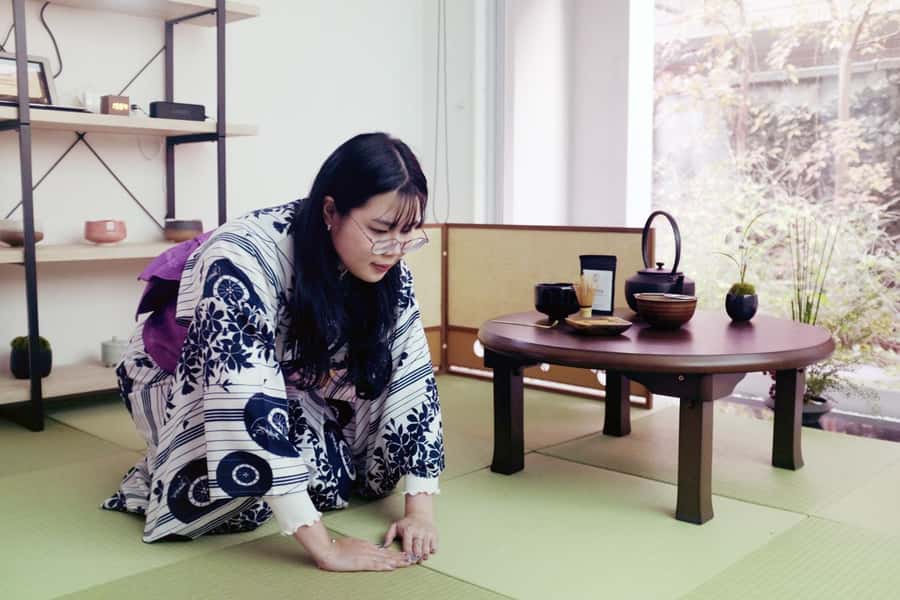
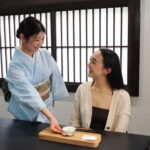
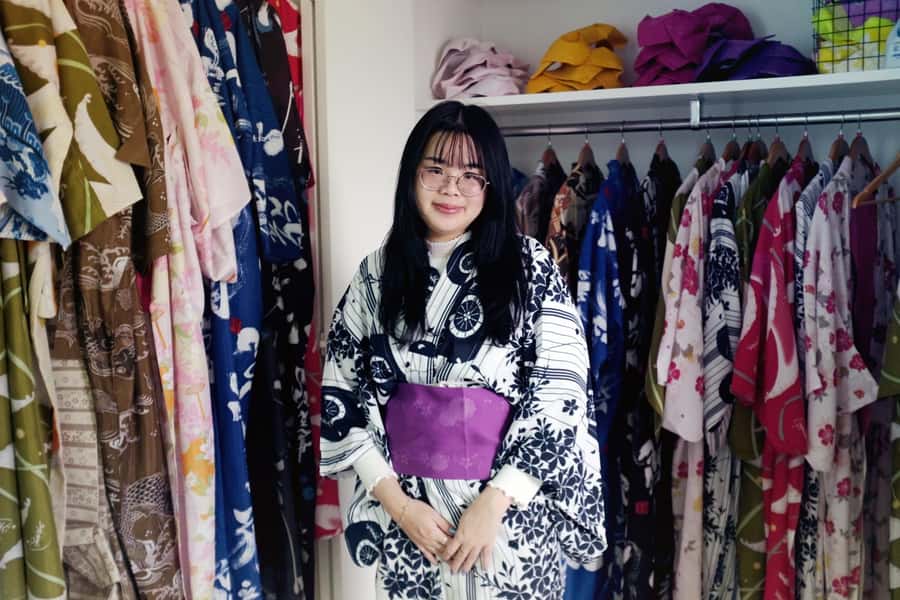
Before the tea lesson begins, you select a kimono to wear. This is not the full formal dressing process, which can take about 30 minutes and involve several layers and careful adjustments. The clothing here is made for quick and easy use during the activity.
That practical design matters. You get the pleasure of wearing a Japanese garment without spending a large part of the session standing still while someone ties and adjusts it. You keep the kimono on for the lesson, which helps the experience feel like one connected event rather than two separate workshops.
The kimono also gives you a clear photo opportunity. Komei has taken photographs for groups, and the clothing adds a memorable visual touch to the afternoon. If you are visiting Tokyo with friends or family, this may be one of the more enjoyable parts to share.
Still, set your expectations correctly. This is an introduction to wearing a kimono, not a full professional dressing appointment. You learn basic history and how to wear the easy version properly, but the focus remains matcha and tea culture.
Please bring socks. You will need them to protect the traditional flooring, and you may be asked to buy a pair at the workshop if you forget. Strong fragrances are not allowed, since scent can interfere with the tea and the room’s atmosphere.
Tasting first-flush matcha from Japan
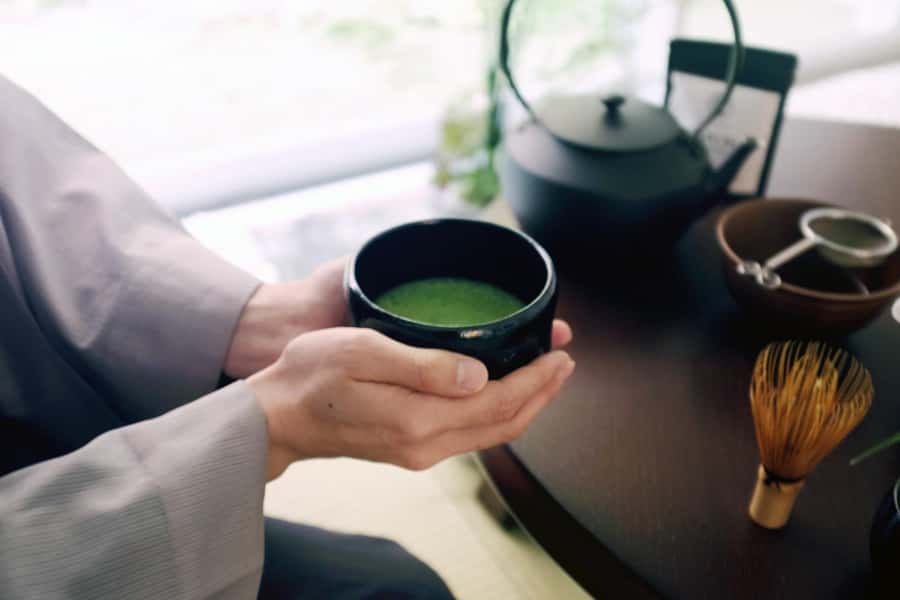
The tea portion begins with the quality and character of matcha. The workshop uses first-flush matcha, described here as the highest-quality selection, drawn from a collection of more than 100 matchas from across Japan.
The useful part is not simply drinking a premium tea. You learn to compare matcha through sight, smell, and taste. That gives you a practical starting point for identifying what you like, rather than assuming the brightest green powder is automatically the best choice.
You also examine the difference between genuine matcha and imitation products. The class covers Japanese matcha and matcha sold overseas, which can differ significantly in quality and character. If you buy matcha at home, this section may save you from paying a premium for a product that does not offer the flavor or texture you expect.
The tasting is also a reminder that matcha is not one uniform drink. Its flavor depends on the tea itself, and the workshop’s collection lets you notice those differences directly. The exact number of teas you taste is not specified, so you should not expect a full tasting flight of all 100 selections. The collection is there to support comparison and help you find a favorite.
Japanese traditional sweets are included. Their role is more than decoration: sweets are commonly paired with bitter tea, giving your palate a useful contrast before or alongside the matcha.
From green tea to teaism
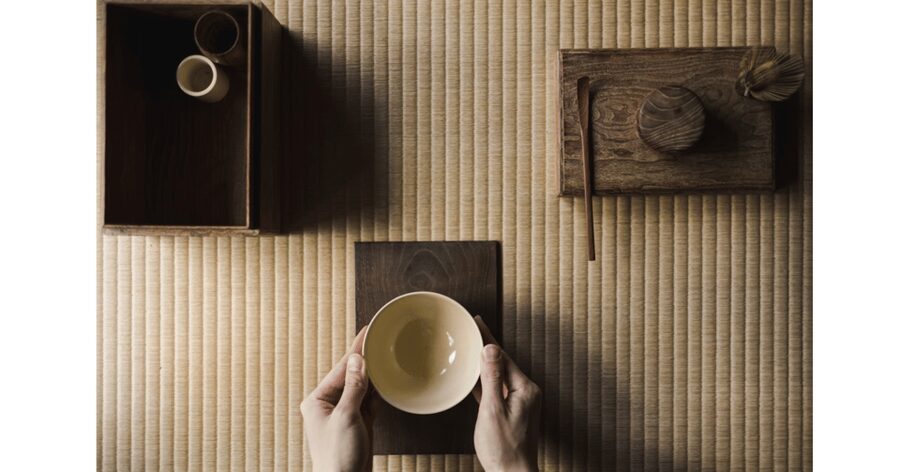
The lecture places matcha beside other kinds of tea, including green tea, black tea, and Chinese tea. This helps clarify what makes matcha different. Rather than steeping leaves and removing them, you consume powdered tea whisked into water.
The session also explains teaism, the philosophy connected with tea, and tea ceremony as a practice with its own order and meaning. You learn why gestures, tools, preparation, and drinking manners are treated with care.
This is where the activity feels more substantial than a simple craft class. The tea ceremony is not presented as a collection of mysterious rules. Komei explains the purpose behind the actions, which makes the ritual easier to respect and remember.
You also learn the basic manner for drinking a bowl of matcha. That does not mean you need to memorize every ceremonial detail before you can enjoy tea. It gives you enough background to take part politely and understand what you are doing.
The historical material extends to the kimono as well. The class connects the clothing with the development of Japanese tea culture, giving you a broader picture of how food, dress, hospitality, and manners fit together.
Making a bowl with traditional tools
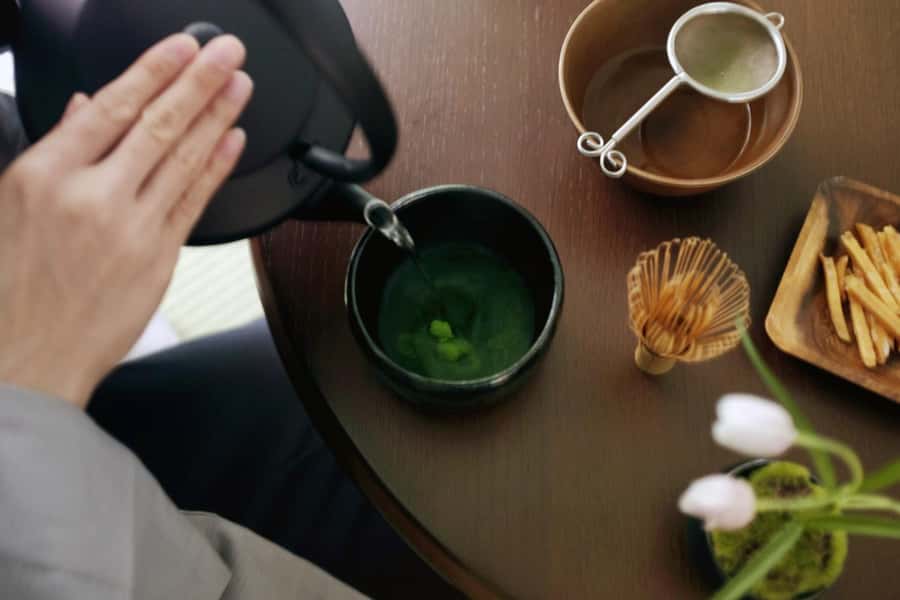
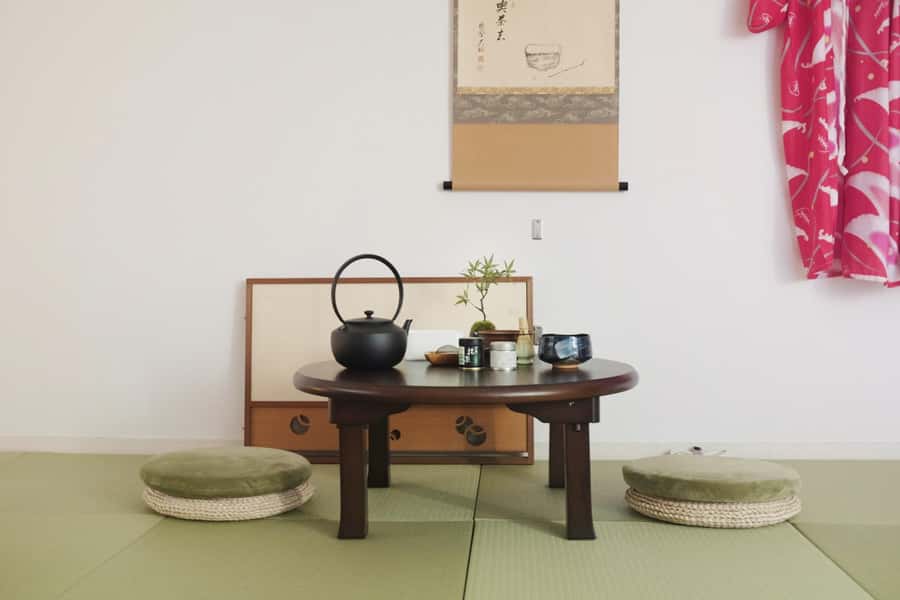
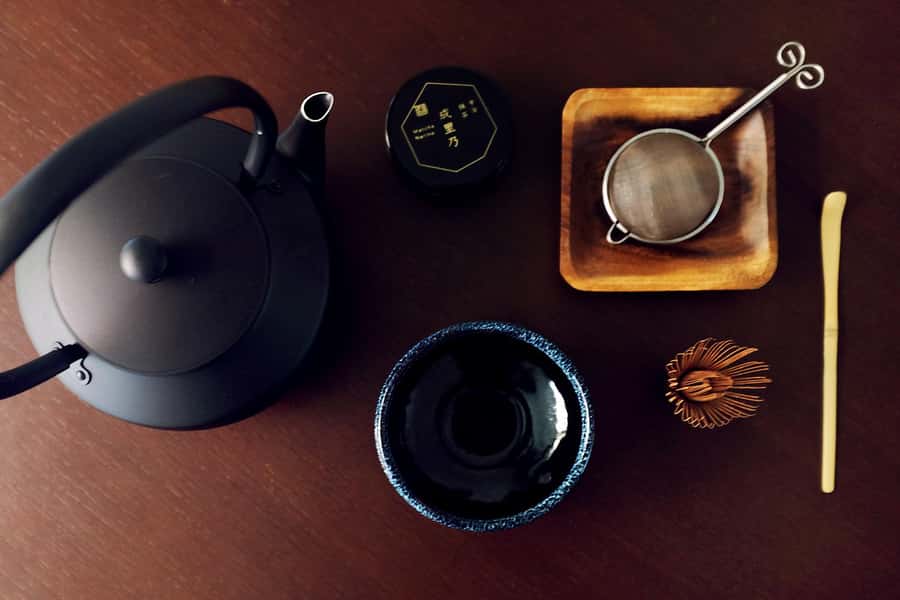
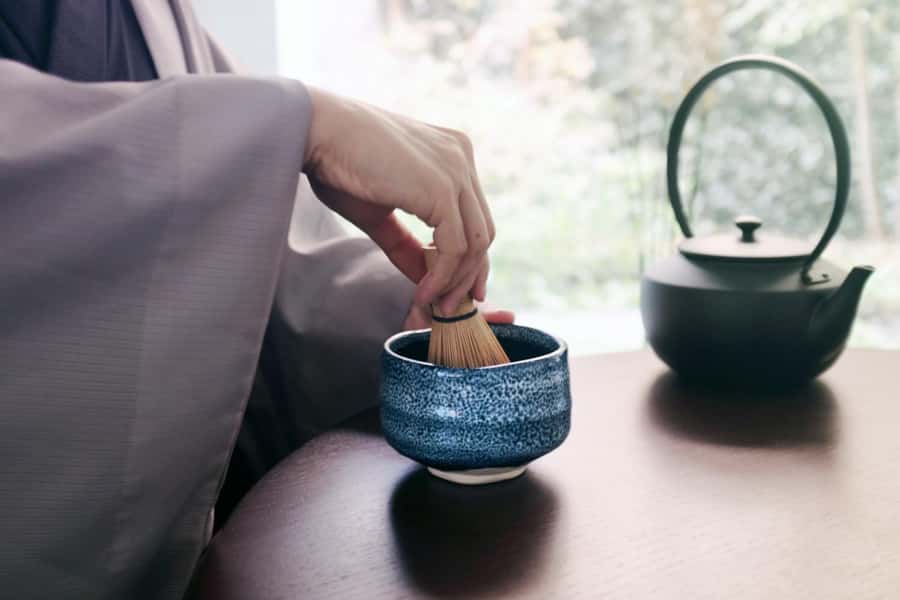
The hands-on section is the heart of the activity. After the lecture, you use tea ceremony tools to prepare a bowl of matcha yourself.
You learn four key points for making a good bowl at home. The supplied information does not list each point by name, so you should not expect a printed four-step formula in advance. What is clear is that the lesson focuses on practical technique, not only on watching the instructor.
This is valuable because matcha looks simple until you try to make it. Measuring the powder, adding water, and whisking require more attention than putting a tea bag in a mug. You get a chance to see how the tea changes as you work, then taste the result immediately.
The activity includes the tea tools, so you do not need to bring equipment. The instruction is meant for beginners, but people who already enjoy matcha can still benefit from the tasting comparisons and cultural explanation.
One useful expectation: this is a lesson in preparing a beautiful bowl, not a guarantee that your first bowl will look perfect. The point is to learn the movement and understand the process. You can repeat the method at home with practice.


A personal class rather than a large show
The teaching style is one of the strongest reasons to choose this activity. Many sessions described by participants had a personal feel, with small groups and time for questions. One group had only five people, though the exact group size can vary.
Komei’s strengths are his subject knowledge, enthusiasm, and easy manner. He takes questions seriously, explains the material clearly, and uses humor to keep the lecture from becoming dry. His passion for matcha is apparent, but the class is not presented as a sales pitch.
He also helps make the kimono portion approachable. First-time wearers learn how to put on the easy version and how to carry themselves in it. That makes the activity suitable for someone who wants a first look at Japanese dress but does not want a full formal appointment.
The warm teaching style may be especially helpful if you are unsure about tea ceremony etiquette. You can ask what to do before making a mistake, and the setting appears designed for participation rather than silent observation.
There is one fair criticism to keep in mind: the clothing section may receive more attention than some participants want. If matcha is your main reason for booking, tell yourself that the session includes both subjects, and the balance may not be exactly what you would choose.
Meeting near Shinjuku, but at Yotsuya
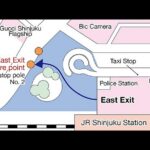
The meeting point is in front of the LUUP scooter stand next to the ACN Yotsuya Building. Look for the workshop sign and the guide waiting there.
The location is about a six-minute walk from Yotsuya Station. It is described as being next to Shinjuku, but you should plan around Yotsuya rather than walking to a Shinjuku meeting point. Check the map before leaving, especially if you are coming from another part of Tokyo.
The activity ends back at the same meeting point. That makes it easy to continue sightseeing, return to your hotel, or arrange a meal nearby without needing a separate pickup.
Punctuality is important. The booking is automatically canceled after 10 minutes of delay, and no refund is accepted in that case. Tokyo’s train system is efficient, but stations can be large and confusing, so allow time to find the right exit and walk to the building.
The session is offered in English and Japanese. Children under five are not accepted. Alcohol, drugs, loud noise, and strong fragrances are prohibited, all sensible rules for a traditional room and a tea-focused activity.
Is $57 a fair price?
At $57 per person, this is not the cheapest way to taste matcha in Tokyo. You could buy a drink for far less. The price makes more sense when you count the full package: kimono use, a tea lecture, first-flush matcha, sweets, a welcome drink, a hands-on preparation lesson, and rental of the tea tools.
You are also paying for instruction. The difference between this and a quick café stop is the chance to understand what you are drinking and prepare it yourself. If you want an activity with cultural content, the price is reasonable.
The value is strongest for first-time visitors who want several small introductions in one booking. You receive an overview of tea, matcha, kimono, and ceremony rather than paying separately for each subject.
The value is weaker if you only want a formal tea ceremony with little explanation, or if you already have extensive experience with Japanese tea. The class is built as an introduction, and the lecture is an important part of the time.
Cancellation is free up to 24 hours before the activity, and you can reserve while paying later. That helps if your Tokyo plans are still shifting, but it does not change the strict 10-minute late-arrival rule.
Who should book this activity?
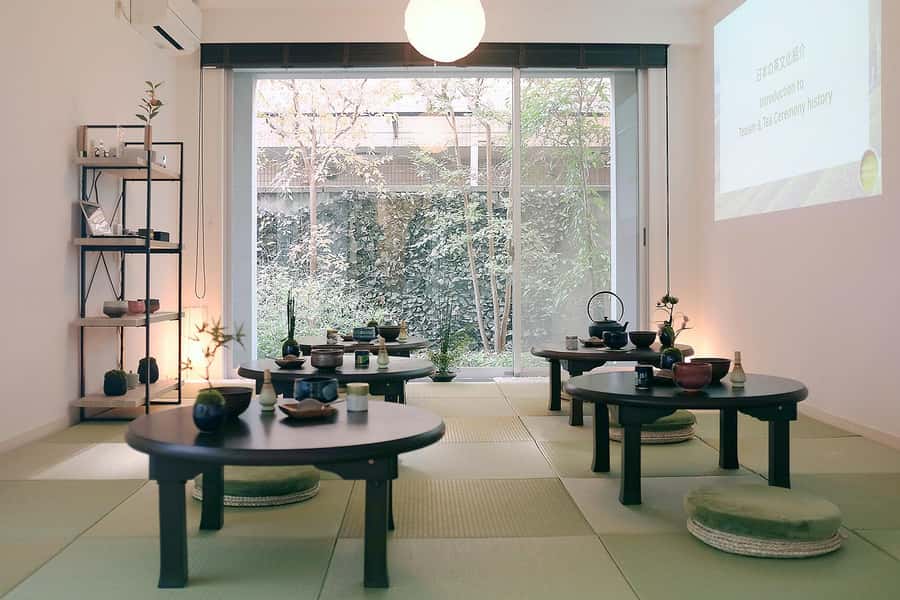
I would recommend it to you if you want a friendly first introduction to Japanese tea culture. It suits couples, friends, families with children over five, and solo visitors who enjoy learning by doing.
It is also a good match for anyone who likes food and drink workshops. The tasting gives you something to compare, while the preparation lesson gives you a skill to take home. Matcha fans will appreciate the attention to tea quality, and beginners will have enough explanation to follow along.
You should think twice if your priority is a long, formal, highly traditional ceremony. The easy-wear kimono and conversational format make this more accessible, but they also mean it is not the same as attending a formal tea school.
You should also allow for the possibility that the kimono portion will take more time than expected. People especially interested in matcha may wish for more whisking and tasting time. That is the clearest tradeoff in an otherwise well-rounded class.
Should you book the Matcha and Kimono Experience?
Book it if you want a compact cultural activity near Shinjuku that combines tasting, history, clothing, manners, and hands-on tea preparation. The first-flush tea, comparison of genuine and imitation matcha, and chance to prepare your own bowl give the $57 price real substance.
I would choose this over a basic tea demonstration because you take part rather than only watch. Bring socks, arrive well before the meeting time, and expect a balanced class in which kimono and tea share the spotlight.
Skip it if you want only a quick cup of matcha or a formal ceremony with no lecture. For everyone else, Komei’s warm instruction and the practical home-preparation lesson make this a useful and memorable way to meet an important part of Japanese culture.
FAQ
Where does the Matcha and Kimono Experience meet?
Meet in front of the LUUP scooter stand next to the ACN Yotsuya Building. Look for the workshop sign and the guide.
How far is the meeting point from Yotsuya Station?
The meeting point is about a six-minute walk from Yotsuya Station.
Does the activity end at the meeting point?
Yes. The activity ends back at the same meeting point.
What does the $57 price include?
It includes the matcha experience, kimono use, the teaism and matcha lecture, a matcha-making lesson, first-flush matcha, Japanese traditional sweets, a welcome drink, and tea ceremony tool rental.
Do I need to bring anything?
Bring your own socks to protect the traditional flooring.
What happens if I forget my socks?
You are asked to buy socks at the workshop if you forget to bring them.
How late can I arrive?
Your booking is automatically canceled after 10 minutes of delay from the appointment time, with no refund.
What languages are available?
The activity is offered in English and Japanese.
Are young children allowed?
Children under five are not allowed to take part.
Can I cancel for a full refund?
Yes. You can cancel up to 24 hours in advance for a full refund.
More Tea Ceremony & Matcha in Tokyo
More tours in Tokyo we've reviewed




Tea Ceremony & Matcha, compared.
 ★ 5.0Matcha Making Class in Tokyo with Authentic Japanese Sweets SetFrom $21
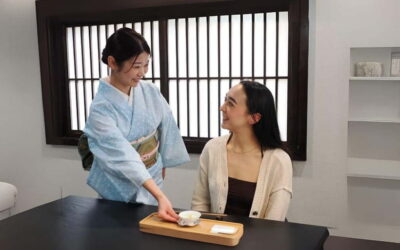 ★ 5.0Tokyo: Traditional Tea Ceremony with a Tea MasterFrom $381 hour
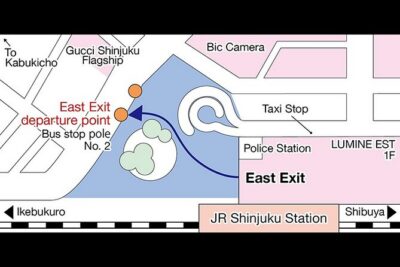 ★ 4.5Dynamic Tokyo: Tokyo Tower, Tea Experience, Bay Cruise Day TourFrom $99
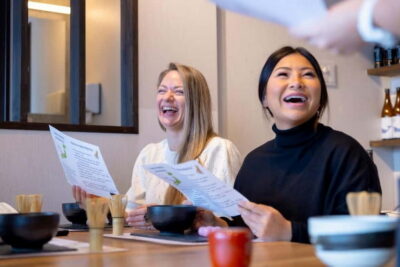 ★ 4.9Tokyo: Matcha Making Experience with Mochi Sweets in AsakusaFrom $221 hour
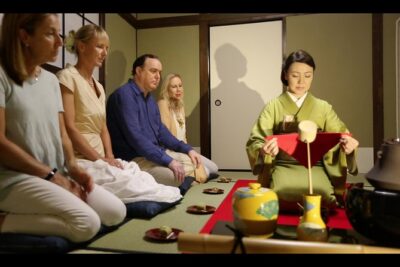 ★ 5.0Tea Ceremony Workshop in Tokyo by the Experienced InstrucorFrom $38
 ★ 4.9Tokyo: Asakusa Kimono Dressing and Matcha ExperienceFrom $562 hours