
Reviewed · TEA CEREMONY & MATCHA
Japanese Traditional Sweets making and Tea Ceremony
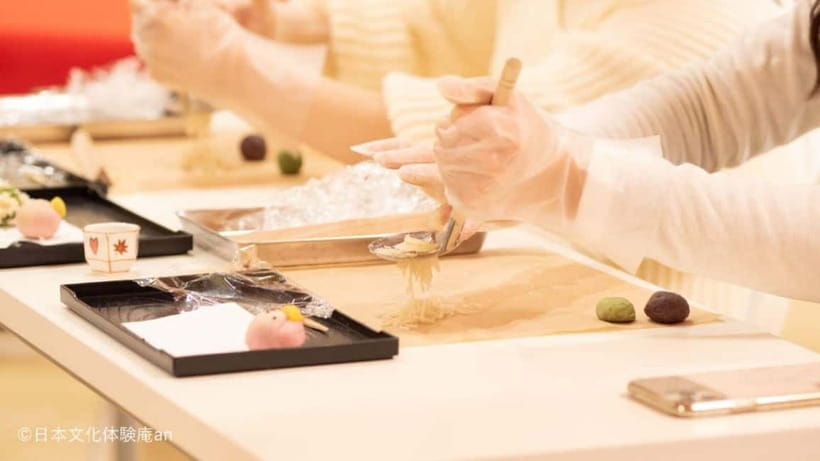
The best part of this 95-minute experience is that you do not just watch Japanese food culture from the sidelines. You color white bean paste, shape it into seasonal nerikiri sweets, then prepare matcha to drink with your own work.
I like the use of bean paste from long-established Kyoto shops, and I like the neat progression from making sweets to taking part in the tea ceremony. At $18 per person, it gives you a hands-on cultural activity without taking half a day. The main thing to consider is the language and group setup. The instructor teaches in Japanese, and one account found it hard to hear when the room was crowded, though clear demonstrations helped.
In This Review
- Key points at a glance
- From bean paste to seasonal nerikiri
- Why Kyoto bean paste matters
- The 55-minute making session
- A pause before the tea ceremony
- Grinding and preparing single-origin Uji matcha
- Picture time and the final tasting
- Is $18 good value?
- Who will enjoy this activity most?
- Location, timing, and practical planning
- The language question
- Final verdict: book it if you want to make, not just taste
- FAQ
- Where does the Japanese sweets and tea ceremony take place?
- How long does the experience last?
- What sweets will I make?
- What ingredients are used?
- Is the experience available in English?
- Can I take the sweets home?
- What happens if I need to cancel?
Key points at a glance
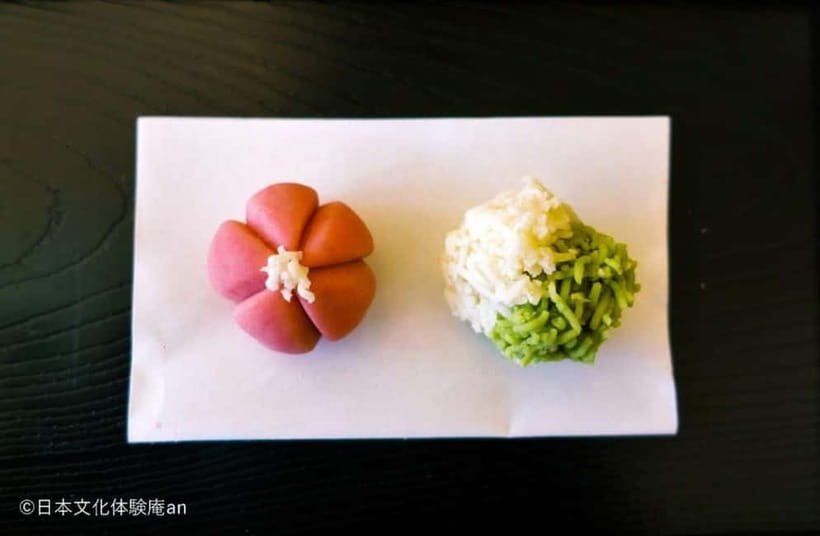
- Two seasonal sweets: Make a flower-shaped nerikiri and a kinton nerikiri using white and red bean paste.
- Kyoto ingredients: The bean paste comes from long-established Kyoto shops, giving the activity a direct link to established wagashi craft.
- Uji matcha: Watch a matcha-grinding demonstration before preparing your own tea.
- A compact cultural lesson: The full program takes 95 minutes, making it easy to fit into a Tokyo day.
- Mostly Japanese instruction: Demonstrations carry much of the lesson, while English translation can be provided as much as possible if you request it.
- Small extra costs: A take-out box costs 100 yen, and a completion certificate costs 300 yen.
From bean paste to seasonal nerikiri
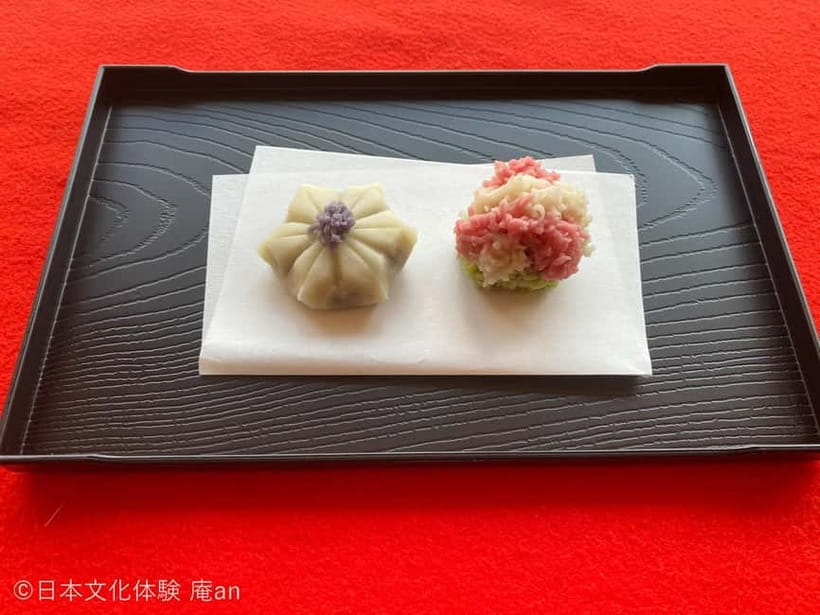
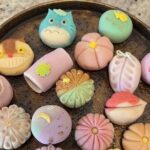
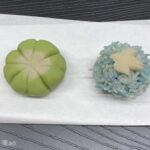
Nerikiri is a refined Japanese sweet made from colored white bean paste. It is shaped into flowers, fruit, and other seasonal forms. The appearance matters here, but the hands-on shaping is the real point. You are not simply eating wagashi from a shop window. You are learning how a soft paste becomes a carefully formed sweet.
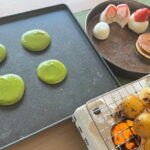
The class begins with an explanation of Japanese traditional sweets. You then color the white bean paste before moving on to the first design, a flower-shaped nerikiri. This is a useful order. Instead of handing you pre-colored pieces and asking you to copy a shape, the session lets you see how color becomes part of the sweet from the start.
The work calls for patience more than kitchen skill. You will be handling a delicate paste, so the goal is not perfect symmetry. I would treat the process as a small exercise in touch and proportion. Press too hard and the shape loses its clean lines. Work too quickly and the colors may not sit where you want them.
The second sweet is a kinton nerikiri. The two designs give you some variety, rather than repeating the same technique twice. One focuses on a defined flower form, while the kinton style has a different appearance and texture. The exact seasonal designs can change, which is part of the appeal. Japanese confectionery often follows the calendar, so the sweets connect to the time of year instead of feeling like fixed classroom projects.
A few more Tokyo tours and experiences worth a look
Why Kyoto bean paste matters
The activity uses white and red bean paste made by long-established Kyoto shops. That detail is more important than it may first sound. In wagashi, the bean paste is not just a filling hidden inside a sweet. It supplies much of the flavor and controls how easy the mixture is to shape.
High-quality bean paste tends to give you a clean sweetness that works well with the bitterness of matcha later in the program. You can taste that contrast for yourself at the end. The sweet is not designed to overpower the tea. It is meant to soften the tea’s sharper edge.
You should also expect a different kind of sweetness from the bean paste than from many Western desserts. Nerikiri is delicate and restrained. Its appeal comes from the balance of sweetness, texture, color, and form. If you prefer very rich cakes or strongly flavored desserts, the gentle bean taste may seem subtle. If you enjoy trying food where appearance and season matter, this section gives you plenty to notice.
The 55-minute making session
The first 55 minutes focus on the sweets. You receive an explanation, prepare the colors, and shape both nerikiri pieces. That is a good amount of time for a beginner because the activity is not rushed into a quick demonstration followed by an immediate finish.
The instructor’s demonstrations are especially important because the main teaching language is Japanese. You may not catch every spoken detail, but the hand movements show the basic sequence. One attendee found the instructor helpful and patient despite difficulty with English, and another specifically praised the presenter Marie. If Marie is leading your session, you may find her presentation easy to follow through a mix of explanation and visual instruction.
Ask for English translation when you book or before the session begins. It is offered as much as possible, but it is not presented as a fully English-led class. You should arrive ready to watch closely and copy the technique. That is not necessarily a weakness. For a visual craft such as nerikiri, a clear demonstration can communicate more than a long explanation.
The one practical concern is sound. A crowded session can make it difficult to hear an instructor who continues while people are still catching up. If you need extra explanation, ask promptly rather than waiting until the class has moved on. The experience does not hold the event for late arrivals, so arriving early is also sensible.
A pause before the tea ceremony
After the sweet-making portion, the schedule includes a break at about 55 minutes. The tea section begins at about the 65-minute mark. This pause gives you a moment to reset before moving from confectionery craft to tea preparation.
The break also helps the experience feel like two connected lessons rather than one long demonstration. First, you work with the food. Then, you learn how the tea is prepared and how the two are enjoyed together. If you are booking this during a busy day in Tokyo, the structure gives you a clear stopping point before the second half.
The schedule is fairly precise:
- 00 minutes: introduction and explanation of traditional sweets
- 00 to 55 minutes: flower-shaped nerikiri and kinton nerikiri
- 55 minutes: break
- 65 minutes: explanation of tea
- 65 minutes onward: matcha-grinding demonstration and tea ceremony
- 85 minutes: picture time
- 85 to 95 minutes: eating and drinking
- 95 minutes: departure
That timing matters if you are fitting the class between other plans. Allow a little extra time around the published 95 minutes for finding the venue and leaving the room, but do not count on a delayed start if you arrive late.
Grinding and preparing single-origin Uji matcha
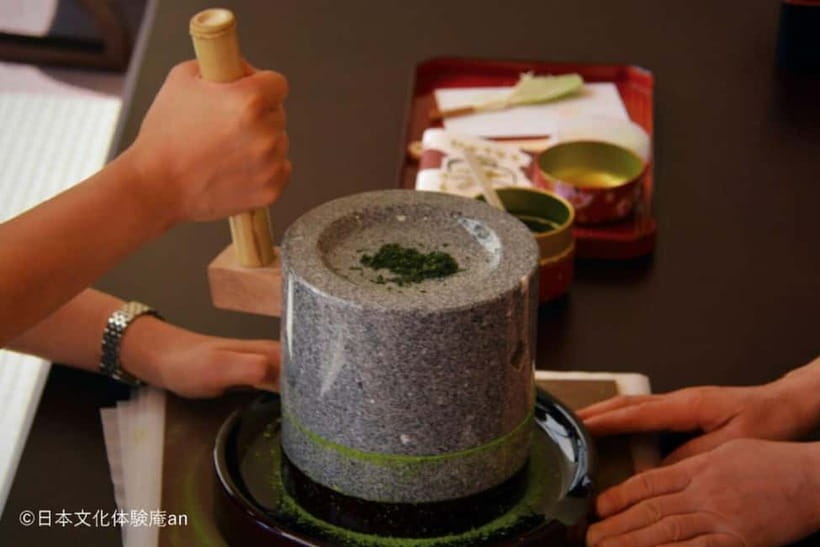
The tea portion begins with an explanation of tea, followed by a demonstration of grinding matcha. The experience uses single-origin Uji matcha, so the tea has a clear regional identity rather than being an anonymous green powder.
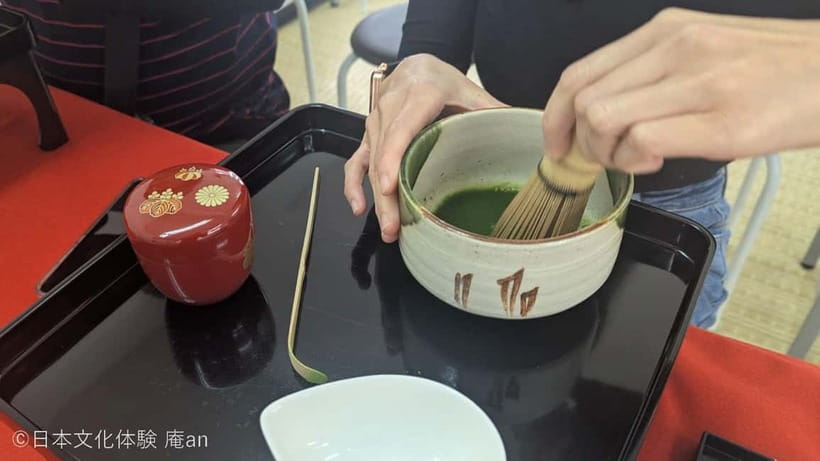
The grinding demonstration helps you understand what sits behind the final bowl. Matcha is not simply steeped like loose-leaf tea. It is ground into powder and mixed directly with water. The tea’s fine texture and concentrated flavor are part of the experience, and the demonstration gives you a chance to see that preparation before you make your own.
You then take part in the tea ceremony and prepare your matcha. The ceremony section is not described as a formal, lengthy school of tea, so I would book it as an accessible introduction rather than an advanced lesson in every rule and gesture. You will learn through the flow of the session and then drink the tea with the sweets you made.
That pairing is the clever heart of the program. The high-quality bean paste brings sweetness, while the matcha supplies a bitter, grassy counterpoint. Eating your own nerikiri alongside your own tea makes the lesson feel complete. You can connect the ingredients, the preparation, and the final taste in one sitting.
A few more Tokyo tours and experiences worth a look

Picture time and the final tasting
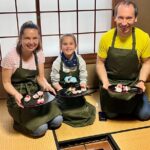
Around the 85-minute mark, there is time for pictures. This is useful because your finished sweets are part of the memory, and the activity is visually appealing. Take your photographs before eating if you want to record the details of the seasonal shapes.
The final ten minutes are set aside for eating and drinking. You are not rushed through a tasting while the instructor immediately begins clearing the room. Still, the scheduled departure comes at 95 minutes, so use the picture period wisely and do not leave every photograph until the final moments.
A take-out box is available for 100 yen if you want to carry your sweets away. It is not included in the activity price. If you want a completion certificate, that costs 300 yen. For a nominative certificate, provide the names in advance. Otherwise, a blank space is left for the name.
These extras are inexpensive, but they are worth knowing before you arrive. The core experience includes the sweet-making and tea ceremony, not packaging or paperwork.
Is $18 good value?
At $18 per person, this is good value for a hands-on cultural activity in Tokyo. You receive two sweets, a lesson in shaping them, a matcha-grinding demonstration, tea preparation, and a guided ceremony in less than two hours.
The value comes from participation rather than quantity. You are not paying for a large meal or a long guided tour. You are paying for access to ingredients, instruction, and a process you would not normally try at a casual café. The Kyoto bean paste and Uji matcha also give the tasting a more specific identity than a generic sweets workshop.
I would compare it with the cost of buying a wagashi and matcha separately. A shop visit would be quicker, but it would not show you how the sweet is made or let you prepare the tea. For anyone interested in Japanese food customs, the extra hands-on element makes the $18 worthwhile.
The value drops if you want a fully English-speaking lesson, a quiet private setting, or a long formal tea ceremony. The available information describes Japanese instruction with English support when possible. One account found the language manageable because of the demonstrations, but another found the instructor hard to hear in a crowded room. Your expectations matter.
Who will enjoy this activity most?
I would recommend this to you if you like food, crafts, and short cultural lessons. It suits first-time visitors who want something more active than a museum visit, as well as repeat visitors looking for a focused introduction to wagashi and matcha.
It is also a good choice for families with very young children, with one useful rule: children under two who sit on a parent’s lap are free. Anyone who wants to participate must have a booking, and people who are not taking part cannot enter the experience.
The activity may appeal to creative people because the coloring and shaping leave room for personal skill. You do not need to be an artist, but you should be comfortable following a visual demonstration and working carefully with a soft material.
I would hesitate to book it for someone who dislikes sweet bean paste, has little interest in matcha, or needs every instruction delivered in fluent English. The class can still be understandable through demonstration, but the language limitation is real and should not be ignored.
Location, timing, and practical planning
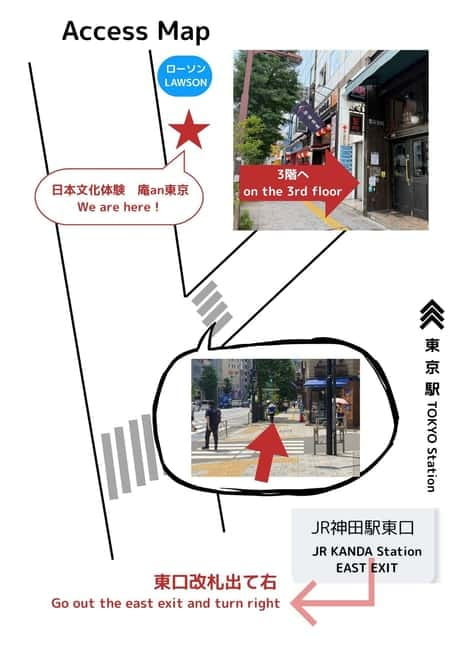
The meeting point is AN TOKYO Japanese Culture Experience, at 35.6916541, 139.7715022 in Tokyo. Use the exact venue name and coordinates when planning your route, since the activity is tied to a specific room and does not hold the event for late arrivals.
Operating hours are from 10:00 to 17:00. Reservations received after 17:00 are processed the next day. The available starting times can vary, so check the schedule before arranging other plans around the class.
I would leave a buffer before the experience rather than aiming to arrive at the last second. If you miss the start, the session cannot be held for you. The provider also does not compensate for travel costs if you cancel, so think carefully before booking a time that requires a difficult cross-city journey.
Free cancellation is available up to 24 hours in advance for a full refund. After that point, cancellation fees apply, and changing the date or time after a fee has been incurred can bring another specified charge. This is a small activity, but the booking rules are still firm.
The language question
The instructor language is Japanese. English translation can be provided as much as possible if you request it, but you should not assume that every explanation will be repeated in English.
I would treat the demonstration as the main language of the class. Watch the instructor’s hands, copy each step, and ask for clarification early. The strongest practical lesson from the available feedback is that patient teaching and clear movements can make the activity workable even when spoken English is limited.
The crowded-room issue deserves equal attention. If you cannot hear, move closer when possible or ask the instructor to repeat the step. The class continues according to its schedule, so it helps to stay engaged rather than waiting for a perfect translation.
Final verdict: book it if you want to make, not just taste
Book this experience if you want a compact, affordable introduction to Japanese wagashi and matcha. The two seasonal nerikiri designs, Kyoto bean paste, Uji tea, and final tasting give you a satisfying chain from raw ingredient to finished ritual.
I especially like that you leave with a new skill, even if it is a modest one. You learn how color and form shape a Japanese sweet, then see how sweetness and bitterness work together at the tea table.
Skip it if your priority is a fully English-led class, a private room, or a formal tea ceremony with no crowd or time pressure. For everyone else, $18 buys a thoughtful 95-minute activity with real participation and very little wasted time.
FAQ
Where does the Japanese sweets and tea ceremony take place?
The meeting point is AN TOKYO Japanese Culture Experience in Tokyo, at coordinates 35.6916541, 139.7715022.
How long does the experience last?
The full program lasts 95 minutes, including sweets making, the tea ceremony, picture time, eating, and drinking.
What sweets will I make?
You will make two seasonal Japanese sweets: a flower-shaped nerikiri and a kinton nerikiri.
What ingredients are used?
The activity uses white and red bean paste produced by long-established shops in Kyoto. The tea is single-origin Uji matcha.
Is the experience available in English?
The instructor language is Japanese. English translation is provided as much as possible if you request it, so contact the provider if you need that support.
Can I take the sweets home?
A sweets take-out box is available for 100 yen. The box is not included in the activity price.
What happens if I need to cancel?
You can cancel up to 24 hours in advance for a full refund. Reservations received after 17:00 are processed the next day, and cancellation fees apply after the stated free-cancellation period.
More Dessert Tours in Tokyo
More Tea Ceremony & Matcha in Tokyo
More tours in Tokyo we've reviewed






Tea Ceremony & Matcha, compared.
 ★ 5.0Matcha Making Class in Tokyo with Authentic Japanese Sweets SetFrom $21
 ★ 5.0Tokyo: Traditional Tea Ceremony with a Tea MasterFrom $381 hour
 ★ 4.5Dynamic Tokyo: Tokyo Tower, Tea Experience, Bay Cruise Day TourFrom $99
 ★ 4.9Tokyo: Matcha Making Experience with Mochi Sweets in AsakusaFrom $221 hour
 ★ 4.7Tokyo: Matcha and Kimono ExperienceFrom $57
 ★ 5.0Tea Ceremony Workshop in Tokyo by the Experienced InstrucorFrom $38