
Reviewed · ASAKUSA TOURS
Tokyo: Matcha Making Experience with Mochi Sweets in Asakusa
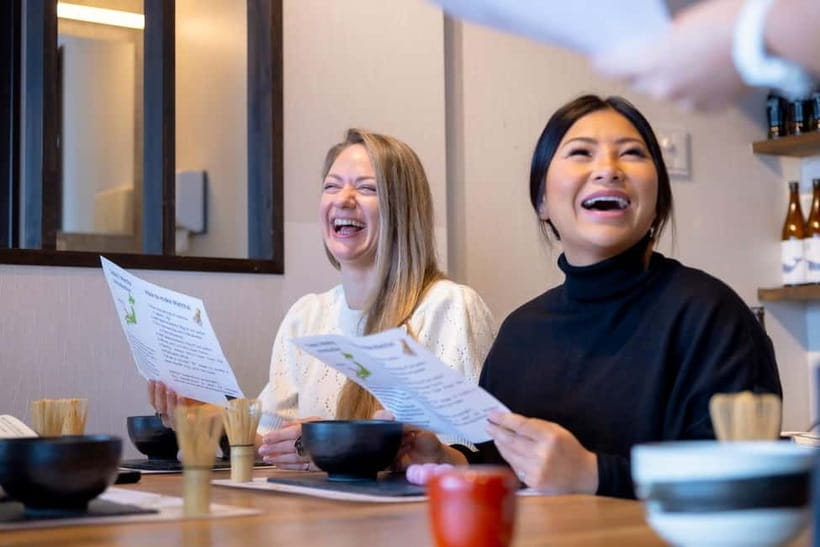
Matcha making is a fine way to slow down in Tokyo. In this one-hour Asakusa class, you learn where matcha comes from, try a lighthearted quiz, watch the proper technique, and whisk your own bowl with traditional tools. Then you drink it with Japanese sweets, usually mochi-style treats.
I like the clear English instruction and the relaxed, seated setup. I also like the price: at $22, you get a hands-on cultural activity, ingredients, an instructor, and a sweet tasting without giving up half a day. The main consideration is depth. This is a friendly introduction, not a long formal tea ceremony or an advanced lesson in Japanese tea practice.
In This Review
- Key points at a glance
- Why matcha making works well in Asakusa
- The first lesson: matcha history with a playful quiz
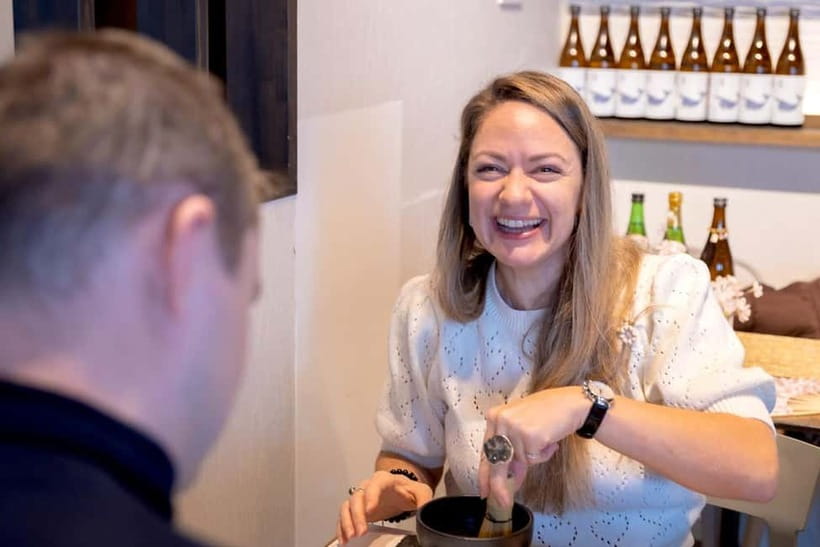
- Watching the technique, then taking the whisk
- The taste test: matcha without sugar and sweets on the side
- A seated class that suits families and mixed ages
- How the one-hour schedule fits into a Tokyo day
- The $22 question: is the class good value?
- English instruction and the human side of the class
- What to know before you reserve
- Who should book this matcha experience?
- Should you book it?
- FAQ
- How long does the matcha-making experience last?
- Where does the class meet?
- Is the activity taught in English?
- Do I need previous matcha-making experience?
- What is included in the price?
- Are hotel transfers included?
- Can solo visitors join?
- What is the cancellation policy?
Key points at a glance
- Whisk your own matcha: You handle the bamboo whisk and traditional tea tools instead of only watching a demonstration.
- A quiz makes the history easy: The class uses an interactive, humorous approach to explain matcha’s origins and customs.
- Mochi sweets balance the tea: You taste the finished matcha with Japanese sweets, a useful introduction for first-time drinkers.
- English support is built in: Hosts including Mana, Ken, Hayato, Hiyo, Yui, and others guide the class in English, depending on the session.
- Convenient Asakusa location: The Relink KAMINARIMON building is about one minute from Asakusa Station and close to Tokyo Skytree.
- Good for solo visitors and families: The seated format works for mixed ages, and solo participants can share the class with people from different countries.
Why matcha making works well in Asakusa
Asakusa is one of Tokyo’s best areas for a short cultural activity. You can walk from the station toward Senso-ji, explore old-style shopping streets, and then pause for a tea lesson before continuing toward the Sumida River or Tokyo Skytree.
That setting matters. Matcha can feel abstract if you only buy a green drink from a café. Here, you connect the powder to Japanese customs, tools, manners, and sweets. The class gives you a small piece of food culture without requiring the formal dress, quiet ritual, or long kneeling session of a traditional tea ceremony.
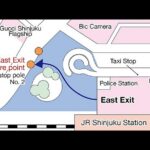
The meeting point is the Relink KAMINARIMON building, 6th floor, at 35.710774, 139.7956532. It is listed as one minute from Asakusa Station, so this is easy to fit between sightseeing stops. I would still allow a few extra minutes to find the building and reach the correct floor, especially if you are arriving during a busy Tokyo day.
There is no hotel pickup or drop-off. That is not a serious problem here because the activity is in a central sightseeing district, but you need to plan your own route.
A few more Tokyo tours and experiences worth a look

The first lesson: matcha history with a playful quiz
The class begins with an introduction to matcha and its place in Japanese culture. Rather than launching into a solemn lecture, the hosts use a light quiz and interactive questions to get you involved.
I like this approach for two reasons. First, it helps you remember basic facts without turning the hour into a school lesson. Second, it gives the instructor a chance to read the room. Families, couples, solo participants, and people who have never tasted matcha can all take part at their own level.
The historical portion is brief, so keep your expectations in check. You will gain useful background on the drink and the customs around it, but this is not a specialist course in Japanese tea schools, cultivation, or regional production. For most visitors, that is the right tradeoff. You get enough context to understand what you are doing, then move quickly to the hands-on part.
Several sessions have been led by hosts praised for their energy and humor, including Mana, Ken, Hayato, Rino, Hiyo, Yui, Midori, Honoka, Moe, and Miyu. Your instructor may be different, but the format is designed around friendly English guidance rather than silent observation.
Watching the technique, then taking the whisk
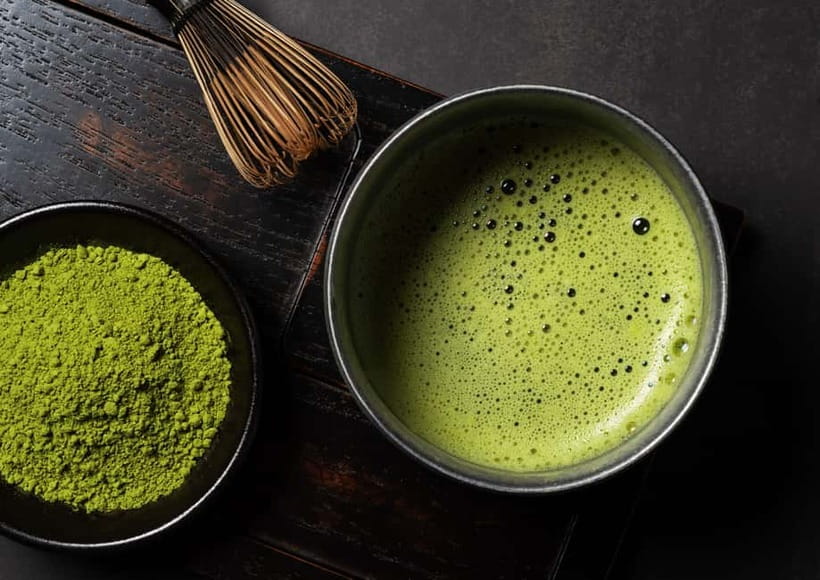
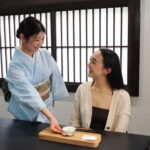
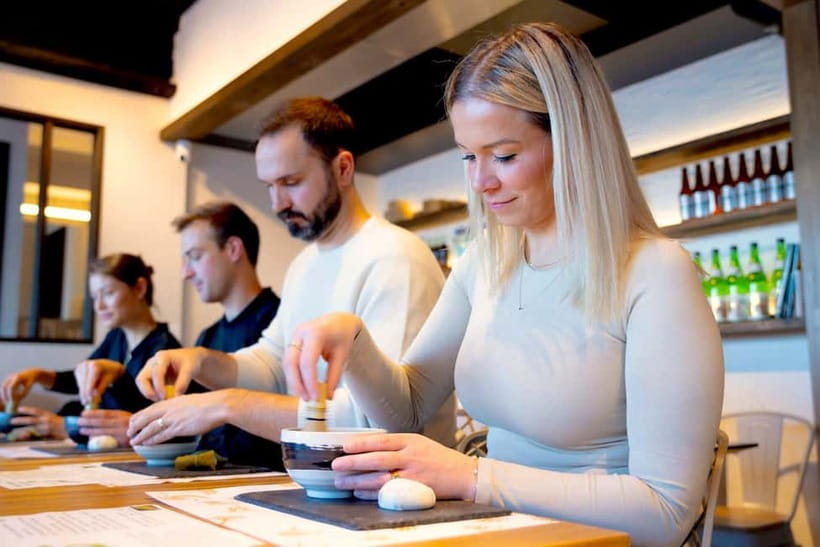
After the introduction, the instructor demonstrates how to prepare matcha. You see how the powder and water are combined, how the bamboo whisk is held, and how the tea is worked into a smooth, foamy drink.
Then it is your turn. Ingredients and the cooking class are included, along with the instructor’s help. You do not need previous experience, and the teaching is intended for beginners. The point is not to produce a perfect bowl on the first try. It is to learn the basic movement and understand why the tools matter.
This is where the activity earns its price. A standard cup of matcha in Tokyo may cost less, but it will not teach you how the drink is made. A longer tea ceremony may offer more ritual, but it can cost much more and may be less relaxed for families or first-time visitors. Here, you get to make the tea yourself and leave with a technique you can repeat at home.
The hands-on format also keeps the hour moving. You are not just listening to an instructor describe tea preparation. You are measuring, whisking, looking at the texture, and tasting the result. Some participants find the first bowl surprisingly good. Others discover that the whisking takes a little practice. Both outcomes are useful.
The taste test: matcha without sugar and sweets on the side
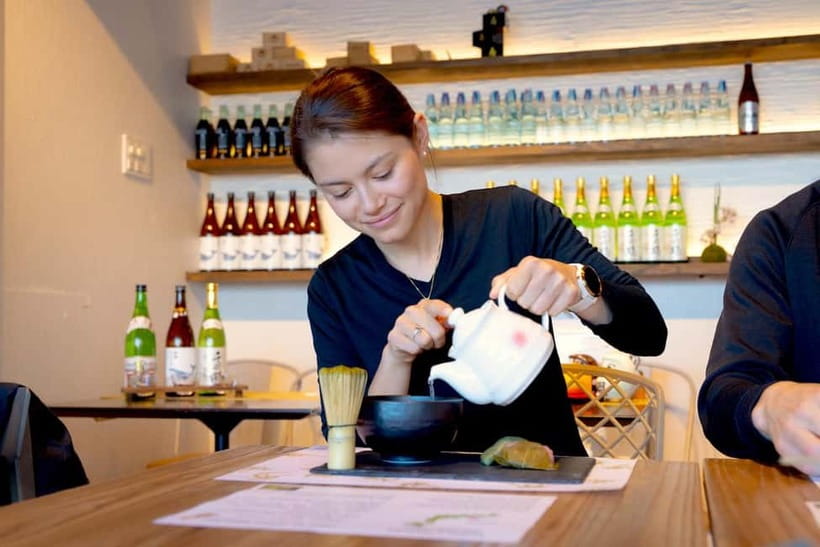
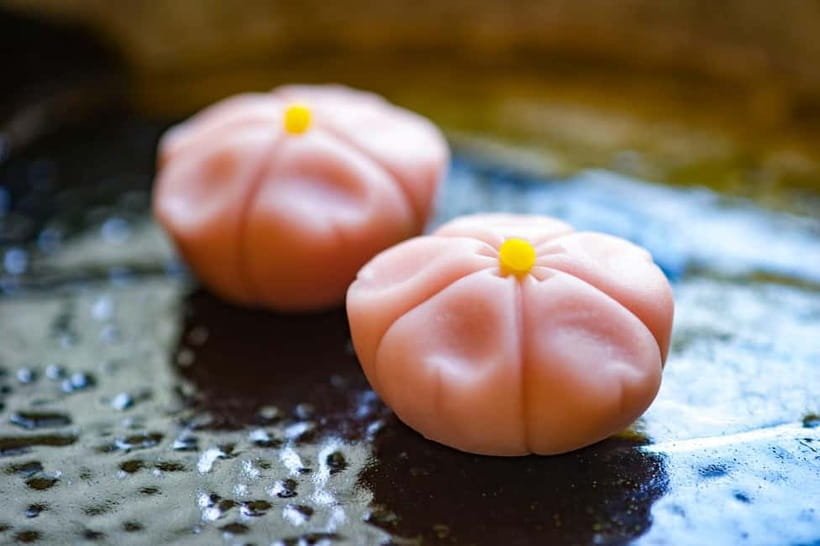
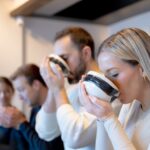
Once you prepare your bowl, you drink it with traditional Japanese sweets. The sweets are an important part of the experience because they soften matcha’s bitter, grassy edge and show how Japanese tea is traditionally paired with something sweet.
Do not expect a sugary café-style matcha latte. The class focuses on matcha as tea, generally without sugar. That makes the tasting more revealing. You notice the tea’s texture and bitterness, then the sweet changes the balance in your mouth.
If you already enjoy matcha, this is a chance to pay closer attention to preparation. If you normally avoid it, the sweets give you a friendly way in. The activity is not only for matcha fans. Its introductory nature makes it suitable for anyone curious about Japanese food customs.
The portion of sweets is best viewed as a tasting rather than a meal. Eat before or after if you need lunch. The class lasts one hour, and its focus is tea, technique, and cultural explanation.
A seated class that suits families and mixed ages
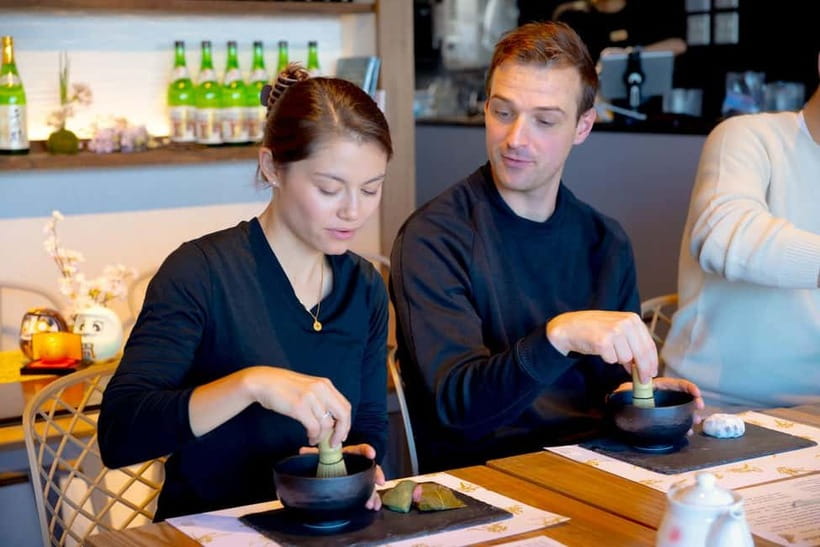
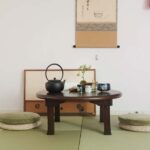
The class takes place in a seated environment. That detail is more important than it sounds. Traditional tea ceremonies can involve kneeling or sitting on the floor, which is not comfortable for everyone. Here, you can focus on the explanation and the whisking without worrying about maintaining a formal position.
The format has worked well for mixed-age groups. A 74-year-old parent and a 23-year-old adult child can enjoy the same lesson, and children can take part in the quiz and hands-on preparation. Families should find the activity manageable because it is short, structured, and not dependent on advanced Japanese language skills.
Solo visitors also have a good reason to choose this class. You join a shared activity rather than sitting alone with a guide. The quiz and preparation give you natural points to talk with other participants, and the one-hour length makes the social element feel easy rather than forced.
The only limitation is that the exact group size is not provided. If you prefer a private lesson or a highly personal tea master session, confirm the arrangement before booking. This experience welcomes groups and solo participants, but it is presented as a shared class.
A few more Tokyo tours and experiences worth a look
How the one-hour schedule fits into a Tokyo day
One hour is both the strength and the limit of the activity.
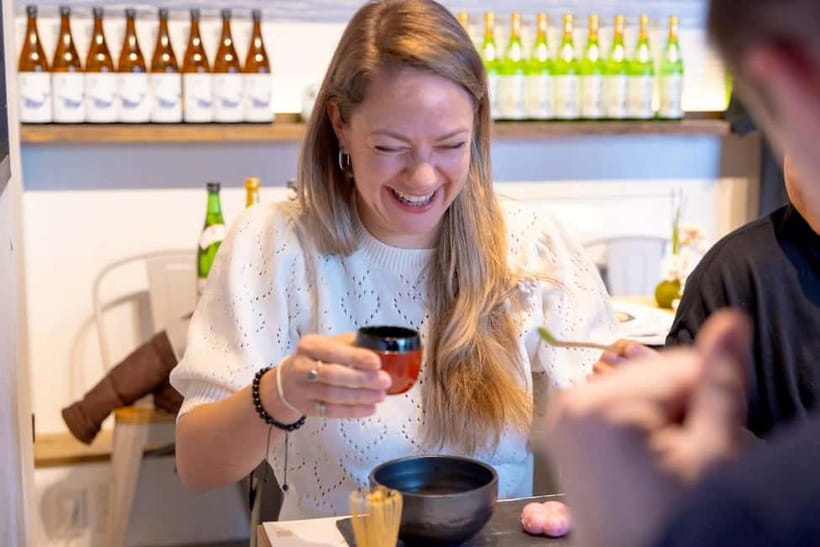
It is long enough for the basic sequence: introduction, quiz, demonstration, personal preparation, tasting, and sweets. It is short enough to place before or after major Asakusa sights. You could schedule it around a visit to Senso-ji, a walk near the Kaminarimon gate, or an outing toward Tokyo Skytree.
I would avoid booking it at the far end of a tightly timed day. Tokyo station transfers and sightseeing stops can take longer than expected, and you do not want to rush into a cultural class. Since starting times vary, check availability and leave room for transport.
The compact schedule also means you should not expect a full day of tea culture. There is no stated tea garden visit, meal, hotel transfer, or extended ceremony. If those are priorities, you need another type of activity. If you want a practical introduction that leaves room for the rest of Tokyo, the short format is a real advantage.
The $22 question: is the class good value?
At $22 per person, this is a strong-value activity for central Tokyo. The cost includes the class, ingredients, instructor, matcha tasting, and Japanese sweets. You are paying for participation rather than simply buying a snack.
I especially like the value for first-time visitors who want one authentic food-related activity but do not want to commit to a multi-hour cooking course. You receive cultural context, a demonstration, a chance to practice, and a finished drink in about the time it takes to visit one major attraction.
The price also works well for families, though each person who participates needs a booking. Solo visitors avoid the usual concern that a short activity may feel expensive without companions because the format welcomes individual participants.
There are two limits to the value. The experience does not include transportation, and it does not appear to include take-home matcha or equipment. One session has offered the chance to buy matcha-making equipment afterward, but treat that as an optional extra rather than part of the package.
The other limit is depth. If you have already studied tea ceremony or regularly prepare high-grade matcha, you may find the lesson basic. For a beginner, that simplicity is exactly why the class works.
English instruction and the human side of the class
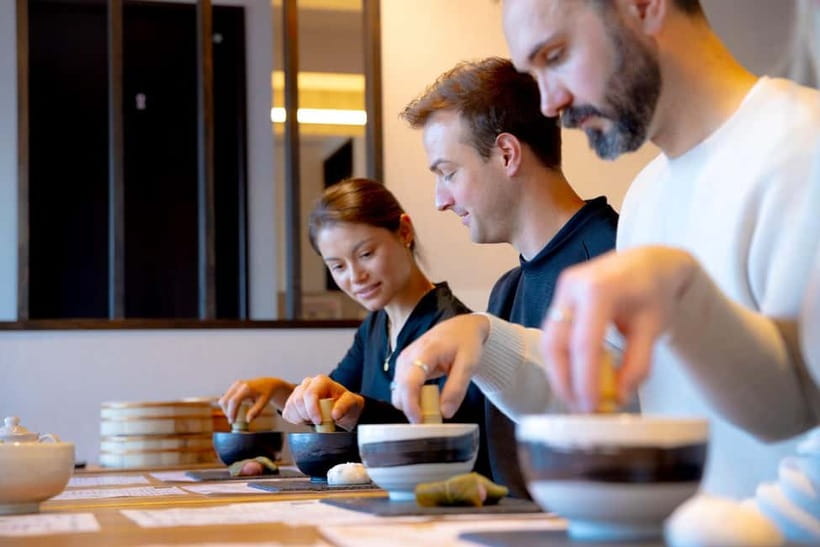
The staff teach in English, which makes the experience much easier for international visitors. Clear instructions matter when you are learning a physical technique. You can ask how to hold the whisk, how much to stir, and what the finished tea should look like.
The hosts are also part of the value. The best sessions appear to depend on a lively instructor who can explain tradition without making it stiff. Mana is repeatedly described as energetic, funny, and patient. Ken is praised for making the class interactive, while Hayato has been noted for guiding participants through matcha history, preparation, and tea etiquette in a welcoming way.
Names and instructors can change, so do not book solely to meet one particular host. Still, the pattern is useful: this is designed as a social, approachable class, not a formal performance where you sit quietly and watch.
The tone may not suit someone seeking strict ceremony. If you want silence, precision, and a highly formal presentation, this class may feel casual. If you want to ask questions, laugh a little, and learn by doing, the relaxed style should suit you.
What to know before you reserve
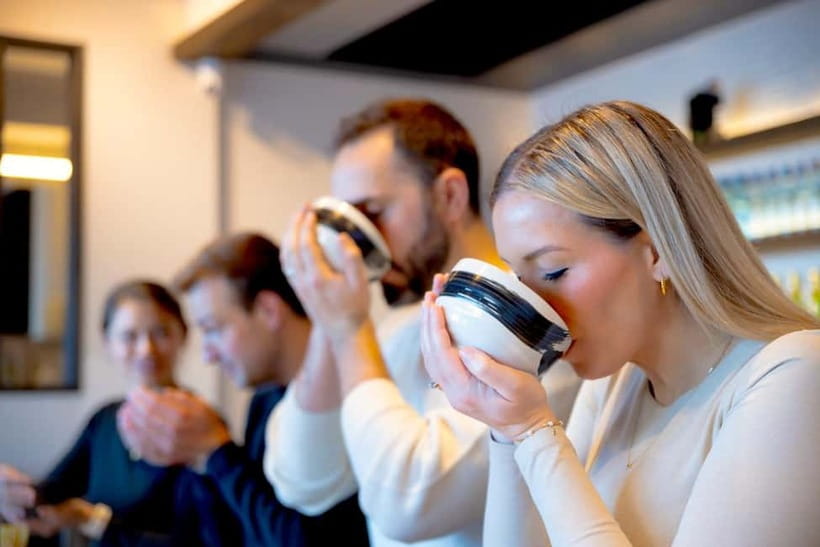
Book this activity when you want a short cultural break in Asakusa, not when you need a full meal or a long culinary workshop. Wear something comfortable for a seated lesson and arrive with enough time to locate the building.
The class welcomes solo visitors and groups. Instruction is in English, and no previous matcha experience is needed. The meeting point is close to Asakusa Station, but hotel transportation is not included.
Cancellation is flexible if your plans change: you can cancel up to 24 hours before the activity for a full refund. You can also reserve now and pay later, which is useful when you are still adjusting a Tokyo itinerary.
Who should book this matcha experience?
I would recommend it most strongly to:
- First-time matcha drinkers who want to understand the tea rather than simply order it
- Families looking for a short, seated activity that children can follow
- Solo visitors who enjoy meeting people through a shared class
- Couples seeking a calm cultural stop in Asakusa
- Visitors with limited time who want a hands-on experience under two hours
- Anyone curious about Japanese sweets, tea etiquette, and traditional preparation
I would be more cautious if you want a private class, a full formal tea ceremony, a substantial meal, or advanced instruction. The experience is an accessible starting point, not a complete study of Japanese tea culture.
Should you book it?
Yes, if you want an affordable and friendly introduction to matcha near Asakusa. The strongest reasons are the hands-on whisking, clear English instruction, playful history lesson, and the chance to taste the tea with Japanese sweets.
The one-hour length keeps the activity useful for a busy Tokyo schedule, while the seated format makes it comfortable for families and older adults. Just remember that it is an introduction. If you accept that, $22 buys a genuine cultural activity and a skill you can try again when you return home.
FAQ
How long does the matcha-making experience last?
The activity lasts one hour. Starting times vary, so check availability when choosing a session.
Where does the class meet?
It meets at the Relink KAMINARIMON building on the 6th floor, about one minute from Asakusa Station. The listed coordinates are 35.710774, 139.7956532.
Is the activity taught in English?
Yes. The instructor and local staff provide English-language guidance.
Do I need previous matcha-making experience?
No. The class is designed for beginners, and the staff guide you through the preparation.
What is included in the price?
The $22 price includes the cooking class, ingredients, and instructor. The matcha tasting and Japanese sweets are part of the activity.
Are hotel transfers included?
No. Hotel pickup and drop-off are not included, so you must make your own way to the Asakusa meeting point.
Can solo visitors join?
Yes. Solo visitors are welcome, along with groups.
What is the cancellation policy?
You can cancel up to 24 hours in advance for a full refund. A reserve-now, pay-later option is also available.
More Dessert Tours in Tokyo
More Tea Ceremony & Matcha in Tokyo
More Asakusa Tours in Tokyo

More tours in Tokyo we've reviewed




Asakusa Tours, compared.
 ★ 4.8Tokyo: Japanese Dance Cabaret Theater Asakusa-Kaguwa TicketFrom $492 hours
 ★ 4.7Tokyo: Meiji Shrine, Asakusa, Skytree Bus Tour and CruiseFrom $12210 hours
 ★ 4.9Tokyo: Roll and Authentic Sushi Making Class in AsakusaFrom $581h 40m
 ★ 4.8Tokyo: Asakusa Walking Tour with Sensoji Temple VisitFrom $222 hours
 ★ 5.0Tokyo Asakusa Rickshaw TourFrom $42
 ★ 4.5Tokyo Panoramic 1 Day: Meiji Shrine, Asakusa, Odaiba and SKYTREE®From $85