
Reviewed · TEA CEREMONY & MATCHA
Dynamic Tokyo: Tokyo Tower, Tea Experience, Bay Cruise Day Tour
Tokyo is easiest to understand when you see it from several angles in one day. This tour moves from palace gardens and a 1,300-year-old temple to a hands-on matcha session, a river cruise, and the top of Tokyo Tower. It is a busy day, but it gives you a useful first look at a very large city.
I like the mix of old and modern Tokyo. You get temple gates, palace moats, bonsai trees, and tea preparation alongside Rainbow Bridge, Tokyo Bay, and a 360-degree view from 150 meters above the city. I also like that lunch, admissions, bus transport, and the cruise are bundled into the $99.10 price.
The main drawback is the pace. You are moving for about nine hours, and traffic can delay the schedule. The Imperial Palace stop is brief, the cruise may feel less interesting than the other sights, and the meeting point at Tokyo Station can be harder to find than the description suggests.
In This Review
- Key things to know before booking
- Why this tour works for a first day in Tokyo
- Imperial Palace: a short look at Edo-era foundations
- Senso-ji and Nakamise: Tokyo’s most rewarding walking stop
- The matcha session: hands-on, relaxed, and more useful than a staged ceremony
- Lunch: a substantial break at the Sheraton Grande Tokyo Bay
- Rainbow Bridge and the bay: Tokyo from the water
- Tokyo Tower: the strongest finale
- Guides are the heart of the experience
- Meeting point, transport, and physical demands
- Is $99.10 good value?
- Who should book this Tokyo day tour?
- FAQ
- How long does the Tokyo tour last?
- Where does the tour begin and end?
- Is lunch included?
- Is the tea stop a formal Japanese tea ceremony?
- Which Tokyo Tower admission is included?
- Can young children join the tour?
Key things to know before booking
- A nine-hour orientation to Tokyo: Cover several major districts without arranging separate trains, tickets, and reservations.
- A practical tea experience: Prepare your own matcha at Kaminari Issa rather than watching a formal ceremony performed entirely for you.
- Two strong viewing platforms: See Tokyo from the water and from Tokyo Tower’s 150-meter Main Observatory.
- Lunch is included: The Western-style buffet includes coffee or tea, with international dishes and a substantial meal.
- Guides make a big difference: Mina, Aki, Hiro, Izumi, Makoto, Kik Koo, and others have been praised for clear English, humor, historical detail, and personal attention.
- Expect a full day on your feet: Wear comfortable shoes and allow extra time at the end if traffic is heavy.
Why this tour works for a first day in Tokyo
Tokyo can feel like several cities stitched together. The Imperial Palace sits near Marunouchi’s office towers. Asakusa feels tied to older Buddhist and merchant traditions. Odaiba and the bay show the city’s newer, engineered side. Tokyo Tower gives you the broad view that connects it all.
I would use this tour early in a Tokyo stay, especially if you have only a few days. It gives you a mental map of the city, introduces several major sights, and lets you decide where to return on your own. Afterward, you will have a better sense of whether you want more temple time, gardens, shopping, museums, or waterfront scenery.
The coach saves energy and removes some of the work of navigating Tokyo’s rail system. That matters on a first visit. You can listen to explanations between stops instead of studying train maps, though road traffic is the tradeoff.
The group can include up to 40 people, but some departures are much smaller. One departure had about 12 people, which made the day easier to manage. Odd-numbered parties may share bus seats with other people, so do not expect every pair or family group to have a private row.
A few more Tokyo tours and experiences worth a look


Imperial Palace: a short look at Edo-era foundations
The day begins at the Imperial Palace area, where you see Nijubashi Bridge and the outer grounds. The palace itself is not presented as an elaborate interior visit. Instead, you get a short stop, listed at about 30 minutes, focused on the former Edo Castle foundations, stonework, moat, and garden setting.
This is useful context. Tokyo’s present-day center grew from the old castle town of Edo, and the palace grounds offer a quiet pause before the crowded streets later in the day. The East Garden includes a tea pavilion and carefully maintained grounds, though the amount of time here is limited.
I would keep expectations modest. This stop is mainly for the view and the setting, not for a long garden walk. Several people have felt that a drive-by would have been enough, while others enjoyed the outer gardens and the chance to see Nijubashi. Your guide’s explanation helps make the short stop more worthwhile.
The itinerary can change because of road conditions, entry restrictions, or traffic near the palace. In rare cases, the departure point or palace visit may be altered. Tokyo traffic can also push every later stop back, so treat the posted finish time as an estimate.
Senso-ji and Nakamise: Tokyo’s most rewarding walking stop
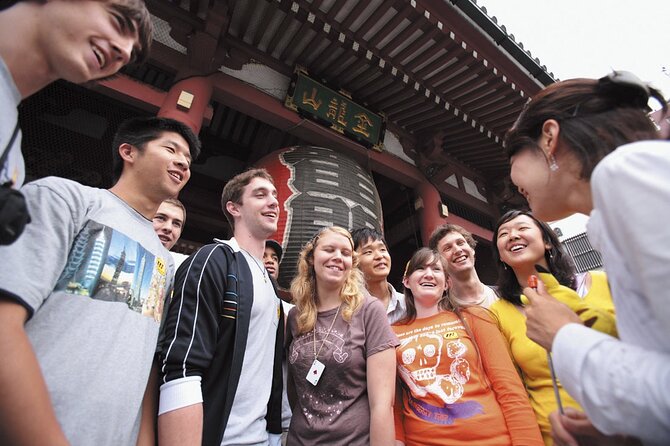
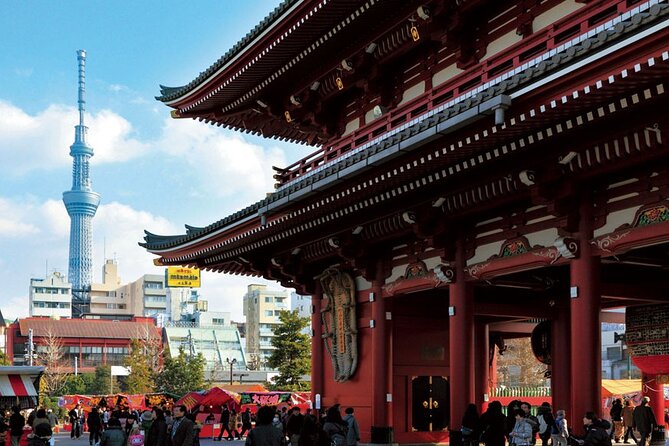
The Asakusa section gives you about an hour around Senso-ji, Tokyo’s oldest and most important Buddhist temple. You approach through Kaminarimon, the bright red Thunder Gate, associated with the god of thunder. Beyond it, Nakamise leads toward the temple with food stalls, souvenirs, handicrafts, and small shops.
This is one of the day’s best stops because you get both a major religious site and a traditional commercial street in one compact area. The five-story pagoda, temple buildings, gate, and crowds create a stronger sense of place than the quick palace stop.
You will have some time to browse, but do not expect a long shopping session. The merchandise is aimed at visitors and can feel repetitive. I would spend less time on generic souvenirs and more time looking at the gate details, incense area, temple rooflines, and the flow of people through the grounds.
Your guide can add useful background about the relationship between temples, shoguns, and the emperor. That historical framing is valuable because Senso-ji is not just a photo stop. It shows how religious practice, commerce, and Tokyo’s old city life meet in one place.
The matcha session: hands-on, relaxed, and more useful than a staged ceremony
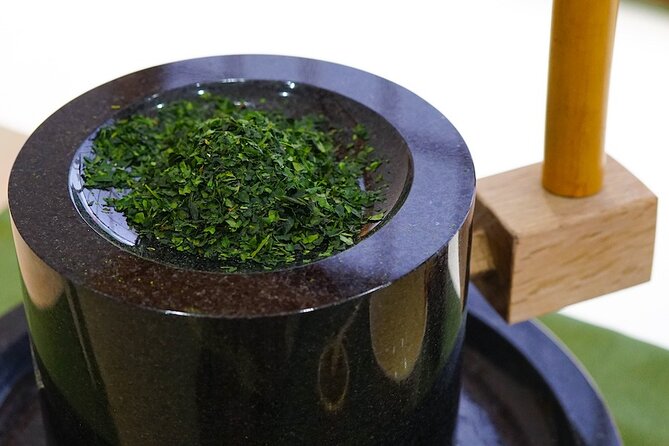
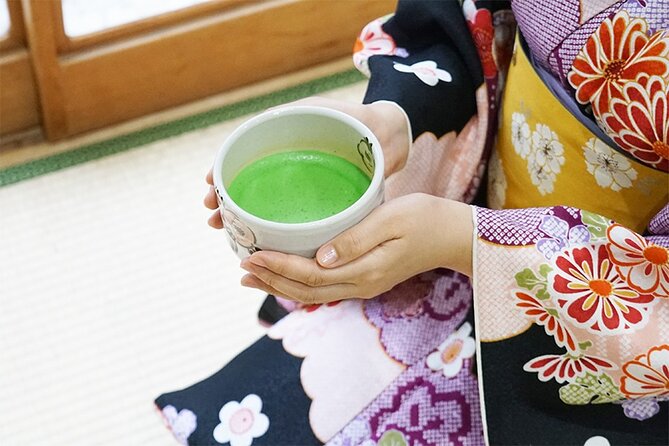
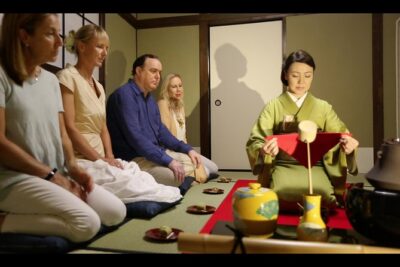
The tea segment takes place at Kaminari Issa in Asakusa, a matcha experience shop built around casual tasting. You watch a video explaining how to prepare matcha, then make your own tea. The setting also includes a garden, bonsai trees, and preserved architecture connected with the Edo period.
Be clear about what this is. It is not a formal tea ceremony with a tea master carrying out every movement while you sit silently. It is a participatory matcha lesson. That makes it less ceremonial, but often more memorable because you learn by doing.
This was one of my favorite parts of the plan. The ritual shows how much care goes into a simple bowl of tea, and the quiet garden gives you a needed change of pace after the temple streets. The bonsai displays add another layer, including a tree described as about 525 years old in the tour experience.
The tea stop lasts about an hour, enough for the preparation activity and some garden time. One useful tip is to wear shoes that are easy to walk in. You will be changing pace throughout the day, and the tour includes stairs and regular walking.
Lunch: a substantial break at the Sheraton Grande Tokyo Bay
Lunch is scheduled for about 1 hour and 10 minutes at the Sheraton Grande Tokyo Bay Hotel. The included meal is a Western-style international buffet with coffee or tea. Descriptions of the meal also refer to Japanese barbecue or hibachi-style dishes, including meat and vegetables, so the exact presentation may depend on the departure or restaurant arrangement.
This is not a quick sandwich stop. The longer lunch break gives you time to eat properly and recover from the morning’s walking. It also gives you a look at Tokyo Bay’s resort and hotel district before the afternoon water segment.
The meal is a good value addition at this price, but you should know that vegetarian requests cannot be accommodated because it is a buffet arrangement. If you have strict dietary needs, this tour may not be the right fit.
Some people especially enjoy the food, while others treat lunch simply as a convenient included meal. I would see it as practical rather than the central reason to book. The tea session, Senso-ji, and Tokyo Tower carry more of the day’s character.
A few more Tokyo tours and experiences worth a look

Rainbow Bridge and the bay: Tokyo from the water
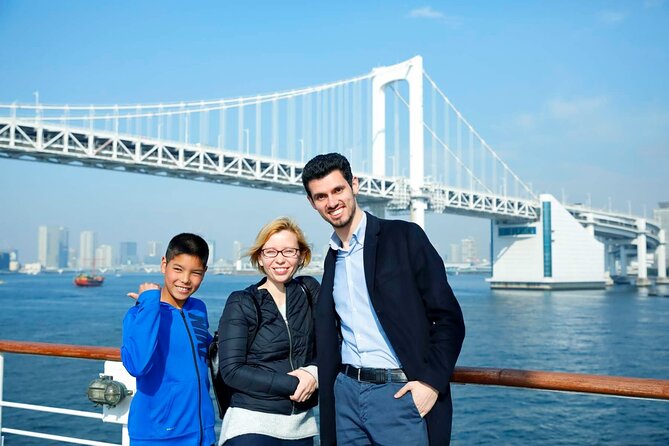
After lunch, the coach crosses Rainbow Bridge toward Hinode Pier. The route connects Tokyo’s older central districts with the newer waterfront and offers a sense of how much of the city has been built around reclaimed land and the bay.
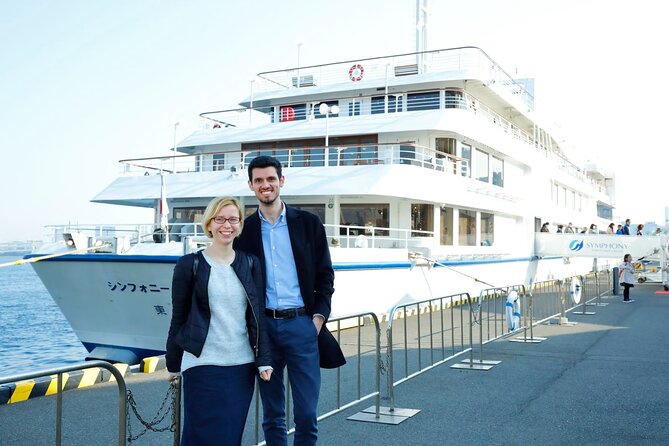
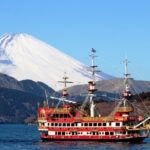
The cruise is scheduled for about 15:00 to 15:50 and includes one coffee or tea. The boat ride follows the Sumida River toward Asakusa, passing under 12 bridges. From the water, you get a different view of the buildings, bridges, and riverfront than you can find from a street or observation deck.
I like the change in rhythm. After a morning of temples and walking, the cruise lets you sit down and watch Tokyo slide past. It is also a useful way to connect the modern bay area with Asakusa, which has a much older identity.
Still, this is the least reliable part of the day for excitement. Some departures find the cruise simply pleasant, while others find it dull. The boat may remain close to shore in poor weather, and air conditioning has not always been strong on hot days. You may also have limited guide commentary during the ride, so do not expect a narrated sightseeing cruise from start to finish.
Tokyo Tower: the strongest finale
The final major stop is Tokyo Tower, Tokyo’s familiar orange-and-white landmark. The tour includes admission to the Main Observatory at 150 meters, with about 45 minutes at the tower. From there, you can look across the central city and out toward the wider metropolitan area.
The view is the payoff for the day’s movement. Earlier, you see individual streets and temples. Here, you can understand Tokyo’s scale, with dense neighborhoods spreading far beyond the immediate center. Try to identify the areas you visited earlier, including the palace district, Asakusa, and the bay.
The transparent-floor lookout is an optional thrill for anyone comfortable looking straight down. It is a small feature, but it gives the tower visit a bit of fun beyond the standard city panorama.
The included ticket covers only the 150-meter Main Observatory. The Special Observatory at 250 meters costs extra and is not included. If the higher viewpoint matters to you, budget for that additional admission and check whether it is available during your visit.
Tokyo Tower is a strong last stop because it gives the tour a clear finish. The only concern is time. If traffic delays the coach, the final schedule may be adjusted, and the tour’s end time can vary.
Guides are the heart of the experience
The strongest part of this tour is often the guide. Names associated with highly praised departures include Mina, Aki, Hiro, Yokosan, Izumi, Makoto, Kik Koo, Miyata-san, and Fuji. Their styles differ, but the best guides add history between stops, explain daily life in Japan, keep the group moving, and make the long coach rides useful.
Mina has been singled out for strong English, humor, and an easy manner. Aki is praised for careful organization, personal attention, and historical explanations. Hiro and Yokosan have also been appreciated for warmth and clear explanations. One guide even helped people understand Tokyo’s transit system after the tour.
That personal element matters on a tightly packed day. A guide can turn a short palace stop into a useful lesson, explain the gestures in the matcha activity, and help you make sense of the temple’s symbols. The quality of the day depends partly on who leads your departure, so expect variation rather than a scripted performance.
Meeting point, transport, and physical demands
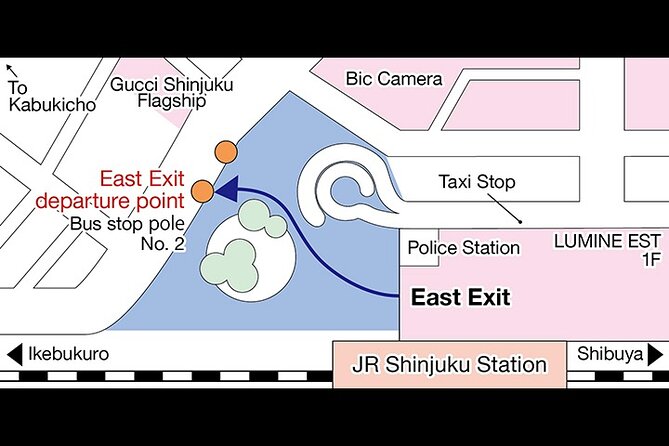
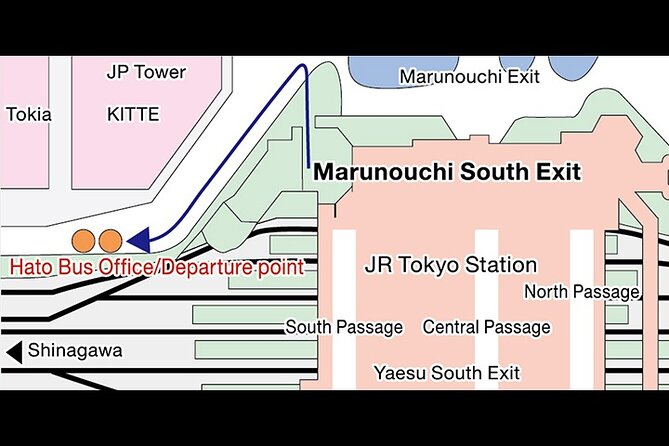
The tour begins and ends near Tokyo Station, at the Marunouchi South Entrance area. The departure instructions have caused confusion for some people because the bus meeting point and ticket collection area are not as obvious as expected. Give yourself extra time and look carefully for the tour staff rather than relying only on a map pin.
You ride an air-conditioned and heated coach, generally a hybrid bus. The bus may turn off its engine and climate control while waiting as part of the operator’s environmental policy, so conditions can vary during stops.
The tour requires moderate fitness. You will walk through temple grounds, streets, gardens, and station or pier areas, with stairs and frequent transitions. Comfortable walking shoes are essential. The day is not a slow, leisurely garden tour.
The tour returns near Tokyo Station Marunouchi South Entrance, but you are responsible for getting back to your accommodation from there. That is not difficult if you are comfortable with Tokyo’s rail system, but it is worth checking your route before the day begins.
Is $99.10 good value?
At $99.10 per person, the price is fair for the amount packed into the day. You receive coach transport, the Tokyo Bay cruise, Tokyo Tower’s Main Observatory ticket, lunch with coffee or tea, and the guided visits. Buying each major admission and arranging transport separately would take more planning, and the coach saves you from crossing the city by train several times.
The value is strongest if you are a first-time visitor with limited time. You see six very different parts of Tokyo without spending your whole day studying routes. It is also useful for families, couples, and older people who prefer a fixed plan.
The value is weaker if you dislike group schedules or already know Tokyo well. The palace stop is short, the cruise may be underwhelming, and shopping at Nakamise is limited. Independent visitors can spend longer at Senso-ji, skip the bay ride, and choose a restaurant that suits their diet.
The tour has an average rating of 4.5 from 521 ratings, with 90 percent recommending it. That matches the basic tradeoff: the itinerary is strong, the guides can be excellent, and the price covers a lot, but no nine-hour coach tour can give every stop the time it deserves.
Who should book this Tokyo day tour?
Book it if you have one to three days in Tokyo and want a well-organized introduction. It is especially helpful if you want cultural stops but also want the city views and modern waterfront scenery that a temple-only tour would miss.
It suits you if you enjoy learning from a guide, want lunch and admissions handled in advance, and can stay flexible about traffic. It is also a good choice for families that would rather avoid several train changes in one day.
Skip it if you want a formal tea ceremony, long periods for photography, special dietary flexibility, or a slow visit to each attraction. Independent visitors with more time may prefer to explore Asakusa and the palace gardens on separate days.
For most first-time visitors, I would book this near the start of a Tokyo stay. Come prepared for a full day, arrive early at Tokyo Station, wear easy walking shoes, and treat the schedule as a useful overview rather than a series of deep visits. The tea activity and Tokyo Tower are the clearest highlights, while the cruise and palace stop are best understood as supporting parts of a broad city tour.
FAQ
How long does the Tokyo tour last?
The tour lasts approximately nine hours, though traffic, weather, road restrictions, and entry conditions can change the schedule and final arrival time.
Where does the tour begin and end?
It begins at Tokyo Station in the Marunouchi area and ends near the Marunouchi South Entrance. The exact meeting instructions should be checked carefully because the departure location can be confusing.
Is lunch included?
Yes. A Western-style international buffet lunch with coffee or tea is included. Vegetarian meal requests cannot be accommodated.
Is the tea stop a formal Japanese tea ceremony?
No. The activity at Kaminari Issa is a casual matcha experience. You watch instructions on preparing matcha and then make your own tea.
Which Tokyo Tower admission is included?
The tour includes the Main Observatory at 150 meters. Admission to the Special Observatory at 250 meters costs extra.
Can young children join the tour?
Children aged 0 to 5 can participate free, but no bus seat is provided for them unless you book the child rate. Children aged 4 to 5 also incur a ¥2,700 meal charge at the restaurant. Written parental permission is required for participants under 18, and anyone under 15 or not yet in middle school must be accompanied by a parent or guardian.
More Boat Tours & Cruises in Tokyo
More Bay & River Cruises in Tokyo
More Tea Ceremony & Matcha in Tokyo
More tours in Tokyo we've reviewed




Tea Ceremony & Matcha, compared.
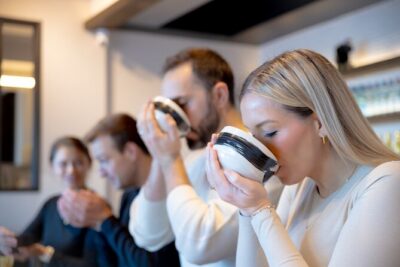 ★ 5.0Matcha Making Class in Tokyo with Authentic Japanese Sweets SetFrom $21
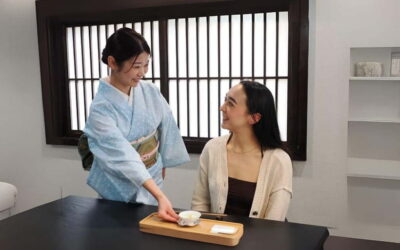 ★ 5.0Tokyo: Traditional Tea Ceremony with a Tea MasterFrom $381 hour
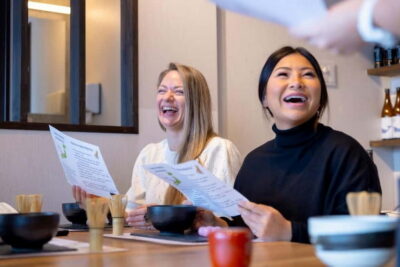 ★ 4.9Tokyo: Matcha Making Experience with Mochi Sweets in AsakusaFrom $221 hour
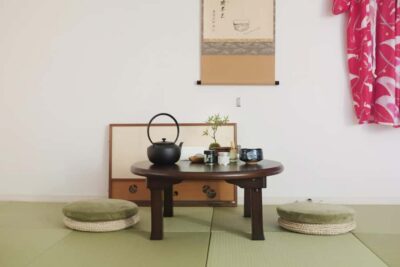 ★ 4.7Tokyo: Matcha and Kimono ExperienceFrom $57
 ★ 5.0Tea Ceremony Workshop in Tokyo by the Experienced InstrucorFrom $38
 ★ 4.9Tokyo: Asakusa Kimono Dressing and Matcha ExperienceFrom $562 hours