
Reviewed · SHIBUYA TOURS
Make Traditional Nerikiri Sweets & Matcha experience in Shibuya
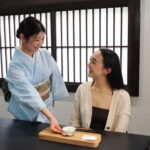
Making nerikiri is a fine-motor craft disguised as a snack. Near Omotesando, Hana guides you from bean paste and sugar to four small sweets, then serves matcha in her home. I like the hands-on format and the chance to see how an inner-city Tokyo resident lives.
I also like the thoughtful timing. The 9:00 AM class gets you moving before most shops open, and the location puts Meiji Shrine, Takeshita Street, and Shibuya Crossing within easy reach afterward. The main consideration is that this is a home-based class, not a formal tea-house ceremony, so you should expect an intimate, personal lesson rather than a grand production.
In This Review
- Key points
- Four little works of edible art near Omotesando
- What happens during the 90-minute class
- The matcha lesson is more than a drink break
- Hana’s teaching style suits families and first-timers
- A local home adds something a studio cannot
- Plan the rest of your day around the start time
- The $60 price: fair for a small, personal class
- Dietary needs and the family question
- What makes this different from a standard tea ceremony
- Booking, timing, and cancellation details
- Should you book the nerikiri and matcha class?
- FAQ
- Where does the nerikiri class meet?
- How long does the experience last?
- How many sweets will I make?
- Is matcha included?
- Is the class suitable for children and special diets?
- What start times are available?
Key points
- Four sweets to make: Choose three designs from examples, then create one of your own.
- Matcha included: Learn about matcha preparation and enjoy it with selected Japanese sweets.
- Hana leads the class: She teaches in English and Japanese and is praised for patient, clear instruction.
- Tiny group size: The maximum is four people, which gives the lesson a personal feel.
- Excellent base: Meet near CHUMS Omotesando, three minutes from Omotesando Station.
- Good for families: Children as young as seven and older adults have enjoyed the activity.
Four little works of edible art near Omotesando
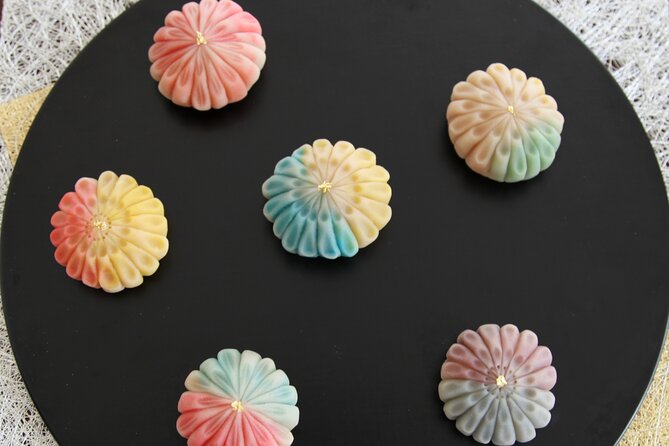
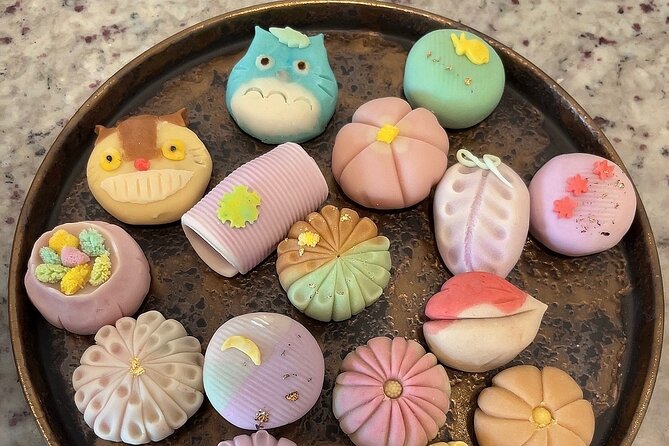
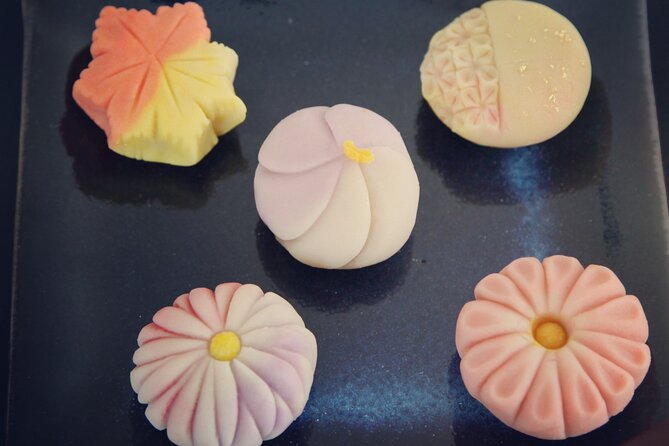
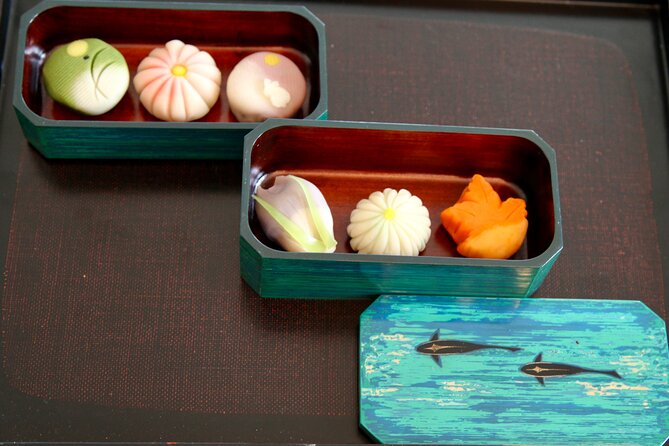
Nerikiri is a traditional Japanese confection made from sweet bean paste, sugar, and other ingredients. Its flavor is gentle and refined, but its appearance is the real hook. A finished piece may look like a cherry blossom, flower, pumpkin, character, or another seasonal design.
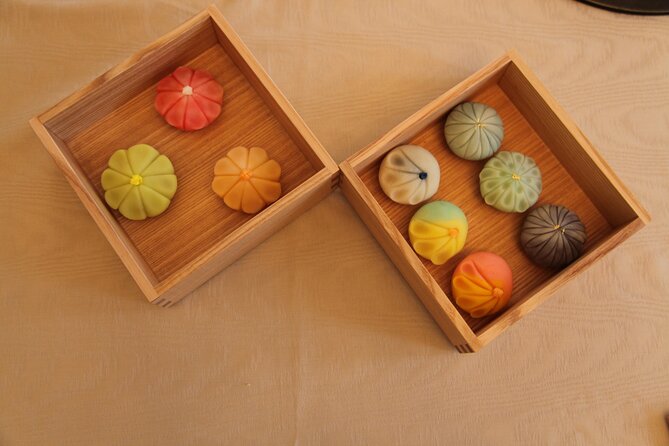
This class gives you four chances to work with the dough. You first select three shapes from sample designs. Hana demonstrates the techniques, then helps you form your own versions. The fourth piece is your chance to stop copying and make something personal.
That balance matters. A class that starts with a blank slate can feel intimidating, especially when the examples look far too pretty to reproduce. Here, you get a pattern to follow before trying your own idea. Children can make character designs such as Hello Kitty, Totoro, or Pikachu, while adults can focus on flowers, color, and detail.
The activity is creative, but it is not presented as an advanced professional course. Hana’s method is to simplify complicated-looking steps and guide you patiently. That makes it a good fit if your hands are not naturally crafty. Your sweets may not look like the samples, and that is part of the fun.
A few more Tokyo tours and experiences worth a look



What happens during the 90-minute class

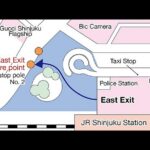
The full experience lasts about an hour and a half. You meet at 5-chōme-2-21 Jingūmae in Shibuya, across from CHUMS Omotesando and in front of the brown building. Hana then walks with you for about 30 seconds to her home.
That short walk is useful because the meeting point is easier to identify than a private residence. You should arrive at the stated location and follow the meeting instructions rather than trying to find the home by yourself.
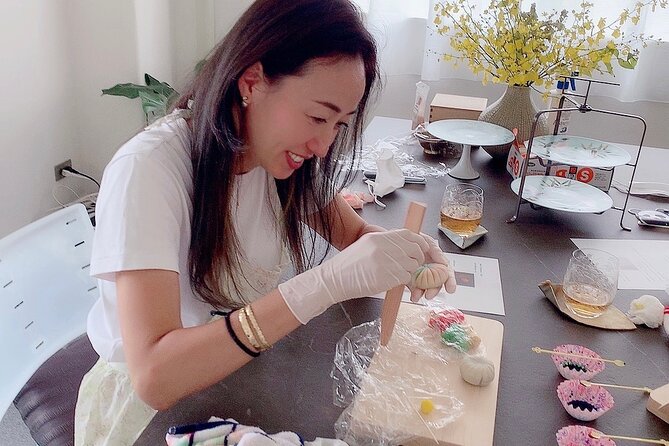
Once inside, the class begins with an introduction to nerikiri and the materials. Hana shows you finished examples and explains how the colors and shapes come together. The lesson has a calm rhythm, with time to watch, copy, adjust, and try again.
You make three designs based on the examples. Expect to use your fingers and simple tools to shape the paste, add color, and create surface details. The activity rewards care more than speed. Fine features such as hair, petals, and small marks can make a big difference in the finished piece.
The fourth sweet is your original design. This is where the class shifts from instruction to play. You can borrow ideas from the examples or make something completely different. The examples and Hana’s advice give you a safety net, but the final choice is yours.
Everything you make can be taken home. That is a useful detail if you want a souvenir that is more personal than a boxed snack from a department store. You should plan to handle the sweets carefully after class, since their appeal comes from delicate shapes and decoration.
The matcha lesson is more than a drink break
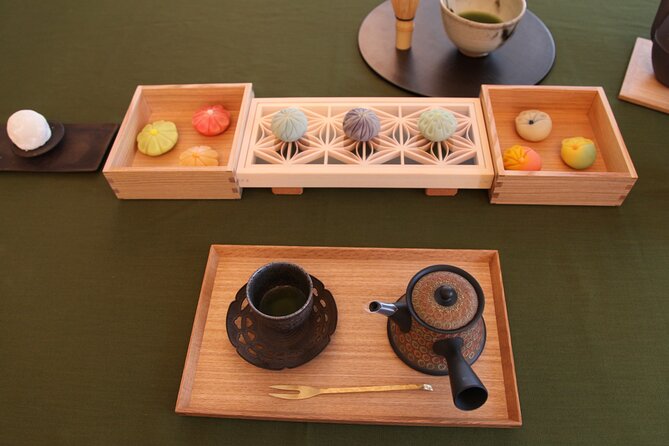
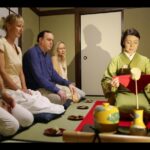
After the sweets are finished, Hana prepares matcha and explains the table-style tea ceremony. You learn how the tea is made and how it is served with Japanese sweets sourced from different parts of Japan.
This section gives the class cultural context without requiring you to sit through a long formal ceremony. You are not just drinking powdered green tea. You are learning why the sweets are presented with care and how matcha fits into Japanese hospitality.
The tea also provides a welcome pause after the focused shaping work. Nerikiri is sweet, and matcha’s bitter edge provides a useful contrast. The activity includes four sweets in total, plus a hot drink, so you have plenty to taste during the session.
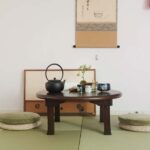
The ceremony is described as table-style, which is important for setting expectations. If you want a highly formal experience with strict movements and traditional architecture, this is not that. If you want an approachable introduction in a local home, the relaxed setting is likely the better choice.
Hana’s teaching style suits families and first-timers
Hana receives especially strong praise for patience and clear explanations. That matters here because the techniques can appear more difficult than they are. She breaks the work into manageable steps and offers help without taking over your piece.
The class has a maximum of four participants. This is one of its strongest features. In a larger workshop, you might spend more time waiting for help or trying to see a demonstration from the back. With four people or fewer, Hana can give attention to each person’s design.
Families have used the class with children aged seven, ten, eleven, thirteen, and fourteen. The feedback describes children staying focused, making detailed pieces, and enjoying the activity. Hana has also helped adults who felt clumsy at first, so you do not need an artistic background.
The class works for older adults as well. The pace is described as unhurried, and the task offers a quiet change from Tokyo’s busy streets. It is a good option for a multigenerational outing because children can enjoy the character designs while adults appreciate the craft and tea customs.
Hana speaks English and Japanese. Her experience living in the United States is also useful for English-speaking visitors who want cultural explanations without struggling through every instruction. She has offered practical suggestions for places to visit around Tokyo, too, which can make the class a handy early stop in your trip.
A local home adds something a studio cannot
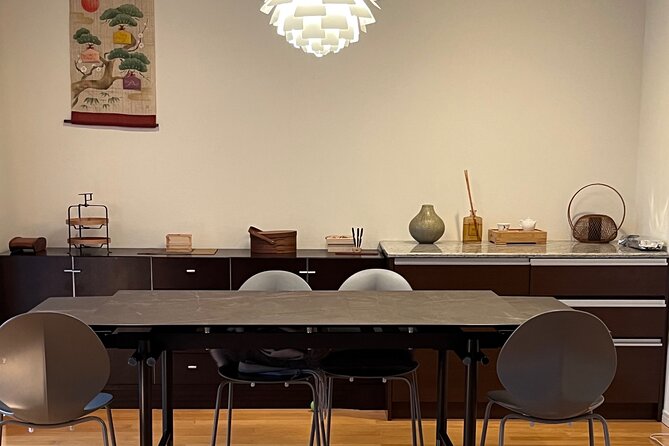
The class takes place in Hana’s home, not a commercial cooking school. That gives you a look at ordinary urban life in central Tokyo, an experience you do not get from visiting only shrines, department stores, and themed attractions.
The home setting also helps explain the warm tone of the class. You are sitting at a table, making sweets, talking, and sharing tea. It feels closer to being welcomed into someone’s personal space than joining a large sightseeing activity.
There is a trade-off. A private home may have less room and fewer polished facilities than a dedicated studio. The atmosphere is personal rather than theatrical. For me, that is a reasonable exchange, but you should book this for the human connection and instruction, not for a grand venue.
The location is in one of Tokyo’s most stylish areas. Omotesando brings wide avenues, design shops, and upscale cafés, while Harajuku and Shibuya are close by. The class gives you a calm activity in the middle of a district known for fashion and crowds.
A few more Tokyo tours and experiences worth a look


Plan the rest of your day around the start time
The available start times are 9:00 AM, 1:00 PM, and 3:30 PM. The early session is the smartest choice if you want to build a full sightseeing day around it.
Many shops open at about 11:00 AM, so a 9:00 AM class fills a quiet part of the morning. Afterward, you can head toward Meiji Shrine, walk through Takeshita Street, browse Omotesando, or continue to Shibuya Crossing. The route gives you a sensible mix of calm culture and city energy.
The 1:00 PM session works well as a break between morning sightseeing and dinner. You can visit Meiji Shrine or Harajuku first, then slow down with sweets and tea. The 3:30 PM option is better if you prefer a relaxed morning, though it leaves less daylight for nearby sights afterward.
Omotesando Station is about a three-minute walk from the meeting point. The activity also sits within walking distance of Harajuku and Shibuya, although the exact walking time to each sight is not provided. Use public transportation if you are coming from another part of Tokyo, then allow enough time to locate the meeting point.
The $60 price: fair for a small, personal class
At $60 per person, this is not the cheapest food activity in Tokyo. You are paying for a small group, a 90-minute lesson, four sweets, matcha, Japanese sweets to pair with the tea, and direct help from the instructor.
The value improves if you care about participation rather than simply eating. You leave with a skill you can try at home, four creations you made yourself, and a better sense of how Japanese sweets and tea are presented. That is more lasting than a quick tasting stop.
The four-person limit is central to the price. A private or nearly private class gives you room to ask questions and refine your shapes. Families may also find the cost easier to justify because children and adults can work side by side rather than splitting up.
I would not book it mainly for a large meal. Nerikiri is a small confection, and the emphasis is on craft, appearance, and tea etiquette. If you want a filling cooking class, search for a different type of food activity. If you want a compact cultural lesson with something beautiful to eat, the price is reasonable.
The experience has a 4.9 rating from 130 reviews, with 98 percent recommending it. Those numbers fit the strongest qualities of the class: a warm host, clear directions, a gentle pace, and designs that work for both children and adults.
Dietary needs and the family question
The activity is suitable for vegans and vegetarians according to the provided details. If you have a more specific dietary concern, contact Hana before the class. One participant noted halal concerns about alcohol-containing ingredients and received follow-up communication about possible substitutions.
That is a good model for handling food restrictions. Do not wait until you arrive. Share your needs when booking so the instructor has time to check ingredients or suggest changes.
The class is suitable for all ages, but children should be able to follow hands-on instructions and stay engaged at a table. The youngest child specifically described in the experience was seven. Younger children might enjoy it, but no minimum age is stated, so ask before booking.
What makes this different from a standard tea ceremony
A formal tea ceremony usually places the ceremony itself at the center. Here, the nerikiri lesson comes first, and the matcha portion follows as a practical cultural introduction.
That combination is the reason I would choose this activity over a tea-only visit. You learn with your hands, then taste the result alongside matcha. The sweets are not just decoration. They help you understand why Japanese confectionery pays such close attention to color, shape, season, and presentation.
At the same time, do not expect a full historical lecture or a long ritual. The supplied details promise a table-style ceremony and matcha preparation, not a complete formal tea-school performance. The strength is approachability.
Booking, timing, and cancellation details
The activity offers a mobile ticket and confirmation at booking. It is near public transportation, and the maximum group size is four people.
Free cancellation is available if you cancel at least 24 hours before the local start time. Cancellations or changes made less than 24 hours ahead are not accepted for a refund. Keep that deadline in mind when planning around Tokyo weather, shopping plans, or rail trips.
Because the class runs in a private home and has only a few places, the available times may matter more than they would for a large group tour. The 9:00 AM option is especially useful during a short stay, while the afternoon times fit a slower schedule.
Should you book the nerikiri and matcha class?
Book this experience if you want a quiet, personal introduction to Japanese food culture in the middle of Tokyo. It is especially well suited to families, first-time visitors, creative people, and anyone who prefers making something over standing in line for another attraction.
I would choose the 9:00 AM session, then continue to Meiji Shrine and Harajuku before the crowds build. The small group, four sweets, matcha lesson, and home setting make the $60 price worthwhile for a hands-on cultural memory.
Skip it if you want a full meal, a formal tea-house ceremony, or a large professional kitchen. For everyone else, Hana’s patient instruction and the chance to design your own nerikiri make this one of the more personal ways to spend 90 minutes near Omotesando.
FAQ
Where does the nerikiri class meet?
Meet at 5-chōme-2-21 Jingūmae, Shibuya, Tokyo 150-0001, Japan, across from CHUMS Omotesando and in front of the brown building. From there, the instructor walks with you for about 30 seconds to her home.
How long does the experience last?
The class lasts approximately 1 hour and 30 minutes and ends back at the meeting point.
How many sweets will I make?
You will make four nerikiri sweets. You choose three designs from sample examples and create one original design of your own.
Is matcha included?
Yes. After making the sweets, you learn about matcha and enjoy a hot matcha drink with selected Japanese sweets from different parts of Japan.
Is the class suitable for children and special diets?
The activity is suitable for all ages and is listed as appropriate for vegans and vegetarians. Specific dietary concerns should be discussed with the instructor before the class.
What start times are available?
The listed start times are 9:00 AM, 1:00 PM, and 3:30 PM. The early class can fit well before nearby shops open around 11:00 AM.
More Dessert Tours in Tokyo
More Tea Ceremony & Matcha in Tokyo
More Shibuya Tours in Tokyo



More tours in Tokyo we've reviewed











Shibuya Tours, compared.
 ★ 5.0Official Street Go-Kart in ShibuyaFrom $76
 ★ 4.9Tokyo: Street Kart Experience in ShibuyaFrom $741 hour
 ★ 5.0Shibuya Meltdown Nightlife Tour: All-You-Can-Drink Bar HoppingFrom $106
 ★ 5.0Shibuya Official Street Go-Kart in Shibuya AnnexFrom $69
 ★ 5.0Tokyo: Shibuya Food Tour (13 dishes and 4 Eateries)From $77
 ★ 5.0Best of Shibuya Food TourFrom $217