
Reviewed · SHIBUYA TOURS
Private Mochi・Matcha sweets Making Class Near Shibuya Area
Making Japanese sweets in a private home gives you something a shop demonstration cannot: hands-on time with the dough, fillings, and shaping. In about two hours, Sakura guides you through mochi or nerikiri, explains their place in Japanese culture, and may finish with matcha in her tea room.
I like the personal scale, with no more than eight people, and the way the class connects sweets to everyday Japanese customs. I also like the setting in Sangenjaya, a short walk from public transportation, rather than a crowded tourist venue. The main consideration is the resident toy poodle, Choco, so this is not a good pick if you have a dog allergy.
In This Review
- Key points to know
- Why a Sangenjaya sweets class feels different
- Meeting Sakura in a real Japanese home
- Choosing between mochi and nerikiri
- What happens during the two-hour lesson
- Matcha and the small tea room
- The value of $78.83 per person
- Who will get the most from this class
- Timing, transport, and cancellation details
- Should you book this Sangenjaya mochi class?
- FAQ
- Where does the mochi and matcha class take place?
- How long does the experience last?
- Where does the class end?
- What Japanese sweets will I learn to make?
- Is a tea ceremony included?
- How many people can join the activity?
- Is the class near public transportation?
- Are service animals allowed?
- What is the cancellation policy?
Key points to know
- Make mochi or nerikiri yourself: You learn the shaping and preparation rather than simply sampling finished sweets.
- Sakura leads the class: Her patient, attentive teaching suits beginners, families, and visitors who want cultural context along with cooking.
- Matcha is part of the experience: You can enjoy your sweets with matcha and take part in a simple tea ceremony in the home’s tea room.
- Sangenjaya keeps you near central Tokyo: The meeting point is at 1-chōme-11-13 Sangenjaya in Setagaya City, near public transportation.
- Small groups matter: The class accepts a maximum of eight people, with private instruction and group discounts available.
- Plan around the dog: Choco, a toy poodle, lives in the house. Service animals are allowed, but dog allergy concerns are clearly important here.
Why a Sangenjaya sweets class feels different

Tokyo offers plenty of food activities, but many take place in commercial kitchens built for a steady flow of tourists. This class takes you into an authentic Japanese house, where the pace is more personal and the setting feels connected to ordinary home life.
That difference matters most when you are learning a food with a delicate texture. Mochi looks simple, but shaping it neatly takes care. Nerikiri, with its carefully formed designs, also rewards a calm hand. Sakura can watch what you are doing and adjust her instructions instead of sending you through a fixed demonstration from across a large room.
The class is private and limited to eight people. The word private does not necessarily mean your own one-party booking unless that is confirmed when you reserve, but the small maximum keeps the lesson from becoming a packed group event. If you are visiting with family or friends, ask about the available group discount.
At about two hours, the experience fits well into a Tokyo sightseeing day. You will not lose an entire afternoon, yet you have enough time to cook, ask questions, eat what you make, and enjoy matcha without rushing through each part.
A few more Tokyo tours and experiences worth a look



Meeting Sakura in a real Japanese home
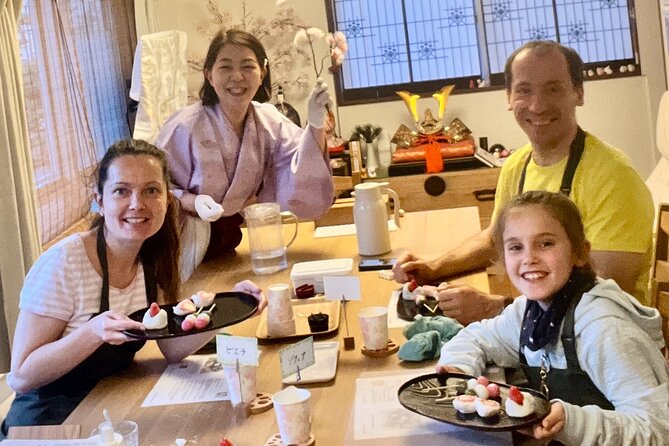
The meeting point is 1-chōme-11-13 Sangenjaya, Setagaya City, Tokyo 154-0024. The area is near public transportation, and the class ends at the same location, so you do not need to work out a second pickup point or find your way across town after the lesson.
Sangenjaya is a useful base for this kind of activity. It is close enough to Tokyo’s major sights to reach without much trouble, but the class itself is away from the feel of a large visitor attraction. You enter a home with a tea room, not a staged restaurant set.
Sakura is the instructor and host. Her teaching style, as described through the experience itself, is patient and attentive. That should help if you are new to Japanese sweets or if your children need a little extra help with the shaping steps.
You may also meet Choco, the household’s toy poodle. For some families, the dog adds a friendly touch to the visit. For anyone with a dog allergy, it is a serious practical issue, not a minor footnote. Service animals are allowed, but you should still consider your own comfort before booking.
Choosing between mochi and nerikiri
The class offers the chance to learn mochi or nerikiri. The exact choice may depend on the day, availability, and the arrangement made with the instructor, so you should not assume that every session includes both.
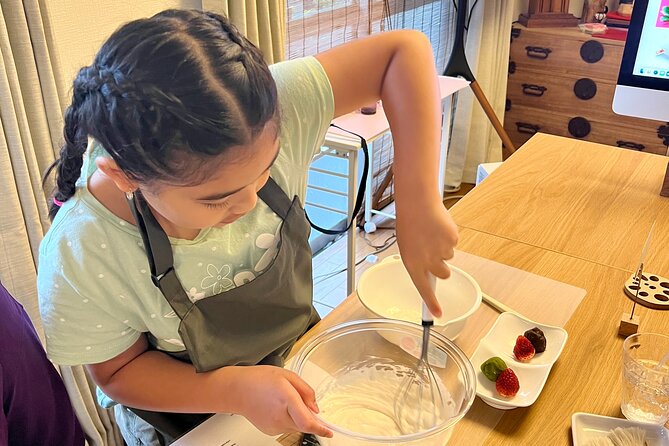
Mochi is made from pounded or prepared glutinous rice and is prized for its soft, stretchy texture. In a class setting, you get to handle the mixture, work with the filling, and form the finished sweet. That physical process explains why a fresh piece feels so different from a packaged version bought in a shop.
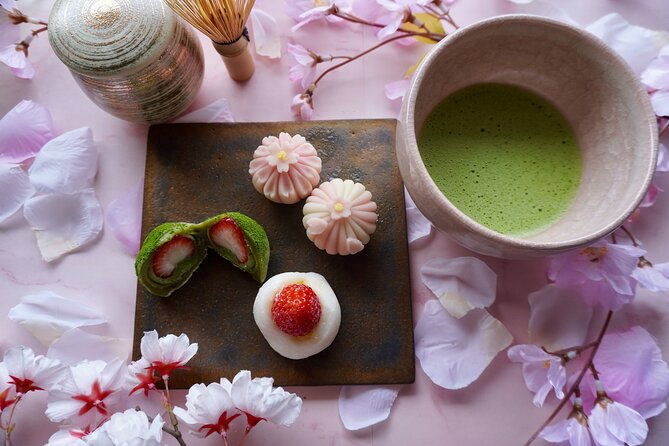
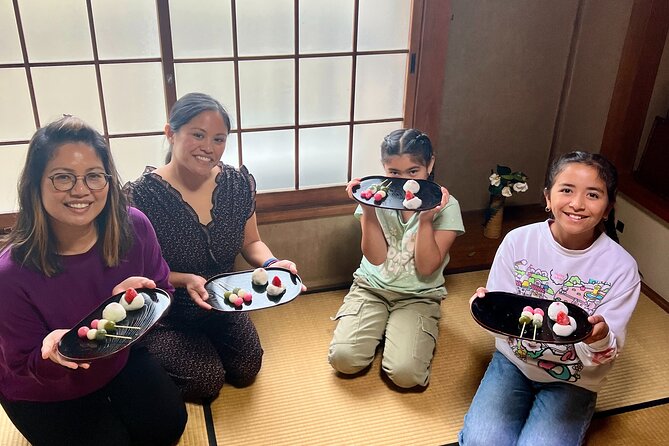
Daifuku is a filled type of mochi, and some sessions have included strawberry daifuku. One class also included two varieties of strawberry daifuku, along with shaved ice and dango. These details show that the food may vary by session, but they are not a guaranteed menu. Ask what you will make if a particular sweet matters to you.
Nerikiri is a traditional Japanese sweet often shaped into seasonal or decorative forms. It uses a smooth sweet bean paste and demands more careful shaping than the average home dessert. The visual side is part of the appeal: you are not only preparing food, but also learning how Japanese sweets can reflect nature, seasons, and ceremony.
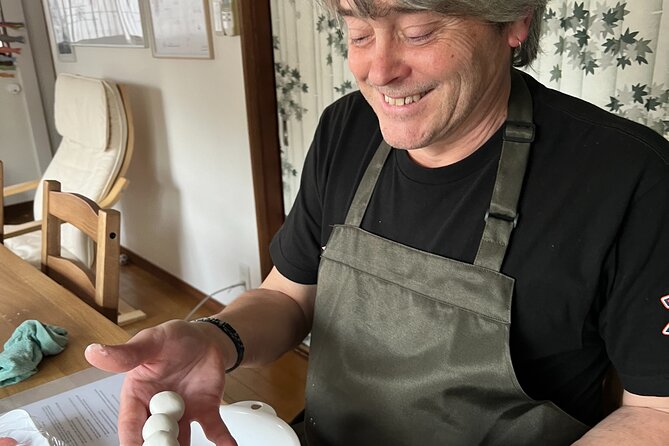
For children, mochi may be the easier entry point because the process is tactile and playful. A six-year-old has enjoyed this class with a parent, and families have used it as a way to talk about Japanese culture while making something together. Older children and adults may appreciate the finer shaping work of nerikiri.
What happens during the two-hour lesson
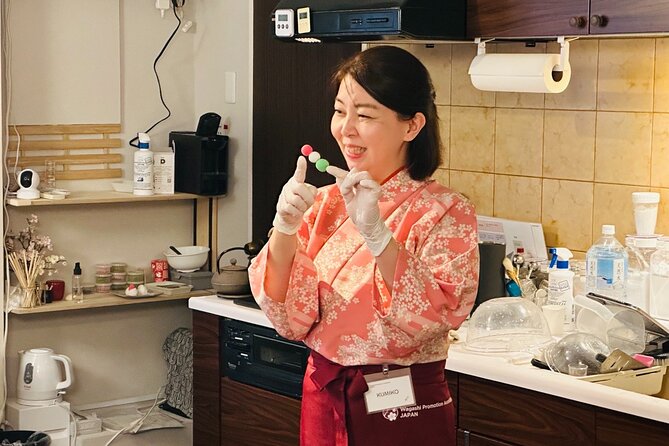
The class begins with instruction from Sakura. She explains the ingredients and the basic methods before guiding you through each stage. Since this is a small home class, you can ask questions as you go and get help when the dough or filling does not behave as expected.
You should expect a learning experience rather than a formal cooking exam. The point is not to produce perfect sweets on your first try. Sakura’s role is to show you the technique, let you practice, and help you finish something you can eat.
The cultural explanation is an important part of the value. Mochi is not just a sweet snack. It appears in Japanese celebrations and carries meaning that is easy to miss when you buy a finished piece from a department store. Learning why it matters gives you a better understanding of what you are eating later in your trip.
The food you make is sampled during the experience. That creates a satisfying finish, especially for children who want to see the result of their work right away. The class has also included several sweets in a single session, but the exact number and types can change.
If you are hoping for a full professional pastry course, keep your expectations in check. Two hours is enough for an introduction and practical experience, not for mastering every wagashi technique. I see that as a strength for most visitors: you get a clear taste of the craft without committing to a long workshop.
Matcha and the small tea room
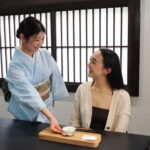
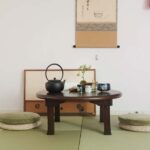
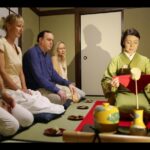
After making the sweets, you can enjoy matcha in the home’s tea room. The tea ceremony is described as simple, so this is best understood as a friendly introduction rather than a formal ceremony at a major tea school.
That simplicity makes it approachable. You can see how the sweets and tea fit together, learn a little about the custom, and enjoy what you made in the setting where these foods make cultural sense. Matcha can taste grassy and bitter if you are not used to it, and the sweetness of mochi or nerikiri provides the traditional balance.
The tea room also gives the class a quieter ending. Instead of eating quickly at a counter and leaving, you have time to talk with Sakura and ask about Japanese food, customs, or your plans in Tokyo. The experience includes recommendations for the rest of your visit, which can be useful early in a trip when you are still deciding how to spend your days.
You do not have to take part in the tea ceremony if you do not want to. The wording allows it as an option, so tell Sakura your preference. Matcha is included, making this more than a cooking lesson with a drink added as an afterthought.
A few more Tokyo tours and experiences worth a look



The value of $78.83 per person
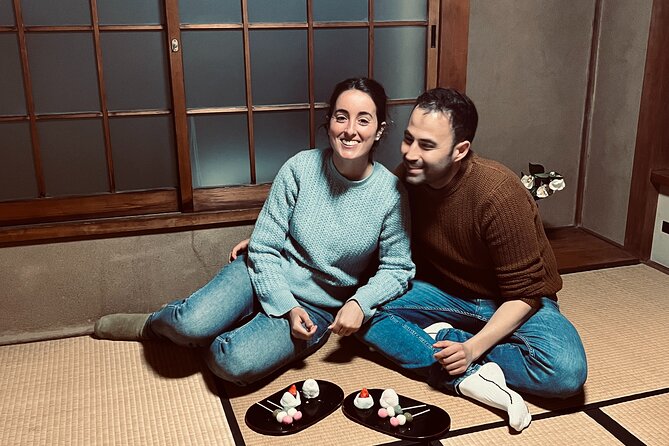
At $78.83 per person, this is not a cheap snack stop. You are paying for a private home setting, an instructor’s time, hands-on preparation, cultural explanation, finished sweets, matcha, and roughly two hours of attention.
The price makes more sense if you value personal instruction. A mass-market sweets demonstration might cost less, but it may also give you less time at the work surface and fewer chances to ask questions. Here, the maximum of eight people helps keep the focus on your group.
The value is also stronger for families and small groups. A parent and child can share the activity rather than splitting up for separate entertainment. A group discount may reduce the per-person cost, so it is worth checking the final total if you are booking for several people.
I would not book this solely to save money on dessert. You can buy excellent wagashi in Tokyo for far less. Book it for the combination of making the sweets, learning why they matter, meeting Sakura in her home, and finishing with matcha.
The experience is booked, on average, 26 days ahead. That is a useful sign that you should not leave it until the last few days of a short Tokyo visit. Confirmation is sent within 48 hours, subject to availability, so allow time for the booking to be confirmed before you build the rest of your schedule around it.
Who will get the most from this class
This is a strong choice for first-time visitors who want an activity with a clear Japanese connection but do not want a long lecture. You get food, craft, hospitality, and a small cultural lesson in one compact session.
Families are especially well suited. The hands-on work gives children something to do, and the finished sweets provide an immediate reward. The class has worked well for a parent and a six-year-old, though adults should be ready to help younger children with careful shaping and kitchen steps.
It also suits couples, friends, and solo visitors who prefer a quiet local setting to a large group class. The private format makes it easier to ask basic questions without feeling self-conscious.
You may want to choose another activity if you are looking for a full meal, a professional certification-style course, or a formal tea ceremony. This is an introduction to wagashi and matcha, with a warm home setting at its center.
Dog allergies are the clearest reason to avoid it. Choco lives in the house, and even a short visit may be uncomfortable for someone sensitive to dogs. The home setting is part of the charm, but it also means you should consider that detail carefully.
Timing, transport, and cancellation details
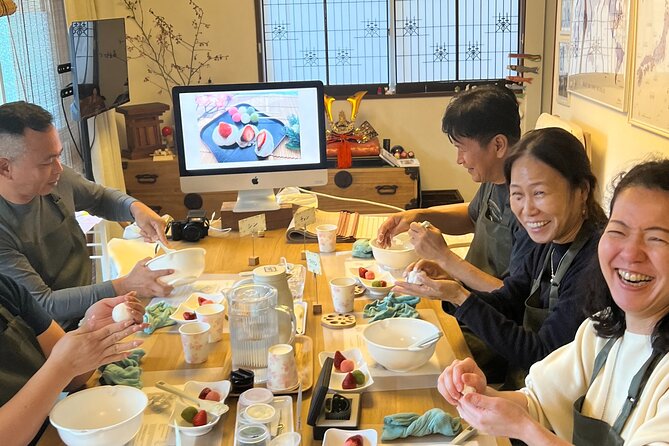
The class lasts approximately two hours and begins and ends at the Sangenjaya meeting point. Since it is near public transportation, you can combine it with other Tokyo plans, but you should still allow time to reach the address and find the correct house.
Mobile tickets are available, which is handy when you are moving around Tokyo. Confirmation arrives within 48 hours if space is available. The activity requires a minimum number of participants, and poor weather can also lead to cancellation. If the provider cancels for either reason, you are offered another date or experience, or a full refund.
You can cancel for a full refund up to 24 hours before the start time. Cancellations or changes made less than 24 hours before the start are not refunded or accepted. The cut-off uses local Tokyo time, so check your booking carefully if you are arranging it from another time zone.
Should you book this Sangenjaya mochi class?
I would book this if you want to make a traditional Japanese sweet with direct guidance rather than simply photograph one in a shop. The strongest reasons are the small group size, Sakura’s patient teaching, the chance to work with mochi or nerikiri, and the gentle matcha experience in a home tea room.
The $78.83 price is fair for a two-hour private-style lesson, especially if you are sharing it with family or friends and can use a group discount. It is less compelling if your main aim is simply to taste wagashi cheaply.
Book ahead, confirm which sweet you will make, and plan for the dog in the house. If those details suit you, this is a practical and personable way to spend part of a Tokyo day, with a skill and a cultural memory to carry into the rest of your trip.
FAQ
Where does the mochi and matcha class take place?
The class takes place at 1-chōme-11-13 Sangenjaya, Setagaya City, Tokyo 154-0024, Japan.
How long does the experience last?
The activity lasts approximately two hours.
Where does the class end?
The class ends back at the meeting point in Sangenjaya.
What Japanese sweets will I learn to make?
You can learn to make mochi or nerikiri. Some sessions have included daifuku, strawberry daifuku, shaved ice, and dango, but the exact sweets may vary.
Is a tea ceremony included?
You can take part in a simple tea ceremony in the home’s tea room if you want to. Matcha is included.
How many people can join the activity?
The maximum group size is eight people. Group discounts are available.
Is the class near public transportation?
Yes. The meeting point is near public transportation in the Sangenjaya area.
Are service animals allowed?
Yes, service animals are allowed. A toy poodle named Choco lives in the house, so the class is not recommended for people with dog allergies.
What is the cancellation policy?
You can cancel up to 24 hours before the experience begins for a full refund. Cancellations or changes made less than 24 hours before the start time are not refunded or accepted.
More Private Tours in Tokyo





More Tea Ceremony & Matcha in Tokyo
More Shibuya Tours in Tokyo



More tours in Tokyo we've reviewed










Shibuya Tours, compared.
 ★ 5.0Official Street Go-Kart in ShibuyaFrom $76
 ★ 4.9Tokyo: Street Kart Experience in ShibuyaFrom $741 hour
 ★ 5.0Shibuya Meltdown Nightlife Tour: All-You-Can-Drink Bar HoppingFrom $106
 ★ 5.0Shibuya Official Street Go-Kart in Shibuya AnnexFrom $69
 ★ 5.0Tokyo: Shibuya Food Tour (13 dishes and 4 Eateries)From $77
 ★ 5.0Best of Shibuya Food TourFrom $217