
Reviewed · SHIBUYA TOURS
Make traditional sweets “Nerikiri” and Matcha in Shibuya
Making Japanese sweets is less about cooking a meal and more about shaping something beautiful with your hands. In this 90-minute Nerikiri workshop, you make four sweets from sweet white bean paste and rice flour, then sit down for matcha and carefully selected Japanese confections.
I especially like the small group limit of four and the chance to create one original design after practicing sample shapes. The host, Hannah, explains each step clearly, and the workshop includes cultural background rather than treating the sweets as simple craft projects.
The main consideration is timing. At $46 per person, this is good value for a focused cultural activity, but it is not a full meal or a long cooking class. Children under five cannot join, and the 9:00 AM, 1:00 PM, and 3:30 PM start times may fill an otherwise busy Tokyo day.
In This Review
- Key Points
- Shaping Four Pieces of Edible Japanese Art
- What the 90-Minute Class Feels Like
- Why the Design Choices Matter
- Matcha Without the Formal Pressure
- A Good Choice for Families and First-Time Visitors
- Omotesando as Your Starting Point
- Is $46 a Fair Price?
- What I Would Bring and How I Would Plan It
- Who Should Book This Experience?
- FAQ
- How long does the Nerikiri and matcha experience last?
- How many Nerikiri sweets will I make?
- Can I take the sweets home?
- Where is the meeting point?
- Is the activity suitable for children and people using wheelchairs?
- What languages are available, and how large is the group?
- Should You Book It?
Key Points
- Four handmade Nerikiri sweets: Practice three sample shapes, then make one design of your own.
- A calm tea setting: Finish with matcha, premium Japanese sweets, and a table-style tea ceremony.
- Small group attention: With no more than four participants, Hannah can guide you step by step.
- A strong Omotesando location: Meet near CHUMS Omotesando, three minutes from Omotesando Station.
- Good for mixed ages: The class suits children over five, adults, seniors, vegetarians, and vegans.
- Easy sightseeing afterward: Meiji Shrine, Takeshita Street, Harajuku, and Shibuya Crossing are close by.
Shaping Four Pieces of Edible Japanese Art
Nerikiri is a traditional Japanese sweet often served with tea. Its base combines smooth sweet white bean paste with glutinous rice flour or yam, producing a soft mixture that can be shaped by hand.
That texture is what makes the class work. You are not asked to master complicated baking equipment or handle hot pans. Instead, you learn how to press, mold, and decorate the paste into tidy forms. The process is accessible, but it still gives you plenty to think about.
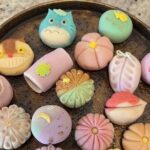
The designs often draw from flowers, leaves, seasonal images, or playful characters. You first choose from sample designs and make three different shapes. This gives you a useful practice round before you try something more personal.
The fourth sweet is your chance to make an original Nerikiri. That part matters. You are not simply copying a teacher from start to finish. You get a little room to decide what your own sweet should look like, using the techniques you have just learned.
You can take everything you make home. That makes this a better souvenir than a photograph alone, though you should remember that handmade sweets are still food and may be delicate to carry.
A few more Tokyo tours and experiences worth a look


What the 90-Minute Class Feels Like
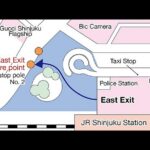
The meeting point is at 5-2-21 Jingumae, Shibuya City, in front of the brown building near CHUMS Omotesando. You meet there first, then walk together for about 20 seconds to the studio.
This short walk is useful because the activity takes place in a private setting rather than directly at the station. Give yourself enough time to find the meeting point, especially if Omotesando is new to you. The directions identify CHUMS Omotesando as the landmark, which should make the final approach easier.
Once inside, the class begins with the Nerikiri session. Hannah demonstrates the techniques and helps you through the shapes one stage at a time. If you are nervous about your artistic ability, do not be. The point is to learn the method and enjoy the process, not to produce museum-quality sweets.
The small group size changes the feel of the activity. With a maximum of four people, you have a better chance to ask questions or get help with a stubborn fold or uneven shape. This is particularly useful for children, older participants, or anyone who prefers clear hands-on instruction.
One practical detail is the language arrangement. The experience is offered in English and Japanese. Written instructions or a recipe are also provided, which gives you something useful to take away beyond the sweets themselves.
The class lasts 90 minutes. That is long enough for instruction, four pieces of Nerikiri, and the tea service without turning into an all-day commitment. It also means the pace should remain fairly focused. If you want a slow, extended tea ceremony with formal procedures, this is not that sort of experience.
Why the Design Choices Matter
Nerikiri is valued for both taste and appearance. In traditional tea settings, the sweet is often chosen to reflect the season, creating a visual pause before you drink the tea.
That idea gives the workshop more meaning than a standard decoration class. When you shape a flower or leaf, you are working with a form connected to Japanese food culture. The sweet is meant to look carefully made before you even taste it.
You also get to compare different flavors and textures through the sweets served during the tea portion. Japanese confections can be much less sugary than the desserts common in many Western countries, with bean paste providing a mellow sweetness.
I like this format because it lets you try the sweets in two ways. First, you make them yourself and notice the texture under your fingers. Then you taste selected confections sourced from different parts of Japan. The contrast helps you understand why wagashi, the broad category of Japanese traditional sweets, has such a wide range of shapes and styles.
The class should suit people who like creative activities but do not want a long technical lesson. It also works well for a birthday gift. One participant booked the experience for his girlfriend’s birthday, and the occasion fit the activity well because the class creates a shared souvenir rather than a disposable moment.
Matcha Without the Formal Pressure
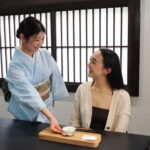
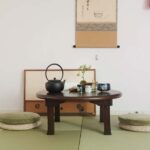
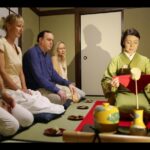
After making the sweets, you sit down for a table-style tea ceremony. Matcha is served with premium Japanese sweets selected from around Japan.
The table format is an important detail. You can learn about matcha and tea customs without needing to kneel on the floor or follow the full formality of a traditional tea room. That makes the activity friendlier for families, older adults, and anyone with limited mobility.
You should still expect an introduction to the meaning of the tea and sweets. Hannah has a background as a professor of Japanese history, according to the experience information, and the cultural explanations can place the food in a wider setting. The tea service is therefore not just a drink at the end of a craft lesson.
Matcha has a strong, grassy taste and a fine, slightly bitter finish. The sweetness of Nerikiri helps balance it. If you have never tried matcha prepared in the traditional style, this pairing gives you a clearer sense of why the two are served together.
The tea segment also slows the activity down. After concentrating on small shapes, you get time to sit, taste, and talk. It is a good final chapter to the class, though anyone looking mainly for a hands-on cooking experience should know that the tea service takes up part of the 90 minutes.
A Good Choice for Families and First-Time Visitors
The activity welcomes all ages except children under five. That makes it a practical choice for a family with older children, teenagers, parents, or grandparents.
Younger children may need help with delicate shaping, but the class does not depend on advanced kitchen skills. Teenagers can enjoy the creative side, while adults may appreciate the cultural and historical explanation. One parent attended with a teenage daughter and found the activity suited both of them.
The experience is also suitable for vegans and vegetarians. That is helpful in Tokyo, where food restrictions can sometimes require careful planning. You should still communicate any needs when booking if you want to confirm the ingredients directly, but the activity is presented as suitable for both groups.
The wheelchair-accessible setting adds another practical advantage. The table-style tea service is likely to be more comfortable than a floor-based ceremony, though you should still contact the provider if you need specific access arrangements.
I would not choose this for children under five, since they are not allowed to participate. I would also think twice about bringing a group that wants constant movement or loud entertainment. The appeal here is quiet concentration, gentle instruction, and food presentation.
A few more Tokyo tours and experiences worth a look


Omotesando as Your Starting Point
This workshop takes place in one of Tokyo’s most fashionable areas, close to Omotesando Station and within walking distance of Shibuya and Harajuku.
The location makes scheduling easy. You can book the 9:00 AM session and continue into Harajuku afterward. The 1:00 PM option fits well between morning sightseeing and an evening in Shibuya. The 3:30 PM session can work as a slower afternoon activity before dinner.
After the class, you can reach Meiji Shrine, Takeshita Street, and Shibuya Crossing with little trouble. These places offer a sharp change of pace from the calm studio. Meiji Shrine gives you a wooded shrine setting, Takeshita Street brings youthful fashion and crowds, and Shibuya Crossing supplies the famous Tokyo city scene.
Do not treat the workshop as a distant day trip. Its main strength is that it fits into a central Tokyo itinerary. You can spend 90 minutes making sweets, then return to sightseeing without losing a full morning or afternoon.
The tradeoff is that Omotesando is a popular area, so the walk to the meeting point may take longer than expected if you are coming through crowded streets. Use the CHUMS landmark and arrive with a little spare time.
Is $46 a Fair Price?
At $46 per person, the cost covers the full Nerikiri session, four handmade sweets, matcha, premium Japanese sweets, instruction in English or Japanese, and the table-style tea ceremony.
I consider that fair for a small-group activity in central Tokyo. You are paying not only for ingredients, but also for direct instruction and a cultural explanation. A group of four or fewer gives the class a more personal feel than a large workshop where you might spend much of the time watching from a distance.
The value is strongest if you want an activity you can remember and discuss afterward. You learn a method, make something yourself, taste several traditional sweets, and take your creations home.
The value is weaker if you are looking for lunch, a large meal, or a long formal ceremony. Nerikiri is a sweet, and the matcha pairing is part of a cultural tasting rather than a replacement for a full café stop.
Flexible booking helps. You can reserve now and pay later, and cancellations made at least 24 hours in advance qualify for a full refund. That is useful when Tokyo plans depend on weather, shopping hours, or train connections.
What I Would Bring and How I Would Plan It
Wear something comfortable that allows you to work with your hands. Smoking is not allowed, and the activity is centered on food preparation and tasting, so a clean, relaxed approach is best.
I would schedule the class around nearby sights rather than crossing Tokyo immediately before it. Omotesando Station is only about three minutes away, and the meeting point is easy to combine with Harajuku or Shibuya.
If you are booking for a family, check the ages carefully. Children under five cannot join, while older children and teenagers are welcome. A small group booking could be especially appealing for a family or a couple because the host can give more direct help.
For the most relaxed visit, I would choose the morning or early afternoon session. The late afternoon start is useful if you want to spend the day elsewhere first, but leave enough time to find the meeting point near CHUMS Omotesando.
Who Should Book This Experience?
I would recommend it to you if you want a hands-on introduction to Japanese food culture, especially if you prefer making something to simply watching a demonstration.
It is a particularly good match for:
- Couples looking for a creative birthday or holiday activity
- Families with children over five
- First-time visitors who want an easy cultural lesson
- Vegans and vegetarians seeking a clearly suitable food activity
- Visitors who enjoy crafts, design, and small-group instruction
- Anyone staying near Shibuya, Harajuku, or Omotesando
I would be less likely to recommend it if your main goal is a formal, traditional tea ceremony with strict rituals. The table-style format is comfortable and accessible, but it is designed for participation and learning rather than ceremony alone.
FAQ
How long does the Nerikiri and matcha experience last?
The activity lasts 90 minutes.
How many Nerikiri sweets will I make?
You will make four styles. Three are based on sample designs, and the fourth is your own original design.
Can I take the sweets home?
Yes. Everything you make during the Nerikiri session can be taken home.
Where is the meeting point?
You meet at 5-2-21 Jingumae, Shibuya City, Tokyo, in front of CHUMS Omotesando near the brown building. From there, you walk together for about 20 seconds to the studio.
Is the activity suitable for children and people using wheelchairs?
Children under five are not allowed. The activity is suitable for older children and is wheelchair accessible.
What languages are available, and how large is the group?
Instruction is available in English and Japanese. The group is limited to four participants.
Should You Book It?
Book this if you want a compact, personal Tokyo activity that combines making, tasting, and cultural explanation. The strongest points are the four handmade sweets, Hannah’s careful step-by-step guidance, the small group size, and the excellent location near Omotesando, Harajuku, and Shibuya.
Skip it if you need a full meal or a formal tea ceremony lasting several hours. For most visitors, though, $46 buys a thoughtful 90-minute experience and a souvenir you made yourself, which is a pleasant change from another shop-bought keepsake.
More Dessert Tours in Tokyo
More Tea Ceremony & Matcha in Tokyo
More Shibuya Tours in Tokyo


More tours in Tokyo we've reviewed









Shibuya Tours, compared.
 ★ 5.0Official Street Go-Kart in ShibuyaFrom $76
 ★ 4.9Tokyo: Street Kart Experience in ShibuyaFrom $741 hour
 ★ 5.0Shibuya Meltdown Nightlife Tour: All-You-Can-Drink Bar HoppingFrom $106
 ★ 5.0Shibuya Official Street Go-Kart in Shibuya AnnexFrom $69
 ★ 5.0Tokyo: Shibuya Food Tour (13 dishes and 4 Eateries)From $77
 ★ 5.0Best of Shibuya Food TourFrom $217