
Reviewed · SUSHI MAKING CLASSES
Tokyo: Sushi Making Class in a Happi Coat near a Famous Spot
Tokyo’s sushi lesson has one very good trick: it turns a famous Japanese food into something you can make with your own hands. In 90 minutes, you learn the basic shape of tuna and salmon nigiri, and some sessions also include maki or other rolls. The happi coat adds a cheerful photo moment without making the class feel stiff.
I like the small-group teaching, with some sessions limited to about five people per host. I also like that the food becomes your lunch, not just a sample. The main thing to consider is that the meeting point can vary by booking option, and a busy session may seat you with other customers.
In This Review
- Key points to know before booking
- Learning sushi in 90 minutes near a Tokyo landmark
- The happi coat and the Japanese setting
- What happens during the class
- Why the food lesson is worth your time
- How personal is the instruction?
- Food allergies and special diets
- Is this a good activity for children and couples?
- Pairing the class with nearby sightseeing
- Price, cancellation, and booking advice
- Who should book this sushi class?
- Should you book it?
- FAQ
- Where does the sushi class meet?
- How long does the activity last?
- What sushi will I learn to make?
- Is the class suitable for beginners?
- Is instruction available in English?
- Do I get to eat the sushi I make?
- Can I request vegetarian, vegan, or gluten-free food?
- Are children allowed to join?
- Can I cancel the booking?
Key points to know before booking
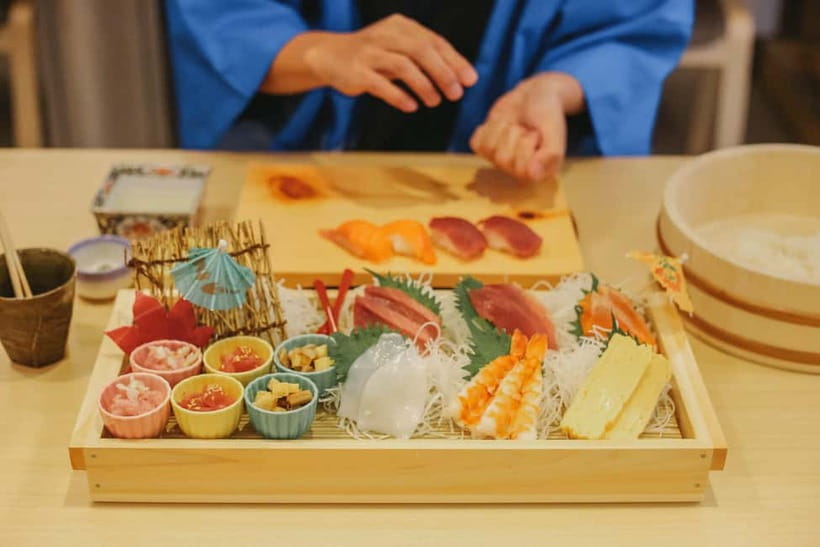
- Make and eat a full sushi meal: You prepare sushi from supplied ingredients, then enjoy what you made.
- Learn nigiri from the basics: Tuna and salmon are central, with some sessions also covering maki, rolls, or onigiri.
- Wear a traditional happi coat: The Japanese-style coat makes the lesson more fun and gives you a natural photo opportunity.
- Expect close instruction: Groups may be arranged at roughly five people per host, though the exact setup can change.
- English instruction is available: Classes are offered in English and Japanese, with instructors including Chef Hide, Mikoto, Kohji, Ami, Emi, and others.
- Tell the organizer about diet needs early: Vegetarian, vegan, and gluten-free options are available if requested in advance.
Learning sushi in 90 minutes near a Tokyo landmark
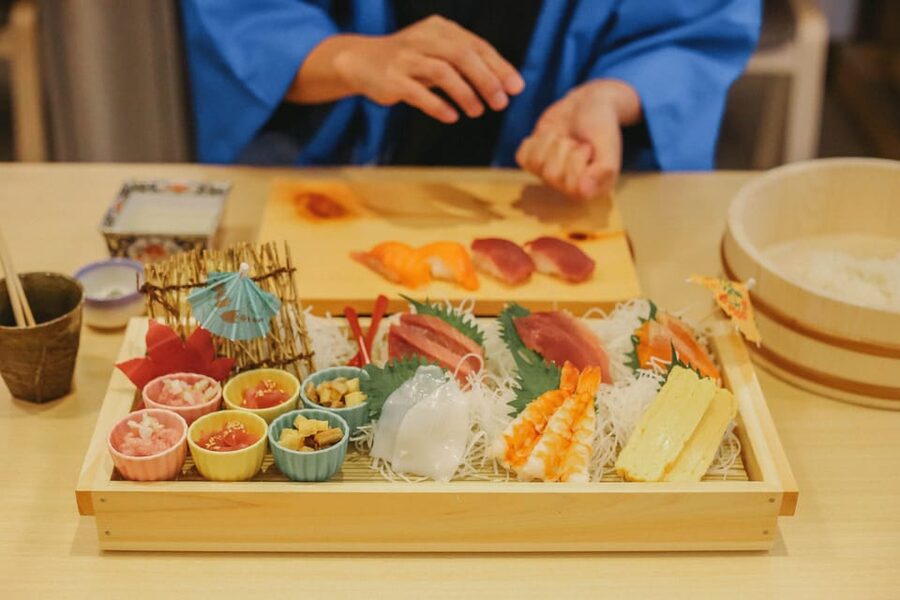
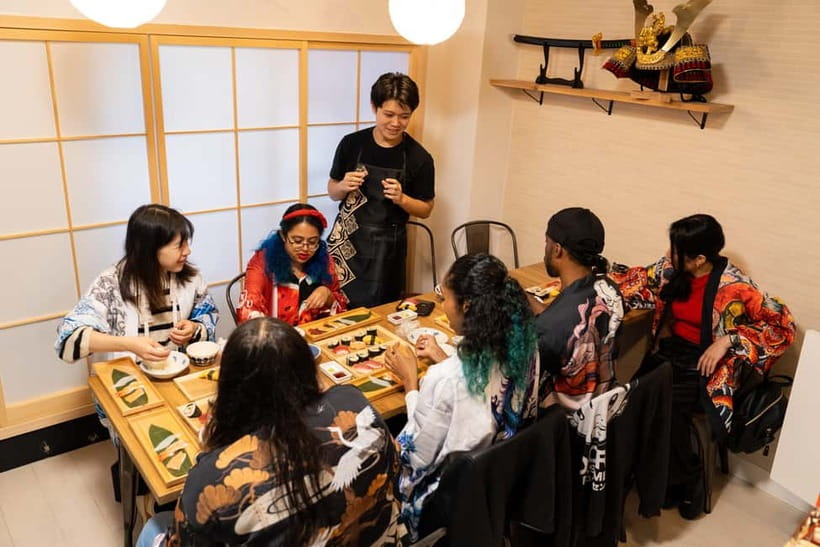
This is a practical class rather than a long chef apprenticeship. You arrive, put on a happi coat, meet your instructor, and settle into a Japanese-style setting where the ingredients and equipment are ready. The exact meeting point depends on the option you book, so I would check the confirmation closely before setting out.
The class is beginner-friendly. You do not need to know the difference between nigiri and maki before you arrive. The chef explains the process from the start, then demonstrates the hand movements slowly enough for you to copy them.
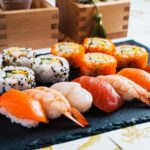
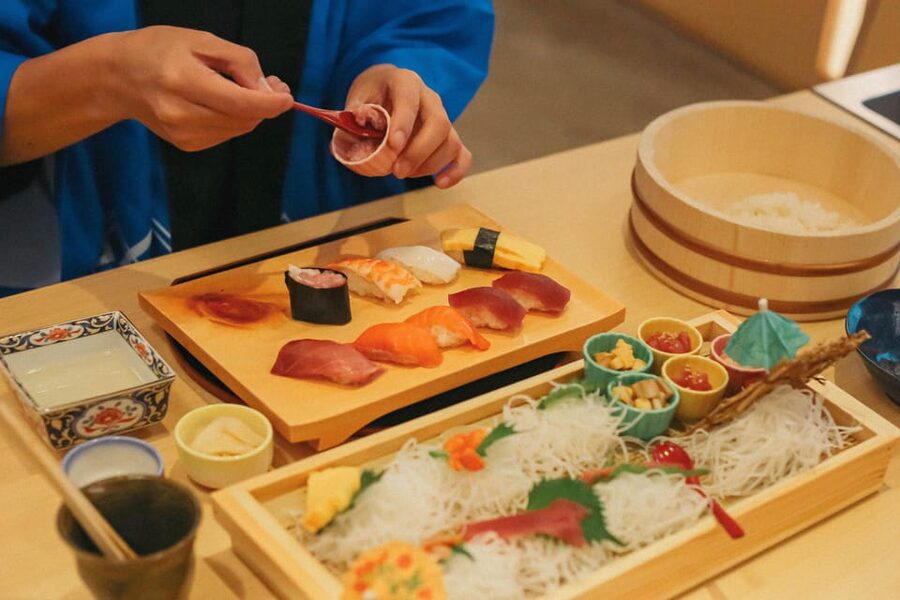
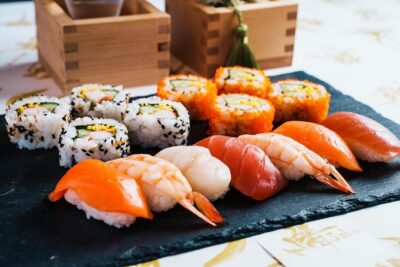
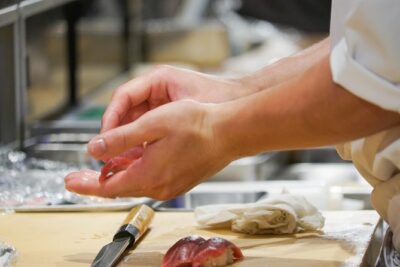
Nigiri is the focus. That means shaping rice and placing a slice of fish on top, with the aim of making something that holds together but still feels light. Tuna and salmon are the named ingredients, both familiar choices for first-time sushi makers. Some sessions also include maki, and several class descriptions from participants refer to making rolls or onigiri-style pieces as well.
The lesson is taught in English or Japanese. Several instructors are praised for clear English, including Chef Hide, Ami, Mai, and others. The teaching style appears warm and patient rather than formal. You can ask questions as you go, which matters more than a polished demonstration when your rice begins to stick to your fingers.
A few more Tokyo tours and experiences worth a look

The happi coat and the Japanese setting
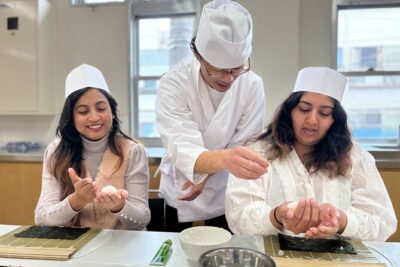
The happi coat is a simple but effective touch. This traditional tube-sleeved Japanese coat is often linked with festivals, shops, and working attire. Here, it helps you feel part of the activity instead of sitting at a table watching a chef do everything.
I would not book the class just for the costume, but it adds character. You can pose for photos during or after the preparation, and some instructors provide photo spots or take pictures and videos while you work. That is useful if you are traveling as a couple or family and want a record of the activity without handing your phone to a stranger.
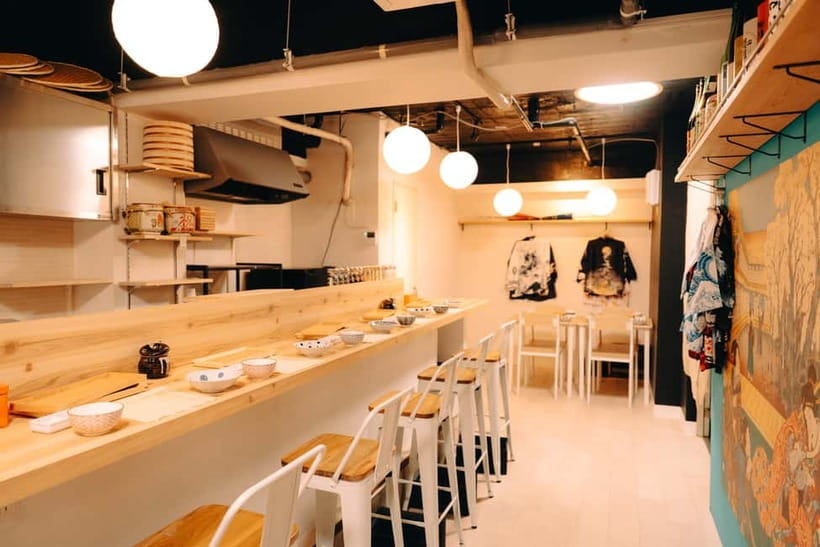
The setting is described as cozy, clean, welcoming, and Japanese in style. It is not presented as a grand restaurant tour or a visit to a traditional fish market. Its cultural value comes through the food, the chef’s explanations, and the small details of preparing sushi by hand.
That distinction matters. If you want a serious look at Tokyo’s wholesale seafood trade, this is not the right activity. If you want an easy way to connect a meal with Japanese customs and technique, it fits well.
What happens during the class
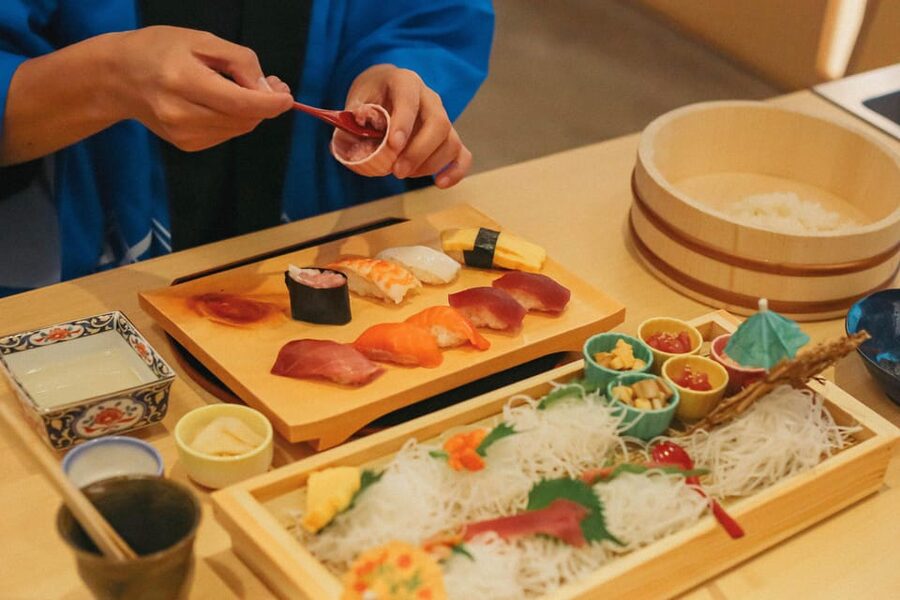
The first part is a short explanation and demonstration. Your instructor shows how the rice is handled, how the fish is placed, and how the finished piece should look. The exact recipe and order can vary, but the class is built around a clear show-and-copy format.
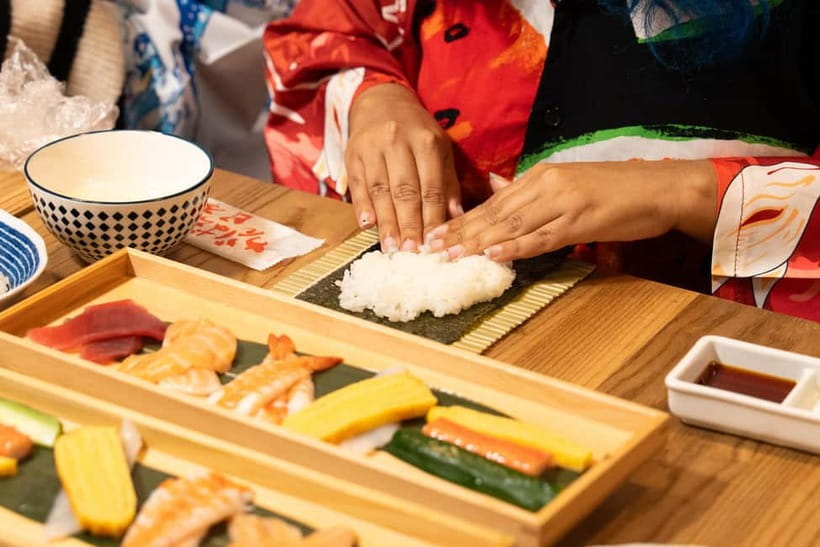
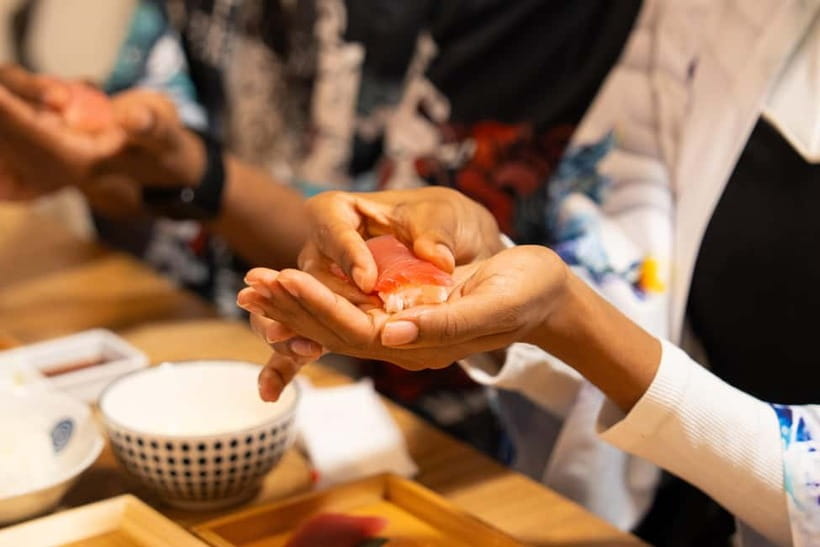
You then make the sushi yourself. This is where the lesson becomes more useful than simply eating at a sushi counter. You get to feel how much pressure is needed, how to keep the rice together, and how small changes affect the final shape.
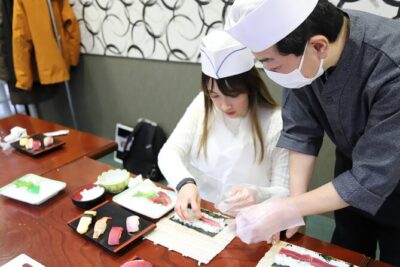
Do not expect every piece to look like it came from a veteran sushi counter. That is not the point. The chef is there to correct your grip, answer questions, and help you finish pieces that are both presentable and edible. Participants repeatedly describe the instructions as easy to follow, with patient help when needed.
The class may include more than one sushi style. Nigiri is the named focus, while accounts of the activity also include maki, rolls, and onigiri. I would treat the exact mix as session-dependent rather than promise every possible form at every booking.
At the end, you eat the sushi you prepared. This is one of the strongest parts of the format. You are not just taking home a recipe or receiving a tiny tasting plate. The portions are described as generous, and some people found the meal filling enough to count as lunch.
Why the food lesson is worth your time
Sushi can look simple from the outside: rice, fish, and perhaps a dab of wasabi. The class shows why the food demands care. Rice texture, portion size, hand pressure, and the way the topping sits on the rice all affect the result.
You will not become a professional sushi chef in an hour and a half. You can, however, leave with a basic method you can try at home. Several participants specifically said they felt able to make sushi again after the class, and families appreciated that the process was easier than expected.
That take-home skill gives the $42 price more weight. In Tokyo, you could spend that much on a good meal and remember the taste for a day. Here, you also get instruction, ingredients, an instructor, a meal, and a small cultural activity. The value is strongest if you enjoy hands-on experiences rather than simply looking for the cheapest sushi lunch.
The quality of the ingredients also matters. The food is described as fresh and tasty, but this remains a practical group workshop, not an elite omakase meal. You are paying for participation and guidance first, with the meal as a satisfying part of the package.
How personal is the instruction?
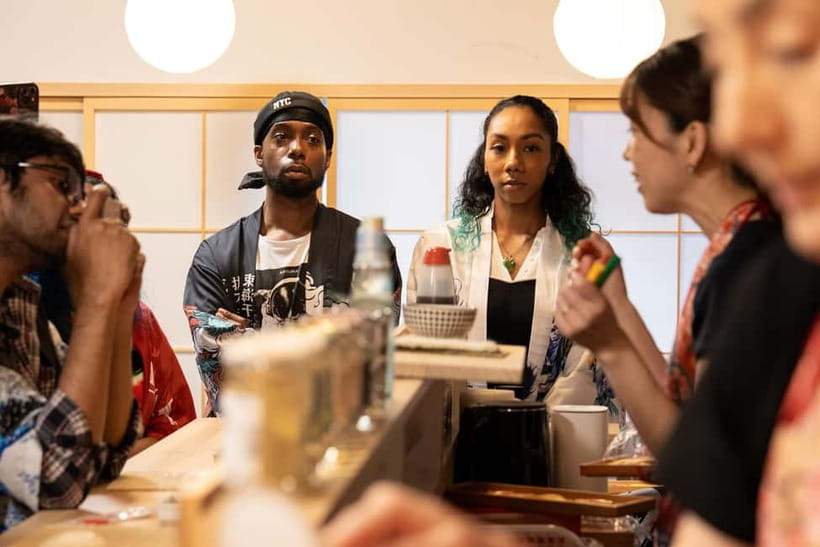
Group size can shape the experience. One useful detail is that some sessions work with about five people per host, while another host handles a separate group. That is small enough for questions and corrections without requiring the cost of a private lesson.
There is no guarantee of a private class. If few people book a time slot, you might receive one-on-one attention or a lesson for two. That happened to some participants who chose quieter times. If the venue is busy, you may sit with other customers.
I see this as a fair trade. A shared table can make the class more social, and the activity is easy to enjoy with friends or family. If you strongly prefer private teaching, choose a time that offers that option, but do not assume a quiet booking will always produce a private lesson.
The instructors receive the most consistent praise. Names appearing across sessions include Chef Hide, Mikoto, Kohji, Mitsuko, Mizuki, Ami, Emi, Mai, Miwa, and Masa. Since the teacher depends on the date and assignment, you should not book expecting one particular person unless the operator confirms it.
What you can reasonably expect is a friendly teacher who demonstrates each step, checks your progress, and talks about sushi and Japanese culture. Some instructors also offer general food or sightseeing suggestions, which can be handy early in a Tokyo visit.
A few more Tokyo tours and experiences worth a look


Food allergies and special diets
You need to mention food allergies in advance by message. Do not wait until you sit down. The organizer says vegetarian, vegan, and gluten-free choices are possible, but same-day requests may not be accommodated.
This is especially important for sushi, since sauces, seasonings, imitation ingredients, and shared preparation areas can affect what you can eat. The supplied information confirms that alternatives are available, but it does not list every substitute or explain the full allergy protocol. If your allergy is serious, send clear details before booking and ask what can safely be prepared.
Families should also note the age rule. Children over four are charged according to the child fee listed for the selected option. A child under four can share a dish. That makes the class more workable for families with a very young child, though the hands-on format may suit older children best.
Is this a good activity for children and couples?
The class suits couples because it gives you something to do together without requiring a full evening. You can compare your sushi shapes, take photos in the happi coats, and eat the results. It is also a good rainy-day choice, since the activity takes place indoors and lasts only 90 minutes.
Families can benefit from the clear steps. Children get a direct role in preparing food, and the finished meal gives them a reason to stay involved. I would still consider your child’s attention span and comfort with raw fish before booking. The available information confirms children can participate, but it does not specify a separate children’s curriculum.
Solo visitors can also fit in well. A small class gives you an easy chance to talk with other people, and a quiet time might provide especially close help from the instructor. The class does not depend on having a partner.
It is less suitable for someone seeking a long, technical cooking course. The pace is designed to keep beginners moving, so the emphasis is on basic technique, cultural context, and enjoyment rather than knife skills or advanced fish preparation.
Pairing the class with nearby sightseeing
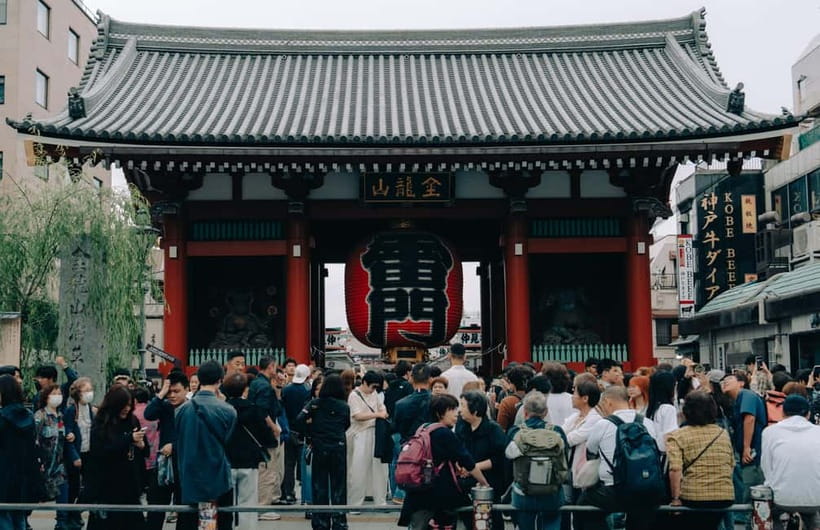
One practical advantage is the location near a famous spot, although the exact meeting point varies by booking option. After the lesson, you can continue to a nearby temple and markets, as one suggested day plan did.
I would schedule the class alongside sightseeing rather than treat it as a stand-alone trip across Tokyo. Check the meeting point first, then see what landmark, shopping street, or temple area is close by. The activity itself does not include a guided tour of those places, so any sightseeing afterward is self-guided.
Allow yourself enough time to find the venue. One person had trouble locating it, though the route became clear once they worked it out. Tokyo addresses can be confusing, especially around large stations and dense shopping areas. I would arrive early rather than cut into the 90-minute lesson.
The class has fixed starting times, and availability changes by date. Since it can also serve as lunch, a late-morning booking may be especially useful. You can then spend the afternoon exploring nearby sights with a full stomach.
Price, cancellation, and booking advice
At $42 per person, this is a reasonable Tokyo activity price if you want both food and instruction. The comparison is not just with a sushi meal. It is with other short cultural workshops, where the value often depends on how much direct participation you receive.
Here, you get the cooking class, ingredients, and instructor. You also eat what you make, and the portions can be generous. That combination makes the cost easier to justify for couples, families, and anyone who likes to bring a practical skill home.
The booking terms are flexible. You can reserve and pay later, which helps if your Tokyo plans are still shifting. Free cancellation is available up to 24 hours before the activity for a full refund. As always, check the specific option before payment, since the meeting point and perhaps the session format can vary.
The overall rating is 4.9 from 1,377 reviews, with repeated praise for the teachers, clear explanations, fresh food, friendly mood, and generous portions. I would read that as strong evidence that the class delivers a reliable beginner experience, while still remembering that instructor style and group size can change from one session to another.
Who should book this sushi class?
I would choose this class if you want an activity that is:
- Short enough to fit into a busy Tokyo day
- Easy for first-time sushi makers
- Suitable for couples, families, and solo visitors
- Conducted in English or Japanese
- More hands-on than a normal restaurant meal
- Useful as a lunch stop near a famous Tokyo sight
- Likely to leave you with a skill you can repeat at home
I would skip it if you want an advanced chef lesson, a private omakase dinner, or a detailed tour of seafood markets. You should also contact the organizer first if allergies or dietary rules are central to your decision.
Should you book it?
Yes, if you want a friendly, practical introduction to sushi without giving up half a day. The $42 price includes a meal and instruction, and the happi coat, photos, and cultural talk give the activity more personality than a basic cooking demonstration.
Book with realistic expectations. You will learn the foundations of nigiri, possibly make other rolls, and gain confidence rather than professional-level technique. Send dietary requests early, confirm the meeting point, and choose a time that fits your sightseeing plan. For most first-time visitors who want to do more than look at sushi in a display case, this is a smart use of 90 minutes.
FAQ
Where does the sushi class meet?
The meeting point can vary depending on the option you book. Check the confirmation details carefully before traveling to the class.
How long does the activity last?
The class lasts 90 minutes. Starting times depend on availability for your selected date.
What sushi will I learn to make?
The class focuses on nigiri sushi with tuna and salmon. Depending on the session, you may also make maki, rolls, or onigiri-style sushi.
Is the class suitable for beginners?
Yes. The workshop is designed for beginners, with a chef demonstrating each step before you make the sushi yourself.
Is instruction available in English?
Yes. The instructors teach in English or Japanese. English-speaking instructors named in class feedback include Chef Hide, Mikoto, Kohji, Ami, Emi, Mai, Miwa, and Masa, though the assigned teacher can vary.
Do I get to eat the sushi I make?
Yes. After preparing the sushi, you eat what you have made. Portions are described as generous and can serve as a proper meal.
Can I request vegetarian, vegan, or gluten-free food?
Yes, those options are available if you request them in advance by message. Same-day requests may not be possible.
Are children allowed to join?
Yes. Children over four are charged according to the child fee for the selected option. A child under four can share a dish.
Can I cancel the booking?
You can cancel up to 24 hours in advance for a full refund. The reserve-now, pay-later option is also available, subject to the conditions of your selected booking.
More Workshops & Classes in Tokyo
More Sushi Making Classes in Tokyo
More tours in Tokyo we've reviewed











Sushi Making Classes, compared.
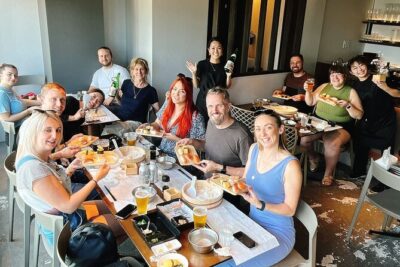 ★ 5.0Sushi Making Tokyo Roll and Authentic Japanese Sushi ClassFrom $59
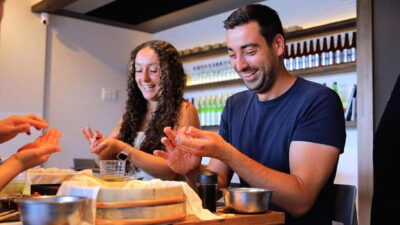 ★ 4.9Tokyo: Roll and Authentic Sushi Making Class in AsakusaFrom $581h 40m
 ★ 5.0Make Sushi and Create Unforgettable Memories in TokyoFrom $79
 ★ 5.0Tokyo Sushi Making Class in Tsukiji with Professional ChefFrom $49
 ★ 5.0Tokyo Night Foodie Tour in Shinjuku – Seasonal Sushi, Wagyu BeefFrom $111
 ★ 5.0Tsukiji Fish Market Guided Tour and Sushi Making with Pro ChefFrom $104