
Reviewed · DESSERT TOURS
Japanese dried-type Sweets (Ohigashi) making
Making Japanese Ohigashi is a small activity with a very particular reward: you shape 100% Wasanbon sugar into a traditional dried sweet, then taste it while its texture is at its freshest. The sugar is smooth, light, and quick to melt, with a mellow flavor that differs from ordinary granulated sugar.
I like the freedom to choose a wooden mold and the short 30-minute format. It fits neatly between larger Tokyo plans, and the $10 price is easy to justify for a hands-on taste of Japanese confectionery. The main consideration is language. The instructor is Japanese, and English translation is offered as much as possible, so you should contact the venue ahead of time if you need extra help.
In This Review
- Key points to know before booking
- What Ohigashi tells you about Japanese sweets
- Arriving at AN TOKYO Japanese Culture Experience
- The first few minutes: learning what you are making
- Choosing a mold and shaping your Ohigashi
- The taste test: why fresh Wasanbon matters
- How the 30-minute schedule works
- Is $10 good value for this Tokyo activity?
- Who will enjoy making Ohigashi?
- Practical planning for the day
- What the current feedback suggests
- Should you book the Wasanbon Ohigashi experience?
- FAQ
- How long does the Ohigashi-making experience last?
- Where is the experience held?
- What type of sugar is used?
- Are colorful Ohigashi sweets included?
- Is English instruction available?
- Can I cancel for a full refund?
Key points to know before booking
- 100% Wasanbon sugar: Make Ohigashi with traditional Japanese sugar known for its soft texture and mellow taste.
- Choose your own wooden mold: Pick a cute mold before pressing and shaping your sweets.
- Freshly made flavor: The activity includes time to eat and drink after the sweets are finished.
- Only 30 minutes: The making session is compact, making it easy to fit into a day in Tokyo.
- Color is optional: Standard participation uses uncolored sugar, while colorful Ohigashi costs an extra 200 JPY.
- Central Tokyo setting: The activity takes place at AN TOKYO Japanese Culture Experience in Honshu, near coordinates 35.6916541, 139.7715022.
What Ohigashi tells you about Japanese sweets
Ohigashi is a traditional Japanese dried sweet. It is made by pressing sugar into a mold, creating a neat shape that looks almost too delicate to eat. Here, the ingredient is Wasanbon, a traditional Japanese sugar prized for its fine texture and gentle sweetness.
That ingredient matters. This is not simply a craft session followed by a sugary snack. The point is to notice how Wasanbon feels in your mouth. The description of the taste is fluffy and smooth, with sugar that melts quickly rather than sitting heavily on your tongue.
I like this kind of activity because the food does the explaining. You do not need a long lecture to understand why a particular ingredient matters. You make a sweet, see its shape, and taste the result while the experience is still fresh.
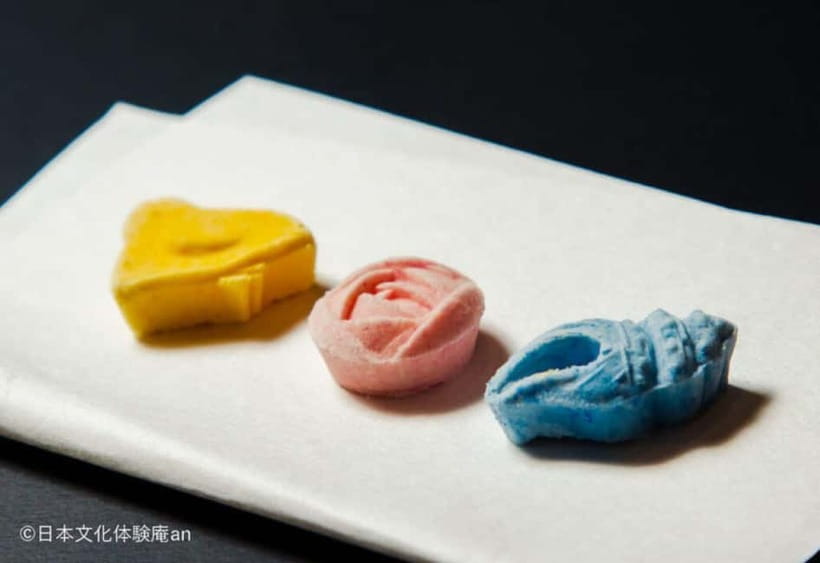
The activity does not add color by default. That keeps the focus on the sugar itself and gives the finished sweets a simple, traditional look. If you want something more playful for photographs, colorful Ohigashi can be made for an additional 200 JPY on the day.
A few more Tokyo tours and experiences worth a look

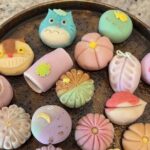
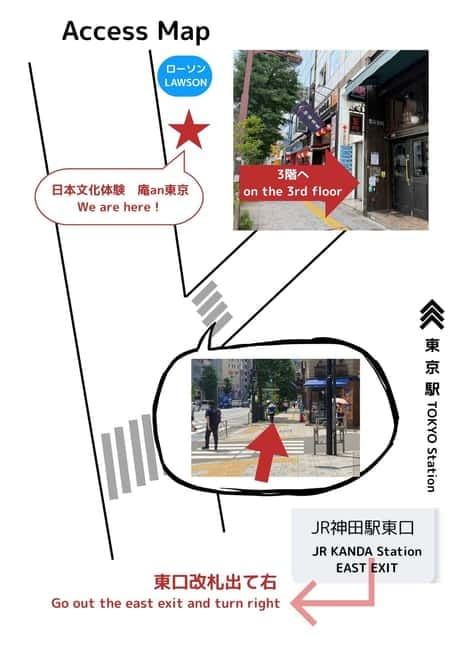
Arriving at AN TOKYO Japanese Culture Experience
The meeting point is AN TOKYO Japanese Culture Experience, listed at 35.6916541, 139.7715022. The supplied information identifies the location as being in Honshu, Japan, and the provider is 日本文化体験 庵an東京, also written as AN TOKYO.
You should allow enough time to find the venue. This is a timed activity, and the operator will not hold the event for late arrivals, regardless of the reason for the delay. That rule matters even more for a 30-minute program because there is little spare time once the session begins.
The operating hours are 10:00 to 17:00. Reservations received after 17:00 are handled the next day. If you need to reserve the venue or have a question about the meeting point, contact the provider in advance rather than waiting until the day of the activity.
Only people taking part in the experience may enter. A child under two years old who sits on a parent’s lap is free, but anyone else who enters should be booked as a participant.
The first few minutes: learning what you are making
The session starts with an explanation of Japanese traditional sweets. Since the activity is short, expect a focused introduction rather than a long cultural presentation.
This opening gives the making portion some context. You learn that Ohigashi is a dried-style sweet and that Wasanbon is a traditional Japanese sugar. That small amount of background helps you understand why the texture and flavor matter.
The instructor is Japanese. English translation is provided as much as possible, but it is not listed as the primary language. If you want additional English support, contact AN TOKYO before booking or before your visit. You should also be prepared to watch demonstrations closely and ask for clarification when needed.
That language note should not put off every English-speaking visitor. The basic task is visual and hands-on, and the activity is short. Still, if you want detailed explanations about technique or Japanese confectionery customs, arranging language support ahead of time is sensible.
Choosing a mold and shaping your Ohigashi
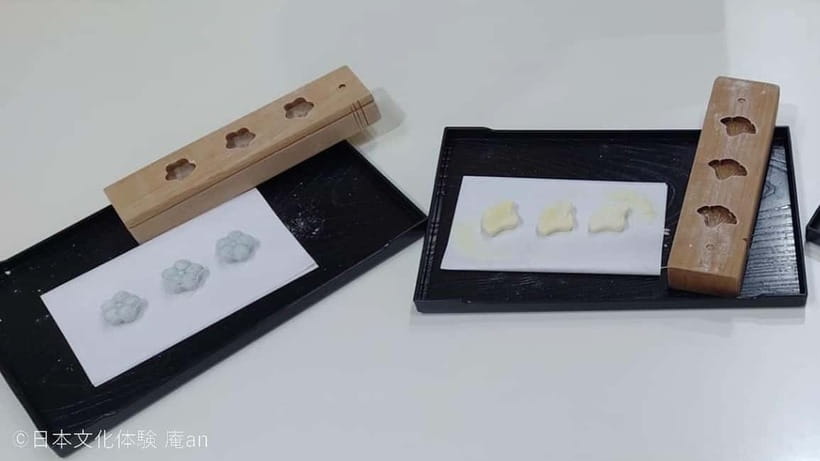
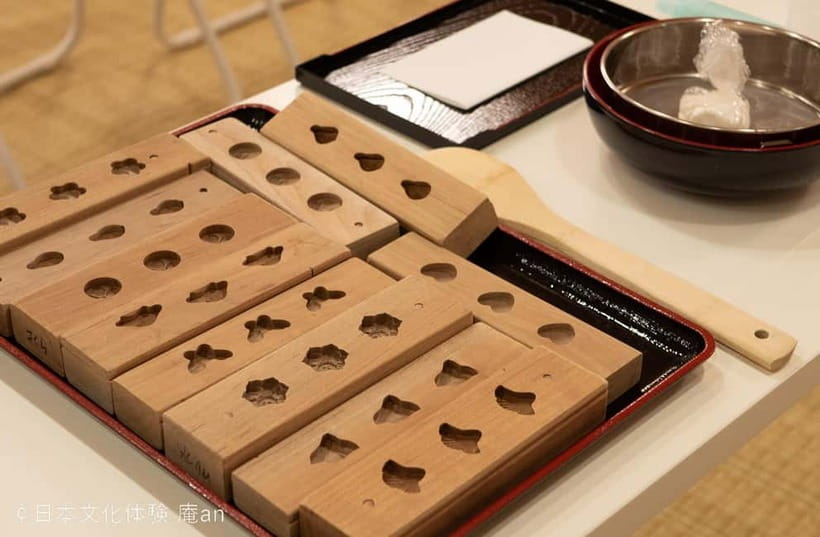
The most personal part comes when you choose a wooden mold. The available molds are described as cute, so the finished sweet becomes both a snack and a small object you can photograph.
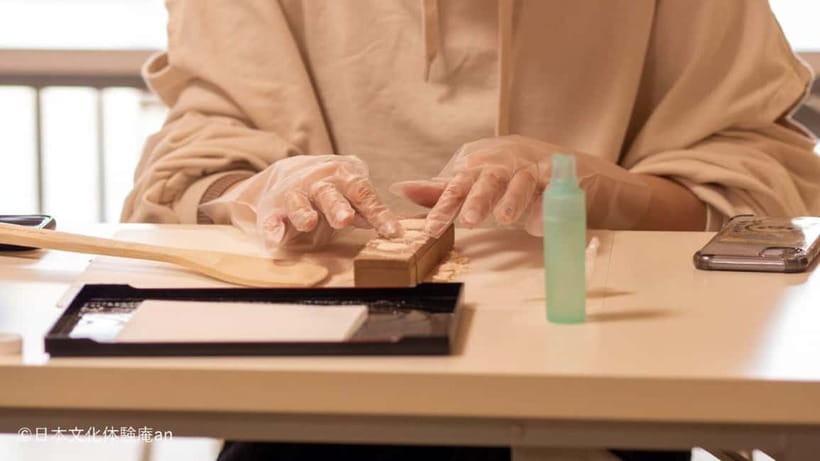
The mold choice gives you a simple creative decision without turning the session into an open-ended art class. You are not asked to design a shape from scratch. Instead, you select a form, work with the Wasanbon, and see how the sugar takes the shape of the wood.
That makes this a good activity for people who like a clear task with a visible result. You can concentrate on handling the sugar and making clean shapes rather than worrying about artistic skill.
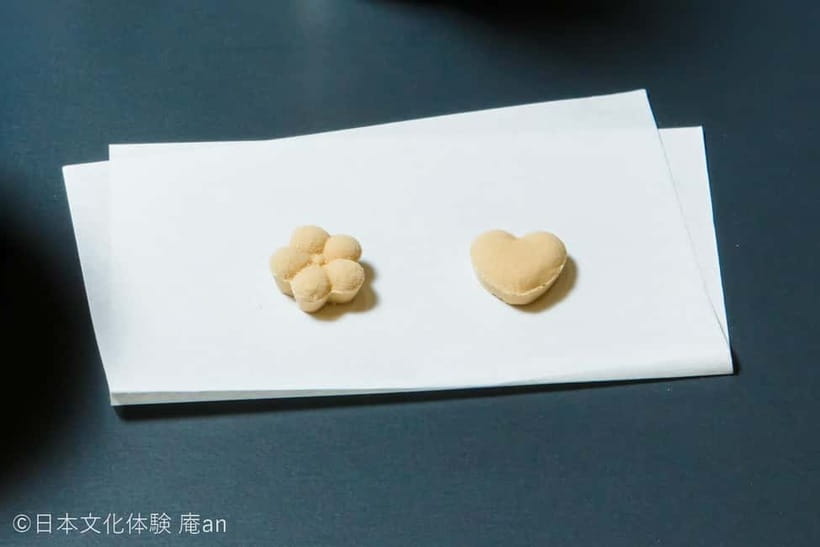
The finished Ohigashi is made without added color unless you request the paid option. The uncolored version may look modest, but that is part of its appeal. It puts attention on the mold, the texture, and the natural pale appearance of the sugar.
If you want colorful sweets, ask on the day and pay the additional 200 JPY. Because the standard activity uses no color, do not assume the colorful version is automatically included in the $10 price.
The taste test: why fresh Wasanbon matters
After shaping the sweets, you have picture time. This is a useful pause because the small confections are designed to be looked at as well as eaten.
The schedule lists the making and picture portion as ending at about 20 minutes. The remaining time is for eating and drinking, with room departure at the 30-minute mark. In practical terms, you should expect roughly 20 minutes of instruction, making, and photos, followed by about 10 minutes to taste what you made.
The tasting is the payoff. Wasanbon has a mellow sweetness and a smooth texture that melts in the mouth. Freshly made Ohigashi lets you notice that quality immediately.
I would not book this expecting a large dessert or a full meal. The experience is about a small, refined taste. If you prefer substantial portions, the $10 price will not be about quantity. It will be about the chance to handle a traditional ingredient and taste it in a form you made yourself.
You may also have drinking time during the final portion, though the supplied information does not specify the drink. The important point is that eating and drinking are built into the schedule rather than left for later.




How the 30-minute schedule works
The compact timing is one of the best reasons to consider this activity. A full day of Tokyo sightseeing can be tiring, and a short stop gives you a break without consuming a large block of time.
The planned flow is:
- Start with an explanation of traditional Japanese sweets.
- Make your Ohigashi from Wasanbon.
- Take pictures of the finished sweets.
- Eat and drink before leaving at about 30 minutes.
A short session also means the experience has to stay on schedule. Arrive early enough to settle in, especially if you are unfamiliar with the area. The venue will not wait for late arrivals, and missed time cannot easily be recovered in such a brief program.
The schedule is best for a quick cultural stop, a family outing with young children, or anyone who wants a specific activity between meals and sightseeing. It is less suited to someone looking for a relaxed, lengthy workshop with plenty of time for repeated attempts.
Is $10 good value for this Tokyo activity?
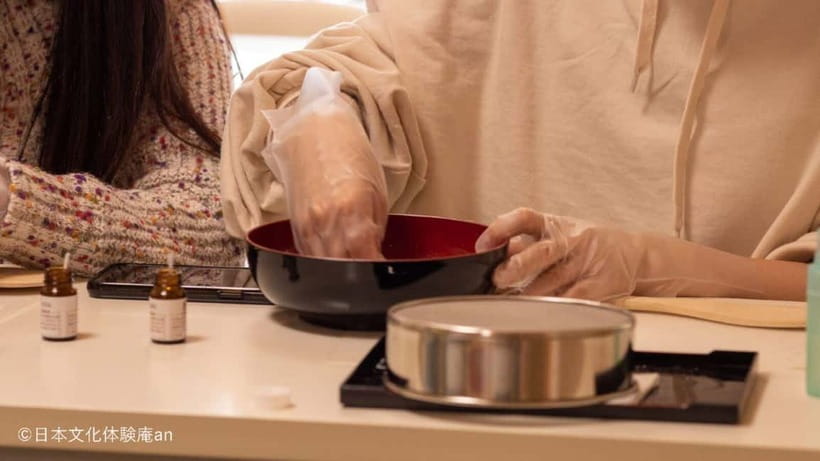
At $10 per person, the base price is modest for a hands-on food activity in Tokyo. You receive the Ohigashi-making session, the materials needed for it, the mold selection, picture time, and time to eat the sweets you make.
The value comes from participation. You could buy a Japanese sweet for less than the cost of many organized activities, but buying one does not show you how the shape is made or let you work with Wasanbon yourself.
The optional extras keep the starting price clear. Colorful Ohigashi costs an additional 200 JPY, and an experience completion certificate costs 300 JPY. Neither is required, so you can keep the total close to the advertised price.
I would treat the certificate as a souvenir purchase rather than part of the food experience. The color option makes more sense if you care about photographs or want a brighter result. For a simple introduction to traditional sweets, the standard uncolored version is enough.
The price is especially fair for visitors who want a short activity rather than a long workshop. You are paying for a guided encounter with a specific Japanese ingredient and technique, not for a large amount of food or a full afternoon of instruction.
Who will enjoy making Ohigashi?
This activity suits you if you like small food crafts, Japanese sweets, and activities with a finished object at the end. It is also a good choice if your schedule is full but you still want to add something hands-on.
Families may appreciate the short length and the clear mold-based task. Children under two who sit on a parent’s lap are free, according to the activity rules. Older children need to be booked if they take part.
It also works for couples and friends because the wooden mold gives each person a simple choice and the picture time creates a natural moment to compare the finished sweets.
You may want to choose another activity if you need detailed English instruction throughout. Japanese is the listed language, and English translation is offered as much as possible. Contact the venue if that point is important to you.
This is also not the right pick if you want a long workshop, a meal-sized serving, or a broad tour of Japanese confectionery. The activity stays tightly focused on making and tasting Ohigashi.
Practical planning for the day
Book a start time that gives you a cushion before your next commitment. The operator will not hold the event for delays, and the activity itself leaves little room for late arrival.
The venue operates from 10:00 to 17:00. Requests sent after 17:00 are processed the following day, so last-minute evening inquiries may not receive an immediate response.
The activity offers free cancellation up to 24 hours in advance for a full refund. After the cancellation fee applies, changing the reservation date or time also brings a specified charge. The operator does not compensate you for travel costs if you cancel, so do not rely on reimbursement for transportation or other expenses.
The reserve-now-and-pay-later option can help if your Tokyo schedule is still changing. It lets you hold a place without paying immediately, while the cancellation deadline still matters.
If colorful sweets interest you, decide before the activity starts and ask on the day. The extra cost is only 200 JPY, but the standard session does not include added color.
What the current feedback suggests
The experience currently carries a 4.6 rating from three ratings, with one verified booking describing the activity as fun and the instructor as kind and good at guiding participants. That matches the format: the session depends on clear direction, and a friendly instructor makes the shaping step easier.
The useful point is not simply the score. The strongest praise centers on the making itself and on the person guiding it. If you want an activity where you are shown what to do rather than left to work out the process alone, this is a good sign.
At the same time, the small number of ratings means you should not treat the score as a guarantee of every detail. The firm facts are the short schedule, Japanese instruction, limited English translation, optional color, and the rules about arriving on time.
Should you book the Wasanbon Ohigashi experience?
Book it if you want an inexpensive, compact introduction to a traditional Japanese sweet. The combination of wooden molds, 100% Wasanbon, fresh tasting, and a 30-minute schedule gives you a real activity rather than a simple snack stop.
I especially recommend it for first-time visitors who want a small cultural experience that fits around larger Tokyo plans. The $10 base price is sensible, and the optional 200 JPY color upgrade is easy to skip if you prefer the plain version.
Think twice if you require full English instruction, need a flexible arrival time, or expect a substantial dessert. For everyone else, this is a neat way to see how a simple ingredient becomes a delicate Japanese sweet, then eat the result while it is still fresh.
FAQ
How long does the Ohigashi-making experience last?
The activity lasts 30 minutes. The listed schedule places the making and picture time at about 20 minutes, followed by eating and drinking before departure at 30 minutes.
Where is the experience held?
It is held at AN TOKYO Japanese Culture Experience in Honshu, Japan. The listed coordinates are 35.6916541, 139.7715022.
What type of sugar is used?
You make the sweets with 100% Wasanbon, a traditional Japanese sugar known for its mellow taste and smooth texture.
Are colorful Ohigashi sweets included?
No. The standard experience uses no added color. Colorful Ohigashi is available for an additional 200 JPY if requested on the day.
Is English instruction available?
The listed language is Japanese. English translation will be provided as much as possible, and you should contact the provider ahead of time if you would like additional English support.
Can I cancel for a full refund?
You can cancel up to 24 hours in advance for a full refund. Cancellation fees apply after that deadline, and changing the date or time after a fee has been incurred may bring an additional specified charge.
More Dessert Tours in Tokyo
More tours in Tokyo we've reviewed



Dessert Tours, compared.
 ★ 5.0Matcha Making Class in Tokyo with Authentic Japanese Sweets SetFrom $21
 ★ 4.9Tokyo: Matcha Making Experience with Mochi Sweets in AsakusaFrom $221 hour
 ★ 5.0Make Traditional Nerikiri Sweets & Matcha experience in ShibuyaFrom $60
 ★ 5.0Private Mochi Sweets Making class near Shibuya areaFrom $79
 ★ 4.7Japanese Traditional Sweets making and Tea CeremonyFrom $181h 35m
 ★ 5.0Tokyo Local Food Tour: Noodles, Skewers, Dumplings, SweetsFrom $74