
Reviewed · TEA CEREMONY & MATCHA
Tea Ceremony Workshop in Tokyo by the Experienced Instrucor
Japanese tea ceremony is not simply a lesson in whisking matcha. It is a careful meeting of host, guest, room, bowl, sweets, and season. This workshop lets you see that tradition up close in a 1940s Japanese house with tatami mats, then make your own bowl of tea under an experienced English-speaking instructor.
I like the small-group setting, which keeps the session personal and gives you time to ask questions. I also like that you taste both strong koicha and lighter usucha, along with three kinds of Japanese confectionery. The main consideration is the steep staircase to the second-floor tearoom, plus the need to wear socks and sit on tatami mats, though a chair can be provided.
In This Review
- Key points at a glance
- A quiet introduction to Chado near Asakusa
- Sakura tea starts the welcome
- Entering the second-floor tearoom
- Sweets and the meaning of hospitality
- Watching the formal koicha ceremony
- Tea bowls are part of the lesson
- Making usucha with your own hands
- What the small group changes
- Is the $38.47 price good value?
- Getting there and preparing for the visit
- Who should book this tea ceremony?
- Should you book it?
- FAQ
- Where does the tea ceremony workshop take place?
- How long does the workshop last?
- What kinds of tea will I try?
- Will I make my own matcha?
- Do I need to sit in seiza?
- Are children allowed to join?
- What should I wear?
Key points at a glance
- Watch a formal koicha ceremony: See the precise preparation of strong matcha before trying tea yourself.
- Make your own usucha: Practice whisking thin matcha and serving it as both host and guest.
- Learn in a licensed Chado school: The workshop is connected with the Urasenke Chado School in Kyoto.
- Taste several teas and sweets: Sakura tea, koicha, usucha, and Japanese confectionery are all part of the session.
- Expect an intimate class: The maximum group size is six, making the instruction easier to follow.
- Plan for the old building: The address is 2-3-12 Kotobuki, and the staircase is steep.
A quiet introduction to Chado near Asakusa
This workshop takes place in Tokyo’s Taito City, close to Asakusa and public transportation. You meet at 2-chōme-3-12 Kotobuki, not the similar address that may appear on some Google Maps results. Double-check the number before setting out, because the listed address is specifically 2-3-12, not 2-3-3.
The experience lasts about 90 minutes, although the booking information gives an unusual duration of one day and one hour 30 minutes. In practical terms, plan for a session of roughly an hour and a half, with extra time for finding the building and climbing upstairs.
The school is licensed by the Urasenke Chado School in Kyoto. That matters because you are not receiving a casual café demonstration. You are being introduced to a formal tradition with established gestures, tools, room arrangements, and rules of hospitality.
At the same time, this is an introduction, not a full training course for tea masters. One critical review found the presentation quite basic. That is fair. The workshop gives you a well-shaped first look at Chado, but it cannot cover every custom or technical point in a single sitting.
A few more Tokyo tours and experiences worth a look


Sakura tea starts the welcome
The session begins with a cup of Sakura tea, a cherry blossom-flavored welcome drink served by the host. This gives you an immediate taste of the host-and-guest relationship that guides the whole workshop.
The opening is not only about flavor. In Chado, serving a drink is part of creating a calm setting for the person who receives it. You begin to notice how much attention goes into small acts, from the way tea is offered to the way a bowl is handled.
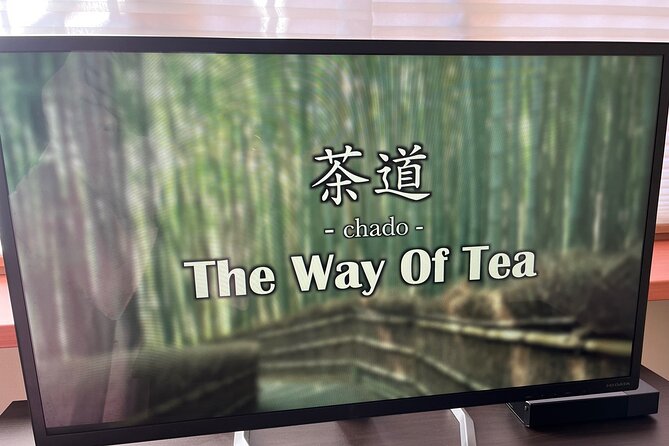
An introductory video of about 10 minutes follows. It explains the history and core ideas of Chado before you enter the tearoom. Some people may find a video less memorable than a live talk, but it gives the class a clear starting point and helps explain the formal demonstration that comes next.
If you have never seen a tea ceremony, this background is useful. It gives you a little context for the bows, tools, movements, and quiet pauses, so the ceremony does not feel like a series of mysterious actions.
Entering the second-floor tearoom
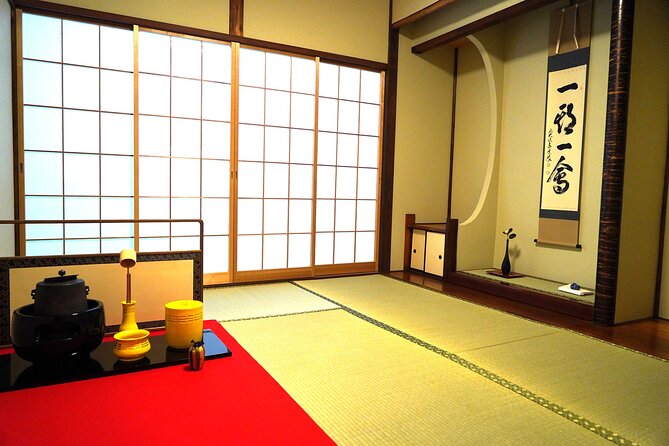
The tearoom is in an old Japanese-style building constructed in the 1940s. You climb a very steep staircase to reach it, so this is important to know before booking. The building does not have equipment to assist with the climb.
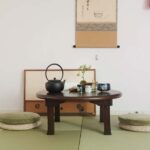
Once inside, the room’s simplicity becomes part of the lesson. You sit on tatami mats and learn how the tea space is arranged. The room is not a stage set built for tourists. Its age, compact scale, and traditional floor seating help explain why Chado pays such close attention to position, movement, and the objects in front of you.
Bare feet are not allowed. Bring socks, even during warm Tokyo weather. Miniskirts and tight pants are also discouraged because you need to move comfortably in the room.
You do not have to sit in seiza, the formal position with your knees bent beneath you. If sitting on the tatami is not possible, the school can provide a chair. That makes the workshop more manageable for many people, though the stairs remain a separate concern.
The instructor creates a quiet pause for meditation and asks you to leave ordinary concerns behind for a while. You are not expected to become a Zen monk in 90 minutes. The point is simpler: slow down, pay attention, and allow the room to shape your mood.
Sweets and the meaning of hospitality
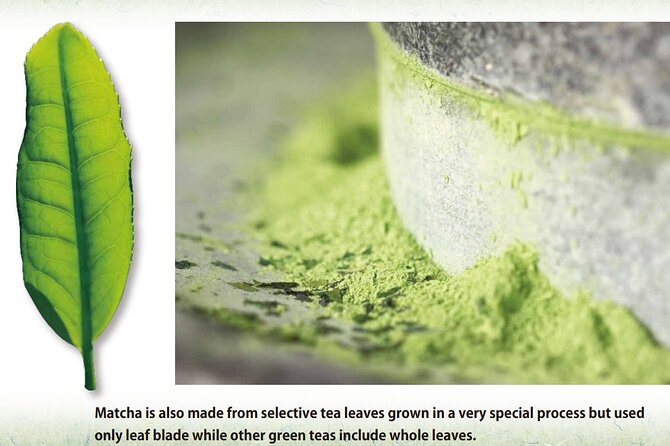
Traditional Japanese confectionery is served during the workshop. You enjoy three kinds of local sweets, including dry sweets before the lighter matcha. These are not just snacks added to the ticket to make the experience feel generous.
Japanese sweets are chosen to balance the bitterness of matcha. The sweetness prepares your palate for tea, especially the strong koicha, and gives you another way to notice how food and drink work together in a tea setting.
The sweets also make the session friendly for people who are unsure about matcha. Strong green tea can be intense, but the confectionery softens that first impression. The presentation adds a visual element, too, since Japanese sweets often contribute to the seasonal and artistic feel of the gathering.
If your main goal is to sample a large range of matcha drinks, this is not that kind of tasting. The focus is on the ceremony and the way tea is served. Still, you receive enough variety to begin forming your own preferences.
Watching the formal koicha ceremony
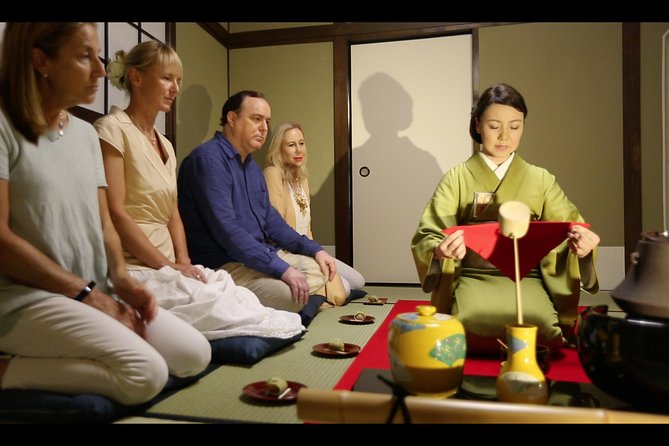
The instructor next performs a formal ceremony for koicha, the thick, strong matcha traditionally associated with the older form of tea drinking. You watch the careful preparation and distribution of the tea before tasting it yourself.
Koicha is much denser and more concentrated than the frothy usucha most people know from matcha cafés. The experience helps explain why sweets are served first and why each step is handled with such care.
This is one of the strongest parts of the workshop for anyone interested in Japanese culture. You are not merely shown a recipe. You see how the host prepares the room, handles the bowl, and serves the drink as part of a larger act of respect.
The ceremony can feel slow compared with a normal sightseeing stop. That is intentional. The quiet is part of the activity, and you should not book this expecting constant conversation or rapid entertainment.
The instructor is fluent in English and has years of experience teaching tea ceremony. The available details identify her as Ms. Haneishi, and the teaching style is focused on explanation rather than performance alone. She explains what is happening, why the actions matter, and how the objects relate to one another.
A few more Tokyo tours and experiences worth a look



Tea bowls are part of the lesson
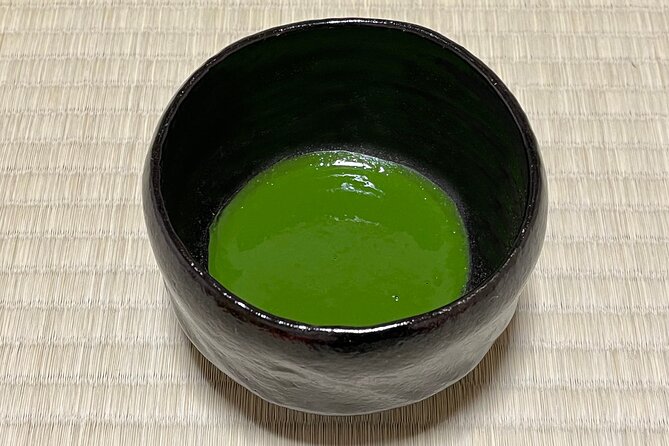
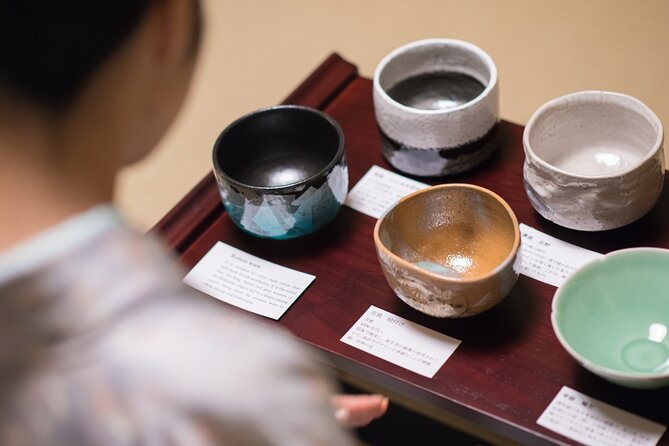
A particularly worthwhile section covers tea bowls. You learn that bowls come from different regions and that their shapes can change how the tea feels and tastes.
This is easy to overlook if you think of a bowl as a simple container. In Chado, the bowl is one of the central objects of the meeting. Its size, texture, shape, and handling all affect the experience.
You may begin to notice details such as where your hands go, how the bowl is turned, and how you look at it before drinking. These gestures are not random rules. They help host and guest show care for the object and for one another.
The lesson also gives you a better eye for ceramics during the rest of your Japan trip. Afterward, a tea bowl in a shop or museum may seem less like a decorative item and more like a piece of regional craft with a purpose.
Making usucha with your own hands
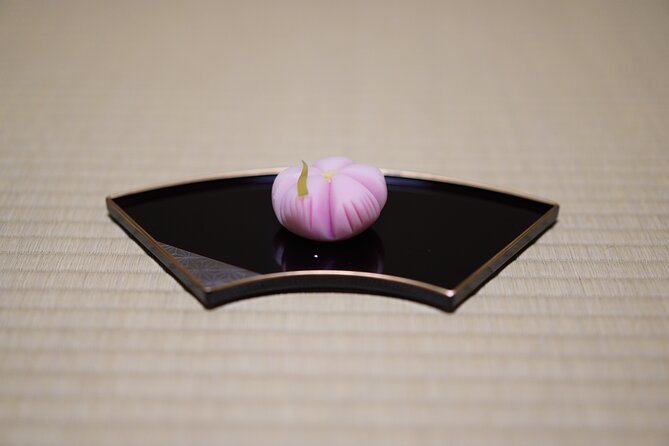
After watching the formal ceremony, you prepare usucha yourself. This is the thin matcha served with a layer of foam, and it is the practical heart of the class.
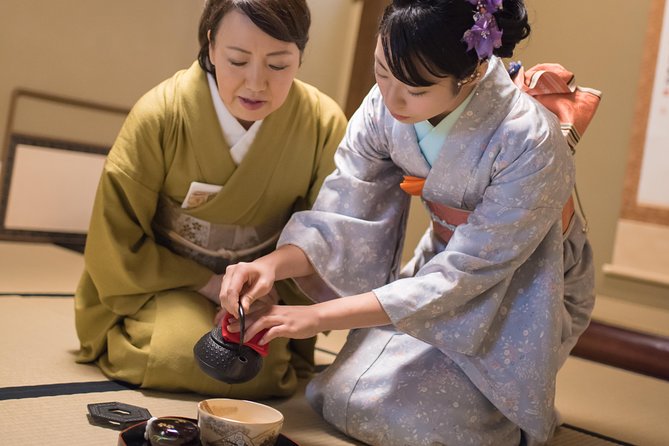
The instructor provides the materials and demonstrates each step. You learn about matcha powder, measure it, add water, and whisk the tea. The goal is not to produce a perfect bowl on the first try. It is to understand the movement, texture, and care involved.
This hands-on section keeps the activity from becoming passive. You watch the host, then take your turn. You also practice serving tea as a host and receiving it as a guest, which helps connect the physical actions with the manners of Chado.
The process can be surprisingly calming. Whisking gives your hands something precise to do, while the room asks you to pay attention to small details. Couples and families can enjoy this part together, and children aged 10 and above are allowed to participate.
The workshop is especially useful for anyone who has bought matcha in Japan but never understood how it is traditionally prepared. You leave with a clearer sense of why the powder, water, bowl, whisk, sweets, and gestures all belong together.
What the small group changes
The maximum group size is six, though some sessions may be smaller. That is a real advantage in a traditional room. You are more likely to hear the explanations, see the instructor’s hands, and receive help during your turn.
The intimate format also suits couples, families, and people who prefer cultural activities that do not feel like a large class. One family brought teenagers aged 13 and 15, and the format worked well for them. A small room and quiet subject may not excite every child, but older children with an interest in food, craft, or Japanese customs can get a lot from it.
A smaller group does not guarantee a private booking. Some sessions combine separate bookings, while others may include only a few people. The setting remains limited to six participants.
The old building also has a weight capacity. The school may ask a group to change its time to balance the building’s load for safety. This is an unusual restriction, but it follows from using an older Japanese house rather than a modern studio.
Is the $38.47 price good value?
At $38.47 per person, this is reasonably priced for a guided cultural activity in Tokyo. You receive an English-language introduction, a video lesson, time in a traditional tearoom, Sakura tea, Japanese sweets, a formal koicha demonstration, tea education, and a hands-on usucha session.
The value is strongest if you want context and participation. A simple matcha drink costs far less, but it does not teach you how the ceremony works or give you a chance to act as host and guest.
The price is also easier to justify because the class is connected with a licensed Urasenke school and uses an actual tearoom. You are paying for instruction, setting, materials, and time with a trained practitioner, not only for a cup of tea.
Still, keep your expectations in line. This is a short introduction rather than an all-day cultural course. If you already study Chado, you may find the material too elementary. If you are new to the tradition, the length is a benefit because you get a meaningful introduction without giving up most of your sightseeing day.
Getting there and preparing for the visit
The meeting point is near public transportation in the Asakusa area. The activity ends back at the same point, so you do not need to arrange a separate return transfer.
Use the exact address, 2-chōme-3-12 Kotobuki, Taito City, Tokyo 111-0042. The note about the new address is important because map results may show 2-3-3 for unclear reasons.
Before leaving your hotel, put on clean socks and choose clothing that allows you to sit and move comfortably. Avoid miniskirts and tight pants. Since the room is upstairs in an old house, anyone concerned about steep stairs should contact the provider before booking.
The experience is designed for people aged 10 and older. Most people can participate, and a chair is available if you cannot sit on tatami in any position. That accommodation helps, but it does not remove the need to climb the staircase.
Confirmation arrives within 48 hours, subject to availability. Several workshop times are offered, which is useful if you are fitting the class between temple visits, shopping, or other plans in Tokyo.
Free cancellation is available until 24 hours before the start time. Cancellations or changes inside that window are not refunded or accepted, based on local Tokyo time.
Who should book this tea ceremony?
I would choose this workshop if you want a calm, structured introduction to Japanese culture rather than another fast-moving sightseeing stop. It suits first-time visitors who want to understand the meaning behind matcha, sweets, tatami, bowls, and formal hospitality.
It is also a good pick for couples. The quiet setting encourages you to slow down together, and the shared tea-making practice gives the experience a social side without turning it into a loud group activity.
Families with older children can make it work, especially if the children are curious about Japan. The minimum age is 10, and the hands-on portion gives younger participants something active to do.
You may want to skip it if you dislike floor seating, have difficulty with steep stairs, or want a long and highly technical course. You should also avoid booking it only for the drink. The matcha is part of the lesson, not the whole point.
Should you book it?
Book this tea ceremony if you want a genuine, compact introduction to Chado in a traditional room. The strongest reasons are the licensed school setting, fluent instruction, small group size, formal koicha demonstration, and chance to prepare your own usucha.
Treat it as a cultural workshop, not a luxury tea tasting or a complete tea-master course. Bring socks, verify the 2-3-12 address, allow for the steep staircase, and arrive ready to slow down. For the price, it offers a thoughtful way to experience Japanese hospitality that goes well beyond ordering matcha at a café.
FAQ
Where does the tea ceremony workshop take place?
It takes place at 2-chōme-3-12 Kotobuki, Taito City, Tokyo 111-0042, Japan, near the Asakusa area. The activity ends back at the meeting point.
How long does the workshop last?
The practical session is approximately 90 minutes. The booking information displays a duration of one day and one hour 30 minutes, so allow extra time for arrival and departure.
What kinds of tea will I try?
You receive Sakura tea as a welcome drink, taste koicha, the thick form of matcha, and prepare and drink usucha, the thinner matcha with foam.
Will I make my own matcha?
Yes. The instructor demonstrates the process, then gives you the materials and guides you through making a bowl of usucha.
Do I need to sit in seiza?
No. You do not have to sit in seiza on the tatami mats. A chair can be provided if you cannot sit on the floor.
Are children allowed to join?
The workshop is designed for participants aged 10 and older.
What should I wear?
Wear socks because bare feet are not allowed in the tearoom. Miniskirts and tight pants are not recommended. Comfortable clothing is the practical choice.
More Workshops & Classes in Tokyo
More Tea Ceremony & Matcha in Tokyo

More tours in Tokyo we've reviewed










Tea Ceremony & Matcha, compared.
 ★ 5.0Matcha Making Class in Tokyo with Authentic Japanese Sweets SetFrom $21
 ★ 5.0Tokyo: Traditional Tea Ceremony with a Tea MasterFrom $381 hour
 ★ 4.5Dynamic Tokyo: Tokyo Tower, Tea Experience, Bay Cruise Day TourFrom $99
 ★ 4.9Tokyo: Matcha Making Experience with Mochi Sweets in AsakusaFrom $221 hour
 ★ 4.7Tokyo: Matcha and Kimono ExperienceFrom $57
 ★ 4.9Tokyo: Asakusa Kimono Dressing and Matcha ExperienceFrom $562 hours