
Reviewed · 3-HOUR EXPERIENCES
Discover Tokyo: 3-Hour Private Guided Photo Walking Tour
Tokyo makes you work for a good photograph. A shrine can hide behind a station, a narrow alley can open into a wall of neon, and a famous crossing may look completely different in rain or after dark. This private walk with photographer-guide Bunga helps you notice those shifts instead of simply checking off sights. I like the freedom to choose Shibuya, Shinjuku, Akihabara, Odaiba, Asakusa, or another area, and I like that the lesson happens while you explore. The guide can point out places you might pass without seeing and offer simple ways to improve framing and timing.
The biggest consideration is the three-hour limit. Tokyo is enormous, so you cannot reasonably cover several distant districts in one outing. You will get more from this tour by choosing one area and letting the guide shape a focused route. At $114.31 per person, it is strongest value for solo visitors, couples, families, and small groups who want both a private city walk and useful photography help.
In This Review
- Key points to know before you book
- Why a private photo walk works well in Tokyo
- Starting at Hachiko Square in Shibuya
- Shibuya beyond the crossing
- Shinjuku’s alleys, Godzilla, and Kabukicho Tower
- Akihabara for electronics, anime, and bright signs
- Odaiba’s open views and modern settings
- Asakusa for a more historic Tokyo mood
- Morning or night: choosing the right three hours
- What the guide adds to the experience
- Price, pace, and physical demands
- Who should book this Tokyo photo tour
- Should you book it?
- FAQ
- How long is the photo walking tour?
- Where does the tour start?
- Where does the tour end?
- Is this a private tour?
- Which Tokyo neighborhoods can I choose?
- Can I choose a morning or nighttime tour?
- Is photography instruction included?
- What is included in the price?
Key points to know before you book
- Choose your Tokyo setting: Pick from Shibuya, Shinjuku, Akihabara, Odaiba, Asakusa, or another preferred area.
- Learn while walking: Bunga gives personalized photography guidance rather than delivering a fixed lecture.
- Pick your light: Schedule a morning walk or a nighttime street photography session.
- See beyond the headline sights: Routes can include back alleys, small Shinto shrines, roof-top parks, and side streets.
- Private means flexible: Only your group takes part, with no strangers setting the pace.
- Consider two sessions: Back-to-back bookings make sense if you want both a morning and night photography experience.
Why a private photo walk works well in Tokyo
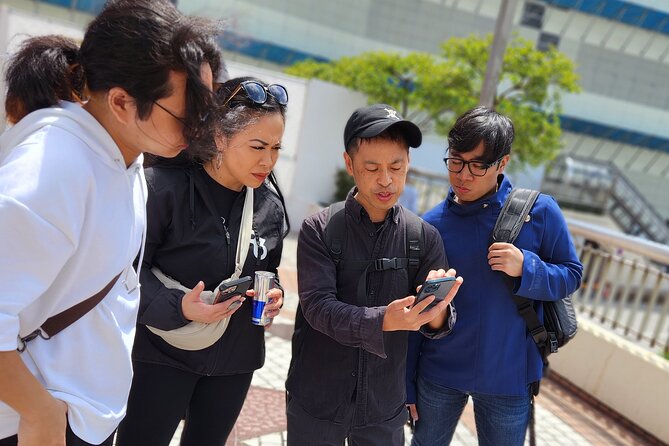
A standard sightseeing walk often points you toward the big places. This experience adds a second layer: how to look at them. You may photograph Shibuya Crossing, but you will also search for quieter corners around the station, watch how people move through the frame, and consider how the surrounding signs and buildings affect the picture.
I especially like the personal format. Bunga can respond to your interests and skill level instead of spending time on subjects you already understand. If you are new to street photography, you can ask for straightforward help with composition and timing. If you already use a camera often, the walk gives you a local eye and fresh subjects.
The guide’s role also reaches beyond photography. Bunga has shown visitors historical places alongside modern Tokyo, and the walk can include small food and drink spots in back alleys. One morning route even included Rainbow Pancakes, a detail that gives the outing a more relaxed, local flavor than a strict camera lesson.
You should still arrive with realistic expectations. This is not a formal photography course with classroom instruction, printed materials, or a guaranteed set of finished images described in the tour details. It is a practical walk where you learn by making photographs in the city.
Other walking tours we've reviewed in Tokyo

Starting at Hachiko Square in Shibuya
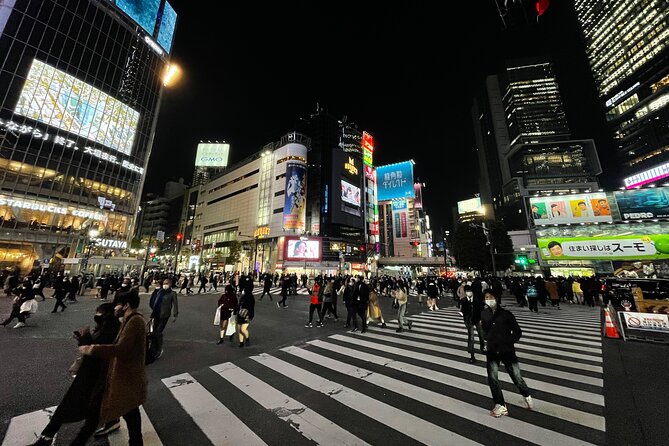
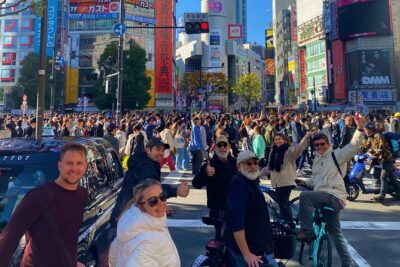
The listed meeting point is Hachiko Square, at 2 Chome-1 Dogenzaka in Shibuya. This puts you beside one of Tokyo’s best-known urban scenes, and it is a useful starting point for a photography-focused outing because the area changes quickly from huge public spaces to narrow side streets.
Shibuya works well in the morning if you want a calmer feel and softer light. At night, the signs, station traffic, and bright streets give you a more dramatic subject. The choice matters because the same district can feel almost like two different places depending on the hour.
The route described for Shibuya runs from the east side to the west side of Shibuya Station. That is a useful detail. You are not limited to standing at the crossing, taking the familiar shot, and leaving. The walk can lead into back alleys, small shrines, and roof-top parks, giving you a mix of wide city views and close details.
Shibuya is also a good pick if you want variety without spending the whole three hours on trains. You can photograph modern buildings, public spaces, local corners, and food stops in one area. The drawback is that Shibuya can be visually intense. If you prefer quiet streets and old architecture, Asakusa may suit you better.
Shibuya beyond the crossing
The best reason to choose Shibuya is the chance to move past its famous center. The crossing is worth seeing, but it is only one photograph. Bunga’s route can help you look for less obvious scenes, including roof-top parks and tucked-away shrines.
I would choose this district if you want the tour to combine sightseeing with a photo lesson. You can practice working with crowds, signs, layers, and changing light. The area gives you many subjects close together, which is useful during a three-hour session.
The walk also has a personal side. A family can focus on portraits and group pictures, while a solo visitor can work on street scenes without waiting for a larger group. The private setup lets you stop when a moment interests you, though you should remember that the tour still has a fixed duration.
Shinjuku’s alleys, Godzilla, and Kabukicho Tower
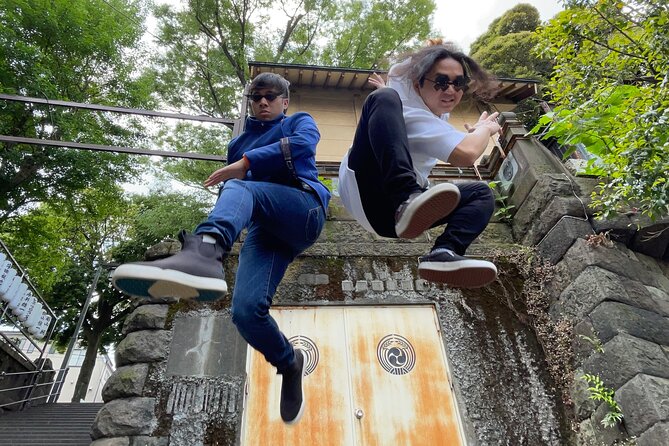
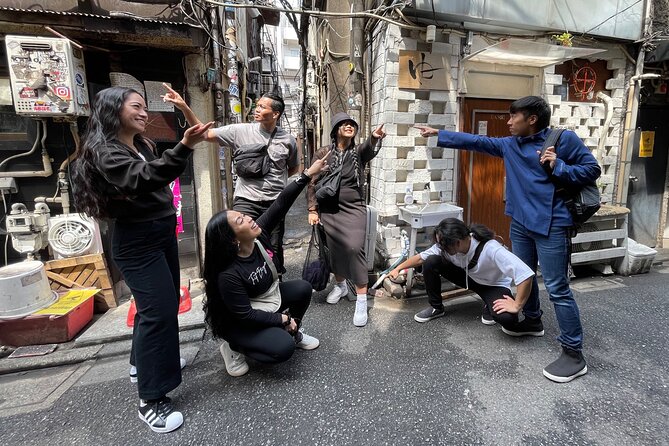
Shinjuku offers a different kind of city photography. The route takes in Godzilla, narrow Golden Gai, Kabukicho Tower, and other places suited to shooting. This is the choice for strong visual contrast: large entertainment buildings near tight lanes, bold signs beside older-looking streets, and recognizable landmarks mixed with small details.
Golden Gai is particularly useful for a photographer because its narrow alleys create compact scenes. You can work on framing, repetition, signs, doorways, and the relationship between people and buildings. The area is also a place where a guide’s sense of timing and route can save you from wandering without a plan.
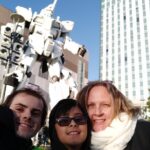
Kabukicho adds a modern, high-energy side. Godzilla gives you an easy landmark, but the more rewarding task may be finding your own angle rather than making the standard record shot. Bunga can help you consider where to stand and what to include.
Choose Shinjuku if you want neon, nightlife, and urban character. A nighttime walk makes obvious sense here, though morning may give you a quieter look at streets that are best known after dark. As with Shibuya, the district is large. You should not expect to see every major part of Shinjuku in three hours.
Akihabara for electronics, anime, and bright signs
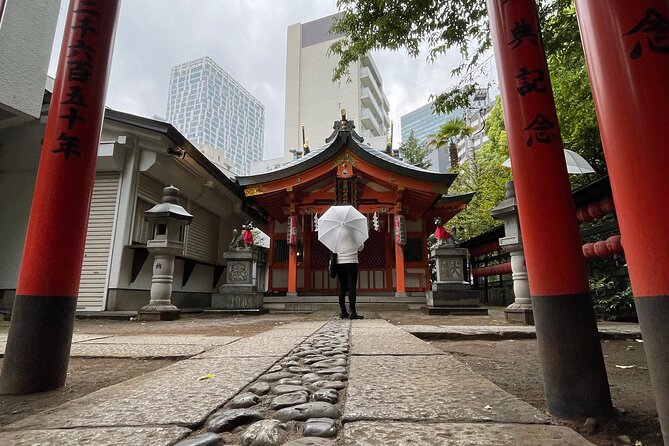
Akihabara is built for pictures that feel unmistakably modern Tokyo. The district is known for electronics, maid cafes, and anime culture, with a visual mix of signs, storefronts, character displays, and busy streets.
This area suits you if you want color and pop culture rather than shrines and older neighborhoods. It can also challenge your photography skills. Bright signs compete for attention, and crowded scenes can become messy unless you choose a clear subject. Personalized instruction is useful here because a small change in position or framing can make a busy image easier to read.
Akihabara may be especially good after dark, when illuminated signs become part of the subject. The tour description does not promise entry to cafes or shops, so think of this as a street photography walk through the district, not a shopping or anime-culture tour.
Other guided tours in Tokyo

Odaiba’s open views and modern settings
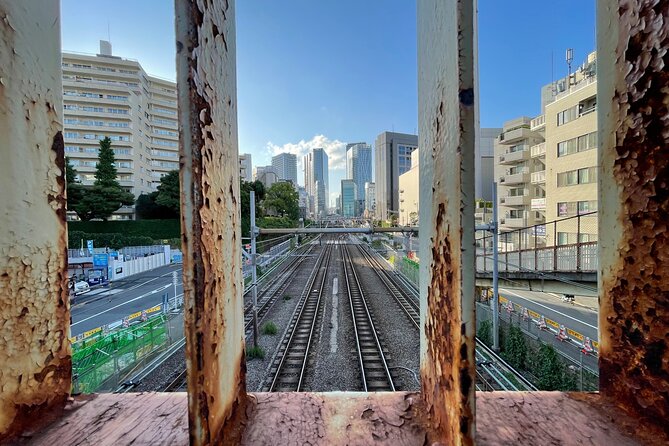
Odaiba provides a broader setting than Shibuya, Shinjuku, or Akihabara. The walk focuses on unusual spots and less familiar views around the area, giving you room to photograph modern Tokyo from a different angle.
I would pick Odaiba if you want more open space and a change from dense station districts. It may also suit photographers who like architecture, long views, and large-scale urban scenes. The supplied information does not specify every stop or landmark, so you should confirm the exact route when arranging your tour.
Odaiba is separate from the central districts listed above, so choosing it means committing the full three hours to that area. That is not a flaw, but it makes route selection important. You will have a better session by choosing one district than by trying to combine Odaiba with Shibuya or Shinjuku.
Asakusa for a more historic Tokyo mood
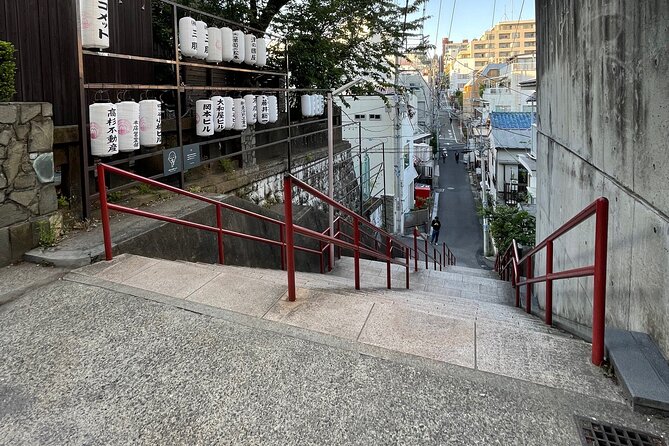
Asakusa is offered as another possible area, especially for visitors interested in historical landmarks. It gives you a clear alternative to Tokyo’s neon districts, with older religious and street scenes likely to shape the walk.
The key value here is contrast. You can work on details around Shinto shrines and traditional settings instead of relying on large signs and bright commercial streets. If your Tokyo photographs all look modern, Asakusa can add a different visual chapter.
The available details do not name specific Asakusa stops, so you should treat the neighborhood choice as flexible rather than a fixed sightseeing route. Tell Bunga what you want to photograph before the walk begins. That conversation is important in a private tour.
Morning or night: choosing the right three hours
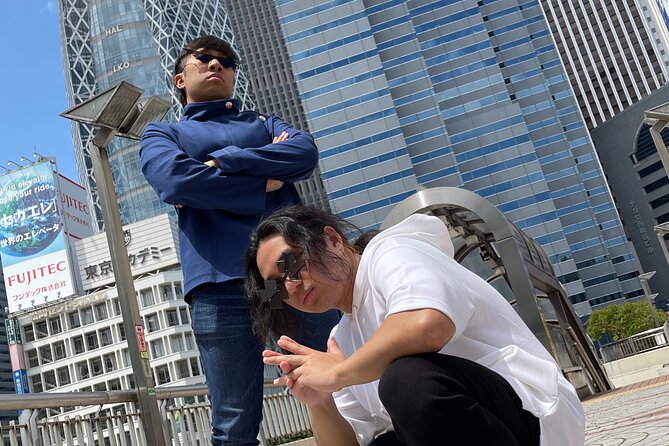
Morning and nighttime sessions offer different rewards. A morning walk can give you a calmer start and clearer attention to architecture, shrines, food stops, and everyday street scenes. It may be the better choice if you want to learn without the strongest crowds.
Night photography is a natural fit for Shibuya, Shinjuku, and Akihabara. Bright signs and entertainment districts give you strong color and contrast, but low light can make photography harder. That challenge is part of the value if you want practical advice on making sharper, better-composed images in difficult conditions.
I would choose the time based on your main goal:
- Pick morning for quieter streets, shrines, historic details, and a relaxed start.
- Pick night for neon, nightlife areas, signs, and a more dramatic city feel.
- Book two back-to-back tours if you want both kinds of light and have the energy for six hours of walking.
Two sessions cost more, of course, but they can make sense for serious photography fans. You could use one tour for Shibuya in the morning and another district at night, provided the bookings and route plans are arranged separately.
What the guide adds to the experience
Bunga receives the strongest praise for two connected skills: guiding people through Tokyo and helping them make better photos. The useful distinction is that the tour is not simply a photo shoot and not simply a sightseeing walk. It combines the two.
You can expect practical tips as you photograph, along with explanations of historical places and modern sights. The guide has also been praised for a good sense of humor and for showing small alleyway places to eat and drink. Those details matter because they turn a route into an introduction to how a neighborhood feels, not just how it looks.
The guide’s expert eye is most useful when you are photographing people or family groups. One visitor used the Shibuya session to capture birthday memories, while another family combined sightseeing with photos of their group. If you want polished portraits, discuss that goal at the start so the route and stopping points can reflect it.
The tour does not state that professional camera equipment is provided. Bring the camera or phone you plan to use. The experience is designed around improving your own photography, so your equipment and comfort with it will shape the results.
Price, pace, and physical demands
At $114.31 per person, this is not the cheapest way to see Tokyo for three hours. It can be good value if you want a private guide, a custom neighborhood choice, and photography help in the same booking. A shared sightseeing walk may cost less, but it will not give your group the same control over pace or subject.
Group discounts are available, which makes the price easier to justify for families or friends. A private booking also avoids the common problem of stopping for a subject while a large group is ready to move on.
You should have a moderate level of physical fitness. This is a walking tour, and the route may include station areas, alleys, parks, and city streets. Wear comfortable walking shoes and keep your camera setup manageable. Snacks are not included, though food and drink stops may be pointed out along the way. Tips are optional.
The activity starts and ends at the meeting point at Hachiko Square. It is near public transportation, and service animals are allowed. Confirmation is provided when you book. Free cancellation is available up to 24 hours before the local start time. Changes or cancellations inside that window are not accepted for a refund.
Who should book this Tokyo photo tour
I would recommend it most strongly to:
- Solo visitors who want a guide without joining a larger group.
- Couples who want photographs of themselves as part of the day.
- Families who want sightseeing and useful group-photo help.
- Amateur photographers who want better street images from a short session.
- Repeat visitors who have already seen the major sights and want a different angle.
- First-time visitors who prefer one neighborhood explored with care.
I would be less likely to recommend it if you want a full Tokyo overview in three hours, a formal photography workshop, or guaranteed professional portraits. The tour is focused and personal, not a citywide sampler or a studio session.
Should you book it?
Book this experience if you want to see Tokyo with a camera in hand and prefer a private route over a fixed group schedule. Choose one neighborhood carefully, tell Bunga what kind of images you want, and decide between morning and night based on the mood you want to capture.
For the best value, use the tour to learn how to notice Tokyo’s smaller scenes: a shrine behind a station, a narrow alley, a roof-top park, or the way neon changes a familiar street. If you only want the standard sights, you can find them on your own. If you want those sights plus a sharper eye for the city, this three-hour walk is a sensible choice.
FAQ
How long is the photo walking tour?
The tour lasts approximately three hours.
Where does the tour start?
It starts at Hachiko Square, located at 2 Chome-1 Dogenzaka, Shibuya, Tokyo 150-0043, Japan.
Where does the tour end?
The activity ends back at the meeting point.
Is this a private tour?
Yes. Only your group participates in the activity.
Which Tokyo neighborhoods can I choose?
You can choose areas such as Shibuya, Shinjuku, Akihabara, Odaiba, and Asakusa. The tour is customizable, so you should select the area that best matches your interests.
Can I choose a morning or nighttime tour?
Yes. You can choose between a morning street photography walk and a nighttime street photography walk.
Is photography instruction included?
Yes. The tour includes personalized tips intended to help you improve your photography while exploring Tokyo.
What is included in the price?
All fees and taxes are included. Snacks are not included, and tips are optional.
More Private Tours in Tokyo

More Guided Tours in Tokyo
More Walking Tours in Tokyo

More tours in Tokyo we've reviewed


3-Hour Experiences, compared.
 ★ 5.0Tokyo Top Highlights 3h Guided E-bike TourFrom $63
 ★ 5.03h Tokyo E-Bike Tour: Hidden Gems, and Local Life with guideFrom $63
 ★ 4.8Tokyo: 3-Hour Bike or E-Bike City Highlights TourFrom $453 hours
 ★ 4.8Tokyo: 3-hour Guided E-Bike Tour of the City’s Hidden GemsFrom $65
 ★ 5.03-Hour Tokyo Pub Crawl Nightlife Welcome Guided Tour in ShibuyaFrom $46
 ★ 5.0Tokyo: 3-Hour Bike/E-Bike Tour of the City’s HighlightsFrom $63