
Reviewed · 3-HOUR EXPERIENCES
Tokyo Like a Local: Private & Personalised Experience (2-3 hours)
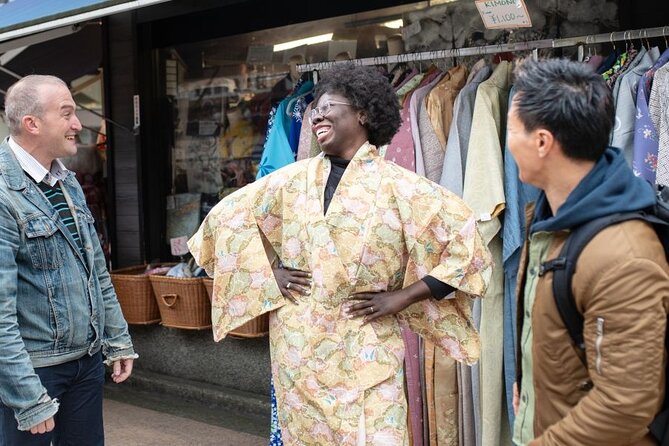
Tokyo can feel like several cities stitched together by an enormous rail network. This private 2 to 3 hour orientation gives you a local guide to help make sense of it, from buying subway tickets to choosing the right neighborhood for your limited time.
I like the flexible plan and the practical help. Guides such as Saito, Susumu, Shoko, and Hiroto have helped visitors with trains, food orders, family needs, and local customs. The main catch is that this is a walking experience, not a private car tour, and trains or taxis cost extra.
In This Review
- Key points to know before booking
- Why this works best as a Tokyo orientation
- Meeting in Harajuku and setting the tone
- Shibuya: Hachiko, the crossing, and Takeshita Street
- Asakusa: Senso-ji and Nakamise Street
- The train lesson that can save your trip
- Food, customs, shopping, and nightlife advice
- How the private format helps families and older visitors
- What the strongest guides add
- Price, timing, and what you actually receive
- Who should book this Tokyo experience?
- Should you book Tokyo Like a Local?
- FAQ
- How long does Tokyo Like a Local last?
- Is this a private tour?
- Where does the experience start?
- Does the tour include hotel pickup?
- Are transport costs included?
- Are food and attraction tickets included?
- Can I cancel for a full refund?
Key points to know before booking
- Your guide shapes the route: Focus on food, temples, shopping, nightlife, family needs, or Tokyo’s transport system.
- Harajuku is the usual starting point: Meet at NewDays near the Omotesando Exit, then finish back at the meeting point.
- Shibuya and Asakusa are possible highlights: See Hachiko, Shibuya Crossing, Takeshita Street, Senso-ji, and Nakamise Street, depending on your plan.
- The rail lesson may be the real star: Your host can help you buy tickets and understand Tokyo’s subway and train network.
- The cost is for guidance, not admission: Food, drinks, attraction tickets, and transport are extra.
- Good for a first day in Tokyo: You leave with neighborhood ideas, dining suggestions, and a better sense of how to get around.
Why this works best as a Tokyo orientation
I would think of this as a private introduction to Tokyo, not a standard sightseeing walk. The city is simply too large to cover properly in a few hours, so the value comes from learning how to use your time after the tour ends.
Your host can explain local manners, point out places to eat, and show you how to move between neighborhoods. That can save real time later. A short lesson on the rail system is especially useful when Tokyo’s station signs and multiple train operators first seem like a puzzle designed by engineers.
The format is private, so your group gets the guide’s full attention. That matters if you are traveling with children, older relatives, or a teenager with very specific interests. One family used the time to let a child play rather than spend the whole outing in a stroller. Another parent and teenage son used the tour to get comfortable with the city together.
The experience costs $107.20 per person. That is not a bargain if you want only a quick walk past famous sights. It becomes more worthwhile when you use the host for practical tasks, such as learning the train system, finding suitable food, understanding customs, or building a plan for the rest of your stay.
Other private tours in Tokyo


Meeting in Harajuku and setting the tone
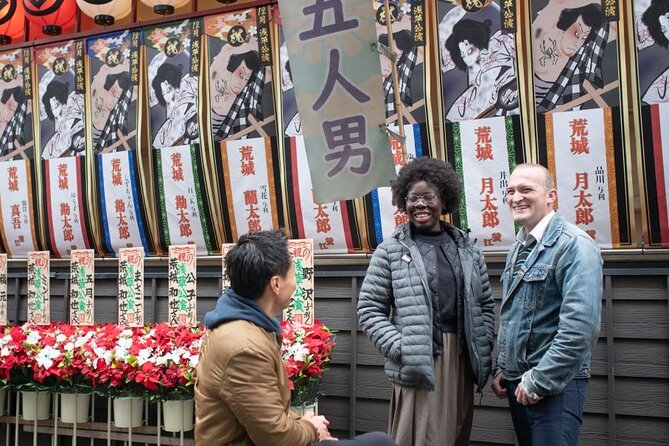
The stated meeting point is NewDays Harajuku, near the Omotesando Exit at Harajuku Station. The address identifies the spot as being in Jingumae, Shibuya, on the first floor near the exit.
After booking, you complete a short questionnaire about your interests and must-see places. Your host then contacts you to discuss the plan. Take this step seriously. If you want a fish market, anime, gardens, traditional neighborhoods, shopping, or food, write it clearly and confirm it again before the meeting.
That advice comes from the mixed results this flexible format can produce. Some guides planned carefully around requests, while one poorly prepared route included a temple that was closed. The experience is only as good as the communication before it begins.
The host may also suggest a route that fits your energy and priorities. You can request a gentle neighborhood walk, a first look at major sights, or a practical orientation near your hotel. Start times are flexible when booking, which makes this useful on your first morning in Japan or during a short stay.
Shibuya: Hachiko, the crossing, and Takeshita Street
A Shibuya-focused plan gives you three very different slices of modern Tokyo.
The first is Hachiko, the dog remembered for waiting faithfully for his owner. The statue is small, but its story carries real weight in Japanese popular culture and makes a simple meeting point more meaningful. Your host can explain the story and its place in the city.
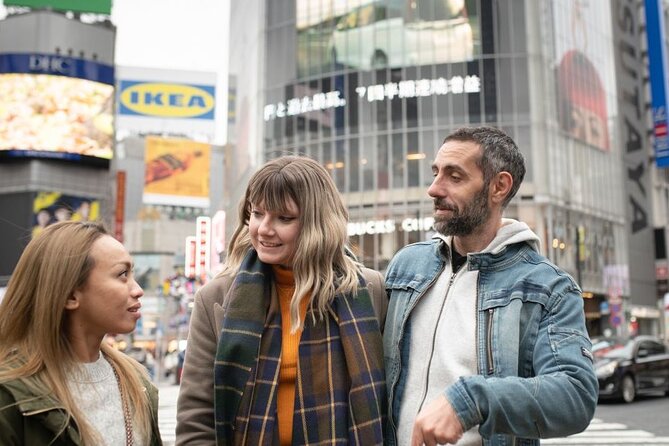
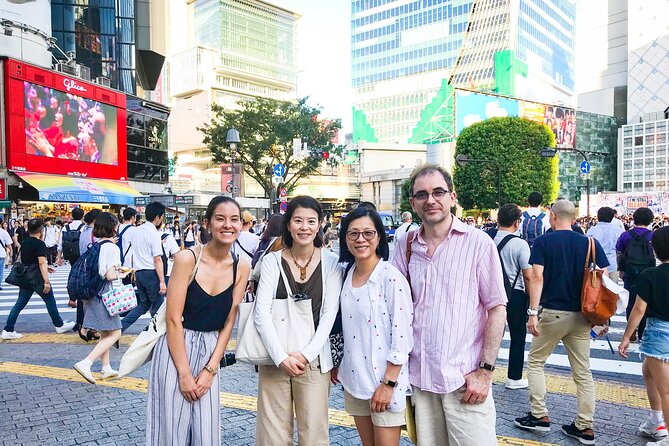
Next comes Shibuya Crossing. From ground level, you can watch the signal change and join the flow across the intersection. Your guide can help you move through the area without wasting time and explain what makes this famous crossing such a useful symbol of Tokyo’s crowded but orderly city life.
Takeshita Street brings a different mood. It is known for fashion, food, and youth culture. You might find colorful snacks, clothing shops, and plenty of people browsing. The street can be crowded, so this is not a quiet stroll. The upside is that your host can help you understand what is worth your attention instead of leaving you to wander without context.
A short tour cannot fully cover Shibuya. It also may not be the best choice if your priority is old Tokyo, temples, or formal gardens. Tell your host what kind of city you want to see before choosing this area.
Asakusa: Senso-ji and Nakamise Street
Asakusa offers a strong contrast to Shibuya. Here, the focus is on Senso-ji, Tokyo’s oldest and best-known Buddhist temple, and Nakamise Street, the traditional shopping lane leading toward it.
Senso-ji gives you a direct introduction to Buddhist practice, temple architecture, and customs that can be easy to miss when you explore alone. Your host can explain what you are seeing and help you approach the temple respectfully.
Nakamise Street is lined with snacks, crafts, and small souvenirs. It is a good place to ask questions about Japanese food or look for gifts with a local connection. You are not limited to a quick photo stop. The private format allows you to pause, ask questions, and change direction if something catches your eye.
A guide named Hiroto, for example, helped a family explore Asakusa, introduced them to a range of new foods, and worked well with their young daughter. That sort of flexibility is the point of booking a private host instead of joining a fixed group.
The tradeoff is distance. Asakusa and Shibuya are not next-door stops, and a 2 to 3 hour walk cannot reasonably include both in a detailed way. If you want both areas, expect to use public transport and pay the fare separately. Ask your host how much time will be spent moving between neighborhoods.
The train lesson that can save your trip
For many people, the best part of this experience is not a monument. It is learning how to get around afterward.
Several strong guides have helped with subway tickets, station routes, and transfers. Saito made the rail system less intimidating for a first-time visitor. Susumu helped a parent and 13-year-old son get oriented. Apy patiently assisted older visitors who felt overwhelmed by the size of the network.
Tokyo’s transport system rewards confidence. Once you know how to buy a ticket, read station signs, and follow the correct route, you can explore much farther on your own. Your host may also show you a faster route back to your hotel, a practical skill that continues to pay off after the tour ends.
Remember that the activity itself is primarily on foot. Public transportation or local taxis may be used between areas, but those costs are not included. There is no private vehicle. The word pickup can also create confusion, so confirm the exact meeting arrangement with your host rather than assuming a car will collect you from your hotel.
A few more Tokyo tours and experiences worth a look



Food, customs, shopping, and nightlife advice
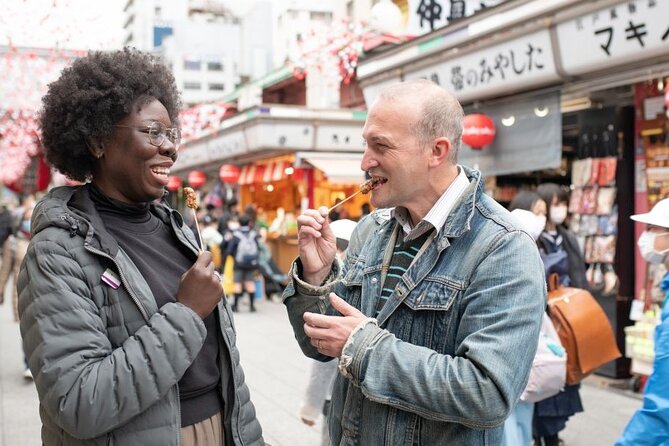
This tour earns its keep when you use it to ask everyday questions.
You can ask where to eat, how to order, which local foods suit your group, and what customs to observe. One host helped a visitor order food and shop for basic supplies at Don Quijote. Another took a visitor to a fish market, a kabuki theater, a tea shop, and the Imperial Palace area after the guest extended the time.
Food is not included, and you pay for your own meals and snacks. That is useful to know because a food-focused outing can add to the final bill. It also gives you control. You can choose how much to spend and avoid paying for a meal that does not suit your taste.
Shopping advice can be just as practical. Shoko continued sending store suggestions after the walk, based on what suited her guest. Your host may also offer ideas for nightlife, but the tour does not include admission to clubs, restaurants, or other attractions.
The customs guidance is valuable because small details matter in Japan. A host can explain local behavior in context rather than giving you a long rulebook. Still, guide quality varies. Some hosts are excellent at cultural explanation, while one guide reportedly had to consult Google often. If history and cultural detail are your main goal, ask for a host with that specialty.
How the private format helps families and older visitors
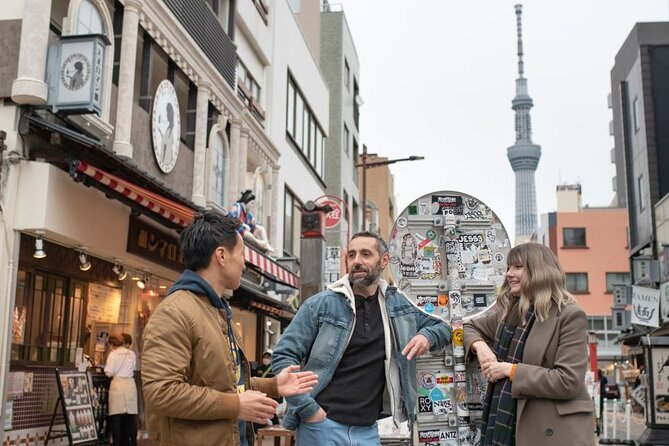
A fixed group tour moves at the pace of the group. This one can slow down for a child, adjust for older legs, or spend more time on a subject that interests your family.
Parents can ask for breaks, food stops, or places where a child can move around. A teenager may prefer Akihabara, manga, or Japanese pop culture, while parents may want temples and food. The host can try to balance those interests within the short time available.
Older visitors may appreciate help with the rail system and a route that avoids unnecessary backtracking. Apy received praise for being patient with seniors who found the subway system daunting. That is a strong reason to consider the tour if Tokyo’s size feels more tiring than exciting.
The private structure also helps solo visitors. Mark adjusted to a delayed arrival during a short layover and gave a visitor an evening look at the city. Even with a limited schedule, a personal guide can make the outing more focused.
Be realistic about the walking. Most people can participate, but this is not a vehicle-based sightseeing tour. Mention mobility needs and preferred pace in the questionnaire.
What the strongest guides add
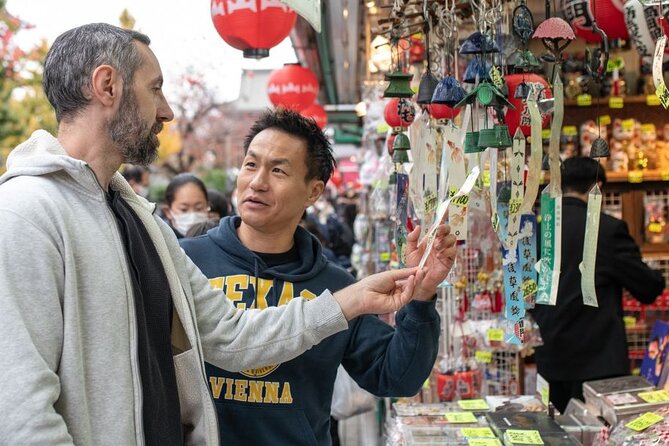
The host makes or breaks this experience. The most effective guides do more than point at buildings. They listen, adapt, and give advice you can use later.
Saito helped with tickets and the subway. Susumu combined well-known sights with everyday local insight. Shoko tailored the route and followed up with shopping suggestions. Hiroto brought food and family-friendly pacing into the plan. Ayaka connected a visitor with a fish market, kabuki theater, tea, traditional sweets, and the Imperial Palace area.
Other praised guides include Tomo, who focused on temples, shrines, traditions, and customs; Gabriel, who combined Senso-ji with food and shopping help; and Mariana, who handled temples, shrines, the fish market, and train travel across the city.
These examples show what to request. If you want a simple introduction, say so. If you want architecture, food, anime, gardens, nightlife, or local shopping, name it. A generic request can lead to a generic walk.
There have also been scheduling failures, including hosts who became unavailable and did not communicate in time. The provider addressed those problems, but you should still confirm the meeting details shortly before the tour, especially if your Tokyo stay is short.
Price, timing, and what you actually receive
At $107.20 per person, the price covers a private, personalized walking experience with a local host. You also receive a pre-tour questionnaire, direct communication for planning, and local recommendations.
You do not receive food, drinks, attraction tickets, transport, or gratuities. The tour lasts about 2 to 3 hours, with flexible start times offered at booking. It ends back at the stated meeting point.
The value is strongest in three situations:
- You are visiting Tokyo for the first time.
- You want help using the rail system.
- You need a custom route for food, family interests, shopping, or culture.
The value is weaker if you already know Tokyo well or simply want an inexpensive sightseeing walk. You may also feel rushed if you try to combine distant neighborhoods and several major sights in one session.
Free cancellation is available up to 24 hours before the start time for a full refund. Changes or cancellations inside that window are not accepted for a refund. Poor weather can also lead to a new date or full refund because the experience depends on walking.
Who should book this Tokyo experience?
I would choose it for a first day in Tokyo, especially after arriving from overseas and facing a city that seems to run in every direction. The practical guidance can help you spend the next several days with less guesswork.
It also suits families, solo visitors, older couples, and anyone who wants a personal pace. Food lovers can ask for markets and local dining advice. Culture fans can request temples, shrines, customs, and traditional neighborhoods. Shibuya and Akihabara can work for guests more interested in fashion, pop culture, or modern city life.
I would not book it expecting a full Tokyo highlights tour by car. I would also avoid leaving your wishes vague. The better you explain your interests, the better your host can use those few hours.
Should you book Tokyo Like a Local?
Book this experience if you want a human guide to help you understand Tokyo, not just show you famous places. The strongest benefit is practical: you can learn the trains, get food advice, adjust the route to your group, and leave with a plan for the rest of your visit.
Before booking, decide on one main goal and one backup. For example, choose subway training plus Asakusa, or Shibuya plus shopping advice. Confirm the meeting point, ask about transport costs, and make sure your host understands any must-see request.
At $107.20 per person, it is a fair choice when the private advice saves time and reduces stress. It is less compelling as a quick photo tour. For a first visit, though, a good host can turn Tokyo from a maze into a city you can start using.
FAQ
How long does Tokyo Like a Local last?
The experience lasts approximately 2 to 3 hours. Flexible durations and start times are available when booking.
Is this a private tour?
Yes. Only your group participates in the activity.
Where does the experience start?
The stated meeting point is NewDays Harajuku, near the Omotesando Exit at Harajuku Station, in Jingumae, Shibuya.
Does the tour include hotel pickup?
Pickup is offered in the tour details, but the experience is primarily a walking activity and does not include a private vehicle. Confirm the meeting arrangement with your host after booking.
Are transport costs included?
No. Public transportation or local taxis may be used between locations, but those costs are extra and can be discussed with your host.
Are food and attraction tickets included?
No. Food, drinks, and tickets to attractions are not included.
Can I cancel for a full refund?
Yes. You can cancel at least 24 hours before the experience start time for a full refund. Cancellations or changes made less than 24 hours before the start time are not accepted for a refund.
More 3-Hour Experiences in Tokyo
More Private Tours in Tokyo

More tours in Tokyo we've reviewed






3-Hour Experiences, compared.
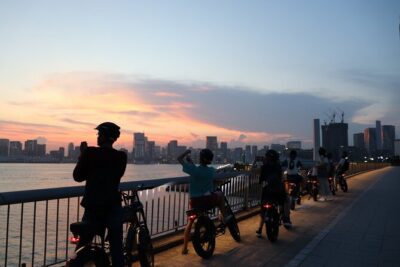 ★ 5.0Tokyo Top Highlights 3h Guided E-bike TourFrom $63
 ★ 5.03h Tokyo E-Bike Tour: Hidden Gems, and Local Life with guideFrom $63
 ★ 4.8Tokyo: 3-Hour Bike or E-Bike City Highlights TourFrom $453 hours
 ★ 4.8Tokyo: 3-hour Guided E-Bike Tour of the City’s Hidden GemsFrom $65
 ★ 5.0Tokyo: 3-Hour Bike/E-Bike Tour of the City’s HighlightsFrom $63
 ★ 5.03-Hour Tokyo Pub Crawl Nightlife Welcome Guided Tour in ShibuyaFrom $46