
Reviewed · ASAKUSA TOURS
Tokyo Morning Tour: Meiji Shrine, Asakusa & Fish Market
Tokyo is at its most inviting early in the day, when this tour moves from the calm grounds of Meiji Shrine to the food stalls of Tsukiji and the old streets of Asakusa. You get three very different sides of the city in 270 minutes, with an English-speaking guide to explain the customs, food, and religious traditions along the way.
I like the smart route and the mix of tastes. Fresh sushi and sashimi at Tsukiji give the morning a true Tokyo flavor, while croquettes and Japanese sweets make Asakusa feel relaxed and easy to enjoy. I also like the cultural focus, especially the chance to sort out Shinto and Buddhism at Meiji Shrine and Senso-ji.
The main drawback is pace. Three major districts in four and a half hours means you will not explore each one at length, and you must pay about 550 yen for public transportation. If you want a slow market visit or lots of shopping time, this tour may feel brisk.
In This Review
- Key points at a glance
- Why this morning route works so well
- Meeting at IKEA Harajuku
- Meiji Shrine: a calm start in central Tokyo
- Tsukiji Outer Market and the taste of Tokyo
- Asakusa, croquettes, sweets, and Senso-ji
- Guides who add meaning to the stops
- What the $83 price really buys you
- Who should book this Tokyo tour
- Booking details worth knowing
- Should you book it?
- FAQ
- How long does the Tokyo Morning Tour last?
- Where does the tour begin?
- Where does the tour finish?
- What places are included?
- Is transportation included?
- What language is the tour conducted in?
- Can I cancel the booking?
Key points at a glance
- Three distinct Tokyo settings: Start among Meiji Shrine’s trees, continue to Tsukiji’s food stalls, and finish around Asakusa’s old temple streets.
- A food-focused morning: Sushi, sashimi, croquettes, and traditional sweets are central to the experience.
- Strong cultural explanation: Guides such as Yosuke, Lax, Lex, Yo Yo, Remu, and Ken explain Shinto, Buddhism, customs, and local history in English.
- A useful first-day route: The tour gives you an early introduction to Tokyo’s food, faith, and older neighborhoods.
- Photos are included: Your guide takes photos during the experience.
- Budget for local transport: Public transportation costs about 550 yen and is not included in the $83 price.
Why this morning route works so well
Many Tokyo tours try to cover too much, then leave you with a string of names and photographs but little sense of how the city fits together. This one has a clearer theme: food, faith, and old Tokyo.
You begin at IKEA Harajuku, then visit Meiji Shrine before heading to Tsukiji Outer Market and Asakusa. The order gives the morning a pleasing change of mood. Meiji Shrine is quiet and reflective. Tsukiji is all appetite and movement. Asakusa brings you back to temples, traditional snacks, and historic streets.
I especially like this as an opening activity in Tokyo. The guide can explain basic customs early in your trip, such as the difference between Shinto and Buddhism, while also giving you practical food ideas. Several guides have been praised for answering questions clearly and looking after families and solo participants. Yosuke is described as positive and attentive, while Lax, Lex, Yo Yo, Remu, and Ken are also named for their friendly and informative guiding.
The experience is not built around luxury or private transport. Its value comes from having a local person connect the stops. Without that help, you could visit these places on your own, but you might miss the meaning behind a shrine gate, a temple ritual, or a particular market food.
A few more Tokyo tours and experiences worth a look

Meeting at IKEA Harajuku
The meeting point is in front of IKEA HARAJUKU. This is useful to know because Harajuku has several busy streets, stations, and landmarks, so you should allow enough time to reach the exact starting point.
The tour does not finish where it starts. You end in Asakusa, which is handy if you plan to continue sightseeing there, eat lunch nearby, or return to your hotel from the eastern side of the city. It also means you should avoid leaving luggage or other belongings at the starting point.
Public transportation is not included. The estimated cost is around 550 yen, a modest extra charge for a route crossing several parts of Tokyo. Your guide handles the sightseeing flow, but you should still arrive ready for city walking and short transport connections.
Meiji Shrine: a calm start in central Tokyo
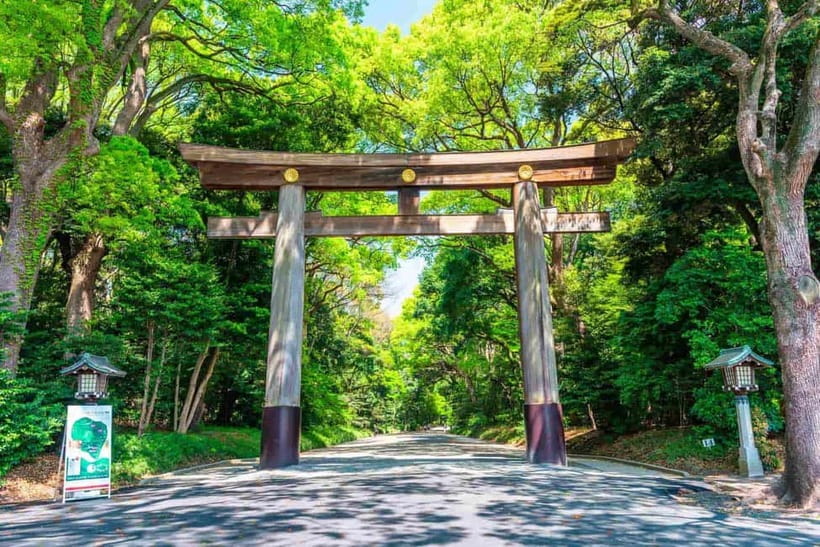
Meiji Shrine is the first major stop, with about an hour set aside for the visit. The shrine offers a sharp contrast to the busy shopping streets around Harajuku. Its calm atmosphere makes it a sensible first stop, particularly if you want a gentle start rather than an immediate rush into the market.
The important point here is not just the shrine building. This is where you begin learning how Shinto shapes Japanese religious practice and daily customs. A guide can explain what you are seeing and help you approach the site respectfully, rather than treating it as a quick photo stop.
The cultural explanation is one of the strongest parts of the tour. Guides have discussed Shinto and Buddhism, the links and differences between the two traditions, and the way religious customs appear in Japanese life. One guide also explained a fire ceremony, which several participants found especially striking. The supplied schedule does not promise that every departure includes such a ceremony, so you should treat it as a possible feature rather than a guaranteed event.
The hour is enough for an introduction, though not for a slow, detailed study of every corner. If you already know Meiji Shrine well, this part may feel familiar. For a first visit, the guide’s explanations should make the setting much more meaningful.
Tsukiji Outer Market and the taste of Tokyo
The longest stop is Tsukiji Outer Market, with about 110 minutes for sightseeing. This is where the tour shifts from quiet religious grounds to Tokyo’s food culture.
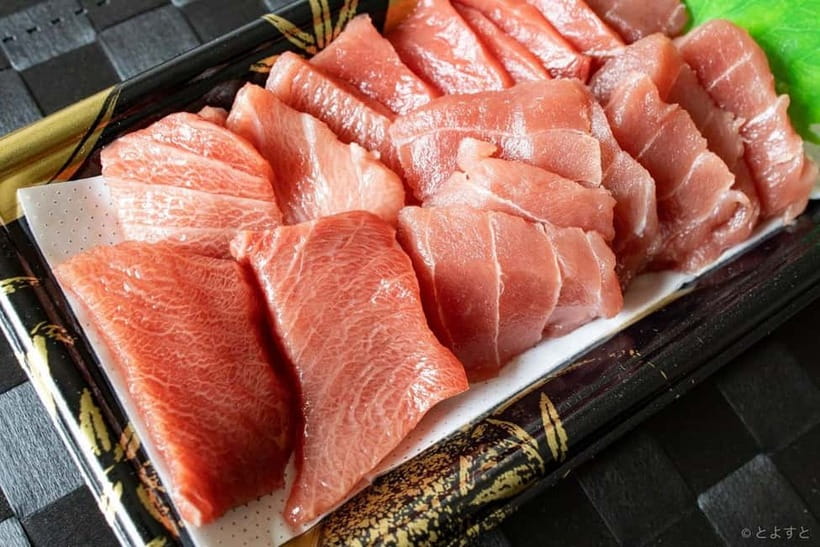
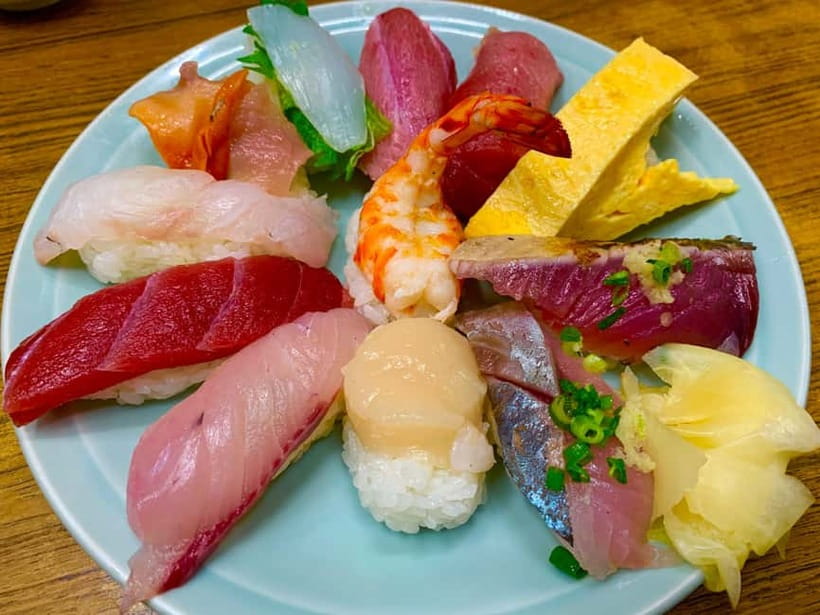
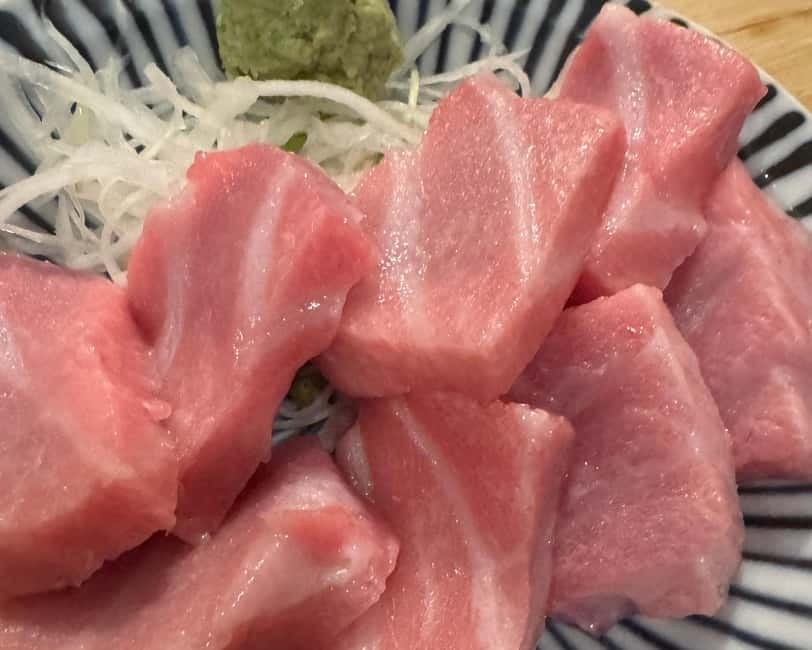
The focus is on tasting fresh sushi and sashimi from the market stalls. That makes Tsukiji more than a place to walk through. You are using your appetite to understand the district, where seafood and quick food stops are part of the experience.
I like the generous time allocation here. One hour would make Tsukiji feel like a rushed pass-through, especially if you want to look at the food displays, ask questions, and choose something to taste. Even so, the market can be busy and crowded, and your actual eating time will depend on the pace of the group and the market conditions that morning.
Your guide’s role matters most at Tsukiji. The market can seem like a wall of stalls if you do not know what you are looking at. The guide can point out local foods, explain what makes the area important, and help turn an ordinary snack into a cultural lesson.
The $83 price is easier to justify if you plan to try several foods and value explanation along with the meal stops. The information provided does not state a fixed number of sushi or sashimi portions, nor does it say that all food purchases are included. You should therefore regard the advertised food tastings as part of the experience, but confirm the exact food allowance when booking if that detail affects your budget.
Tsukiji is also the most practical stop for food lovers. If you are sensitive to raw fish or simply do not eat seafood, the market may be less rewarding. The tour also highlights other snacks later in Asakusa, but the main Tsukiji emphasis is clearly sushi and sashimi.
Asakusa, croquettes, sweets, and Senso-ji
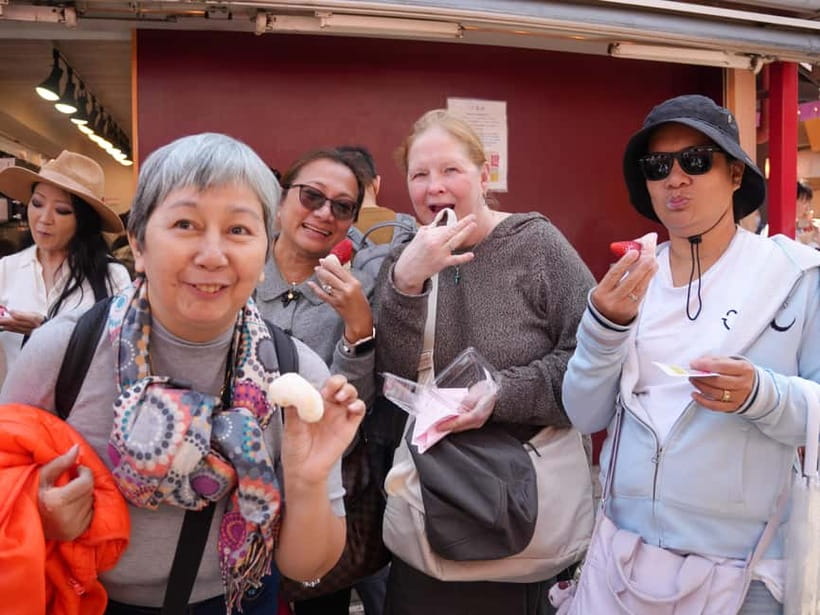
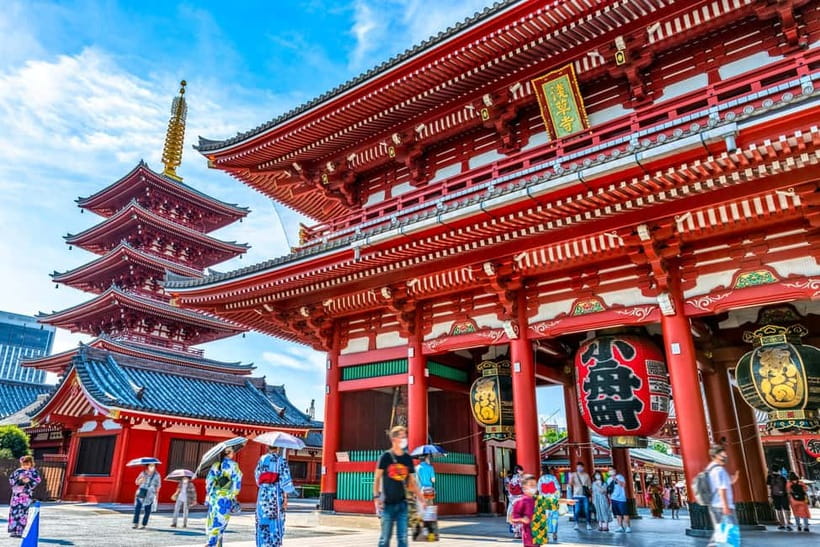
The final stop is Asakusa, with about an hour for visiting, shopping, sightseeing, and walking. You finish at Senso-ji Temple, one of Tokyo’s best-known historic settings.
Asakusa feels different from both Harajuku and Tsukiji. Here, the emphasis is on older Tokyo, temple views, small food stops, and streets where you can browse at an easy walking pace. Croquettes and traditional Japanese sweets are part of the tasting plan, giving the stop a more casual and snack-friendly character than Tsukiji.
Senso-ji also helps complete the religious side of the morning. After learning about Shinto at Meiji Shrine, you have a chance to see Buddhist tradition in a different setting. The guide’s explanation can help you understand why the two sites feel different without reducing Japanese religion to a simple either-or choice.
One hour is enough to see the main area and sample a few foods, but it is not enough for an exhaustive Asakusa visit. If you want extensive shopping, museum time, or a long temple visit, you will need to return later on your own.
Ending here is a practical choice. You can continue exploring Asakusa after the tour, find lunch, or use the neighborhood as a base for the rest of your day. The finish point also makes the tour less useful for anyone who needs to return to Harajuku immediately for a fixed reservation.
A few more Tokyo tours and experiences worth a look
Guides who add meaning to the stops
The guide is the part of this experience you cannot easily replace with a map. The named guides include Yosuke, Lax, Lex, Yo Yo, Remu, and Ken, and the guiding style described across the experience is warm, active, and focused on questions.
Yosuke is noted for clear English, positive energy, and careful attention to the comfort of a parent and child. Lax is described as thoughtful and engaging, while Lex is praised for making Meiji Shrine both informative and calm. Yo Yo is described as passionate and kind, and Remu is associated with clear explanations of Shinto, Buddhism, and the fire ceremony.
You should not assume a particular guide will lead your departure. Still, the repeated emphasis on personal care is useful when deciding if this is right for you. Families, first-time visitors, and people who enjoy asking questions are likely to get the most from the format.
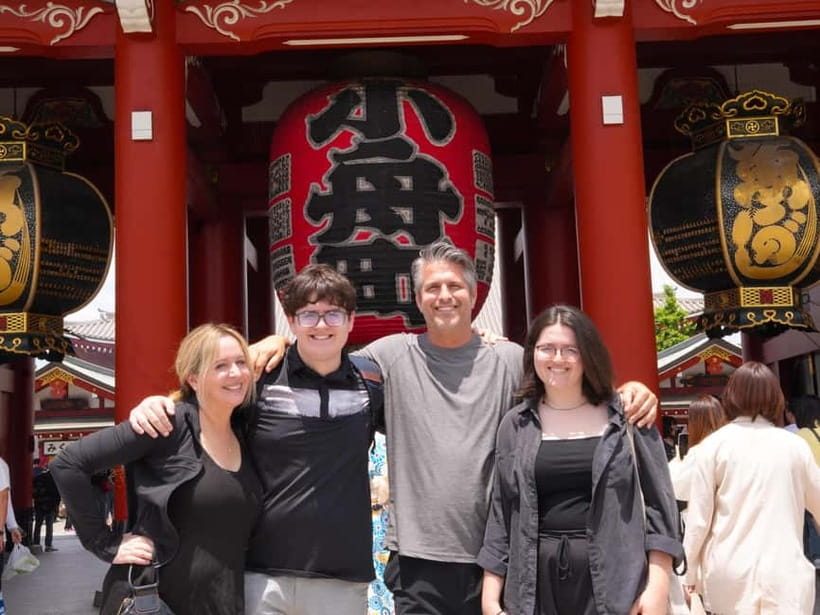
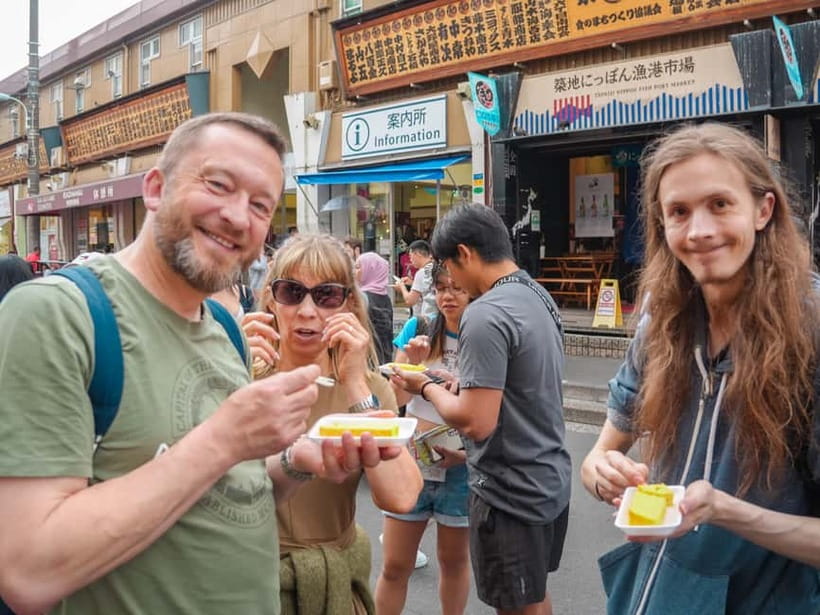
The guide also takes photos during the tour. That is a small but helpful inclusion, especially when you are traveling alone or want a few group images without constantly asking other people to take pictures.
What the $83 price really buys you
At $83 per person, this is not the cheapest way to see Meiji Shrine, Tsukiji, and Asakusa. You can reach all three areas independently using Tokyo’s public transport and spend as much or as little as you want on food.
The price makes more sense if you want structure and explanation. You are paying for an English-speaking guide, historical and religious context, photos, and a planned route that links three major areas. Admission to Meiji Jingu Shrine, Tsukiji Fish Market, and Senso-ji Temple is included according to the tour details, while transportation costs about 550 yen extra.
Food inclusion deserves a careful look. Sushi, sashimi, croquettes, and sweets are promoted as part of the morning, but the supplied information does not state the exact quantity or whether every food purchase is covered. I would check that point before booking if you are comparing this with a food tour that lists a fixed tasting menu.
For many visitors, the real value is time saved and confusion avoided. Tokyo is easy to reach by train but not always easy to understand on a first morning. A guide who can explain customs, answer questions, and keep the group moving can make the extra cost worthwhile.
Who should book this Tokyo tour
I would consider this tour a good fit for:
- First-time visitors who want a guided introduction to Tokyo
- Families who prefer a planned morning with food and cultural stops
- Solo visitors who want photos and an English-speaking companion
- Food fans interested in sushi, sashimi, market snacks, and Japanese sweets
- People curious about Shinto and Buddhism
- Visitors with only a few days who want to cover several major districts efficiently
It may be less suitable if you dislike raw fish, want a long unhurried market visit, or prefer to choose every stop yourself. The 270-minute format gives you a strong overview, not a full day in any one neighborhood.
You should also be comfortable with walking through public places and moving between districts. Exact group size is not provided, so the pace and amount of personal attention may vary by departure. The experience can sometimes feel almost private when numbers are small, but you should not book on the assumption that every group will be tiny.
Booking details worth knowing
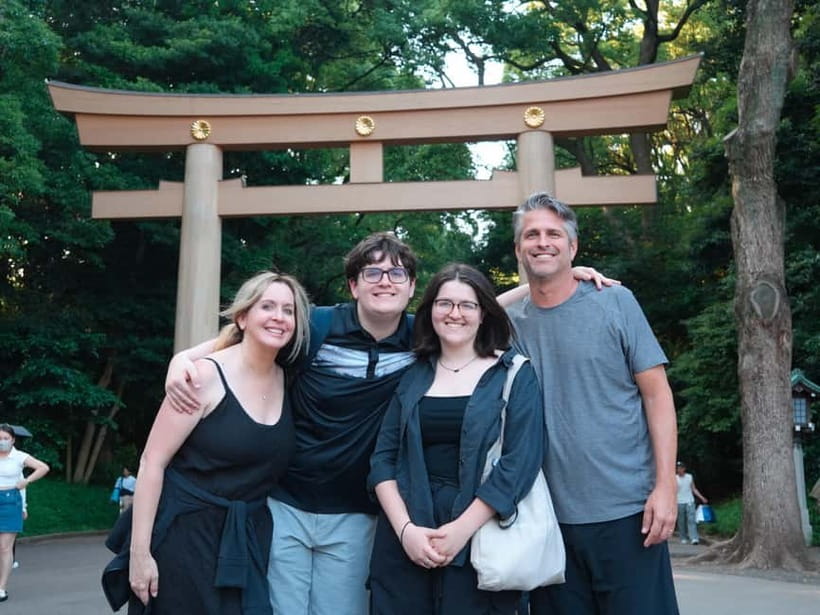
The tour is conducted in English and lasts 270 minutes. It begins in front of IKEA HARAJUKU and finishes in Asakusa.
The experience allows free cancellation up to 24 hours before departure for a full refund. You can also reserve now and pay later, which helps if your Tokyo plans are still changing.
Starting times vary, so you need to check availability for your chosen date. The tour is described as a morning experience, and that timing is part of its appeal: Meiji Shrine is a peaceful opener, while the market and Asakusa are approached before the day gets too far along.
Should you book it?
Book this tour if you want Tokyo explained as well as photographed. The strongest combination is the three-part route, the tastings at Tsukiji and Asakusa, and guides who can give clear context on Japanese religion and daily culture.
I would skip it if you want a slow, independent day or if the $83 price feels high for stops you could visit alone. For a first morning in Tokyo, though, the route offers a useful balance of calm, food, history, and practical orientation. Just budget for the 550 yen transport fare, confirm the exact food inclusions, and save extra time in Asakusa if you want to explore after the guide says goodbye.
FAQ
How long does the Tokyo Morning Tour last?
The tour lasts 270 minutes, or four and a half hours.
Where does the tour begin?
You meet in front of IKEA HARAJUKU in Harajuku.
Where does the tour finish?
The tour finishes in Asakusa.
What places are included?
The route includes Meiji Shrine, Tsukiji Outer Market, and Asakusa, including Senso-ji Temple.
Is transportation included?
No. Public transportation is not included. The estimated fare is around 550 yen.
What language is the tour conducted in?
The live tour guide speaks English.
Can I cancel the booking?
Yes. You can cancel up to 24 hours in advance for a full refund. You can also reserve now and pay later.
More Shopping Tours in Tokyo


More Temples & Meditation in Tokyo
More Asakusa Tours in Tokyo
More tours in Tokyo we've reviewed



Asakusa Tours, compared.
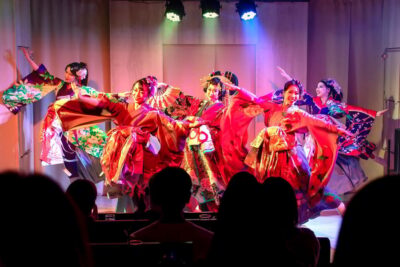 ★ 4.8Tokyo: Japanese Dance Cabaret Theater Asakusa-Kaguwa TicketFrom $492 hours
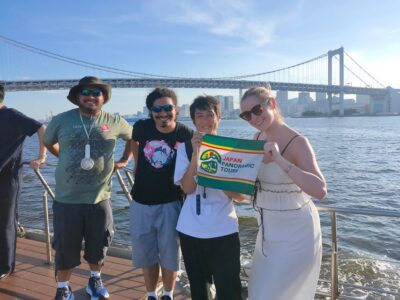 ★ 4.7Tokyo: Meiji Shrine, Asakusa, Skytree Bus Tour and CruiseFrom $12210 hours
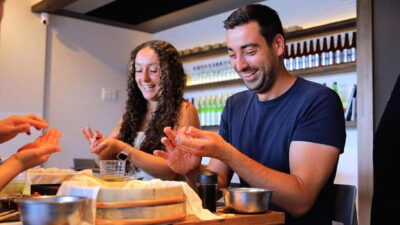 ★ 4.9Tokyo: Roll and Authentic Sushi Making Class in AsakusaFrom $581h 40m
 ★ 4.8Tokyo: Asakusa Walking Tour with Sensoji Temple VisitFrom $222 hours
 ★ 5.0Tokyo Asakusa Rickshaw TourFrom $42
 ★ 4.5Tokyo Panoramic 1 Day: Meiji Shrine, Asakusa, Odaiba and SKYTREE®From $85