
Reviewed · NIKKO DAY TRIPS
Nikko Heritage & Nature Day Trip from Tokyo
Nikko gives you a rare two-for-one day out: Japan’s grandest shrine complex and a cool mountain escape with waterfalls, forest roads, and a broad lake. This private trip handles the long drive from Tokyo, then lets you move between scattered sights without wrestling with buses, parking, or Japanese ticket machines. I especially like the door-to-door pickup and the chance to adjust the pace with your driver.
I also like that the vehicle fits up to six people, making the $391 group price far more attractive for a family or small group than for one or two people. The main drawback is the road time. Traffic can make the journey about 2.5 hours each way, and the mountain roads are winding, so this is a long day with limited room for delays.
In This Review
- Key points to know before booking
- Why Nikko works as a day trip from Tokyo
- Toshogu Shrine and the cedar-lined approach
- Shinkyo Bridge, Nikko’s red gateway
- The climb along Irohazaka Road
- Kegon Falls and the force of the water
- Lake Chuzenji at Mount Nantai
- Kanmangafuchi Abyss, if the clock allows
- What the private vehicle changes
- Driver support, language, and guiding style
- The $391 price and who gets good value
- Who should book this Nikko trip?
- Should you book it?
- FAQ
- How many people can join the private tour?
- Where is hotel pickup available?
- Is lunch included?
- Are Toshogu Shrine tickets included?
- Is this a fully guided tour?
- How long does the journey from Tokyo take?
- Can I cancel or pay later?
Key points to know before booking
- Toshogu Shrine gives the day its cultural weight: Allow enough time for the ornate gates, cedar trees, and Tokugawa Ieyasu’s mausoleum.
- Kegon Falls and Lake Chuzenji make a strong pair: One is dramatic and powerful, the other quiet and open.
- Your driver is not a formal guide: English, Urdu, and Hindi are available, but detailed historical explanation may vary by driver.
- Private transport solves Nikko’s geography problem: Shinkyo Bridge, Toshogu, Kegon Falls, and the lake are spread across different areas.
- Lunch is flexible but not included: Japanese food is available, with vegetarian and halal choices possible on request.
- A group of four to six gets the best value: The flat $391 rate covers the vehicle and driver, not admission tickets or meals.
Why Nikko works as a day trip from Tokyo
Tokyo is a superb base, but it can also become a blur of trains, shopping streets, and city crowds. Nikko changes the rhythm. You leave the capital behind and climb toward cedar woods, mountain valleys, and Lake Chuzenji at the base of Mount Nantai.
The distance is the key issue. This is not a quick hop across town. With average traffic, the drive can take around 2.5 hours each way, and the full outing is roughly a 10-hour commitment. That sounds demanding, but the private vehicle makes the trip far easier than trying to connect several trains and local buses in one day.
I would book this trip for a clear day if your schedule allows. Mountain views and the lake are weather-sensitive, while Toshogu remains worthwhile in rain. During busy periods such as Golden Week, traffic and ticket lines can become serious. One reported visit encountered a ticket queue around 200 meters long, so an early start matters.
Pickup is available from accommodations in Tokyo’s 23 wards, including Airbnb properties. It is not provided from airports or ports, so you need to begin from a Tokyo lodging address.
A few more Nikko tours and experiences worth a look
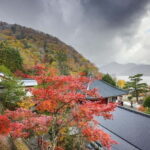
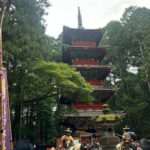
Toshogu Shrine and the cedar-lined approach
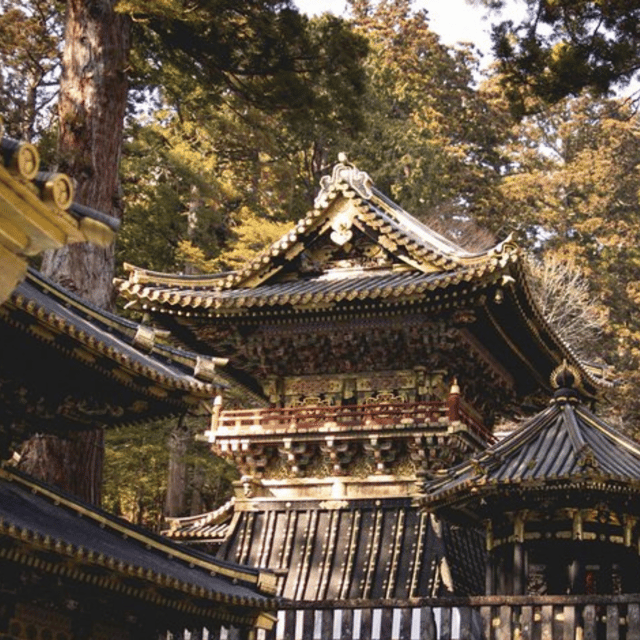
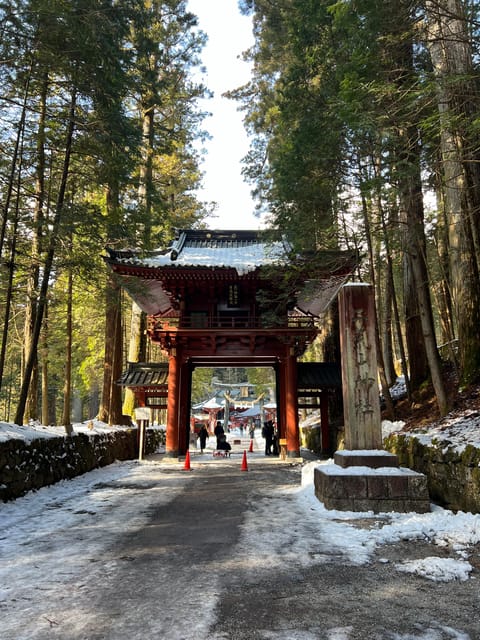
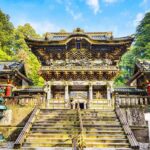
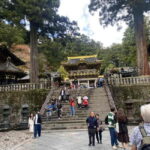
Toshogu is the emotional center of the day. It is the mausoleum of Tokugawa Ieyasu, the founder of the shogunate that ruled Japan for centuries. You enter a world of towering cedar trees, stone lanterns, elaborate carvings, and brilliant color.
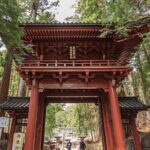
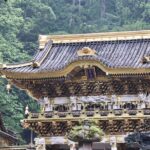
This is not a plain hillside shrine. Its decoration is dense and deliberate, with details that reward slow looking. The famous carved animals and richly painted gates can feel almost theatrical after the restrained design you may have seen elsewhere in Japan.
The setting matters as much as the buildings. The cedar forest gives Toshogu a cool, solemn air, and the climb through the complex makes the visit feel like a journey rather than a quick photo stop. You should wear comfortable shoes and expect steps, uneven ground, and plenty of walking.
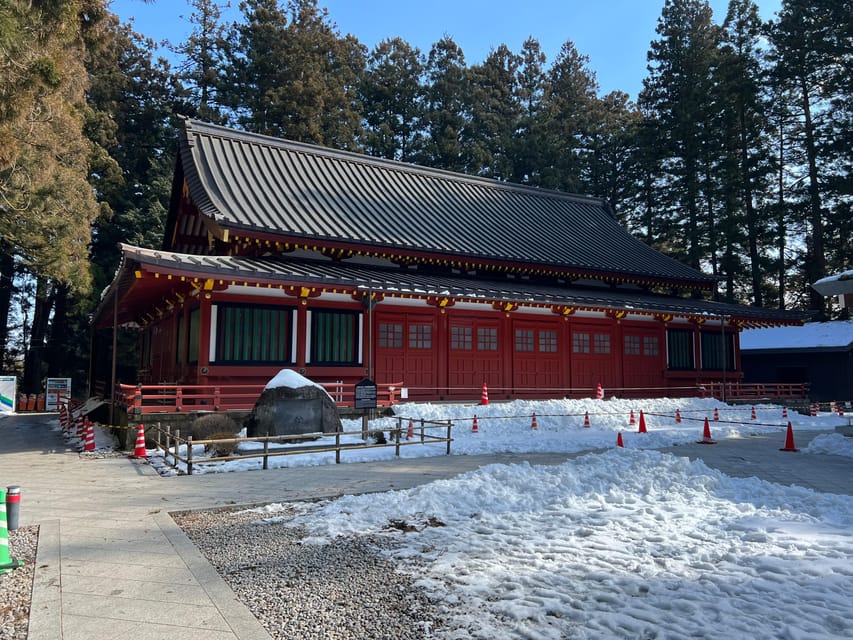
Your driver can take you to the area and help with practical arrangements, but the tour does not include a formal guide or Toshogu admission. That distinction is important. You will get transport, local assistance, and often useful comments, but you should not expect a full academic explanation of every gate and carving.
Some drivers have been particularly active in helping with tickets, photographs, and route choices. Asif, Junaid, Adeel, Waheed, and others have been praised for being attentive and flexible. Driver assignments can vary, so treat those names as examples of the service style rather than a guarantee of who will meet you.
Shinkyo Bridge, Nikko’s red gateway
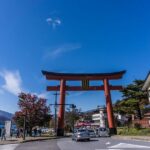
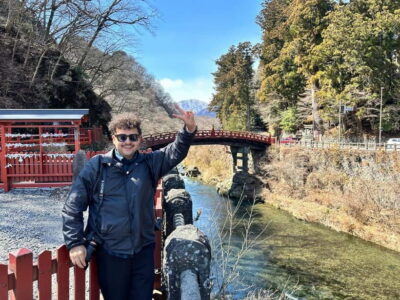
The red-lacquered Shinkyo Bridge is one of Nikko’s easiest photo stops. It arches over the Daiya River and marks the entrance to the sacred part of town.
The bridge is not a long visit, but it gives you an immediate sense of Nikko’s old religious center. Against the river and surrounding trees, its red paint is hard to miss. It also provides a useful contrast with Toshogu. After the shrine’s elaborate decoration, Shinkyo feels simple, clean, and graphic.
Your driver can drop you close to the bridge, then collect you after you take photographs. That sounds like a small convenience, but it matters in Nikko, where parking and road access can slow a self-drive visit. You may need to pay an additional admission fee if you want to cross the bridge itself, since attraction tickets are not part of the tour price.
The climb along Irohazaka Road
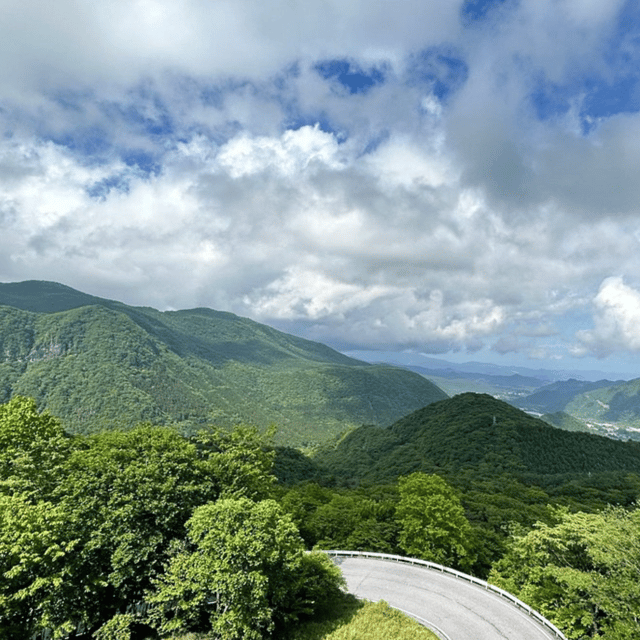
The road to the lake region is part of the experience. Irohazaka Road winds upward through the mountains, linking central Nikko with Kegon Falls and Lake Chuzenji.
The route brings changing views of wooded slopes and valleys, but it can also test your stomach. If you are sensitive to curves, sit where you feel most comfortable and keep the ride relaxed. The private vehicle means you can pause for a break if needed, though every stop uses time that might otherwise go to Toshogu or the lake.
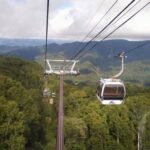
Some groups have added the Akechidaira Ropeway near Irohazaka. This is not listed as a standard included stop, and any ropeway ticket costs extra, but one family found the mountain views worthwhile. Ask your driver about timing on the day rather than assuming it fits automatically.
This is one of the tour’s useful strengths: the route can be adjusted. Drivers have helped groups spend longer at the places they cared about, reorder stops, and manage crowded parking areas. That flexibility is much harder to get on a fixed coach excursion.
Kegon Falls and the force of the water
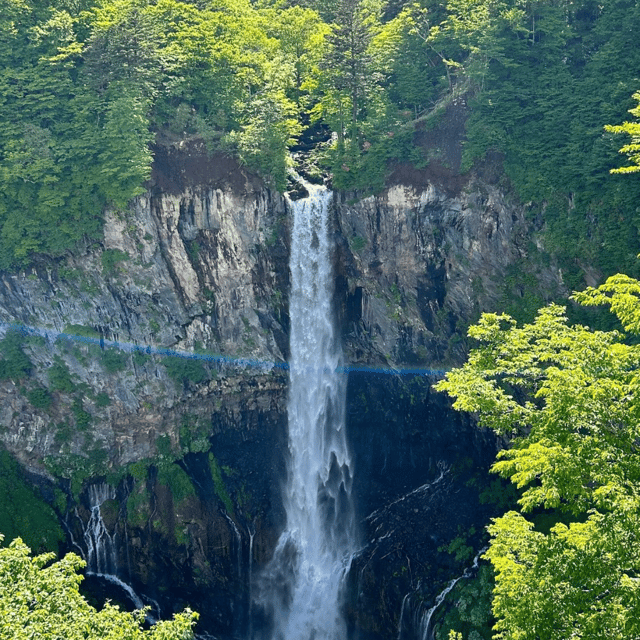
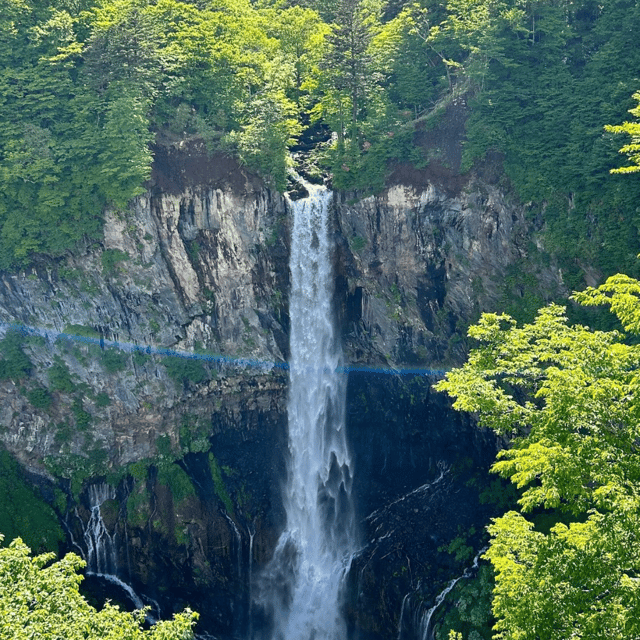
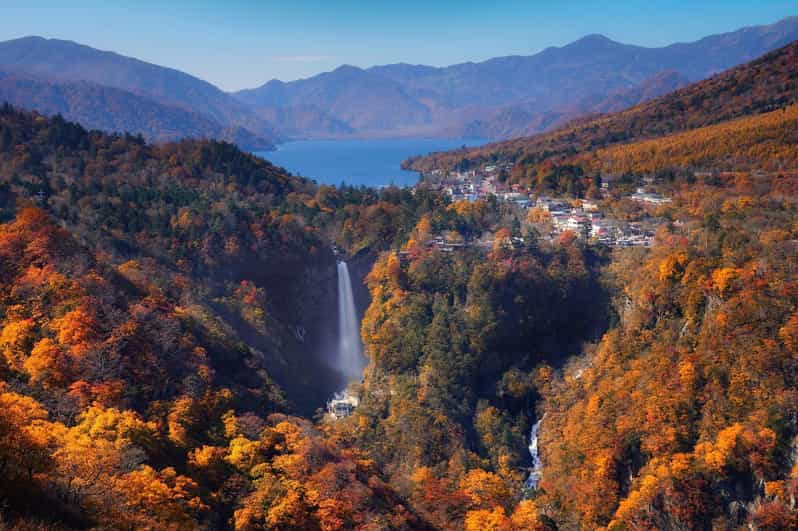
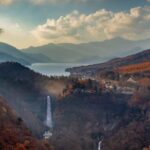
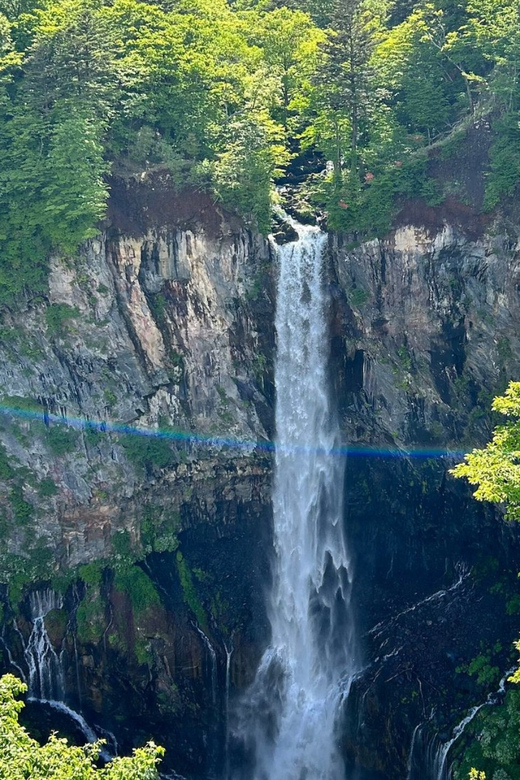
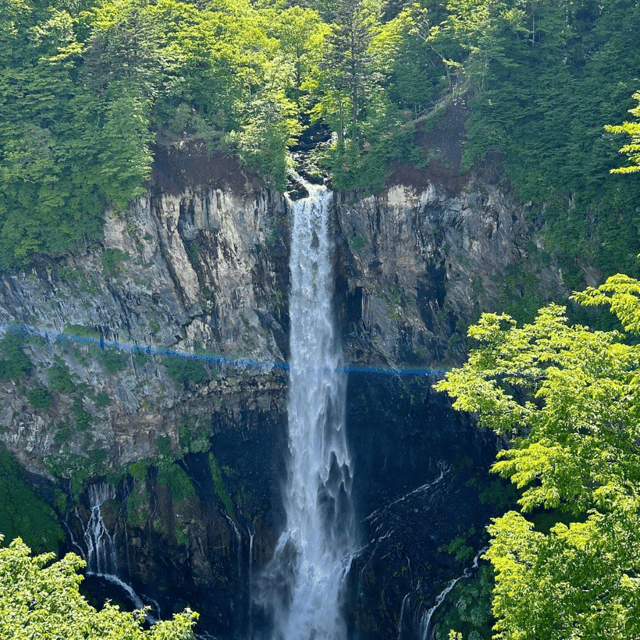
Kegon Falls is Nikko’s most dramatic natural stop. Water from Lake Chuzenji drops nearly 100 meters into the gorge below, and the sound and scale are impressive even when you stay only a short while.
The viewpoint gives you the essential scene: a tall column of water, dark rock, and forested slopes. In good weather, it is a fine place for photographs. A driver may also walk with you toward the falls or help position you for pictures, a practical touch if you are traveling with children or want a group photo.
The visit can be brief. One itinerary spent about 20 minutes here, which is enough to see the main view, but you may want longer if the weather is clear or the falls are especially strong. Admission to any paid viewing area is not included, so carry funds for optional entrances.
Kegon Falls is also a good reason to avoid packing too many extra stops into the day. The drive from Tokyo is long, and the mountain section takes time. If you add the ropeway, a boat ride, or Kanmangafuchi Abyss, the day can become rushed unless you start early and keep Toshogu and lunch under control.
Other historical tours in Nikko
Lake Chuzenji at Mount Nantai
Lake Chuzenji offers the day’s quietest pause. It sits high in the mountain region below Mount Nantai, with open water and fresh air replacing the enclosed streets of Tokyo.
I like the change in mood here. Toshogu asks you to look closely at buildings and carvings. The lake asks you to slow down and look outward. You can walk beside the water, take photographs, or simply give your legs a rest after the shrine and waterfall.
A boat ride may be possible if time and conditions allow, but it is an extra activity and ticket. One private group used the driver’s help to buy boat tickets, which shows the value of having someone handle local arrangements. Still, do not count on every optional activity fitting into the standard day.
Lunch is usually taken at a local restaurant near the lake. Food and drinks are not included, and the exact restaurant is not fixed in the supplied details. Japanese cuisine is available, while vegetarian and halal meals can be requested ahead of time. If food requirements matter to you, state them clearly when booking and confirm them with the driver before departure.
One piece of practical advice: do not let lunch become an hour-long production if you want all the major stops. Nikko offers enough scenery that a focused meal leaves more time for the places you came to see.
Kanmangafuchi Abyss, if the clock allows
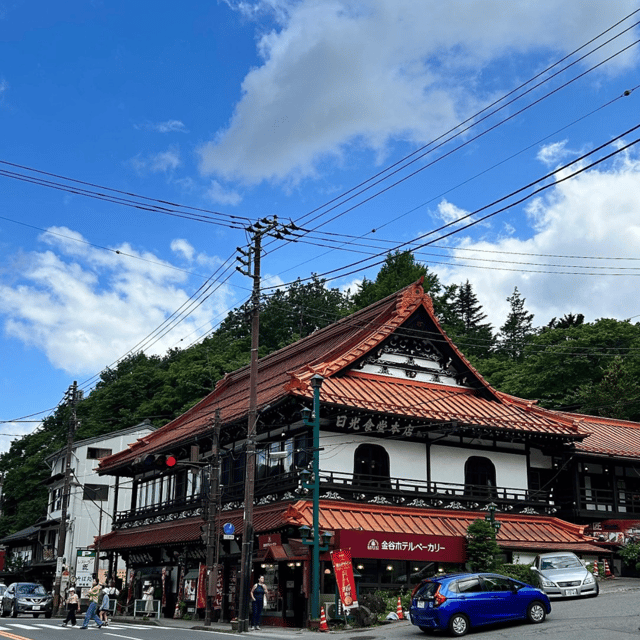
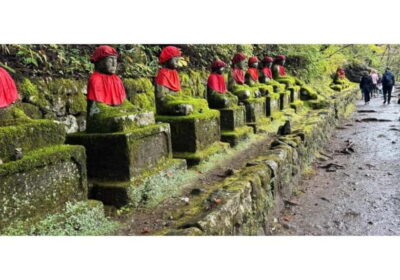
Kanmangafuchi Abyss is an optional stop rather than a guaranteed part of the route. It offers a calmer riverside walk lined with stone Jizo statues.
This is the place to choose if you prefer quiet atmosphere over another major viewpoint. The path gives you a more subdued side of Nikko, with rushing water, trees, and rows of weathered stone figures. It is a good fit for people who want a little breathing room after the busier shrine area.
The phrase if time allows is crucial. Tokyo traffic, shrine queues, slow mountain roads, and lunch can easily consume the day. I would treat Kanmangafuchi as a bonus, not a promise. If it is a priority, tell the driver at pickup so the rest of the route can be planned around it.
What the private vehicle changes
The central selling point is not simply comfort. It is control.
Nikko’s attractions are spread out, and crowded periods can make parking difficult. With a private vehicle, you can be dropped near a stop, explore on foot, and meet the driver again without waiting for a public bus. One couple found this especially useful when traffic backed up near popular sites. Their driver dropped them close to the entrance, then collected them after the visit.
The vehicle is air-conditioned and includes Wi-Fi. Fuel, parking, and hotel pickup and drop-off are included, so you are not building a pile of small transport charges during the day.
The group limit is six people. At the full $391 price, six guests pay about $65 each before admission and food. Four guests pay about $98 each, while two guests pay about $196 each. That makes the outing a strong value for families and friend groups, but a significant expense for a couple.
Vehicle size may vary. One pair received a smaller Honda hybrid, while larger groups used a private van. If luggage, mobility equipment, or a large stroller is relevant, confirm the vehicle details before booking. Non-folding strollers are not allowed.
Driver support, language, and guiding style
This experience is best understood as private transportation with driver assistance, not a traditional guided tour. Your driver speaks English, Urdu, or Hindi, depending on the assignment.
That distinction affects how much you should prepare. Drivers such as Adeel, Asif, Junaid, Mohsin, Rana, and Waheed have helped with photos, local directions, ticket purchases, restaurant choices, and timing. Several have also shared facts about the sites. Still, English fluency and historical depth may vary, and one group found it difficult to absorb the full story of Nikko through the driver’s explanations.
I recommend reading a little about Toshogu and the Tokugawa period before leaving Tokyo. That small effort will make the carvings, gates, and mausoleum more meaningful. You will also be better able to decide where to spend your limited time.
The strongest service theme is care and flexibility. Drivers have been described as punctual, cautious, communicative, and willing to adjust the route. One driver even stopped to buy coffee, while another helped a group with photographs and ropeway tickets. Those details matter on a long day, especially with children or older relatives.
The $391 price and who gets good value
The $391 price covers a private group of up to six, not six individual tickets. Included are the English-speaking driver, air-conditioned transport, Wi-Fi, fuel surcharge, parking, and pickup and drop-off from a qualifying Tokyo accommodation.
Not included are meals, drinks, Toshogu admission, and entrance fees for any other attraction. Optional ropeway or boat rides also need to be paid separately.
For a family or group of friends, the price can be sensible because you are paying for a full vehicle and a direct route rather than several separate seats. It also buys time and convenience, which are valuable when the alternative involves changing transport in an unfamiliar mountain region.
For one or two people, compare the total honestly. You are paying a premium for privacy, door-to-door service, and flexibility. If your main goal is simply to reach Toshogu and return, public transport may be cheaper. If you want Toshogu, the bridge, the falls, the lake, and possible extra stops in one day, the private arrangement earns its cost more easily.
The booking terms add useful flexibility. You can reserve and pay later, and cancellation is allowed up to 24 hours before departure for a full refund. These details are helpful when weather or Tokyo plans are uncertain.
Who should book this Nikko trip?
I would choose this tour for a family, a group of friends, or anyone who wants to cover both culture and mountain scenery in one day.
It is also a good fit for older guests who would rather avoid repeated bus transfers, and for parents who value a private vehicle and adjustable stops. The driver can keep the day moving without forcing you to follow a large group’s timetable.
I would think twice if you dislike long car rides, winding roads, or tightly scheduled days. Couples on a strict budget may find the price hard to justify, and independent visitors who want a deep historical tour should arrange a proper guide or do serious reading beforehand.
Should you book it?
Book it if you have one free day in Tokyo and want Nikko’s main cultural and natural sights without managing the transport yourself. The strongest reasons are door-to-door convenience, flexible pacing, and the ability to fit far-flung stops into one outing.
Skip it if your priority is the lowest possible price or a detailed, specialist-led history lesson. For everyone else, especially groups of four to six, this is a practical way to see Toshogu, Kegon Falls, Shinkyo Bridge, and Lake Chuzenji in a single demanding but rewarding day. Start early, request any dietary needs ahead of time, and decide which optional stops matter most before you leave.
FAQ
How many people can join the private tour?
The vehicle and tour price cover a group of up to six people.
Where is hotel pickup available?
Pickup and drop-off are available from accommodations, including Airbnb properties, within Tokyo’s 23 wards. Airport and port pickup are not provided.
Is lunch included?
No. Food and drinks are not included. Lunch is taken at a local restaurant near Lake Chuzenji, and vegetarian or halal options can be requested.
Are Toshogu Shrine tickets included?
No. Toshogu Shrine admission is separate, and entrance fees at other attractions are also not included.
Is this a fully guided tour?
No. The experience includes an English-speaking driver rather than a formal guide. Drivers may provide information and help with tickets, photographs, and local arrangements, but the level of historical explanation can vary.
How long does the journey from Tokyo take?
With average traffic, the drive can take about 2.5 hours each way. The full experience is a long day, with one supplied account describing it as around 10 hours.
Can I cancel or pay later?
Yes. You can reserve and pay later, and cancellation up to 24 hours before departure qualifies for a full refund.
More 1-Day Tours in Nikko
More Historical Tours in Nikko
More Nikko Day Trips in Nikko
More tours in Nikko we've reviewed
Nikko Day Trips, compared.
 ★ 4.6Nikko: Kegon Falls, Lake Chuzenji & Toshogu TempleFrom $8911 hours
 ★ 4.5Tokyo: Nikko Toshogu Shrine and Kegon Waterfall TourFrom $8410h 30m
 ★ 5.0Nikko Full-Day Private Tour with Government-Licensed GuideFrom $155
 ★ 4.9From Tokyo: Nikko World Heritage Site Private Full-Day TripFrom $4831 day
 ★ 4.3Nikko: Edo Wonderland Edomura Cultural Theme Park TicketFrom $351 day
 ★ 4.8Tokyo: Nikko World Heritage Private Day Trip Hotel Pick-upFrom $39011 hours - 1 day