
Reviewed · KAMAKURA & ENOSHIMA DAY TRIPS
Tokyo: Day Trip to Kamakura in Spanish – Spanish
Kamakura gives you a sharp change of pace from Tokyo: within a few hours, high-rise streets give way to old temples, wooded paths, legends, and a giant bronze Buddha. This Spanish-language day trip uses public transportation, including the train from Tokyo and one of Japan’s oldest working trams.
I like the way the tour combines two memorable sights, Hase-dera Temple and Kotoku-in, with free time on Kamakura’s main shopping street. I also like having a guide to explain the stories behind the temples and help with the train connections. Guides named Camila, Nerea, Paula, Ori, Nikita, and Emi have all received warm praise for being patient, friendly, and clear.
The catch is simple: the advertised $86 price does not include transportation, temple admission, food, or drinks. You should budget another ¥3,000, plus lunch, and be comfortable walking, boarding public transport, and keeping up for eight hours.
In This Review
- Key points to know before you book
- Why Kamakura makes a fine break from Tokyo
- Meeting at Tokyo Station and riding south
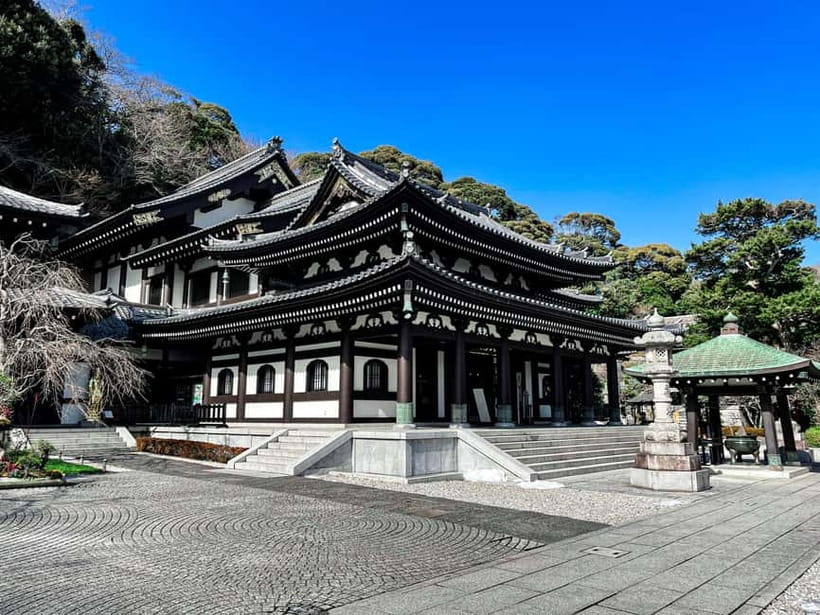
- Hase-dera Temple, legends, and quiet greenery
- Kotoku-in and the 13-meter Great Buddha
- Kamakura’s main street, lunch, and shopping time
- The Spanish guide can shape the whole day
- What the $86 price really covers
- Who will enjoy this Kamakura day trip
- Tips for making the day easier
- Should you book this Spanish-language Kamakura tour?
- FAQ
- Where does the tour start?
- Where does the tour end?
- How long is the excursion?
- What language is the tour in?
- Is transportation included in the $86 price?
- How do you travel during the excursion?
- Are temple entrance tickets included?
- Is lunch included?
- Can I bring luggage or a large bag?
- Is the tour suitable for wheelchair users or people with hearing impairments?
- Can an unaccompanied minor join?
- Can I cancel for a refund?
- Do I have to pay when I book?
Key points to know before you book
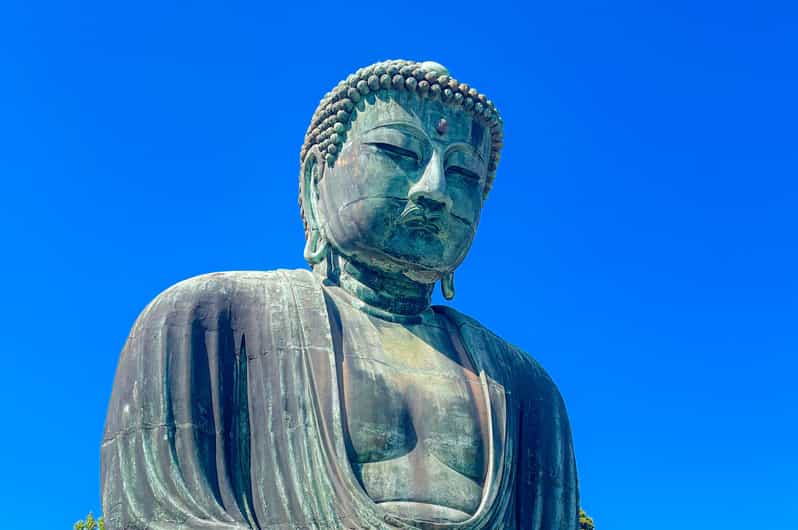
- The Great Buddha measures 13 meters and weighs 121 tons, making Kotoku-in the day’s most striking single sight.
- Hase-dera is more than a temple stop, with myths, legends, gardens, and a calm setting that rewards a slower look.
- The tour is conducted in Spanish, though one experience included some English as well, so clarify your language preference at the start.
- Public transportation is part of the experience, with a train from Tokyo and a ride on the historic Enoden tram.
- Transportation costs ¥2,300 and temple tickets cost ¥700, neither of which is included in the tour price.
- The guides are a major strength, especially for families and anyone who wants context instead of simply taking photos.
Why Kamakura makes a fine break from Tokyo
Tokyo can fill your senses quickly. Kamakura offers a different rhythm without requiring a long journey. The town was once a major political center, and its temples and shrines preserve a strong sense of old Japan. Here, the pleasure comes from moving between religious sites, quiet greenery, small shops, and ordinary town streets.
I like this excursion because it does not try to cram in every possible Kamakura sight. You visit two important temples, get time for lunch and shopping, then return to Tokyo. That makes the day easier to manage than a rushed checklist, though it also means you will not see every major temple or shrine in the area.
The tour lasts eight hours, starting and ending at Tokyo Station. That is a full day, but the schedule gives you a clear arc: meet in Marunouchi Square, travel south to Kamakura, visit Hase-dera, continue to Kotoku-in, explore the central shopping street, and take public transportation back.
A few more Tokyo tours and experiences worth a look
Meeting at Tokyo Station and riding south
The meeting point is in front of the Tokyo Station facade at Marunouchi Square, by the central exit. This is a practical choice because Tokyo Station is one of the city’s main transportation hubs, but it is also a large and busy place. Give yourself enough time to find the correct exit and the station facade rather than arriving at the last second.
The trip to Kamakura is by train, and the transportation cost is listed as ¥2,300 for the excursion. Public transportation means you should expect a normal local travel experience rather than a private coach waiting outside each sight. One benefit is that you see how people actually move between Tokyo and Kamakura. The drawback is that you must manage stations, platforms, boarding, and walking with the group.
One family-focused experience found the transport comfortable, with air conditioning and short waits between connections. That is useful to know if you are traveling with children, though conditions can vary by departure time and crowd levels. Keep your belongings light. Large bags and luggage are not allowed on this activity.
The ride also sets up the contrast that makes Kamakura appealing. Tokyo’s scale gradually gives way to a smaller town feel, and the day begins to feel less like a city tour and more like a visit to a historic coastal settlement.
Hase-dera Temple, legends, and quiet greenery
After arriving in Kamakura, the group boards the Enoden tram, one of the oldest trams still operating in Japan. The ride is not just a transfer. It adds a local character to the day and gives you a sense of Kamakura’s compact scale.
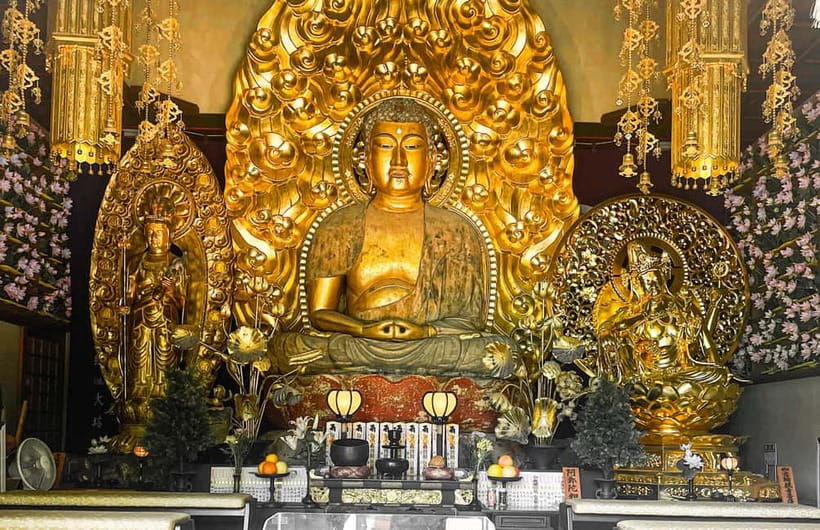
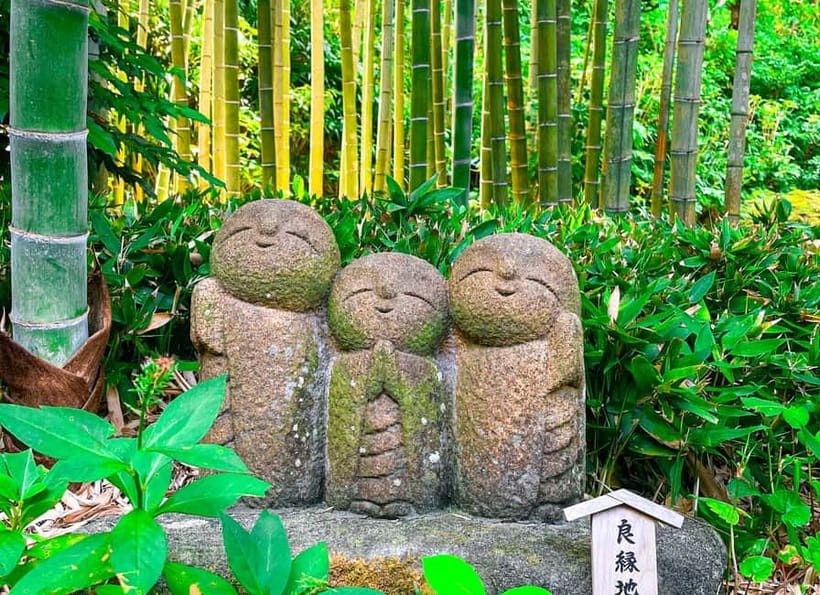
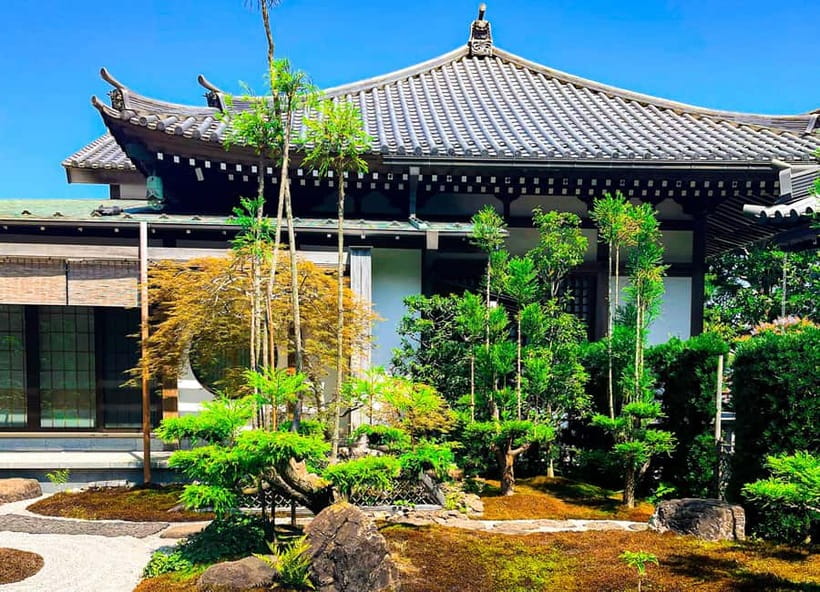
The first main stop is Hase-dera Temple. The temple is known for its spiritual atmosphere, natural setting, and stories tied to its religious past. The guide’s explanation matters here because the meaning of the buildings and objects is not always obvious if you simply walk through with a camera.
The tour description places special weight on myths and legends at Hase-dera. That makes this a good stop for you if you enjoy the stories attached to a place as much as its architecture. Guides such as Paula and Nerea have been praised for explaining Japanese history and temple stories in an engaging way, while Ori was noted for making the visit enjoyable and informative.
The exact pace inside the temple depends on the group, but you should expect walking and time on your feet. This is not an ideal excursion for wheelchair users, and it is also not suitable for people with hearing impairments. The tour’s information does not list a specific accessibility arrangement, so anyone with mobility or communication needs should consider a different format.
Hase-dera is likely to be the more atmospheric of the two temple visits. Kotoku-in has the bigger visual punch, but Hase-dera gives you more time to notice the relationship between the religious buildings, greenery, and old Kamakura setting.
Kotoku-in and the 13-meter Great Buddha
From Hase-dera, the group walks to Kotoku-in Temple. The walk connects the two sights and keeps the day from becoming a series of vehicle rides. Wear comfortable shoes and expect a steady amount of walking across the excursion.
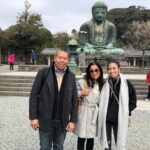
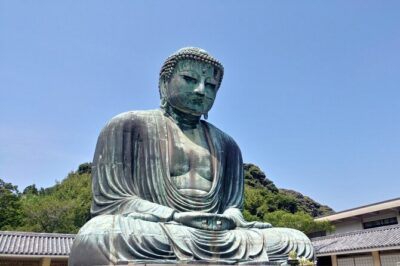
Kotoku-in houses Japan’s second-largest bronze Buddha, measuring 13 meters high and weighing 121 tons. Those figures help explain why the statue is so powerful in person. You can understand its size from photographs, but standing near such a large bronze figure gives the visit a different force.
The Great Buddha is also a useful reminder that Kamakura’s religious sites are not museum pieces separated from daily life. They remain part of the town’s identity, and the guide helps place the statue within the wider story of Japanese Buddhism and Kamakura.
This stop is less about covering a large complex and more about taking in one extraordinary object. If your main reason for booking is the Great Buddha, the tour gives you a direct and organized way to reach it from Tokyo. If you want a quiet, slow temple day with long periods of personal reflection, the group schedule may feel more structured than independent travel.
Temple tickets cost ¥700 and are separate from the tour price. That is not a large extra charge, but you should include it in your day-trip budget along with the ¥2,300 transportation cost.
Kamakura’s main street, lunch, and shopping time
After the temples, the tour moves to Kamakura’s main street. The street is lined with shops and has a distinct atmosphere that feels removed from central Tokyo. You get time to browse, choose lunch, and look around before beginning the return journey.
This part of the day is important because it gives you room to make your own choices. The temples provide the guided structure, while the shopping street lets you pause, eat, and browse at your own pace. The activity does not include food or drinks, so you pay for lunch directly and can select what suits you.
The available information does not specify a restaurant or a fixed lunch menu. That is a benefit if you prefer choice, but it means you should not book expecting a meal to be arranged for you. Ask the guide for recommendations. One of the tour’s stated aims is to give you tips and suggestions for the rest of your Japan trip, and several guides have been praised for useful recommendations.
The shopping street is also a chance to buy small souvenirs without adding another stop to the schedule. Keep your purchases manageable, since large bags are not allowed and you still have public transportation back to Tokyo.
I would treat this time as a pleasant pause rather than the main reason to book. Kamakura’s temples are the heart of the excursion. The street works well as a relaxed finish and gives you a taste of the town beyond its religious monuments.
A few more Tokyo tours and experiences worth a look


The Spanish guide can shape the whole day
A good guide matters more here than on a simple transfer tour. Kamakura’s temples contain visual details, religious references, and local legends that can pass unnoticed without explanation. A Spanish-speaking guide lets you ask questions in your own language and follow the story as the day develops.
The guides named in the feedback include Camila, Nerea, Paula, Ori, Nikita, and Emi. Camila was praised for organizing the excursion efficiently and offering relevant explanations. Nerea was especially appreciated for her patience with children and her ability to adjust to their pace. Paula received praise for her knowledge of Japanese history, while Nikita was described as attentive and detailed.
Those details suggest a useful strength: the experience is not only about delivering facts. The best guides help a group feel at ease, handle transport, and judge when to explain and when to let people look around. That can make a real difference on a long day using trains and trams.
There is one language point to watch. One experience involved a guide who initially described the tour as Spanish, then also guided in English. The guide was still considered very good, but if Spanish-only commentary is important to you, confirm the arrangement at the meeting point and make your preference clear at the beginning.
What the $86 price really covers
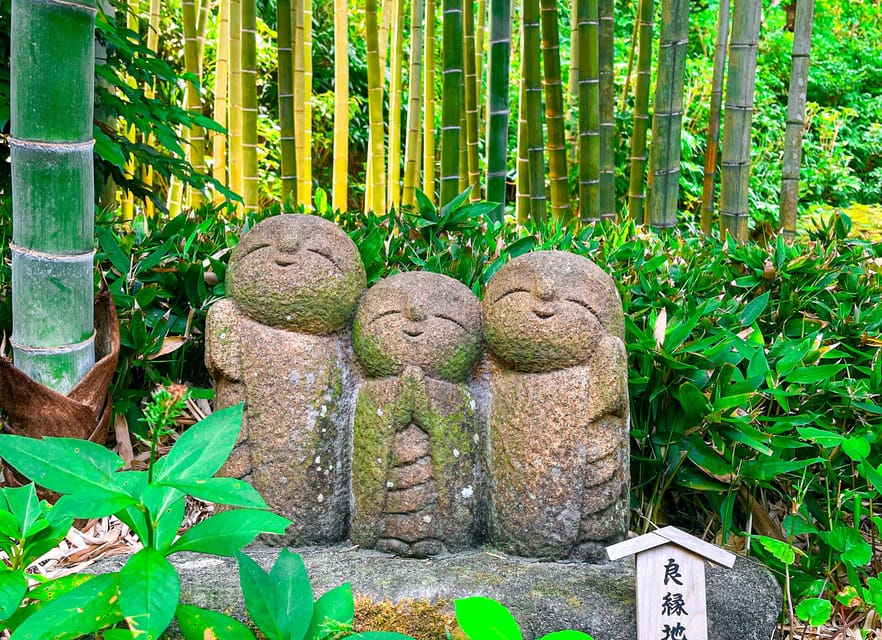
The price is $86 per person. It includes the Spanish-language Kamakura excursion and the eight-hour guided format, but not the main out-of-pocket costs during the day.
Plan for:
- ¥2,300 for transportation
- ¥700 for temple tickets
- Your own lunch
- Your own drinks
That makes the base cost higher than the headline price once everything is added. Still, the value depends on what you want from the day. If you are comfortable arranging Tokyo to Kamakura transport, finding the temples, and reading up beforehand, independent travel may cost less. You are paying this tour to remove much of that planning and to receive explanations in Spanish.
I see the price as reasonable for a visitor who wants a guided cultural day without renting a car or working out every connection alone. The guides also provide broader Tokyo and Japan tips, which adds value if this is one of your first days in Japan.
The tour does not state a group size, so you should not assume a private tour or a tiny group. The wording promises friendly, personalized guidance, but the actual feel will depend on the number of people assigned to your departure.
Who will enjoy this Kamakura day trip
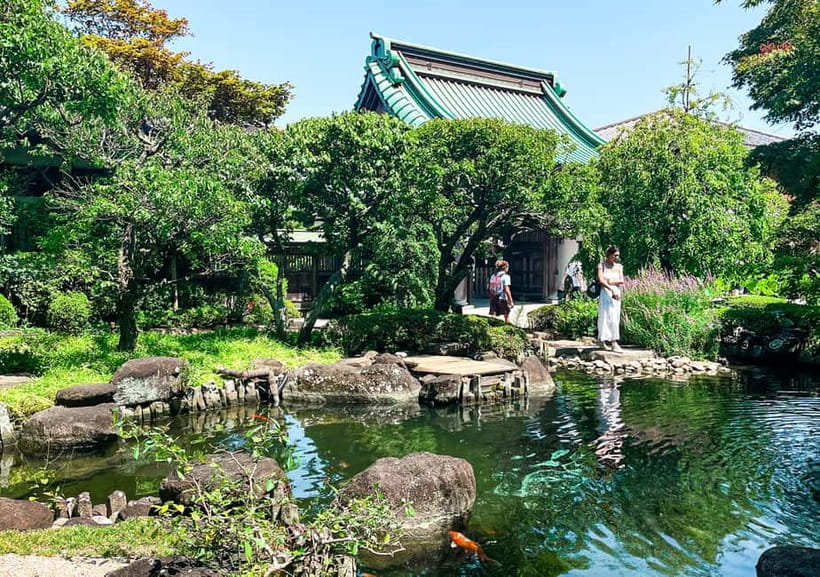
I would recommend this excursion to you if you want:
- A structured day outside Tokyo
- Spanish-language explanations
- A first visit to Hase-dera and the Great Buddha
- Help with public transportation
- A mix of temples, local streets, lunch, and shopping
- Practical advice for the rest of your Japan trip
Families may find the format useful, especially with a patient guide such as Nerea. The eight-hour length and public transportation require children to manage a full day, but the schedule includes variety rather than eight hours in one museum or temple.
This is less suitable if you want complete independence, a private vehicle, or an itinerary packed with every major Kamakura landmark. It is also not appropriate for unaccompanied minors, wheelchair users, people with hearing impairments, or anyone carrying large luggage.
You can cancel up to 24 hours before the activity for a full refund, and the reserve-and-pay-later option helps if your Tokyo plans are not fixed yet. Those terms are useful, but they do not change the practical need to arrive at the correct Tokyo Station meeting point on time.
Tips for making the day easier
Bring a small bag only. The no-luggage rule is strict enough that you should avoid arriving with a suitcase or large daypack.
Wear shoes suited to walking and temple visits. The tour includes the train station, tram, walking route between Hase-dera and Kotoku-in, temple grounds, and shopping street. The information does not give a precise walking distance, so plan for a physically active day.
Bring enough money for the listed transportation and temple charges, plus lunch and drinks. Since food is not included, do not assume the $86 covers the full day.
If you are traveling with children, tell the guide early if you need a gentler pace. The positive experience with a guide who adapted to children suggests that communication helps, though no specific child-focused itinerary is promised.
Finally, ask questions. This is the kind of excursion where the guide’s stories about Kamakura, temple customs, legends, and Japanese history can turn a pleasant walk into a much more meaningful visit.
Should you book this Spanish-language Kamakura tour?
Book it if you want an organized introduction to Kamakura and prefer to hear the explanations in Spanish. The combination of Hase-dera, the Great Buddha, the historic tram, and free time on the main street gives you a satisfying first look at the town without forcing you to plan every train and temple visit yourself.
The strongest reason to choose it is the guide. Camila, Nerea, Paula, Ori, Nikita, and Emi have been singled out for warmth, patience, organization, and useful storytelling. Just remember the extra ¥3,000 in transportation and temple fees, bring only a small bag, and confirm the language at the start.
Skip it if you want a private, fully flexible day or if walking and public transportation are difficult for you. For most Spanish-speaking visitors who want a practical cultural break from Tokyo, this is a well-shaped day trip with enough structure to be easy and enough free time to feel like your own day.
FAQ
Where does the tour start?
It starts in front of the Tokyo Station facade at Marunouchi Square, by the central exit.
Where does the tour end?
The activity ends back at the same meeting point at Tokyo Station.
How long is the excursion?
The excursion lasts eight hours.
What language is the tour in?
The tour is offered in Spanish. One experience also included some English guidance, so make your Spanish preference clear at the beginning.
Is transportation included in the $86 price?
No. Transportation costs ¥2,300 and is paid separately.
How do you travel during the excursion?
The tour uses public transportation. The route includes a train from Tokyo to Kamakura and a ride on one of Japan’s oldest operating trams.
Are temple entrance tickets included?
No. Temple tickets cost ¥700 and are paid separately.
Is lunch included?
No. Food and drinks are not included.
Can I bring luggage or a large bag?
No. Luggage and large bags are not allowed.
Is the tour suitable for wheelchair users or people with hearing impairments?
No. The activity is listed as unsuitable for wheelchair users and people with hearing impairments.
Can an unaccompanied minor join?
No. Unaccompanied minors are not allowed.
Can I cancel for a refund?
Yes. You can cancel up to 24 hours in advance for a full refund.
Do I have to pay when I book?
No. The reserve-and-pay-later option lets you book your place without paying immediately.
More 1-Day Tours in Tokyo
More Kamakura & Enoshima Day Trips in Tokyo
More tours in Tokyo we've reviewed




Kamakura & Enoshima Day Trips, compared.
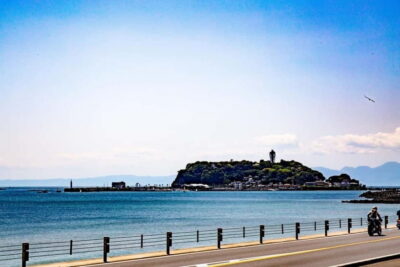 ★ 4.5Tokyo: Kamakura & Enoshima Day Trip including Temple TicketsFrom $589 hours - 570 minutes
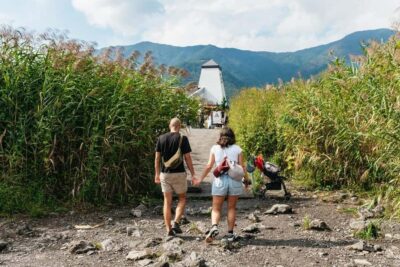 ★ 4.5Tokyo: Mt. Fuji, Kamakura, Big Buddha, & Lake Ashi Day TripFrom $4910 - 11 hours
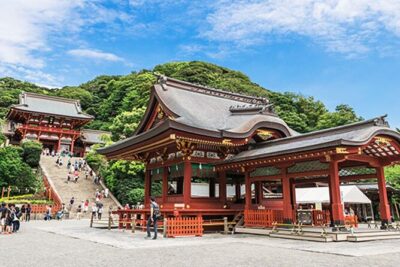 ★ 4.5From Tokyo: Kamakura & Enoshima 1-Day Bus TourFrom $66
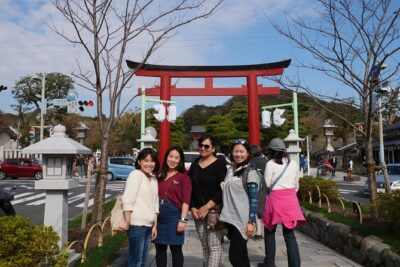 ★ 5.0Kamakura Historical Walking Tour with the Great BuddhaFrom $98
 ★ 5.0Kamakura Private Tour: Temples, Nature, and the Great BuddhaFrom $98
 ★ 5.0Kamakura Walking Tour – The City of ShogunFrom $35