
Reviewed · 1-DAY TOURS
1-Day Tokyo Bus Tour
Tokyo is huge, and this full-day coach tour tackles its headline sights without asking you to decode a dozen train lines. You’ll visit Meiji Shrine, the Imperial Palace area, Asakusa, Tokyo Skytree, and possibly Tokyo Bay, while passing districts such as Harajuku, Akihabara, Ueno, and Odaiba.
I like the mix of old Tokyo and modern Tokyo, from the cedar-lined shrine and Senso-ji Temple to the anime shops and Skytree views. I also like the practical setup: a guide, air-conditioned bus, Wi-Fi, Skytree admission, matcha, and optional lunch are bundled together. The tradeoff is a long, tightly scheduled day, with some stops feeling more like introductions than thorough visits.
In This Review
- Key points at a glance
- What this Tokyo bus tour is really designed to do
- Starting in Shinjuku and crossing the city by coach
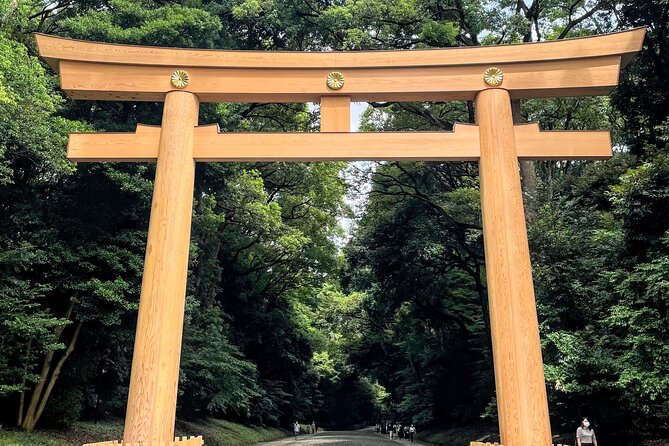
- Meiji Shrine offers a calm first stop
- The Imperial Palace area gives you a brief royal glimpse
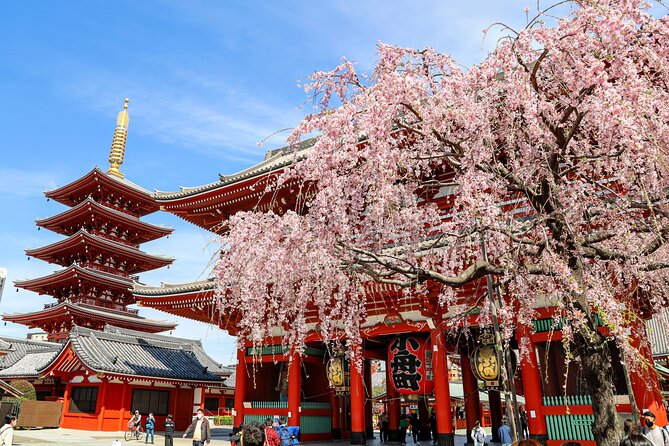
- Asakusa brings together food, shopping, and old Tokyo
- Tokyo Skytree supplies the day’s big view
- Tokyo Bay may end the day on the water
- The guide can shape the entire day
- What you get for $129.25
- Timing, comfort, and small practical matters
- Who should book this tour?
- Should you book the 1-Day Tokyo Bus Tour?
- FAQ
- How long does the Tokyo bus tour last?
- Where does the tour start?
- Where does the tour end?
- Is Tokyo Skytree admission included?
- Is lunch included?
- What does the standard lunch contain?
- Can I request a vegetarian or gluten-free meal?
- Is the Tokyo Bay cruise guaranteed?
- What languages are supported?
- Is the tour suitable for people who cannot walk long distances?
Key points at a glance
- Meiji Shrine begins the day quietly: The forested Shinto shrine gives you a calm start before Tokyo’s traffic and crowds take over.
- Asakusa combines several experiences: You get Senso-ji, Nakamise shopping, Uji matcha, and a Japanese fried chicken and tofu meal in one stop.
- Skytree admission is included: Skip-the-line entry takes you to the Tembo Deck at 350 meters.
- The bus covers a lot of ground: You pass Harajuku, Akihabara, Ueno, Tokyo Tower, the National Stadium, and other districts without changing trains.
- The bay ride is not guaranteed: High tide or technical problems can replace the ferry with Hamarikyu Gardens or the Fukagawa Edo Museum.
- English guidance varies by guide: Guides such as Momo, Yuta, Aya, Yuty, Levin, Hiro, and Lovely have earned especially strong praise, while clear pacing and audio support matter in a group of up to 43 people.
What this Tokyo bus tour is really designed to do
At $129.25 per person, this is not a cheap hop-on, hop-off ride. It is a managed sightseeing day that combines transport, guiding, and selected admissions. You are paying to avoid planning the route yourself, not to spend half an afternoon studying train maps.
The tour runs about nine to ten hours, generally from a morning meeting in central Tokyo to a Shinjuku-area drop-off around 6:10 p.m. That gives you a broad first look at the city, but it does not give you the time to fully explore every neighborhood.
I would think of it as a Tokyo orientation day. You see enough to decide where you want to return later. You also get useful context from the guide while moving between districts, which is hard to arrange on your own in a single day.
The coach has air-conditioning and Wi-Fi, and a professional English-speaking guide leads the group. Multilingual audio guidance is available in English, Spanish, French, Italian, German, Portuguese, and Ukrainian. The audio option is useful, but your experience will still depend heavily on the guide assigned that day.
A few more Tokyo tours and experiences worth a look
Starting in Shinjuku and crossing the city by coach
The published meeting information includes a morning pickup at Matsuya Ginza at 7:20 a.m. or LOVE Shinjuku at 7:50 a.m. The main meeting and final drop-off information points to 1-chōme-7-2 Nishishinjuku, near Shinjuku Station, so check your confirmation carefully before setting out.
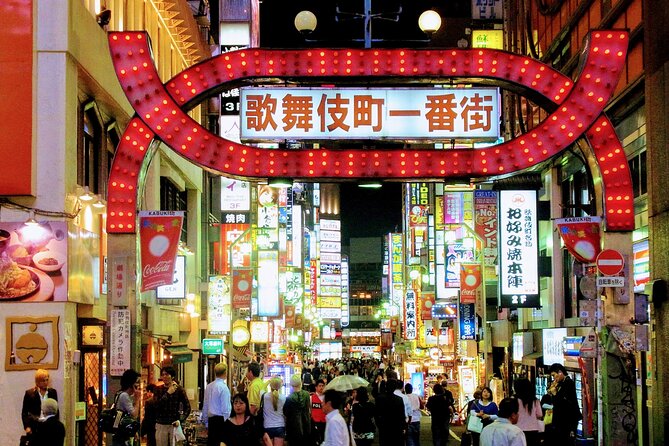
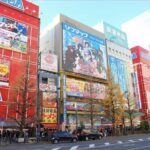
That early start is sensible. Tokyo traffic can eat time, and this route covers a wide area. You might pass Kabukicho, Japan’s famous nightlife district, on the way out of Shinjuku. You also pass Harajuku, known for youth fashion and pop culture, along with the Japanese parliament building, Akihabara’s anime and game shops, Ueno Park, Ameyoko market, and Kappabashi’s kitchenware stores.
Most of these are drive-by sights rather than walking stops. That is both the strength and weakness of the format. You can cover a remarkable amount of Tokyo in one day, but you should not book this expecting a long visit in every district.
Meiji Shrine offers a calm first stop
Meiji Jingu Shrine is one of Tokyo’s best introductions to Shinto. Built in 1920 for Emperor Meiji, it sits among tall trees that make the city feel far away. The scheduled visit lasts about 50 minutes, with no separate admission fee.
I like this early stop because it gives the day a slower, more traditional opening. You have time to walk through the shrine grounds and take in the setting before moving into denser city districts.
Wear comfortable shoes. The tour involves a good deal of walking, and the day continues for many hours. The shrine visit is not difficult for most people, but anyone who cannot walk long distances should choose another way to see Tokyo.
The Imperial Palace area gives you a brief royal glimpse
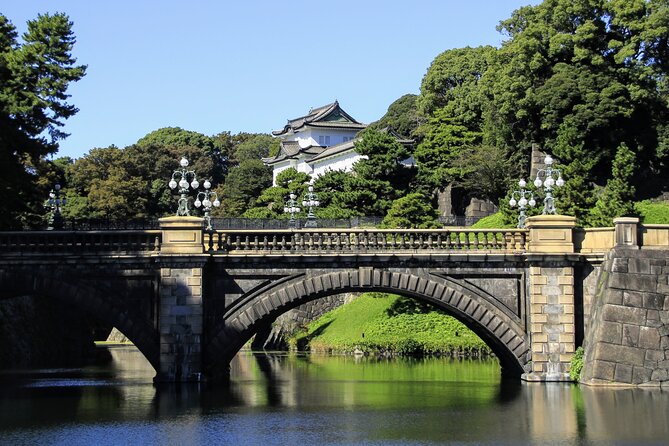
The next major stop is the Imperial Palace, the current home of Japan’s imperial family and the former site of Edo Castle. You spend about 30 minutes here, visiting either the East Garden or the Outer Garden near Niju-bashi Bridge.
The choice of location matters. The East Garden offers traditional gardens, seasonal flowers, and old castle remains. Niju-bashi provides the familiar palace-area setting and a classic photo opportunity. You may not know which option applies until the day, since the route can change with operations, traffic, and weather.
Thirty minutes is enough for an introduction and photographs. It is not enough for a leisurely walk through the palace grounds. The value here comes from seeing a central piece of Tokyo’s political and imperial story, then moving on without having to arrange transport.
Asakusa brings together food, shopping, and old Tokyo
Asakusa is the heart of the day. This is where the tour shifts from looking at Tokyo to taking part in a few simple local experiences.
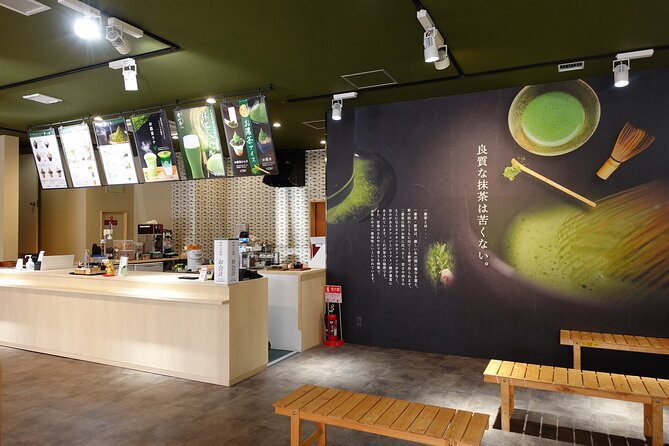
The matcha stop offers Uji matcha, either as a drink or matcha gelato. The description highlights premium first-flush tea presented as less bitter than many people expect. If you think matcha is harsh, this is a useful chance to try it in a more approachable form.
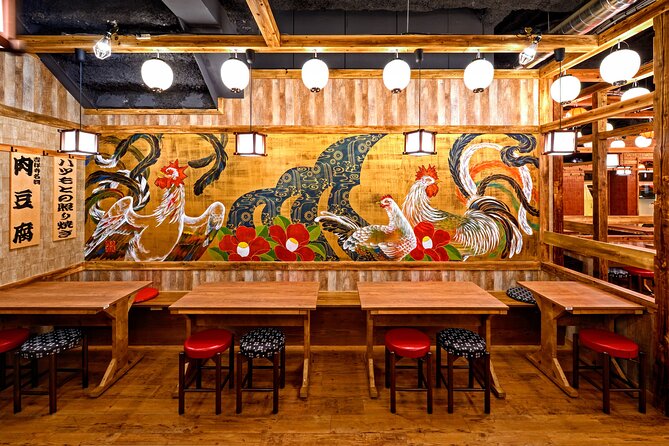
Lunch, if you select the lunch option, is a karaage and tofu set meal with a soft drink. The main dish is Japanese fried chicken, paired with locally produced tofu. The meal contains no pork or seafood, but the miso soup uses fish stock. A gluten-free option includes grilled chicken, rice, miso soup, and tofu.
You need to state dietary needs when booking. Vegetarian and gluten-free meals can be requested in advance. Muslim-friendly, lactose-free, and several other special diets are not available, and people with serious allergies are advised to book without lunch. The food has been a highlight for some people, but one account found the chicken poorly cooked, so I would treat the meal as a convenient cultural stop rather than the main reason to book.
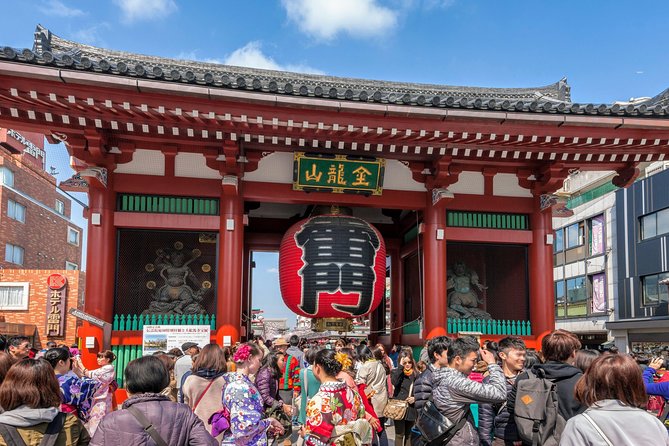
After eating, you have time at Senso-ji Temple and Nakamise Avenue. Senso-ji is Tokyo’s best-known Buddhist temple, and the approach from Kaminari-mon Gate is one of the city’s classic scenes. Nakamise is lined with souvenir shops and traditional snacks.
The 45-minute temple visit lets you take photographs, look inside the temple area, and browse a little. It does not leave much room for serious shopping. If you want to explore every side street in Asakusa, return on your own another day.

Tokyo Skytree supplies the day’s big view
Tokyo Skytree is the tour’s most valuable included admission. You go to the Tembo Deck at 350 meters, with skip-the-line entry listed as part of the package. The total stop lasts about 90 minutes.
The view helps make sense of Tokyo’s size. After spending the morning at street level, you can look across the city from above and connect the districts you have passed by bus. On a clear day, the height gives you a powerful sense of how far Tokyo stretches.
The stop also includes access to Tokyo Solamachi, the shopping complex with more than 300 stores. Ninety minutes sounds generous, but the queue, elevator movement, viewing time, and shopping can use it quickly. I would put the view first and shop only if time allows.
The skip-the-line feature is especially useful on a one-day schedule. Even a short delay at a major tower can throw off a group itinerary. Still, the benefit does not mean you will avoid every wait, since crowd levels and building operations can change.
Tokyo Bay may end the day on the water
The planned final sightseeing stop is Odaiba, followed by a short ferry ride under Rainbow Bridge and across Tokyo Bay. The ride lasts about 20 minutes and gives you a different view of Tokyo’s skyscrapers and waterfront.
This can be a pleasant finish, especially near sunset. You have already spent hours walking and touring, so sitting on the water with a light breeze can feel like a welcome change. Some people find the ride magical, while others find the onboard commentary hard to hear over the engine.
The important catch is that the cruise is not guaranteed. High tide, emergency maintenance, or technical problems can suspend it. In that case, the tour may visit Hamarikyu Gardens or the Fukagawa Edo Museum instead, and Odaiba will not be included. No refund is provided for this substitution.
The itinerary also notes that the ferry is suspended on Tuesdays, when one of those alternatives is used. If the boat is a major reason you are booking, avoid Tuesday and accept that weather and operations can still change the plan.
The guide can shape the entire day
A large group tour needs a guide who can manage time, explain places clearly, and keep people from wandering off in crowded areas. The maximum group size is 43, so this is not a private or intimate experience.
The strongest guide names associated with the tour include Momo, Yuta, Aya, Yuty, Levin, Hiro, Lovely, Uta, Tsubasa, Lisa, Momiji, Yui, Ayu, and others. Positive feedback repeatedly highlights guides who were warm, organized, funny, and good at explaining Japanese history and culture.
Momo is praised for humor and patience. Yuta is praised for keeping the group on schedule and making sure nobody was left behind. Aya is noted for attentive care and strong English, while Levin is praised for keeping a large group involved. Hiro receives credit for adding historical context, and Lovely is described as friendly and clear.
That does not mean every guide will suit every ear. English delivery can vary, and some people have found a guide difficult to understand or wished the guide would speak more slowly. Use the multilingual audio guidance when needed, and stay close enough to hear the live commentary.
What you get for $129.25
The price includes the air-conditioned vehicle, guide, coach Wi-Fi, Tokyo Skytree admission, matcha drink or gelato, and the Tokyo Bay cruise when it operates. Lunch is included only if you select that option, so compare the booking choices before paying.
The value is strongest if you want convenience. Skytree admission alone removes one major ticket decision, and the coach lets you move from Meiji Shrine to the palace, Asakusa, Skytree, and the bay without arranging each leg yourself.
The value is weaker if you prefer long visits, small groups, or independent meals. You will spend part of the day sitting in traffic, and some sights are seen through the coach window. A self-guided plan can give you more time in fewer neighborhoods, but it requires more preparation.
With a 4.9 rating from 14,250 reviews and a 98 percent recommendation rate, the tour has a strong record. I would still read those numbers in context: the people most likely to enjoy it are first-time visitors who want a broad, organized introduction.
Timing, comfort, and small practical matters
This is a long day. Start with breakfast, bring water, and wear shoes suited to temple grounds, shrine paths, shopping streets, and city sidewalks. Free time between stops is intentional, but it can feel like too much for people who want nonstop guiding. One assessment found the day could have been an hour shorter.
Traffic, weather, attraction closures, and ferry operations can change the order. If a place closes, an alternative may be offered. You cannot join midway if you miss the morning departure, and there is no hotel drop-off service.
Mobile tickets make entry simple, but you still need to reach the meeting point on time. The final drop-off is at Mode Gakuen Cocoon Tower near Shinjuku Station, not at your hotel.
Who should book this tour?
I would choose this tour for a first full day in Tokyo, especially if you have limited time or feel unsure about handling the city’s scale. Families and solo visitors can benefit from having transport, admissions, and a guide organized in one package.
It also suits anyone who wants a quick look at both traditional and modern Tokyo. You get shrines, temples, imperial sites, matcha, Japanese food, a tower, anime districts, shopping areas, and a possible boat ride in one sweep.
I would skip it if you already know Tokyo well, dislike group schedules, or want deep time in Asakusa or Harajuku. The day is broad rather than detailed, and the ferry portion may disappear because of conditions beyond the operator’s control.
Should you book the 1-Day Tokyo Bus Tour?
Book it if you want maximum coverage with minimum planning. The combination of Meiji Shrine, the Imperial Palace area, Asakusa, lunch, matcha, Skytree, and a possible bay cruise is hard to arrange smoothly in one day on your own.
Go in with realistic expectations. You are sampling Tokyo, not mastering it. The best plan is to use the tour as your city introduction, note the places that catch your interest, and return independently to the neighborhoods that deserve more time.
Free cancellation is available up to 24 hours before the start time. After that, changes and refunds are generally not accepted, except when poor weather cancels the experience and the operator offers another date or a full refund.
FAQ
How long does the Tokyo bus tour last?
The tour lasts approximately nine to ten hours. The final drop-off in the Shinjuku area is scheduled for around 6:10 p.m.
Where does the tour start?
Pickup options are listed at Matsuya Ginza at 7:20 a.m. and LOVE Shinjuku at 7:50 a.m. The main meeting information gives 1-chōme-7-2 Nishishinjuku, Shinjuku City, Tokyo, so confirm the exact location on your booking confirmation.
Where does the tour end?
The final drop-off is at Mode Gakuen Cocoon Tower near Shinjuku Station. Hotel drop-off is not provided.
Is Tokyo Skytree admission included?
Yes. Admission to the Tembo Deck at 350 meters is included, with skip-the-line entry listed as part of the tour.
Is lunch included?
Lunch is included only with the lunch option. The meal is a karaage and tofu set with a soft drink.
What does the standard lunch contain?
The main meal contains Japanese fried chicken and tofu. It includes no pork or seafood, but the miso soup contains fish stock.
Can I request a vegetarian or gluten-free meal?
You can request vegetarian or gluten-free meals when booking by stating the number of people needing each option. The gluten-free meal includes grilled chicken, rice, miso soup, and tofu.
Is the Tokyo Bay cruise guaranteed?
No. The ferry can be suspended because of high tide, emergency maintenance, or technical problems. Hamarikyu Gardens or the Fukagawa Edo Museum may replace it.
What languages are supported?
The tour has a professional English-speaking guide. Multilingual audio guidance is available in English, Spanish, French, Italian, German, Portuguese, and Ukrainian.
Is the tour suitable for people who cannot walk long distances?
No. The experience is not recommended for people who cannot walk long distances. It includes shrine, temple, garden, shopping, and observation-deck visits over a full day.
More 1-Day Tours in Tokyo


More tours in Tokyo we've reviewed




1-Day Tours, compared.
 ★ 5.0Mt Fuji and Hakone 1-Day Bus Tour Return by Bullet TrainFrom $163
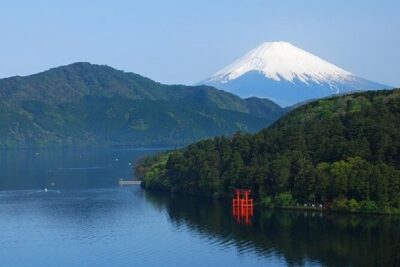 ★ 4.0Mt Fuji & Hakone Cruise, Drum Show Bullet Train 1 Day from TokyoFrom $149
 ★ 4.5Tokyo: DisneySea 1-Day PassportFrom $571 day
 ★ 4.6Tokyo Disneyland 1-Day PassportFrom $571 day
 ★ 4.2Tokyo: Mt. Fuji 5th Station & Hakone Cruise 1-Day Bus TourFrom $12911 hours
 ★ 5.0Tokyo Customized Private Tour (Must See Places in 1 Day)From $145