
Reviewed · TOKYO FOOD TOURS
Tokyo Ueno Food Tour Sushi Ramen and Local Favorites
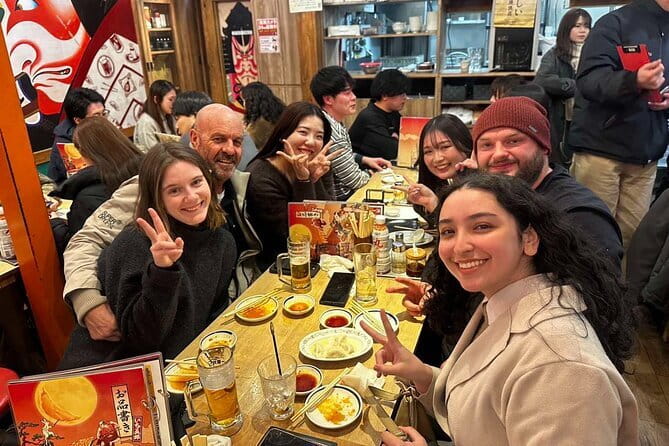
Ueno’s best food experiences often hide in plain sight: behind the crowded signs of Ameyoko Shopping Street, in small restaurants where locals eat shoulder to shoulder. This three-hour tour takes you beyond the usual sightseeing route for sushi, ramen, gyoza, yakitori, and other Japanese favorites.
I like the maximum group size of five, which makes it easier to ask questions and fit into tiny eateries. I also like the mix of food and local context, especially Ueno’s postwar market story. The main consideration is dietary choice: this tour is not suitable for vegetarians, vegans, pescatarians, or anyone with a gluten allergy. One restaurant also permits smoking.
In This Review
- Key things to know before booking
- Why Ueno is a good place for a food tour
- Meeting at Atre Ueno
- Walking through Ameyoko Shopping Street
- Four restaurant stops and Japanese comfort food
- What the guides add to the meal
- Alcohol, izakayas, and the smoking question
- Is $89.17 a fair price?
- Who will enjoy this Ueno food experience?
- My practical verdict
- FAQ
- How long does the Tokyo Ueno food tour last?
- Where does the tour start?
- Where does the tour finish?
- How many people can join the tour?
- Is alcohol included?
- Can vegetarians or people with gluten allergies join?
Key things to know before booking
- Ameyoko is the main setting: You explore one of Ueno’s most energetic market streets, formed around roughly 400 small shops.
- Four local-style stops may be part of the evening: The food includes sushi, ramen, gyoza, yakitori, and other classic dishes.
- The group is very small: The tour accepts no more than five people, and a solo booking may become a private-feeling experience.
- Guides shape the evening: Kaho, Kana, Nana, and Nobutane are among the guides praised for food knowledge, English, recommendations, and friendly conversation.
- Alcohol needs checking: Alcoholic drinks are included only with the alcohol package, and Japan’s legal drinking age is 20.
- It ends where it begins: You meet at Atre Ueno and return to the same meeting point after about three hours.
Why Ueno is a good place for a food tour
Ueno gives you a different view of Tokyo dining. It is not built around polished department-store restaurants or carefully staged tourist streets. Around the station, Ameyoko mixes market stalls, bargain shops, seafood sellers, small bars, and compact restaurants in a tight area.
The street began as a black market after World War II. That history still helps explain its practical, slightly rough-around-the-edges character. You see many small businesses packed into a modest district, with about 400 shops gathered around Ameyoko.
I like this setting for a first food tour because the surroundings do part of the teaching. You are not simply seated in a restaurant while someone lists ingredients. Your guide can point out the shopping street, explain how Ueno developed, and connect the food to the neighborhood you are walking through.
The route is centered on Ameyoko, with about two hours associated with the market area and the rest of the three-hour experience spent moving between eateries and eating. The exact restaurant order can vary, but the format is clear: several small restaurants and izakayas, with tastings served along the way.
A few more Tokyo tours and experiences worth a look
Meeting at Atre Ueno
The tour starts at Andersen in Atre Ueno, at 7-chome, 1F, near Ueno Station. The meeting point is close to public transportation, which is useful in a district where several station exits and rail lines can make orientation confusing.
Give yourself enough time to find the correct part of Atre Ueno. The supplied address includes the Atre Ueno shopping complex and the Seventh Avenue area, so checking the location before the start is sensible. You do not want to begin a food tour by rushing through the station with an empty stomach and a full phone battery warning.
A mobile ticket keeps the booking simple. Confirmation arrives at the time of booking, and the tour finishes back at the starting point. That return is handy if you are staying near Ueno or plan to continue exploring the station area afterward.
Walking through Ameyoko Shopping Street
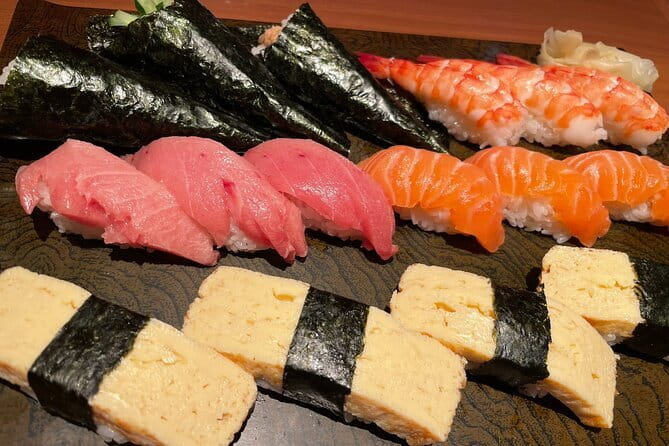
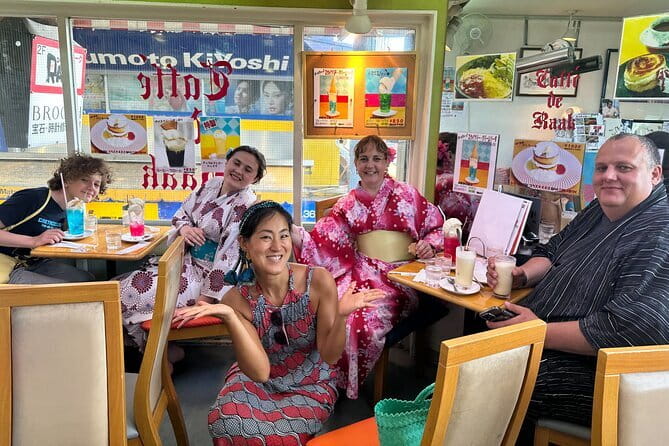
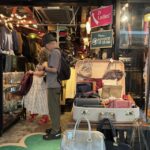
Ameyoko is the visual heart of the experience. It is a crowded commercial street with a long postwar story, many compact shops, and plenty of movement around Ueno Station. You get the chance to see the district as a working part of Tokyo rather than just a stop between major sights.
Your guide’s role matters here. Ameyoko can feel like a wall of signs and food displays if you do not know where to look. A local guide helps turn the noise into useful detail: what the area is known for, how the market developed, and which small places are worth your limited time.
The tour is designed to move away from the most obvious tourist choices. That does not mean every stop is secret or unknown. It means your guide takes responsibility for choosing places that fit the group and show a more ordinary side of Ueno dining.
You should expect some walking, standing, and movement through narrow spaces. The tour description does not promise a long neighborhood walk or a fixed list of restaurants, so think of Ameyoko as the base for a series of food stops rather than a formal sightseeing tour.
Four restaurant stops and Japanese comfort food
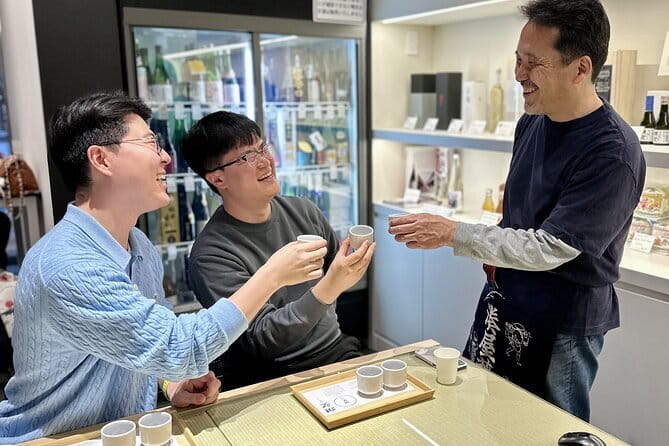
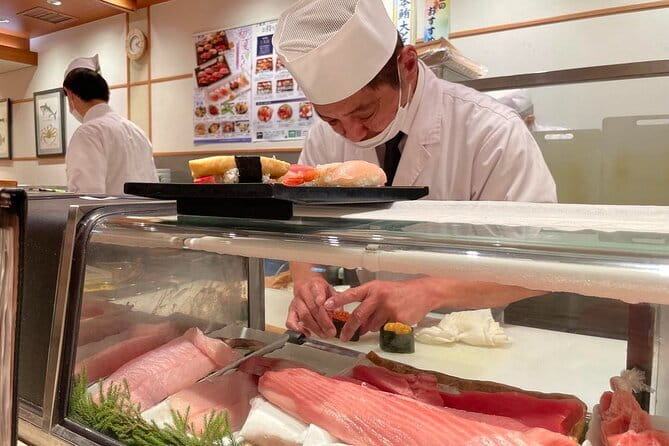
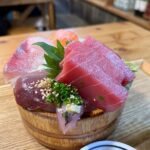
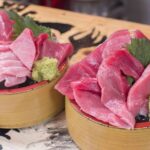
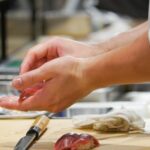
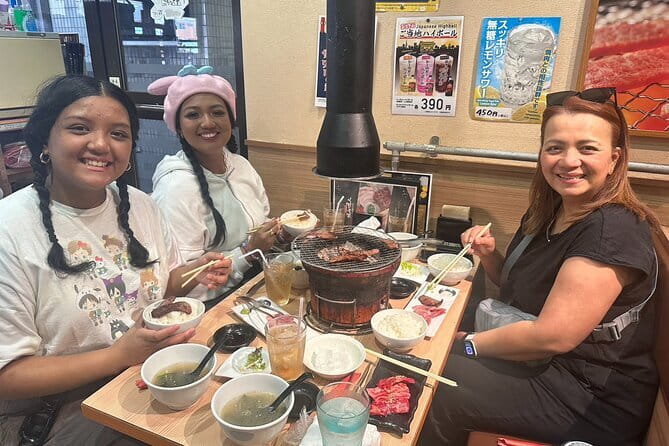
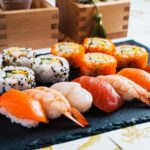
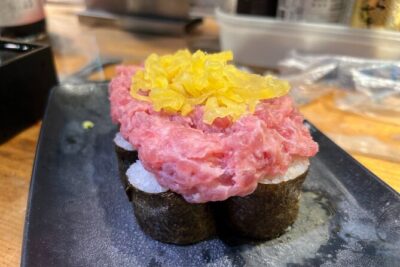
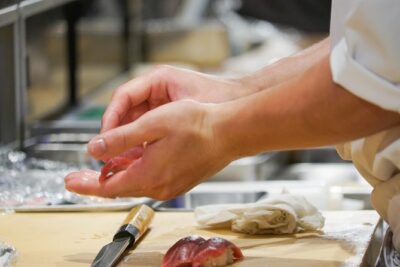
The strongest part of the experience is the range of food. The tastings include sushi, ramen, gyoza, yakitori, and more, with seating at multiple restaurants and izakayas.
That variety gives you a useful snapshot of Japanese eating habits in one evening. Sushi introduces you to a familiar category, but the smaller dishes and casual restaurant settings help keep the meal from feeling like a single-course tasting. Ramen brings a warm, filling bowl into the mix. Gyoza and yakitori add the kind of food that works naturally with a drink and conversation.
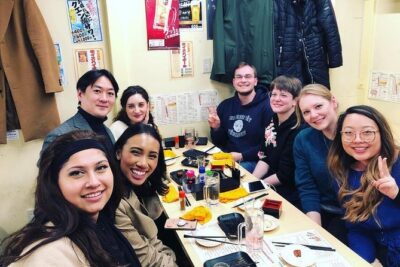
The route may include four restaurants. That number matters because it gives the evening a sense of progress. You are not paying for one meal in one place. You are trying several styles, seeing different interiors, and learning how a local night out can move from one small establishment to another.
Portions and menu choices can vary. The tour includes tastings, but the supplied information does not promise a particular quantity at every stop. I would treat the experience as a guided dinner with several food samples, not as an unlimited eating challenge.
Your guide may also let you choose among some options based on your interests. That flexibility is useful if you have strong preferences among ramen, grilled food, sushi, or other dishes. It does not remove the need to disclose dietary restrictions, since the tour specifically excludes several common diets and gluten allergies.
What the guides add to the meal
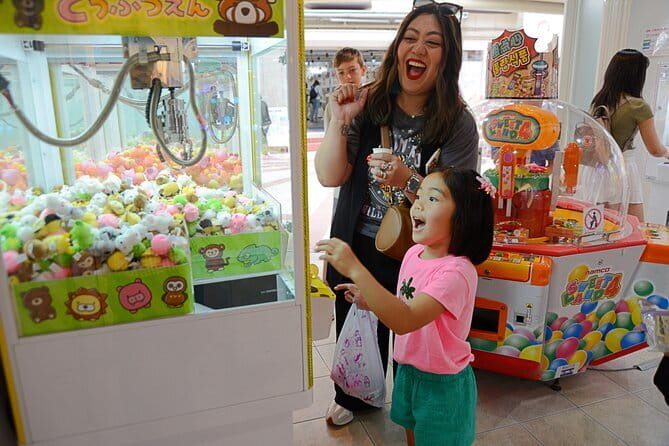
Food tours succeed or fail on the person leading them. Here, the guide names connected with the experience include Kaho, Kana, Nana, and Nobutane.
Kaho is associated with clear explanations of Japanese food and culture, answers to questions, and an easygoing manner. If you want to understand what you are eating rather than simply point at a menu, that is important. Kaho has also been praised for taking groups to local-feeling places and explaining the Ueno shopping district.
Kana is noted for strong English, information about Japanese customs, and a helpful approach to choosing food. She has also been willing to offer extra help after the formal tour, including directions to the station and suggestions for nearby places.
Nana has led a particularly personal experience for solo participants. A one-person booking can make the evening feel less like a group tour and more like a guided dinner with a local. Nana’s food recommendations include chicken ramen, which has become a favorite part of the experience for some people.
Nobutane is associated with good food and drink suggestions, plus a welcoming personality. His role seems especially useful for first-time visitors who want someone to explain what to order without making the meal feel like a classroom.
Guides can change, and no particular person should be assumed for your date. Still, the repeated praise for the staff’s friendliness, English, food explanations, and local suggestions is one of the tour’s best signs.
A few more Tokyo tours and experiences worth a look

Alcohol, izakayas, and the smoking question
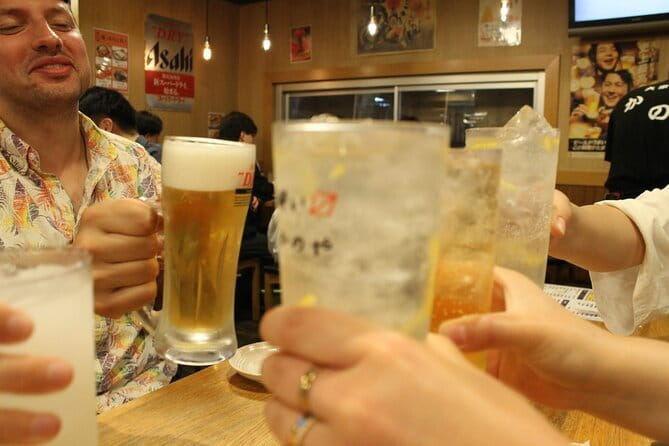
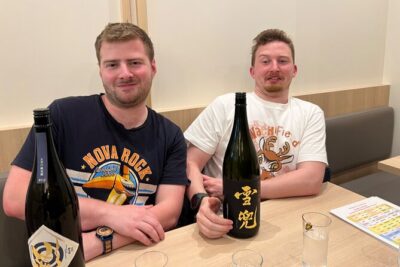
Alcoholic drinks are included if you purchase the alcohol package. That detail affects the value, so check exactly which option you are booking rather than assuming drinks are part of the basic price.
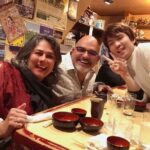
Izakaya food and drinks often fit together well. Small plates, grilled items, dumplings, noodles, and sushi give you reasons to try several tastes instead of ordering one large dish. If you drink, the guide can also help explain the social side of the meal.
Japan’s legal drinking age is 20. Anyone under 20 cannot drink alcohol on this experience, even if other members of the group order the alcohol package.
One restaurant on the route allows smoking. Smoking rules can be different from what you are used to, and this may matter if you are sensitive to smoke. Tell the operator about your concern in advance so they can do their best to make the arrangement comfortable, but do not book this tour expecting a guaranteed smoke-free environment.
There is no dress code. Wear comfortable clothes and shoes suitable for a few hours of walking and restaurant stops.
Is $89.17 a fair price?
At $89.17 per person, this is not the cheapest way to eat in Ueno. You could order individual dishes for less, especially if you are comfortable reading menus, choosing restaurants, and navigating Ameyoko on your own.
The price becomes easier to justify if you value guidance. You are paying for a small group, a local host, several tastings, seating at more than one restaurant, and help with the social and cultural details that are easy to miss when dining alone. Alcohol may add further value if it is part of your selected package.
The group limit of five is especially important. A large food tour can save money but lose the personal exchange. Here, you have a better chance to ask about ingredients, customs, restaurant etiquette, and other places to eat during the rest of your Tokyo stay.
I would book this early in a trip. The tour is often reserved about 51 days ahead, and the practical benefit is not only securing a place. A guide can help you understand Japanese food choices and suggest places for later meals, so the information has time to pay off.
Who will enjoy this Ueno food experience?
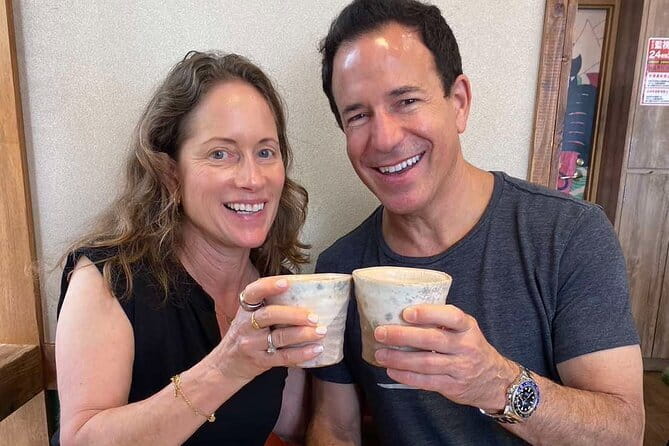
This tour fits couples who want dinner with a local point of view, solo visitors who prefer company, and families whose older children can handle several restaurant stops. It also suits first-time visitors who want a gentle introduction to sushi, ramen, izakaya food, and Japanese dining customs.
It is a good choice if you feel unsure about entering small restaurants on your own. The guide handles the route and restaurant choices, while you focus on tasting and asking questions.
You should choose another experience if you are vegetarian, vegan, pescatarian, allergic to gluten, or uncomfortable in a restaurant where smoking is permitted. It may also be a poor fit if you want a formal culinary lesson, a set menu with guaranteed dishes, or a long historical walking tour.
The tour is about three hours, so it offers a satisfying evening without taking over your whole night. Since it ends at the start point, you can continue around Ueno afterward or return to your hotel with minimal planning.
My practical verdict
I would book this tour if you want to eat across several small Ueno establishments without spending your first evening guessing where to go. The food range is broad, the group is tiny, and the guides appear to add real value through explanations and personal recommendations.
The strongest reasons to choose it are the local restaurant setting, the four-stop format, and the chance to ask a guide such as Kaho, Kana, Nana, or Nobutane about Japanese food and customs. The main limits are the dietary exclusions, the possible smoking stop, and the fact that the exact dishes and guide may vary.
For an independent eater who already knows Ueno and reads Japanese menus with ease, $89.17 may feel high. For a first-time visitor who wants a friendly, low-stress introduction to local food, the cost is reasonable, especially with the alcohol package and small-group format.
FAQ
How long does the Tokyo Ueno food tour last?
The experience lasts approximately three hours.
Where does the tour start?
It starts at Andersen in Atre Ueno, at 7-chome, 1F, in Ueno, Tokyo.
Where does the tour finish?
The tour ends back at the meeting point.
How many people can join the tour?
The maximum group size is five travelers.
Is alcohol included?
Alcoholic beverages are included if you purchase the alcohol package. The legal drinking age in Japan is 20.
Can vegetarians or people with gluten allergies join?
No. The tour is not suitable for vegetarians, vegans, pescatarians, or people with gluten allergies.
More Sushi Making Classes in Tokyo

More Tokyo Food Tours in Tokyo
More Ueno & Yanaka Walks in Tokyo
More tours in Tokyo we've reviewed




Tokyo Food Tours, compared.
 ★ 5.0Tokyo: Shinjuku Food Tour (13 Dishes at 4 Local Eateries)From $86
 ★ 4.9Tokyo: Shinjuku Food Tour (15 Dishes and 4 Eateries)From $853 hours
 ★ 5.0Best of Shinjuku: Izakaya Food Tour (4 Stops, 14+ Tastings)From $92
 ★ 5.0Tokyo Night Foodie Tour in Shinjuku – Seasonal Sushi, Wagyu BeefFrom $111
 ★ 5.0Eat and Drink Like a Local: Tokyo Ueno Food Tour-Taverns&RamenFrom $95
 ★ 5.0Tokyo: Shibuya Food Tour (13 dishes and 4 Eateries)From $77