
Reviewed · TOKYO FOOD TOURS
Tokyo: Allstar Food Tour
Tokyo’s most useful food lesson may be the contrast between Ginza’s polished streets and Yurakucho’s smoky alleys under the train tracks. This three-hour walk takes you from luxury shopping country to small izakaya, where grilled skewers, seafood, regional snacks, and local customs give you a quick introduction to how Tokyo eats.
I like the small group, limited to 10 people, and the way the tour mixes food with history instead of treating dinner as a simple checklist. I also like the timing options, since an earlier start can help you avoid the thickest dinner rush. The main consideration is price: at $181 per person, you are paying for guidance, several tastings, and cultural context, not just a meal. Extra food, drinks, transport, and gratuity cost more.
In This Review
- Key points at a glance
- Ginza Wako is a smart place to begin
- From luxury streets to Yurakucho’s lanterns
- What the izakaya stops add to the evening
- A 300-year-old snack stop with a longer story
- Regional and seasonal tastes, not just Tokyo staples
- Why the guide can make or break the value
- Timing, group size, and the first night in Tokyo
- Dietary needs, documents, and other practical details
- Is $181 a fair price?
- Dessert provides a gentle finish
- Who should book the Tokyo Allstar Food Tour?
- FAQ
- How long is the Tokyo Allstar Food Tour?
- Where does the tour meet?
- How do I reach the meeting point from Ginza Station?
- What is included in the price?
- Is hotel pickup included?
- Can dietary requirements be accommodated?
- What is the cancellation policy?
Key points at a glance
- Two very different Tokyo neighborhoods: Compare upscale Ginza with Yurakucho’s lantern-lit Yokocho alleys.
- Showa-era izakaya: Learn how Japanese pubs work while eating beneath the railway line.
- Centuries-old snack tradition: Visit a specialty shop with more than 300 years of history and taste crisp rice crackers tied to a recipe more than 200 years old.
- Regional and seasonal flavors: The food is not limited to one famous Japanese dish, giving you a broader sense of the country’s cooking.
- Small English-speaking group: The tour takes no more than 10 participants, with two drinks included.
- Useful first-night orientation: The route helps you get comfortable with Japanese dining customs, ordering, and neighborhood atmosphere.
Ginza Wako is a smart place to begin
The meeting point is in front of the Ginza Wako Building, also known today as the Seiko House, at Ginza 4 Chome 5-11. It is about a minute from Ginza Station, making the start fairly easy to reach even if Tokyo’s station system still feels like a puzzle.
From Ginza Station, follow the signs for Ginza 4 chome Crossing Gate, pass through the fare gate, and leave by Exit A9. Give yourself enough time to find the exit. Tokyo stations can be quick once you know the route, but confusing when you are looking for a particular street corner.
Starting in Ginza sets the tone. This is Tokyo’s luxury district, with grand storefronts, expensive watches, department stores, and carefully maintained streets. The tour uses that polished setting as a contrast to the more casual Yurakucho area later on.
That contrast matters. You do not just eat Japanese food in a vacuum. You see how dining changes from high-end Ginza to the compact drinking spots clustered near the railway tracks. I find that sort of comparison more useful than spending three hours in one restaurant zone.
A few more Tokyo tours and experiences worth a look
From luxury streets to Yurakucho’s lanterns
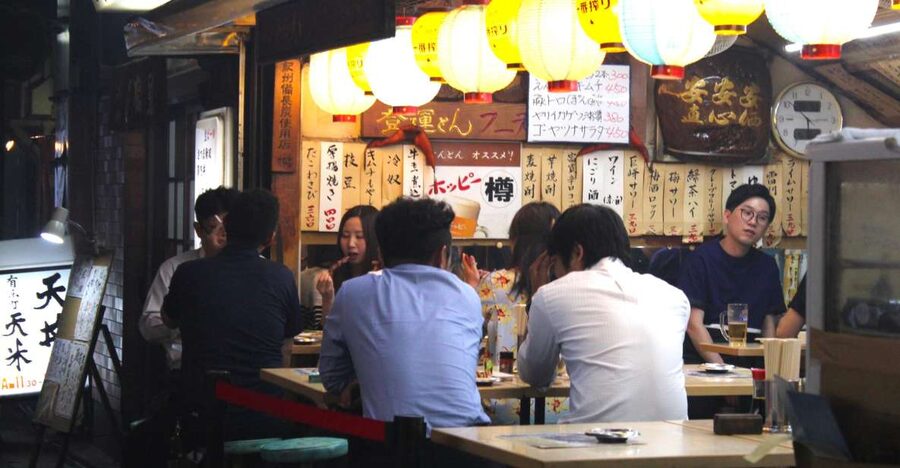
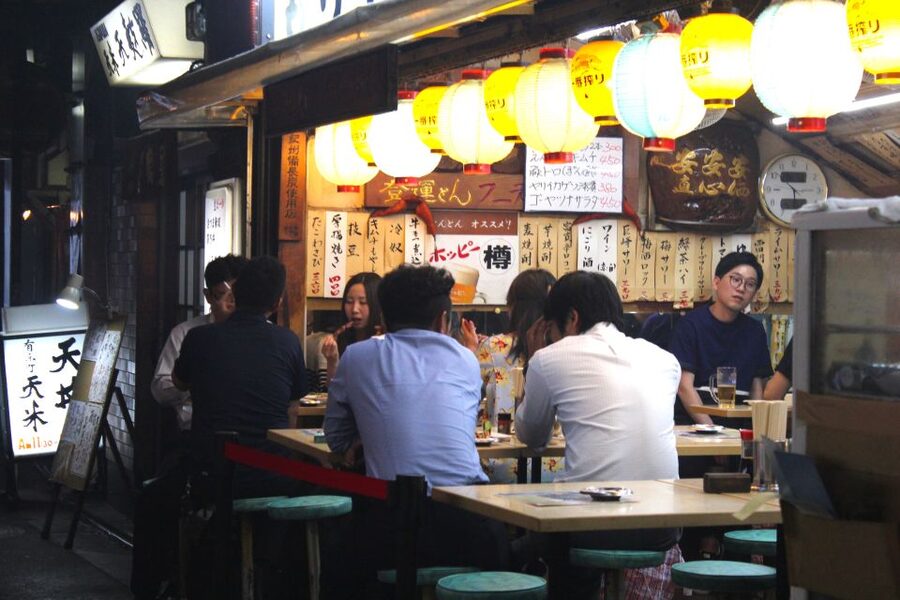
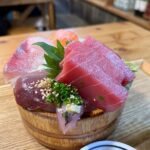
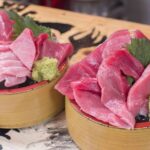
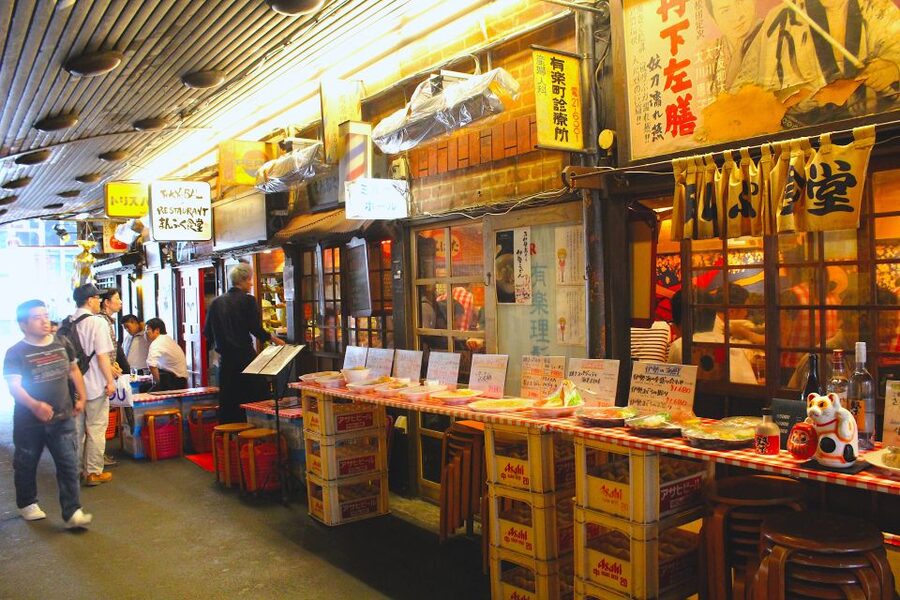
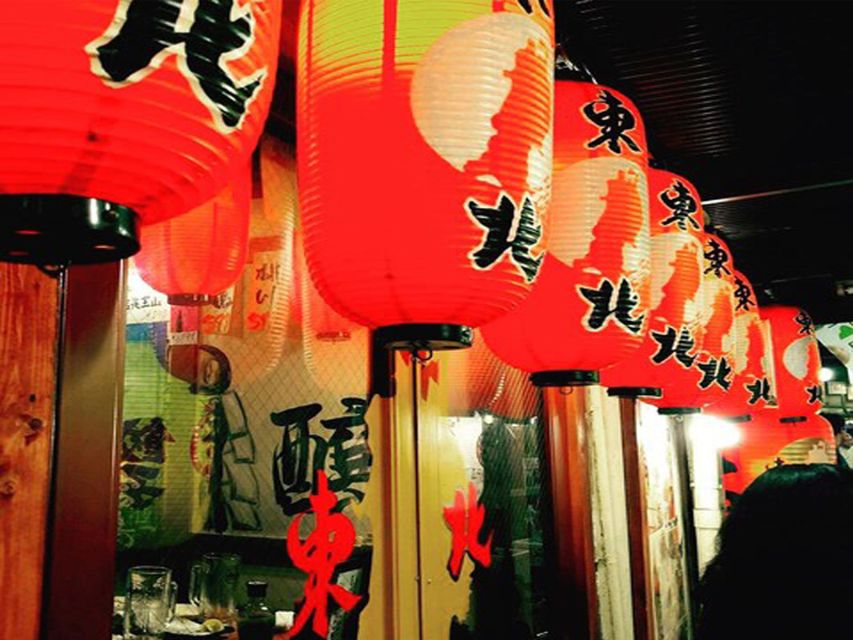
The walk leads toward Yurakucho, where the mood changes quickly. Beneath and beside the train line, Yokocho lanes pack in small restaurants and bars. Red lanterns, neon signs, grilled food, and close-set tables create the old Tokyo feeling the tour is designed to show you.
The route looks back to the Showa era, a period often associated with postwar Japan and the everyday food culture that grew around neighborhood drinking places. Your guide explains the customs behind izakaya dining, including the social role of these Japanese pubs and the way people share food and drinks.
The setting is part of the meal. You hear conversation, trains, and cooking equipment rather than the quiet service of an expensive Ginza restaurant. If you want a polished tasting menu, this is not that. If you want to understand why small drinking spots are such an important part of city life, the Yurakucho section should be the most rewarding part.
Past guides have included Sandra, Motoko, Josh, Joshua, Ryan, Anne, and Satoshi. Guide assignments can change, but the best part of the format is clear: you have an English-speaking local who can explain what you are seeing while keeping the group moving between stops.
What the izakaya stops add to the evening
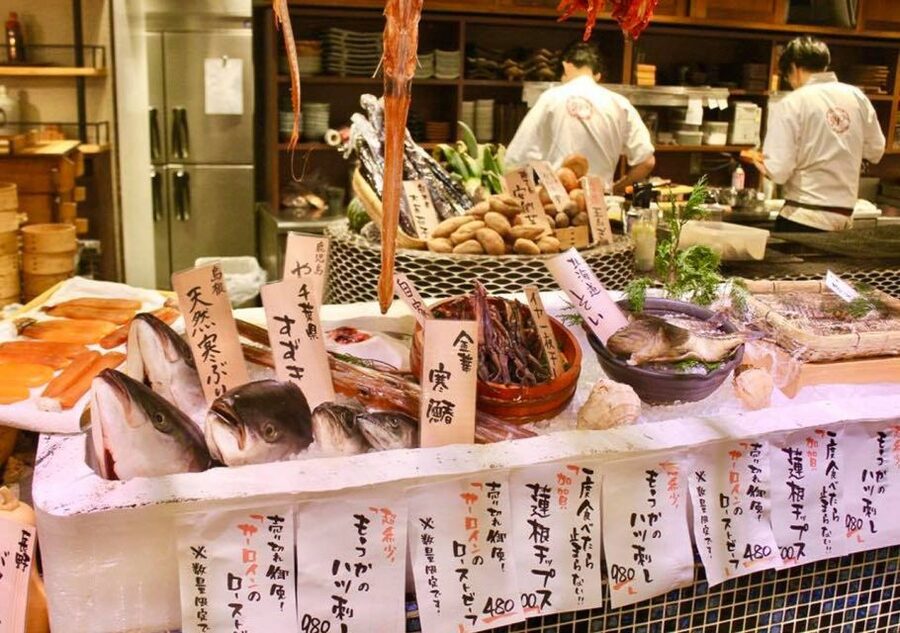
The izakaya portion gives you more than a chance to sample familiar Japanese dishes. It shows you how food is ordered, shared, and paired with drinks in a casual setting.
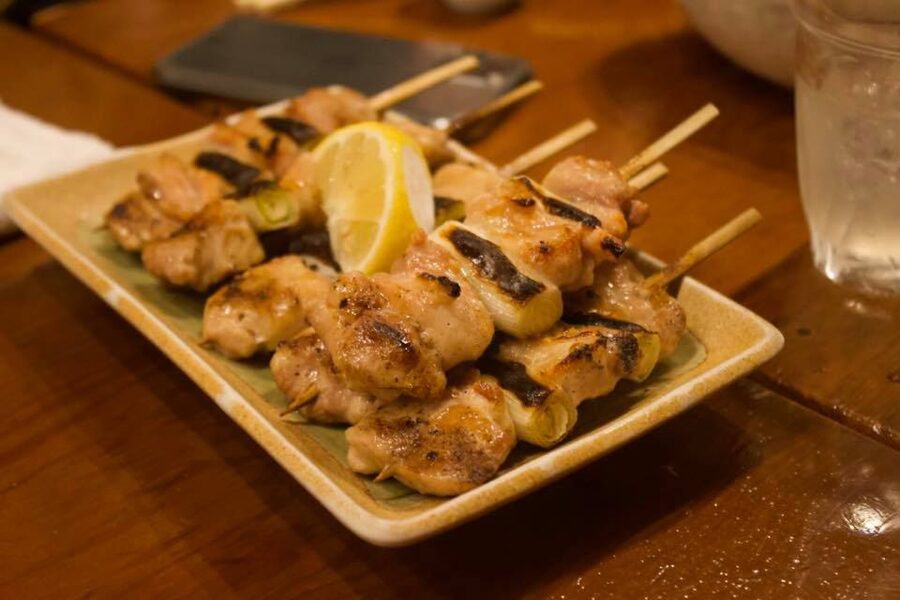
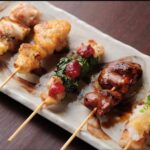
You might encounter skewers, grilled seafood, and other small dishes at places that are easy to miss if you are walking alone. One particularly memorable setting described in the tour material is a tiny izakaya decorated with colorful murals. Another stop may involve restaurants operating beneath the railway line, where the location is as memorable as the food.
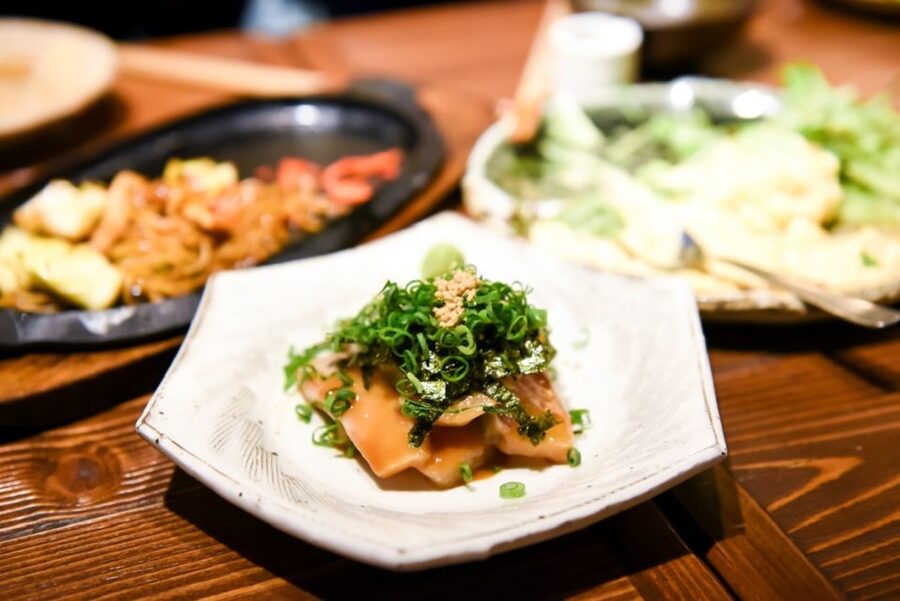
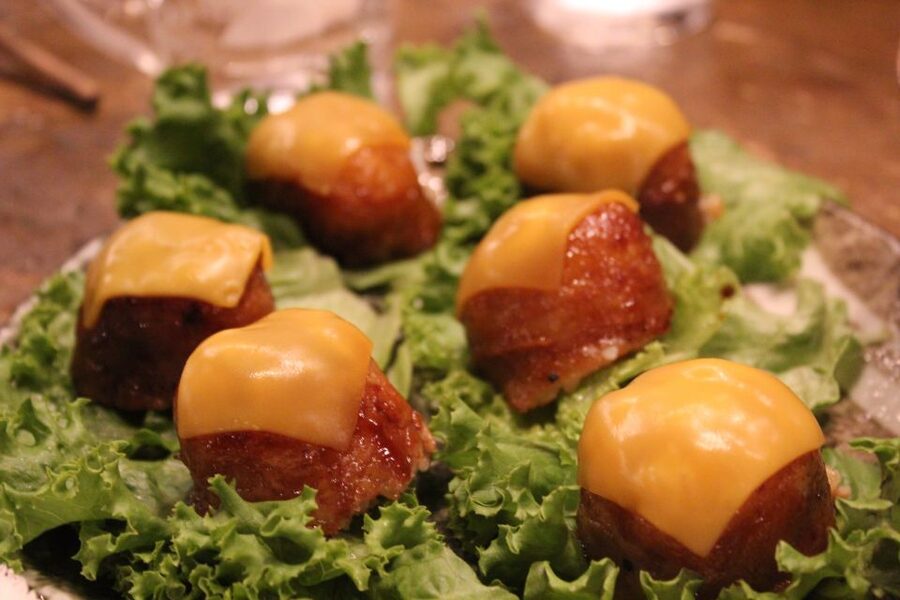
The dishes are served at multiple stops, so you get variety rather than one large plate. That is useful when you are still learning what you like. You can try regional specialties, seasonal flavors, snacks, and restaurant food in one evening.
Two drinks are included. The description does not promise a fixed list of beverages, so ask your guide what is being served on your date. If you want more drinks or extra food, you can buy them yourself.
A practical point: three hours can pass quickly when several venues are involved. You should expect tasting portions rather than a large, slow dinner. Some people will find that ideal, especially if they want to continue eating afterward. If you arrive very hungry, plan to buy something extra or have a small snack before the meeting point.
A 300-year-old snack stop with a longer story
One of the strongest details on this tour is the visit to a specialty snack shop with more than 300 years of history. You also taste crisp rice crackers made from a secret recipe said to date back more than 200 years.
That stop gives the tour a useful sense of time. Tokyo is often presented through new buildings, bright signs, and modern food trends. A long-running snack business shows a different side of Japan, where a simple item can carry family methods and regional identity across generations.
Rice crackers may sound modest beside sushi or ramen, but that is exactly why this stop works. Japanese food culture is not only about headline dishes. Texture, seasoning, packaging, gift-giving, and small snacks matter too.
You may also visit department-store food counters carrying a large range of products. One past experience included counters with around 10,000 food products to browse or buy. That is a good reminder to leave room in your luggage if you like edible souvenirs.
The exact food selection may vary with season and availability. This is worth keeping in mind if you are hoping for one specific snack. The strength of the stop is the story and range, not a guaranteed single item.
Regional and seasonal tastes, not just Tokyo staples
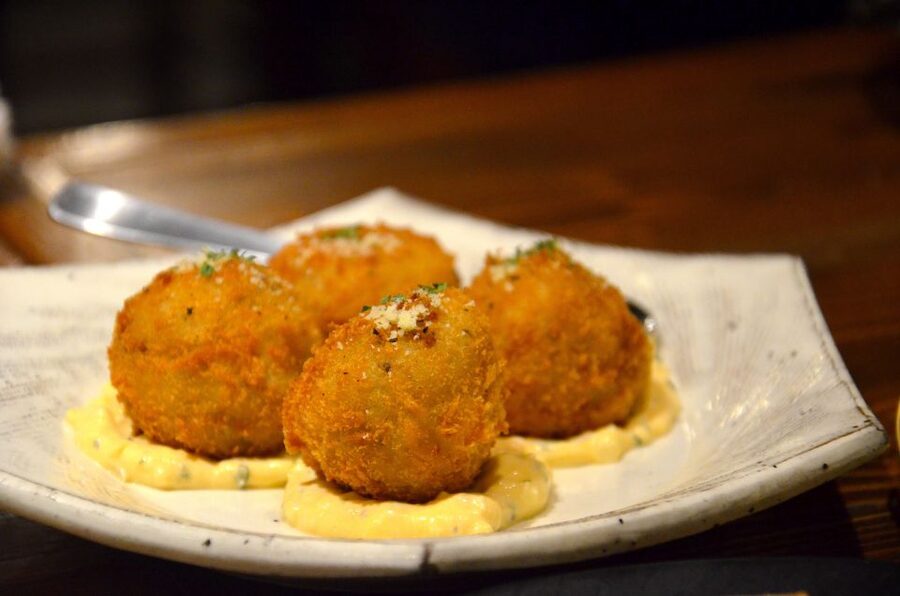
The tour promises food from across Japan, so you should expect more than a narrow Tokyo menu. Regional specialties help explain how climate, local products, and tradition shape Japanese cooking.
Seasonal ingredients also matter. Japan pays close attention to the time of year, and food changes with the calendar. You may find that the selection is less predictable than a standard restaurant meal, but that is part of the point.
The food is described as varied, with past groups enjoying a mix that included sushi, ramen, yakitori, grilled seafood, organic or eco-focused dishes, and snacks. Those examples come from different tour experiences, so do not treat them as a guaranteed menu for every departure. Think of them as a useful guide to the range.
Your guide also explains food origins and customs. That context helps with dishes that may otherwise seem unfamiliar. You learn not only what is on the plate, but how it fits into Japanese dining habits and regional food traditions.
Dietary options are available, but you should communicate your needs before booking. Do not wait until you are standing at the first restaurant. Clear information in advance gives the operator a better chance to arrange suitable choices.
A few more Tokyo tours and experiences worth a look


Why the guide can make or break the value
At $181, the guide is a major part of what you are buying. A self-guided walk through Ginza and Yurakucho costs little, and you can certainly eat in the area without joining a group. The tour earns its price through access, explanation, and the ease of moving between several stops.
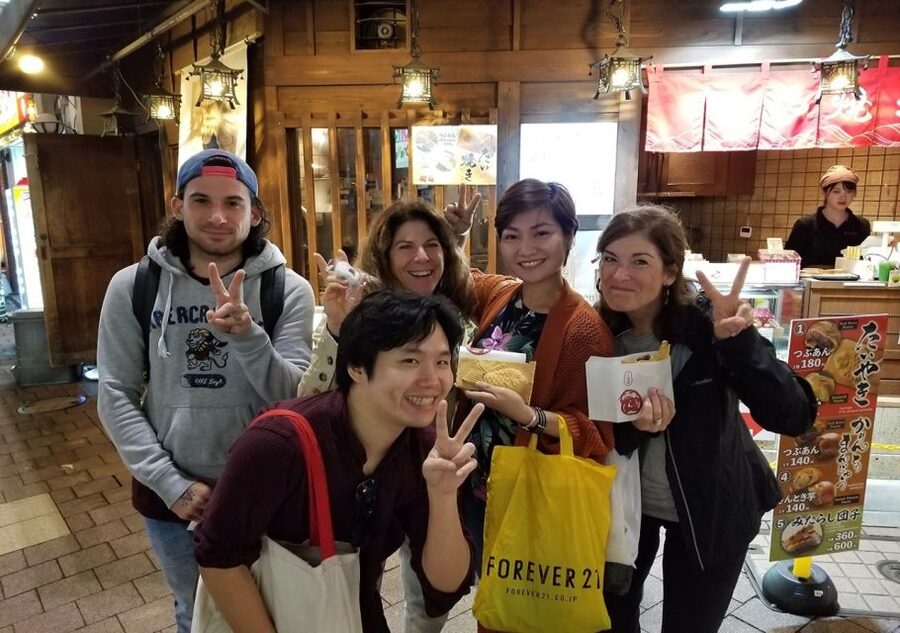
The strongest feedback centers on guides who were warm, funny, and full of cultural and historical information. Josh was praised for being approachable and amusing. Motoko was remembered for her passion for Japanese cuisine, humor, thoughtful pacing, and strong recommendations. Anne was described as entertaining as well as informative, while Satoshi received warm praise for his knowledge of food and Japanese customs.
Those comments also point to the tour’s best use. Book it when you want help reading the city, not only when you want someone to feed you. A good guide explains why an izakaya looks and operates the way it does, helps you understand local practices, and makes unfamiliar dishes easier to try.
Because guides vary, you should not book on the assumption that one particular person will lead your group. The names above show the range of guides who have worked on the experience, not a promise of assignment.
Timing, group size, and the first night in Tokyo
The tour lasts three hours, with starting times based on availability. An earlier evening departure can be a good choice if you want to avoid the most crowded dinner period. One past group specifically liked starting before the heaviest rush.
The group is limited to 10 participants. That is small enough for questions and conversation, while still giving the tour some social energy. A solo traveler should email the supplier before booking, since single-person participation requires advance contact.
This makes a useful first or second activity in Tokyo. You get a guided introduction to two central neighborhoods, learn basic dining customs, and finish with ideas for places and foods to seek out later.
You will walk between stops, but transportation costs are not included. Hotel pickup is also not included, though it can be arranged for an extra charge. Since the meeting point is near Ginza Station, using the train is the most straightforward choice for most people.
Dietary needs, documents, and other practical details
Dietary options are available, but the supplied information does not specify which restrictions can be handled. Contact the provider before booking and explain your needs clearly.
Every participant aged 10 and over must provide a copy of passport information. Have this ready before the tour date so the requirement does not become a last-minute problem.
Gratuity is not included. Additional food and drinks are possible at your own expense, so bring enough money for anything beyond the included tastings and two drinks.
The tour is conducted in English. Cancellation is free up to 24 hours before the start for a full refund, and you can reserve now while paying later. Check the current start-time availability before committing, especially if you are fitting the tour around jet lag, dinner plans, or a busy Tokyo schedule.
Is $181 a fair price?
The price is high for a three-hour food walk, and you should compare it with what you would spend eating independently. If you are comfortable ordering in Japanese, finding small restaurants, and researching Ginza and Yurakucho on your own, you may prefer to spend the money directly on food.
I see better value if you are new to Japan, want several different stops, or feel unsure about izakaya customs. The price includes multiple dishes, two drinks, snacks, dessert, and an English-speaking guide. It also saves you the time and uncertainty of choosing places in an unfamiliar dining district.
The small group helps. A 10-person limit gives the guide a better chance to answer questions and keep the group together in narrow streets and compact restaurants. Still, this is not an inexpensive dinner. You are paying for a guided cultural introduction with food, not simply purchasing $181 worth of dishes.
Dessert provides a gentle finish
The evening ends with dessert, giving the meal a sweet close after the savory stops. The exact dessert is not specified, so do not book expecting a particular confection.
That final course has a practical benefit. The tour moves through several food settings, and a dessert stop gives the experience a clear finish rather than leaving you at the last bar or snack counter. You can then continue exploring Ginza, return to your hotel, or use the guide’s suggestions for another evening.
I also like that snacks and dessert are included alongside restaurant dishes. It makes the route feel broader and gives you a better sense of everyday Japanese eating than a single famous meal would.
Who should book the Tokyo Allstar Food Tour?
Book this tour if you are visiting Tokyo for the first time and want a friendly introduction to Japanese food customs. It is especially suitable for people who enjoy small restaurants, local drinks, neighborhood history, and trying several different foods in one evening.
It also suits couples, friends, and solo visitors who prefer a small organized group. Families with participants aged 10 and over can join, provided the passport-information requirement is handled and the food style suits everyone.
I would skip it if you dislike walking, prefer a fixed menu, need complete control over every ingredient, or are mainly looking for a luxury dining experience. Ginza may be expensive, but this tour’s best moments come from casual izakaya and railway-side food spots.
For most first-time visitors who want to get their bearings through food, I think the tour is worth considering. The combination of Ginza, Yurakucho, old snack traditions, regional dishes, and a personable English-speaking guide gives you a practical start to Tokyo dining.
FAQ
How long is the Tokyo Allstar Food Tour?
The tour lasts three hours.
Where does the tour meet?
It meets in front of the Ginza Wako Building, also known as the Seiko House, at 4 Chome-5-11 Ginza, Chuo City, Tokyo. It is about a minute from Ginza Station.
How do I reach the meeting point from Ginza Station?
Follow signs for Ginza 4 chome Crossing Gate, pass the fare gate, and exit through A9.
What is included in the price?
The price includes a variety of dishes at multiple food stops, two drinks, unique desserts and snacks, and an English-speaking local guide.
Is hotel pickup included?
No. Hotel pickup is not included, but it may be arranged for an additional charge. Transportation costs are also separate.
Can dietary requirements be accommodated?
Dietary options are available. Contact the supplier before booking to discuss your specific needs.
What is the cancellation policy?
You can cancel up to 24 hours before the tour for a full refund. You can also reserve now and pay later, subject to the booking conditions.
More Food Experiences in Tokyo
More Tokyo Food Tours in Tokyo
More tours in Tokyo we've reviewed




Tokyo Food Tours, compared.
 ★ 5.0Tokyo: Shinjuku Food Tour (13 Dishes at 4 Local Eateries)From $86
 ★ 4.9Tokyo: Shinjuku Food Tour (15 Dishes and 4 Eateries)From $853 hours
 ★ 5.0Best of Shinjuku: Izakaya Food Tour (4 Stops, 14+ Tastings)From $92
 ★ 5.0Tokyo Night Foodie Tour in Shinjuku – Seasonal Sushi, Wagyu BeefFrom $111
 ★ 5.0Eat and Drink Like a Local: Tokyo Ueno Food Tour-Taverns&RamenFrom $95
 ★ 5.0Tokyo: Shibuya Food Tour (13 dishes and 4 Eateries)From $77