
Reviewed · SHIBUYA TOURS
Shibuya Authentic Tea Ceremony with experienced instructor
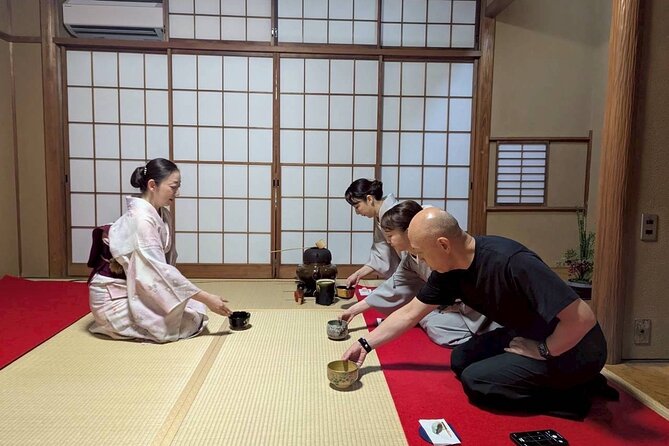
The best part of this 50-minute Shibuya tea ceremony is the change of pace. Just off Dōgenzaka, you step away from Tokyo’s bright signs and packed streets into a small, quiet tea house where a Japanese tea master explains the ritual before letting you take part.
I like the small groups of no more than eight and the chance to choose your own chawan, or matcha bowl. I also like the clear sequence: learn how tea is made, watch the formal ceremony, taste matcha with nerikiri, then whisk your own bowl. The main drawback is the short running time. This is a compact introduction, not a full study of tea ceremony etiquette.
In This Review
- Key Points Before You Book
- A Quiet Tea House Behind Shibuya’s Noise
- Starting With Tea History and a Stone Mill
- Watching a Tea Master Perform the Ceremony
- Matcha, Nerikiri, and the Taste of the Ceremony
- Choosing a Chawan and Whisking Your Own Matcha
- What the $25.76 Price Really Buys
- Who Will Get the Most From This Experience
- Timing, Tickets, and Cancellation
- Final Decision: Is This Shibuya Tea Ceremony Worth It?
- FAQ
- Where does the tea ceremony take place?
- How long does the activity last?
- Does the activity end at the meeting point?
- How many people can join?
- Is matcha included?
- Is food included?
- Can I choose a tea bowl?
- Can I cancel for a full refund?
Key Points Before You Book
- A calm side street setting in Shibuya: The tea house is at 1-chōme15 Dōgenzaka, close to the area’s shops and sights but removed from the noise.
- A traditional stone mill demonstration: You see how matcha is made with a small stone mill before the ceremony begins.
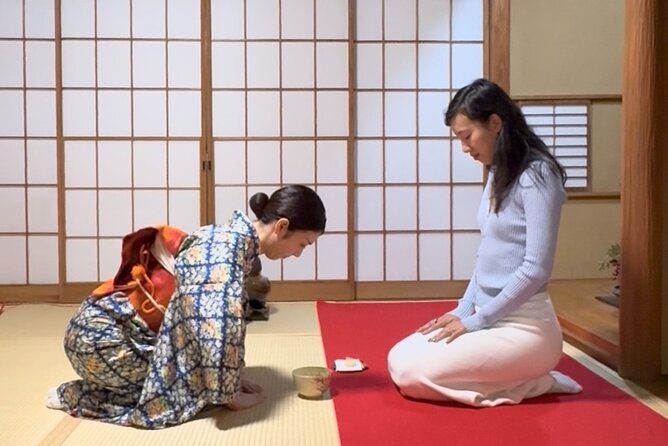
- A tea ritual with more than 500 years of history: The instructor performs the formal preparation before explaining your own turn.
- Matcha and nerikiri are included: You taste freshly prepared tea with a traditional Japanese sweet.
- You make your own bowl: Traditional tools are provided, and you can select a chawan from several attractive bowls.
- Good value at $25.76: For less than many larger Tokyo cultural activities, you receive instruction, tea, sweets, and hands-on practice.
A Quiet Tea House Behind Shibuya’s Noise
Shibuya is famous for movement: flashing screens, busy crossings, department stores, and streams of people heading in every direction. This activity gives you a useful pause without asking you to leave the district.
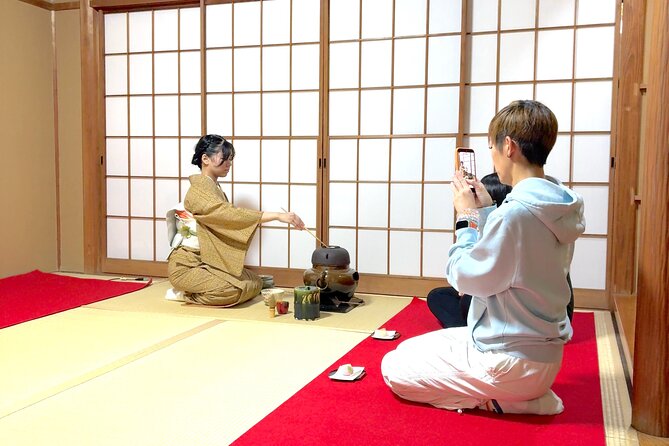
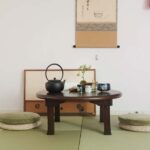
The meeting point is Japan, 150-0043 Tokyo, Shibuya, Dōgenzaka, 1-chōme15, at the Manji Building. The tea house is described as old and original, tucked along a smaller side street. That setting matters. You are not watching a tea ritual on a large stage or in a crowded attraction. You are sitting in a more personal space where the instructor can explain what is happening.
I would place this activity between major Shibuya stops. It lasts about 50 minutes, and it ends where it begins, so you can return to sightseeing, shopping, or dinner without giving up half a day. Confirmation arrives when you book, and the mobile ticket makes the activity simple to carry on your phone.
The group limit is eight people. That is small enough for each person to receive instructions while preparing matcha, though the experience is still shared rather than private. If you want a completely individual tea lesson, this is not that. If you want an intimate introduction without paying for a private session, the size is a strong point.
A few more Tokyo tours and experiences worth a look



Starting With Tea History and a Stone Mill
The first section is a short explanation of tea in Japan. You learn the basic background before watching the ceremony, which helps the movements make more sense later.
This opening is not described as a long lecture. That is good news if you have limited time or are traveling with children and want culture without a heavy classroom feel. The instructor gives you enough context to understand why the tools and motions matter, then moves on to the practical part.
You also see matcha being made with a small traditional stone mill. This is one of the more unusual details in the experience. Many tea activities focus only on whisking powdered tea, but the mill gives you a glimpse of what happens before the powder reaches the bowl.
The demonstration adds a physical element to the story. Matcha is not simply a green drink poured from a packet. The stone mill connects the finished cup to an older method of preparing tea. You should not expect a full lesson in tea farming or milling, since the schedule is only 50 minutes, but this small display gives the introduction more substance.
The history section is especially useful for first-time visitors. Japanese tea ceremony can look slow and precise if you do not know what to watch for. A short explanation helps you see the preparation as a series of deliberate actions rather than a set of mysterious rules.
Watching a Tea Master Perform the Ceremony
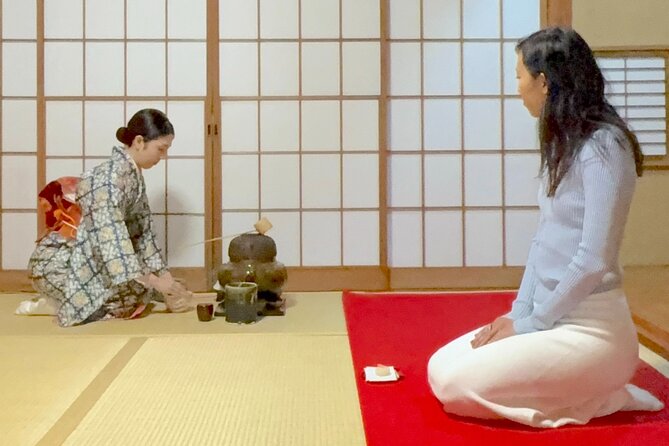
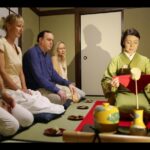
Next, the tea master performs a traditional tea-making ritual with a history of more than 500 years. This is the part where you watch first and take part later.
The value here is not speed. The ceremony gives you time to notice the handling of the bowl, whisk, and other tools. The instructor’s movements show the care built into the practice. You are not just being handed matcha and told to stir it.
One host named in the available information is Mai. Her approach is described as kind, welcoming, and clear, which is important in a cultural activity where visitors may worry about making a mistake. The hosts also provide explanations about Japanese culture and the tea ceremony, so you can ask questions and follow along instead of simply sitting in silence.
The atmosphere appears to be peaceful and meditative. That does not mean the session is a formal retreat. You are still in central Tokyo, and the activity is designed for a short visit. But the old tea house and slower ritual create a noticeable contrast with Dōgenzaka outside.
You should treat the demonstration as a cultural introduction rather than a complete formal tea ceremony lesson. Traditional tea practice has many layers of etiquette, and a 50-minute session cannot cover them all. The benefit is that you get a respectful presentation without needing prior knowledge.
Matcha, Nerikiri, and the Taste of the Ceremony
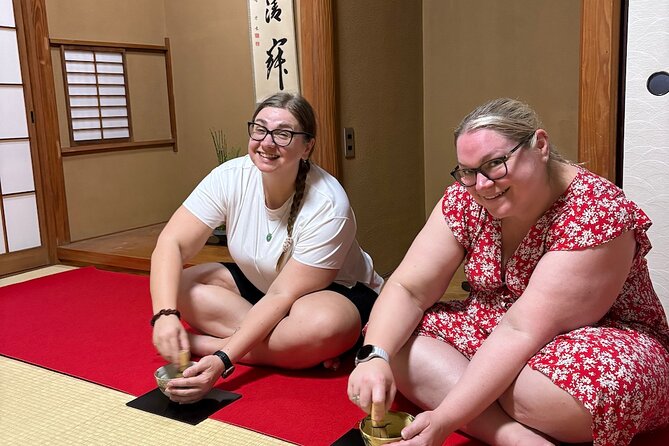
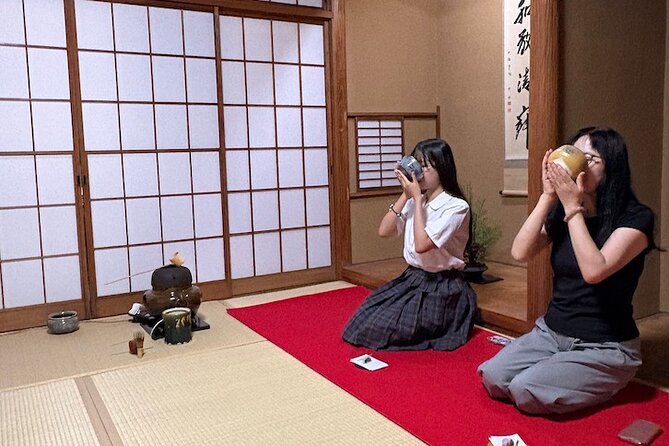
After the demonstration, you enjoy freshly prepared matcha with nerikiri. Nerikiri is a traditional Japanese sweet made to accompany tea, and it provides a gentle balance to the tea’s grassy, sometimes slightly bitter taste.
This pairing is a small but important part of the experience. You are not only watching a ritual. You are tasting the combination that makes the ceremony a complete social and cultural practice.
The matcha is prepared during the session, so the drink connects directly to what you have just seen. The sweet gives you an easy entry point if you are new to matcha. If you already drink matcha, you may appreciate the chance to taste it in a setting built around its traditional preparation.
Do not book this expecting a full meal. The included food is nerikiri, a Japanese sweet served with the tea. It is enough to complete the ceremony, not a substitute for lunch or dessert hopping around Shibuya.
This portion also gives you a natural moment to slow down. The activity is not packed with stops or rushed from one demonstration to the next. The sequence makes sense: learn the background, watch the ritual, then enjoy the result.
Choosing a Chawan and Whisking Your Own Matcha
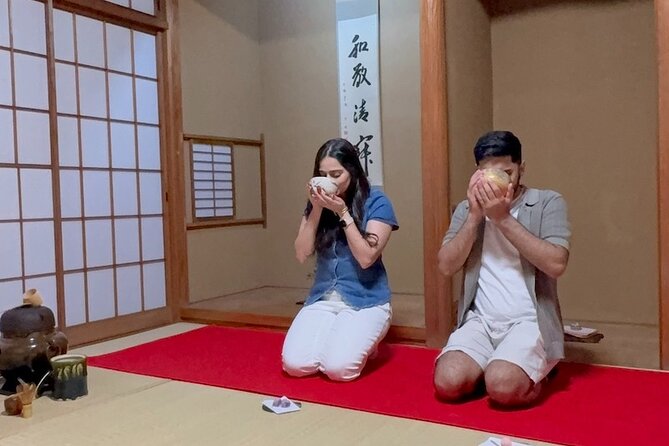
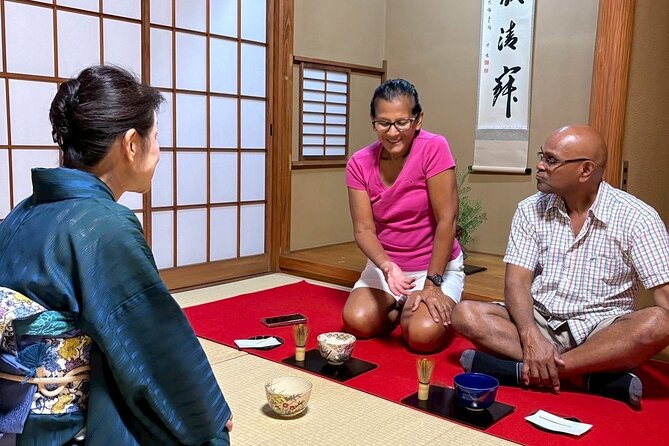
The hands-on section is the practical highlight. You receive traditional tea tools and make your own bowl of matcha under the instructor’s guidance.
You can choose your favorite chawan from a variety of matcha bowls. That choice adds a personal touch to an activity that could otherwise feel like a demonstration with a tasting attached. Each bowl becomes part of the experience, and selecting one helps you pay attention to the shape and appearance of the vessel.
The focus is on learning techniques you can repeat at home. You get to whisk the tea yourself, using the same basic tools shown by the instructor. This is a better souvenir than simply buying a tin of matcha because you leave knowing how to prepare a bowl, at least at an introductory level.
Expect the instructor to guide you through the process. You do not need to arrive with tea ceremony training. The activity is designed to show beginners how to handle the tools and prepare matcha in a traditional style.
There is also room for a little human error. Your first bowl may not look exactly like the instructor’s, and that is part of the point. You are learning by doing, not watching a polished performance from a distance.
The hands-on portion is also the reason the eight-person limit matters. A large group would make it harder for the instructor to give each person useful direction. Here, the small format should make the whisking stage more manageable and less awkward.
A few more Tokyo tours and experiences worth a look


What the $25.76 Price Really Buys
At $25.76 per person, this is priced as an accessible cultural activity rather than a luxury ceremony. For that fee, you receive a history introduction, a stone mill demonstration, a formal tea performance, matcha, nerikiri, and your own preparation session.
That is good value if you want more than a photo opportunity. The activity gives you an explanation and a skill, not just a cup of tea. It also saves you the time and cost of traveling to a distant neighborhood since the meeting point is in Shibuya.
The price is less compelling if you want a long, highly formal ceremony or an extensive meal. The session is only about 50 minutes, and the food element is limited to nerikiri. You are paying for a compact cultural lesson with refreshments, not an afternoon devoted to tea.
I would compare it with the cost of other short Tokyo activities. A standard attraction ticket may show you something impressive, but it may not give you direct contact with a local practice. Here, the hands-on preparation makes the cost easier to justify, especially for first-time visitors who want one structured cultural activity in the middle of a city itinerary.
The current rating is 5 out of 5 from 54 ratings, with 100 percent recommending the experience. That strong record matches the features that matter most here: a calm setting, friendly instruction, and a chance to prepare your own tea. Ratings cannot tell you if matcha suits your taste or if a short format meets your expectations, so use the length and focus as your main guide.
Who Will Get the Most From This Experience
This tea ceremony suits you best if you want a gentle introduction to Japanese culture in central Tokyo. It works well for first-time visitors, couples, families, and small groups who prefer participation over passive sightseeing.
You will likely enjoy it if you:
- Want to learn what happens during a Japanese tea ceremony
- Prefer a small group to a crowded cultural show
- Like trying local sweets and drinks
- Want a practical skill you can repeat at home
- Need an activity that fits into a busy Shibuya day
- Enjoy quiet settings and careful demonstrations
It is also a useful choice for visitors who have already seen Shibuya’s main sights. After the crossing, shopping streets, and high-rise views, the tea house offers a different side of the neighborhood.
You may want another activity if you dislike matcha, expect a substantial meal, or want a long lesson in Japanese tea etiquette. The ceremony is traditional, but the format is short and welcoming rather than demanding.
The experience can also work for people who feel unsure about formal customs. You are shown what to do, and the instructor leads the process. The tone is intended to be friendly, not intimidating.
Timing, Tickets, and Cancellation
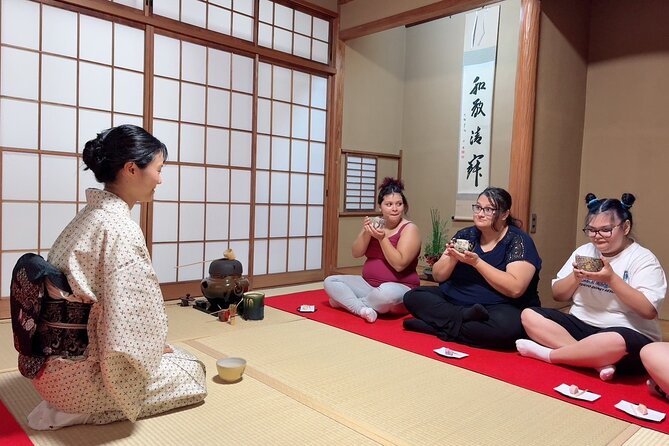
Plan for about 50 minutes at the meeting point, with the activity ending back there. Since the location is on Dōgenzaka in Shibuya, it can fit neatly before or after other plans in the neighborhood.
You receive confirmation at booking, and the ticket is mobile. Keep the meeting address available on your phone, since the tea house is on a smaller side street rather than one of Shibuya’s most obvious landmarks.
Free cancellation is available if you cancel at least 24 hours before the local start time. A cancellation made less than 24 hours before the start is not refunded, and changes inside that window are not accepted. That policy is reasonable for a small session with limited places, but check your schedule before booking.
Final Decision: Is This Shibuya Tea Ceremony Worth It?
I would book this if you want a short, well-priced cultural activity with real participation. The combination of the old tea house, stone mill, formal demonstration, nerikiri, and self-prepared matcha gives the session more depth than a simple tea tasting.
The strongest reason to choose it is the balance. You get history without a long lecture, ceremony without an overly formal atmosphere, and hands-on practice without committing to a full-day class.
Keep your expectations realistic. In 50 minutes, you will not master tea ceremony etiquette or explore every branch of Japanese tea culture. You will, however, learn the basic story, see the ritual performed, taste matcha with a traditional sweet, and whisk a bowl yourself.
For $25.76, that is a practical way to add a calm and distinctly Japanese experience to a busy Shibuya itinerary.
FAQ
Where does the tea ceremony take place?
The meeting point is in Dōgenzaka, Shibuya, Tokyo, at 1-chōme15, Manji Building, postal code 150-0043.
How long does the activity last?
The tea ceremony lasts approximately 50 minutes.
Does the activity end at the meeting point?
Yes. The activity ends back at the meeting point.
How many people can join?
The activity has a maximum of eight participants.
Is matcha included?
Yes. You enjoy freshly prepared matcha during the ceremony and also make your own bowl using traditional tools.
Is food included?
Yes. Nerikiri, a traditional Japanese sweet, is served with the matcha.
Can I choose a tea bowl?
Yes. You can select a favorite chawan from a variety of matcha bowls.
Can I cancel for a full refund?
Yes, if you cancel at least 24 hours before the experience start time. Cancellations and changes made less than 24 hours before the start are not accepted for a refund.
More Tea Ceremony & Matcha in Tokyo
More Shibuya Tours in Tokyo



More tours in Tokyo we've reviewed






Shibuya Tours, compared.
 ★ 5.0Official Street Go-Kart in ShibuyaFrom $76
 ★ 4.9Tokyo: Street Kart Experience in ShibuyaFrom $741 hour
 ★ 5.0Shibuya Meltdown Nightlife Tour: All-You-Can-Drink Bar HoppingFrom $106
 ★ 5.0Shibuya Official Street Go-Kart in Shibuya AnnexFrom $69
 ★ 5.0Tokyo: Shibuya Food Tour (13 dishes and 4 Eateries)From $77
 ★ 5.0Best of Shibuya Food TourFrom $217