
Reviewed · ASAKUSA TOURS
Flavors of Asakusa Food & Traditions with a Friendly Guide
Asakusa’s best moments come in small bites: a temple gate, a paper lantern, a chewy dango skewer, and a side street where old Tokyo still feels close at hand. This four-hour walk brings those pieces together, with Senso-ji Temple, Nakamise Street, Asakusa Shrine, and local food stops along the way.
I like two things right away. First, you get more than a meal, since the route connects food with temples, shopping streets, and the old Rokku entertainment district. Second, the group is limited to 10 people, which gives a guide such as Chisato a fair chance to answer questions and keep the walk moving.
The main caution is the price: $167.40 per person is a serious outlay for a walking tour, especially since alcohol is extra and the observation-deck portion is not clearly detailed in the stop-by-stop plan. You are paying for a hosted introduction to Asakusa, not simply a few snacks.
In This Review
- Key points to know before booking
- Starting at the Asakusa Culture Tourist Information Center
- Walking Kaminarimon Street and Nakamise
- Entering Senso-ji, Tokyo’s best-known temple
- A quieter pause at Asakusa Shrine
- Rokku, once Tokyo’s theater quarter
- Hoppy Street and the neighborhood’s casual side
- What you actually eat and drink
- The Tokyo view and the Skytree question
- Guide style and group size
- Is $167.40 a fair price?
- Who should book this Asakusa walk?
- Should you book it?
- FAQ
- How long is the Asakusa food and traditions tour?
- Where does the tour start?
- Where does the tour end?
- How many food stops are included?
- Are drinks included?
- How large is the group?
Key points to know before booking
- Four to five Asakusa food stops: Snacks and desserts are included, along with two soft drinks and water.
- Senso-ji is only part of the story: The walk also visits Asakusa Shrine, Hoppy Street, Nakamise Street, and the old Rokku district.
- A small group helps: The maximum is 10 people, a useful size for street food and narrow shopping lanes.
- Chisato may be your guide: One especially positive account names Chisato as a friendly guide who shared plenty of local background.
- Tokyo views are part of the appeal: The experience includes a view from an observation deck, with Tokyo Skytree presented as a major highlight.
- Plan for four hours on foot: Wear comfortable shoes and arrive at the Asakusa Culture Tourist Information Center.
Starting at the Asakusa Culture Tourist Information Center
The meeting point is the Asakusa Culture Tourist Information Center at 2-chome-18-9 Kaminarimon. This is a practical place to begin because it sits near the main Asakusa sights and offers free Wi-Fi, tourism help, and information in Japanese, English, Chinese, and Korean.
You have about 30 minutes here. That may sound like a long start for an information center, but it gives you time to get oriented before entering the busiest part of the district. Asakusa can feel confusing at first, with temple grounds, shopping streets, side lanes, and the Sumida River area all close together.
The tour ends back at the same meeting point. That makes the experience easier to fit into a Tokyo day, since you do not need to work out where the guide will leave you.
A few more Tokyo tours and experiences worth a look

Walking Kaminarimon Street and Nakamise
The route then moves through Asakusa Kaminarimondori Shopping Street, described as one of Japan’s oldest and longest souvenir streets. This is a useful first look at the commercial side of the neighborhood, where you can browse traditional goods before the food tasting begins in earnest.
You should expect shops and displays rather than a quiet old lane. That is part of the point. Asakusa has long been a place where worship, shopping, entertainment, and eating overlap, and this stretch helps explain that mix.
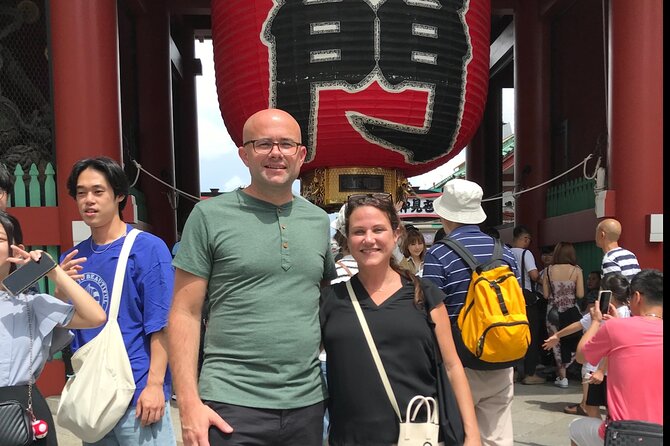
Nakamise Shopping Street near Kaminarimon brings you closer to Senso-ji. It is famous for souvenirs and street food, so the half-hour here is likely to feel active and crowded at popular times. Your guide can help explain what you are looking at and direct you toward the included tastings instead of leaving you to guess at every unfamiliar snack.
The food focus is broad rather than tied to one formal meal. You may try traditional Japanese dishes along with sweets such as dango and daifuku. Dango is a chewy rice-flour dumpling often served on a skewer, while daifuku is a soft rice-cake sweet with a filling. These are simple foods, but they give you a quick sense of texture and flavor that a restaurant lunch may not provide.
Since the tour includes four to five food stops, portions may be more like samples than a full meal. I would eat lightly beforehand, but I would not arrive hungry enough to expect the tastings alone to serve as dinner.
Entering Senso-ji, Tokyo’s best-known temple
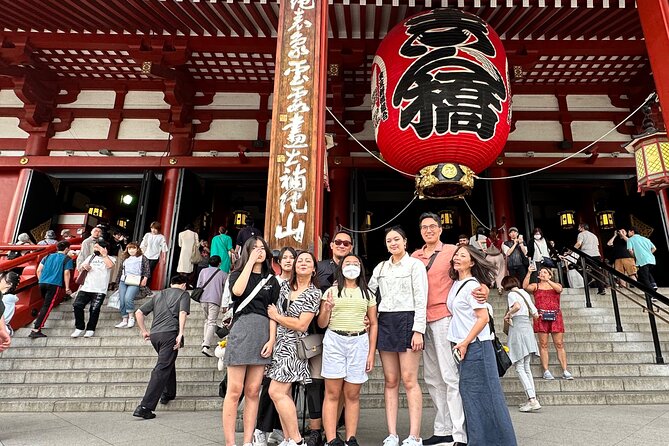
Senso-ji gets about 30 minutes. That is enough for a focused introduction, though not enough for a slow, detailed temple visit.
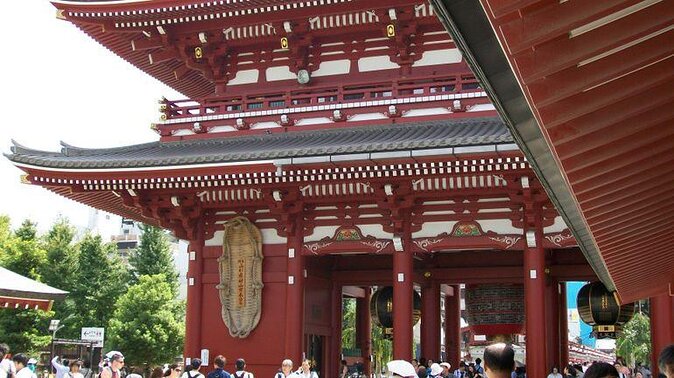
This ancient Buddhist temple is one of Tokyo’s most visited sights. Its strong colors, large gates, and busy approach make it easy to recognize, but the crowds can also make a self-guided visit feel scattered. A local guide gives the stop some shape, pointing out what matters and adding cultural context as you move through the grounds.
For many people, this will be the visual center of the tour. If you have never been to Asakusa, the combination of the temple, Nakamise stalls, and traditional-looking streets gives you a fast read on why this district feels different from Tokyo’s newer commercial centers.
The tradeoff is time. Thirty minutes passes quickly at Senso-ji, especially if you want photographs, a closer look at the temple details, and time for quiet observation. Think of this as an introduction rather than a full temple study. You can return later on your own if Senso-ji captures your interest.
A quieter pause at Asakusa Shrine
Asakusa Shrine is often overshadowed by Senso-ji, so including it is a good choice. The tour gives you another 30 minutes to see a shrine within the same wider district.
This stop helps separate two traditions that can look similar to first-time visitors. Senso-ji is a Buddhist temple, while Asakusa Shrine is a Shinto shrine. You do not need a long lecture to appreciate the difference, but having a guide explain the setting can make the visit more meaningful.
The appeal here is contrast. Senso-ji brings scale and spectacle, while a shrine visit can feel more restrained. The schedule does not promise an extended ceremony or special event, so keep your expectations practical. You are seeing an important local site as part of a walking route.
Rokku, once Tokyo’s theater quarter
Asakusa Rokku Yumemachi Theatre takes you into a different part of Asakusa’s past. Rokku Broadway, also called the Sixth District, was once packed with theaters and amusement facilities. Its story begins in 1884, when Asakusa’s entertainment life was growing into one of Japan’s major theater areas.
This is a smart addition because it prevents the tour from becoming only a temple-and-snack circuit. Asakusa was not simply a place for worship and souvenirs. It also had a strong popular entertainment culture, and Rokku helps you see that broader picture.
The stop lasts around 30 minutes. You will not get a full museum visit or an evening show from the information provided, but you can expect a short look at the district and an explanation of its place in Asakusa.
A few more Tokyo tours and experiences worth a look


Hoppy Street and the neighborhood’s casual side
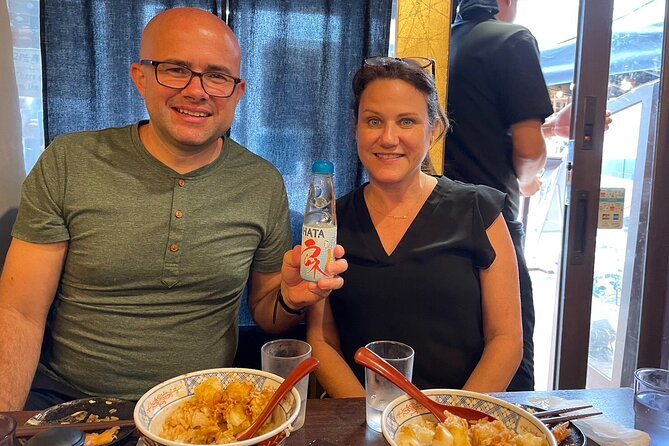
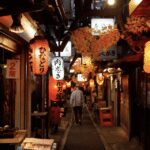
Hoppy Street is the final listed stop, with another 30 minutes. Its name comes from Hoppy, a low-alcohol or alcohol-style mixer commonly associated with casual Japanese drinking culture. The tour does not include alcoholic drinks, though you can buy them separately.
That matters for the budget. If you want to sample the street’s drinking culture, keep some extra money available. If you do not drink, you can still appreciate Hoppy Street as a change of mood from the temple grounds and confectionery stalls.
This part of Asakusa feels more informal. It is a useful ending because it shows how the area works as a neighborhood, not only as a sightseeing zone. The included soft drinks and water also help keep the walk comfortable, particularly after several food samples.
What you actually eat and drink
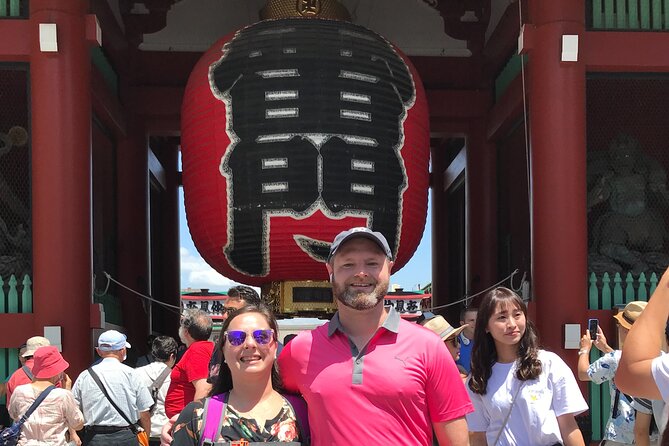
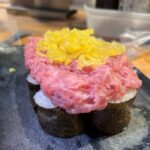
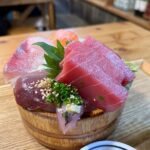
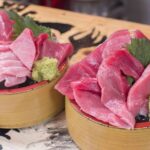
The tour includes snacks, desserts, two soft drinks, and water. It also promises four to five food stops focused only on Asakusa. That is a solid tasting range for four hours, provided you see the food as a series of small experiences rather than a sit-down feast.
The exact dishes are not fixed in the information provided. Dango and daifuku are specifically mentioned, along with traditional Japanese dishes and other photo-friendly sweets. This is useful if you want to try foods you might otherwise walk past because you are unsure how to order or eat them.
I like the balance between savory food and sweets. Asakusa’s food culture is not limited to one famous item, and a varied route can show you more than a single restaurant meal. Your guide can also explain what you are tasting and connect it to the neighborhood.
The limit is predictability. You are not given a complete menu, so do not book this expecting a particular dish. Dietary needs are also not addressed in the supplied details. If you have allergies or strict food restrictions, ask the provider before booking rather than assuming substitutions will be available.
The Tokyo view and the Skytree question
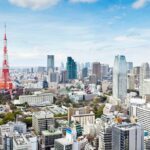
The tour description makes Tokyo Skytree a major part of the experience, describing the tower’s 634-meter height and its 360-degree view over the city. One account also refers to a view from an observation deck among the day’s highlights.
That view can add real value. After walking through older streets and temple grounds, looking across Tokyo gives you a sense of the city’s huge size and density. The contrast is the point: Asakusa feels rooted in an older Tokyo, while the Skytree view shows the modern city stretching far beyond it.
Still, the stop-by-stop schedule supplied for this experience lists the information center, shopping streets, temples, Rokku, and Hoppy Street, but does not give a separate Skytree stop or state that admission to an observation deck is included. I would confirm this detail before paying $167.40. Ask which observation deck you visit, if admission is included, and how that portion fits into the four-hour route.
That small check matters. A promised city view is valuable, but the price makes the exact arrangement worth clarifying.
Guide style and group size
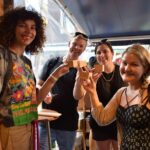
The strongest personal detail available is the mention of Chisato, a friendly guide who shared a great deal during the walk. The tour is operated by The Washoku Club Culture and Food Tours.
A good guide is especially useful in Asakusa because the sights are close together but not always self-explanatory. Chisato’s role, as described, went beyond leading the group from one stop to the next. The guide helped connect the temple, market, food, and local culture into one story.
The maximum group size is 10. That is small enough for a more personal feel and practical enough for food stops where everyone needs to hear instructions. It also means the experience is not a private tour. If you want to set your own pace or spend a long time photographing one place, a private guide would give you more control.
The tour is suitable for most people and runs near public transportation. You should still expect four hours of walking, standing, and moving through busy streets. Comfortable shoes are the sensible choice.
Is $167.40 a fair price?
At $167.40 per person, this is not a cheap way to spend a morning or afternoon in Asakusa. You could visit Senso-ji, walk Nakamise, and buy a few snacks for much less.
The value comes from the combination. You are paying for a four-hour guided route, four to five tastings, desserts, two soft drinks, water, local explanations, and a group capped at 10. If the observation-deck visit and admission are included, the price becomes easier to defend. If the tour only provides a distant view of the Skytree, the value is less convincing.
I would compare it with your own travel style. If you enjoy figuring out every snack and temple detail yourself, spend the money elsewhere. If you want a friendly introduction on your first Tokyo visit, especially one that removes the worry of ordering unfamiliar food, the price can make sense.
The 4.8 rating from 10 reviews and the 100 percent recommendation figure suggest a strong early record, but the sample is small. I would treat those numbers as encouraging, not decisive. The clearest praise centers on the food, the sights, and Chisato’s company.
Free cancellation is available if you cancel at least 24 hours before the start time. Changes or cancellations inside that window are not accepted for a refund.
Who should book this Asakusa walk?
I would recommend it most to first-time visitors who want a guided introduction to one of Tokyo’s most distinctive districts. It also suits people who like small tastings, cultural background, and a steady route rather than a long restaurant meal.
Families and mixed-age groups may appreciate the variety. A temple, market, sweets, old entertainment quarter, and city view give the afternoon several different beats. The four-hour length is long enough to feel substantial without taking over the whole day.
Food-focused visitors should note the missing menu details. You will get several samples, but you cannot choose the exact dishes in advance from the information provided. People with allergies, mobility concerns, or a strict diet should contact the operator before booking, since those points are not explained.
Should you book it?
Book this tour if you want Asakusa explained by a local guide, enjoy trying several small foods, and value a group of no more than 10. The mix of Senso-ji, Asakusa Shrine, Nakamise, Rokku, and Hoppy Street gives you a broader view of the district than a simple temple visit.
Before booking, confirm the Tokyo Skytree or observation-deck details and ask about food accommodations if needed. At $167.40, those answers determine the value. For a first visit with a guide such as Chisato and a strong focus on food and local sights, it is a promising choice. For independent visitors on a tight budget, the price is harder to justify.
FAQ
How long is the Asakusa food and traditions tour?
The walking tour lasts approximately four hours.
Where does the tour start?
It starts at the Asakusa Culture Tourist Information Center, 2-chome-18-9 Kaminarimon, Taito City, Tokyo 111-0034, Japan.
Where does the tour end?
The activity ends back at the meeting point.
How many food stops are included?
The tour includes four to five food stops in Asakusa, with snacks and desserts.
Are drinks included?
Two soft drinks and water are included. Alcoholic drinks are not included but can be purchased separately.
How large is the group?
The tour has a maximum of 10 people.
More Guided Tours in Tokyo

More Food Experiences in Tokyo
More Asakusa Tours in Tokyo
More tours in Tokyo we've reviewed





Asakusa Tours, compared.
 ★ 4.8Tokyo: Japanese Dance Cabaret Theater Asakusa-Kaguwa TicketFrom $492 hours
 ★ 4.7Tokyo: Meiji Shrine, Asakusa, Skytree Bus Tour and CruiseFrom $12210 hours
 ★ 4.9Tokyo: Roll and Authentic Sushi Making Class in AsakusaFrom $581h 40m
 ★ 4.8Tokyo: Asakusa Walking Tour with Sensoji Temple VisitFrom $222 hours
 ★ 5.0Tokyo Asakusa Rickshaw TourFrom $42
 ★ 4.5Tokyo Panoramic 1 Day: Meiji Shrine, Asakusa, Odaiba and SKYTREE®From $85