
Reviewed · TOKYO FOOD TOURS
Tokyo: Shinjuku Food Tour – 15 Dishes, 3 Drinks, 4 Eateries
Shinjuku’s best food experiences often hide above a narrow staircase or behind a plain doorway. This three-hour evening walk takes you through Golden Gai, Omoide Yokocho, and Kabukicho, serving more than 15 Japanese dishes at four local eateries rather than one polished restaurant.
I like the generous range of food, from sashimi and tonkatsu to gyoza and Okinawan cooking. I also like the local orientation: guides such as Riki, Emma, Shane W, Dai, and Yin have helped guests understand both the dishes and the streets around them. The main caution is quantity. Several people found the portions large, and one booking included only two drinks instead of the advertised three.
In This Review
- Key points to know before you book
- Why this Shinjuku food walk works
- Meeting near the blue AOKI sign
- Golden Gai: a compact start among tiny bars
- Omoide Yokocho: old-style food lanes and quick bites
- Kabukicho: food, nightlife, and neighborhood stories
- Fifteen dishes, three drinks, and a lot of dinner
- The guides shape the whole evening
- What the walking and seating are really like
- Who should book this experience
- Booking value and practical timing
- Should you book the Shinjuku food tour?
- FAQ
- How long does the Shinjuku food tour last?
- How many dishes are included?
- How many restaurants do you visit?
- How many drinks are included?
- Which Shinjuku areas are included?
- Where does the tour meet?
- Where does the tour finish?
- Is the tour conducted in English?
- What should you bring?
Key points to know before you book
- Four eateries in three hours: You move between local restaurants instead of sitting in one place all evening.
- A full dinner, not a light tasting: The 15 dishes are intended to make a complete meal, and some portions may be hard to finish.
- Shinjuku after dark: Golden Gai, Omoide Yokocho, and Kabukicho supply the setting, with narrow lanes, lanterns, neon, and nightlife.
- Guides make the difference: Riki, Emma, Shane W, Dai, Yin, and several other English-speaking guides have been praised for food knowledge, humor, and care with the group.
- Bring cash: Cash is specifically requested, and one stop involves a steep set of stairs with no lift.
- Good first-night choice: The walk gives you a useful introduction to Japanese food and helps you get your bearings in Shinjuku.
Why this Shinjuku food walk works
At $72 per person, this tour sits in the middle of the price range for a guided Tokyo food outing, but the amount included matters. You receive 15 dishes, three drinks, a city walk, an English-speaking guide, and visits to four eateries. If you tried to order that range of food and drinks alone, you could spend less, but you would also need to find the restaurants, understand the menus, manage portions, and work out how to order in places that may have limited English.
I see the strongest value in the combination of food and orientation. You are not simply paying for plates. You are paying for someone to lead you through parts of Shinjuku that can feel confusing on a first visit, explain what you are eating, and keep the evening moving.
The food is intended to be straightforward Japanese comfort food and local fare, not formal dining. That is a plus if you want sashimi, crisp tonkatsu, pan-fried gyoza, and other everyday favorites. It is less suited to you if you want a carefully staged tasting menu or a quiet meal with lots of time at each table.
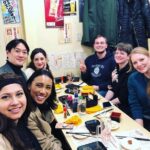
The group setting also shapes the evening. You share food and conversation with people from different countries, and several guides have been praised for making solo guests feel included. The tone is social and relaxed, with some guides adding jokes, photos, and neighborhood stories along the way.
A few more Tokyo tours and experiences worth a look
Meeting near the blue AOKI sign
The meeting point is in front of the blue AOKI sign beside Starbucks in Nishi-Shinjuku, near the west exit. Shinjuku Station is large and confusing, so give yourself extra time to locate the west side and the correct Starbucks.
The tour both begins and ends at the α 107 Building area. That makes the meeting point useful as a fixed landmark, though you should still save the location before leaving your hotel. Shinjuku has many exits, signs, and large buildings that can make a simple rendezvous more time-consuming than expected.
Bring cash. It is the only item specifically listed as necessary, and local eateries may be better prepared for cash payment than cards. Wear shoes you can walk in comfortably. The distance is described by one person as manageable, but you will be on your feet for about three hours and moving through narrow streets.
Golden Gai: a compact start among tiny bars
The first major area is Golden Gai, a tightly packed group of narrow lanes and very small drinking spots. It is one of Shinjuku’s most distinctive evening settings, with lanterns, signs, cramped entrances, and bars stacked close together.
Your guide uses this first section to connect the food with the neighborhood. You may stop for dinner here or at a nearby local restaurant, then hear about the area and how its tiny venues differ from larger dining rooms. The charm is visual and social. You get the feeling of old-style Shinjuku streets while sampling food in places you might not confidently enter alone.
This is also where the size of the group matters. Golden Gai’s venues are small, and finding enough seats can take some planning. One person specifically praised the guide for keeping everyone on time and arranging seating, which tells you something practical about the stop: the evening is not a casual wander with unlimited flexibility.
Expect a steady pace. You may pause for photos or an explanation, but the tour must fit four eateries into three hours. If you enjoy small rooms and close-up neighborhood scenes, Golden Gai is likely to be one of the most memorable parts. If you dislike tight spaces, crowded lanes, or stairs, this section may feel less comfortable.
Omoide Yokocho: old-style food lanes and quick bites
The route continues to Omoide Yokocho, another well-known Shinjuku food area. Its narrow lanes and compact eateries offer a different mood from Golden Gai, with a stronger focus on casual food and quick drinks.
This is a good place for the tour’s informal style. You can try several dishes without committing to a full order at every stop, while the guide explains ingredients and eating customs. Claire’s guide, Caitlyn, was praised for explaining how dishes were composed, and that sort of detail is useful here. A dish becomes more than a plate when you understand its main ingredients and how it fits into Japanese dining.
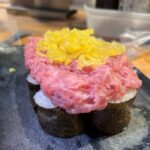
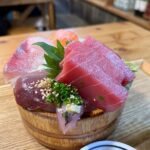
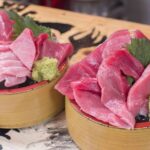
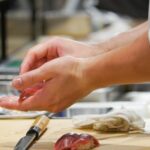
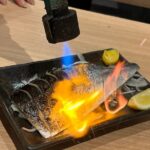
The menu examples include melt-in-your-mouth sashimi, golden-crisp tonkatsu, and pan-fried gyoza. The actual sequence can vary, so you should not treat that list as a guaranteed menu. Still, it gives you a fair picture of the range: raw fish, fried meat, dumplings, and other small dishes rather than repeated versions of the same food.
Omoide Yokocho is also a useful lesson in portion control. You may be given several plates at each restaurant, with enough food overall for dinner. Eat slowly at the first stops. People who arrived expecting light samples sometimes found themselves too full by the end, especially when the final venue served another substantial meal.
Kabukicho: food, nightlife, and neighborhood stories
The final area is Kabukicho, Shinjuku’s famous nightlife district. The walk here adds city atmosphere to the meal, with neon signs, entertainment venues, and streets that feel very different from a quiet residential part of Tokyo.
A good guide helps you read the area without turning the tour into a lecture. Thierry, for example, was praised for explaining Kabukicho’s background between restaurant stops. Other guides have shared facts about Shinjuku’s streets, nightlife, food traditions, and local history. You get a better sense of where you are, rather than simply being moved from one restaurant to the next.
Kabukicho is not presented as a fine-dining district. The appeal is its energy and range of casual food. The last restaurant may include specialty cooking, and one person singled out an Okinawan meal as a memorable final stop. That adds variety to the evening and shows you that Japanese food is not limited to sushi, ramen, or tempura.
The timing is important here. Three hours passes quickly when you eat at four places. Your guide will likely keep the group on schedule, which is helpful, though it means you will not have unlimited time to linger over a favorite dish or explore every side street.
A few more Tokyo tours and experiences worth a look

Fifteen dishes, three drinks, and a lot of dinner
The tour promises 15 dishes, enough for a full meal, plus three drinks. Alcoholic and nonalcoholic choices are available, so you do not need to drink alcohol to take part in the social side of the evening.
The strength is variety. You may move from seafood to fried dishes, dumplings, meat, and regional specialties. This gives you a broad first taste of Japanese eating culture, especially if you are still learning what you like.
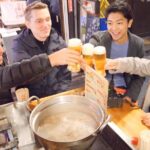
The drinks help connect the stops. Japanese sake is specifically mentioned, and beer appears in one account of the evening. You should think of the drinks as part of the meal rather than a separate bar crawl. The focus remains food, conversation, and the streets between restaurants.
There is one practical point to watch. The advertised inclusion is three drinks, but one person received two, described as one sake and one beer. That may have been a variation in the specific tour or an oversight, but it is worth confirming with your guide at the start if the third drink matters to you.
Food restrictions should be discussed ahead of time. One person noted that the guide made accommodations for allergies, but the activity details do not promise a specific allergy program. Tell the operator before booking, and repeat the information to your guide before the first dish. Do not assume every restaurant can change every plate.
The guides shape the whole evening
The guide is the tour’s most important variable. The food list is appealing, but your experience depends on how well the guide explains the dishes, manages the pace, handles restaurant seating, and brings together a mixed group.
The strongest guide comments point to a few useful traits. Riki was praised for friendly banter and kindness toward a solo guest. Emma was described as welcoming, patient, and helpful when the group got a bit lost. Dai was noted for patience, photos, and adjusting the walking speed for someone who walked more slowly.
Other named guides include Shane W, Yin, Fu, Will, Izzy, Aiko, Han, Kei, Taiga, Kane, Sabina, Mao, Yuka, Fei, Lloyd, Igor, Michael, and Daichi. That long list suggests a rotating guide team rather than one host every night. You cannot choose your guide based on these names unless the operator allows it, but you can expect the guide to be central to the experience.
The best fit is someone who enjoys asking questions and sharing a table. The guide may explain food, neighborhood customs, ingredients, and local stories, but this is not a formal classroom. You will get more from it if you are willing to talk, taste, and keep moving.
What the walking and seating are really like
The route covers three Shinjuku areas over three hours. It is not described as strenuous, and one person called the walk manageable, but city walking here includes crowded lanes, uneven transitions, stairs, and frequent stops.
One restaurant has a steep staircase and no lift. If stairs are difficult for you, contact the operator before reserving. The tour may also require standing while waiting for a table or moving through narrow entrances, though exact seating arrangements are not provided.
The pace can be adjusted to some degree. A guide slowed down for one person who walked more slowly, which is encouraging, but you should still tell the guide at the start. Staying near the group matters in Shinjuku, where bright signs and busy crossings can quickly split people up.
Bring a small bag rather than bulky luggage. The activity does not list luggage storage, and the restaurants are likely to have limited room. That is a practical suggestion based on the tight city setting, not a promised facility.
Who should book this experience
I would choose this tour for a first or second night in Tokyo, especially if Shinjuku is new to you. The route gives you a useful map of the area, and the food helps you make better choices for the rest of your stay.
It also suits solo visitors and couples who want company. The group format creates easy conversation, and the shared plates give everyone a natural reason to talk. Families with older children may enjoy it, provided everyone can manage the walking, restaurant atmosphere, and stairs.
Food lovers who already know Japanese cuisine may still find value in the neighborhood coverage and regional dishes. If you are seeking rare ingredients or a highly specialized food lesson, though, this may feel broad rather than focused.
You should think twice if you need a predictable menu, a quiet dining room, generous time at each stop, or guaranteed access to every advertised drink. The food is plentiful and the evening is active. That is the appeal, but it is not the right format for everyone.
Booking value and practical timing
At $72, I consider the price fair if you would otherwise spend an evening trying several Shinjuku restaurants without knowing where to go. Four eateries and 15 dishes make this closer to a complete dinner with a guided neighborhood walk than a small tasting session.
The reserve-now, pay-later option helps if your Tokyo schedule is still shifting. You can cancel up to 24 hours in advance for a full refund, which gives you some room to adjust plans. Starting times vary, so check availability when you book.
Plan to arrive hungry, but not starved. You want room for sashimi, fried food, dumplings, drinks, and the later stops, yet eating nothing all day is not a good strategy for a three-hour evening. A light lunch and plenty of water earlier in the day should leave you ready for the meal.
The tour is in English with a live guide. Since the stops are in active nightlife areas, I would book it early in your Tokyo stay if you want to return to any restaurant later on your own. Keep a note of places you like, but remember that the exact eateries may vary.
Should you book the Shinjuku food tour?
Book it if you want a social, filling introduction to Japanese food and Shinjuku after dark. The combination of four local eateries, 15 dishes, and three neighborhood areas gives you much more than a single restaurant reservation, and the guides add the local context that is hard to get on your own.
I would be especially keen to book this as a first-night activity, or for anyone who feels unsure about ordering in Japanese restaurants. I would skip it if you prefer slow meals, small portions, or a fixed menu with no surprises.
Come with cash, comfortable shoes, and an appetite. Confirm the drink count and mention allergies before you set out. With those points handled, this is a lively and useful way to get to know Shinjuku from the dining table outward.
FAQ
How long does the Shinjuku food tour last?
The tour lasts three hours.
How many dishes are included?
The experience includes 15 Japanese dishes, described as enough for a full meal.
How many restaurants do you visit?
You visit four local eateries during the tour.
How many drinks are included?
Three drinks are advertised, with alcoholic and nonalcoholic options. One booking account reported receiving two drinks, so confirm the drink arrangement with your guide.
Which Shinjuku areas are included?
The route includes Golden Gai, Omoide Yokocho, and Kabukicho.
Where does the tour meet?
Meet in front of the blue AOKI sign beside Starbucks in Nishi-Shinjuku, near the west exit.
Where does the tour finish?
The tour returns to the α 107 Building area.
Is the tour conducted in English?
Yes. It includes a live English-speaking guide.
What should you bring?
Bring cash. One stop also includes a steep set of stairs with no lift, so contact the operator in advance if stairs may be difficult.
More Food Experiences in Tokyo

More Tokyo Food Tours in Tokyo
More Shinjuku Tours in Tokyo

More tours in Tokyo we've reviewed










Tokyo Food Tours, compared.
 ★ 5.0Tokyo: Shinjuku Food Tour (13 Dishes at 4 Local Eateries)From $86
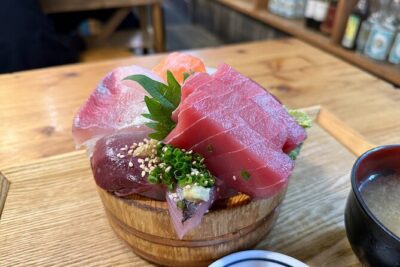 ★ 4.9Tokyo: Shinjuku Food Tour (15 Dishes and 4 Eateries)From $853 hours
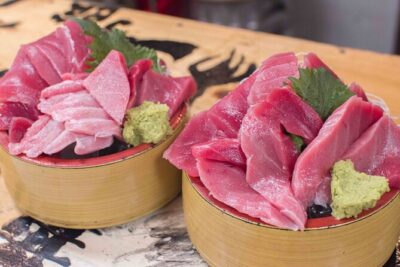 ★ 5.0Best of Shinjuku: Izakaya Food Tour (4 Stops, 14+ Tastings)From $92
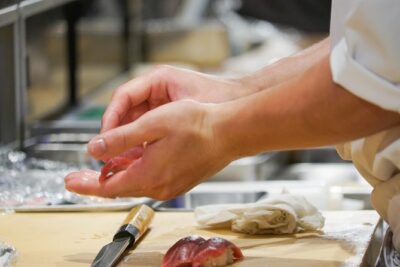 ★ 5.0Tokyo Night Foodie Tour in Shinjuku – Seasonal Sushi, Wagyu BeefFrom $111
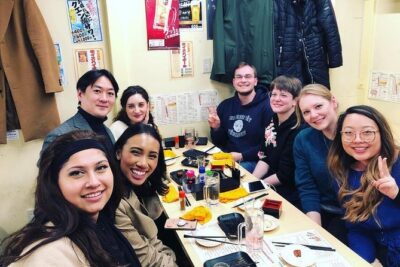 ★ 5.0Eat and Drink Like a Local: Tokyo Ueno Food Tour-Taverns&RamenFrom $95
 ★ 5.0Tokyo: Shibuya Food Tour (13 dishes and 4 Eateries)From $77