
Reviewed · SUMO EXPERIENCES
Tokyo: Sumo Morning Practice -Stable Visit Tour with a Guide
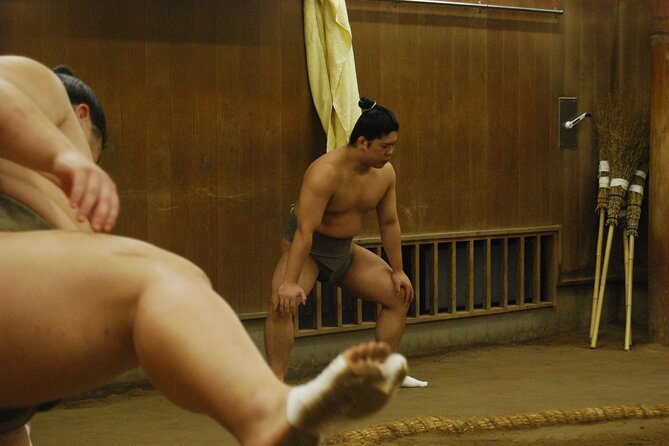
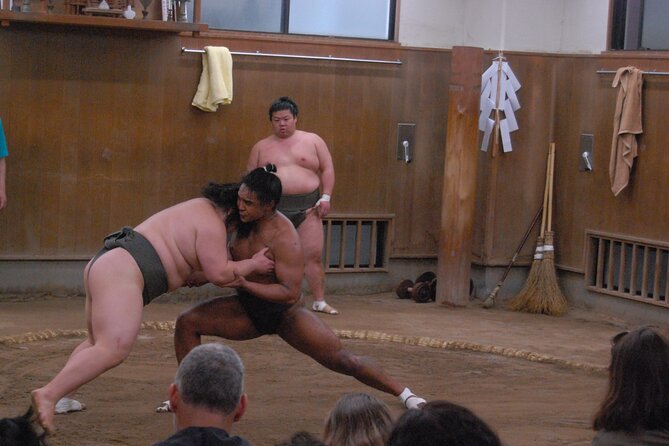
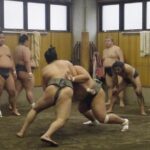
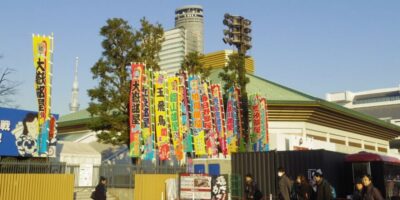
Sumo morning practice is far more intimate than a tournament seat at Tokyo’s Kokugikan. From close range, you can watch wrestlers collide, hear their breathing, and see the coach drive the session with a firm voice. I like the small group of up to 10, which helps preserve the quiet focus inside the stable. I also like the chance to ask questions and take photos with the wrestlers after practice.
The main drawback is that this is a disciplined training session, not a staged show. You must stay quiet, skip food, avoid video and flash photography, and accept that the length and flow of practice are controlled by the stable. At $82, the price is fair for a rare Tokyo experience, but less appealing if you want a relaxed photo stop or a long conversation.
In This Review
- Key points to know before you book
- Why morning practice feels different from a sumo tournament
- The 8:30 am meeting in Oshiage
- Inside the stable: quiet, close, and controlled
- A coach, apprentices, and the sound of real training
- Photos and questions after practice
- What the $82 price really covers
- Who will get the most from this stable visit
- Practical etiquette that protects the experience
- Booking, group size, and cancellation
- Should you book the Tokyo sumo morning practice?
- FAQ
- Where does the sumo morning practice tour begin?
- What time does the experience start?
- How long does the tour last?
- Can I take photos inside the sumo stable?
- Can I eat during morning practice?
- What happens if I cancel the booking?
Key points to know before you book
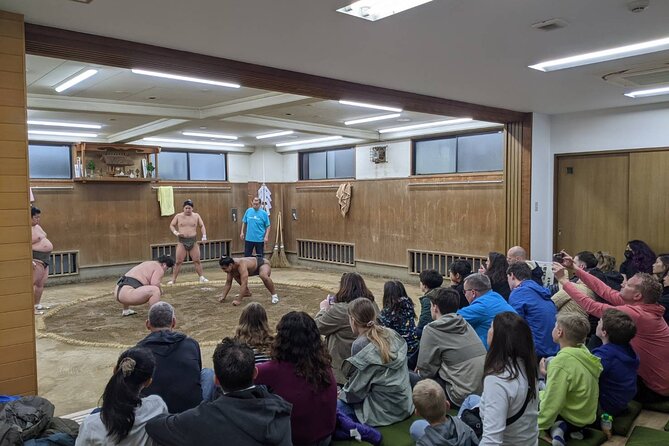
- Watch real morning training: See wrestlers and apprentices work in a sumo stable rather than watching only a formal tournament.
- Close-range atmosphere: You can notice breathing, facial expressions, body impacts, and the force of the coach’s voice.
- Small group setting: The maximum group size is 10, a useful limit in a quiet training space.
- Questions and photos afterward: There is time to ask questions and take photographs without flash after practice.
- Strict stable etiquette: No private conversation, food, video, or flash photography is allowed during training.
- Early Oshiage meeting: The experience begins at 8:30 am at Water, 1-chōme-1-1, Oshiage, Sumida City.
Why morning practice feels different from a sumo tournament
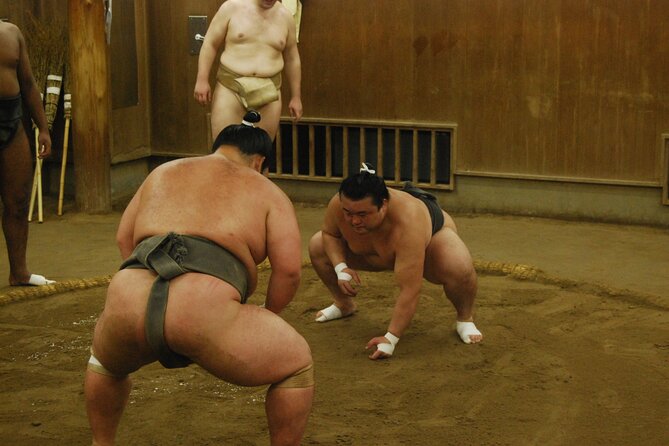
At a tournament, you see sumo as a polished public event. Morning practice gives you the working side of the sport. There are no bouts arranged for an audience and no tournament ceremony to frame the action. You watch a training routine built around repetition, control, and physical strain.
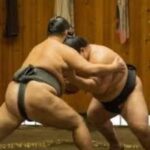
The distance matters. You can see the wrestlers’ breathing and facial expressions, not just the broad movement of a match. The sound of bodies meeting is part of the experience too. It gives you a better sense of how demanding sumo is on the body.
The coach’s voice may surprise you. It is described as strong and harsh, yet the tone belongs to a training relationship built on trust. That detail helps explain why the stable continues to function: the work is strict, but it is not a performance of anger for the public.
I find this useful context for anyone who has seen sumo only on television. The sport can look slow from a distance, but close-up practice shows how much effort is packed into each movement. You also get a glimpse of the apprentices who train alongside the more experienced rikishi, giving the session a sense of continuity.
A few more Tokyo tours and experiences worth a look
The 8:30 am meeting in Oshiage
You meet at Water, 1-chōme-1-1, Oshiage, in Sumida City. The meeting time is 8:30 am, so plan your route carefully and allow enough time to reach the exact point. The location is near public transportation, but the supplied details do not name a particular station exit or give a walking time.
That early start is not a minor detail. Sumo stables practice in the morning, and this schedule puts you there during the real working day of the wrestlers. It also means this tour fits best into a day when you are ready to begin early, rather than one built around a slow breakfast.
Bring your mobile ticket and your own drink in a container with a lid. Food is not allowed during practice, including snacks, bread, and rice balls. A lidded drink is the practical choice because you can stay comfortable without breaking the stable’s rules.
The activity ends back at the meeting point. The published duration is approximately two hours, while the practice portion is listed at about one hour and 30 minutes. Treat two hours as the time to keep free, since the morning includes more than simply standing inside the stable.
Inside the stable: quiet, close, and controlled
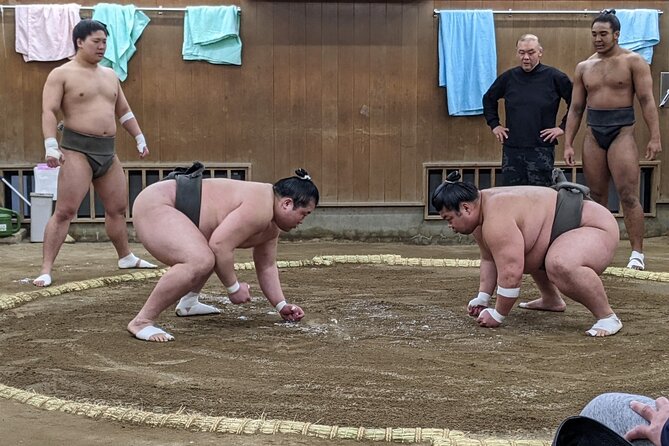
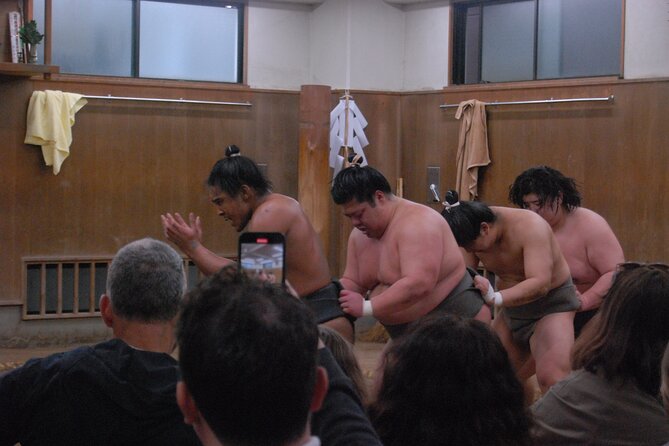
The core of the experience is watching training for roughly an hour. You are there to observe, not interrupt. Private conversation is discouraged because the wrestlers and apprentices need to concentrate.
This rule may feel strict, but it protects the part of the experience you came to see. A stable is a workplace, and practice is serious work. The quieter you are, the more likely you are to notice small details: a change in breathing, a coach’s instruction, the tension before contact, or the way the wrestlers reset after a collision.
You can take photographs without flash. Video and flash photography are prohibited inside the stable. That means you should set your camera before practice begins and keep your phone ready for still images only. Do not assume that a quick video is harmless. The restriction is clear, and following it is part of showing respect.
The lack of food also helps keep the space clean and quiet. It may be inconvenient if you normally need breakfast early, so eat before the meeting or plan your meal for afterward. The supplied information does not promise a breakfast stop, and you should not expect one.
A coach, apprentices, and the sound of real training
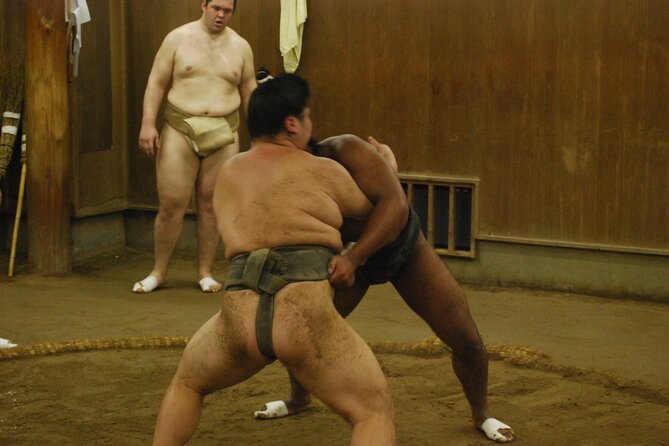
The coach’s voice is one of the memorable parts of the session. It can sound forceful, especially if you have never watched sumo practice before. The point is not to soften that reality for an audience. You are seeing a demanding training system in action.
The explanation provided for the coach’s manner is important: the relationship with the rikishi is grounded in trust. That gives you a more balanced way to read what you see. Strong instruction and harsh volume do not automatically mean hostility. In this setting, they are part of the work and the bond that keeps the stable operating.
The apprentices matter as much as the more familiar wrestlers. Sumo is passed from one generation to the next through daily practice, and the session lets you see that process in a direct way. You are not simply looking at famous athletes. You are seeing a group maintain a national sport through routine.
Do not expect every moment to be explained while it happens. The stable’s priority is training, not narration. The special brochure helps fill in the background, while the guide can help you understand what you are seeing without asking the wrestlers to stop and teach a class.
Photos and questions after practice
After the training, you can take photographs with the sumo wrestlers and ask questions. This is the social part of the morning, and it gives the experience a useful finish. During practice, your role is quiet observer. Afterward, you have a chance to connect the physical display with your own questions.
The information supplied does not promise a set question-and-answer length or a particular number of wrestlers available for photos. Keep your questions concise and follow the guide’s direction. A group of up to 10 is small, but everyone still needs a fair chance.
One family-focused detail is worth noting: a parent who attended with children found the experience fun and interesting, with the questions at the end adding value. That suggests the tour can work well for families whose children can remain quiet during training. Younger children who cannot follow the no-talking rule may find the first part difficult.
A tip for the rikishi is optional if you feel inclined to support them after practice. No fixed amount is given, so use your own judgment. This is separate from the tour price.
Other guided tours in Tokyo




What the $82 price really covers
At $82, this is not a cheap way to fill two hours in Tokyo. You are paying for access to a setting that most people living in Japan do not see as part of an ordinary day, along with a guide and a special brochure.
The value depends on what you want. If you care about sumo, Japanese customs, and seeing work behind a public sport, the price is easier to justify. The close distance and chance to ask questions add something you cannot get from a general city walk or a distant tournament seat.
The value is weaker if your main goal is a long, informal meeting with wrestlers. The training period is quiet and controlled, video is not allowed, and the photo opportunity comes after practice rather than throughout it. You also need to give up much of the morning, even though the activity itself lasts about two hours.
The small group helps. With a maximum of 10 people, the guide can give practical direction and the stable does not need to accommodate a large crowd. That limit is one reason the experience feels more special than a public demonstration, though it also means spaces may be limited on your preferred date.
Who will get the most from this stable visit
I would choose this for a first-time sumo fan who wants more than a tournament ticket. It also suits you if you enjoy seeing how a traditional sport is maintained day after day, rather than only watching its most polished public form.
Families can enjoy it, provided children understand the rules before arriving. Explain that they must not chat during practice, eat inside, or use video. The question period and photos give younger participants something to look forward to after the quiet observation.
It is also a good fit for people already living in Japan. The experience offers access to a side of sumo that even residents do not see regularly. You do not need to be an expert, since the guide and brochure provide support, but genuine interest will make the strict rules feel worthwhile.
I would hesitate to recommend it if you dislike early starts, need to eat frequently in the morning, or want to film everything. It is also not the right pick if you expect a guaranteed performance. The wrestlers are practicing for themselves, and their concentration comes first.
Practical etiquette that protects the experience
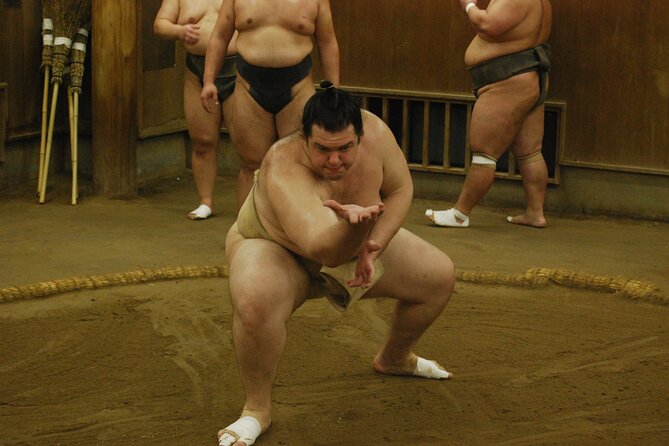
Arrive prepared to observe quietly. The request to avoid private conversation applies during the tour because even low voices can distract the rikishi and apprentices.
Keep your phone on still-photo mode. Flash photography and video are not permitted inside the stable, while photographs without flash are allowed. If you use a camera with automatic flash, switch that setting off before practice starts.
Bring a drink with a lid, but leave food behind until afterward. Snacks, bread, rice balls, and other food are specifically prohibited during morning practice.
The guide is there to help you understand the setting, but you should not expect constant commentary. A stable is not a theater. Its schedule and rules belong to the wrestlers and coach, and the best visit is one where you adapt to that rhythm.
Booking, group size, and cancellation
Confirmation is received at booking, and the activity uses a mobile ticket. The tour accepts most people, is near public transportation, and has a maximum of 10 participants.
Free cancellation is available if you cancel at least 24 hours before the 8:30 am start time, based on local time. Canceling or changing the booking within 24 hours is not accepted and is not refunded. The activity also requires a minimum number of participants. If that minimum is not met and the tour is canceled, you are offered another date or experience, or a full refund.
Those terms make early planning sensible. Once you are inside the 24-hour window, your plans are much less flexible.
Should you book the Tokyo sumo morning practice?
Book it if you want a close look at sumo as daily work, not just public sport. The quiet room, forceful coaching, physical contact, and view of apprentices training together create a rare Tokyo experience. The small group, brochure, post-practice questions, and photo opportunity give the $82 price a reasonable basis.
Skip it if you need a casual morning, a full breakfast during the activity, or permission to record video. The rules are firm, and the session may feel too restrained if you want entertainment on demand.
For the right person, this is a short but memorable way to see how sumo is carried forward. Come early, eat first, silence your phone, and let the stable’s routine set the pace.
FAQ
Where does the sumo morning practice tour begin?
It begins at Water, 1-chōme-1-1, Oshiage, Sumida City, Tokyo 131-0045, Japan.
What time does the experience start?
The start time is 8:30 am.
How long does the tour last?
The tour lasts approximately two hours. The morning practice portion is listed as about one hour and 30 minutes.
Can I take photos inside the sumo stable?
Yes, photographs without flash are allowed. Video recording and flash photography are prohibited inside the stable.
Can I eat during morning practice?
No. Snacks, bread, rice balls, and other food are not allowed. You may bring your own drink if it has a lid.
What happens if I cancel the booking?
You receive a full refund if you cancel at least 24 hours before the experience start time. Cancellations or changes made less than 24 hours before the start are not accepted and are not refunded.
More Morning in Tokyo
More Guided Tours in Tokyo
More Sumo Experiences in Tokyo

More tours in Tokyo we've reviewed




Sumo Experiences, compared.
 ★ 4.8Tokyo: Sumo Show Experience with Chicken Hot Pot and a PhotoFrom $1032 hours
 ★ 4.8Tokyo: Sumo Show and Dining ExperienceFrom $7990 minutes - 2 hours
 ★ 5.0the SUMO showFrom $89
 ★ 5.0Tokyo Shinjuku Sumo Show & Experience with PhotoFrom $79
 ★ 4.8Tokyo: Sumo Show and Experience in ShinjukuFrom $691h 30m
 ★ 4.6Tokyo: Sumo Tournament Tour with Chair Seat TicketsFrom $141