
Reviewed · SUMO EXPERIENCES
Tokyo: Sumo Keiko Training Tour with Audio Guide & Photo
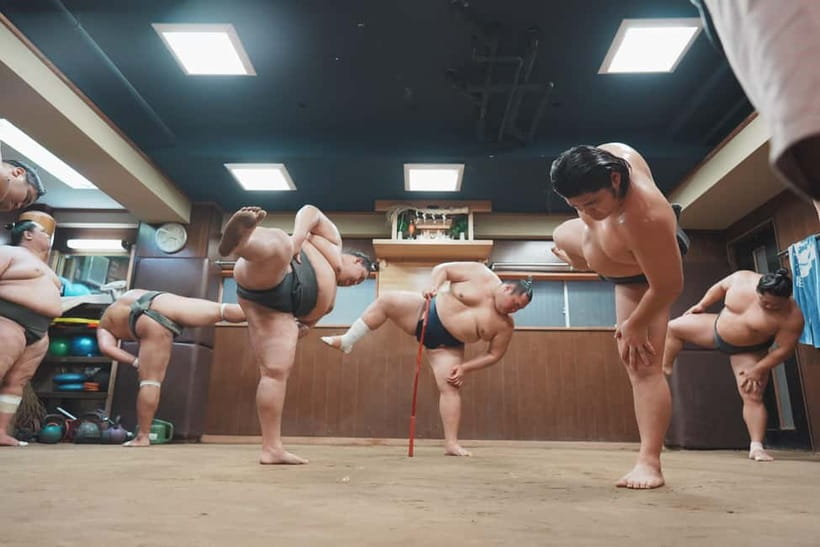
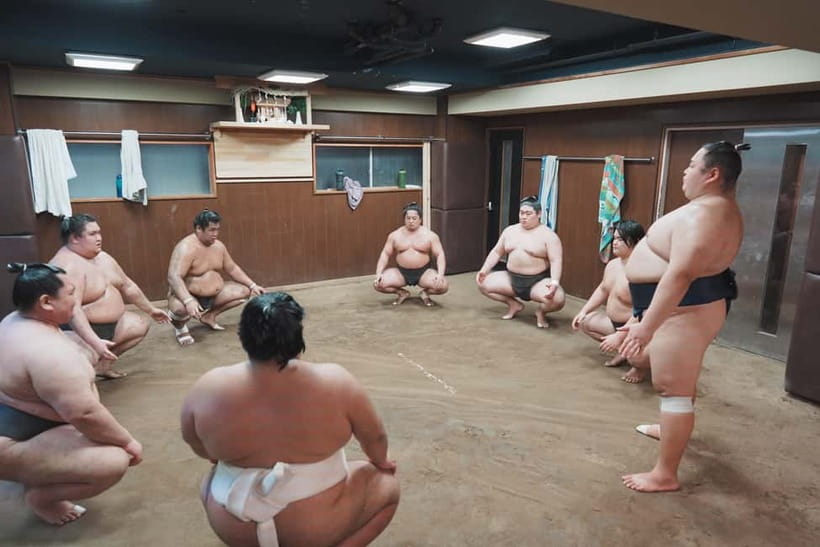
At Nakamura-beya, you sit close to professional sumo wrestlers as they train. This is not a staged bout or a museum display. It is a quiet look at the strength, discipline, and technique behind Japan’s national sport, with the action taking place next to Ryogoku Kokugikan.
I like the short walk from JR Ryogoku Station and the useful audio guide, which helps explain ranks, history, and training methods while you watch. I also like the chance to take a photo with the wrestlers, a personal souvenir that a tournament seat cannot provide. The main drawback is that you must sit quietly on cushions for much of the session, and bench chairs are limited.
In This Review
- Key points to know before booking
- Why this sumo visit feels different from a tournament
- Arriving at Nakamura-beya in Ryogoku
- Watching the training session up close
- Understanding sumo with the audio guide
- The photo with the wrestlers
- What the $85 price really covers
- Building a half-day around Ryogoku
- Who will enjoy this most
- Small rules that make a big difference
- Should you book this sumo experience?
- FAQ
- Where does the sumo training tour begin?
- How long does the experience last?
- What languages are available?
- Do I need to bring earphones?
- Can I take photographs during the visit?
- Is seating provided?
- What is the minimum age?
- Is transportation included?
Key points to know before booking
- Watch real keiko at Nakamura-beya, a working sumo stable beside Ryogoku Kokugikan.
- Use audio commentary in several languages, with English, Japanese, and Korean support on site.
- Take a photo with sumo wrestlers after seeing the training session.
- Expect a quiet viewing experience, with no speaking during practice and no flash photography.
- Enjoy practical comforts, including air-conditioning, Wi-Fi, phone charging, and a training pamphlet.
- Plan extra time in Ryogoku, where the Sumo Museum and waterfront are within walking distance.
Why this sumo visit feels different from a tournament
A sumo tournament gives you formal matches, a schedule, judges, ceremony, and a crowd. This visit gives you something else: a view of the daily work that prepares wrestlers for those public bouts.
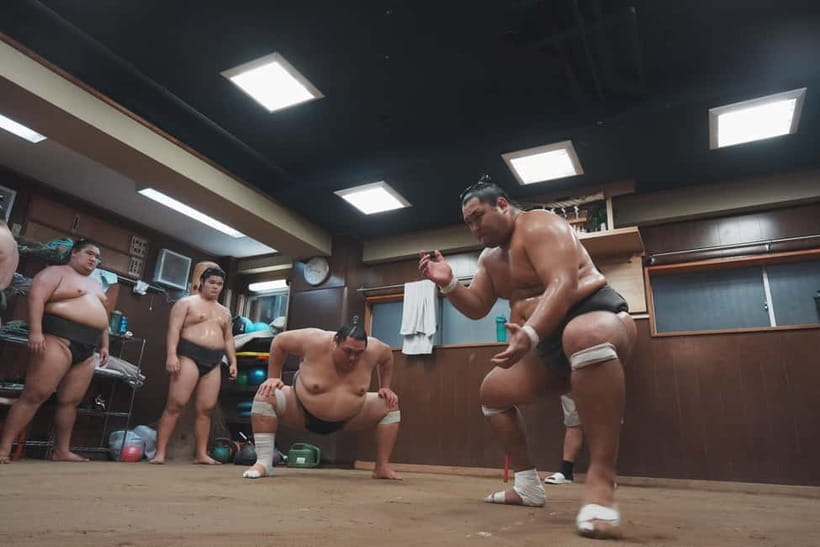
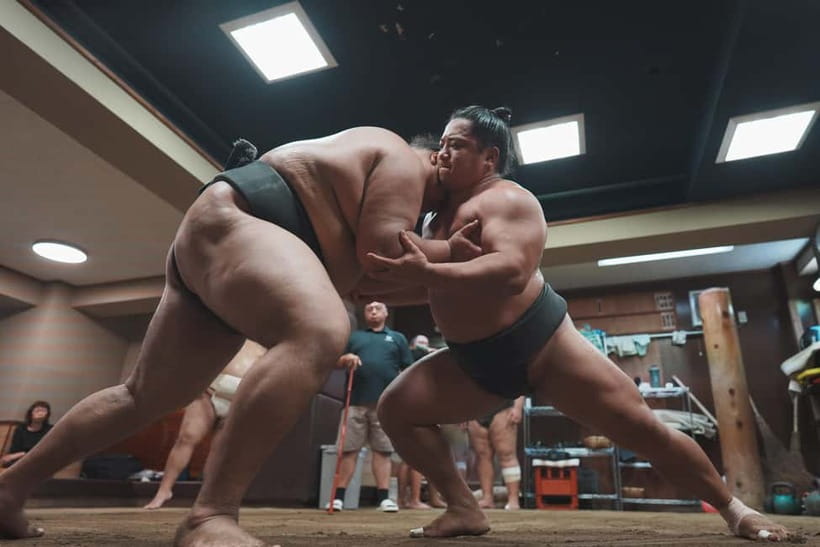
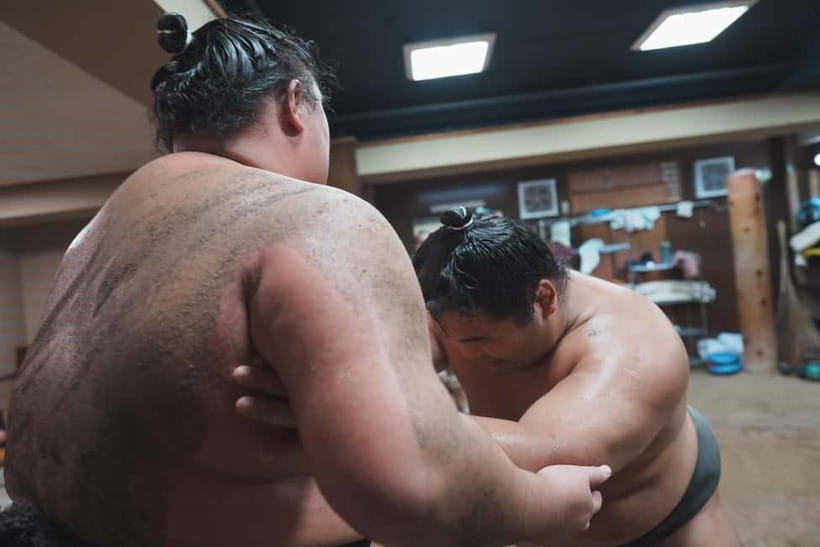
At Nakamura-beya, the focus is training. You watch wrestlers repeat movements, work on balance, and use physical power in a controlled setting. The experience is valuable because it brings you close to the preparation behind the sport, not just its final contest.
The supplied visitor feedback points to the same strength. One verified booking described the experience as close and personal, with a stronger appreciation for the wrestlers afterward. Another called it a rare chance to see how sumo practice works. Those comments fit the basic appeal here: even if you already know the rules, seeing training at close range can change how you understand the sport.
You should also set your expectations correctly. This is not a long cultural lecture, and it is not a full-day activity. The stated duration can range from 40 to 90 minutes, while the visit is also described as lasting about 1.5 hours. Check the time available for your chosen booking, since the exact session length may vary.
A few more Tokyo tours and experiences worth a look
Arriving at Nakamura-beya in Ryogoku
The meeting point is Nakamura-beya Sumo Stable, only about two minutes from JR Ryogoku Station. It is also next to Ryogoku Kokugikan National Sumo Arena, so this is one of Tokyo’s easiest cultural activities to fit into a busy day.
That location matters. You do not need a long transfer to reach the stable, and you can pair the visit with other Ryogoku sights before or after. Use the provided directions video if you want to avoid confusion on your first visit, especially if you are moving quickly between train connections.
There is no hotel pickup or drop-off. You make your own way to the stable, which keeps the price lower but means you should allow enough time to find the entrance. Late arrivals do not receive extra viewing time, so arriving early is the sensible choice.
Ryogoku is the right setting for this activity. The national sumo arena is nearby, along with the Sumo Museum and the Tokyo waterfront. You can build a compact half-day around the training visit instead of treating it as an isolated stop.
Watching the training session up close
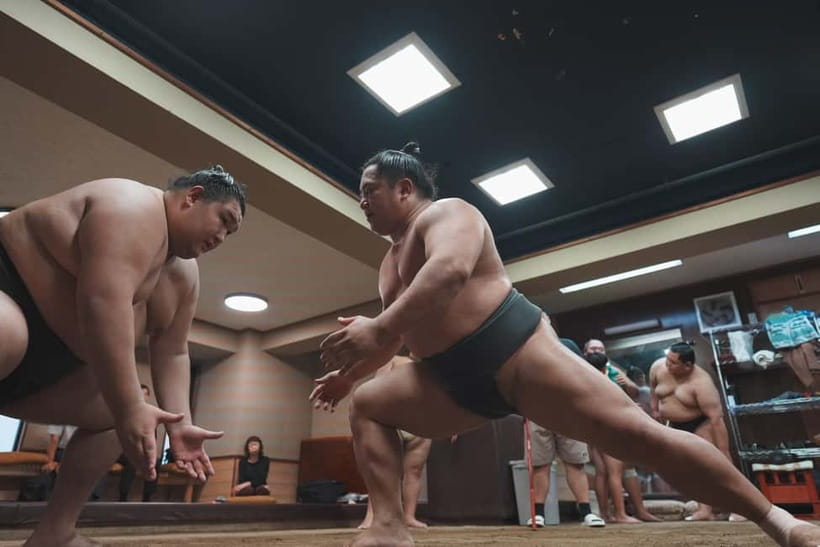
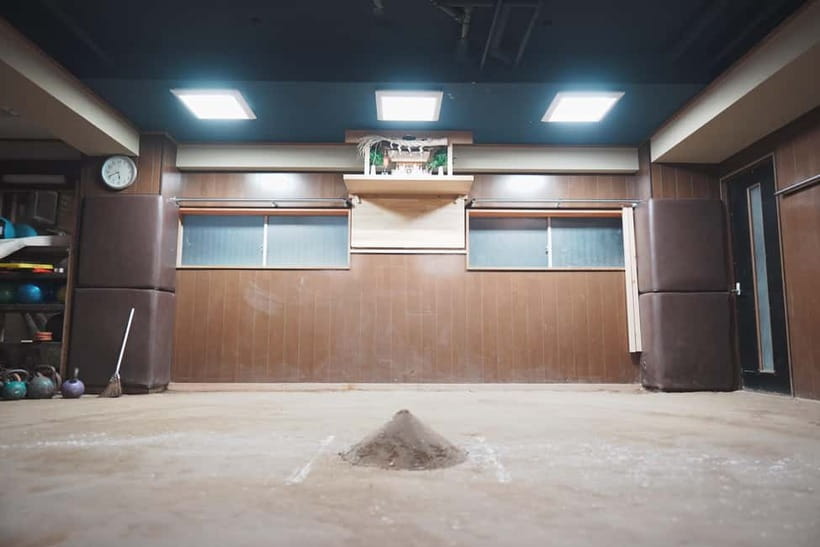
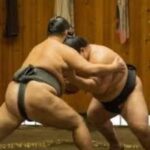
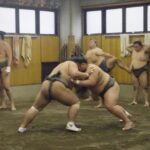
The central event is the keiko, or training session. You watch professional wrestlers work in the stable while following the rules of the room. Speaking during practice is not allowed, and you are asked to watch quietly.
That quiet is part of the experience. Sumo training depends on concentration, and a stable is not a theater where conversation continues in the background. If you want a lively guide talk with constant narration, this may feel restrained. If you want to observe without a crowd atmosphere, the silence helps you focus.
You may sit on cushions for about 1.5 hours when the session runs that long. A limited number of bench chairs are available, with priority for people with disabilities. This is an important practical point for anyone who has difficulty sitting on the floor or on a cushion for an extended period.
The venue is air-conditioned, which makes the seating situation easier, especially during Tokyo’s hot or humid months. Free Wi-Fi and charging stations are also available. These are small details, but they are useful when your phone is doing double duty as your audio guide and camera.
The rules are simple. Do not use flash photography, sunglasses are not allowed, and you must not attend barefoot. Restroom use should be handled before joining the session. These restrictions are easy to manage, but you should know them before you arrive.
Understanding sumo with the audio guide
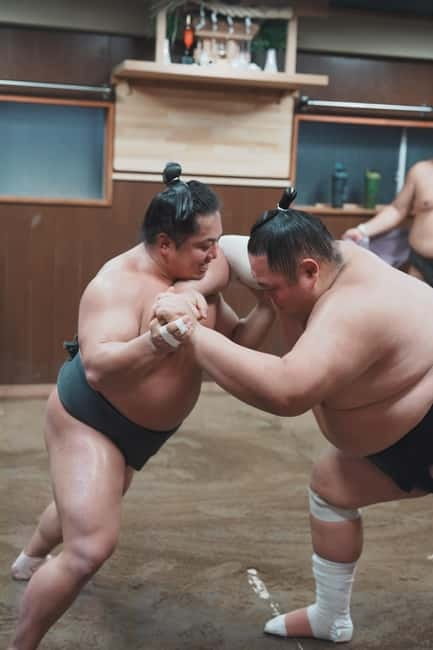
The audio guide gives the training more meaning. Without context, you might see powerful movements without knowing what to look for. The commentary covers sumo history, wrestler ranks, and training techniques, helping you connect the physical display with the structure of the sport.
The audio guide is available in Chinese, English, French, German, Hindi, Italian, Japanese, Korean, Polish, Spanish, and Portuguese. The activity information describes it as a 10-language guide, but the listed options include these 11 languages. If language access is a major reason for booking, confirm the current selection when you reserve.
Bring your own earphones so you can listen on your phone. If you forget them, a pair can be lent to you, but bringing your own is more comfortable and avoids any delay at the start.
There is also a sumo keiko explanation pamphlet. I like having both formats available. The audio guide lets you keep watching while you listen, while a pamphlet gives you something to scan before or after the session.
Live assistance is available in English, Japanese, and Korean. That does not mean the entire session becomes a running commentary, since visitors are expected to remain quiet during practice. Instead, think of the staff support as help with orientation and questions around the viewing experience.
The photo with the wrestlers
The photo opportunity is one of the clearest reasons to choose this experience instead of simply watching sumo from a public area. After the training, you can take a photo with sumo wrestlers and leave with a personal record of the visit.
Keep your expectations practical. The information confirms that a photo is included, but it does not give a fixed number of wrestlers, a specific pose, or a guaranteed amount of time. The photo is best understood as a brief arranged moment, not a separate portrait session.
Photography is allowed during the experience, but flash is prohibited. You should follow staff instructions and avoid treating the training like a sporting event where every movement needs to be recorded. The main value is being present and respectful, then taking a few useful photos when permitted.
For many people, this photo will be the most memorable souvenir. It also gives children and first-time visitors a simple way to connect with the people they have just watched train. Children must be at least six years old, and anyone under six cannot join.
Other guided tours in Tokyo




What the $85 price really covers
At $85 per person, this is not a budget sightseeing stop. The value depends on what you want from sumo.
You are paying for access to a real training setting, a multilingual audio guide, on-site language support, the photo opportunity, a pamphlet, and practical facilities such as Wi-Fi and charging. The short walk from the station also saves time and transport effort.
I think the price makes more sense for someone who specifically wants sumo, rather than for a visitor simply looking for any Tokyo activity. A museum visit costs less in time and usually gives you more control over how long you stay, but it cannot provide the same view of live training.
The experience is also reasonably efficient. It takes roughly 40 to 90 minutes, or about 1.5 hours depending on the scheduled session, so it does not consume an entire day. You can add the Sumo Museum and nearby waterfront on foot, making the total outing feel fuller.
The limits are just as important. There is no pickup, the seating may be on cushions, and the session requires quiet attention. If you want a polished stage show, an English lecture, or a flexible drop-in visit, spend your money elsewhere.
Building a half-day around Ryogoku
Start with the training visit because the stable is the main reason to come. Afterward, walk to the Sumo Museum at Ryogoku Kokugikan for more background on the sport. The supplied details confirm that the museum is nearby, but they do not specify its opening hours or admission arrangements, so check those separately.
The Tokyo waterfront is also within walking distance. This gives you a change of pace after sitting indoors and watching concentrated physical training. You can use the waterfront as a simple extension to the outing rather than rushing straight back to the station.
The location makes this activity especially useful on a day when you already plan to visit Ryogoku. You can see the arena area, learn more about sumo, and then continue toward the water without crossing Tokyo again.
Who will enjoy this most
I would recommend this for first-time visitors who want a direct connection with Japanese culture. You do not need prior sumo knowledge because the audio guide explains the basic background, ranks, and techniques.
It also suits people who already follow sumo. The close view of training gives you a different angle on the sport, and one of the strongest pieces of feedback came from someone who already knew a lot about sumo yet still found the session worthwhile.
Families can book for children aged six and up, provided everyone can follow the quiet viewing rules. Younger children cannot join, and children who need constant movement may find the setting difficult.
This is less suitable if you dislike floor seating, need a highly flexible schedule, or expect to talk throughout the activity. The limited bench chairs are prioritized for visitors with disabilities, so do not assume you will receive a chair.
Small rules that make a big difference
Bring earphones, arrive early, and use the restroom before you enter. These three steps will make the visit easier.
Dress with the venue rules in mind. Bare feet are not allowed, and sunglasses must be removed. You should also keep your camera ready without using the flash.
Treat the room like a place of work, not a performance hall. Quiet observation is required during practice. Late arrival means less viewing time, with no extension, so a rushed arrival can cut into the main part of the activity.
The booking terms add some flexibility. You can cancel up to 24 hours in advance for a full refund, and a reserve-now, pay-later option is available. These policies are helpful when your Tokyo schedule is still changing, but they do not remove the need to reach the meeting point on time.
Should you book this sumo experience?
Book it if you want to see the daily discipline behind sumo, sit close to a real training session, and leave with a photo beside the wrestlers. The strong points are clear: easy Ryogoku access, useful language support, comfortable facilities, and a rare chance to watch keiko rather than only a formal match.
Think twice if you want a lively show, guaranteed chair seating, or a long guided talk. The $85 cost is fair for a focused sumo experience, but only if the sport itself is high on your Tokyo list.
For the best use of your time, schedule the visit early in a Ryogoku outing, bring earphones, and leave room afterward for the Sumo Museum and waterfront. That combination gives you both the live training and the wider setting that helps explain why sumo remains such a powerful part of Japanese culture.
FAQ
Where does the sumo training tour begin?
The tour begins and ends at Nakamura-beya Sumo Stable in Ryogoku, about two minutes from JR Ryogoku Station and next to Ryogoku Kokugikan National Sumo Arena.
How long does the experience last?
The duration is listed as 40 to 90 minutes. The visit is also described as lasting about 1.5 hours, so check the available starting time and session length when booking.
What languages are available?
Live support is available in English, Japanese, and Korean. The audio guide options listed are Chinese, English, French, German, Hindi, Italian, Japanese, Korean, Polish, Spanish, and Portuguese.
Do I need to bring earphones?
You should bring your own earphones to listen to the audio guide on your phone. A pair can be lent to you if you do not have one.
Can I take photographs during the visit?
Photography is allowed, including a photo with sumo wrestlers. Flash photography is not allowed.
Is seating provided?
A limited number of bench chairs are available, with priority for visitors with disabilities. Other visitors sit on cushions, potentially for about 1.5 hours.
What is the minimum age?
The minimum age is six years old. Children under six are not permitted to join the activity.
Is transportation included?
Pickup and drop-off are not included. You must make your own way to Nakamura-beya Sumo Stable.
More Self-Guided Tours in Tokyo


More Guided Tours in Tokyo
More Sumo Experiences in Tokyo

More tours in Tokyo we've reviewed




Sumo Experiences, compared.
 ★ 4.8Tokyo: Sumo Show Experience with Chicken Hot Pot and a PhotoFrom $1032 hours
 ★ 4.8Tokyo: Sumo Show and Dining ExperienceFrom $7990 minutes - 2 hours
 ★ 5.0the SUMO showFrom $89
 ★ 5.0Tokyo Shinjuku Sumo Show & Experience with PhotoFrom $79
 ★ 4.8Tokyo: Sumo Show and Experience in ShinjukuFrom $691h 30m
 ★ 4.6Tokyo: Sumo Tournament Tour with Chair Seat TicketsFrom $141