
Reviewed · MT FUJI DAY TRIPS
Hakone: Self Guided Trip to Mt. Fuji // Made by Local Guides
The best thing about this Hakone trip is its balance: you get a clear plan for a full day around Lake Ashi and Mt. Fuji, but you are not tied to a guide or a group. I like the easy-to-follow PDF and the food suggestions, especially the chance to stop at Amazake Chaya for traditional snacks and warm amazake. The main catch is simple: the $3.22 price buys advice only. You still pay for every train, bus, boat, meal, and admission ticket yourself.
I also like that the route includes more than the usual photo stop. You walk part of the old Tokaido route, ride Lake Ashi’s pirate ship, and visit Owakudani for its famous black eggs. You need to be comfortable with walking, stairs, public transport, and a fairly full day, and you should allow extra time because one traveler noted that many Japanese attractions close early.
In This Review
- Key points at a glance
- What you are really buying for $3.22
- Starting from Shinjuku and getting your bearings
- Hakone and the first local food stop
- Amazake Chaya and a taste of old Japan
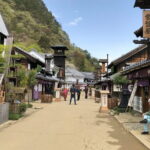
- Walking the old Tokaido route
- Lake Ashi and the pirate ship ride
- Owakudani and the famous black eggs
- How the self-guided format feels in practice
- Timing, costs, and useful preparation
- Who should choose this Hakone day?
- Should you book this $3.22 self-guided trip?
- FAQ
- Where does the day start?
- Is this a guided tour?
- What does the $3.22 price include?
- How long does the experience last?
- What food can I try along the route?
- Is the route suitable for everyone?
Key points at a glance
- A tiny price for a full-day plan: At $3.22 per group, the value comes from saving planning time, not from included transport or admission.
- A self-guided route from Shinjuku: You receive directions for reaching Hakone and returning to Tokyo, but you make the journey independently.
- Amazake Chaya adds local flavor: This historic tea house gives you a traditional food stop between the main sights.
- Lake Ashi by pirate ship: The boat ride offers scenic views and a memorable way to cross the lake.
- Owakudani brings volcanic scenery and black eggs: You can see Mt. Fuji from the area and try eggs cooked in geothermal water.
- Plan around early closing times: Build a sensible schedule and do not leave key stops until late afternoon.
What you are really buying for $3.22
This is not a guided excursion in the usual sense. It is a self-guided day plan sent to you as a PDF after purchase. The document explains where to go, how to get there, what to eat, and how to make the most of the stops.
At $3.22 per group up to one person, the cost is remarkably low. But the low price can also create the wrong expectation. This is not a bargain-priced bus tour, and it does not cover your transport, food, entry tickets, hotel, or personal guide.
I see the purchase as a planning tool. If you are comfortable navigating Japan on your own, the PDF may save you hours of research and help you connect several Hakone sights in one day. If you already know Hakone well, or if you prefer to make every decision yourself, you may find that the information is easy to gather locally.
The strongest value is for a first visit. You receive a route that links historic, scenic, and food-focused stops rather than sending you only to the most famous viewpoint. That structure matters in Hakone, where the day can involve trains, buses, walking, and a boat.
You should also note the delivery time. The PDF is sent by email after purchase, and you are asked to allow one to three business days for a reply. Buy it early, not on the morning of your planned day out.
A few more Tokyo tours and experiences worth a look
Starting from Shinjuku and getting your bearings
Your day begins at Shinjuku Station in Tokyo. The meeting point is given as Shinjuku City, with coordinates of 35.6938253, 139.7033559. The first train leaves from Shinjuku, so you need to be ready to follow the PDF rather than wait for a guide at the station.
For some people, this is the most useful part of the package. Shinjuku Station is large, and a clear first step can make the morning less stressful. The guide covers transportation options and explains how to reach the Hakone area.
You will still need to read the directions carefully and manage your own tickets. The price does not include any train, bus, or boat fares. The practical advantage is that the route has already been organized, while the responsibility for getting onto the right service remains yours.
Give yourself enough time at the start. A delayed departure can affect the later boat and mountain stops, particularly because several attractions may close earlier than you expect.
Hakone and the first local food stop
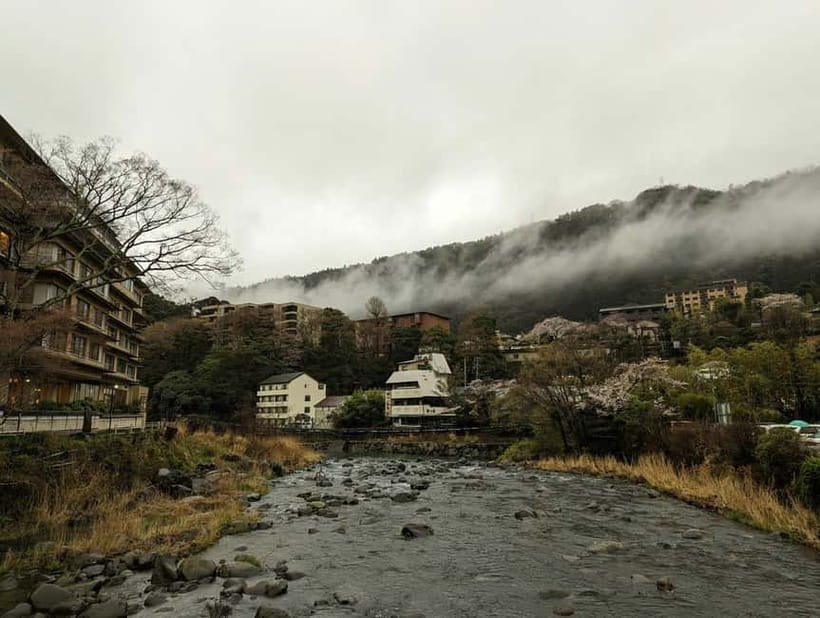
The first main stop is Hakone, where you have about an hour for a break, lunch, local snacks, regional food, and free time. The route presents Hakone as more than a transfer point. You can pause among traditional shops and eateries, take photographs, and begin the day at a slower pace.
This is a useful opening because the rest of the route has a number of moving parts. A short food break lets you settle into the area before continuing to the next stop. The food recommendations in the PDF can help you choose what to try without spending your first hour searching.
The tradeoff is time. An hour is enough for a focused meal or snack, but not for a long restaurant experience and extensive shopping. You should use this stop as a practical break rather than expect an open-ended visit.
I would pay attention to the recommended regional food. One reason to choose a self-guided route like this is the chance to taste something associated with the area instead of relying only on familiar fast food near a station. Food is not included, so keep your meal budget separate from the $3.22 purchase.
Amazake Chaya and a taste of old Japan
Amazake Chaya is one of the most appealing stops on the route. You have about an hour for tea and traditional treats at this historic tea house, including warm amazake and savory snacks.
Amazake is a sweet rice drink. Despite the name, it can be non-alcoholic, and it is often served warm. That makes it a fitting stop on a walking day, especially if the weather is cool.
I like this pause because it gives the trip some character. The large sights around Hakone can feel like a checklist if you rush from one transport connection to another. A tea house stop slows the pace and gives you a chance to notice the older side of the route.
The PDF reportedly gives useful food guidance, but you should not assume every item or operating hour is guaranteed. Since early closing times are a concern in Japan, check the day’s timing before you set out and avoid pushing this stop too late.
Walking the old Tokaido route
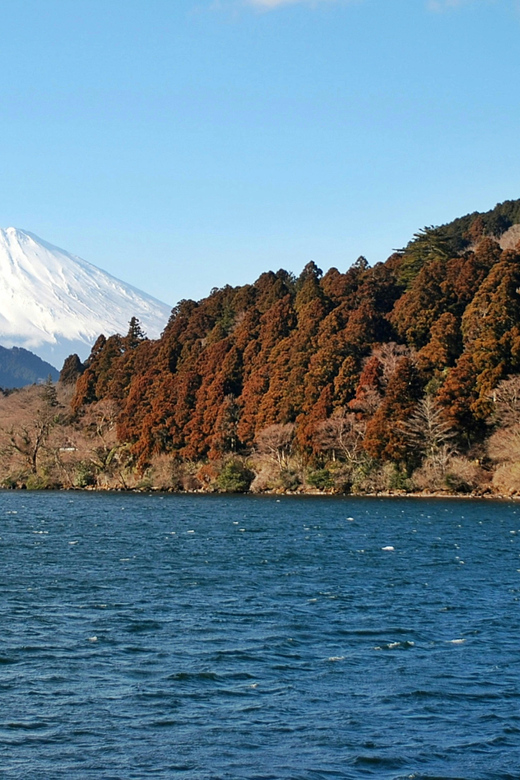
After the tea house, the route takes you toward the old Tokaido line and the old stone-paved road. The planned walking and hiking portion lasts about 45 minutes.
The Tokaido was the historic route linking Tokyo and Kyoto. Here, the appeal is not a single large monument. It is the chance to walk a small section of an old travel route and connect modern Hakone with its past.
This part also changes the rhythm of the day. You are not simply moving between stations and viewing platforms. You are using your feet on a historic path, with scenery along the way. That makes comfortable shoes important.
The route is not suitable for people with mobility impairments or wheelchair users, and it may not suit anyone with a low level of fitness. The supplied information also advises against it for people with back problems, respiratory issues, or recent surgery. Those warnings matter because the day combines walking, hiking, public transport, and sightseeing.
You should treat the 45 minutes as a useful guide, not a promise that every person will move at the same speed. Photos, wrong turns, and waiting for transport can all affect the schedule.
A few more Tokyo tours and experiences worth a look

Lake Ashi and the pirate ship ride

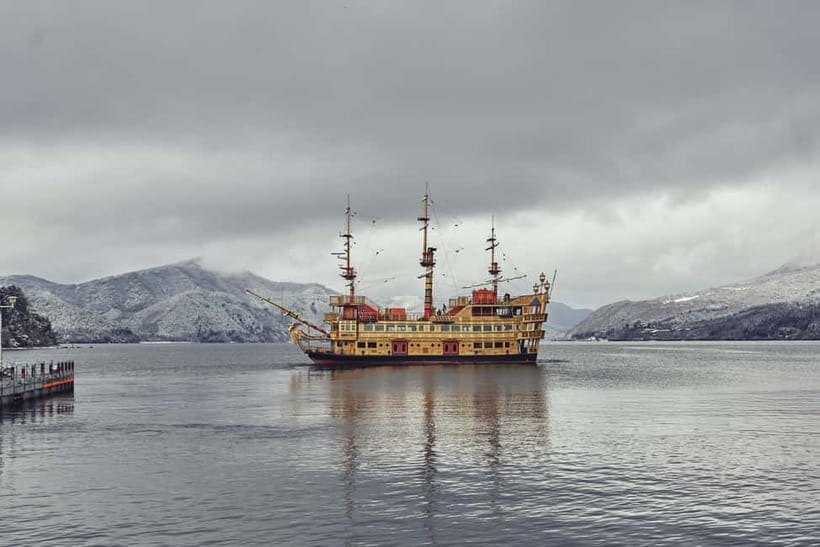
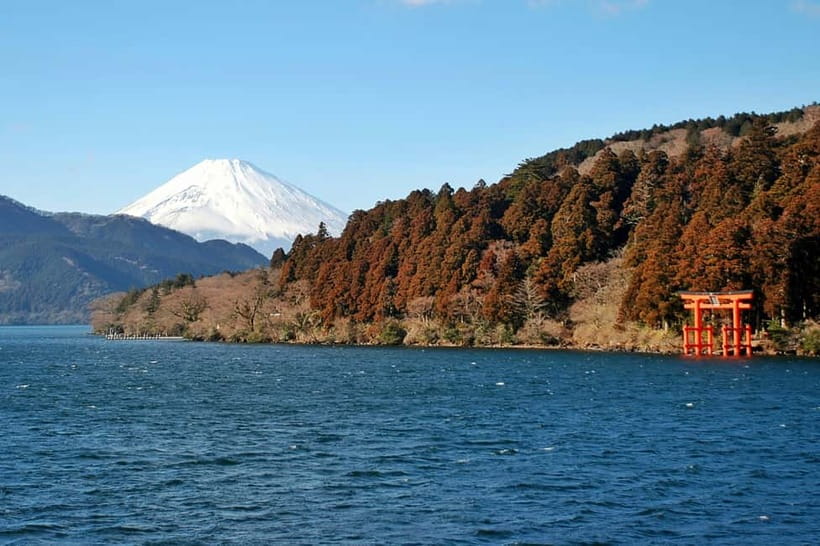
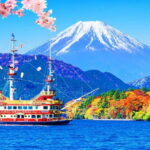
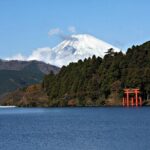
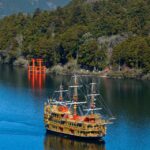
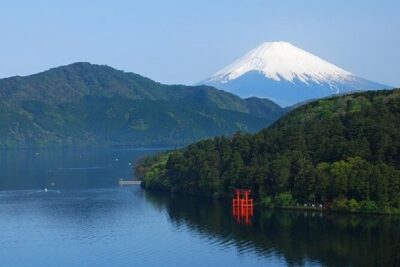
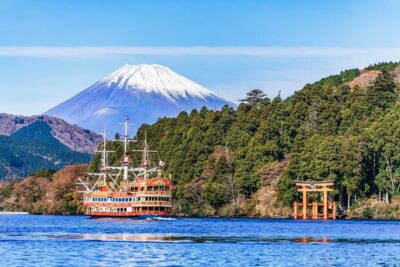
Lake Ashi is the scenic centerpiece of the day. You have about an hour for a photo stop, a self-guided visit, and views along the way. The route includes a cruise on one of Hakone’s distinctive pirate ships.
The boat is a fun choice because it lets you see the lake from the water rather than only from a shore or road. On a clear day, Mt. Fuji may appear beyond the lake, giving you the classic view that many people hope to find in Hakone. Weather is outside your control, so the boat and lakeside scenery remain worthwhile even when Fuji is hidden.
Keep your camera ready, but do not spend the whole crossing looking through it. The point of the cruise is the changing view, the lake, and the feeling of moving through the area rather than only collecting one photograph.
The timing deserves care. Lake Ashi is not a single compact attraction, and getting to the boat, waiting, boarding, and continuing afterward can take longer than the formal one-hour stop suggests. The PDF may help you choose the right transport sequence, but you should still check current departure information before the day begins.
Owakudani and the famous black eggs
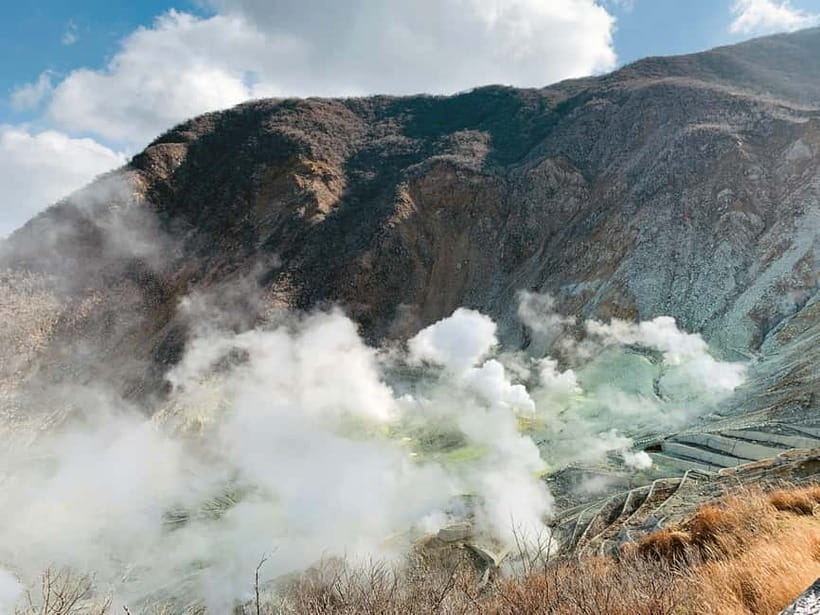
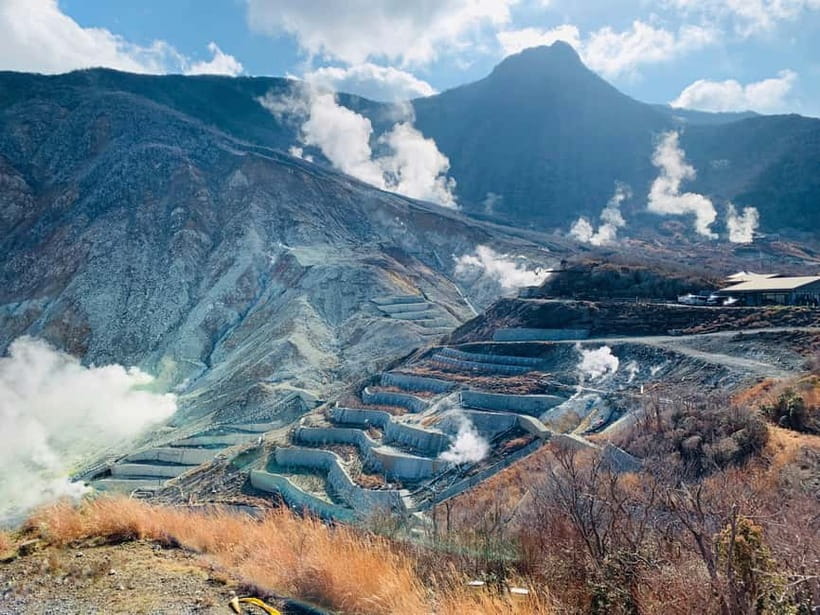
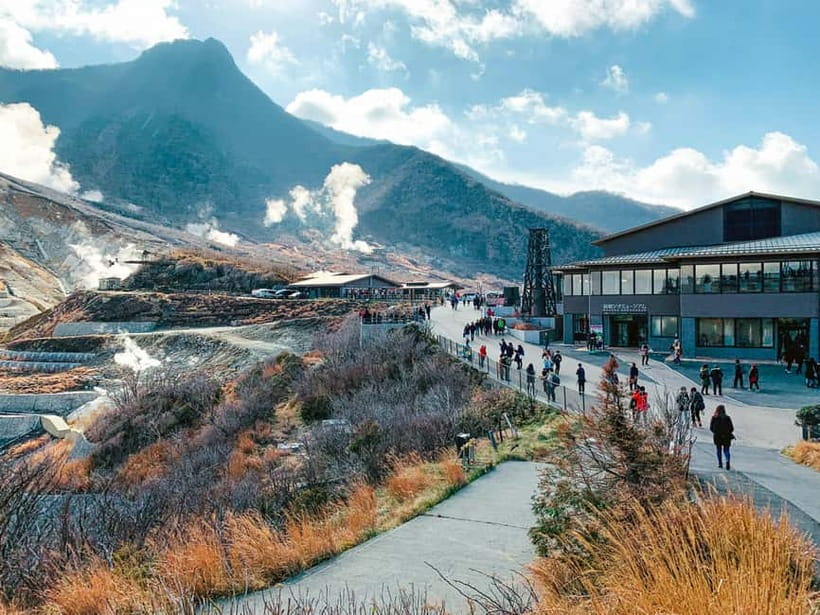
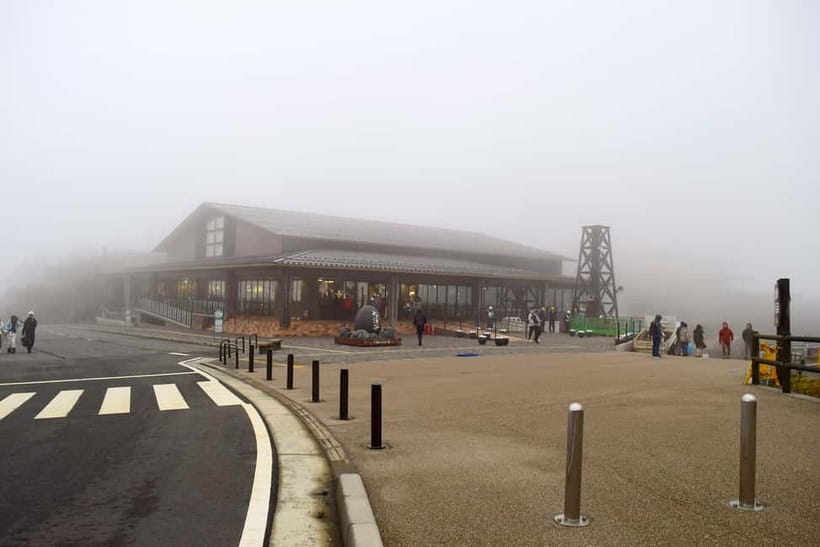
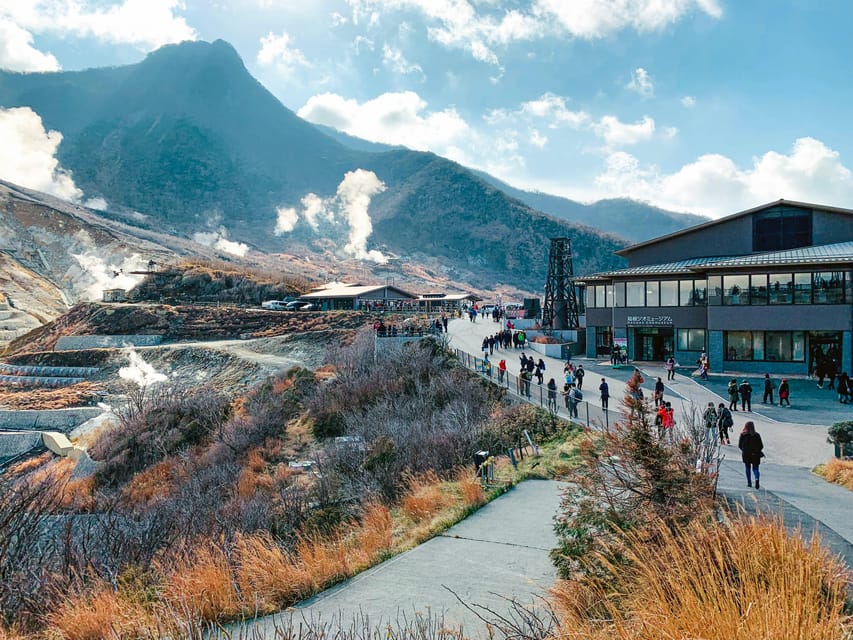
The final major stop is Owakudani, a volcanic area above Hakone. The plan allows about an hour for sightseeing, photographs, views, and free exploration.
Owakudani is known for its geothermal activity and black onsen eggs, which are boiled in the area’s hot volcanic water. Local legend says that eating one adds seven years to your life. You can treat that as folklore, but the eggs are still a memorable regional snack.
This stop provides a strong contrast with the quiet tea house and the lake cruise. You move from old roads and traditional food to steam, volcanic ground, and broad views. When conditions are clear, you may see Mt. Fuji and the surrounding countryside from the area.
The supplied route describes a summit viewpoint, but the exact access and conditions can vary. Follow the directions in your PDF and pay attention to any local restrictions. Owakudani is also another reason not to leave the day’s major sights until late afternoon.
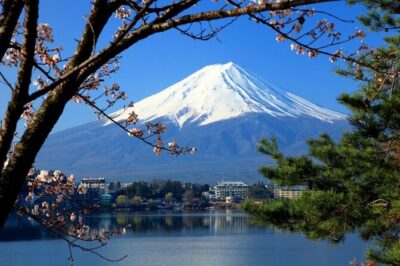
The schedule lists Mount Fuji separately for about 30 minutes, with a photo stop, boat cruise, and scenic views. In practical terms, you should understand this as a Fuji-viewing portion of the Hakone route, not a climb of Mt. Fuji itself. This experience takes you around the mountain region and offers viewpoints, not a summit ascent.
How the self-guided format feels in practice
The format suits independent people. You can move at your own pace, pause for food, and spend more time at a stop that interests you. You are not waiting for a group to finish taking photographs or listening to a long explanation.
The PDF is described as clear and easy to understand, and that is the feature I would value most. A route through Hakone can be confusing when you combine trains, buses, walking paths, and a boat. Written directions, suggested food stops, and general Japan travel tips give you a useful framework.
You can also ask questions by email, although you should allow one to three business days for a response. That is helpful before departure, but it is not the same as having someone beside you during the day.
The obvious limitation is the lack of live guidance. Nobody is there to explain the history of a site in the moment, solve a missed connection, or adjust the route as weather changes. One traveler felt the information could be found independently in Hakone, and that is a fair criticism.
For me, the decision comes down to how much you value preparation. If planning transport is a chore, this is inexpensive insurance against a poorly organized day. If planning is part of your enjoyment, you may prefer to research the route yourself.
Timing, costs, and useful preparation
The activity lasts one day and returns you to Shinjuku City. Your real cost will depend on the transport, food, boat, and any admission fees you choose or need to pay. None of those expenses are included in the purchase price.
You also receive a $3 discount on a Japan eSIM through a code in the PDF. That is a small extra benefit, but it may be useful if you need mobile data for maps and transport information.
The most important timing tip is to check closing times. One piece of direct feedback praised the clear organization but pointed out that the plan should account for early afternoon closures at many Japanese attractions. I would take that seriously and begin early.
A sensible approach is:
- Read the PDF as soon as it arrives.
- Check transport times and operating hours before leaving Tokyo.
- Keep food stops reasonably short if you want to complete every major sight.
- Carry enough money for transport and meals.
- Wear shoes suitable for the 45-minute walk.
- Leave room for delays instead of planning every minute.
The cancellation policy allows a full refund when you cancel at least 24 hours ahead. You can also reserve and pay later, which gives you some flexibility while your Japan plans are still changing.
Who should choose this Hakone day?
I would recommend it to a confident first-time visitor who wants structure without a personal guide. It is also a good fit for couples or friends who like to make their own choices but do not want to research every connection from scratch.
Food-focused visitors should appreciate the inclusion of Amazake Chaya and regional food suggestions. History-minded visitors get the old Tokaido route, while photographers receive several chances for lake, mountain, and volcanic views.
I would be more cautious if you have limited mobility, back or respiratory problems, a recent surgery, or a low level of fitness. The route is active, and the transport changes may add strain even though no extreme hiking is described.
I would also hesitate to recommend it to anyone who wants a fully guided cultural experience. The PDF tells you where to go and offers tips, but it does not provide a person to interpret each site.
Should you book this $3.22 self-guided trip?
Book it if you want a ready-made Hakone plan with local food ideas, a historic walking section, a Lake Ashi cruise, and Owakudani in one day. At $3.22, the financial risk is small, and the clearest benefit is saving planning time.
Skip it if you already have a route, prefer spontaneous travel, or expect transport and admission to be included. The experience is only as good as your own preparation and ability to handle a busy public-transport day.
My practical verdict: it is a useful planning aid, not a tour in the traditional sense. Buy it early, read it carefully, check closing times, and budget separately for the full day. If you do that, you get independence with a helpful map in your pocket.
FAQ
Where does the day start?
The first train leaves from Shinjuku Station in Tokyo. The meeting point is in Shinjuku City, at coordinates 35.6938253, 139.7033559.
Is this a guided tour?
No. This is a self-guided experience. You receive a PDF with directions, explanations, transport information, food recommendations, and general Japan travel tips, but no personal guide accompanies you.
What does the $3.22 price include?
The price includes the PDF, scenic photo stops within the suggested route, food recommendations, general travel tips, and a $3 eSIM discount code for Japan. Transport, food, admission tickets, and accommodation are not included.
How long does the experience last?
The experience lasts one day and begins and ends in Shinjuku City. The suggested route includes Hakone, Amazake Chaya, the old stone-paved Tokaido route, Lake Ashi, Mt. Fuji viewpoints, and Owakudani.
What food can I try along the route?
The route includes recommendations for local snacks and regional food. At Amazake Chaya, you can try warm amazake and savory traditional snacks. Owakudani is known for black eggs boiled in geothermal water.
Is the route suitable for everyone?
No. It is not suitable for people with back problems, mobility impairments, respiratory issues, recent surgeries, or a low level of fitness. Wheelchair users are also advised not to choose this experience.
More Guided Tours in Tokyo

More Hakone Day Trips in Tokyo
More Mt Fuji Day Trips in Tokyo
More tours in Tokyo we've reviewed










Mt Fuji Day Trips, compared.
 ★ 5.0Mt Fuji and Hakone 1-Day Bus Tour Return by Bullet TrainFrom $163
 ★ 4.0Mt Fuji & Hakone Cruise, Drum Show Bullet Train 1 Day from TokyoFrom $149
 ★ 4.4Tokyo Mt Fuji 5th St & Hakone Cruise Bus Tour w/Bullet TrainFrom $15410 hours
 ★ 4.5From Tokyo: Mount Fuji Full-Day Sightseeing TripFrom $6810 hours
 ★ 4.7Tokyo: Mt. Fuji Tour, Hakone Ropeway, Owakudani, Lake AshiFrom $5410 hours
 ★ 4.4Tokyo:Mt.Fuji,Kawaguchiko Oishi Park,Arakurayama Sengen ParkFrom $5410 hours