
Reviewed · SHOPPING TOURS
Tokyo Shopping Street Hopping Private Tour with Government Licensed Guide
Tokyo’s shopping streets reveal the city better than a string of famous sights. On this private six-hour outing, you can compare the market energy of Ameyoko, the old-town feel of Yanaka Ginza, the kitchenware shops of Kappabashi, and the youth fashion of Harajuku. You choose three or four areas, so the day can match your interests instead of following a fixed route.
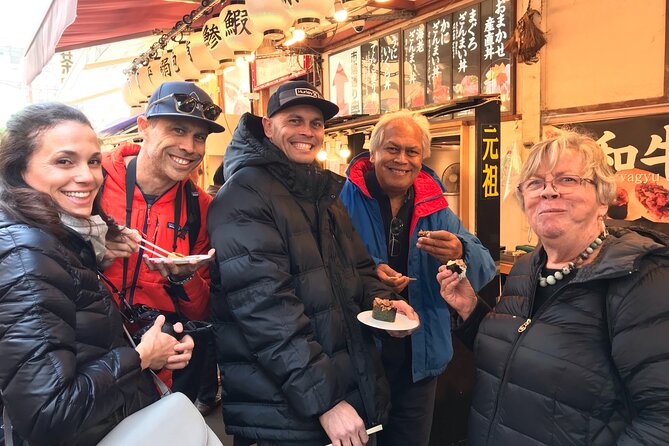
I like the personal itinerary and the help with Tokyo’s subway system. I also like that the guides can do more than point out shops: Sam helped match purchases to a specific shopping list, while Noripy translated in stores and found a lunch place with options for a picky teenager. The main consideration is that transportation, meals, entry fees, and personal purchases cost extra, and the tour’s pickup is on foot rather than by private vehicle.
In This Review
- Key points to know before booking
- Why Tokyo shopping streets make a good private tour
- How the six hours work
- Ameyoko: market shopping beside the Yamanote Line
- Kappabashi Street: Tokyo’s kitchenware headquarters
- Yanaka Ginza: an old Tokyo street with a slower pace
- Tsukiji Fish Market: food, stalls, and a useful lunch stop
- Cat Street and Takeshita Street: two sides of Harajuku fashion
- Shibamata: an old-school neighborhood away from central Tokyo
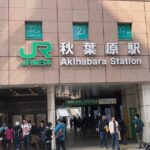
- Akihabara: electronics, anime, and modern Japanese pop culture
- What the guides add to the day
- Price, transport, and what you really receive
- Who should book this Tokyo shopping tour
- Cancellation and booking details
- FAQ
- How long is the Tokyo shopping tour?
- How many shopping areas can I visit?
- Can I visit all eight listed stops?
- Is hotel pickup included?
- Is transportation included in the price?
- Is lunch included?
- Is the tour private?
- What kind of guide leads the tour?
- Are entrance fees included?
- Can I cancel for a full refund?
- Should you book it?
Key points to know before booking
- Choose three or four shopping areas: You cannot sensibly visit all eight listed neighborhoods in six hours, so pick the places that fit your shopping goals.
- Licensed English-speaking guides: Guides named in past bookings include Izumi, Sam, Noripy, Steve, Hiro, Ayako, Kappa, and Kazuo.
- Hotel pickup means a walking meetup: You meet your guide on foot within the designated Tokyo area, not in a private car.
- Subway guidance adds real value: Your guide can help with navigation and translation, but train fares are not included.
- The stops cover very different Tokyos: Expect markets, restaurant supply shops, nostalgic streets, youth fashion, fish stalls, anime, and old neighborhood charm.
- A private format helps families and focused shoppers: You can ask for cooking goods, souvenirs, anime items, food, or fashion rather than browsing at random.
Why Tokyo shopping streets make a good private tour
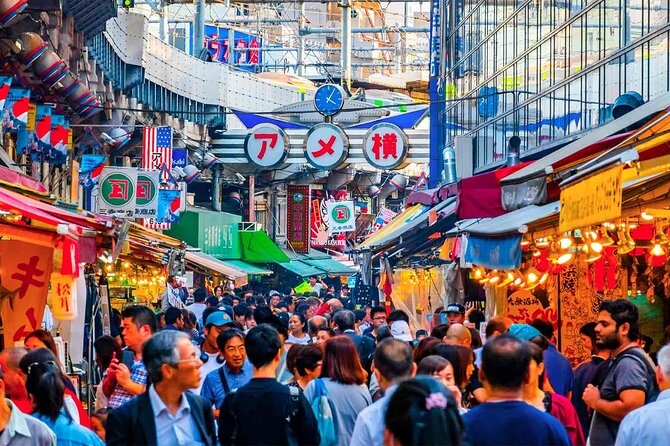
Tokyo is not one shopping city. It is a collection of districts with different moods, products, and customers. Ameyoko feels like a market corridor beneath the train tracks. Kappabashi is aimed at restaurant operators and serious home cooks. Yanaka Ginza offers a slower look at old Tokyo, while Takeshita Street is loud, youthful, and built around fashion and snacks.
That variety is the central strength of this experience. You are not simply taken to one department store and left to browse. You can tell the guide what you want to buy, then build the day around it. A family interested in cooking and anime, for example, can split the day between kitchenware shops and Akihabara rather than spending hours in areas that do not suit them.
The private format matters in Tokyo. Streets and stations can be confusing, and shopping often involves questions about size, use, price, or how to get an item home. Several guides have helped with translation in shops, subway routes, and meal choices. That kind of practical help can save time and reduce the stress of making a purchase in an unfamiliar place.
This is also a walking tour, not a chauffeur service. You will meet your guide on foot within a designated area, and you pay your own subway fares and other transport costs. The wording about hotel pickup should not lead you to expect a private car.
Other guided tours in Tokyo

How the six hours work
The tour lasts about six hours, with several morning start times available. The basic plan is to meet your licensed local English-speaking guide, agree on three or four areas, and travel between them using Tokyo’s public transportation and your own feet.
Each listed stop is shown with about 30 minutes, but that should be treated as a rough visit length rather than a promise that you will spend exactly half an hour there. Shops, train transfers, meals, and your own buying goals will shape the day. If you want to make real purchases, three or four areas is a sensible limit.
I would decide on your priorities before the morning begins. Tell the guide if you care most about food, cooking tools, anime, vintage goods, fashion, snacks, souvenirs, or traditional neighborhoods. The more specific you are, the more useful the customization becomes.
The guide may also help you choose a lunch stop. Lunch is not included, but Noripy’s assistance in finding a place with several food choices shows why this kind of help can matter for families. If someone in your party has a narrow diet or is particular about food, mention it early.
Ameyoko: market shopping beside the Yamanote Line
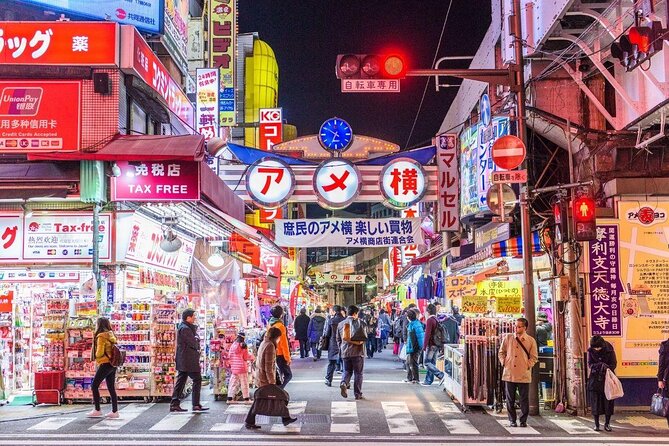
Ameyoko runs between Okachimachi and Ueno stations along the Yamanote Line tracks. Its name is linked to Ameya Yokocho, or candy store alley, and the area is known for its dense mix of market-style shops and food sellers.
This is a good opening choice if you want a broad sample of Tokyo shopping. You can look at food, small goods, and everyday merchandise while watching people move between the stations and stores. The setting feels practical rather than polished, which gives you a useful contrast with Tokyo’s grand department stores.
The drawback is time. Thirty minutes can give you a taste, but not a slow, thorough shop. If you want to compare many goods or stop for food, Ameyoko may deserve more of your day. Ask your guide to steer you toward the part that best matches your list.
Kappabashi Street: Tokyo’s kitchenware headquarters
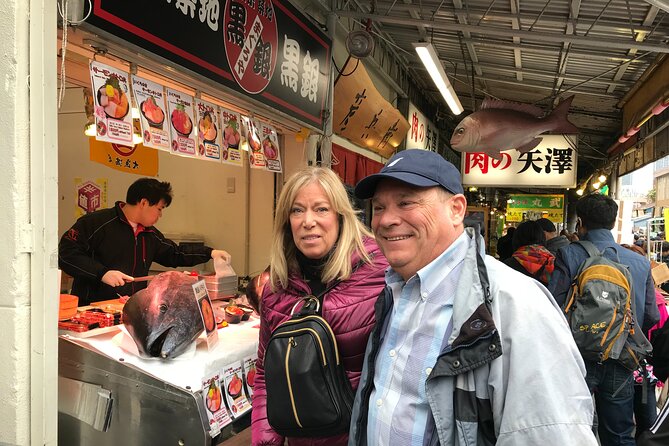
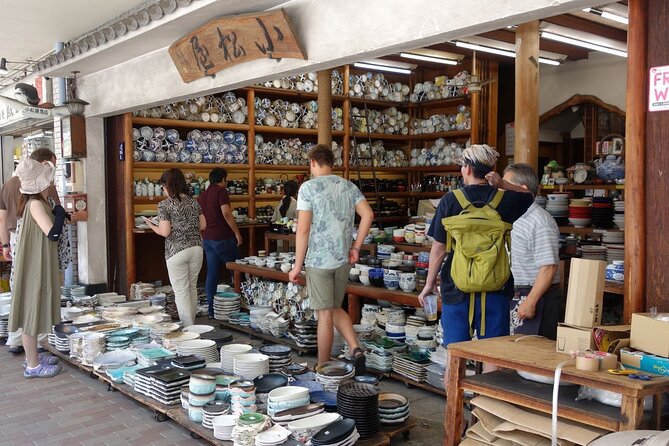
Kappabashi Dogugai lies between Ueno and Asakusa and is lined with shops serving restaurant operators. The area is a natural choice for anyone interested in cooking, tableware, kitchen tools, or the equipment that makes Japanese restaurants work.
This stop can be more rewarding than a standard souvenir shop because the products have a clear use. You might find tools and serving items that connect directly to Japanese food culture, though the supplied information does not promise any particular product or store. A guide can help you understand what you are seeing and explain how the stop fits your interests.
Cooking was one of the specific shopping goals handled on a past tour, paired with anime shopping elsewhere in Tokyo. That pairing shows the value of the private plan: one group can build a day around practical kitchen goods and pop culture instead of accepting a general sightseeing route.
Keep in mind that the tour price does not include purchases. Kitchenware can also be awkward to carry, so ask the guide about the day’s order if you plan to buy larger items.
Yanaka Ginza: an old Tokyo street with a slower pace
Yanaka Ginza is one of the best choices if you want a break from Tokyo’s modern shopping districts. It keeps an old-town Shitamachi atmosphere, giving you a look at a more nostalgic side of the city.
The appeal here is not only shopping. It is the chance to see a neighborhood street where the setting itself matters. The pace is likely to feel different from the crowded youth districts, and the area gives the tour more balance. You can pair Yanaka Ginza with a livelier stop such as Takeshita Street or Akihabara.
This is a particularly good choice for first-time visitors who want more than electronics and fashion. It also suits anyone who prefers local street character to large commercial complexes. The limitation is that the tour is still built around shopping streets, so you should not expect a full historical walking tour of Yanaka.
Other private tours in Tokyo


Tsukiji Fish Market: food, stalls, and a useful lunch stop
Tsukiji Fish Market gives the tour a strong food angle. The stop is listed as a free-admission visit, and it can be chosen as part of a day that includes other shopping areas.
The information provided does not specify a set tasting menu, included food, or a guaranteed market activity. Think of Tsukiji as a place to explore and shop, with any food or lunch paid separately. If eating is important to you, tell the guide at the start so the time and route can reflect that.
Tsukiji pairs well with Kappabashi for a food-focused day. One area centers on ingredients and market browsing, while the other centers on the tools and equipment used to prepare and serve food. You could also add Ameyoko for a broader market feel.
Cat Street and Takeshita Street: two sides of Harajuku fashion
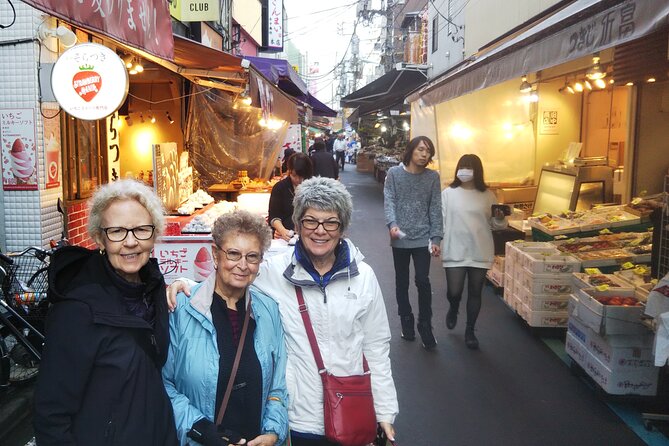
Cat Street runs between Harajuku and Shibuya and is mostly pedestrianized. It is associated with youth fashion and hip culture, making it a natural choice for shoppers looking for contemporary style rather than traditional goods.
Takeshita Street brings a different kind of energy. It is a pedestrian shopping strip where Harajuku’s youth cultures show up in fashion, sweets, and playful food treats. Calbee chips, candy floss, and crepes are specifically associated with the street.
I would not combine both automatically unless fashion is your main reason for booking. They overlap in location and subject, but they offer different experiences. Cat Street is the better fit for a more spread-out fashion walk, while Takeshita Street is the more concentrated choice for youth style and snack stops.
These streets can be especially useful for families with teenagers. Still, the tour does not include food purchases, and the price of snacks or clothing comes from your own budget. If you want serious shopping time, tell your guide whether you want to browse, buy, or simply see the area.
Shibamata: an old-school neighborhood away from central Tokyo
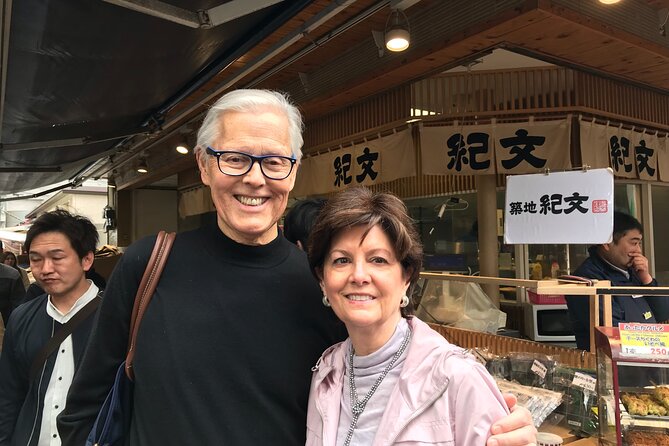
Shibamata sits on Tokyo’s eastern side near the Edogawa River, which forms the natural boundary with Chiba Prefecture. The neighborhood retains an old-school character and offers another way to see Tokyo outside the best-known central districts.
This is a good pick if you have already seen major central areas or want a quieter neighborhood feel. It gives the tour geographic range and can make the day feel less like a standard shopping circuit.
The tradeoff is travel time. Because Shibamata is on Tokyo’s eastern edge, reaching it may reduce the number of other areas you can visit in six hours. I would choose it for the character of the neighborhood, not simply to collect another shopping street.
Akihabara: electronics, anime, and modern Japanese pop culture
Akihabara is famous for electronics shops and has also become a center of Japanese anime culture. It is the clearest choice for anyone shopping for electronics, anime-related goods, or souvenirs connected with modern Japanese entertainment.
The district can work well for a focused shopping request. One past tour combined cooking in one part of Tokyo with anime shopping in another, using the subway between them. A guide who understands your interests can help keep that kind of split day manageable.
Do not expect Akihabara to represent traditional Tokyo. It is best used as one part of a mixed itinerary, perhaps alongside Yanaka Ginza or Shibamata. Also remember that the guide can assist with navigation and shopping questions, but the cost of electronics and other purchases is not included.
What the guides add to the day
The strongest feature here is the human help. Izumi began one family’s day by laying out several options and letting the group choose what mattered most. That is a simple step, but it prevents the common problem of reaching the end of a tour having spent time in places that were never high on your list.
Sam focused on a specific shopping request and helped the group find the items they wanted. Noripy assisted with subway navigation, translation in shops, and lunch planning. Steve was praised for attentiveness and preparation, while Hiro built a day around less obvious areas of Tokyo.
Other named guides include Ayako, Kappa, and Kazuo. Their individual styles will differ, and you should not assume that one particular guide will be assigned unless the booking process confirms it. What you can reasonably expect is a government-licensed guide with training in Japanese culture and history, plus a private format that allows questions and changes during the day.
The best use of the guide is not just historical commentary. It is asking for help with the parts of Tokyo that are hard to manage alone: finding the right station exit, explaining a product, translating in a shop, choosing between areas, and adjusting the plan when your group gets tired.
Price, transport, and what you really receive
At $154.37 per person, the cost needs to be judged against the private service rather than against a simple group walking tour. Your fee covers a licensed local English-speaking guide and a customized six-hour walking experience for your own group.
It does not cover transportation fees, entrance fees, lunch, or personal expenses. Private transportation is not included. Pickup is offered, but it means meeting the guide on foot within the designated Tokyo area. You will need to budget for subway or other public transport between districts.
The value improves when several people share the private guide and actively use the customization. A family with different interests can avoid splitting up, and a shopper who needs translation or route help may gain more than someone who only wants a casual stroll.
The price is less compelling if you want a fixed sightseeing route, a vehicle, or a guide who handles every expense. It is also worth remembering that the tour is advertised as roughly six hours, not a guarantee of a full six hours at every shopping stop.
Who should book this Tokyo shopping tour
I would recommend it to families, first-time visitors, and anyone with a clear shopping mission. It is also a good fit if Tokyo’s subway system feels intimidating or if you want to combine very different districts in one day.
The tour suits you especially well if you want:
- Help choosing between old Tokyo and modern Tokyo
- Assistance with subway transfers and station navigation
- Translation help in shops
- A food, kitchenware, anime, fashion, or souvenir focus
- A private pace for your own group
- A morning start with room to shape the route
I would be more cautious if you want a deep visit to every district listed. The eight possible stops are spread across Tokyo, and the tour asks you to choose three or four. You should also consider another option if you dislike walking, need private vehicle transport, or want meals and entry fees bundled into one price.
Most people can participate, and service animals are allowed. The experience takes place near public transportation, but it remains a walking tour, so plan for station access, street walking, and time on your feet.
Cancellation and booking details
Confirmation is received at booking, and free cancellation is available up to 24 hours before the local start time for a full refund. Cancellations or changes made less than 24 hours before the tour are not accepted for a refund.
The tour is private, and you cannot combine multiple tour groups. If you are booking for a family or friends, keep the whole party together under one booking.
FAQ
How long is the Tokyo shopping tour?
The experience lasts approximately six hours.
How many shopping areas can I visit?
You can customize the tour around three or four sites from the listed areas.
Can I visit all eight listed stops?
The tour is designed for three or four sites, so you should not plan on visiting all eight in one six-hour day.
Is hotel pickup included?
Pickup is offered on foot within the designated area of Tokyo. Private vehicle transportation is not included.
Is transportation included in the price?
No. Transportation fees are not included, so you pay your own subway or other transport costs.
Is lunch included?
No. Lunch is not included, and any meal or food purchases are your responsibility.
Is the tour private?
Yes. Only your group participates, and multiple tour groups cannot be combined.
What kind of guide leads the tour?
The tour includes a licensed local English-speaking guide who is described as government licensed in Japanese culture and history.
Are entrance fees included?
Entrance fees are not included. Guide entry fees are covered only for sights listed under the What to Expect section.
Can I cancel for a full refund?
Yes. You can cancel at least 24 hours before the local start time for a full refund. Cancellations or changes made less than 24 hours before the start time are not accepted for a refund.
Should you book it?
Book this tour if you want Tokyo shopping shaped around your own priorities, especially if you need subway help or translation. The best plan is to choose one main theme, such as food and cooking, anime and electronics, or old neighborhoods and traditional shopping, then add one contrasting district.
The tour offers its best value when you use the guide as a practical companion rather than a person who merely leads you from street to street. Give the guide a clear wish list, accept that you will visit only three or four areas, and budget separately for transport, lunch, entry fees, and purchases. If that sounds like your kind of Tokyo day, this private format offers a useful and personal way to shop beyond the city’s standard department stores.
More Shopping Tours in Tokyo

More Private Tours in Tokyo
More Guided Tours in Tokyo
More tours in Tokyo we've reviewed


Shopping Tours, compared.
 ★ 5.0Tokyo Tsukiji Fish Market Food and Culture Walking TourFrom $99
 ★ 5.0Tokyo: Tsukiji Fish Market Food and Walking tourFrom $30
 ★ 4.9Tokyo: Tsukiji Fish Market Guided Walking TourFrom $222 hours
 ★ 5.0Tsukiji Fish Market Guided Tour and Sushi Making with Pro ChefFrom $104
★ 4.7Tokyo: Tsukiji Fish Market Food and Culture Walking TourFrom $963 hours
★ 5.0Tsukiji Fish Market Guided Tour and Sushi Making with Pro ChefFrom $104
★ 4.7Tokyo: Tsukiji Fish Market Food and Culture Walking TourFrom $963 hours
 ★ 5.0Tsukiji Fish Market: Street Food & Culture Walking TourFrom $33