
Reviewed · GUIDED
Hidden Tokyo: Explore Kitchen Street with a Local Guide
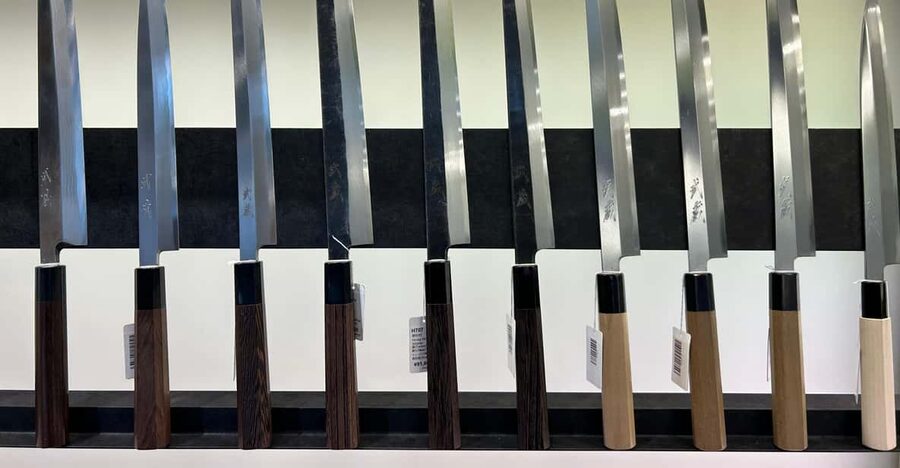
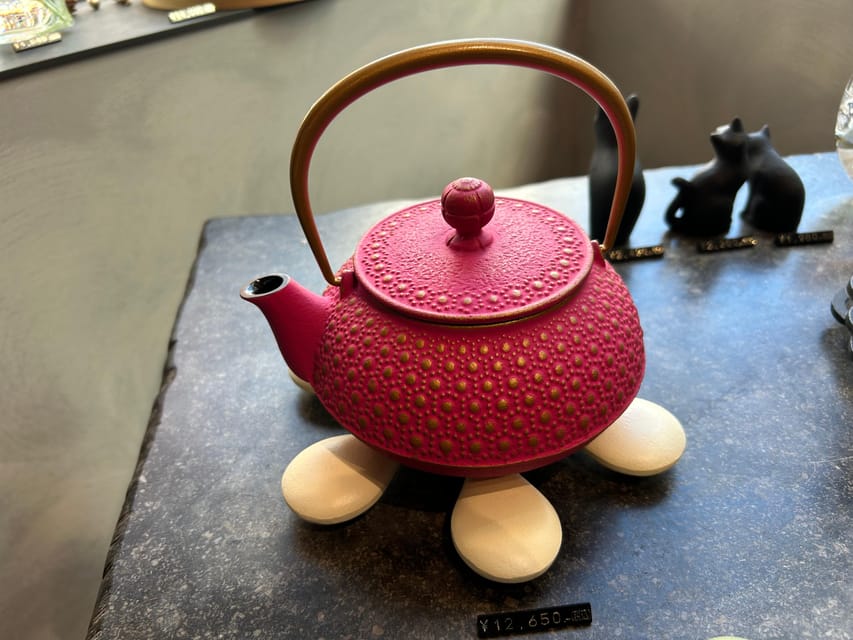
Kappabashi is where Tokyo cooks shop, and this private walk takes you straight to its best-known specialist stores. You can examine water-hardened Japanese knives, browse tableware sold only in Asakusa Kappabashi, and see the wonderfully odd world of realistic plastic food.
I like the guide-led route because it helps you make sense of a district packed with shops, and I like the local touch provided by Hirose-san, an Asakusa-born guide who can add neighborhood tips beyond the merchandise. The main drawback is pace: eight stops in two hours leaves limited time for leisurely browsing or careful shopping decisions.
In This Review
- Key points to know before you go
- Why Kappabashi is worth two hours
- Meeting Hirose-san near Tawaramachi Station
- Dengama: a first look at Japanese kitchen goods
- Majimaya: a stop for tableware and useful souvenirs
- TSUCHI-YA: glassware with a craft focus
- Hashitou: small details in Japanese dining
- Iidaya: browse the working side of Kappabashi
- Tsubaya: the knife stop to take seriously
- Ganso Shokuhin Sample-ya: the playful stop
- Musashi Japan: knives, sake, and a final look
- What the $19 price really covers
- Timing, pace, and practical planning
- Who will enjoy this walk most
- Booking details to keep in mind
- Should you book Hidden Tokyo Kitchen Street?
- FAQ
- Where does the tour meet?
- How long does the experience last?
- What languages are available?
- Is this a private tour?
- Which shops are included?
- Are purchases included in the price?
- Can I cancel for a refund?
Key points to know before you go
- Rare Japanese knives: See honyaki knives made from a single piece of steel, including unusually rare water-hardened examples.
- Eight specialist stops: The route covers tableware, glass, chopsticks, ironware, knives, and realistic food samples.
- A private walk for $19: The low price covers the guide and walking tour, while all purchases and transport cost extra.
- Hirose-san’s local angle: You can ask about Asakusa traditions, local food, and places to eat after the tour.
- Useful for families: The route includes colorful food samples and practical objects, and a private format makes questions easy.
- Three guide languages: The experience is offered in Japanese, English, or German.
Why Kappabashi is worth two hours
Kappabashi, often called Kitchen Street, is not a standard sightseeing street lined with temples and viewpoints. It is a working shopping district where restaurants and home cooks look for the tools of the trade.
That makes it a fine stop between Asakusa’s temples and the rest of eastern Tokyo. You are not simply looking at souvenirs made for tourists. You are seeing knives, bowls, glasses, chopsticks, cookware, and food displays designed for daily use, professional kitchens, or both.
The value of a guide becomes clear here. Many stores are highly specialized, and a first visit can feel like a long row of similar shopfronts. A local guide can point out why one knife differs from another, explain the use of a style of tableware, and help you spot products you would otherwise pass without noticing.
At $19 per person, the price is modest for a private two-hour walk. It does not include shopping, so the real cost depends on how easily you are tempted. Kappabashi is not short on temptations.
Other guided tours in Tokyo


Meeting Hirose-san near Tawaramachi Station
The meeting point is Exit 3 of Tawaramachi metro station. Look for the guide holding a sign marked GetYourGuide.
The guide is Hirose Kazuo, known during the walks as Hirose-san. He is from Asakusa and grew up there, which gives the outing a more personal angle than a simple shopping escort. You can ask him about local customs, the Sanja Matsuri festival, nearby restaurants, and other things to do around Asakusa.
The experience is a private group, not a large shared walk. That matters in small shops, where a crowd can make it hard to hear or examine merchandise. It also lets you spend more time on the things that interest you, although the fixed two-hour schedule still calls for a brisk rhythm.
The tour is offered in Japanese, English, or German. Confirm your preferred language when booking, especially if you want detailed explanations about knives or craft methods.
Dengama: a first look at Japanese kitchen goods
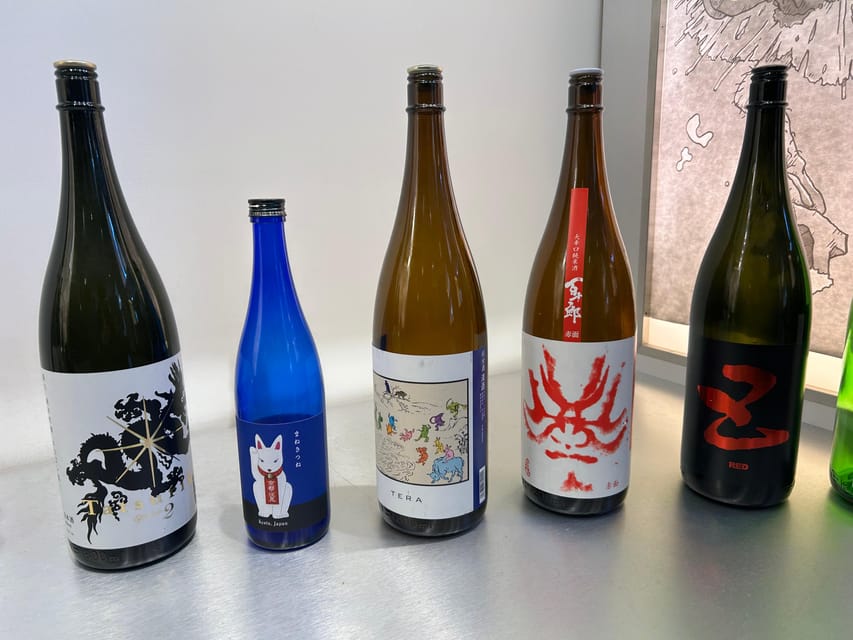
Dengama is the first listed shopping stop. The visit is planned for about 15 minutes, including guided browsing and walking.
This is a useful opening because it introduces the scale and variety of Kappabashi. Rather than beginning with one expensive object, you can get a broad sense of the goods sold in the district. Look for practical kitchen items and Japanese-made products that may be hard to find in ordinary department stores.
Fifteen minutes is enough for an introduction, but not enough to inspect every shelf. If you see something you may want to buy, note the store and ask Hirose-san about it before moving on. The route is designed to show you the area efficiently, not to provide a long buying session at every stop.
Majimaya: a stop for tableware and useful souvenirs
Majimaya is next, with another planned 15-minute visit. Kappabashi is a good place to shop for tableware because the selection reaches well beyond the familiar tourist staples.
You may find dishes, serving pieces, or kitchen items that reflect Japanese dining at home and in restaurants. Some tableware sold here is available only in the Asakusa Kappabashi district, giving you a better chance of taking home something tied to this particular part of Tokyo.
The practical question is luggage. Plates, bowls, and other ceramic items can be awkward to pack, and the tour does not include shipping or purchases. Ask about size, weight, and packing before you commit. Smaller objects such as chopsticks or serving utensils are easier souvenirs if your suitcase is already full.
TSUCHI-YA: glassware with a craft focus
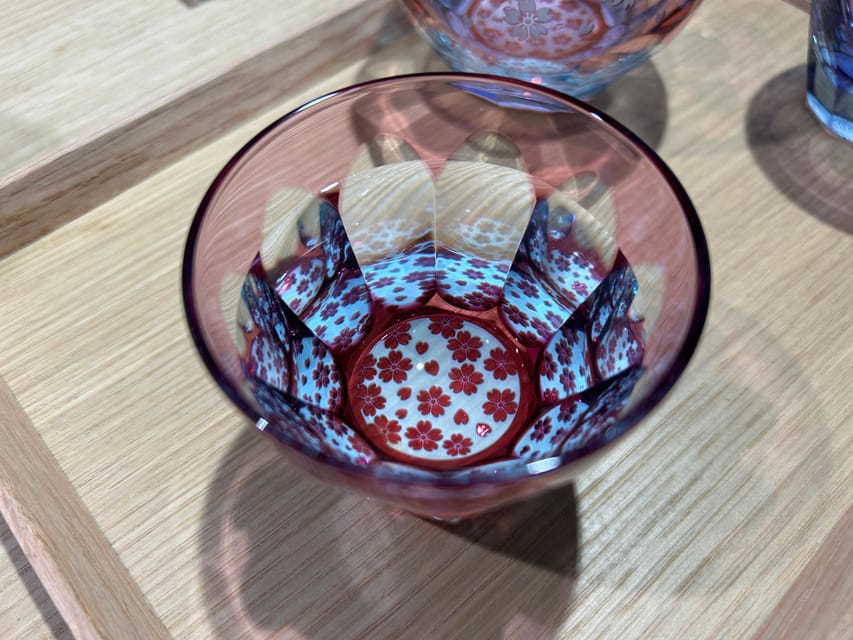
TSUCHI-YA, listed as TSUCHI-YA Glass Tableware and Crafts, brings a different material into the route.
After seeing more general kitchen goods, glass gives you a chance to compare texture, shape, and finish. The shop is included as a guided visit and shopping stop, again with about 15 minutes allocated.
This is where a guide can help you look beyond decoration. Ask which pieces are meant for everyday use and which are better treated as display items. If you are buying, check whether the item is practical for your home and how safely it can travel.
The stop also breaks up the knife and tableware sections with something visually lighter. You might find glass vessels that make useful gifts, though the exact stock can change.




Hashitou: small details in Japanese dining
Hashitou is another specialist stop on the walking route. The available information identifies it as a visit for guided touring and shopping, with roughly 15 minutes planned.
This part of Kappabashi is best approached with curiosity rather than a shopping checklist. Japanese dining objects can be remarkably specific, and a local explanation helps you understand what you are seeing. Ask about the difference between items meant for serving, cooking, or individual use.
You might find chopsticks or other compact goods that are easier to carry than pottery. These make sensible gifts because they are light, practical, and connected to Japanese food culture without requiring a large piece of luggage.
Iidaya: browse the working side of Kappabashi
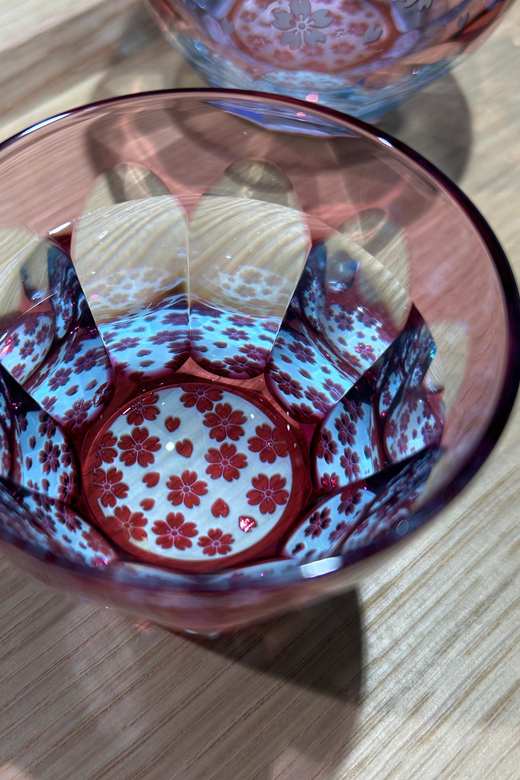
Iidaya continues the route through the district’s professional and household kitchen supply shops.
A useful way to think about this stop is comparison. Kappabashi is not one store with one style. Each shop has its own specialty, and the guide can help you distinguish between a product chosen for appearance and one made for repeated kitchen use.
If you cook at home, this may be one of the more useful parts of the walk. You can ask about Japanese cooking tools and how they differ from what you already use. If you are not a cook, focus on compact tableware and objects that tell a story about restaurant culture in Japan.
The 15-minute rhythm keeps the route moving, but it also means you should not wait until the last few minutes to ask about a product. Raise questions as soon as you see something that catches your eye.
Tsubaya: the knife stop to take seriously
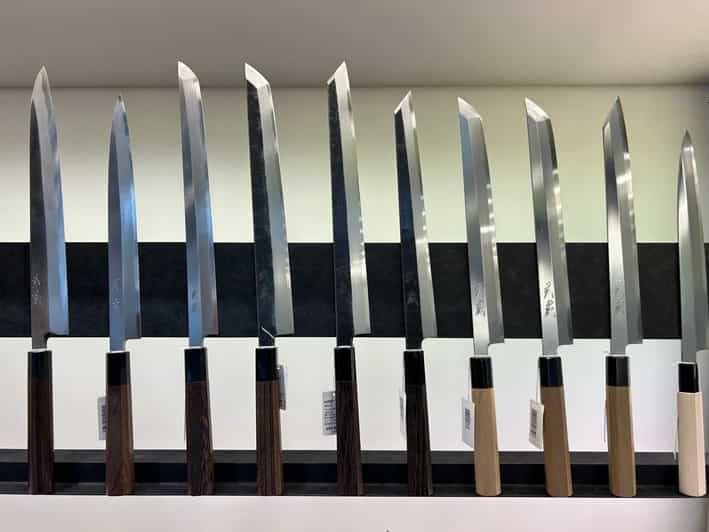
Tsubaya Cutlery is one of the central reasons to choose this tour. Japanese knives are not simply attractive souvenirs. They are working tools, and their quality, care requirements, and sharpening needs vary.
The tour explains how sword-making techniques passed into Japanese knife-making. Honyaki knives are made by punching a single piece of steel from a block, following a forging approach associated with traditional Japanese swords. The process requires skill, and the finished knife can have a clean, refined appearance.
The route also introduces water-hardened knives, which are described as extremely rare and demanding advanced technique. That detail gives you a useful point of comparison when you see different knives in the shops. You can ask what type of steel is used, how the blade should be sharpened, and what care it requires.
Do not buy a knife simply because it looks impressive. A high-quality Japanese knife may need careful maintenance, and the wrong shape may not suit your cooking style. Use the guide to ask practical questions, then take your time if the store allows it. The planned visit is short, so a serious purchase may require returning later.
Ganso Shokuhin Sample-ya: the playful stop
Ganso Shokuhin Sample-ya Kappabashi Showroom is the most immediately fun stop on the route. It focuses on realistic Japanese food samples, the plastic dishes you see displayed outside restaurants across Japan.
These samples are made to look remarkably like actual meals. They are useful for understanding how Japanese restaurants show their menus to customers, but they are also popular souvenirs because they are colorful, unusual, and easy to enjoy without knowing much about kitchen equipment.
This stop can work especially well for families. Children have something concrete to look at, and adults can find small gifts with a clear Tokyo connection. As with every stop, purchases are extra, so treat the showroom as both a cultural look and a shopping opportunity.
If you have only a short time in Kappabashi, do not skip this section simply because you are not shopping for cookware. It offers a different view of Japanese food culture, one based on presentation rather than preparation.
Musashi Japan: knives, sake, and a final look
MUSASHI JAPAN Kappabashi combines knives and sake goods, giving the final stop a useful link between cutting tools and Japanese dining.
By this point, you have seen several types of kitchen merchandise. This last shop gives you another chance to compare knives and consider whether you want to buy one. You may also find sake-related items that pair naturally with the tableware seen earlier.
Because it is the final listed stop, use it to review what you have learned. Ask Hirose-san to help you compare products from different stores, especially if you are deciding between a practical souvenir and a serious kitchen tool.
The route ends with shopping rather than a formal performance or meal. That is important to understand before booking. This is a guided shopping walk with cultural explanation, not a cooking class, tasting tour, or knife-making demonstration.
What the $19 price really covers
The $19 fee pays for the guide and the walking tour. It does not cover the merchandise in the shops or transport expenses.
I consider that good value if you want context and a focused introduction to Kappabashi. You could walk into the district for free, but you would need to identify the shops yourself, compare products without much guidance, and decide which details matter.
The value is lower if you already know exactly which store and item you want. In that case, you may prefer to visit independently and spend your two hours shopping at your own pace.
Keep a separate shopping budget. A few small items may cost little, while Japanese knives, glassware, ironware, and quality tableware can quickly cost more than the tour itself. The low entry price should not be mistaken for an all-inclusive shopping experience.
Timing, pace, and practical planning
The duration is two hours, and the listed route includes eight stores with about 15 minutes at each. That is a tight schedule once walking between shops is included.
I would arrive at Tawaramachi Station a little early, since the meeting point is specifically Exit 3 and the guide uses a sign. Wear comfortable shoes and carry a bag that can handle small purchases.
Kappabashi is primarily a shopping district, so stock and displays can change. The stores named on the route give you a useful plan, but do not expect every specific knife, bowl, or glass item to be available on the day you visit.
The walk can be especially helpful on a hot day. A local guest who joined in July described the route as efficient despite intense heat, with the guide choosing shops in a sensible order. That suggests the compact format has a real advantage in summer, when wandering without a plan becomes tiring.
If a restaurant recommendation is useful to you, ask Hirose-san before the walk ends. He has given visitors local food tips, including a soba restaurant that made a strong impression. Treat that as a helpful lead, not a guaranteed part of the tour, since the meal is not included.
Who will enjoy this walk most
This experience suits you if you want a practical side of Tokyo and enjoy buying objects with a clear local connection. It is particularly good for home cooks, food professionals, design-minded shoppers, and anyone looking for souvenirs beyond the usual keychains.
Families can also enjoy it. The food samples add color and humor, while the private format lets you ask questions without worrying about a large group.
You should think twice if you dislike shopping or want a relaxed, unstructured morning. The route moves from store to store, and the purpose is to see a lot in a short time. It also may not satisfy you if your main interest is samurai history, since the sword connection is used to explain knife-making rather than presented as a museum-style history lesson.
The private format is a major plus for mixed groups. A serious cook can focus on blades, while another person looks at bowls, glass, or food samples. Children can enjoy the visual stops, and a guide can adjust explanations to the group.
Booking details to keep in mind
You can cancel up to 24 hours before the start time for a full refund. The reserve-now, pay-later option lets you hold a place without paying immediately, which is useful when your Tokyo schedule is still changing.
The walk is available with a live guide in Japanese, English, or German. Confirm the language and starting time when you check availability, since the tour does not operate as an open-ended drop-in activity.
Transport is self-paid, and shopping is self-paid. The experience begins at Tawaramachi Station, Exit 3, rather than at a hotel or one of the shops.
Should you book Hidden Tokyo Kitchen Street?
Book it if you want to understand what you are buying in Kappabashi, not just take photographs of shop signs. For $19, Hirose-san can give you a clear route through specialist stores, explain the appeal of rare Japanese knives, and add local Asakusa advice that you would likely miss on your own.
I would especially choose it early in a Tokyo stay if you plan to return to Kappabashi for purchases. Use the first walk to compare stores and make notes, then come back later for the knife, tableware, or glass item you really want.
Skip it if you already have a detailed shopping plan or prefer to browse slowly without a schedule. For most first-time visitors, though, the private format, local guide, and unusual mix of knives, tableware, ironware, and food samples make this a useful two-hour introduction to one of Tokyo’s most distinctive shopping streets.
FAQ
Where does the tour meet?
The meeting point is Tawaramachi metro station, Exit 3. The guide will hold a sign stating GetYourGuide.
How long does the experience last?
The walking tour lasts two hours.
What languages are available?
The live guide service is available in Japanese, English, and German.
Is this a private tour?
Yes. The experience is offered as a private group.
Which shops are included?
The route includes Dengama, Majimaya, TSUCHI-YA Glass Tableware and Crafts, Hashitou, Iidaya, Tsubaya Cutlery, Ganso Shokuhin Sample-ya Kappabashi Showroom, and MUSASHI JAPAN Kappabashi Knife and Sake Shop.
Are purchases included in the price?
No. The $19 price includes the tour guide and walking tour, but shopping costs at each store are paid separately.
Can I cancel for a refund?
Yes. You can cancel up to 24 hours in advance for a full refund.
More Guided Tours in Tokyo



More tours in Tokyo we've reviewed






Guided, compared.
 ★ 5.0Tokyo 6hr Private Tour with Government-Licensed GuideFrom $155
 ★ 4.9Tokyo: Shinjuku Local Bar and Izakaya Guided Walking TourFrom $343 hours
 ★ 4.8Tokyo: Private City Highlights Tour with Local GuideFrom $1064 - 8 hours
 ★ 4.9Tokyo: Tsukiji Fish Market Guided Walking TourFrom $222 hours
 ★ 5.0Tokyo 4hr Private Tour with Government-Licensed GuideFrom $109
 ★ 5.0Tokyo Guided Small-Group Biking TourFrom $106