
Reviewed · E-BIKES
3h Tokyo E-Bike Tour: Hidden Gems, and Local Life with guide
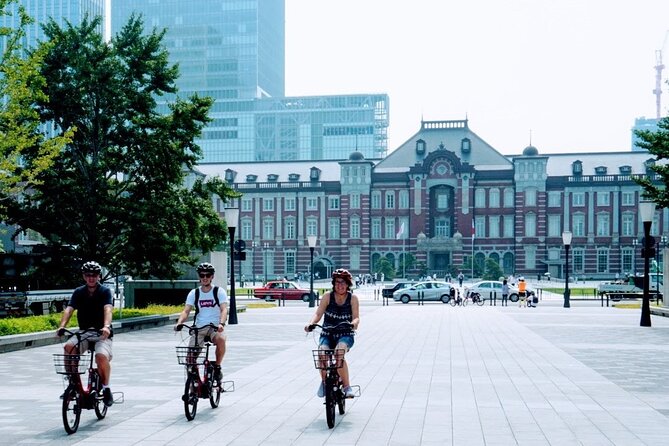
Tokyo makes more sense from a bicycle seat. This three-hour e-bike tour links pop-culture Akihabara with temple-town Asakusa, sumo country in Ryogoku, lively Ningyocho, and old Nihonbashi. The electric assist keeps the ride easy, while the guide fills in the local details when you stop.
I like the small group of six or fewer, which gives the guide room to watch the group and answer questions. I also like the mix of famous districts and ordinary streets, where you get a better feel for Tokyo than you would from a train window. The main drawback is the fixed afternoon timing, from 1:30 to 4:30, and three hours is enough for an overview, not a long stop at every sight.
In This Review
- Key points to know before booking
- Why this bike ride works for first-time Tokyo visitors
- Akihabara begins the 1:30 afternoon route
- A 10-minute local stop adds breathing room
- Kappabashi Street brings tools, shops, and 15 minutes of free time
- Asakusa supplies the traditional Tokyo moment
- Ryogoku gives the route its sumo connection
- Ningyocho and Nihonbashi show Tokyo’s older commercial side
- What the small group changes
- Is $61 good value for three hours?
- Weather, clothing, and riding comfort
- Who should book this Tokyo e-bike tour?
- Should you book it?
- FAQ
- What time does the afternoon tour run?
- How long is the Tokyo e-bike tour?
- How many people can join the tour?
- Is the tour offered in English?
- Which districts does the route visit?
- Is an electric bicycle included?
- Is a helmet provided?
- Can I cancel for a full refund?
Key points to know before booking
- Electric assist makes the route approachable: You pedal, but the bicycle provides help, making the ride easier than a standard bike tour.
- The six-person limit matters: A small group makes stops calmer and gives the English-speaking guide more time with you.
- The route crosses several sides of Tokyo: Akihabara brings pop culture, Asakusa brings tradition, and Ryogoku connects the ride with sumo.
- You get real stop time: Kappabashi allows 15 minutes, the quieter local stop lasts 10 minutes, and other places are set aside for photos.
- Guides named Jo, Ted, and Ninja have led this experience: Jo received praise for a fun ride, Ted for a strong introduction to Tokyo, and Ninja for careful attention to safety.
- The afternoon schedule suits first-time visitors: From 1:30 to 4:30, you can see a useful slice of central Tokyo without giving up a full morning.
Why this bike ride works for first-time Tokyo visitors
Many first visits to Tokyo become a string of train stations and crowded crossings. This ride gives you a connected view of the city. You move from Akihabara’s anime and electronics identity to Asakusa’s older streets, then continue through districts tied to sumo, small shops, and the city’s long commercial past.
The electric-assist bicycle is the practical key. You still ride under your own power, but the motor helps reduce the effort. That makes the three-hour route more realistic for people who do not usually cycle long distances. It also lets you pay attention to the streets and the guide instead of worrying about keeping up.
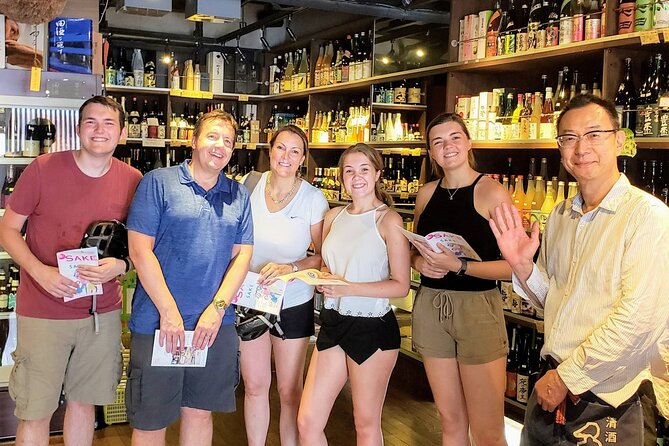
You need to arrive in clothing that is comfortable for riding. A helmet is required, so plan a hairstyle that fits beneath one. The operator supplies the bicycle, helmet, insurance, simple rain gear, and seasonal extras such as gloves in winter or cooling products in summer.
The meeting point is Cycling Holiday Tokyo, where the bicycles are lined up in front of the shop and staff are waiting. That setup should make the start easy to spot, though you will still want to allow enough time to arrive ready to ride.
Other cycling tours in Tokyo
Akihabara begins the 1:30 afternoon route
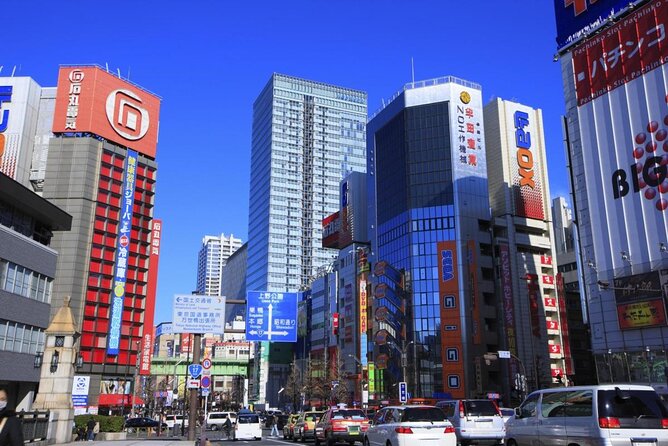
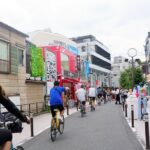
The tour starts in Akihabara, Tokyo’s famous electronics and anime district. You get a photo stop here rather than a long shopping session, so think of this part as an introduction to the area’s character.
Akihabara is often reduced to maid cafés, game shops, and colorful signs. A bicycle gives you a different angle. You can see how the district connects to surrounding streets instead of treating it as one isolated attraction. The guide’s comments help place the pop-culture scene within everyday Tokyo.
The short stop also keeps the tour moving. If you want extensive shopping or time inside specialty stores, you will need to return on your own. This is a sightseeing ride, not an Akihabara shopping tour.
A 10-minute local stop adds breathing room
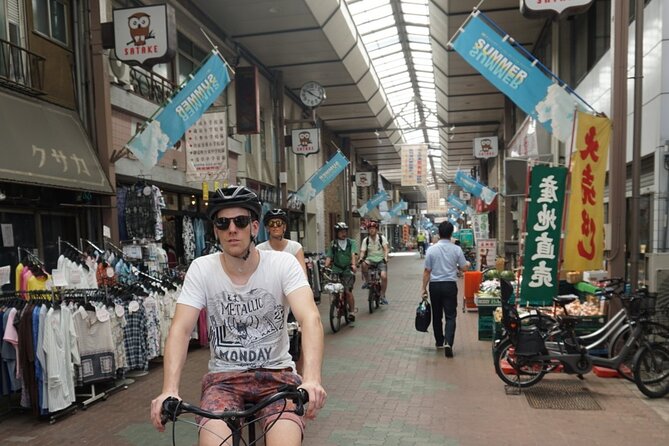
After Akihabara, the route includes a 10-minute visit to a quieter stop described as a local discovery. The exact character of this place can vary with the guide and conditions, so you should expect a brief look rather than a major attraction.
That short pause is useful. A good city ride needs more than famous names, and this part gives the guide room to explain something outside the standard Tokyo checklist. You can take photos and listen to the guide without the pressure of walking through a large attraction.
Because the visit lasts only 10 minutes, keep your expectations in check. You are getting a taste of local Tokyo, not an extended neighborhood walk.
Kappabashi Street brings tools, shops, and 15 minutes of free time
Kappabashi Street is one of the more distinctive stops because it is associated with restaurant supplies and cooking equipment. The tour gives you 15 minutes of free time here, enough to look around and take in the shopfronts.
I like this stop for the way it shifts the focus from Tokyo’s headline attractions to the city’s working side. The street is tied to the businesses that support restaurants, so it offers a different kind of sightseeing from temples and observation decks.
Fifteen minutes is brief. You can browse, but you should not plan a serious shopping mission. If you see something you want to buy, check how you will carry it safely on the bicycle before making a purchase.
Asakusa supplies the traditional Tokyo moment
Asakusa is the route’s best-known traditional district. You get free time here, giving you more space than at the photo stops. This is where you can pause, take pictures, and listen to the guide explain the area.
The contrast with Akihabara is the point. Within a short ride, Tokyo changes from youth culture and electronics to older religious and neighborhood traditions. You do not have to choose between modern Tokyo and historic Tokyo on this tour, because both are built into the route.
The tradeoff is time. Asakusa can easily fill half a day by itself, but this tour only gives you a portion of it. If you want to explore every lane or spend a long time at individual sights, plan a separate visit. The bicycle tour works better as your first orientation.
Other guided tours in Tokyo


Ryogoku gives the route its sumo connection
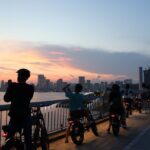
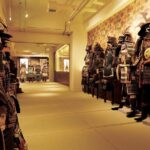
The ride continues to Ryogoku, the district linked with sumo. The stop lasts 10 minutes and is mainly for photos, with the guide adding context.
Ryogoku adds a clear theme to the route. It is not just another neighborhood on the way to the next stop. The sumo connection gives you a glimpse of one of Japan’s most distinctive traditions, even though the tour does not include a match or a long visit inside a sumo venue.
This is another place where the tour’s pace matters. You will get an introduction and a chance for pictures, not a full sumo-focused outing. If sumo is your main reason for visiting Tokyo, you will need additional time elsewhere.
Ningyocho and Nihonbashi show Tokyo’s older commercial side
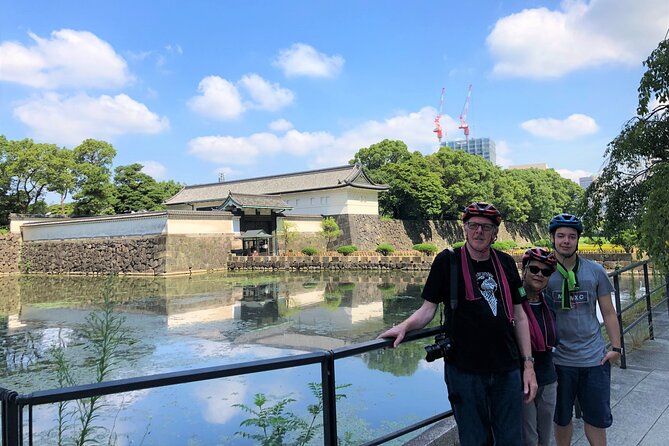
The route passes through Ningyocho, described as a local and energetic district, before reaching Nihonbashi. These areas help connect the better-known stops with Tokyo’s older neighborhood life.
Ningyocho is useful because it feels less like a single major attraction and more like part of the city’s daily rhythm. You ride through an area with local character instead of moving only between major sightseeing sites.
Nihonbashi receives a five-minute photo stop. The district was built during the Edo period, roughly 400 years ago, and has long been tied to commerce and movement through the city. Five minutes cannot tell the whole story, but it gives the guide a chance to explain why this place matters.
I appreciate the order of the route. You begin with Tokyo’s modern image, pass through tradition and neighborhood life, and finish with one of the city’s historic centers. The stops are short, but together they create a useful outline.
What the small group changes
A maximum of six participants is one of the strongest features here. Cycling in a large tour pack can feel awkward, especially when you need to stop, hear instructions, or take pictures. A small group gives the guide a better view of everyone and makes it easier to keep the ride together.
The safety point is not just marketing fluff. One past rider specifically praised guide Ninja for watching the group carefully in traffic and helping make the ride feel safe. That does not remove the need for you to pay attention, but it is reassuring on a city cycling tour.
Small groups also improve the conversation. Guides Jo, Ted, and Ninja are named in the available feedback, with Jo praised for making the ride enjoyable, Ted for guiding a strong Tokyo introduction, and Ninja for careful support. Your guide may be someone else, but the English-language format and group size should give you a good chance to ask questions.
Is $61 good value for three hours?
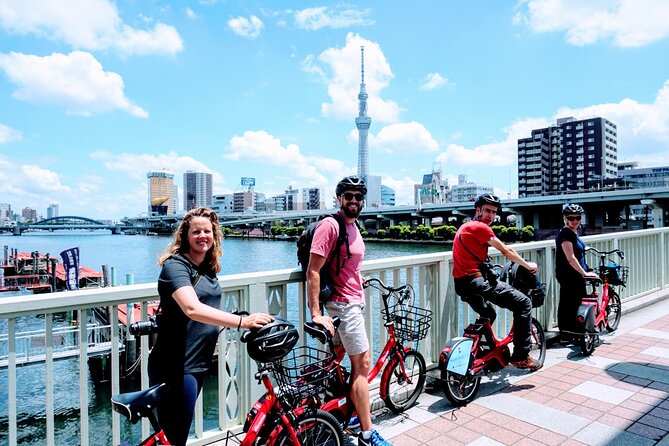
At $61 per person, this is not the cheapest way to see Tokyo. You are paying for the e-bike, helmet, English-speaking guide, insurance, seasonal supplies, and the convenience of moving between several districts in one outing.
The value is strongest if you are a first-time visitor with limited time. In three hours, you get a structured route through Akihabara, Asakusa, Ryogoku, Ningyocho, and Nihonbashi without having to work out several train connections. You also see the spaces between the headline sights, which is hard to do on foot.
The value is weaker if you already know these neighborhoods well or want long visits at individual attractions. The tour gives you a broad introduction rather than deep time in any one district. Food and drinks are not included, so budget separately if you want to buy something along the way.
The reserve-now, pay-later option and free cancellation up to 24 hours before departure make the booking less risky. Still, the afternoon schedule is fixed, so check that 1:30 to 4:30 fits your plans.
Weather, clothing, and riding comfort
Wear clothes that let you pedal and turn comfortably. A helmet is required, and your hairstyle needs to work under it. The operator provides simple rain gear, but that is basic protection rather than a reason to ignore the forecast.
Winter riders receive simple gloves, while summer riders receive cooling products. These extras are helpful, but they do not replace sensible clothing. Bring your own food and drinks if you need them, since purchases are self-pay.
The electric assist should make the physical side manageable for many people, but you are still on a bicycle for three hours. If you strongly dislike cycling or are not comfortable riding in a city setting, this may not be your best sightseeing choice.
Who should book this Tokyo e-bike tour?
I would recommend it to a first-time Tokyo visitor who wants a quick, guided introduction and likes the idea of seeing the city at street level. It also suits couples, friends, and solo visitors who prefer a small group rather than a large coach or walking crowd.
It is especially useful early in a Tokyo stay. The route can help you decide which districts deserve a longer return visit. Asakusa and Akihabara are the obvious candidates, but Kappabashi, Ryogoku, Ningyocho, and Nihonbashi may also catch your interest.
I would think twice if you need wheelchair access, though the supplied details do not describe accessibility arrangements. I would also skip it if your priority is extended shopping, a full sumo experience, or a slow temple visit. The tour is built around movement and variety.
The overall rating is 4.8 from five ratings, and the strongest praise centers on the guides, the enjoyment of riding through side streets, and careful attention to safety. That matches the tour’s best use: not checking off every major sight, but getting a compact feel for several parts of Tokyo.
Should you book it?
Book this tour if you have three free afternoon hours, can ride a bicycle comfortably, and want to connect modern and traditional Tokyo in one outing. The six-person limit, electric assist, and English-speaking guide make it a practical choice for first-time visitors.
Do not book it expecting a long stop at each district. You will see more places than you can explore in depth. For a street-level introduction, though, $61 is fair, especially when you value local explanation, simple logistics, and a route that moves beyond the usual train-and-temple routine.
FAQ
What time does the afternoon tour run?
The afternoon tour runs from 1:30 pm to 4:30 pm.
How long is the Tokyo e-bike tour?
The activity lasts three hours.
How many people can join the tour?
The group is limited to six participants or fewer.
Is the tour offered in English?
Yes. An English-speaking live guide leads the tour.
Which districts does the route visit?
The route includes Akihabara, a local stop, Kappabashi Street, Asakusa, Ryogoku, Ningyocho, and Nihonbashi.
Is an electric bicycle included?
Yes. Rental of an electric-assist bicycle is included.
Is a helmet provided?
Yes. A rental helmet is provided, and you are required to wear it.
Can I cancel for a full refund?
Yes. You can cancel up to 24 hours in advance for a full refund.
More E-Bikes in Tokyo
More Guided Tours in Tokyo
More Cycling Tours in Tokyo
More tours in Tokyo we've reviewed






E-Bikes, compared.
 ★ 5.0Tokyo Top Highlights 3h Guided E-bike TourFrom $63
 ★ 5.03h Tokyo E-Bike Tour: Hidden Gems, and Local Life with guideFrom $63
 ★ 4.8Tokyo: 3-Hour Bike or E-Bike City Highlights TourFrom $453 hours
 ★ 4.8Tokyo: 3-hour Guided E-Bike Tour of the City’s Hidden GemsFrom $65
 ★ 5.0Tokyo: 3-Hour Bike/E-Bike Tour of the City’s HighlightsFrom $63
 ★ 5.03-Hour Tokyo Private E-Bike Tour Starting from Your HotelFrom $145