
Reviewed · CRAFT WORKSHOPS
Authentic Pure Gold Kintsugi Workshop with Master Taku in Tokyo
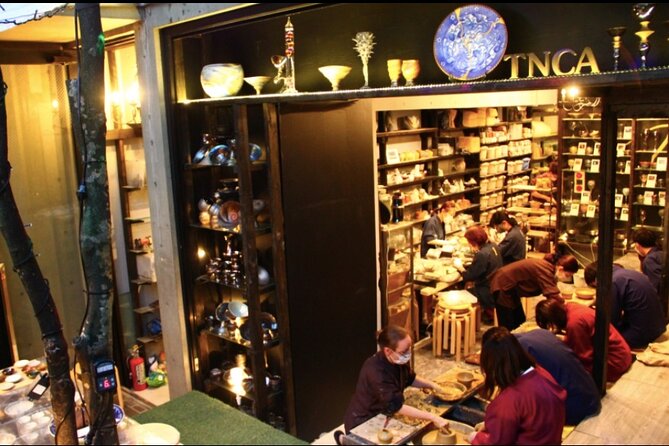
Kintsugi turns a broken plate into something worth displaying. At Master Taku’s small studio in fashionable Minami-Aoyama, you’ll work with real urushi lacquer and pure gold powder, not a quick craft-store substitute. The finished plate becomes a souvenir you made yourself, with every crack telling its own story.
I like two things right away: the workshop gives you a quiet change of pace from Tokyo’s crowded streets, and the small maximum of five people allows for patient instruction. Master Taku is known for calm, clear teaching, while Junko and other assistants help keep the work moving at a comfortable pace.
The main drawback is the firm booking policy. The experience is non-refundable and cannot be changed, so you’ll want your Tokyo schedule settled before paying. The studio can also be a little hard to find, so allow extra time.
In This Review
- Key points to know before you book
- Why this small Tokyo workshop feels different
- Meeting Master Taku at TNCA Minami-Aoyama Studio
- Option A: the full natural lacquer and gold repair
- Option B: black pottery with a sharper style
- Option C: trying decorative yobitsugi
- What the two hours are really like
- What makes the authentic materials important
- The value of $142.60
- Who should book this experience
- Practical advice for getting there and getting the most from it
- Final decision: is this Tokyo workshop worth it?
- FAQ
- Where does the kintsugi workshop take place?
- How long does the experience last?
- What materials are used?
- Do I get to take the finished plate home?
- How many people can join the class?
- Can I cancel or change my booking?
Key points to know before you book
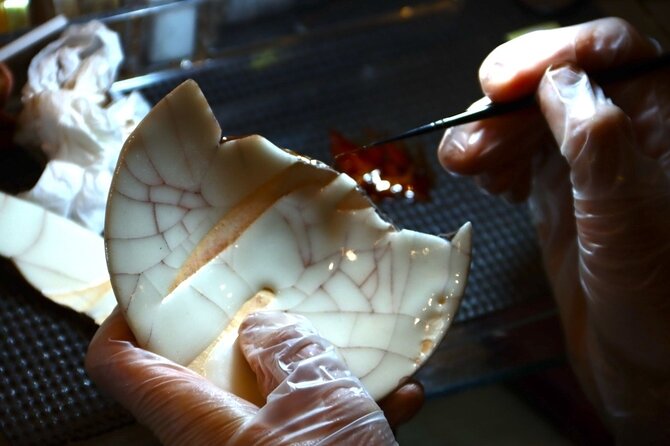
- Choose from three repair styles: natural lacquer with gold, a black plate with gold lines, or decorative yobitsugi repairs for missing sections.
- Work with authentic materials: the class uses natural urushi lacquer and pure gold powder.
- Take home your own plate: the pottery, lesson, equipment, and materials are included.
- Expect a very small class: the maximum is five people, with personal help from Master Taku or an assistant such as Junko.
- Plan for 90 to 110 minutes: the exact length depends on your chosen option, within an overall visit of about two hours.
- Meet in Minami-Aoyama: the TNCA Minami-Aoyama Studio is near public transportation, but first-time visitors should allow time to locate the entrance.
Why this small Tokyo workshop feels different
Many Tokyo souvenirs are easy to buy and easy to forget. A kintsugi plate asks more of you. You handle the pottery, follow each repair step, and leave with an object that could not have come from a shop shelf.
That personal work is the point. Kintsugi is often linked with wabi-sabi, the Japanese appreciation of imperfection, age, and change. Here, you are not trying to hide a break. You are marking it with gold and making it part of the object’s character.
The workshop also gives you a useful pause in a fast city. Tokyo rewards a packed schedule, but two focused hours at a worktable can be just as memorable as another observation deck or shopping street. I especially like this choice for an afternoon when you want something calm, creative, and indoors.
The setting adds to the experience. Minami-Aoyama is associated with fashion and design, and Master Taku’s TNCA studio fits that creative atmosphere. This is not a large tourist production with dozens of people moving through at once. The group limit of five keeps the lesson personal.
A few more Tokyo tours and experiences worth a look

Meeting Master Taku at TNCA Minami-Aoyama Studio
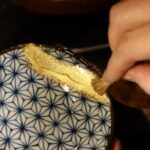
The workshop begins at TNCA Minami-Aoyama Studio, at 3-chōme-8-2 Minamiaoyama, Minato City. The activity ends at the same place, and hotel pickup is not included, so you’ll make your own way there.
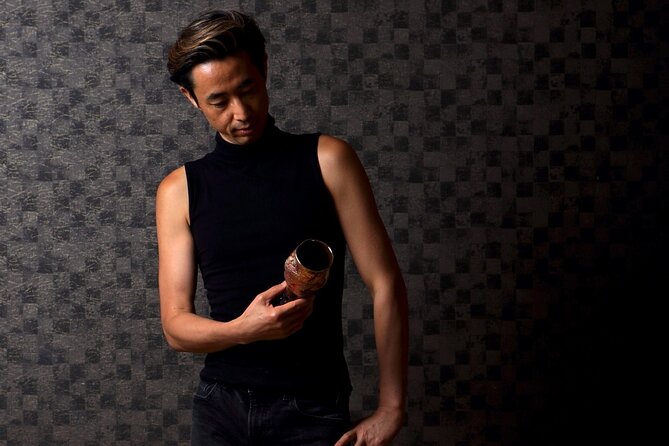
Master Taku Nakano is a ceramic artist who runs the studio. His approach centers on making an object more beautiful and more robust after it has broken. That idea gives the lesson a clear purpose: this is not simply painting gold over a crack. You are learning how repair can become part of a piece’s design.
The pottery used in the lesson is handmade by Master Taku. The pieces are prepared with a rustic lacquer treatment that gives them an aged, sabi feeling before you begin. You are not arriving with your own valuable family plate, and that is a relief for first-time students. The included plate gives you room to learn without worrying about ruining an irreplaceable object.
Instruction is available in English, and the teaching style is patient and easy to follow. One particularly useful detail is that the staff can give close help when you need it. Junko, who has assisted with the authentic class, is noted for explaining the process at a steady pace. That matters because kintsugi rewards care more than speed.
Option A: the full natural lacquer and gold repair
Option A is the most traditional choice. It takes about 110 minutes and uses real natural urushi lacquer with pure gold powder.
You’ll work through the repair under guidance rather than simply watching a demonstration. The process asks you to pay attention to lines, edges, and the amount of material being applied. A neat result depends on restraint. Too much gold can overwhelm the pottery, while a lighter line lets the original form remain visible.
The natural lacquer gives this option its strongest connection to traditional kintsugi. It is also the best choice if you want the most complete introduction to the craft and its ideas. You get more time with the material, more time to understand the method, and a finished piece with a warm, classic appearance.
At the same time, do not expect a museum-level restoration in less than two hours. This is a hands-on introduction, not professional conservation training. The value comes from learning the basic technique and making a personal object, not from producing a flawless antique repair.
The plate is yours to take home on the day. That makes Option A a strong choice for anyone who wants a meaningful souvenir rather than a decorative trinket.
Option B: black pottery with a sharper style
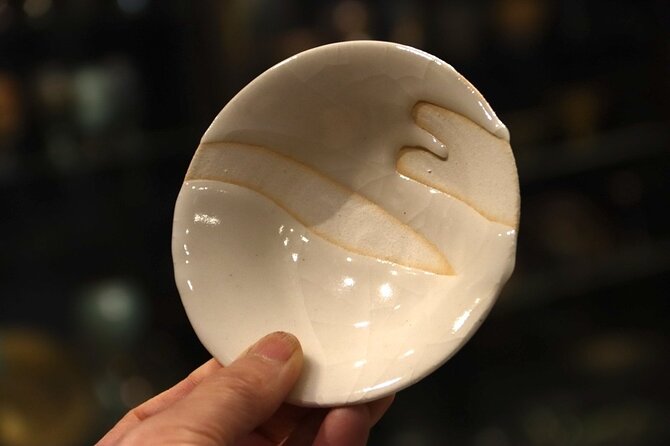
Option B, called Black and Gold Shikkokurai, takes about 90 minutes. The method is similar to Option A, but you repair a black plate with gold.
This choice has a cooler, more graphic look. Gold lines against black pottery create a strong contrast, so the finished object may feel more modern and polished than the rustic appearance of the natural option. If you prefer simple colors and bold design, this may be the right match.
The shorter session can also work well if you are fitting the class between other plans. You still get the central kintsugi process and take home the plate, but you spend less time at the table than with Option A.
I would choose this option for someone who likes contemporary ceramics or wants an object that fits easily into a modern home. It is less about soft, aged character and more about the visual impact of the repair.
Option C: trying decorative yobitsugi
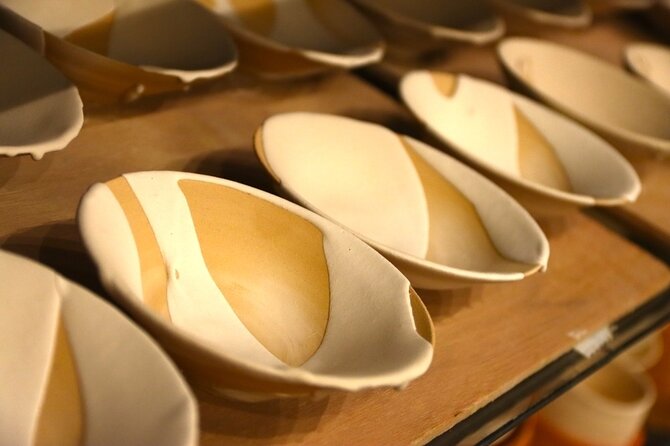
Option C introduces yobitsugi, described as the highest technique among the available kintsugi methods. It takes about 90 minutes and involves attaching different decorations and materials to missing parts.
This is the most playful option. Instead of treating a missing section as a problem to be concealed, you fill or frame it with a contrasting element. The result can feel more sculptural and distinctive than a straightforward gold crack repair.
Because the session is shorter, the instruction is likely focused on giving you an accessible taste of the method rather than a long technical study. Still, it offers a useful way to see how Japanese repair traditions can move beyond simple restoration.
Choose yobitsugi if the idea of adding material to a missing area interests you more than tracing a clean gold line. It is also a good fit if you want your souvenir to look especially unusual.
A few more Tokyo tours and experiences worth a look





What the two hours are really like
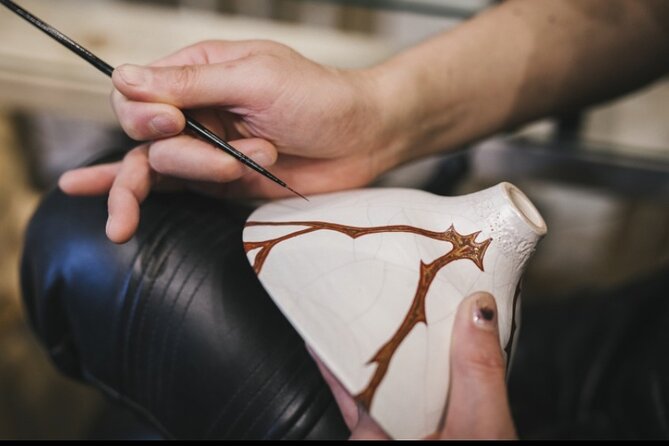
The class begins with an introduction to kintsugi and the ideas connected with wabi-sabi. This context matters. Without it, you might see only a cracked plate and a gold finish. With it, the repair becomes a lesson in accepting change and giving an object a second life.
Next comes the practical work. You receive a prepared handmade plate, along with the equipment and materials needed for the lesson. The instructor explains the steps clearly, then helps you as you work.
This is a craft class, so your attention needs to stay on the task. You are not walking around Tokyo, taking photographs, or listening to a long talk from a seat. You are making decisions with your hands. That focus is what makes the activity feel restful for many people, but it may not suit anyone looking for a passive cultural presentation.
The final stage is seeing the gold or decorative repair come together. Since you take the plate home the same day, there is no need to return later for collection. That is convenient for a short Tokyo visit.
The listed session lengths are 110 minutes for Option A and 90 minutes for Options B and C, while the overall experience is described as about two hours. I would reserve a little extra time around the appointment for finding the studio and getting settled.
What makes the authentic materials important
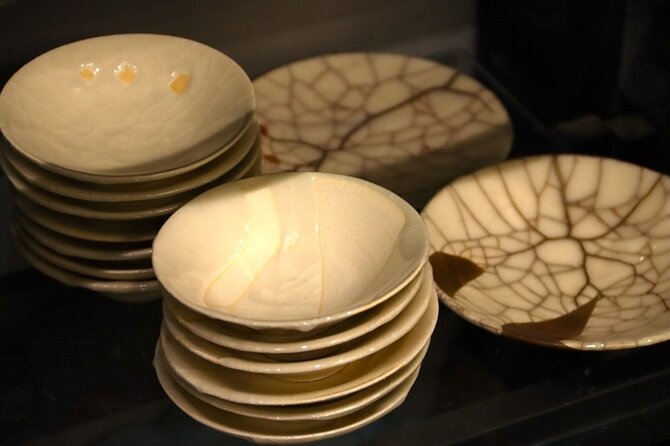
The word kintsugi is used loosely today. Some workshops rely on imitation gold or modern adhesives to create a similar appearance. This class uses real urushi lacquer and pure gold powder, which gives the lesson a stronger link to the traditional practice.
That authenticity affects both the feel and the meaning of the activity. You are not only copying the look of a gold crack. You are handling the materials associated with the craft and learning from a ceramic artist who makes the pottery himself.
The included plate also helps keep the experience practical. You do not need to shop for a broken object before arriving, and you do not risk bringing a fragile piece through airports or train stations. The studio has selected the pottery and prepared it for the lesson.
I would still keep your expectations realistic. A short workshop cannot cover every technical detail of professional kintsugi. You will gain an introduction and a finished object, not a complete apprenticeship. For most people visiting Tokyo, that is the right balance.
The value of $142.60
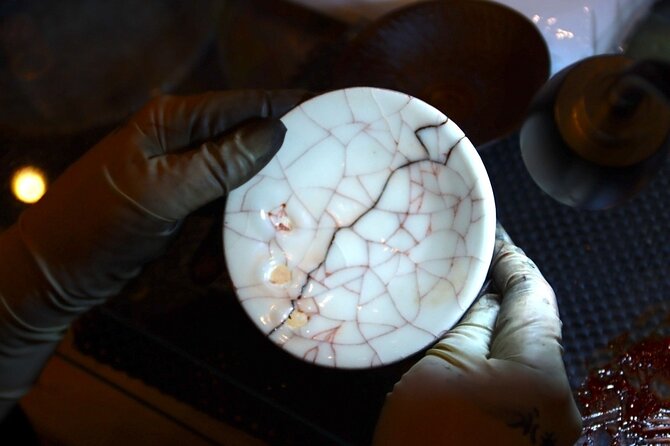
At $142.60 per person, this is not a cheap craft activity. You are paying more than you would for a basic souvenir-making session or a casual museum workshop.
The price makes more sense when you count what is included: the lesson, all equipment, the materials, the handmade plate, all taxes and fees, and the finished object to take home. You also receive instruction in a group capped at five people, which is a major difference from a large class.
The plate is not just an item purchased at the end. You have spent time shaping its final appearance. That gives the souvenir both practical and emotional value, especially if you are marking a birthday, anniversary, family trip, or personal milestone.
For a family, the cost can add up quickly. The experience may suit a parent and older child particularly well, as the activity encourages shared concentration and conversation. One mother and daughter found the class among the most meaningful parts of their Tokyo visit, which fits the workshop’s strengths.
Couples and solo visitors can also get plenty from it. A couple leaves with two separate objects made during the same session, while a solo participant gets direct guidance in a setting that is small enough to feel welcoming.
Who should book this experience
I would recommend it most strongly to:
- People who enjoy ceramics, design, or hands-on art
- Visitors who want an original Tokyo souvenir
- Couples, families, and small groups looking for a shared activity
- Anyone interested in Japanese ideas about imperfection and repair
- People who need a quiet break from sightseeing
- First-time kintsugi students who want close instruction
You do not need previous pottery experience. The class is designed for beginners, and the instruction is paced so you can complete a project within the allotted time.
This may not be the best use of your day if you want a broad cultural tour, a cooking lesson, or a fast activity with lots of movement. It also requires enough patience to work carefully. If you rush, the craft loses much of its appeal.
The workshop is near public transportation, and most people can participate. Specific accessibility details are not provided, so anyone with particular mobility or sensory needs should confirm arrangements before booking.
Practical advice for getting there and getting the most from it
Give yourself extra time to locate TNCA Minami-Aoyama Studio. One participant arrived late after getting lost, and Master Taku remained welcoming, but you should not count on having spare minutes in a tightly scheduled class.
Wear something you can work comfortably in and keep your plans before and after reasonably flexible. Food and drinks are not included, and the workshop itself ends back at the starting point.
Choose your repair style before the lesson if you can. Option A gives you the fullest traditional experience. Option B suits a clean black-and-gold look. Option C is the choice for decorative additions and missing sections.
Do not book this as a last-minute gamble. Confirmation is sent within 48 hours, subject to availability, and the reservation cannot be refunded or changed for any reason. If the minimum number of participants is not met and the operator cancels, you are offered another date or experience, or a full refund.
Final decision: is this Tokyo workshop worth it?
I would book this experience if you want to make something personal and have a genuine interest in Japanese craft. The small class, calm instruction, authentic materials, and same-day souvenir give it more substance than a standard make-and-take activity.
The price is high, and the strict cancellation terms deserve attention. But for the right person, the value is not only the plate. It is the chance to slow down, learn from Master Taku’s studio, and leave Tokyo with an object whose imperfections belong to you.
Choose Option A for the fullest traditional lesson. Pick Option B for a sleek black-and-gold design, or Option C for a more decorative repair. If any of those sounds better than another hour of shopping, book it and allow extra time to find the studio.
FAQ
Where does the kintsugi workshop take place?
The workshop takes place at TNCA Minami-Aoyama Studio, 3-chōme-8-2 Minamiaoyama, Minato City, Tokyo 107-0062, Japan. The activity ends at the same meeting point.
How long does the experience last?
The overall experience lasts about two hours. Option A takes about 110 minutes, while Options B and C take about 90 minutes.
What materials are used?
The workshop uses real natural urushi lacquer and pure gold powder. The pottery is handmade by Master Taku and prepared for the lesson.
Do I get to take the finished plate home?
Yes. The plate used during the lesson is included, and you can take it home on the same day.
How many people can join the class?
The activity has a maximum of five participants, allowing for personal help from Master Taku or an assistant.
Can I cancel or change my booking?
No. This experience is non-refundable and cannot be changed for any reason. If the operator cancels because the minimum number of participants is not met, you are offered another date or experience, or a full refund.
More Workshops & Classes in Tokyo
More Craft Workshops in Tokyo

More tours in Tokyo we've reviewed











Craft Workshops, compared.
 ★ 5.0Tokyo Shinjuku Chopsticks Making ClassFrom $20
 ★ 4.8Chopstick Making Workshop in GinzaFrom $251 hour
 ★ 5.0Kintsugi Experience: Art of Golden Joinery in TokyoFrom $59
 ★ 5.0Tokyo Chopstick Making Workshop with ArtisanFrom $26
Tokyo: Shinjuku Chopstick Making ClassFrom $121 hour
Tokyo: Chopstick-Making WorkshopFrom $61 hour
★ 5.0Tokyo Chopstick Making Workshop with ArtisanFrom $26
Tokyo: Shinjuku Chopstick Making ClassFrom $121 hour
Tokyo: Chopstick-Making WorkshopFrom $61 hour