
Reviewed · CRAFT WORKSHOPS
Tokyo Chopstick Making Workshop with Artisan
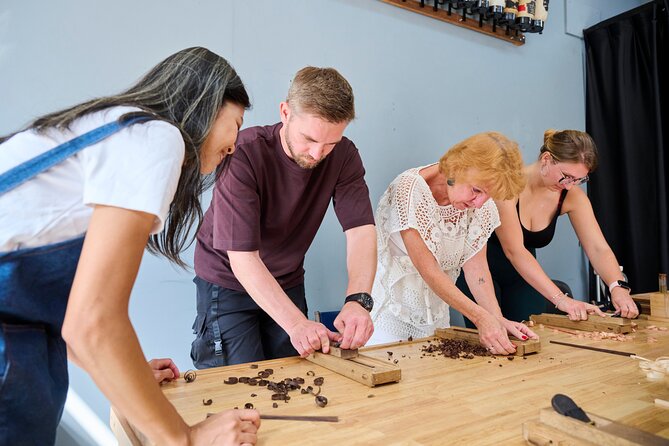
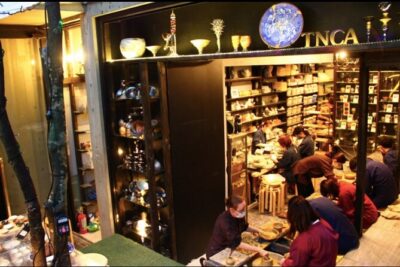
The best part of this Tokyo workshop is that you do not simply buy a souvenir, you make one yourself. At a small craft space in Taito City, you shape a pair of wooden chopsticks with hand tools, smooth them, and leave with something useful in your luggage. I like the practical result and the chance to work beside local artisans rather than watch a polished demonstration. I also like that the one-hour format fits neatly between sightseeing stops.
The main consideration is that the advertised price covers the basic experience, while nicer woods and engraving cost extra. The work can also be more physical than expected. Planing wood takes effort, and some people need closer to two hours, especially when choosing a harder wood.
In This Review
- Key points before you book
- What you actually make in the Taito workshop
- Why making chopsticks feels more meaningful than buying them
- A closer look at the one-hour schedule
- The small group works in your favor
- The finished chopsticks and optional engraving
- Is $26.53 a fair price?
- Where it fits into a Tokyo itinerary
- What can make the experience harder
- Who should book this workshop?
- Booking details worth knowing
- Should you book the Tokyo chopstick workshop?
- FAQ
- How long does the chopstick-making workshop last?
- Where does the workshop begin?
- Where does the activity end?
- How much does the workshop cost?
- Is the workshop suitable for beginners?
- Can children take part?
- Can I personalize the chopsticks?
- Is the workshop near public transportation?
- What is the cancellation policy?
Key points before you book
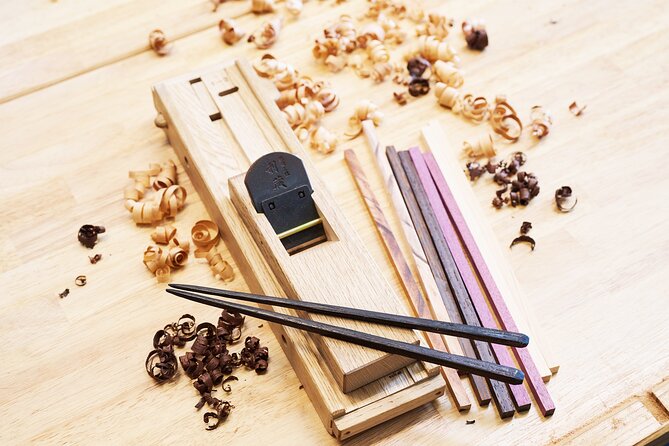
- Make and use your own souvenir: You shape, smooth, and finish a personalized pair of wooden chopsticks.
- Small workshop setting: The maximum group size is 10, so you can get hands-on help when needed.
- Traditional tools and techniques: The activity focuses on working the wood by hand, not simply decorating a finished item.
- Optional upgrades: More expensive woods and engraving are available for an additional fee.
- Good for children and beginners: The workshop suits first-time crafters, families, couples, and solo visitors.
- Convenient Tokyo location: It begins and ends at 1-chōme-7-1 Misuji, Taito City, near public transportation.
What you actually make in the Taito workshop
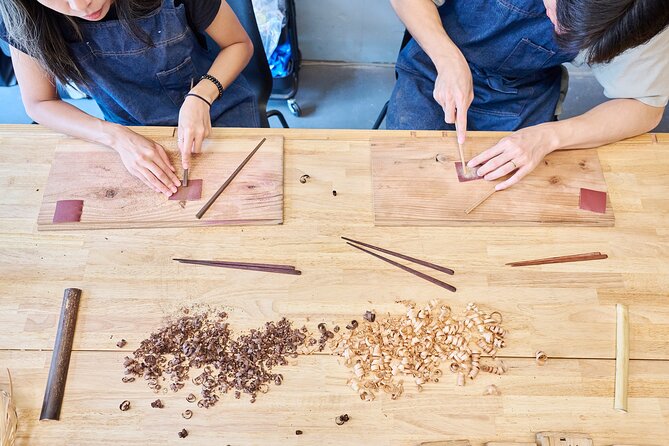
This is a simple idea with a satisfying payoff. You arrive at the craft workshop, choose a piece of wood, and turn it into a usable pair of chopsticks under an artisan’s direction.
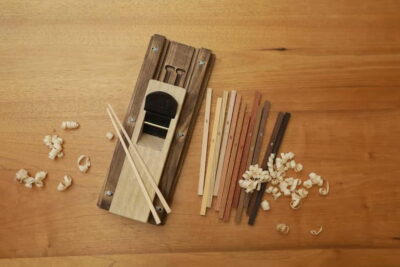
The process involves shaping the wood, smoothing its surface, and refining the ends. You use traditional tools rather than simply selecting a pre-made pair and adding your name. That makes the finished chopsticks feel personal, even if your first cut is not perfectly straight.
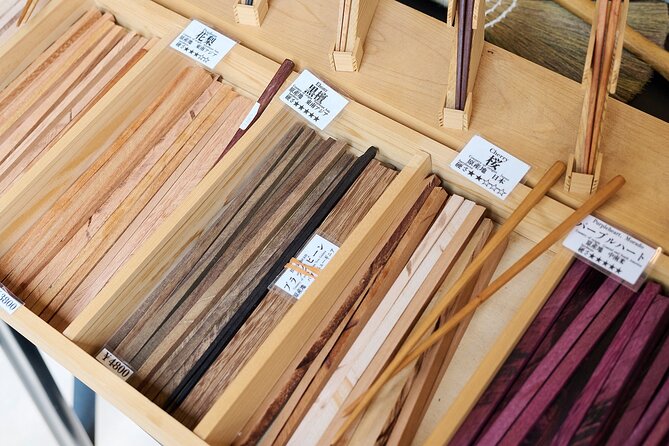
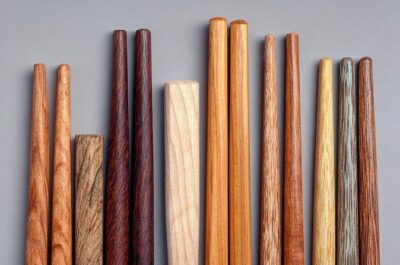
The exact wood you choose affects both the price and the difficulty. Basic wood is included in the advertised experience, while more attractive or premium varieties require an additional payment. If you have never planed wood before, I would choose an easier wood instead of picking solely by appearance. A harder piece may produce a handsome result, but it can turn a relaxed hour into a serious arm workout.
The workshop is designed for beginners, so you do not need previous woodworking experience. An artisan shows you what to do and helps with the steps that require more control. Staff members have been described as kind, patient, and encouraging, with Angie, Kaana, Rasmus, and Sakura among the guides associated with sessions.
A few more Tokyo tours and experiences worth a look

Why making chopsticks feels more meaningful than buying them
Chopsticks are an everyday item in Japan, but this workshop gives you a chance to think about how much care can go into an ordinary object. You learn about their cultural importance while working with the material itself.
That combination matters. A short talk about chopsticks can be interesting, but shaping the wood gives you a physical sense of Japanese craft. You feel the grain, notice how the surface changes, and see why balance and smoothness matter. The experience is modest in scale, yet it connects food, daily life, and handwork in a way a shop purchase cannot.
The cultural explanation may be shorter than some people expect. One participant wanted more detail about the history of chopstick-making, so this is not a long cultural lecture or museum-style presentation. Think of the background information as part of a practical craft lesson, not the main event.
I like that balance. You spend most of the time doing something with your hands, and the cultural context helps explain why the object matters.
A closer look at the one-hour schedule
The stated duration is about one hour, which makes this easy to fit into a Tokyo day. You could place it between visits in Taito City or use it as a change of pace after temples, museums, and shopping.
The first stage is selecting your wood. This is more important than it sounds because the choice affects the cost and the amount of effort required. Ask about the wood before committing to a premium option, especially if you are working with children or have limited time.
Next comes the main shaping work. You remove small amounts of wood and gradually form the chopsticks. This is where the activity feels most hands-on. You are not expected to finish by guesswork, and the staff can demonstrate the correct motion and help you avoid taking off too much material.
After shaping, you smooth the surface and refine the form. This stage requires patience. A pair may look nearly finished, yet still need work around the ends or along the shaft. Do not rush because the last smoothing steps make the difference between a rough souvenir and chopsticks you will actually want to use.
Some sessions take longer than the advertised hour. One person needed about two hours and did not feel hurried. That flexibility is useful, but you should avoid booking a tight appointment immediately afterward. The basic description says approximately one hour, not a guaranteed sixty-minute finish.
The small group works in your favor
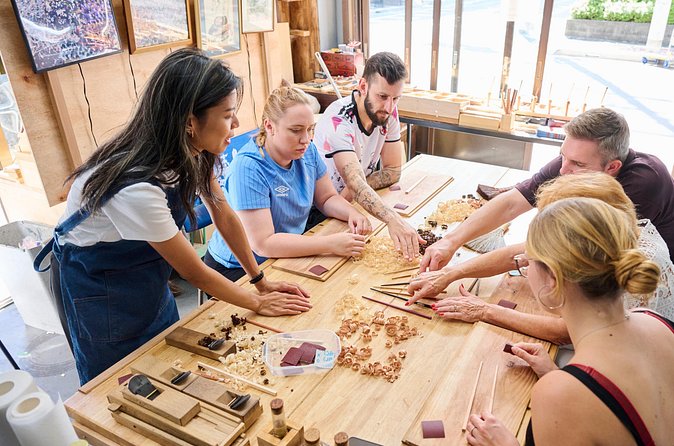
The workshop has a maximum of 10 people. That is a sensible size for a hands-on craft lesson because you need room for tools, wood, and individual help.
A small group also makes the activity work well for children. A family with children aged 10 and 12 found the timing manageable, and the guide, Kaana, helped make the process accessible. Younger children may need close supervision, but the supplied information says most people can participate.
You can also come alone without feeling as if you are joining a large class. The format suits solo visitors who want a quiet activity, as well as friends and families who prefer making something together.
The workshop may not feel like a formal guided tour. It is a working craft space, and the focus is on making your chopsticks. If you expect a structured presentation with a long introduction, you may find it more hands-on and informal than expected. For me, that is part of its charm, but it is worth knowing before you book.
The finished chopsticks and optional engraving
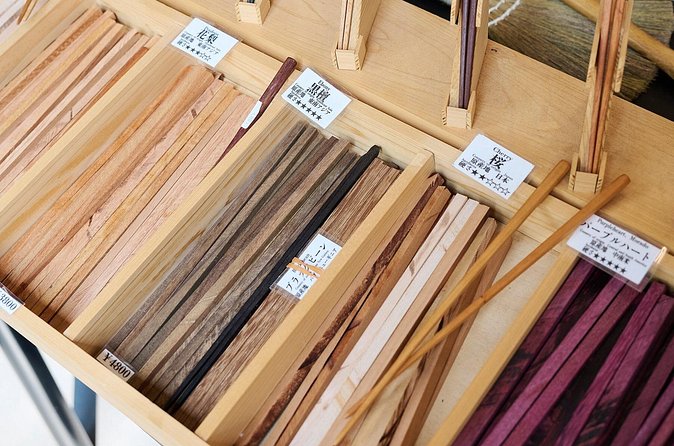
The payoff arrives at the end, when your pair is ready to take home. The chopsticks are wrapped beautifully, which helps protect them in your luggage and makes them suitable as a gift.
Optional engraving adds another personal touch. You can have the chopsticks engraved for an extra charge, turning a useful object into a keepsake with a name or other selected mark. The engraving is not included in the base price, so ask about the cost before adding it.
The finished product will reflect your own work. That is good news if you enjoy handmade objects with small signs of human effort. It may not look exactly like a factory-perfect pair, and that is the point. You leave with a story attached to it.
The chopsticks are also practical. Several people liked that they were not just decorative souvenirs. You can use them at home, give them to someone else, or keep them as a reminder of your time in Tokyo.
A few more Tokyo tours and experiences worth a look



Is $26.53 a fair price?
At $26.53 per person, the base price is reasonable for a short, hands-on activity that includes the materials and a finished souvenir. You are paying for instruction, workshop time, tools, and the chance to make the object yourself, not just for a pair of chopsticks from a shop shelf.
The value depends on what you want from your Tokyo sightseeing. If you want the lowest possible price for chopsticks, buying a pair will cost less. One person also reported that walk-ins were welcome and paid less than the advance booking price. That makes it sensible to check the current walk-in and direct prices before paying for a reservation.
Booking still has value if you want a confirmed place, particularly during a busy trip or if you are arranging the activity for a family. The group limit is 10, and a reserved spot removes some uncertainty. Compare the price carefully, since upgrades for premium wood and engraving are additional.
I would call the base price good value for anyone who enjoys making things. It is less compelling for someone who wants a fully guided cultural tour or simply needs an inexpensive souvenir.
Where it fits into a Tokyo itinerary
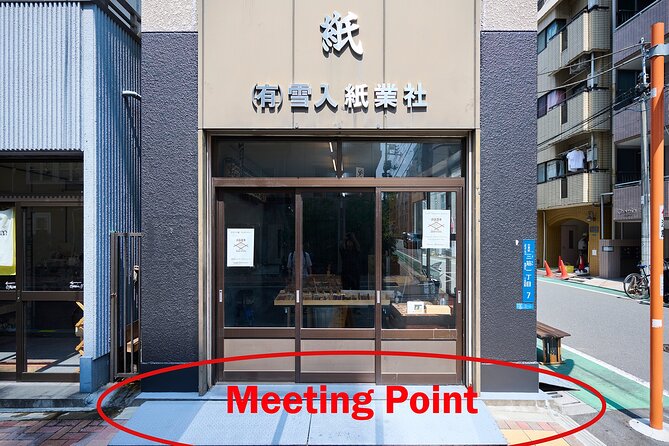
The meeting point is 1-chōme-7-1 Misuji, Taito City, Tokyo 111-0055. The workshop is near public transportation, and the activity ends at the same place where it begins.
The location puts you in one of Tokyo’s craft-oriented neighborhoods rather than in a purpose-built attraction. That setting adds context to the experience. You are not only making chopsticks, you are spending time in an area associated with traditional work and small-scale craftsmanship.
One person noted that the workshop was walkable from the Ryogoku Kokugikan. That can make it a useful addition to a day around Ryogoku, though the supplied details do not give a precise walking time. Check your route before setting out, and leave extra time to find the exact address.
Because the workshop lasts about an hour, it works well as a rainy-day plan or as a break from outdoor sightseeing. One booking was made when the forecast looked poor, and the chopstick class paired well with a sushi-making class later in the trip. You can also use it as a calmer activity after a packed morning.
What can make the experience harder
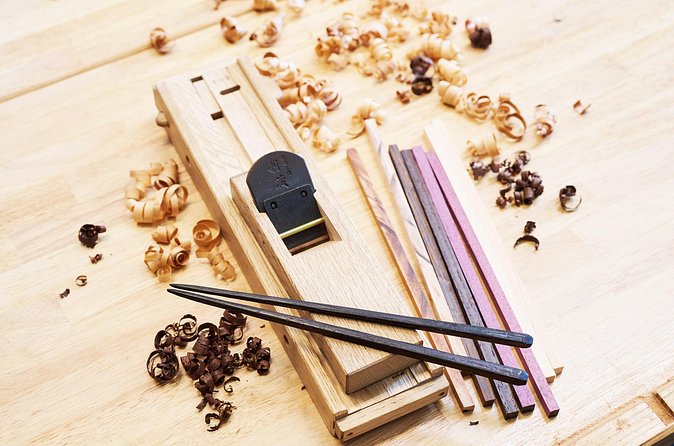
The physical work is the main surprise. Planing wood involves repeated movement, and people who are not used to it may feel it in their arms. That is not a safety warning so much as a useful expectation. You are taking part in a craft, not pressing a button and waiting for a souvenir.
Wood choice matters here. If you select an expensive or difficult wood because it looks attractive, you may spend more time and effort shaping it. Beginners should ask the artisan for advice and consider choosing an easier option for their first pair.
Time is another variable. The stated duration is approximately one hour, but some sessions take closer to two hours. The staff may not rush you, which is pleasant during the workshop but important when planning your next reservation.
The cultural content is also fairly light. You learn about the role of chopsticks in Japan, but the craft lesson remains the focus. If you want a detailed history of Japanese woodworking, this will not replace a museum visit or a longer specialist class.
Who should book this workshop?
I would recommend it to people who like useful souvenirs, hands-on activities, and small local workshops. It is particularly good for families with school-age children, couples looking for a shared activity, and solo visitors who want something different from the usual sightseeing circuit.
It also suits anyone building a bad-weather backup plan. The compact format does not take up a full day, and you leave with a finished item rather than only photographs.
You may want to skip it if your Tokyo schedule is packed tightly or if you dislike repetitive handwork. It is also not the best choice if your main goal is a long lesson about Japanese culture. The strongest reason to book is the making itself.
Guides such as Angie and Kaana have been praised for being welcoming and helpful, while Rasmus and Sakura have also led sessions. The quality of the experience depends partly on the guidance you receive, but the small group size gives you a fair chance to get help when you need it.
Booking details worth knowing
Confirmation is provided when you book, and mobile tickets are accepted. The activity begins and ends at the listed Misuji meeting point, so you do not need to arrange a separate return transfer.
Free cancellation is available if you cancel at least 24 hours before the local start time. Cancellations or changes made less than 24 hours before the start are not refunded or accepted.
The experience is recommended by 99 percent of participants and has a rating of 5 from 466 ratings. Those numbers suggest that the activity delivers what it promises, but the practical caveats remain: premium wood costs extra, engraving costs extra, and the work may take longer than one hour.
Should you book the Tokyo chopstick workshop?
Book it if you want a personal souvenir and enjoy the satisfaction of making something with your own hands. At $26.53, the basic experience offers a fair mix of instruction, cultural context, and a finished item you can use. The small group, patient staff, and child-friendly format add to its appeal.
Before booking, check the wood prices, engraving fee, and possible walk-in rate. Choose an easier wood if you are new to planing, and leave more than an hour before your next fixed appointment.
For a quick, practical taste of Japanese craftsmanship, this is a smart choice. It is not a full history lesson, and it is not the cheapest way to buy chopsticks. It is better than that for the right person: you take home a pair made by you, with a story that lasts longer than a standard souvenir.
FAQ
How long does the chopstick-making workshop last?
The stated duration is approximately one hour. Some people may take closer to two hours to complete the chopsticks, so avoid scheduling a tight appointment afterward.
Where does the workshop begin?
The meeting point is 1-chōme-7-1 Misuji, Taito City, Tokyo 111-0055, Japan.
Where does the activity end?
The workshop ends back at the same meeting point.
How much does the workshop cost?
The listed price is $26.53 per person. More expensive wood and engraving may require additional payment.
Is the workshop suitable for beginners?
Yes. The activity is designed for beginners, and most people can participate. An artisan guides you through shaping, smoothing, and finishing the wood.
Can children take part?
The activity is suitable for families, and children aged 10 and 12 have successfully enjoyed it. The supplied information does not state a minimum age.
Can I personalize the chopsticks?
Yes. Optional engraving is available for an extra cost, and the finished chopsticks are wrapped for you to take home.
Is the workshop near public transportation?
Yes. The meeting point is near public transportation.
What is the cancellation policy?
You can cancel for a full refund up to 24 hours before the experience start time. Cancellations or changes made less than 24 hours before the local start time are not accepted for a refund.
More Workshops & Classes in Tokyo
More Craft Workshops in Tokyo

More tours in Tokyo we've reviewed







Craft Workshops, compared.
 ★ 5.0Tokyo Shinjuku Chopsticks Making ClassFrom $20
 ★ 4.8Chopstick Making Workshop in GinzaFrom $251 hour
 ★ 5.0Kintsugi Experience: Art of Golden Joinery in TokyoFrom $59
Tokyo: Shinjuku Chopstick Making ClassFrom $121 hour
Tokyo: Chopstick-Making WorkshopFrom $61 hour
★ 5.0Kintsugi Experience: Art of Golden Joinery in TokyoFrom $59
Tokyo: Shinjuku Chopstick Making ClassFrom $121 hour
Tokyo: Chopstick-Making WorkshopFrom $61 hour
 ★ 5.0Authentic Pure Gold Kintsugi Workshop with Master Taku in TokyoFrom $142