
Reviewed · CRAFT WORKSHOPS
Kintsugi Experience: Art of Golden Joinery in Tokyo
Kintsugi turns a cracked ceramic plate into a small work of art, with its breaks traced in gold rather than hidden. I like that this Tokyo workshop teaches both the technique and the Japanese idea behind it: an object’s damage becomes part of its story. I also like the practical payoff, since you take home the plate you repair while wearing a traditional samue craft garment.
The class is short, friendly, and designed for beginners, but you need to arrive at the right studio and date. The cancellation policy is strict, and the small Minami-Aoyama atelier can be difficult to find if you arrive at the last minute. Children under six cannot enter for safety reasons.
In This Review
- Key points for deciding quickly
- What kintsugi means beyond the gold lines
- A one-hour class in Minami-Aoyama
- Your supplied plate and the hands-on repair
- Why the small studio setting works
- The 11:00 a.m. session and Master Taku
- The plate you take home
- What the $59.69 price includes
- Getting the most from your booking
- Who will enjoy this Tokyo workshop
- Should you book the Kintsugi Experience?
- FAQ
- How long does the kintsugi experience last?
- Where does the experience begin and end?
- What do I repair during the lesson?
- Can I take the repaired plate home?
- Are tools and materials included?
- Is the class taught in English?
- Can children join the experience?
- Can I cancel or change my booking?
Key points for deciding quickly
- Repair a supplied ceramic plate: You do not bring a personal item, so the studio can keep the class moving and give everyone a suitable piece to work on.
- Meet Master Taku in the 11:00 a.m. class: His presence is specifically noted for that session, with staff assisting during the hands-on work.
- Learn the idea behind the gold: The lesson covers kintsugi’s cultural and philosophical side, including the related concept of wabi-sabi.
- Wear a samue: The traditional work garment makes the session feel like a craft lesson, not just a quick souvenir activity.
- Take home your finished plate: The class supplies the ceramic piece, tools, and other necessary equipment.
- Plan carefully: The experience lasts about one hour, begins at TNCA Minami-Aoyama Studio, and cannot be refunded or changed after booking.
What kintsugi means beyond the gold lines

Kintsugi is often presented as the art of repairing broken pottery with gold. That is true, but it misses the point if you see the process only as decoration.
The idea is that breakage and repair form part of an object’s life. Instead of treating a damaged plate as worthless, kintsugi gives the repair visible importance. The golden joins do not pretend the break never happened. They make it part of the design.
That makes this a thoughtful activity during a Tokyo visit. You spend an hour doing something slow and precise, then leave with a small object that carries a clear memory of your time in Japan. The plate is not a valuable antique, and your first attempt will not look like museum-quality work. That is part of the charm. You are learning the basic process, not training as a professional ceramic restorer.
The workshop also introduces Japanese aesthetics and wabi-sabi, the appreciation of imperfection and change. You do not need prior knowledge of Japanese art or any skill with pottery. The instructions are made for first-timers, and the supplied plate gives you a manageable place to begin.
A few more Tokyo tours and experiences worth a look


A one-hour class in Minami-Aoyama
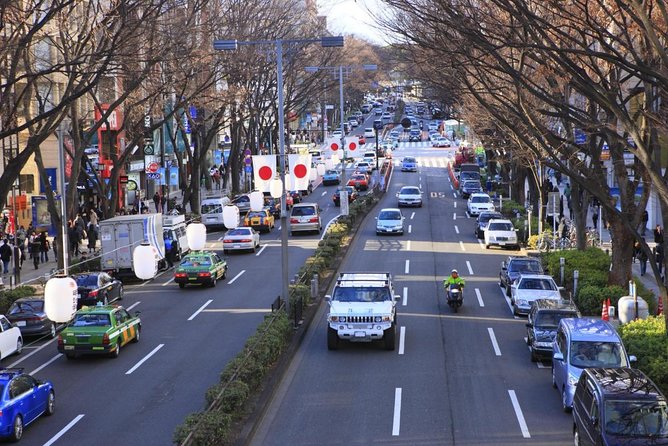
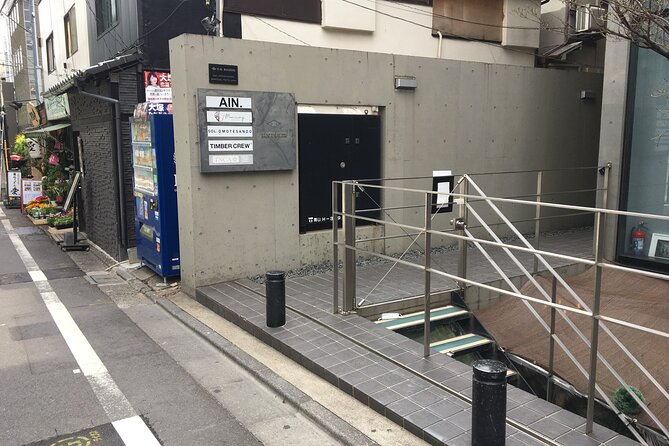
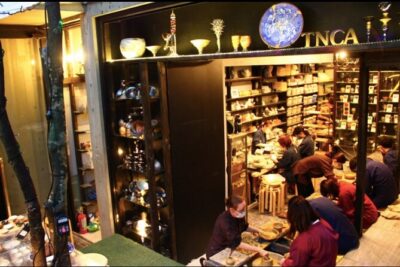
You make your own way to TNCA Minami-Aoyama Studio at 3-chōme-8-2 Minamiaoyama, in Minato City. The listed stop is Omotesando, and the studio is near public transportation, but one useful warning is repeated in the practical feedback: allow time to find the entrance.
This is not the sort of activity where arriving six minutes before the start is a good plan. The studio may be easy to reach by metro, yet the final approach can still slow you down. I would aim to be in the Minami-Aoyama area early, then use the extra minutes to locate the atelier without rushing.
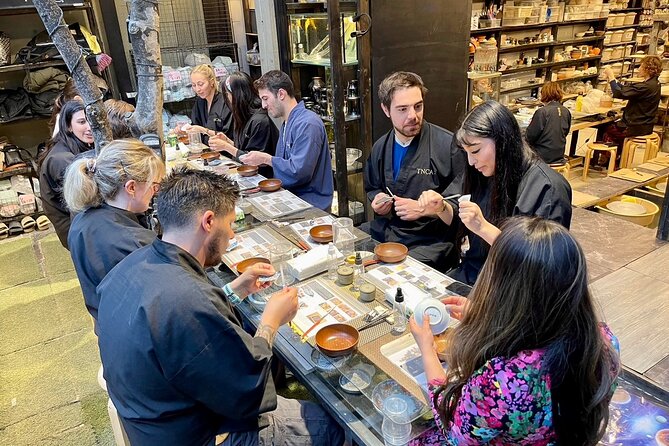
At the studio, you meet the instructor and the rest of the class. The activity is described as a capped group, with the class portion limited to no more than 10 people. The general activity information gives a maximum of 20, so the exact group size may depend on the session or booking arrangement. Either way, this is not designed as a large sightseeing crowd, and the hands-on format allows staff to look at each person’s work.
You put on a samue, a traditional garment associated with Japanese craftspeople. It is a small touch, but a useful one. It sets the tone and helps separate the workshop from the rest of your sightseeing day.
Your supplied plate and the hands-on repair
The studio provides a ceramic plate for the lesson. Personal pottery is not allowed, so do not pack a favorite broken cup expecting to restore it here.
This rule makes sense for a short beginner class. A personal object could have a difficult shape, sentimental value, or damage that needs more time than the session allows. With studio plates, the instructor can demonstrate a clear process and keep the class at a similar level.
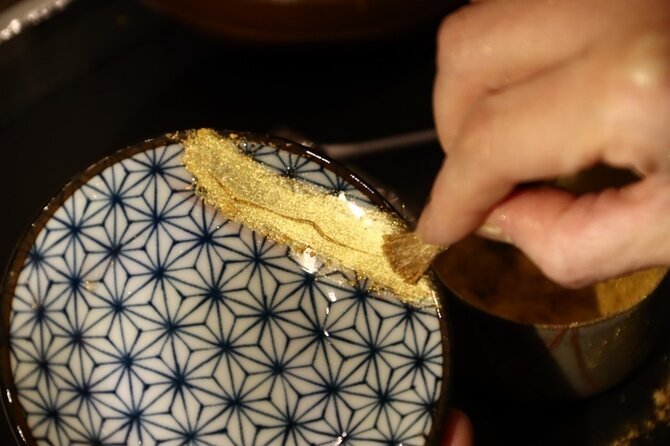
The lesson covers the basic steps of kintsugi using lacquer mixed with gold. Your teacher explains the process, then guides you as you work on your own plate. The class includes all necessary equipment, so you do not need to buy tools or materials before arriving.
The instruction is designed to be easy to follow. The teaching includes clear demonstrations, and one class used video examples along with spoken directions. English-speaking visitors should be comfortable, since the instructor is described as Japanese and able to teach in very good English. The staff also provide individual help when needed.
That personal attention matters. Kintsugi involves careful handling and a steady hand, but the point is not to test your artistic ability. The instructor helps without taking over. You can expect encouragement, guidance, and a chance to make your own choices about the finished appearance.
Why the small studio setting works
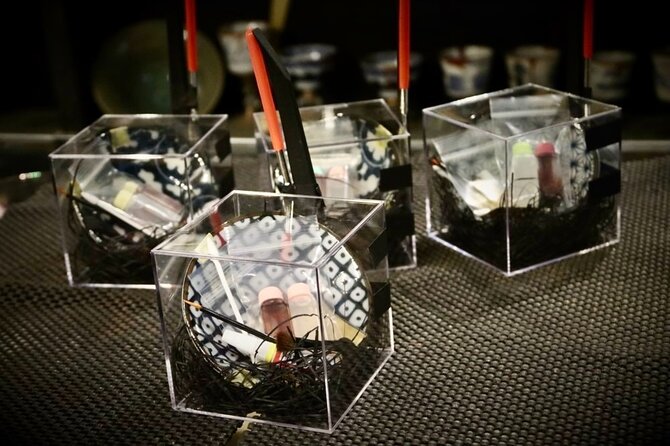
The atelier is described as small, intimate, and interesting. That setting suits the subject. Kintsugi is not a loud or fast activity, and a compact room keeps your attention on the plate, the tools, and the explanation.
A smaller class also gives the instructor time to look at each piece. This is especially useful if you are unsure about how much lacquer or gold to apply. Beginners can ask questions as they go rather than waiting until the end.
There is one possible tradeoff. A small studio can feel close and focused, but it may also feel crowded if the session reaches its stated capacity. The activity information gives two different maximum group figures, so check the booking details for your date if group size matters to you.
The teaching style appears warm and patient, but punctuality is important. One poor experience came from arriving just before the lesson and not receiving a prompt welcome from the instructor. The assistant eventually helped, but the first impression was disappointing. Other accounts describe the teacher as kind, funny, encouraging, and attentive. The practical lesson is simple: arrive early enough to get settled before the class begins.
The 11:00 a.m. session and Master Taku
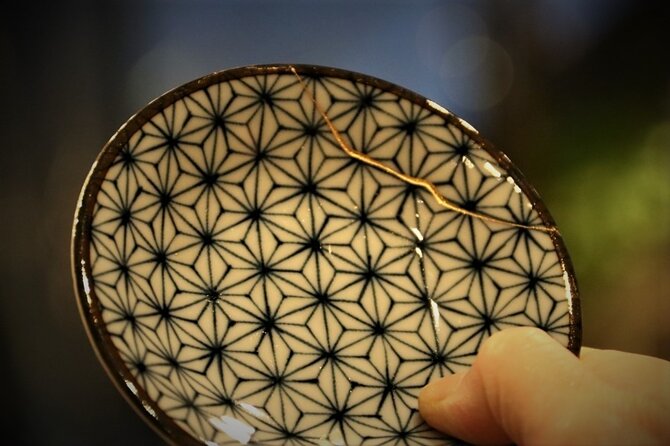
The 11:00 a.m. class offers the chance to meet Master Taku, identified as the owner and master artisan of the atelier. His availability may be tied to that class, so do not assume he will lead every session at every time.
That detail may matter if you want more than a basic craft demonstration. The workshop gives you an introduction to kintsugi, while Master Taku’s presence adds a direct connection to the person behind the studio and its teaching. Staff also help with the practical instruction, so the experience does not depend on one person assisting everyone at once.
The class is short enough to fit neatly into a day around Omotesando and Minami-Aoyama. You can schedule it in the morning and continue sightseeing afterward, with the activity ending back at the meeting point.
Food and drinks are not included. That is not a major issue for a one-hour class, but it is worth remembering when planning your morning. Hotel pickup and drop-off are not provided either. You make your own way to the studio and return to the same location at the end.




The plate you take home
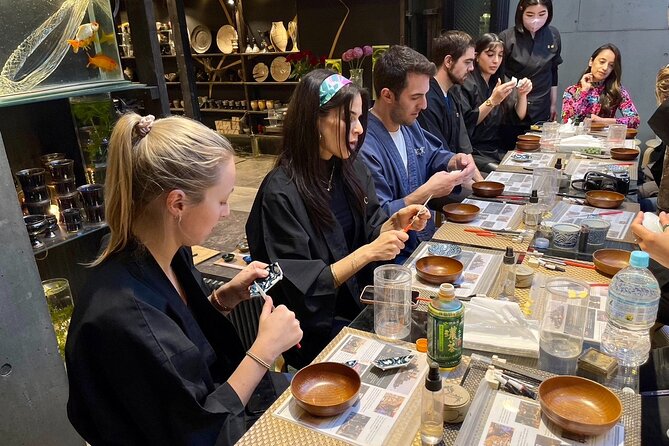
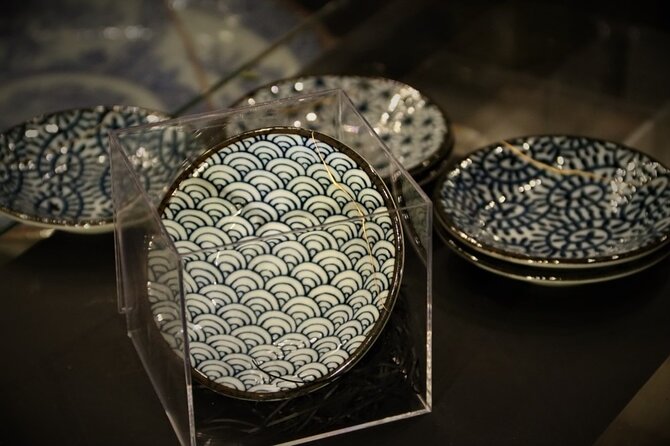
The finished plate is the strongest practical reason to book this activity. The studio supplies it, and you take it home after the lesson. It gives you a physical reminder of Tokyo that is more personal than a standard shop purchase.
The finished result will vary. Some people produce neat, restrained golden lines. Others create a more obvious pattern. Since the plate is made during a first lesson, expect a handmade souvenir rather than a perfect professional object.
The studio takes care with packing for the journey home, which is especially helpful with ceramic pieces. Still, you should handle the plate thoughtfully once you leave. The activity does not state that the plate is ready for everyday food service, so treat it primarily as a decorative souvenir unless the instructor gives you different care instructions.
I like this format because the souvenir is tied to an action you performed yourself. You are not simply buying a kintsugi-style plate in a Tokyo shop. You learn the basic method, hear the ideas behind it, and carry home the result of your own work.
What the $59.69 price includes
At $59.69 per person, the price is reasonable if you want a guided cultural activity with materials included. You receive the lesson, the ceramic plate, equipment, taxes, fees, and the finished piece to take home.
The value is strongest for people who want an activity rather than another observation point. Tokyo offers endless places to look at Japanese design, but this class lets you make something connected to that tradition. The hour is also easy to fit into a packed visit.
It is less compelling if you are mainly interested in advanced restoration. The lesson is an introduction, not a long professional course. You work on one studio-provided plate, and the experience ends after roughly an hour.
Group discounts may be available, which could help if you are booking with family or friends. Children under six cannot enter the atelier because of safety rules. Older children may be able to participate, but the supplied information only confirms the restriction for those under six, so check the booking conditions for younger participants.
Getting the most from your booking
Book only after checking the date and time carefully. The experience is non-refundable and cannot be amended for any reason. An accidental date mistake led to one particularly costly problem, with the person paying for the activity twice after the change request was refused.
You should also allow more time than the class duration suggests. The workshop itself lasts about one hour, but finding the studio, arriving, checking in, and getting ready all take part of your schedule. Use public transportation and plan to reach Minami-Aoyama early.
Wear clothing you can comfortably work in, though the studio provides a samue. The activity includes all equipment, so there is no need to bring craft supplies. Personal ceramics are not accepted.
If the class is canceled because the minimum number of participants is not reached, you are offered another date or experience, or a full refund. That is different from canceling on your own, which is not refundable.
Who will enjoy this Tokyo workshop
I would recommend this to you if you enjoy creative activities, Japanese craft, or souvenirs with a story. It suits couples, friends, parents with older children, and solo visitors who like a focused hour away from the usual sightseeing route.
It is also a good pick if you do not think of yourself as artistic. The activity is structured for beginners, with demonstrations and help at each stage. Several details point to a calm, rewarding class rather than a test of talent.
You may want to skip it if your schedule is so tight that you cannot arrive early, or if you need a flexible reservation. The strict cancellation policy leaves little room for a change of plans. It is also not the right choice if you want to repair a treasured personal object.
The overall rating is 4.9 from 467 ratings, with 98 percent recommending the activity. The strongest praise centers on the patient instruction, clear explanations, cultural background, and satisfying souvenir. The small number of poor experiences point mainly to arrival and service issues, not to the kintsugi activity itself.
Should you book the Kintsugi Experience?
Yes, if you want a hands-on Japanese activity that fits into one hour and gives you something to take home. The lesson offers more than a quick craft project because it explains why repaired damage can be valued rather than hidden.
Book it with care. Confirm the date, plan your route to TNCA Minami-Aoyama Studio, and arrive early. If you do that, this is a thoughtful choice for a Tokyo day, especially when you want to make a memory instead of simply purchasing one.
FAQ
How long does the kintsugi experience last?
The lesson lasts approximately one hour.
Where does the experience begin and end?
It begins at TNCA Minami-Aoyama Studio, 3-chōme-8-2 Minamiaoyama, Minato City, Tokyo 107-0062, Japan, and ends back at the same meeting point.
What do I repair during the lesson?
You repair a ceramic plate supplied by the studio. Personal items are not allowed.
Can I take the repaired plate home?
Yes. The plate used during the lesson is included and can be taken home afterward.
Are tools and materials included?
Yes. The lesson fee includes the necessary equipment, along with the supplied plate and all taxes, fees, and handling charges.
Is the class taught in English?
The instructor is Japanese and is described as speaking very good English. The experience is designed to be accessible to participants who do not speak Japanese.
Can children join the experience?
Children under six cannot enter the atelier because of the establishment’s safety rules.
Can I cancel or change my booking?
No. The experience is non-refundable and cannot be changed for any reason. If the provider cancels because the minimum number is not met, you are offered another date or experience, or a full refund.
More Craft Workshops in Tokyo

More tours in Tokyo we've reviewed









Craft Workshops, compared.
 ★ 5.0Tokyo Shinjuku Chopsticks Making ClassFrom $20
 ★ 4.8Chopstick Making Workshop in GinzaFrom $251 hour
 ★ 5.0Tokyo Chopstick Making Workshop with ArtisanFrom $26
Tokyo: Shinjuku Chopstick Making ClassFrom $121 hour
Tokyo: Chopstick-Making WorkshopFrom $61 hour
★ 5.0Tokyo Chopstick Making Workshop with ArtisanFrom $26
Tokyo: Shinjuku Chopstick Making ClassFrom $121 hour
Tokyo: Chopstick-Making WorkshopFrom $61 hour
 ★ 5.0Authentic Pure Gold Kintsugi Workshop with Master Taku in TokyoFrom $142