
Reviewed · SHINJUKU TOURS
Tokyo: Shinjuku Chopstick Making Class
Making chopsticks by hand is a fine way to slow down in Tokyo. In a small Shinjuku workshop, you use traditional tools to shape raw wood, smooth it, and leave with something you can actually use. It is a simple craft, but the finished pair carries more meaning than a shop-bought souvenir.
I like the calm, hands-on pace, and I like that the English-speaking instructors, including Koji, Masa, Mimi, and Yuki, guide you through each step without making beginners feel clumsy. The price is also hard to beat at $12 per person. The catch is that premium wood and engraving cost extra, and some people finish in about 30 minutes rather than using the full hour.
In This Review
- Key points
- A handmade pause in central Shinjuku
- Finding the workshop on the 10th floor
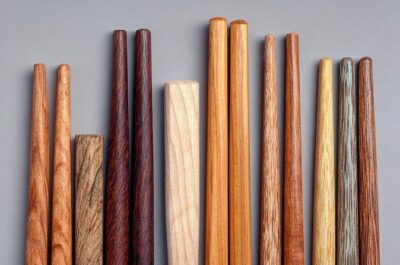
- Choosing the wood before you start
- Shaping the chopsticks with traditional tools
- Smoothing the surface and checking the pair
- Adding a name by laser engraving
- What the price really includes
- A good fit for families and solo visitors
- Practical planning for your Tokyo day
- The cultural value of an everyday object
- Should you book the Shinjuku chopstick class?
- FAQ
- How much does the chopstick-making class cost?
- How long does the workshop last?
- Where does the class meet?
- Is instruction available in English?
- What is included in the price?
- Can I choose a different type of wood?
- Is engraving included?
- Can children take part?
- Can I take the chopsticks home?
- Can I cancel the booking?
Key points
- Shape a useful souvenir: Carve and smooth your own pair of wooden chopsticks, then take them home in special wrapping.
- Two woods are included: You can choose between two included wood types, while other materials may cost extra.
- Patient English guidance: Instructors such as Koji, Masa, Mimi, and Yuki explain the process clearly and help when the wood does not cooperate.
- A quiet break in Shinjuku: The workshop offers a soothing change from shopping, neon, and crowded streets.
- Optional personal touch: Laser engraving is available for an additional 2,000 yen.
- Easy one-hour activity: The advertised duration is one hour, though some sessions may be completed in around 30 minutes.
A handmade pause in central Shinjuku
Shinjuku is famous for bright signs, packed train platforms, department stores, and late-night energy. This chopstick class gives you a very different hour. You step into a compact workshop on the 10th floor of the Shinjuku West Building and focus on a piece of natural wood instead of a phone or map.
That change of pace is the main appeal. You are not simply watching a demonstration or buying a pair of chopsticks from a shelf. You work the wood yourself, make small decisions about its shape, and see the result develop under your hands.
The class is built for beginners. You do not need woodworking experience, artistic talent, or any special knowledge of Japanese craft. The instructor explains the technique, shows you how to handle the tools, and steps in when you need help.
The room is described as small, with four working tables and seating for about 10 people at each table. That means the atmosphere can feel friendly and social, but it may also feel crowded at a busy time. If you prefer a silent, private craft lesson, this is probably not the right format.
A few more Tokyo tours and experiences worth a look

Finding the workshop on the 10th floor
The meeting point is the 10th floor of the Shinjuku West Building. Take the elevator rather than searching for a street-level shop. The building is near the post office and is identified by 617 Bar.
The listed coordinates are 35.6959774, 139.6984349. Save the building name and floor before you go. Shinjuku has plenty of large buildings with similar names, and a quick check of the map will make the arrival easier.
Once inside, the setting is practical rather than grand. Think of a working craft room with tables, tools, wood, and people concentrating on their projects. That is part of the charm. You are visiting a place made for making things, not a polished museum display.
The English-speaking staff matter here. Craft instructions can be hard to follow through gestures alone, especially when you are using a sharp tool or trying to create an even shape. The instructors are praised for clear explanations and patient help, with Koji, Masa, Mimi, Yuki, Shu, and others named for their friendly teaching.
Choosing the wood before you start
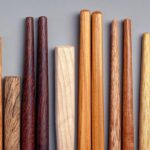
You get a choice of two wood types as part of the $12 price. This is a useful detail to understand before you arrive, since the wood is not just a color choice. Different pieces can vary in how easy they are to shave and shape.
One useful warning is to ask about the difficulty of each type before deciding. A harder or less cooperative piece may take more effort, especially if this is your first time using the tools. That challenge can be satisfying, but it can also turn a relaxing activity into a test of patience.
Additional wood types are available for an extra charge. The exact price is not provided, so ask before selecting an upgrade. The basic ticket already gives you enough choice to complete the project without paying more.
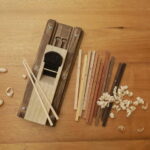
You work with natural, untreated wood. The shavings are sometimes available to take home, and you might use them for potpourri or scented bath materials. Check the rules of your home country before packing them, since untreated wood can be restricted at customs.
Shaping the chopsticks with traditional tools
The central part of the class is the carving. You learn to remove thin layers of wood and gradually bring the rough pieces toward the long, tapered form of chopsticks.
This is not a machine-made souvenir with your name added at the end. Your hands create the changes. You may shave too much in one area, find that the wood resists your tool, or need the instructor to show you a better angle.
That small amount of difficulty is important. It gives you a better sense of the care involved in an everyday Japanese object. Chopsticks look simple, but matching two pieces and keeping their form balanced takes attention.
The teaching style is supportive rather than strict. Instructors help correct mistakes and keep you moving. Yuki is noted for guiding participants when they made errors, while Mimi is praised for checking that everyone understood the directions. Koji is often singled out for being upbeat and patient.
You should still expect to do the work yourself. The instructor can demonstrate and assist, but the pleasure comes from seeing your own rough pieces become usable chopsticks.
Smoothing the surface and checking the pair
After the main shaping, you smooth the surface and refine the form. This is the stage where the chopsticks begin to feel finished rather than carved.
Take your time here. A smooth surface makes the pair more comfortable to hold, and careful attention helps the two chopsticks look like a set. You are not aiming for factory-perfect uniformity. Small differences are part of the handmade result.
The class has a soothing rhythm. Shaving wood, checking the shape, and smoothing the surface give you a task that is easy to understand but still requires focus. I would especially consider it after a busy day in Shinjuku, when you want something quieter than another shop or observation deck.
The advertised duration is one hour, but do not assume you will need every minute. One family completed the work in about 30 minutes, while other participants described the full hour as a good fit. Your pace will depend on the wood, the amount of personalization you choose, and how much guidance you need.
This shorter timing can be a benefit if you are fitting the activity between other plans. It is a consideration if you are booking it as a major half-day event. It is best viewed as a focused one-hour workshop, not a long craft course.
A few more Tokyo tours and experiences worth a look
Adding a name by laser engraving
Once the chopsticks are shaped, you can add engraving for an extra 2,000 yen. This is not included in the $12 base price, so budget for it if you want your name, initials, or another personal marking.
Engraving turns a handmade souvenir into a clear reminder of your Tokyo visit. It also makes the pair easier to give as a gift. Several participants felt the extra charge was reasonable, but you should decide based on your budget and interest in personalization.
The engraving is handled by staff, and the finished effect gives the chopsticks a more polished look. Ask about the available characters or design options when you arrive, since the supplied information does not specify the full range.
You can also keep the natural wood shavings if the staff allow it for your session. They make a fun small reminder of the process, though customs rules are worth checking before taking them abroad.
What the price really includes
At $12 per person, this is one of the better-value creative activities in central Tokyo. You receive the workshop, English instruction, the use of traditional tools, two included wood choices, and a pair of chopsticks that you make yourself.
The value is not just in the object. A cheap pair of chopsticks from a souvenir shop may cost less, but it does not give you an hour of instruction or a story about how you shaped them. This class combines an activity and a practical keepsake without requiring a large time commitment.
The low base price needs one warning. Premium wood and laser engraving are extra. Neither is required, but the final cost can rise if you choose both. Ask about the price before selecting additional materials, particularly if you are traveling on a tight daily budget.
The workshop also offers a different kind of souvenir. Tokyo has no shortage of packaged gifts, snacks, stationery, and character goods. Handmade chopsticks are personal, light to carry, and useful at home. They also work well for families who want a matching set of memories without buying identical objects.
A good fit for families and solo visitors
This class suits families, friends, couples, and solo visitors. Children have taken part successfully, including an eight-year-old and children aged 10 and 12. The instructors are described as patient and encouraging with younger participants.
Parents should still expect children to need supervision. The class involves carving tools, and the supplied information does not give a formal minimum age or specific safety policy. Ask the staff about the arrangement for your child when booking.
Solo visitors can also feel comfortable here. Mimi and other instructors have offered to take photos for people attending alone. The shared tables create opportunities to chat with other participants, though the small room may feel busy.
I would recommend it to anyone who likes making things with their hands. It is less suitable if you want a passive cultural talk, a long lesson about Japanese history, or a highly polished luxury workshop.
Practical planning for your Tokyo day
The one-hour format makes this easy to place between other Shinjuku plans. You might schedule it before shopping, after lunch, or at the end of a long sightseeing day. The workshop is in the Shinjuku area, but the provided information does not state the nearest train station or walking time, so check your route carefully.
Arrive with the building details ready: Shinjuku West Building, 10th floor, elevator, near the post office and 617 Bar. The coordinates can help if the building is difficult to identify.
Wear clothes you are comfortable working in. The activity involves wood shavings, and you may want room to sit and work at a table. The supplied information does not state a dress code or provide storage details, so keep valuables and loose belongings manageable.
The activity is offered in English. That makes it a practical choice if you want direct explanations of the tools and technique. You can also ask questions about the cultural meaning of chopsticks in Japan, adding context to what might otherwise be a simple souvenir project.
Free cancellation is available up to 24 hours in advance for a full refund. You can also reserve now and pay later, which helps if your Tokyo schedule is still changing. Starting times vary, so check availability for your chosen date.
The cultural value of an everyday object
Chopsticks are ordinary objects, but the class helps you notice the care behind them. You learn that a useful item can also carry personal meaning through its material, shape, finish, and decoration.
The workshop also gives you a small introduction to Japanese craftsmanship without asking you to spend an entire day at a formal cultural site. The lesson is tactile. You learn through the pressure of the tool, the direction of the wood grain, and the feel of the finished surface.
That makes the experience especially useful for first-time visitors who want more than photos. You leave with a story you can explain: you selected the wood, carved the form, smoothed the surface, and chose whether to add an engraving.
The cultural information is a supporting part of the class, not the entire focus. If you want a detailed lecture on Japanese dining customs, this will feel brief. If you want a simple, practical connection to Japanese daily life, it works well.
Should you book the Shinjuku chopstick class?
I would book this if you want an affordable activity with a personal souvenir, especially if you are traveling with children, visiting Tokyo with friends, or need a calm break from Shinjuku’s busy streets.
The strongest reasons are the patient English instruction, the chance to use traditional tools, and the low starting price. The instructors are repeatedly praised for helping beginners, and names such as Koji, Masa, Mimi, and Yuki come up as especially friendly guides.
Think twice if you dislike hands-on work, want a guaranteed full hour, or do not want to manage extra charges. Premium wood and 2,000-yen engraving are optional, but they should be part of your decision.
For most visitors, the class offers a lot for a small fee. You leave with chopsticks that are useful, personal, and tied to a real activity rather than a checkout counter. That is a good souvenir from Tokyo.
FAQ
How much does the chopstick-making class cost?
The listed price is $12 per person. Two types of wood are included in that price. Other wood choices and laser engraving cost extra.
How long does the workshop last?
The advertised duration is one hour. Some people complete the chopsticks in around 30 minutes, so the actual working time can vary.
Where does the class meet?
Meet on the 10th floor of the Shinjuku West Building and use the elevator. The building is near the post office and has 617 Bar. The coordinates are 35.6959774, 139.6984349.
Is instruction available in English?
Yes. The instructor language is English, and English-speaking staff guide you through the workshop.
What is included in the price?
The price includes the chopstick-making workshop, two wood choices, English-speaking staff, your handmade chopsticks, and the use of traditional tools.
Can I choose a different type of wood?
Yes, additional wood types may be available for an extra charge. Two wood types are included with the standard price.
Is engraving included?
No. Laser engraving is an optional extra and costs 2,000 yen.
Can children take part?
Families and children have taken part successfully, including children aged eight, 10, and 12. The provided information does not state a formal minimum age, so confirm the arrangements for your child before booking.
Can I take the chopsticks home?
Yes. You make your own pair and take it home in special wrapping, ready to use or give as a gift.
Can I cancel the booking?
You can cancel up to 24 hours in advance for a full refund. Reserve-now, pay-later booking is also available.
More Workshops & Classes in Tokyo

More Craft Workshops in Tokyo
More Shinjuku Tours in Tokyo
More tours in Tokyo we've reviewed






Shinjuku Tours, compared.
 ★ 5.0Tokyo: Shinjuku Food Tour (13 Dishes at 4 Local Eateries)From $86
 ★ 5.0Tokyo Bar Hopping Tour in Shinjuku (All-You-Can-Drink + Dinner)From $106
 ★ 4.9Tokyo: Shinjuku Food Tour (15 Dishes and 4 Eateries)From $853 hours
 ★ 5.0Best of Shinjuku: Izakaya Food Tour (4 Stops, 14+ Tastings)From $92
 ★ 4.9Tokyo: Shinjuku Local Bar and Izakaya Guided Walking TourFrom $343 hours
 ★ 5.0Tokyo Shinjuku Chopsticks Making ClassFrom $20