
Reviewed · COOKING CLASSES
Ramen & Gyoza Cooking Class in Tokyo with Local Supermarket Visit
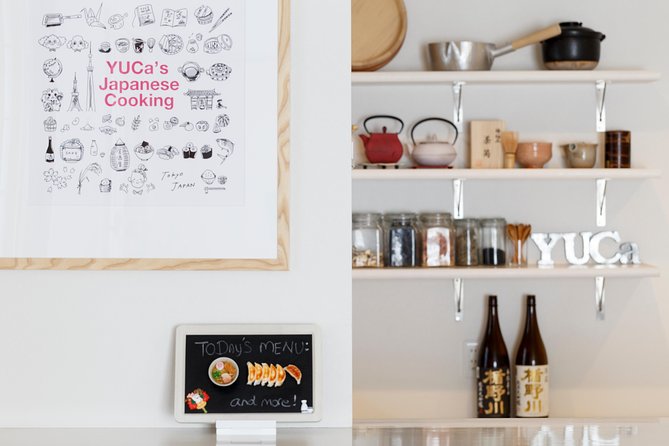
Tokyo’s best food lessons do not always happen in a glossy studio. At YUCa’s Japanese Cooking, you enter a real home kitchen in Arakawa and learn to make ramen and gyoza with YUCa, an upbeat and patient local teacher. The class is warm, social, and easy to follow, even if your cooking skills begin and end with boiling water.
I like two things right away: you cook dishes you can repeat at home, and you see a quieter residential side of Tokyo beyond the usual sightseeing routes. The optional supermarket walk adds useful context, especially if you want to understand Japanese ingredients. The main drawback is that this is not a full scratch-cooking workshop. Some steps involve adding prepared powders or liquids, and one kitchen means parts of the class are demonstration-led.
In This Review
- Key points to know
- A home kitchen in Nishiogu, not a tourist-stage set
- The 10:15 talk puts the food in context
- Making ramen from bowl to table
- Folding gyoza while the ramen cooks
- What makes the food lesson worth $122.70
- The optional supermarket walk at 12:30
- A useful Tokyo detour for families and food fans
- Getting there and planning your morning
- The honest tradeoff: hands-on, but not every minute
- Should you book YUCa’s ramen and gyoza class?
- FAQ
- How long does the ramen and gyoza class last?
- What time does the experience start?
- Where does the class take place?
- What food do you make?
- Is the supermarket visit included?
- Is a vegetarian option available?
- Can I share other dietary requirements?
- How many people can join the class?
- What is the cancellation policy?
Key points to know
- YUCa’s home kitchen: You cook in an actual Japanese home, not a large commercial classroom.
- Two familiar Japanese dishes: The class covers ramen and minced pork gyoza, with vegetables and meat used in the recipes.
- Small group setting: The maximum is seven people, making it easier to ask questions and meet other participants.
- Neighborhood Tokyo: The class takes you to Nishiogu in Arakawa City, away from the central tourist core.
- Optional supermarket visit: From about 12:30 to 1:00 p.m., you may visit a local supermarket with YUCa.
- Best for many ages: Families, couples, solo participants, teenagers, grandparents, cooks, and beginners can all take part.
A home kitchen in Nishiogu, not a tourist-stage set
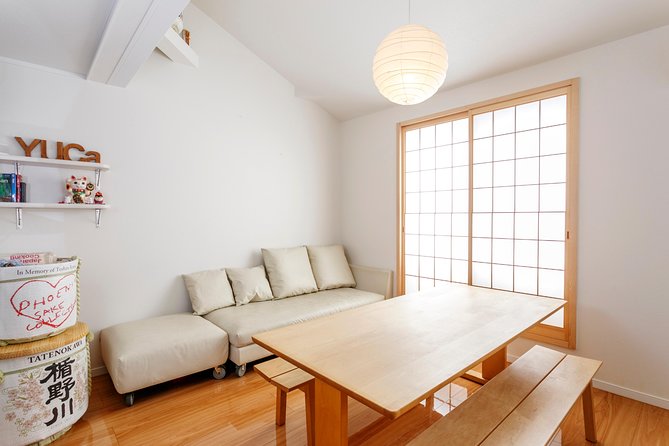
The experience begins at 10:00 a.m. at YUCa’s Japanese Cooking, located at 2-chome-34-8 Nishiogu in Arakawa City. This is not central Tokyo’s neon-and-department-store zone. It is a neighborhood setting, and that is part of the appeal.
You get a glimpse of an ordinary Japanese home and kitchen before you start cooking. That small change of setting matters. Instead of simply watching a chef perform for an audience, you share a domestic space and learn how these dishes fit into everyday Japanese food culture.
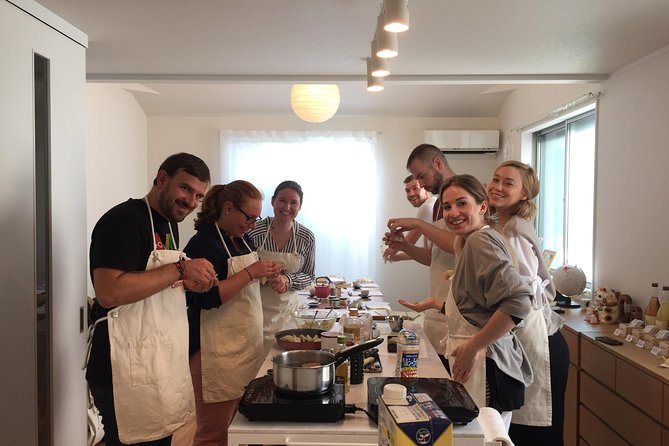
The maximum group size is seven. That is small enough to feel personal, but not so small that you should expect one-on-one instruction at every moment. The kitchen has one main cooking area, so YUCa directs the process and gives everyone roles as the recipe moves along.
That arrangement works well for families and mixed groups. Children can help shape gyoza, teenagers can assemble bowls, and adults can ask about techniques or ingredients. If you want constant individual knife work and your own cooking station, you may find the setup a little limited.
Other cooking classes in Tokyo
The 10:15 talk puts the food in context
After the 10:00 meeting, the class includes a short lecture from 10:15 to 10:30 on Japanese home cooking and lifestyle. It is brief, but useful. You are not only learning how to put food in a bowl. You are learning how ramen and gyoza fit into the way people cook, eat, and share meals in Japan.
YUCa’s teaching style is one of the strongest parts of the experience. She speaks good English, explains the steps clearly, and works to include everyone. She also has a friendly way of connecting with people beyond the recipe, including teaching participants how to write their names in Japanese characters based on pronunciation.
That kind of personal touch helps the class feel less like a checklist. You can ask questions about Japanese food and daily life while working through the dishes. The group setting also gives you a chance to chat with people from other countries, which can be a pleasant bonus if you are traveling alone or as a couple.
Making ramen from bowl to table
The main cooking period runs from 10:30 a.m. to 12:30 p.m. You prepare ramen and gyoza in the same session, then eat what you have made.
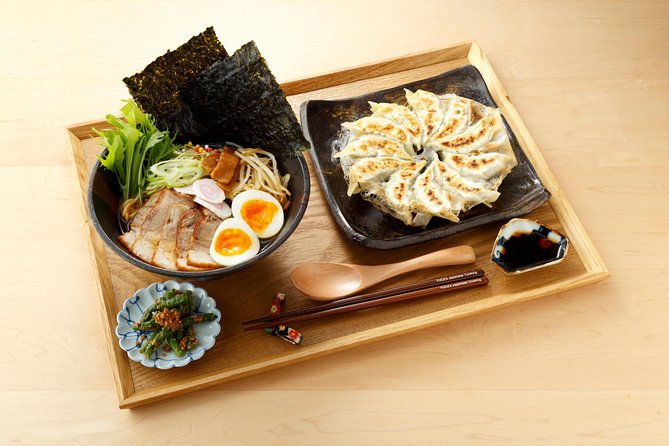
The ramen process includes different vegetables and meat, along with the elements needed to build a noodle soup. You assemble the finished bowl and learn how the components come together. The result is approachable rather than intimidating, which is important if you want to cook the dish again at home.
Several people have found the recipes easy to follow and practical for home use. That is a real benefit. A cooking class can be entertaining for two hours and still leave you with nothing you can reproduce. Here, the focus is on familiar food with steps that beginners can understand.
Still, set your expectations correctly. This is not a long course on making noodles from flour, simmering broth for many hours, or preparing every ingredient from the rawest possible starting point. One less enthusiastic assessment pointed out that some parts involve adding a teaspoon of powder or liquid. If your idea of ramen instruction means building a stock from bones and making noodles by hand, this class will feel too simple.
For most visitors, though, the simpler method is part of the value. You learn a realistic version of a Japanese meal that you may actually make after returning home. The lesson is more about assembly, balance, ingredients, and technique than about restaurant-level production.
Folding gyoza while the ramen cooks
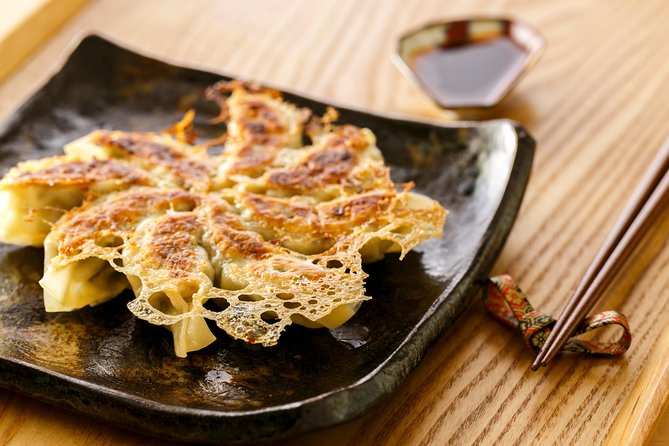
The gyoza section gives the class its most tactile moment. While the ramen ingredients cook, you prepare minced pork dumplings with vegetables and fold them by hand.
This is where the experience becomes especially good for families. Children can take part in shaping and folding, and the task does not require advanced cooking ability. The class welcomes beginners and experienced cooks alike, so you do not need to arrive with perfect dumpling technique.
Gyoza folding also breaks up the ramen preparation. You are not standing around waiting for the soup or noodles. Instead, the timing of the two dishes works together, with one activity filling the pauses in the other.
The final meal includes both dishes. You assemble your ramen bowl, finish the gyoza, and sit down to eat your work. The portions have been described as tasty, though one comment found them smaller than expected. If you arrive very hungry, keep in mind that this is a cooking lesson with a meal, not an all-you-can-eat lunch.
What makes the food lesson worth $122.70
At $122.70 per person, this is not the cheapest way to eat ramen in Tokyo. You can find a bowl of noodles for a small fraction of the price. The question is not simply how much food you receive. It is what you take away.
You are paying for a 2.5-hour activity, instruction from YUCa, access to a home kitchen, a hands-on meal, cultural conversation, and a chance to visit an area of Tokyo you might otherwise skip. The small maximum group size also helps justify the cost, although the one-kitchen format means some of the lesson is still guided demonstration.
I see the strongest value for people who want more than a restaurant meal. If you are curious about Japanese home cooking, plan to recreate the recipes, or enjoy meeting people through food, the price is easier to accept. It is also a good choice for a family looking for an activity that works across several age groups.
The value is weaker if you only want an intense, technical cooking course. You may leave satisfied with the meal but wishing you had done more chopping, mixing, and cooking yourself.
Other cooking classes in Tokyo


The optional supermarket walk at 12:30
The schedule lists a local supermarket visit from 12:30 to 1:00 p.m. It is optional and follows the cooking and tasting portion.
This short walk can be one of the most useful parts for anyone interested in cooking Japanese food at home. In a supermarket, you can ask YUCa about ingredients, packaging, and unfamiliar products. The setting also gives you a look at neighborhood shopping outside the main tourist areas.
Do not treat the supermarket visit as guaranteed in exactly the same way as the cooking class. It is marked optional, and there have been occasions when it did not happen. In one case, a participant had to return to a hotel because of illness, so the walk was skipped. Other participants also understood the supermarket tour to be an older or optional part of the description.
If this visit is a main reason for booking, confirm the plan with YUCa before the class and leave enough time afterward. The cooking class itself ends back at the meeting point, while the supermarket portion is an additional activity after the meal.
A useful Tokyo detour for families and food fans
The class suits a wide range of people. Families with children aged roughly nine through the teenage years have found the gyoza-making especially enjoyable. Teenagers can also take part in assembling the ramen and learning about the ingredients instead of simply sitting through a lecture.
It works well for couples and solo participants, too. The class brings together a small group, so you may spend part of the morning chatting with other people while waiting for a cooking step. That social element is welcome, but it means the experience is not designed as a private lesson.
You do not need to be an experienced cook. The instructions are clear, the recipes are approachable, and YUCa makes an effort to include each person. Vegetarian cooking is available, but you must advise the provider when booking. You should also share any other dietary needs in advance.
The food centers on ramen and minced pork gyoza, so anyone avoiding pork or other listed ingredients should ask about suitable arrangements before committing. The provided information confirms a vegetarian option, but it does not promise every possible dietary adaptation.
Getting there and planning your morning
The meeting point is near public transportation, but the experience takes place outside inner Tokyo. That gives you a more local neighborhood visit, though it also means you should allow time to reach Nishiogu.
Some people have used a taxi or Uber for convenience. Public transportation is also relevant because the meeting point is described as being near transit, but exact station directions are not supplied here. Check the route carefully before leaving your hotel, especially for a 10:00 a.m. start.
The total scheduled time is about three hours if you join the supermarket visit, although the core class and tasting run from 10:30 to 12:30. You return to the meeting point at the end. Plan your next activity with some breathing room rather than booking a tightly timed attraction across town.
A mobile ticket is provided, and confirmation arrives when you book. At least two people are required per booking, so this is not set up as a one-person reservation. The class maximum is seven participants.
Free cancellation applies if you cancel at least 24 hours before the local start time. Cancellations or changes inside that window are not refunded or accepted. The class also requires a minimum number of participants, and if the provider cancels for that reason, you are offered another date or experience, or a full refund.
The honest tradeoff: hands-on, but not every minute
The central question is how you define hands-on. You will fold gyoza, help prepare the dishes, assemble ramen, and eat your own food. You will not spend every minute independently chopping, stirring, and cooking.
With one kitchen and a group of up to seven, YUCa has to demonstrate certain steps so the lesson stays organized. That makes the class efficient and easy to follow, but it can frustrate people who want a workstation and ingredients assigned only to them.
I would describe it as a participatory home-cooking lesson, not a professional chef course. That distinction makes the experience easier to judge. You get clear explanations, cultural background, shared tasks, and a meal. In return, you accept that some preparation is prepared in advance or handled through demonstration.
Should you book YUCa’s ramen and gyoza class?
Book it if you want a friendly introduction to Japanese home cooking, especially if you are traveling with family, enjoy food-based activities, or hope to recreate ramen and gyoza at home. The setting in Arakawa, the small group, and YUCa’s warm teaching style give you a more personal morning than a standard restaurant visit.
Think twice if you want advanced technique, large portions, or a fully private cooking station. Also confirm the optional supermarket walk if that is important to you, since it may not take place.
For most visitors, I think the class earns its place in a Tokyo itinerary. You leave with a meal, practical recipes, a look inside a Japanese home kitchen, and a better sense of how everyday food comes together. That is a fair return for a morning away from the city center.
FAQ
How long does the ramen and gyoza class last?
The core cooking and tasting session runs from about 10:30 a.m. to 12:30 p.m. The full schedule begins at 10:00 a.m. and can continue until 1:00 p.m. if you join the optional supermarket visit.
What time does the experience start?
The meeting time is 10:00 a.m. The cooking begins at approximately 10:30 a.m.
Where does the class take place?
It takes place at YUCa’s Japanese Cooking at 2-chome-34-8 Nishiogu, Arakawa City, Tokyo 116-0011, Japan.
What food do you make?
You make ramen, a Japanese noodle soup, and gyoza, minced pork dumplings prepared with vegetables and meat.
Is the supermarket visit included?
The supermarket visit is listed as optional and takes place from about 12:30 to 1:00 p.m. Because it may not always take place, confirm the plan with the provider if it is important to you.
Is a vegetarian option available?
Yes. A vegetarian option is available, but you must advise the provider when booking.
Can I share other dietary requirements?
Yes. You should advise the provider of any specific dietary requirements at the time of booking.
How many people can join the class?
The experience requires at least two people per booking and has a maximum of seven participants.
What is the cancellation policy?
You can cancel at least 24 hours before the local start time for a full refund. Cancellations or changes made less than 24 hours before the start are not accepted or refunded.
More Workshops & Classes in Tokyo


More Cooking Classes in Tokyo
More Cooking Classes in Tokyo
More tours in Tokyo we've reviewed





Cooking Classes, compared.
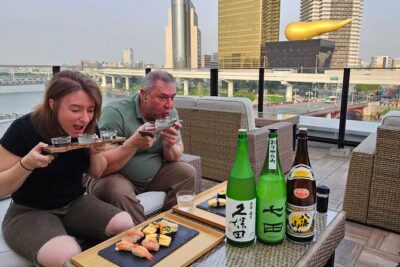 ★ 5.0Ramen and Sushi Cooking Class with Sake Pairing Set in TokyoFrom $79
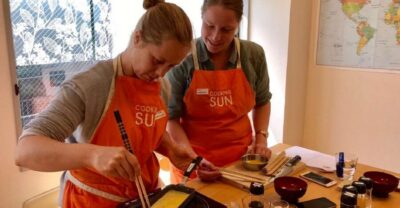 ★ 4.9Tokyo: Wagyu and 7 Japanese Dishes Cooking ClassFrom $673 hours
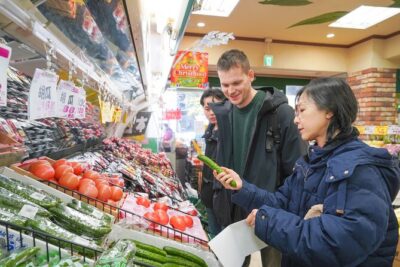 ★ 5.0Tokyo Washoku 4-hour Cooking Class: From Market to TableFrom $79
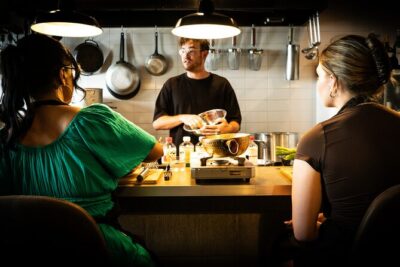 ★ 5.0Professional Ramen & Gyoza with Ramen Chef in a restaurant!From $159
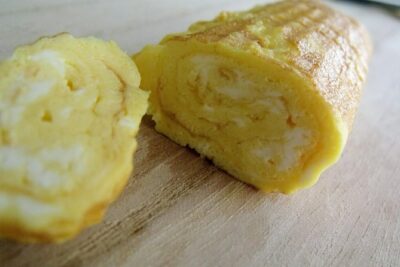 ★ 5.0Small-Group Wagyu Beef and 7 Japanese Dishes Tokyo Cooking ClassFrom $72
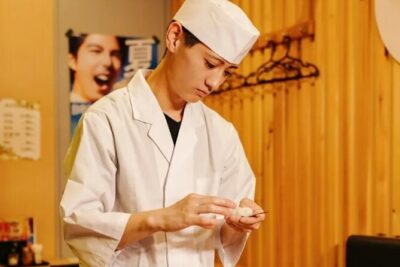 ★ 5.0Tokyo Sushi Making Experience & Japanese Cooking ClassFrom $59