
Reviewed · TOKYO FOOD TOURS
From Ocean to Chopsticks Tsukiji Market Food Tour By Local Expert
Tsukiji is best approached with a guide who knows where to pause, what to taste, and how to make sense of the market’s many food stalls. This four-hour walk combines four to five food stops with a visit to Tsukiji Hongan-ji, giving you both local flavor and useful context.
I like the small maximum of eight people, which should make it easier to ask questions and stay together in the narrow market lanes. I also like that the food is not limited to sushi, since Tsukiji offers seafood, Japanese groceries, kitchen tools, and other local specialties. The main drawback is the price: at $195 per person, this makes the most sense if you want guided tasting rather than a quick, do-it-yourself market visit.
In This Review
- Key points to know before booking
- Why Tsukiji works best with a food guide
- Starting at Tsukiji Hongan-ji Temple
- Walking through Tsukiji Jogai Market
- The Tsukiji Fish Market food experience
- What the guide adds to the day
- Is $195 a fair price for four hours?
- Who will enjoy this Tsukiji tour most?
- Practical details that affect your choice
- Should you book the Tsukiji food tour?
- FAQ
- How long does the Tsukiji Market food tour last?
- Where does the tour begin and end?
- How many people can join the tour?
- What food and drinks are included?
- Is alcohol included?
- Can I cancel for a full refund?
Key points to know before booking
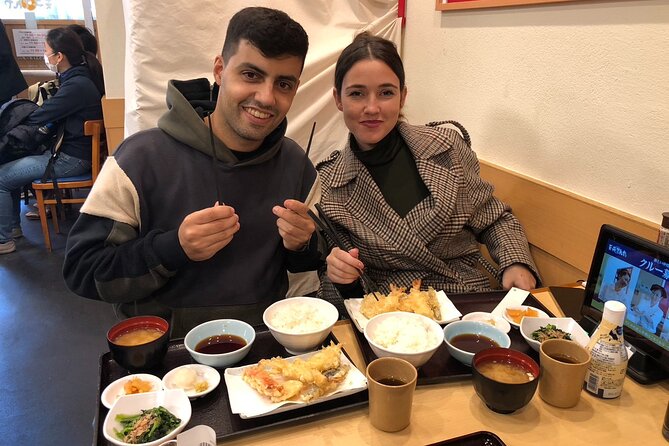
- Four to five tasting stops: Your food selections are chosen by the tour’s master chefs, with two soft drinks and water included.
- Tsukiji Hongan-ji begins the story: The temple visit adds cultural context before you enter the market streets.
- Two parts of Tsukiji Market: You spend time around the outer market’s shops, restaurants, seafood sellers, and kitchen stores.
- Small groups matter here: A maximum of eight people is useful in busy lanes and makes conversation with your guide more practical.
- Amber is one named guide: The experience has been especially praised for Amber’s friendly manner and strong knowledge of the area.
- Four hours on foot: The tour starts and ends at Tsukiji Hongan-ji, near Tsukiji Station on the Tokyo Metro Hibiya Line.
Why Tsukiji works best with a food guide
Tsukiji is not one neat indoor market with a single entrance and a tidy row of counters. It is a district of wholesale and retail shops, sushi restaurants, seafood sellers, grocery stores, and shops selling Japanese cooking tools. You can spend an hour here and still miss the food that makes the area worthwhile.
That is where this tour earns its keep. Your guide leads you through the market rather than leaving you to guess which stall is worth your time. The commentary also explains what you are seeing and tasting, so the meal becomes more than a string of small bites.
I like this approach for a first visit to Tsukiji. You get a practical introduction to the area, then have the freedom to return later with a better sense of what interests you. If you already know the market well, however, the fixed route and set food stops may feel less useful.
The group limit is eight. That is a sensible number for a market where people may stop suddenly to examine seafood, cookware, or a restaurant menu. A smaller group also gives you a better chance to ask about ingredients, customs, and the market’s changing role in Tokyo.
A few more Tokyo tours and experiences worth a look



Starting at Tsukiji Hongan-ji Temple
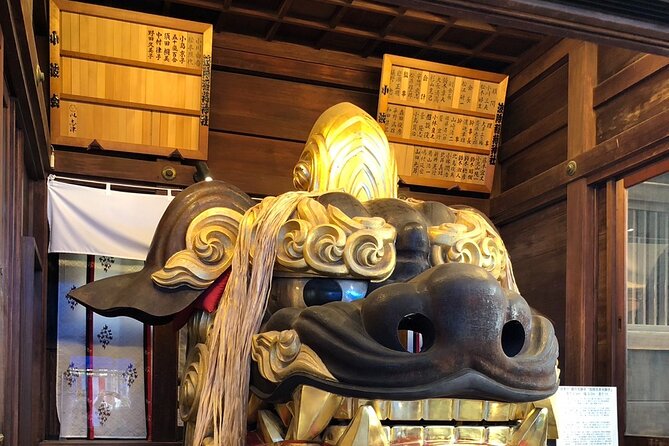
The meeting point is Tsukiji Hongan-ji Temple, at 3-chome-15-1 Tsukiji. The temple is beside Tsukiji Station on the Tokyo Metro Hibiya Line, so it is a practical starting point if you are using public transportation.
You spend about an hour here, and admission is free. That makes the opening more than a simple place to gather. The temple gives your guide a chance to explain part of Tsukiji’s history and culture before the focus shifts to food.
Tsukiji Hongan-ji is a Jodo Shinshu Buddhist temple in the Tsukiji district. Its formal setting provides a useful contrast to the market streets nearby. You begin with a cultural landmark, then move toward the ingredients and daily trade that have made Tsukiji famous.
I appreciate the order of the stops. Starting with food alone can make Tsukiji feel like a snack crawl. Beginning at the temple gives the neighborhood some shape and helps you understand that this is not only a place to eat. It is also a district with religious, commercial, and local community life.
The temple portion lasts about one hour, so you should be comfortable spending part of the tour listening and looking before the tastings begin. If your only goal is immediate sushi, this first section may feel slow. For most first-time visitors, it adds needed balance.
Walking through Tsukiji Jogai Market
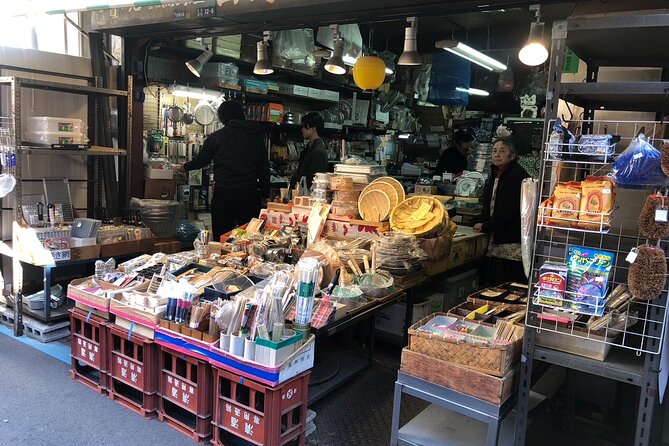
The next section focuses on Tsukiji Jogai Market, often called the outer market. You spend about 90 minutes here, moving among wholesale and retail shops, restaurants, seafood stores, grocery sellers, and shops devoted to Japanese kitchen tools.
This is the part of the tour where a guide can save you time. The market offers far more choices than you can reasonably sort through during one short visit. Your guide helps direct your attention toward selected food stations instead of sending you down every lane at random.
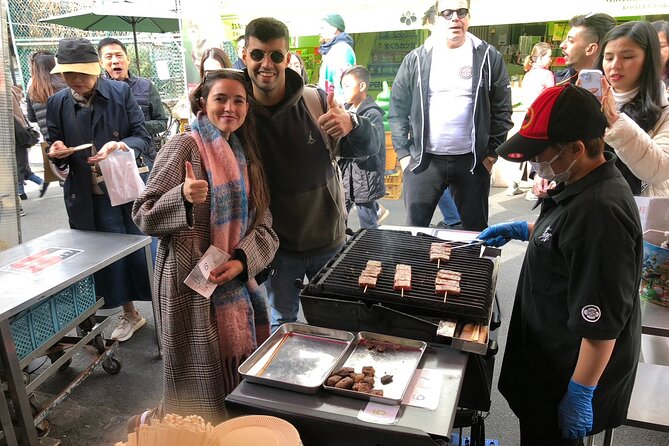
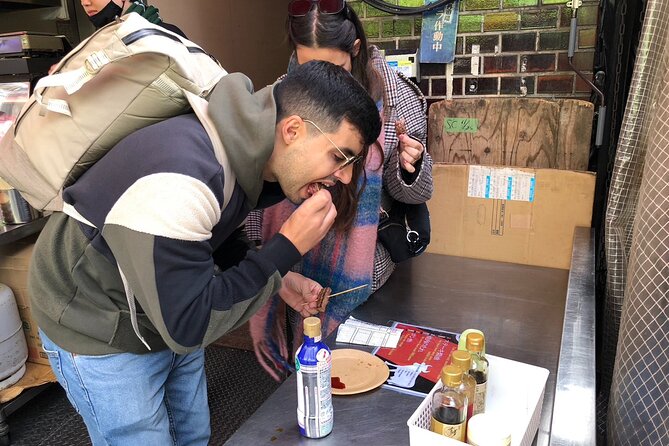
The food is chosen by the tour’s master chefs, with four to five stops included. The supplied details do not name each dish, and that is worth noting. You should expect a selection of local specialties rather than a guaranteed menu of specific sushi, fish, or sweets.
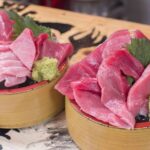
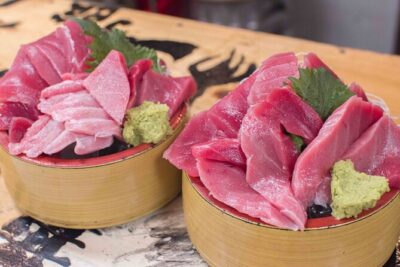
Seafood and sushi are central reasons to visit Tsukiji, but the market is broader than raw fish. You may also encounter traditional Japanese foods and ingredients that show how people cook at home and in restaurants. The kitchenware shops add another layer, especially if you enjoy Japanese knives, serving pieces, or cooking tools.
Two soft drinks and water are included. Alcohol is not included, though it can be purchased separately by people aged 18 and older. If you want a drink with your food, plan on paying extra rather than assuming it is part of the tasting package.
The market streets can be crowded, and a four-hour walking tour asks you to stay on your feet. Wear comfortable shoes and keep your belongings close. Those are simple precautions, but they matter more here than they would on a seated restaurant tour.
The Tsukiji Fish Market food experience
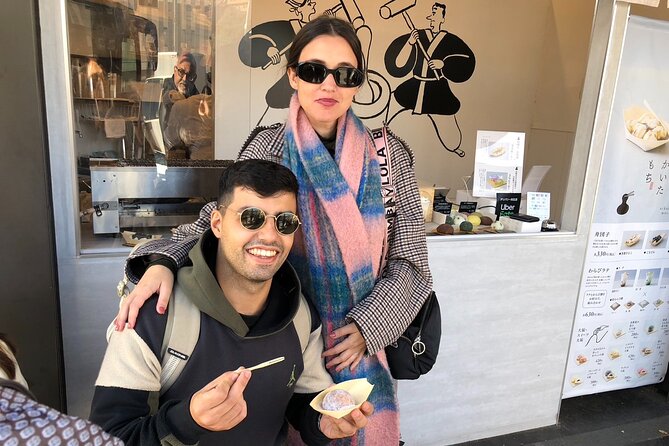
The final 90-minute section continues through Tsukiji Fish Market, described as Tokyo’s Food Town. The area mixes wholesale and retail businesses with numerous restaurants and new food choices. Your guide adds explanations as you move from one taste to the next.
I like the division between the outer market walk and the fish market portion because it keeps the tour from becoming a single blur of food. You have time to see the shops and street layout, then time to focus more closely on what you are eating.
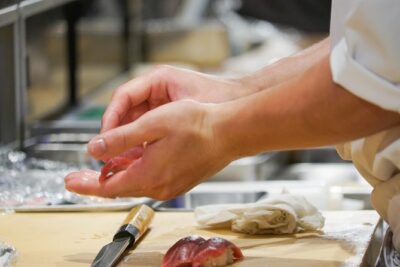
The main draw is variety. You should expect sushi and seafood to play an important part, but the tour is designed around several local delicacies rather than one large meal. Four or five stations can give you a useful sense of range, though it may not satisfy you in the same way as a full restaurant lunch.
This distinction matters when you judge the price. At $195, you are not simply paying for the amount of food on the plate. You are paying for a four-hour guided route, explanations about the market, help choosing what to taste, and the convenience of seeing several parts of Tsukiji without planning the sequence yourself.
That value is strongest for someone visiting Tokyo for the first time, someone who feels unsure about ordering at Japanese food stalls, or someone who wants cultural explanation alongside the meal. It is weaker for an experienced Tokyo eater who is comfortable navigating Tsukiji alone and prefers to choose every dish independently.
The tour returns to the starting point at Tsukiji Hongan-ji. That is helpful if you want to continue exploring the area afterward, return to your hotel, or use the nearby subway station. Since the start and finish are the same, you do not need to arrange a separate pickup location.
What the guide adds to the day
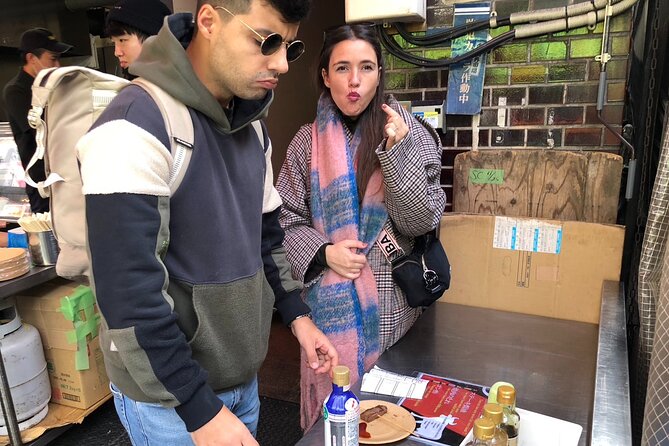
A market guide has two jobs here. The first is practical: keep the group moving, identify the food stops, and help you manage a place with many competing sights and smells. The second is interpretive: explain why the temple, shops, seafood, and restaurants matter.
The guide commentary is an important part of the experience. Without it, you could still eat well at Tsukiji, but you might not understand the district’s history or the difference between the market’s wholesale and retail sides.
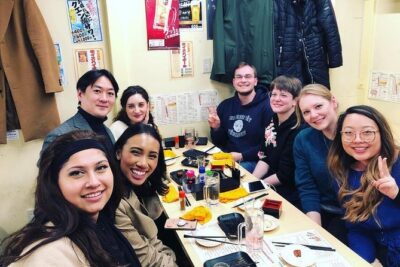
Amber is one guide associated with this experience. The strongest praise centers on her friendly personality and the way she made the outing feel memorable from the first meeting to the final stop. That kind of warmth matters on a food tour, where the guide sets the pace and helps a group of strangers feel comfortable.
Guide quality can vary from one date to another, so I would treat Amber’s presence as a possibility rather than a promise unless your booking confirms it. Still, the small group gives any guide more room to respond to individual questions than a large bus-style tour would allow.
A few more Tokyo tours and experiences worth a look



Is $195 a fair price for four hours?
The price is high compared with simply eating at Tsukiji on your own. The market itself has free admission, and you can choose your own restaurants and food stalls. If you are comfortable researching ahead and making decisions on the spot, a self-guided visit will cost less.
The tour becomes easier to justify when you count the time saved. You do not need to map out a route between the temple and the market, work out which shops fit your schedule, or decide how many foods you can reasonably try. You receive four to five food stations, two soft drinks, and water, along with four hours of guide service.
The value also depends on how much you want to learn. If you care about Japanese food culture and market history, the commentary adds something a snack-only visit cannot provide. If you mainly want the cheapest possible sushi, this is not the right purchase.
I would also remember that alcohol is extra. That is not unusual, but it means the final cost can rise if you plan to buy drinks. The food package is otherwise clearly defined, with the tastings and nonalcoholic drinks included.
Who will enjoy this Tsukiji tour most?
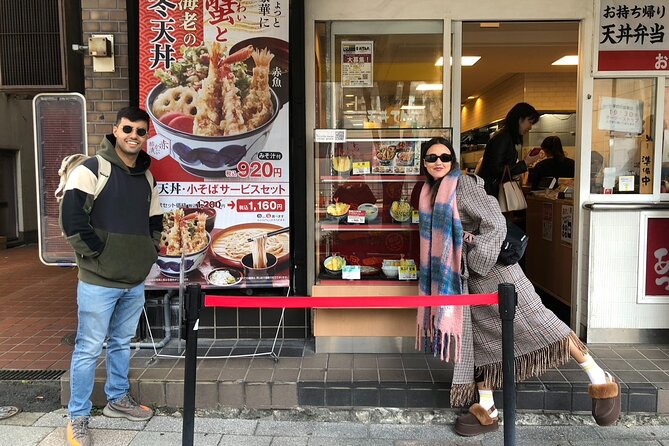
I would recommend this experience to a first-time Tokyo visitor who wants an organized introduction to Tsukiji without joining a large group. It also suits people who enjoy trying several foods but prefer a guide to handle the route and explain the choices.
It is a good fit for food-focused couples, friends, and families whose children or less adventurous eaters may benefit from having a clear plan. The description says most people can participate, and the tour takes place near public transportation.
You should think twice if walking for four hours is uncomfortable, if you want a leisurely seated meal, or if you dislike fixed tasting stops. The tour keeps a set schedule, so you are not free to linger at every shop or choose all your own dishes.
The market can also be a difficult setting for anyone who wants complete quiet and personal space. Even with only eight people, you are moving through active commercial streets. That is part of Tsukiji’s appeal, but it is not a calm dining room.
Practical details that affect your choice
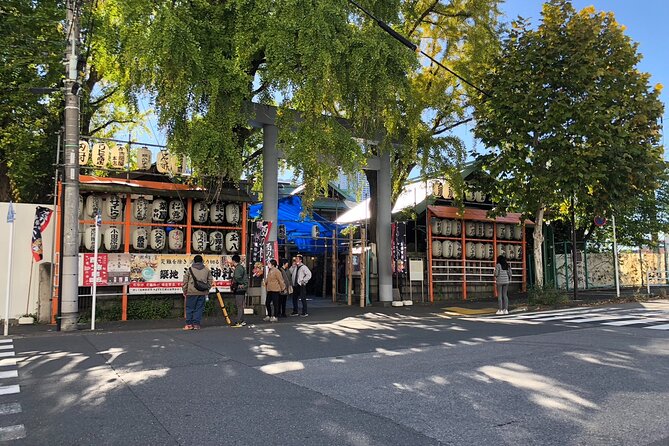
Confirmation is provided when you book, and the tour uses a mobile ticket. The start and end point is Tsukiji Hongan-ji Temple, which is near Tsukiji Station on the Hibiya Line.
The experience lasts about four hours. Plan for steady walking and enough time to remain with the group while the guide explains each area. Comfortable shoes will make the day easier, even though the tour description does not set out a formal dress code.
The group maximum is eight people. Most people can participate, according to the activity information, but the food and walking format may not suit anyone who needs a slower pace or a fully seated experience.
Free cancellation is available if you cancel at least 24 hours before the start time. Cancellations made less than 24 hours ahead, along with late changes, are not refunded or accepted. The cut-off follows Tokyo local time, so check the time carefully if you are booking from another country.
Should you book the Tsukiji food tour?
Book it if you want guided access to Tsukiji’s food culture, a small group, and a balanced route that includes both Tsukiji Hongan-ji and the market. The four to five tastings, local commentary, and help finding the right stops make it a convenient first look at one of Tokyo’s best-known food districts.
Skip it if price matters more than guidance, or if you already know exactly where you want to eat. At $195, this is a structured introduction, not a bargain food crawl.
For the right person, the tour’s best feature is not any single bite. It is the combination of context, direction, and variety. You leave with a better sense of how Tsukiji works, what kinds of foods it offers, and where you may want to return on your own.
FAQ
How long does the Tsukiji Market food tour last?
The walking tour lasts approximately four hours.
Where does the tour begin and end?
It begins at Tsukiji Hongan-ji Temple, at 3-chome-15-1 Tsukiji, Chuo City, Tokyo. The activity ends back at the same meeting point.
How many people can join the tour?
The tour has a maximum of eight people.
What food and drinks are included?
The tour includes four to five food stations selected by the tour’s master chefs, plus two soft drinks and water.
Is alcohol included?
No. Alcoholic drinks are available to purchase separately, and only people aged 18 and older may purchase them.
Can I cancel for a full refund?
Yes, if you cancel at least 24 hours before the experience start time. Cancellations or changes made less than 24 hours before the start time are not refunded or accepted.
More Craft Workshops in Tokyo



More Tokyo Food Tours in Tokyo
More Tsukiji Market Tours in Tokyo

More tours in Tokyo we've reviewed











Tokyo Food Tours, compared.
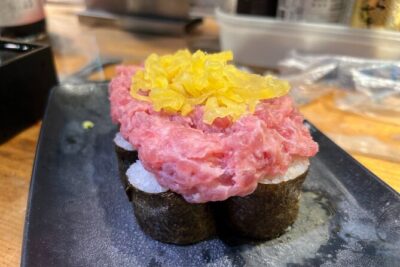 ★ 5.0Tokyo: Shinjuku Food Tour (13 Dishes at 4 Local Eateries)From $86
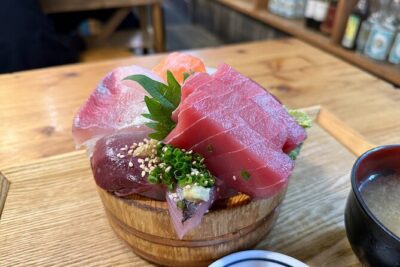 ★ 4.9Tokyo: Shinjuku Food Tour (15 Dishes and 4 Eateries)From $853 hours
 ★ 5.0Best of Shinjuku: Izakaya Food Tour (4 Stops, 14+ Tastings)From $92
 ★ 5.0Tokyo Night Foodie Tour in Shinjuku – Seasonal Sushi, Wagyu BeefFrom $111
 ★ 5.0Eat and Drink Like a Local: Tokyo Ueno Food Tour-Taverns&RamenFrom $95
 ★ 5.0Tokyo: Shibuya Food Tour (13 dishes and 4 Eateries)From $77