
Reviewed · COOKING CLASSES
Tokyo: Kawaii Bento Cooking Class – Cute Character Lunchbox
Character bento turns an ordinary lunch into edible art. In this two-hour Tokyo workshop, you shape rice and side dishes, add tiny decorated faces, and leave with a meal that looks almost too cute to eat. Kenji and his team guide you in English, so you do not need cooking experience.
I like the mix of hands-on craft and cultural context. I also like that all tools and ingredients are supplied, including the small cutters and shaping aids that make the designs much easier. The main consideration is the price: at $64 per person, this is not a cheap meal, so you should book it for the activity, guidance, and keepsake value rather than food alone.
In This Review
- Key points to know before booking
- Making kawaii culture edible
- Your two hours, step by step
- Picking the panda or seasonal design
- Kenji and the English instruction
- What the $64 price really covers
- Dietary requests and common allergens
- Finding the basement studio near Tameike-Sanno
- Why the photo session matters
- Who will enjoy this most
- Booking details that affect your plans
- Should you book the kawaii bento class?
- FAQ
- How much does the kawaii bento cooking class cost?
- How long does the workshop last?
- Where does the class meet?
- Is the class taught in English?
- Can children join the workshop?
- What bento designs can I choose?
- Can the class accommodate vegetarian, vegan, or allergy needs?
- What is included in the price?
- Can I cancel or pay later?
Key points to know before booking
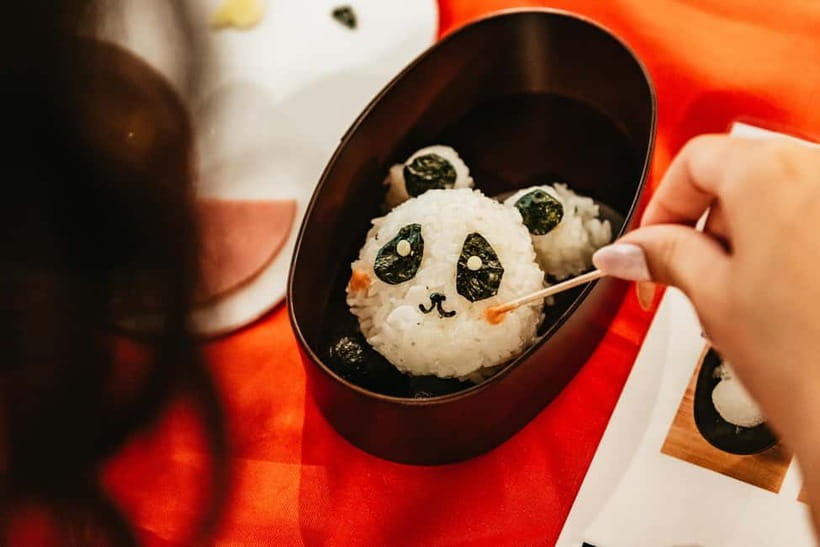
- Choose your character: Select a panda, a brown character bento, or a seasonal limited-edition design after booking.
- Expect clear, patient instruction: Kenji, Mari, and the other English-speaking instructors explain each step for beginners.
- Plan on more than cooking: The class covers bento culture, artistic decoration, photography, and a shared meal.
- Good for many ages: Families, couples, friends, and solo participants can join, though young children need adult supervision around knives.
- Ask about food needs early: Vegetarian and vegan options are available, and some allergies or pork-free requests can be handled with advance notice.
Making kawaii culture edible
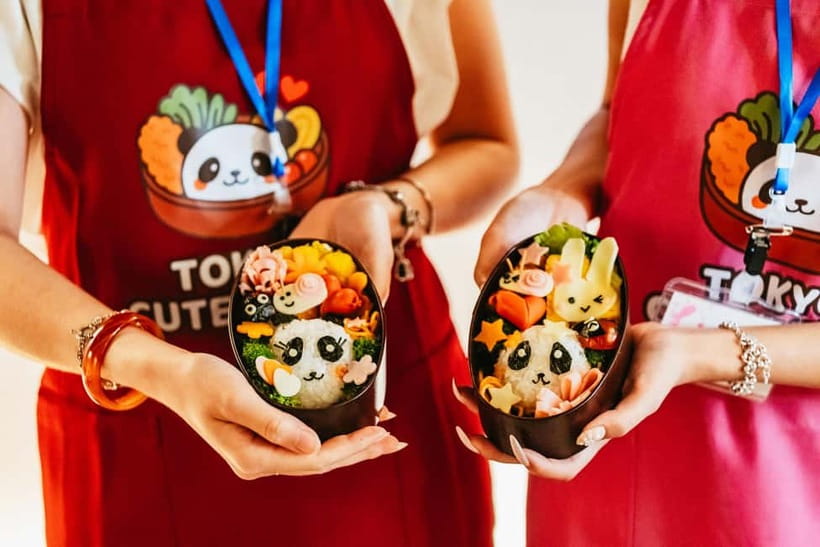
Japan’s kawaii culture is not limited to character goods, stationery, or shop displays. It also appears in the lunchbox, where rice, vegetables, side dishes, and seaweed become faces, animals, and small scenes.
This class gives you a practical way to understand that idea. You are not simply watching an instructor prepare a bento. You are deciding how to place the face, shape the main character, and arrange the food so the whole box looks cheerful.
I find that useful because it explains why bento can matter beyond convenience. A bento is a packed meal, but it can also show care, planning, and creativity. The opening 15-minute talk provides this cultural background before you begin working with the food.
Do not expect a formal lecture on Japanese cuisine. The explanation is short and designed to support the activity. That is a good fit if you want context without sitting through a long presentation.
Other cooking classes in Tokyo
Your two hours, step by step
The schedule is simple and well paced:
- Introduction to bento culture: about 15 minutes
- Hands-on bento making: about 60 minutes
- Photography: about 15 minutes
- Eating your creation: about 30 minutes
The first section helps you see the purpose behind the lunchbox. Then the class shifts quickly to the table, where the instructor demonstrates the process in manageable steps.
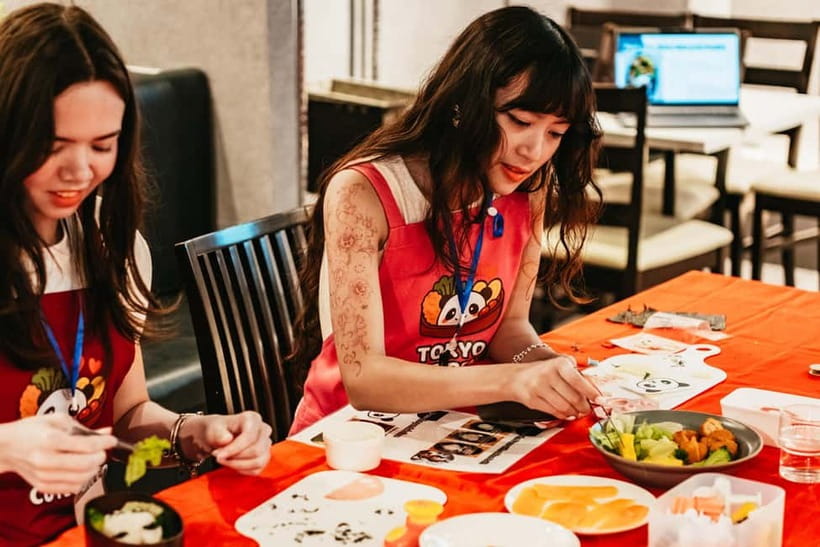
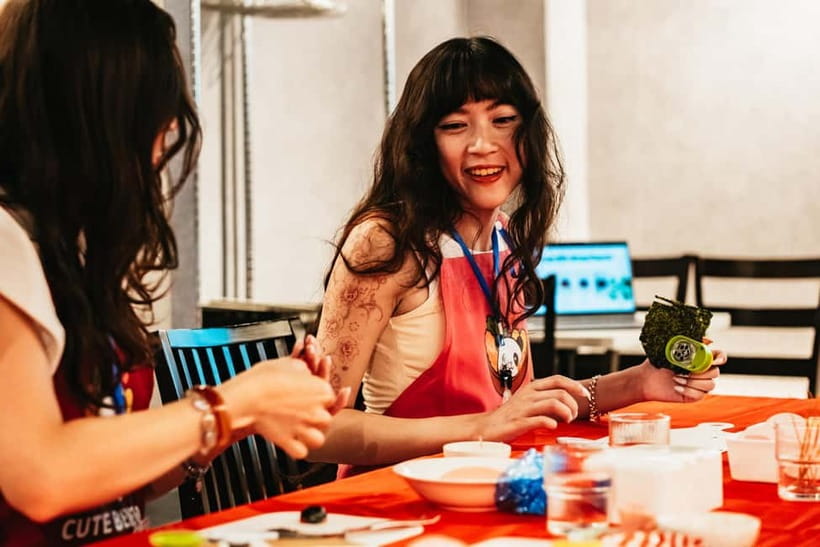
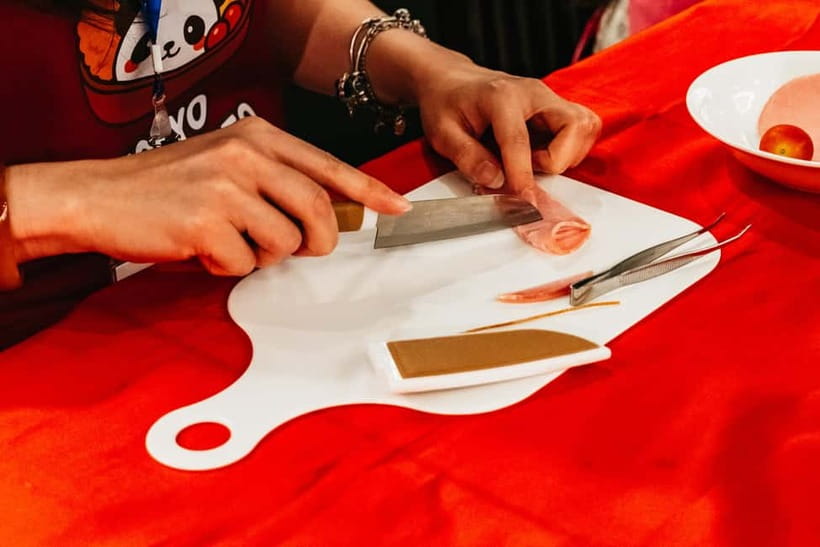
The main cooking and decorating section takes about an hour. This is the heart of the workshop. You use the provided ingredients and tools to build your chosen character, then add side dishes and facial details.
The design looks more difficult than it is. The instructors break the work into small tasks, and the many shaping tools help with neat edges and repeated details. That makes this a good option for people who enjoy crafts but do not consider themselves cooks.
You should still expect to work with knives and cooking tools. Children can join, but parents or guardians must supervise younger participants. The class is not a hands-off children’s show.
The 15-minute photo session comes before the meal. This timing makes sense: your bento is still arranged and presentable, so you can photograph the result before opening the box and eating it.
The final 30 minutes are for enjoying the meal. The food is not just a prop. You eat the bento you have prepared, which gives the workshop a satisfying finish and helps justify the generous schedule.
Picking the panda or seasonal design
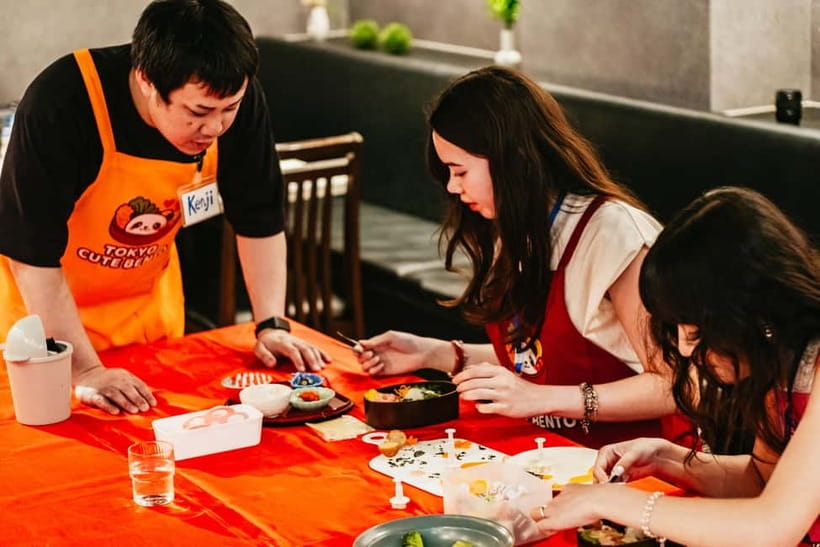
You can choose from a cute panda bento, a brown character bento, or a seasonal limited-edition design. Your choice is confirmed by email after booking, so check your messages and make sure the selected design matches what you want.
The panda is likely the safest pick if you want the classic character-bento look. It is also a practical choice for first-timers because the simple face gives you a clear design target.
A seasonal design may be the better choice if you want something tied to your travel dates. Availability can change, so confirm the current option rather than assuming every design will be offered on the day.
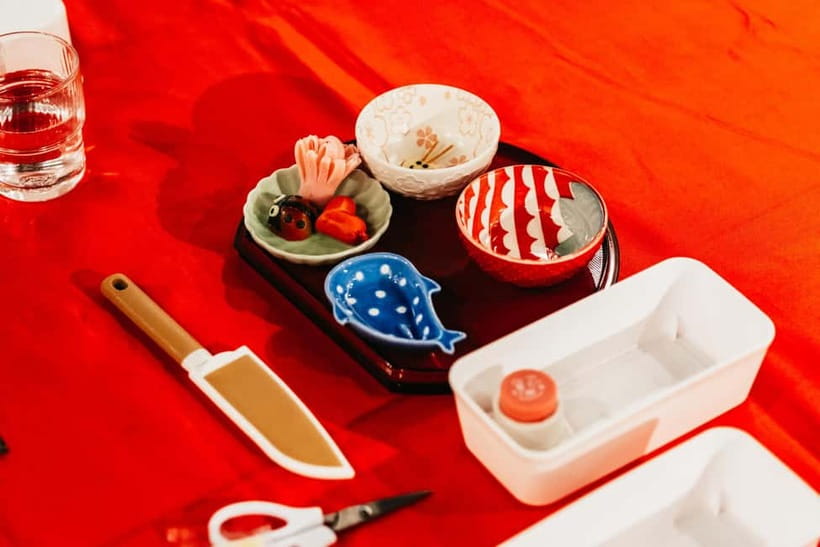
The class supplies a wide range of tools for cutting and shaping. That detail matters more than it may sound. Tiny decorative work can become frustrating with only a kitchen knife, while purpose-made cutters make it easier to produce a cute result without advanced skill.
I like that the workshop focuses on both face decoration and side dishes. You are not just making one rice figure. You are arranging a complete lunchbox, and the finished box can look full and playful.
Kenji and the English instruction
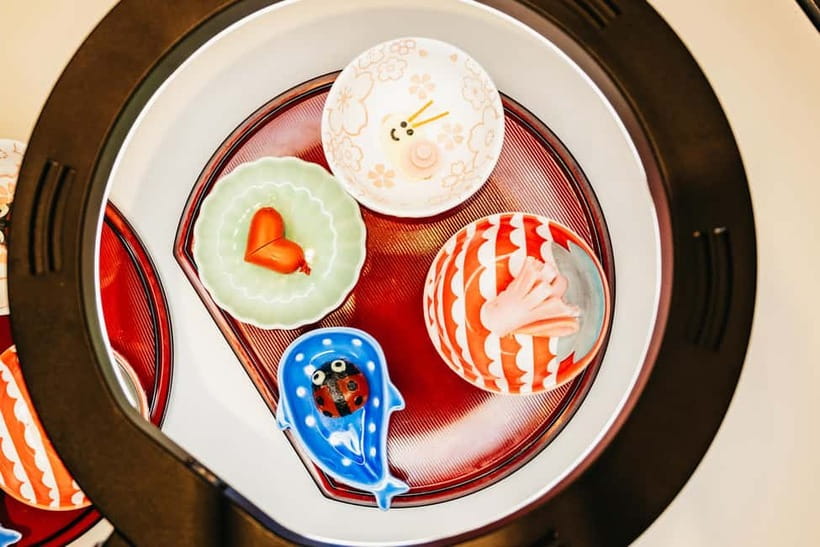
English instruction is included, and the teaching approach is aimed at beginners. Kenji is specifically praised for being kind, patient, informative, and easy to follow. Mari also leads classes and has been described as a clear and enthusiastic tutor.
That combination is important in a craft-based cooking class. You need to understand the order of the steps, but you also need help when a face or shape does not look right. The instructors guide you through the process rather than leaving you to copy a finished example without explanation.
The pace can also work well for families. Children who worry that the class will be too complicated are given clear tasks, and the tools provide ways to participate creatively. Teenagers can enjoy the artistic side without feeling they are in a very young children’s activity.
Solo participants are welcome too. You do not need to form your own group, and the social format gives you an easy way to meet people while working at the same table.
Group size can vary. Some sessions may be small, and a booking can sometimes become a private class if no one else has reserved that time. You should not assume a private session, but a small group makes it easier to ask questions and receive direct help.
What the $64 price really covers
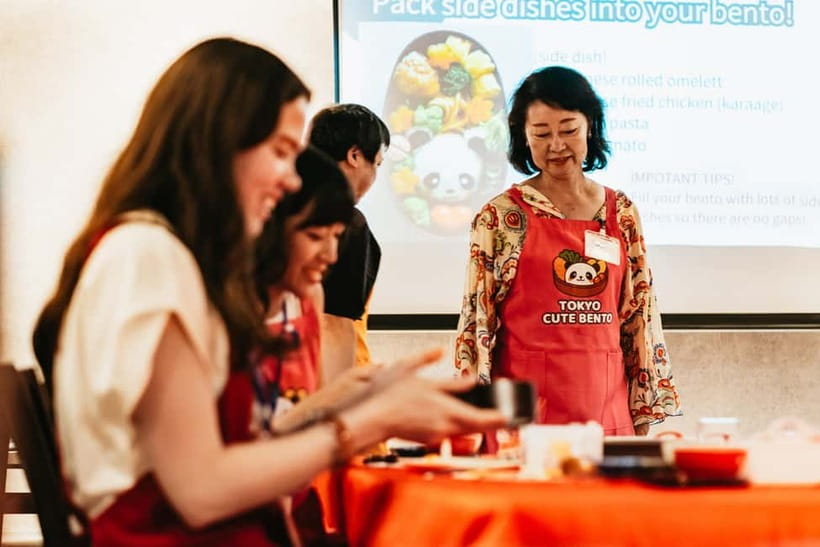
At $64 per person, this costs more than buying a bento from a station shop or convenience store. That comparison misses the point, though. You are paying for instruction, ingredients, equipment, cultural explanation, photography, a meal, English recipes, and a souvenir.
The strongest value comes if you want a structured activity rather than a quick lunch. You get two hours indoors, a creative project, and a meal at the end. For a family, the shared process can be more memorable than another restaurant stop.
The recipe adds practical value. You can try the designs again at home, although you may need to buy your own bento tools and ingredients. The workshop provides the equipment during class, so you can learn which cutters and shaping aids are useful before spending money on them.
The souvenir is a small but meaningful extra. It gives you something to keep beyond photographs, while the photo session records the finished work before you eat it.
I would be less likely to recommend the class to someone who only wants an inexpensive lunch. The food is part of the experience, not the sole product. If your priority is tasting a broad range of Japanese dishes, a food tour or restaurant meal may offer better value.
Other cooking classes in Tokyo


Dietary requests and common allergens
Vegetarian and vegan adjustments are available, and the menu can be modified for some allergies. You need to provide this information when booking, not after you arrive.
The class uses common allergens, including seafood, soy, and sesame. People with severe allergies may not be suitable for the activity, and even guests with less serious restrictions should ask in advance.
Milk and nuts can be excluded when requested. A pork-free replacement has also been arranged for a participant who could not eat pork, showing that the team may be able to make specific changes when given enough notice.
Still, you should not treat accommodation as automatic. Strict dietary restrictions may not be fully supported, and cross-contact concerns are especially important for severe allergies. Contact the provider before booking if your needs are medically serious.
Finding the basement studio near Tameike-Sanno
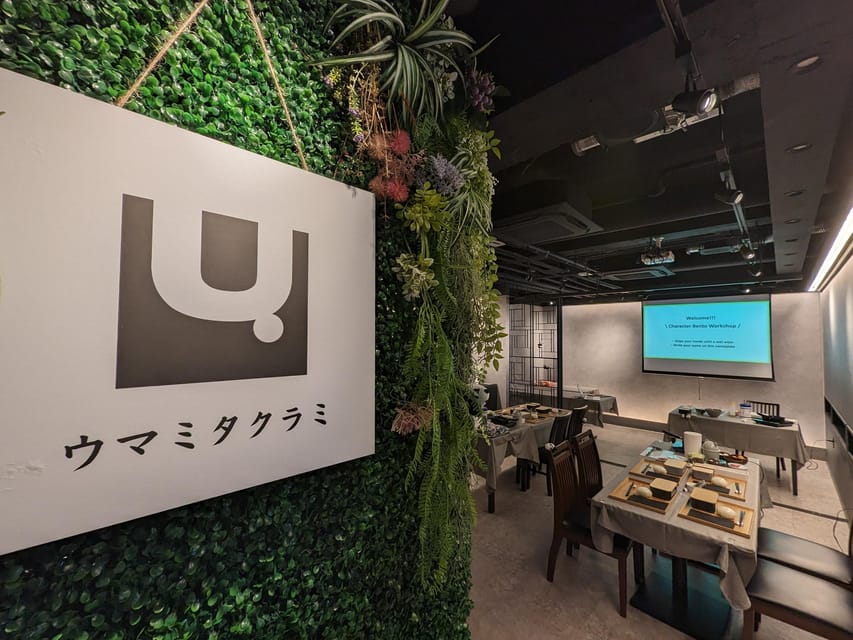
The meeting point is near Tameike-Sanno Station. Leave the station through Exit 7, walk straight ahead, and cross the intersection. The building directly in front of you is the correct one.
Look for the panda bento sign. The workshop is in the basement, on B1, beneath a ramen shop. Ticket redemption and the activity take place at the same location, so you do not need to find a second check-in point.
This is a useful place to save in your phone before leaving the station. A basement studio under a restaurant can be easy to miss if you are rushing, even with a sign outside.
The location is described as convenient for plans involving Tokyo Station, Shibuya, and Asakusa. It also makes the class a sensible indoor stop during hot weather or rain. You will not lose the activity to a sudden change in conditions.
The workshop is wheelchair accessible. If you need specific access details beyond that, ask the provider before your visit.
Why the photo session matters
The photo period is not just filler between cooking and eating. Character bento is visual, and the arrangement looks best before you disturb it with chopsticks.
You can use this time to photograph the face, the side dishes, and the full lunchbox. A family photo with everyone’s creations can also make the class feel like a shared event rather than separate individual projects.
One practical tip: keep the bento intact until the photography session is finished. The class schedule already places the photos before lunch, so you have a natural chance to record the result properly.
The finished food can also travel a short distance if you want to eat it elsewhere, provided you handle it appropriately. One participant took a bento to Shinjuku Gyo-en and enjoyed it there. That can turn the class into a picnic plan, but the workshop itself ends with time to eat, so you do not need to arrange an additional stop.
Who will enjoy this most
This is a strong choice for families with children old enough to follow instructions and work under adult supervision. The activity gives kids a real role, but it also requires care around knives and cooking tools.
Couples and friends get a playful project with a natural comparison at the end. You can choose different characters, photograph the results, and share the meal without needing advanced culinary skills.
Solo participants are welcome and can join the social setting without bringing a partner. If you enjoy hands-on activities more than sightseeing from a bus or museum visit, this provides a useful change of pace.
The class also suits adults who like Japanese design, food presentation, or craft work. You do not need to be artistic. The instructors and tools do much of the technical work, while you make the choices about expression and arrangement.
I would think twice if you dislike detailed decoration, have severe food allergies, or want a long cooking lesson with several complex dishes. This is a focused character-bento workshop, not a full survey of Japanese home cooking.
Booking details that affect your plans
The class lasts two hours, but starting times vary, so check availability for your date. I would leave a little extra time to find the B1 entrance, especially if this is your first visit to the area.
You can cancel up to 24 hours in advance for a full refund. The reserve-now, pay-later option also helps if your Tokyo schedule is still shifting.
The provider offers limited-time free add-ons with advance request. These may include a 30-minute advanced side-dish preparation session before the workshop or a 30-minute Akasaka tour afterward. Ask for these when booking, since they require advance arrangement and should not be assumed to be available.
The main activity is indoors and conducted in English. All ingredients and tools are included, along with an English recipe, cultural explanation, photography session, meal, and souvenir.
Should you book the kawaii bento class?
Book it if you want a cheerful, hands-on Tokyo activity that combines Japanese food culture with craft. The strongest reasons are the patient instruction, the excellent beginner setup, the wide range of tools, and the chance to eat and photograph your own character bento.
Families should book if the children can follow safety instructions. Couples, friends, and solo participants can all fit naturally into the format.
Skip it if you are mainly seeking the cheapest possible lunch or a serious chef-led cooking course. At $64, the value rests in the full two-hour experience and the memory you take home, not in the box of food alone.
For most visitors who enjoy making things, this is a smart rainy-day or hot-weather plan near central Tokyo. Tell the provider about dietary needs early, confirm your design by email, and follow the panda sign downstairs.
FAQ
How much does the kawaii bento cooking class cost?
The class costs $64 per person.
How long does the workshop last?
The activity lasts two hours, with approximate times for the cultural introduction, bento making, photography, and meal.
Where does the class meet?
Meet near Tameike-Sanno Station at Exit 7. Walk straight, cross the intersection, and enter the building with the panda bento sign. The workshop is in the B1 basement beneath a ramen shop.
Is the class taught in English?
Yes. English-speaking instruction is included, along with English recipes.
Can children join the workshop?
Yes. Children are welcome, but parents or guardians must supervise younger children because the class uses knives and other cooking tools.
What bento designs can I choose?
You can choose a panda bento, a brown character bento, or a seasonal limited-edition bento. The final choice is confirmed by email after booking.
Can the class accommodate vegetarian, vegan, or allergy needs?
Vegetarian and vegan options are available, and some allergies can be accommodated with advance notice. The activity uses common allergens such as seafood, soy, and sesame, so people with severe allergies should check suitability before booking.
What is included in the price?
The price includes English instruction, ingredients, tools, cultural information, the character-bento meal, a photography session, an English recipe, and a souvenir.
Can I cancel or pay later?
You can cancel up to 24 hours in advance for a full refund. A reserve-now, pay-later option is also available.
More Workshops & Classes in Tokyo


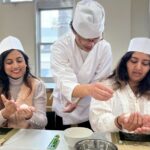
More Cooking Classes in Tokyo
More Cooking Classes in Tokyo
More tours in Tokyo we've reviewed








Cooking Classes, compared.
 ★ 5.0Ramen & Gyoza Cooking Class in Tokyo with Local Supermarket VisitFrom $122
 ★ 5.0Ramen and Sushi Cooking Class with Sake Pairing Set in TokyoFrom $79
 ★ 4.9Tokyo: Wagyu and 7 Japanese Dishes Cooking ClassFrom $673 hours
 ★ 5.0Tokyo Washoku 4-hour Cooking Class: From Market to TableFrom $79
 ★ 5.0Professional Ramen & Gyoza with Ramen Chef in a restaurant!From $159
 ★ 5.0Small-Group Wagyu Beef and 7 Japanese Dishes Tokyo Cooking ClassFrom $72