
Reviewed · COOKING CLASSES
Tokyo Cute Bento Cooking Class – Make a Kawaii Character Lunchbox
Character bento making turns lunch into a small work of art. In this two-hour Tokyo class, you shape prepared ingredients into pandas, bears, frogs, dogs, flowers, and other kawaii designs, then sit down and eat your creation.
I like the patient, step-by-step teaching from Kenji and his team, plus the careful photo setup with backdrops and lights. I also like that vegetarian, vegan, and several allergy-friendly adjustments are available when you share your needs during booking.
The main drawback is finding the studio. It is below street level, under a ramen shop in Akasaka, and one family had trouble locating it. This is a compact food-art workshop, not a full Japanese cooking course, so book it for creativity and hands-on fun rather than a long lesson in washoku.
In This Review
- Why This Bento Class Works So Well
- Making a Panda Lunch in Akasaka
- The First 15 Minutes: Bento Culture Before the Craft
- The 60-Minute Build: Rice, Omelets, and Tiny Details
- The Photo Session: A Useful Souvenir, Not Just a Snapshot
- The Final 30 Minutes: Eat What You Made
- Dietary Requests Are Worth Planning Early
- A Good Choice for Families, Teens, and Solo Cooks
- What You Can Take Home Besides Lunch
- Timing, Group Size, and Price
- Finding the Basement Studio Without Stress
- Should You Book Tokyo Cute Bento?
- FAQ
- Where does the Tokyo Cute Bento class take place?
- How long does the class last?
- Is the class taught in English?
- Are vegetarian and vegan options available?
- Can the class accommodate allergies?
- How many people can join the class?
- What is the cancellation policy?
Why This Bento Class Works So Well
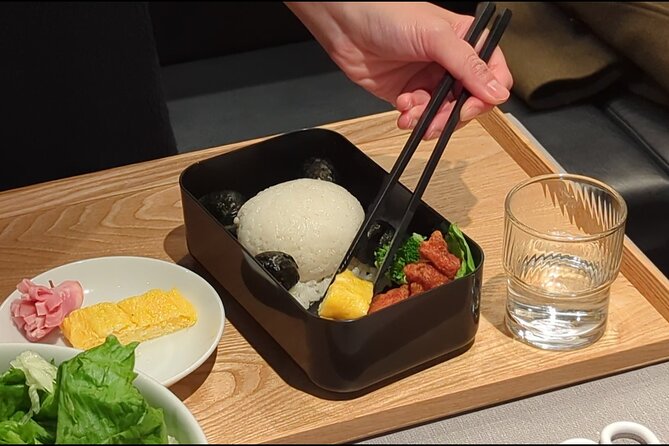
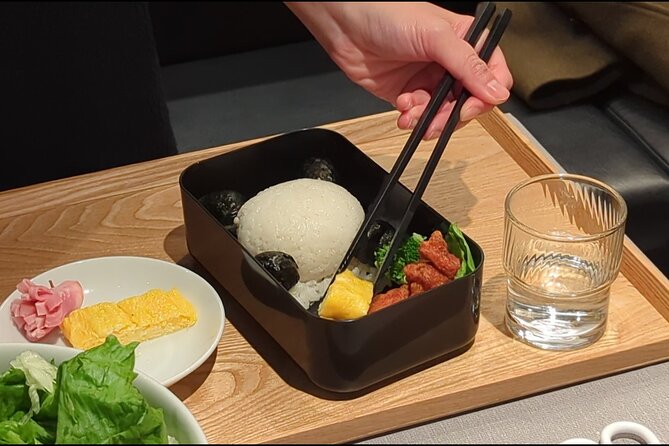
- You make several tiny character pieces: Panda, bear, frog, dog, heart, and flower designs may be part of the class, depending on the menu and session.
- Kenji teaches beginners patiently: Step-by-step images, prepared ingredient sets, and close help keep the process manageable.
- You learn useful Japanese food skills: The class can include rolled omelets, decorative vegetables, and simple techniques you can repeat at home.
- The final photos are part of the fun: Finished bentos are photographed against prepared backdrops, sometimes with lights and different background options.
- Dietary needs can be planned for: Vegetarian and vegan menus are available, and allergies such as nuts or milk can be accommodated.
- The small group keeps it personal: The class has a maximum of 12 people, with the activity ending where it begins.
Making a Panda Lunch in Akasaka
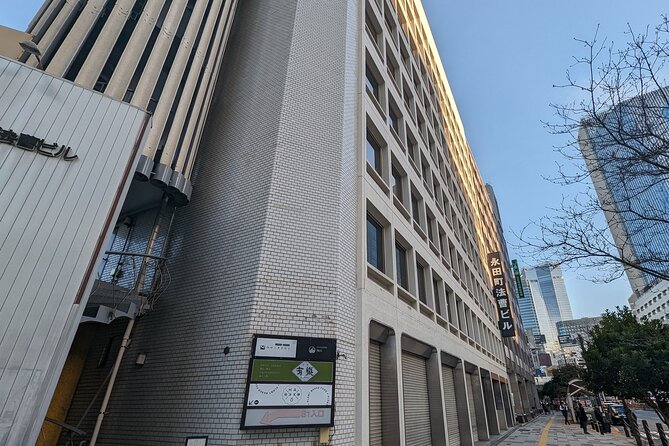
The class meets at Tokyo Cute Bento, at 2-chome 21 in Akasaka, Minato City, Tokyo 107-0052. The address includes a basement-level studio beneath a ramen shop, so you should allow a few extra minutes to get your bearings.
That location detail matters. The class is easy to miss if you expect a street-facing cooking school with a large sign. One useful clue from the venue description is that it is one floor down, and the facilities are modern and tidy once you reach them.
You receive the ingredients and tools on arrival. You do not need to shop for rice, vegetables, seaweed, omelet ingredients, or decorative pieces before class. The workstations are prepared in advance, which lets you spend the short session creating rather than measuring and waiting.
The class can run entirely in English. Kenji, Mami, Saori, and the wider Tokyo Cute Bento team are used to guiding first-time cooks, and the teaching style is built around clear demonstrations and simple stages.
You may see examples on a screen or use step-by-step photographs as a visual guide. That is helpful because character bento work depends on small shapes and placement. A verbal explanation alone can make a panda face sound easy, then leave you wondering why your seaweed ears have wandered off.
Other cooking classes in Tokyo

The First 15 Minutes: Bento Culture Before the Craft
The opening introduction lasts about 15 minutes. It gives you context for the bento itself, not just the cute decoration.
Bento is more than food packed in a box. It is a practical Japanese meal format, designed to keep separate foods tidy and appealing. In a character bento, that everyday idea meets food art, with rice, vegetables, omelet, and other prepared ingredients arranged to create a face, animal, or seasonal figure.
I value this short introduction because it keeps the activity tied to Japanese culture. Without it, you could make an adorable lunchbox anywhere. With it, you begin to see the care involved in arranging a compact meal so that it looks good, travels well, and stays pleasant to eat.
Do not expect a long lecture. The introduction is brief, leaving most of the two hours for your hands-on work. That balance suits you if you want cultural context but would rather start making things than sit through a formal presentation.
The 60-Minute Build: Rice, Omelets, and Tiny Details
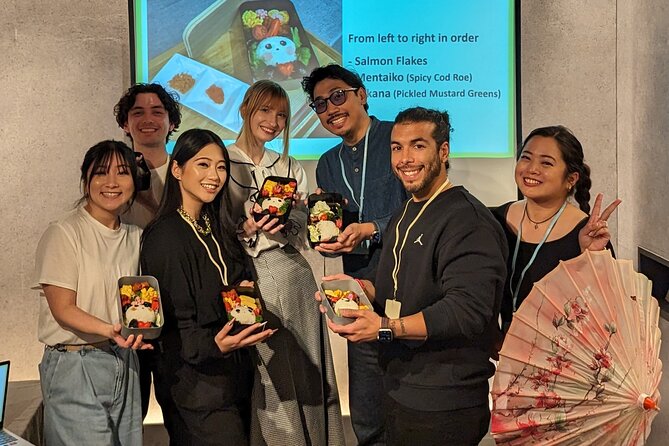
The main work takes about an hour. This is where the class earns its price.
You work with prepared ingredients and tools, following the instructor through the construction of your chosen design. Depending on the session, you might form a panda, dog, bear, frog, or several smaller decorations. The supplied examples also include hearts and flowers, so the finished box can contain more than one character or motif.
The process is beginner-friendly, but it still rewards patience. A character bento is not simply a matter of putting food in a box. You need to shape pieces, cut or place small features, and arrange everything so the design can be recognized at a glance.
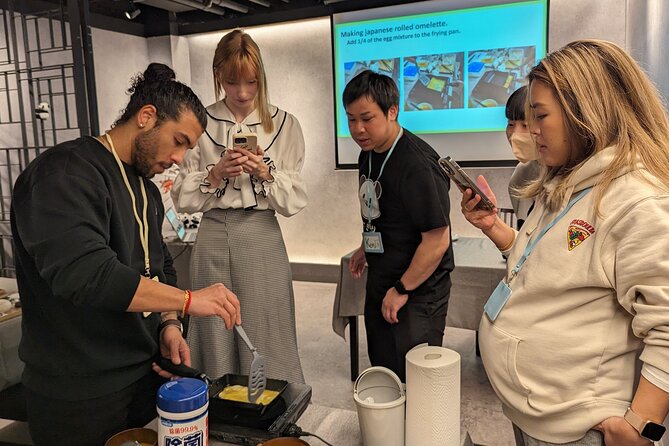
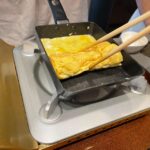
The class also covers Japanese rolled omelet, known as tamagoyaki, according to the information provided and several class descriptions. For many people, this is the most useful skill to take home. Cute rice shapes are fun, but a rolled omelet is something you can make again for an ordinary breakfast or lunch.
Decorative flowers and other small food-art elements may also be included. These details show you how Japanese lunchboxes gain personality without relying on expensive ingredients. The lesson is less about restaurant-level cooking and more about turning familiar food into something playful.
Kenji’s role seems especially important for first-timers. He is described as patient, warm, and available when help is needed. That makes a difference when a small piece refuses to hold its shape or your character looks more sleepy than cheerful.
The pre-prepared sets also make the class relaxing. You can focus on design instead of rushing through a recipe. Families can work side by side, and solo participants are not left on their own if the class happens to be small.
The Photo Session: A Useful Souvenir, Not Just a Snapshot
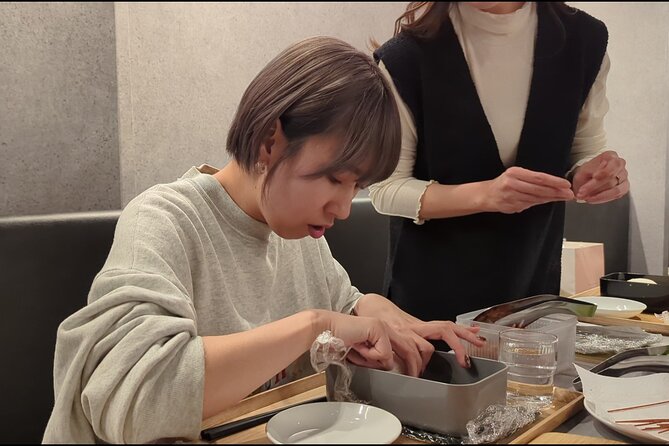
After the food is assembled, about 15 minutes is set aside for photographs. The studio has prepared backdrops, and some sessions include lighting and more than one background option.
This is a smart part of the schedule. The finished bento is temporary, and you may feel a little guilty eating something that took an hour to build. Good photographs let you keep the character design after lunch has disappeared.
The instructors may photograph the bento as it progresses, as well as the completed box and you with your work. That helps families and couples record the process, not only the final result.
The photo session is also useful if presentation matters to you. Character bento is visual food, and the right background makes the shapes easier to see. If you are hoping for polished personal pictures rather than a quick phone photo at your seat, this added setup is a real benefit.
The Final 30 Minutes: Eat What You Made
The final half hour is for eating. Your bento is not a plastic craft project. It is lunch, breakfast, or a snack that you can enjoy at the studio.
That distinction is important for value. You are paying for instruction, ingredients, tools, cultural context, photos, and food. At about $66.07 per person, the class costs more than buying a simple convenience-store bento, but the comparison is not quite fair. You are also paying for a guided activity and the chance to learn a repeatable skill.
The meal itself has received strong praise, including from people who expected the cute presentation to be the main point. The food is prepared for the class, and the format gives you time to appreciate the effort behind a bento lunch.
You can also take the bento box home, according to the class information and one family’s description. That gives you a practical souvenir rather than another object that sits in a suitcase. Check the exact arrangements at the time of booking if taking the box home matters to you.
Other cooking classes in Tokyo





Dietary Requests Are Worth Planning Early

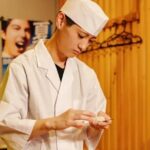
Vegetarian and vegan options are available. The class can also accommodate allergies, including no-nut and no-milk requests, when you provide the information during booking.
This is one of the strongest practical features. Food-art classes can be frustrating if the main character pieces rely on ingredients you cannot eat. Here, the menu can be adjusted so you can take part in both the making and the meal.
Still, do not wait until you arrive to explain a serious allergy or dietary restriction. Include it when you book. The class specifically asks for this information in advance, giving the team a chance to prepare the right ingredients and tools.
Because this is a small food workshop, cross-contact questions may matter to you if your allergy is severe. The supplied information confirms accommodation for several needs, but it does not provide a detailed allergy protocol. Contact the provider directly if you need exact safety information.
A Good Choice for Families, Teens, and Solo Cooks
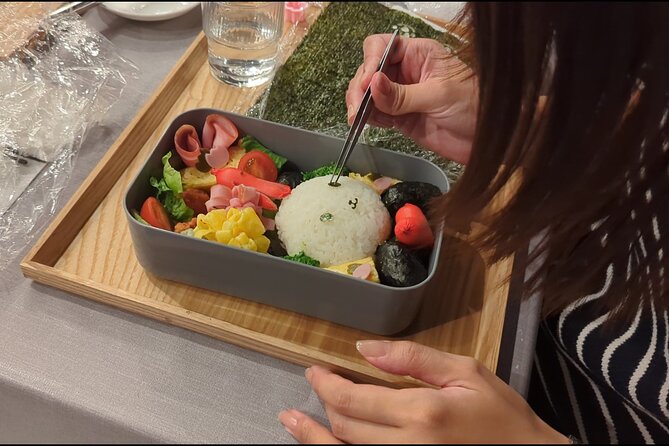
The class works especially well for families with children who enjoy making things. The food is colorful, the task has a clear goal, and the finished result provides an immediate reward.
That said, the class is not only for kids. Teenagers, young adults, couples, and solo participants can enjoy the creative side. One person attended alone and found the small setting welcoming, which suggests you do not need a group to make the class worthwhile.
I would be cautious with very small children. The work involves small food pieces and careful shaping, and one description specifically notes that the class may not suit small kids. Older children who can follow instructions will likely get more from it.
It is also a good choice when you need a break from sightseeing. Two hours seated at a workstation can reset your legs after a morning of Tokyo walking. On a rainy day, it gives you a planned indoor activity with something to eat at the end.
For adults who want a serious cooking lesson, the class may feel light. You will learn useful techniques, but the focus is character design, presentation, and enjoyment. If you want to master several traditional dishes from start to finish, choose a longer cooking course instead.
What You Can Take Home Besides Lunch
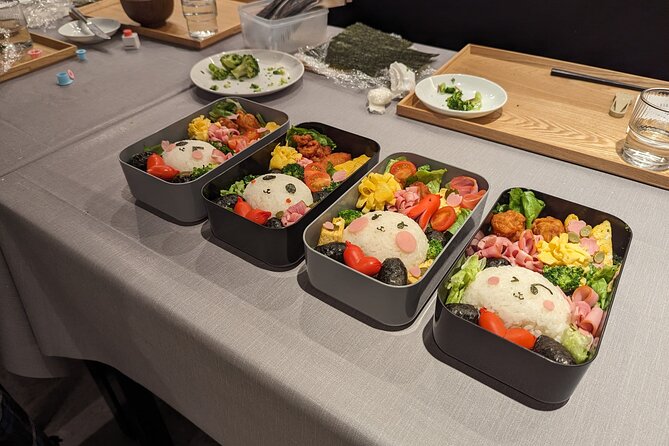
The best souvenir is the method. Once you understand how to form rice, place small features, roll an omelet, and arrange the box, you can adapt the idea at home.
You do not need to copy a panda exactly. You can use the same approach for a cat, bear, seasonal figure, or simple face. The class gives you a way to make an ordinary packed lunch more appealing without needing advanced kitchen skills.
The bento box itself may also go home with you. Along with the photos, that creates a lasting reminder of the activity. More important, you leave with a skill you can use for children, picnics, work lunches, or a playful breakfast.
The class also changes how you look at convenience-store and supermarket bentos in Japan. After spending an hour placing details into a small box, you begin to notice the balance of color, portion, shape, and separation in everyday Japanese meals.
Timing, Group Size, and Price
The total duration is about two hours:
- 15 minutes for an introduction to bento culture
- 60 minutes for hands-on bento making
- 15 minutes for photographs
- 30 minutes to eat
The maximum group size is 12 people. That is large enough to create a social atmosphere but small enough for the instructors to provide individual help. If your booking happens to be quieter, the class can feel quite personal.
At $66.07 per person, I see this as a moderate splurge. It is not a cheap lunch, but it combines a meal with a structured cultural activity, ingredients, equipment, English instruction, photography, and a possible take-home box.
The value is strongest if you enjoy creative activities or want something different from temples, shopping, and observation decks. It is weaker if you are measuring the price only against the amount of food served.
Free cancellation is available up to 24 hours before the start time for a full refund. Changes or cancellations made inside that 24-hour window are not accepted for a refund, and the cut-off follows Tokyo local time.
Finding the Basement Studio Without Stress
Use the full address when you plan your route: Tokyo Cute Bento Japan, 107-0052 Tokyo, Minato City, Akasaka, 2-chome 21, basement level 1.
The meeting point and end point are the same. The studio is near public transportation, but the below-street-level setting can make the final approach less obvious. Look for the ramen shop and expect to go down one floor.
I would not schedule this with only a few spare minutes after a major Tokyo attraction. Give yourself time to find the entrance, especially if you are bringing children or managing dietary needs. Once inside, the modern facilities and organized setup should make the rest of the session simple.
Service animals are allowed. Confirmation is provided at booking, and the class accepts mobile tickets, so keep your booking details easy to access on your phone.
Should You Book Tokyo Cute Bento?
Book it if you want a cheerful, hands-on Japanese activity with a meal at the end. It is especially good for families with older children, creative adults, solo visitors, vegetarians, vegans, and anyone who wants a rainy-day break from sightseeing.
I would also book it for the practical afterlife. You learn rolled omelet and simple food-art techniques, then take home photographs, perhaps the bento box, and a skill you can repeat.
Skip it if you want a full cooking school, a long cultural lecture, or a broad survey of Japanese cuisine. Also plan carefully if you have a serious allergy, since dietary needs must be shared ahead of time.
For most people who like food, crafts, and a little harmless cuteness, the $66.07 price is fair. The class gives you more than lunch: it gives you a story to tell, a few useful techniques, and a panda that may be almost too cute to eat.
FAQ
Where does the Tokyo Cute Bento class take place?
The class takes place at Tokyo Cute Bento Japan in Akasaka, Minato City, Tokyo 107-0052. The studio is at 2-chome 21, on basement level 1, below a ramen shop.
How long does the class last?
The activity lasts about two hours. The schedule includes a 15-minute introduction, 60 minutes of bento making, 15 minutes for photographs, and 30 minutes to eat.
Is the class taught in English?
Yes. The workshop can be conducted entirely in English.
Are vegetarian and vegan options available?
Yes. Vegetarian and vegan menus are available. You should provide your dietary requirements when booking.
Can the class accommodate allergies?
The menu can be adjusted for allergies, including no-nut and no-milk requests. Share your restrictions at the time of booking so the team can prepare.
How many people can join the class?
The activity has a maximum of 12 participants.
What is the cancellation policy?
You can cancel at least 24 hours before the start time for a full refund. Cancellations or changes made less than 24 hours before the start time are not accepted for a refund.
More Workshops & Classes in Tokyo


More Cooking Classes in Tokyo
More Cooking Classes in Tokyo
More tours in Tokyo we've reviewed








Cooking Classes, compared.
 ★ 5.0Ramen & Gyoza Cooking Class in Tokyo with Local Supermarket VisitFrom $122
 ★ 5.0Ramen and Sushi Cooking Class with Sake Pairing Set in TokyoFrom $79
 ★ 4.9Tokyo: Wagyu and 7 Japanese Dishes Cooking ClassFrom $673 hours
 ★ 5.0Tokyo Washoku 4-hour Cooking Class: From Market to TableFrom $79
 ★ 5.0Professional Ramen & Gyoza with Ramen Chef in a restaurant!From $159
 ★ 5.0Small-Group Wagyu Beef and 7 Japanese Dishes Tokyo Cooking ClassFrom $72