
Reviewed · COOKING CLASSES
Japanese Home Cooking Class with Local Supermarket Visit
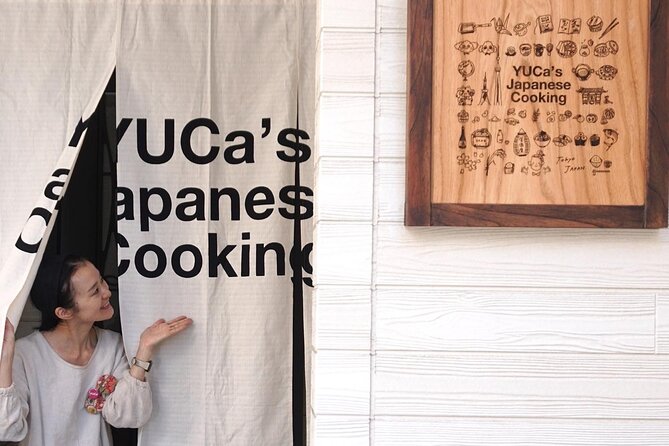
Japanese home cooking is less about showy restaurant dishes and more about smart everyday meals: a good balance of meat, fish, vegetables, rice, and simple sauces. At YUCa’s Japanese Cooking in Tokyo, you learn how those pieces fit together, then visit a local supermarket to see where residents shop and what ingredients you can use at home.
I like the small maximum of seven people, which should give you room to ask questions and get hands-on with the food. I also like the practical follow-up: recipes and cooking tips to take home, plus a supermarket visit that can help you identify Japanese ingredients and souvenirs.
The main consideration is the price. At $162.88 per person, this is not a bargain lunch class, and the total time is only about two and a half hours. You are paying for personal instruction, a meal, and cultural guidance in a very small group, so it makes the most sense if cooking is a major part of your trip.
In This Review
- Key points about YUCa’s Tokyo cooking class
- What the morning at 10:00 a.m. looks like
- Learning what Japanese families actually cook
- A truly hands-on meal, not a cooking demonstration
- Dishes you may prepare, and what they teach you
- Eating lunch after the cooking
- The supermarket visit is more useful than it sounds
- Why the small group matters
- Who will get the most from this experience
- Getting there and planning your booking
- Should you book this Japanese cooking class?
- FAQ
- Where does the Japanese cooking class meet?
- What time does the class start?
- How long does the experience last?
- Where does the activity end?
- How many people can join the class?
- Is lunch included?
- What kinds of food might I learn to make?
- Is the supermarket visit part of the experience?
- Can I cancel for a full refund?
Key points about YUCa’s Tokyo cooking class
- Small group of up to seven: You get a more personal setting than a large demonstration class.
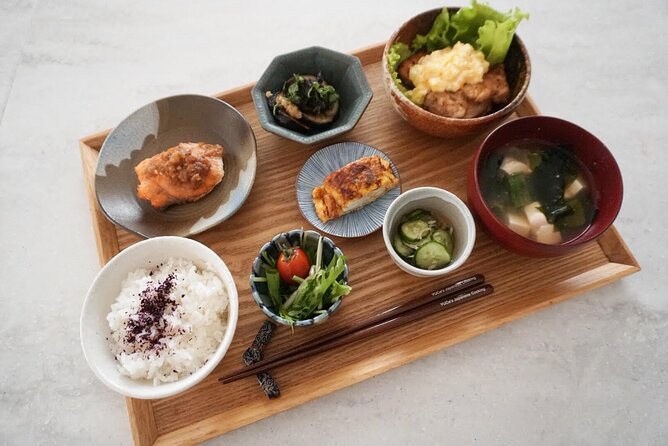
- Home-style Japanese menu: Dishes may include foods such as gyoza, ramen, Japanese omelettes, pork katsu, and walnut miso sauce, depending on the class.
- Hands-on cooking: You take part in preparing the food rather than simply watching a chef.
- Recipes to use later: Instructions and cooking tips help you recreate the dishes at home.
- Local supermarket visit: After cooking, you see Japanese ingredients and packaged foods in an everyday shopping setting.
- Lunch included: The meal is made during class and eaten as part of the experience.
What the morning at 10:00 a.m. looks like
Your morning begins at 10:00 a.m. at YUCa’s Japanese Cooking, located at 2-chōme-34-8 Nishiogu in Arakawa City, Tokyo. The activity ends at the same meeting point, and the location is near public transportation.
That timing matters. A morning class gives you a useful break from Tokyo’s crowded sightseeing circuit and leaves the rest of your day open. After lunch, you can continue exploring, return to your hotel, or use what you learned to shop for ingredients while the cooking is still fresh in your mind.
The class lasts about two hours and thirty minutes. That is enough time for instruction, preparation, eating, and the supermarket visit, but it is not a full-day food course. You should arrive ready to take part, ask questions, and move at a steady pace.
YUCa leads the experience as a Japanese food and culture expert. Her teaching style, based on the available details, is patient and accommodating. She has worked with people who were new to Japanese cooking, enthusiastic home cooks, and families with elementary-age children.
Other cooking classes in Tokyo
Learning what Japanese families actually cook
The useful part of this class is the focus on home cooking rather than restaurant technique. Japan is famous for sushi, tempura, ramen, and other foods visitors seek out in restaurants, but daily meals often depend on simpler combinations and careful balance.
You learn about menu planning, nutrition balance, and seasonal ingredients. Those topics give the class more value than a single recipe lesson. You are not only preparing a dish. You are learning how several foods can work together as a satisfying meal.
The menu can use meat, fish, or vegetables. The exact dishes may vary, but examples connected with this class include gyoza, ramen, Japanese omelettes, pork katsu, and walnut miso sauce. These are appealing choices because they show different parts of Japanese home cooking: filled dumplings, noodles, eggs, fried meat, and a sauce that can be made again in your own kitchen.
If you already cook often, pay attention to the small decisions. The important lessons may be how a sauce is balanced, how ingredients are prepared, or how a meal is put together without requiring a long list of difficult techniques. If you are new to cooking, the class offers a friendly entry point without assuming that you already know Japanese methods.
A truly hands-on meal, not a cooking demonstration
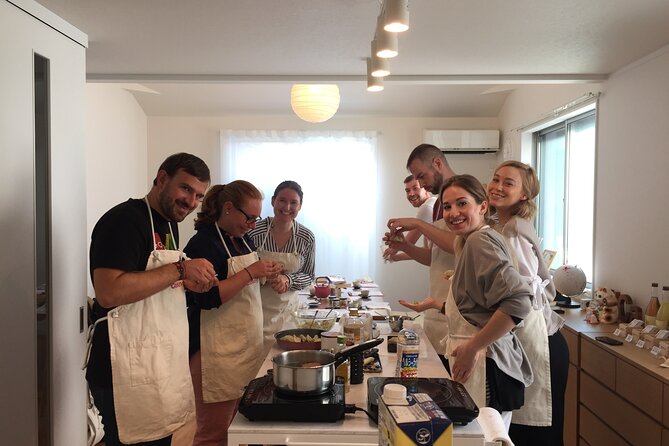
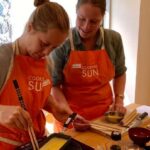
The strongest reason to book this experience is the chance to cook rather than simply watch. You participate in preparing traditional Japanese home foods, with guidance from YUCa as you work.
That format works well for different types of groups. One family used the class as a shared activity with elementary-age children, and the children were included in the cooking. If you are booking with children, keep in mind that the class is still a cooking lesson, not a separate kids’ program. Its appeal is that younger participants can take part alongside the adults.
Couples and friends also get something useful from the format. Cooking together creates natural conversation, and the small group size should make it easier to ask about ingredients, techniques, and Japanese food customs.
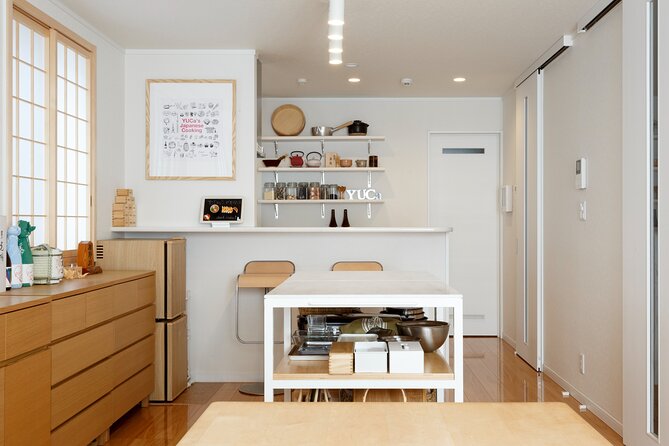
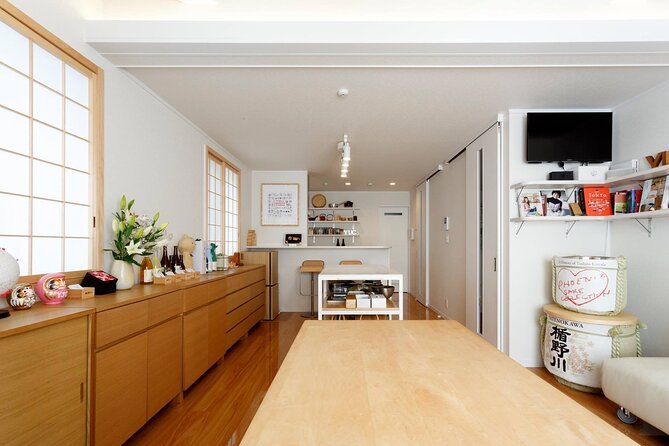
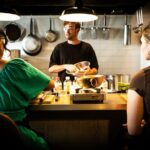
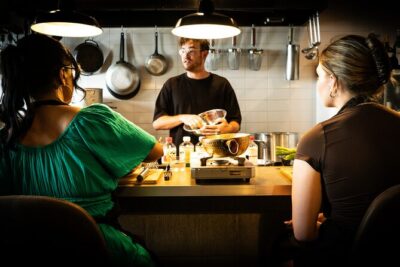
The class takes place in YUCa’s kitchen, described as clean and cozy. A home kitchen gives the experience a more personal setting than a commercial culinary school. The tradeoff is that it may feel less spacious and formal, especially if the group is full. For most people, that home setting is part of the point.
Dishes you may prepare, and what they teach you
The class does not promise one fixed menu in the supplied details, so you should not book it expecting every listed dish. Still, the examples provide a useful picture of the cooking style.
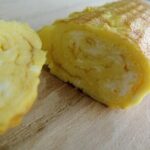
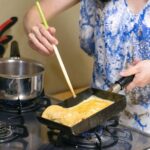
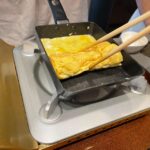
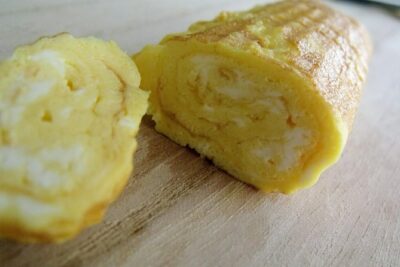
Gyoza can teach you about filling, folding, and cooking a popular Japanese home dish. Ramen offers a different lesson, with noodles and broth or toppings forming a complete bowl. A Japanese omelette shows how a familiar ingredient can become a distinctly Japanese side dish.
Pork katsu is another practical choice. It is recognizable, filling, and easy to understand even if you are new to Japanese food. The walnut miso sauce adds a less familiar flavor and gives you an idea of how Japanese pantry ingredients can be paired with a Western-style main dish.
The appeal is not rare ingredients or restaurant-level presentation. It is learning dishes that you might actually make again. One useful sign is that the class provides written instructions and recipes for home use. You can leave with more than a pleasant memory and a full stomach.
Eating lunch after the cooking
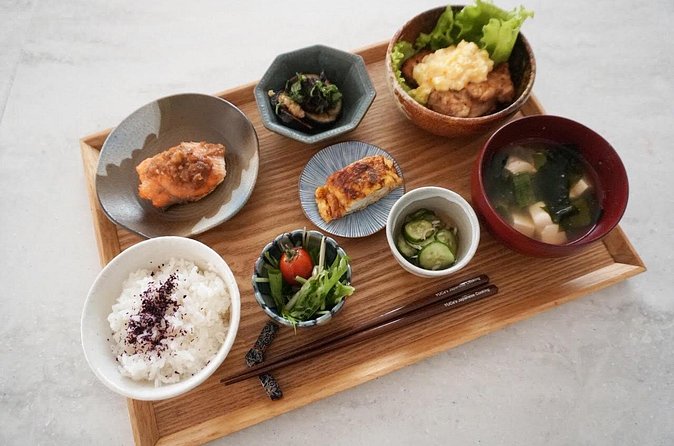
Lunch consists of the traditional Japanese home meals prepared during the class. This gives you an immediate test of what you have learned. You can taste the finished dishes, compare flavors, and ask questions while the steps are still clear.
The meal is included in the price, but it is best understood as part of the lesson rather than a separate Tokyo food tour. If you are looking for a long tasting menu or several restaurant stops, this is not that kind of experience.
The lunch also makes the class feel complete. You prepare food, sit down to eat it, and receive ideas for repeating it at home. That simple sequence is especially useful for people who want to bring Japanese cooking into their regular routine instead of collecting one-off food experiences.
Dietary details are not provided, so you should ask about food requirements before booking if you have allergies, restrictions, or strong preferences. The class may use meat, fish, and vegetables, and the menu is not described as vegetarian, vegan, halal, or allergy-adapted.
Other cooking classes in Tokyo

The supermarket visit is more useful than it sounds
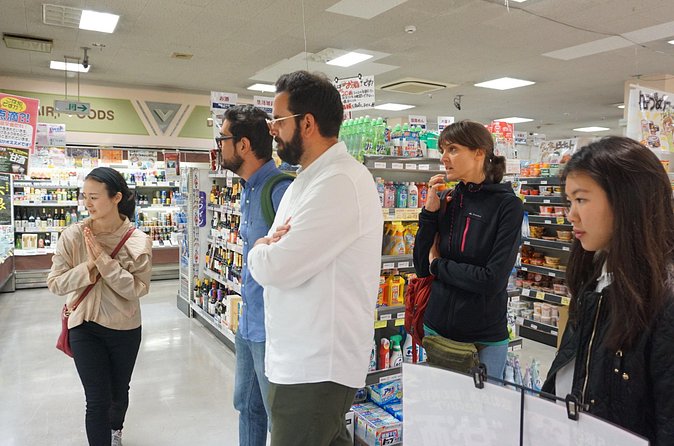
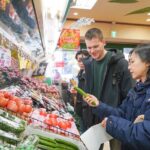
After the cooking class, you visit a local supermarket. This is a good addition because Japanese supermarkets can be confusing on a first visit. Labels, unfamiliar produce, sauces, snacks, seasonings, and prepared foods can make it hard to know what is worth buying.
With YUCa’s guidance, you can learn more about the ingredients connected to Japanese home meals. The supermarket stop also gives you a glimpse of ordinary local life, rather than showing only the famous sights and tourist districts.
The visit may be particularly useful for choosing souvenirs. Food gifts are easy to find in Japan, but not every attractive package is easy to identify or use. Guidance in the supermarket can help you choose items that fit your interests, including ingredients you may want to try in your own kitchen.
Do not expect a large market tour or a dedicated shopping expedition. The experience is designed as an addition to the cooking class. Its value comes from context: you have just prepared Japanese food, and now you can see some of the products used in Japanese kitchens.
Why the small group matters
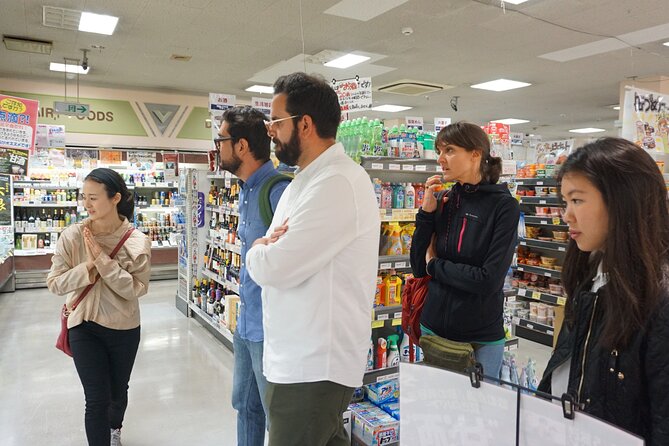
The maximum group size is seven people. That is small enough to support questions and personal attention, while still allowing you to meet other people interested in food.
A small class is helpful when you are learning a new technique. You can watch closely, receive corrections, and avoid standing at the back of a large room. It also matters for families. YUCa has experience including elementary-age children, so parents can expect the class to be adaptable to a family group, though children will need normal adult supervision.
The group size is also one reason the price is high. You are not paying only for lunch. You are paying for a private-kitchen setting, instruction, preparation, cultural explanation, recipes, and the supermarket visit. At $162.88 per person, that package should be compared with other small-group food classes, not with the cost of a restaurant meal.
Still, value depends on your interests. If you want the cheapest way to eat Japanese food, choose a restaurant. If you want practical instruction and a personal connection with a local teacher, the price becomes easier to justify.
Who will get the most from this experience
This class is a strong choice for home cooks. You can ask detailed questions, pick up methods that go beyond a single dish, and use the recipes after returning home.
It also suits families who want an activity everyone can share. The small group and patient instruction can help children take part, provided they are comfortable with a two-and-a-half-hour cooking session.
First-time visitors to Japan may appreciate the local angle. The class gives you a look at Japanese food outside the restaurant world, and the supermarket visit adds a practical connection to daily life.
You may want to skip it if your schedule is extremely tight, if you dislike hands-on activities, or if you are mainly looking for a chef-led demonstration. The class requires participation, and the fixed 10:00 a.m. start may not suit a late morning or heavily packed Tokyo itinerary.
Getting there and planning your booking
The meeting point is YUCa’s Japanese Cooking at 2-chōme-34-8 Nishiogu, Arakawa City, Tokyo 116-0011, Japan. It is near public transportation, but the supplied details do not identify a specific station or give a walking time. Check the route carefully before the morning of the class, and allow enough time to find a residential address in Tokyo.
Your mobile ticket is useful for keeping the booking details available on your phone. Confirmation is provided when you book.
The activity returns to the meeting point after the supermarket visit. That makes planning simpler, but do not assume you will be dropped at another Tokyo sight. Arrange your next stop from the original meeting area.
Free cancellation is available up to 24 hours before the 10:00 a.m. start for a full refund. Changes or cancellations made less than 24 hours before the start are not accepted for a refund. The activity also requires a minimum number of participants, so a cancellation by the provider could lead to another date, another experience, or a full refund.
Should you book this Japanese cooking class?
Book it if you want useful cooking skills, a small class, and a look at ordinary Japanese food culture. The recipes, personal instruction, included lunch, and supermarket visit give the morning more substance than a quick food activity.
I would especially recommend it to home cooks, families, and anyone who has wondered how Japanese meals are planned beyond sushi and ramen restaurants. The class also makes sense for a repeat visitor who wants a quieter, more personal Tokyo experience.
Think twice if $162.88 feels high for a two-and-a-half-hour activity, or if you want a broad food tour rather than one focused cooking lesson. The value is in what you learn and can repeat later. If that matters to you, YUCa’s Japanese Cooking offers a rewarding use of one Tokyo morning.
FAQ
Where does the Japanese cooking class meet?
The class meets at YUCa’s Japanese Cooking, 2-chōme-34-8 Nishiogu, Arakawa City, Tokyo 116-0011, Japan.
What time does the class start?
The class starts at 10:00 a.m.
How long does the experience last?
The experience lasts approximately two hours and thirty minutes.
Where does the activity end?
The activity ends back at the meeting point.
How many people can join the class?
The maximum group size is seven people.
Is lunch included?
Yes. Traditional Japanese home meals prepared during the class are included as lunch.
What kinds of food might I learn to make?
The class focuses on traditional Japanese home cooking using meat, fish, or vegetables. Examples connected with the class include gyoza, ramen, Japanese omelettes, pork katsu, and walnut miso sauce.
Is the supermarket visit part of the experience?
Yes. You visit a local supermarket after the cooking class.
Can I cancel for a full refund?
Yes, if you cancel at least 24 hours before the experience start time. Cancellations or changes made less than 24 hours before the start are not accepted for a refund.
More Workshops & Classes in Tokyo


More Cooking Classes in Tokyo
More Cooking Classes in Tokyo
More tours in Tokyo we've reviewed







Cooking Classes, compared.
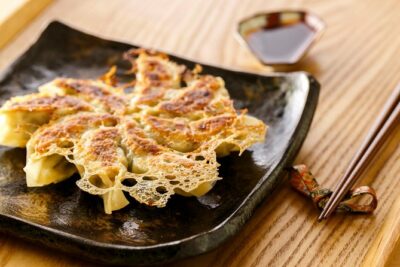 ★ 5.0Ramen & Gyoza Cooking Class in Tokyo with Local Supermarket VisitFrom $122
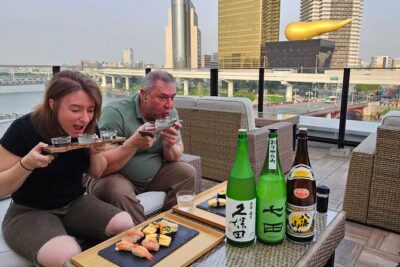 ★ 5.0Ramen and Sushi Cooking Class with Sake Pairing Set in TokyoFrom $79
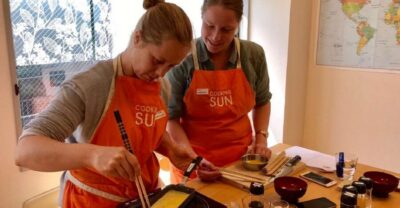 ★ 4.9Tokyo: Wagyu and 7 Japanese Dishes Cooking ClassFrom $673 hours
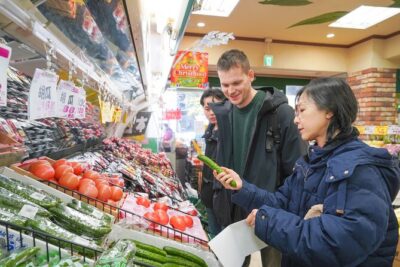 ★ 5.0Tokyo Washoku 4-hour Cooking Class: From Market to TableFrom $79
 ★ 5.0Professional Ramen & Gyoza with Ramen Chef in a restaurant!From $159
 ★ 5.0Small-Group Wagyu Beef and 7 Japanese Dishes Tokyo Cooking ClassFrom $72